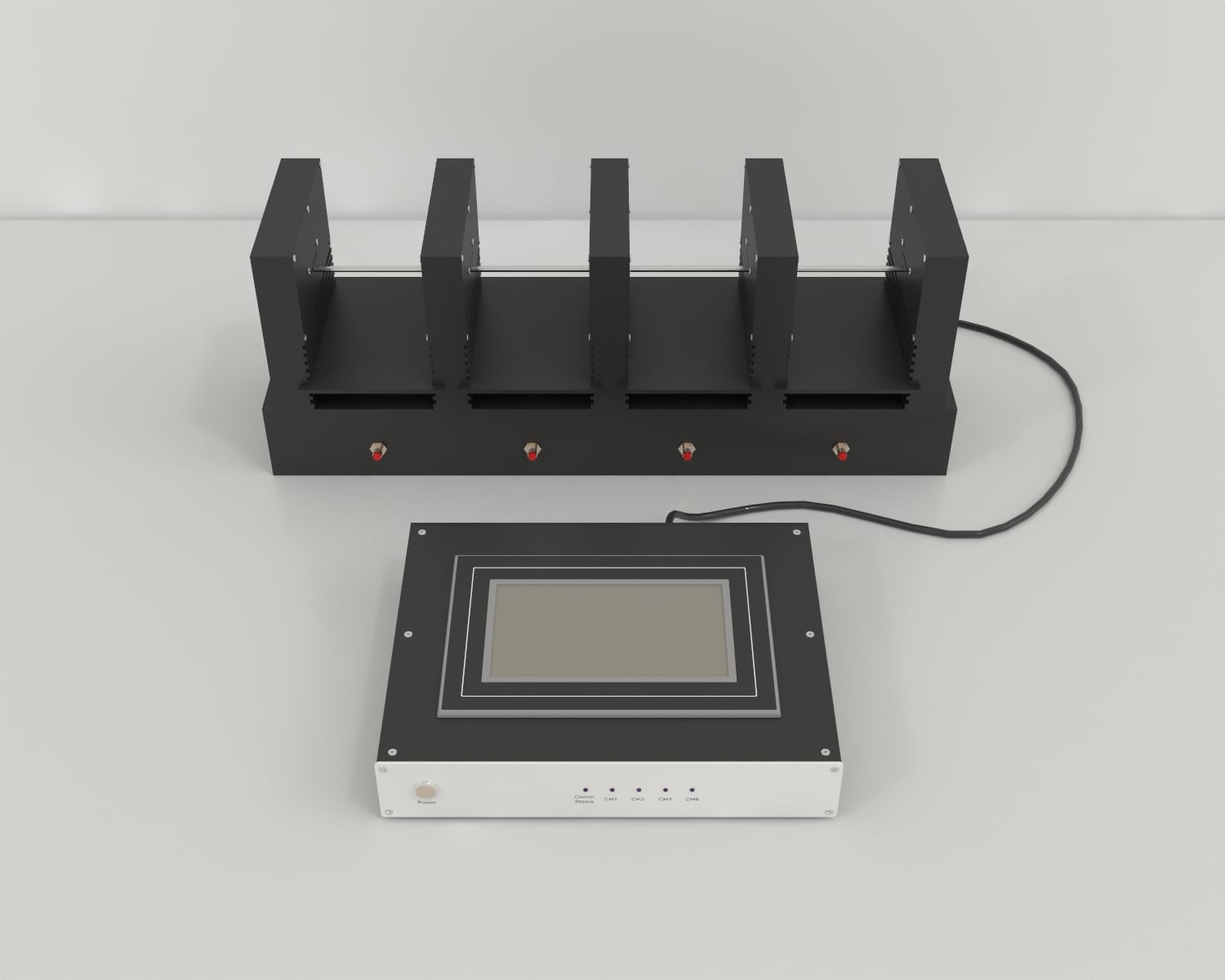
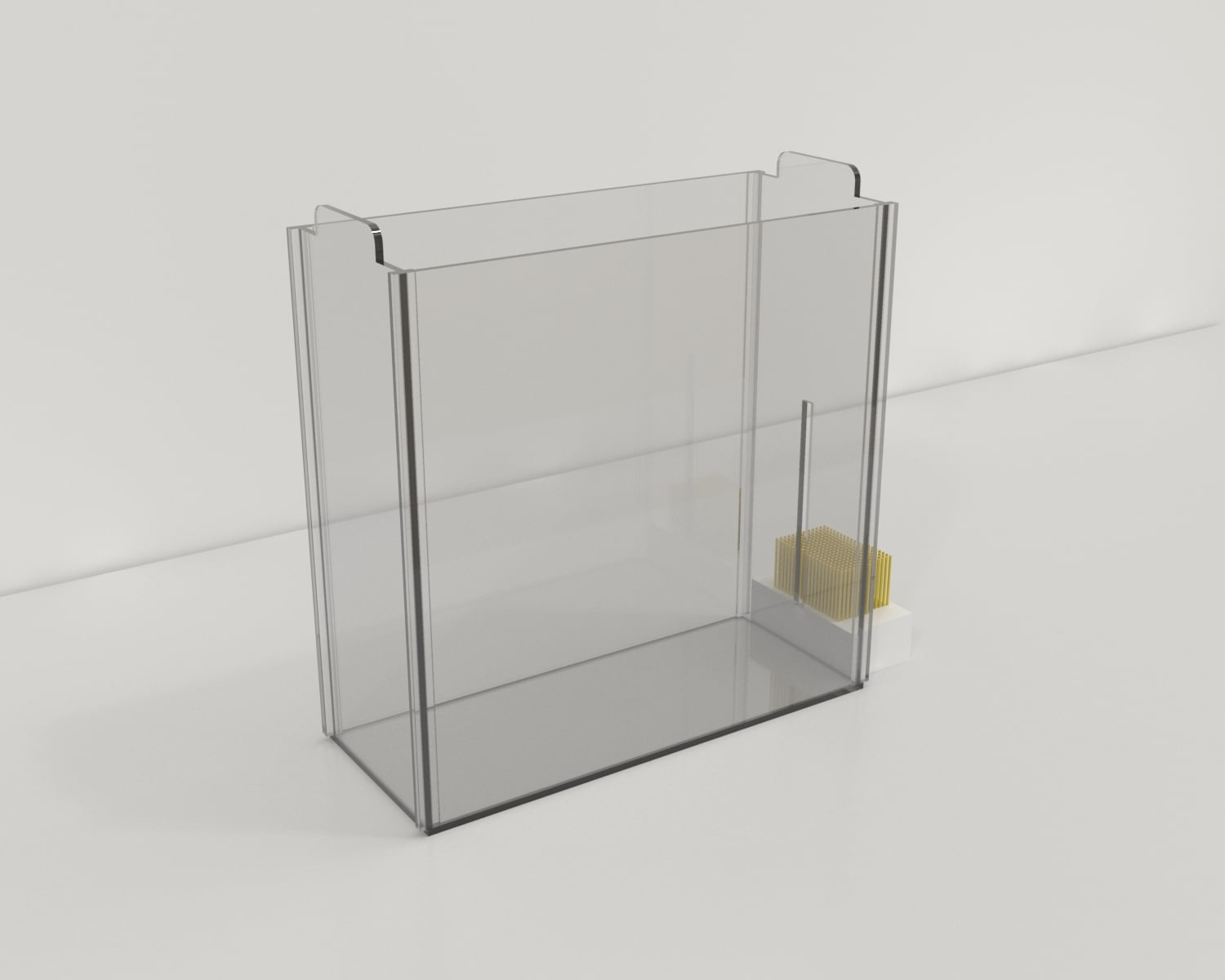
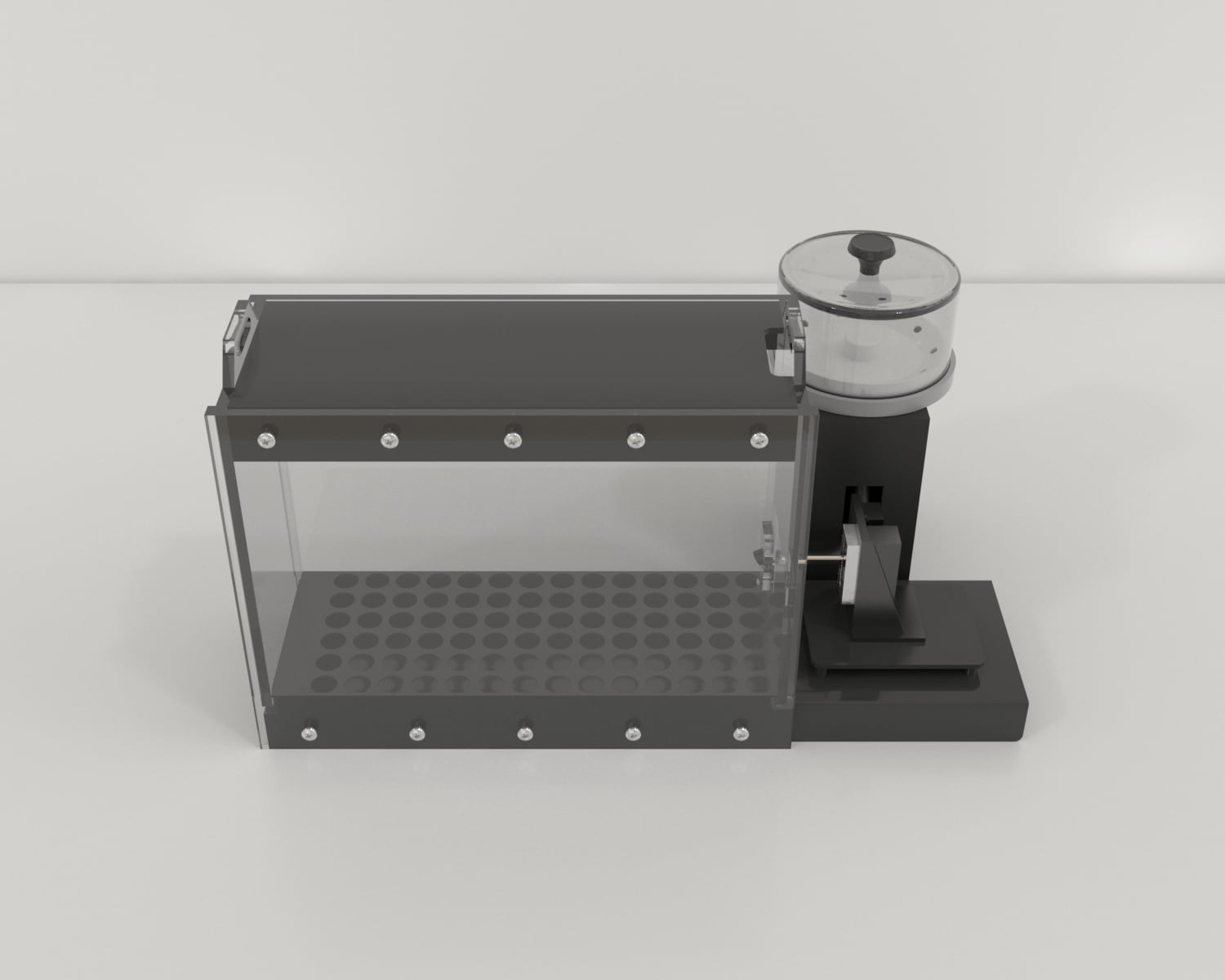
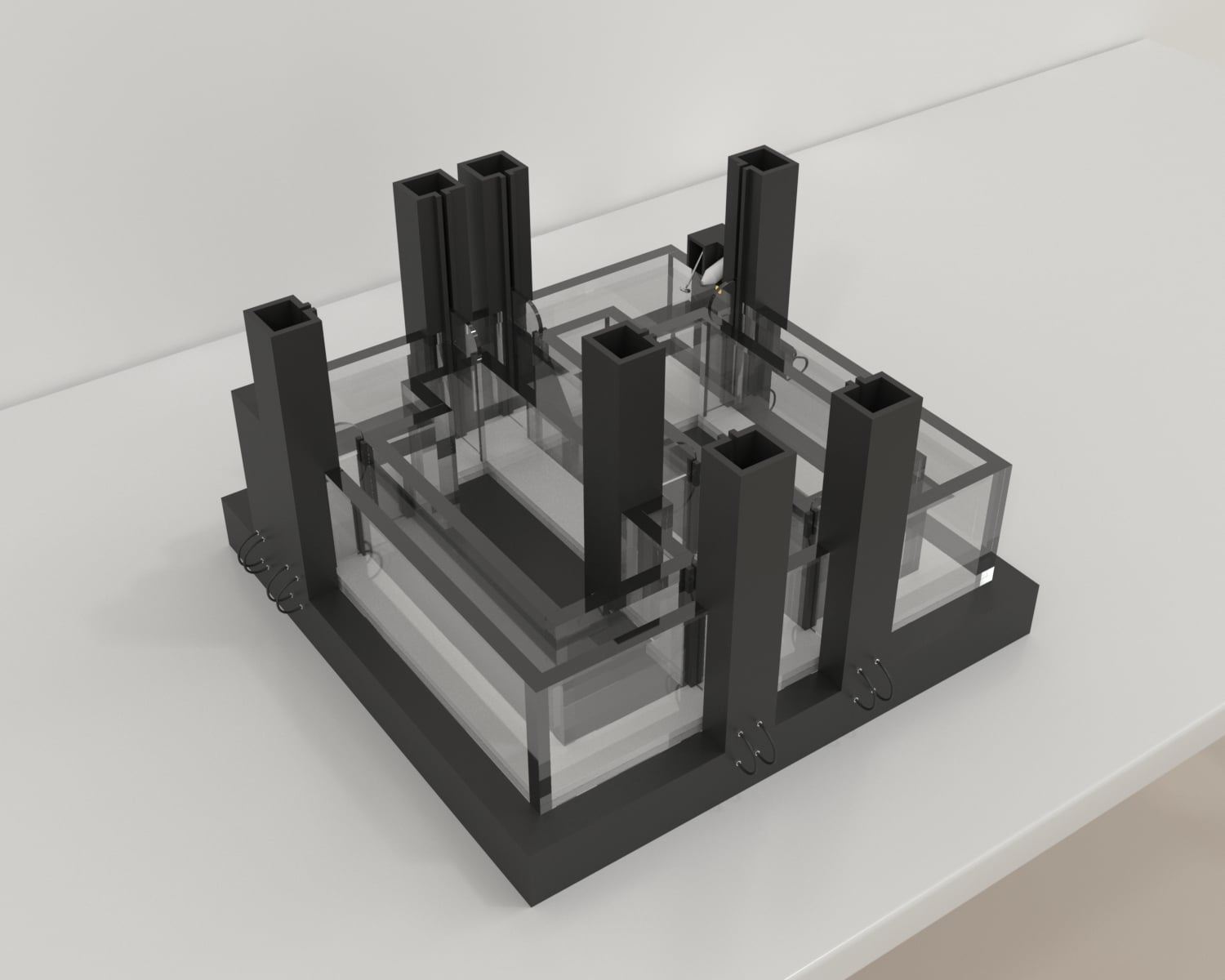
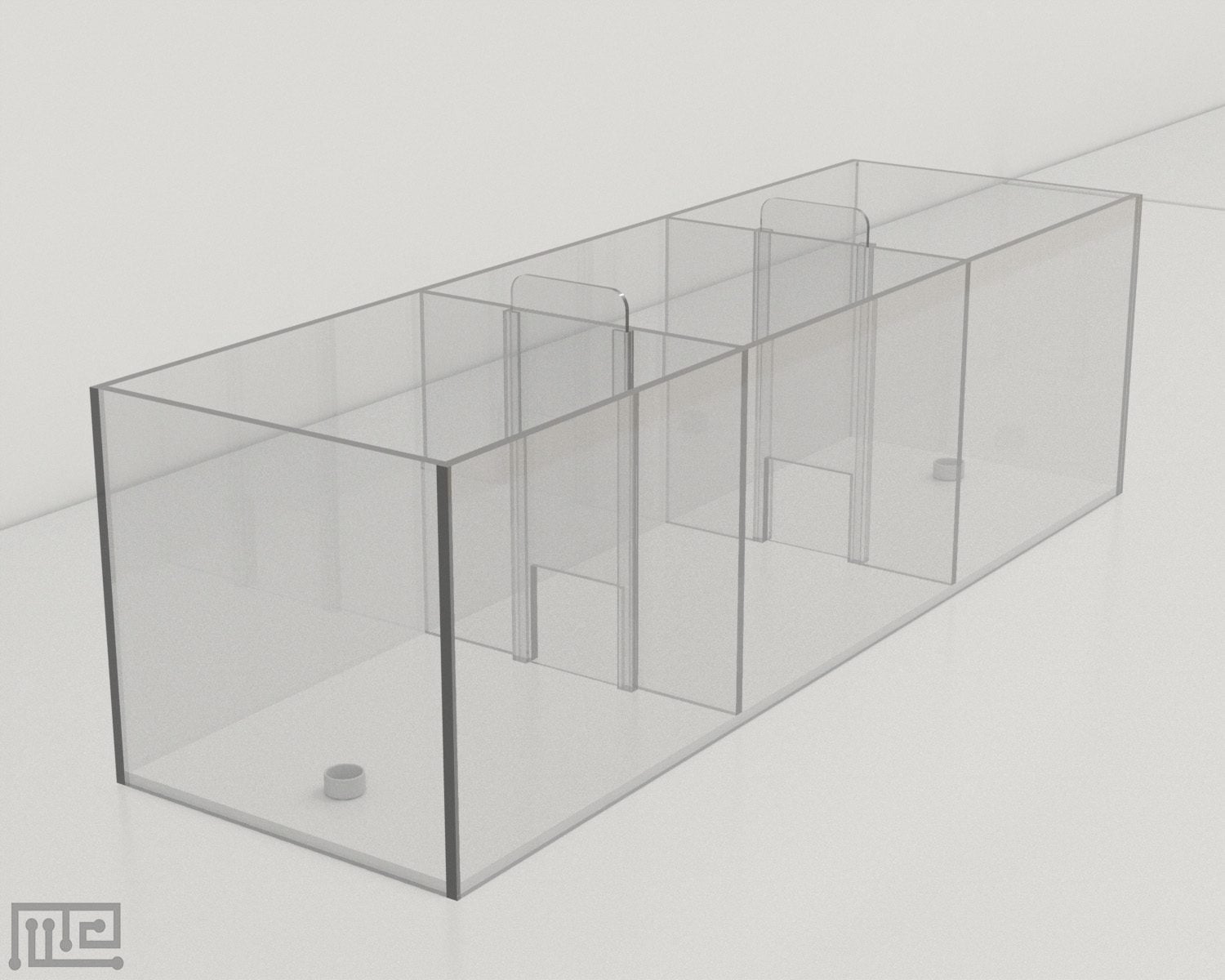
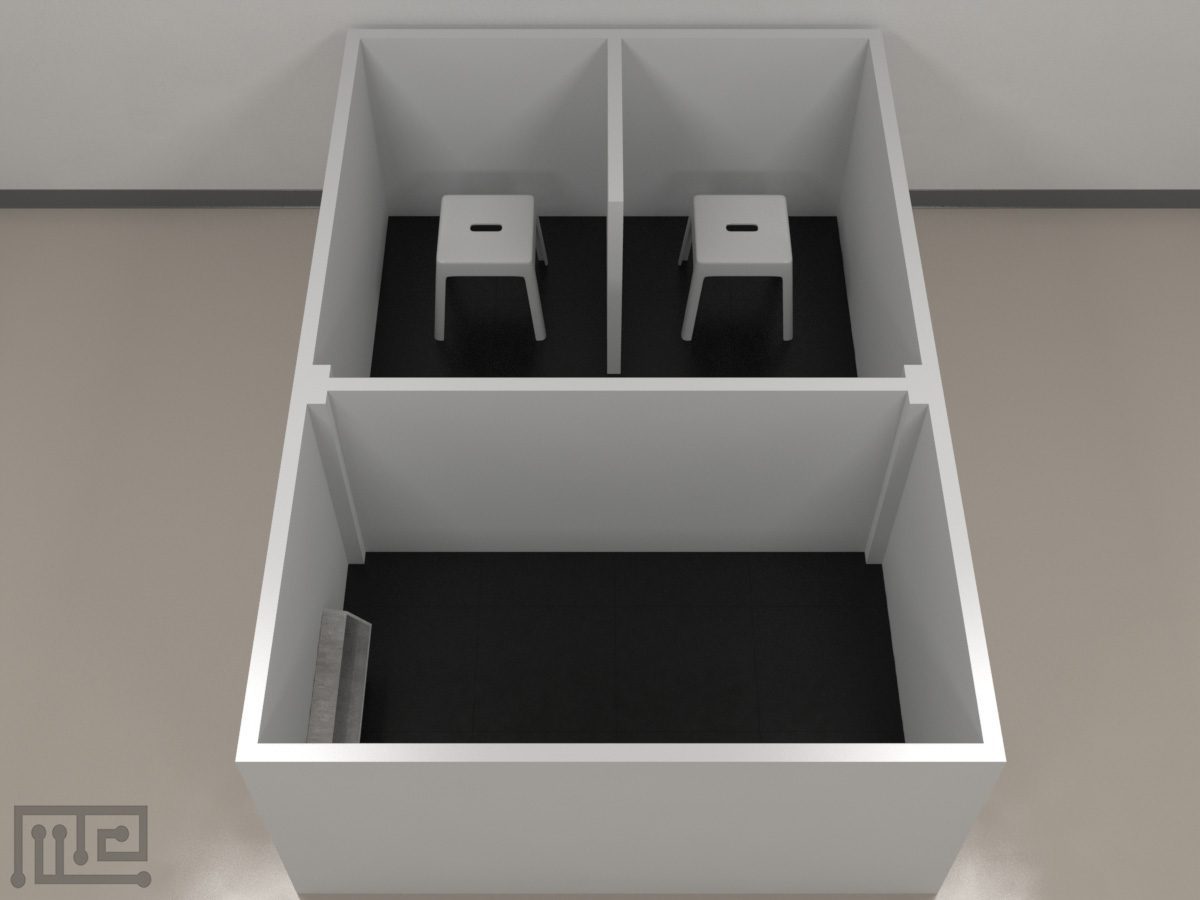
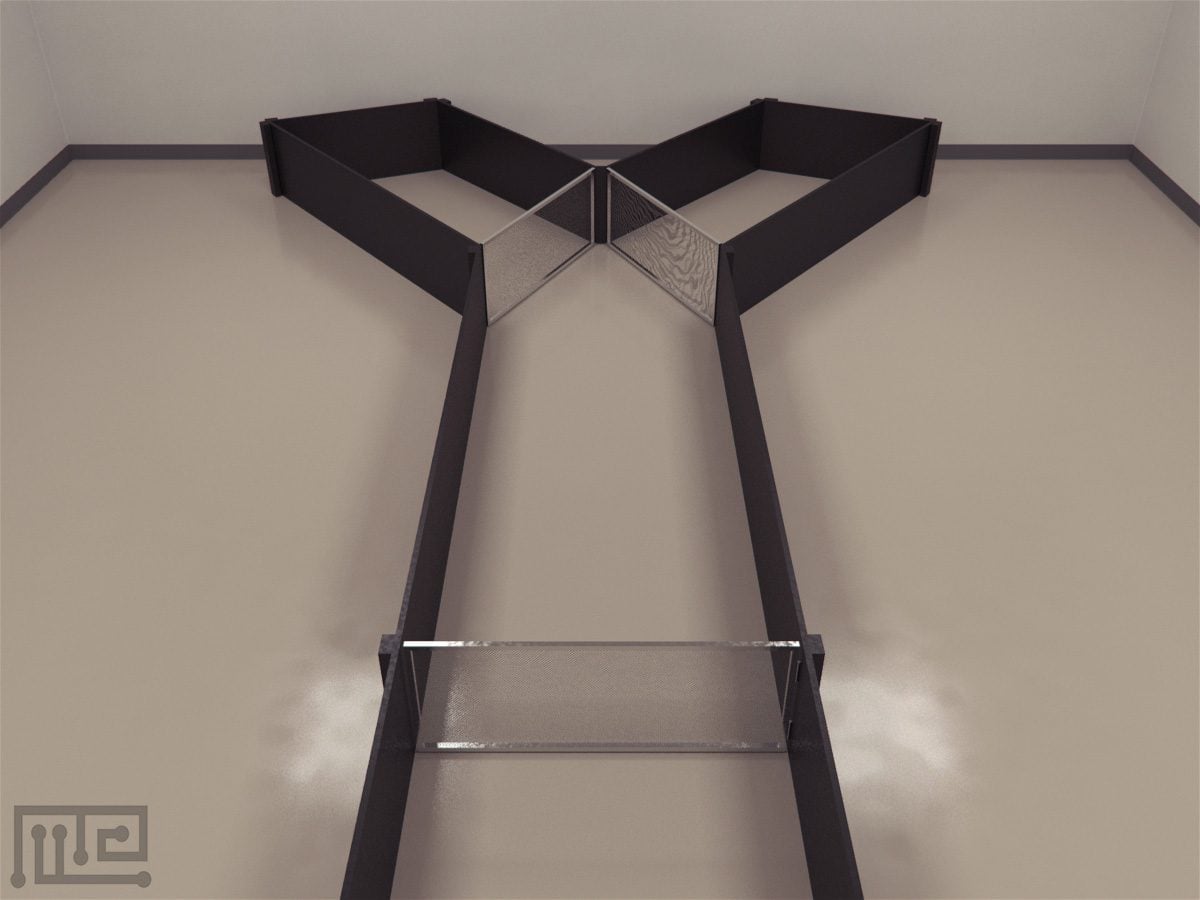
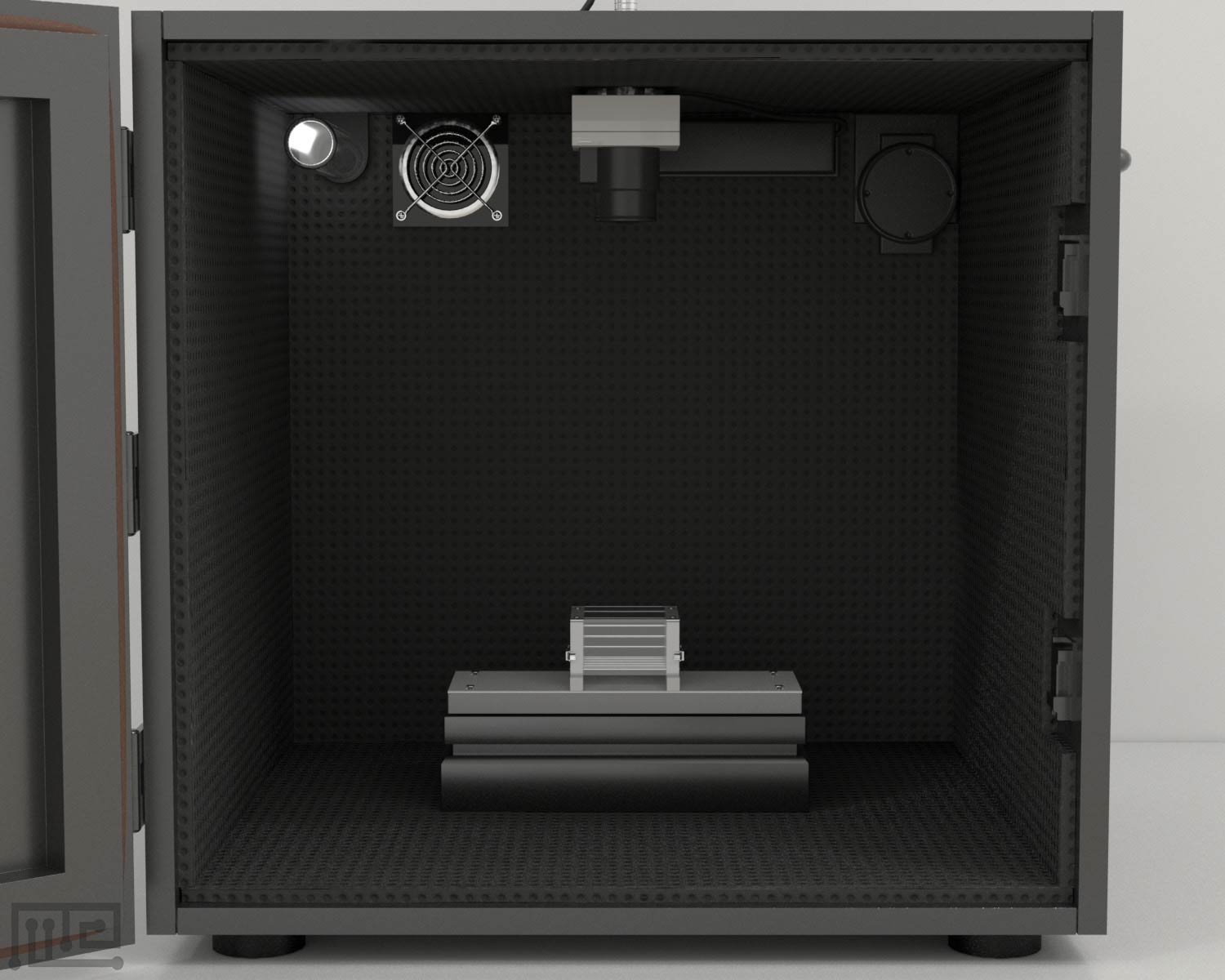
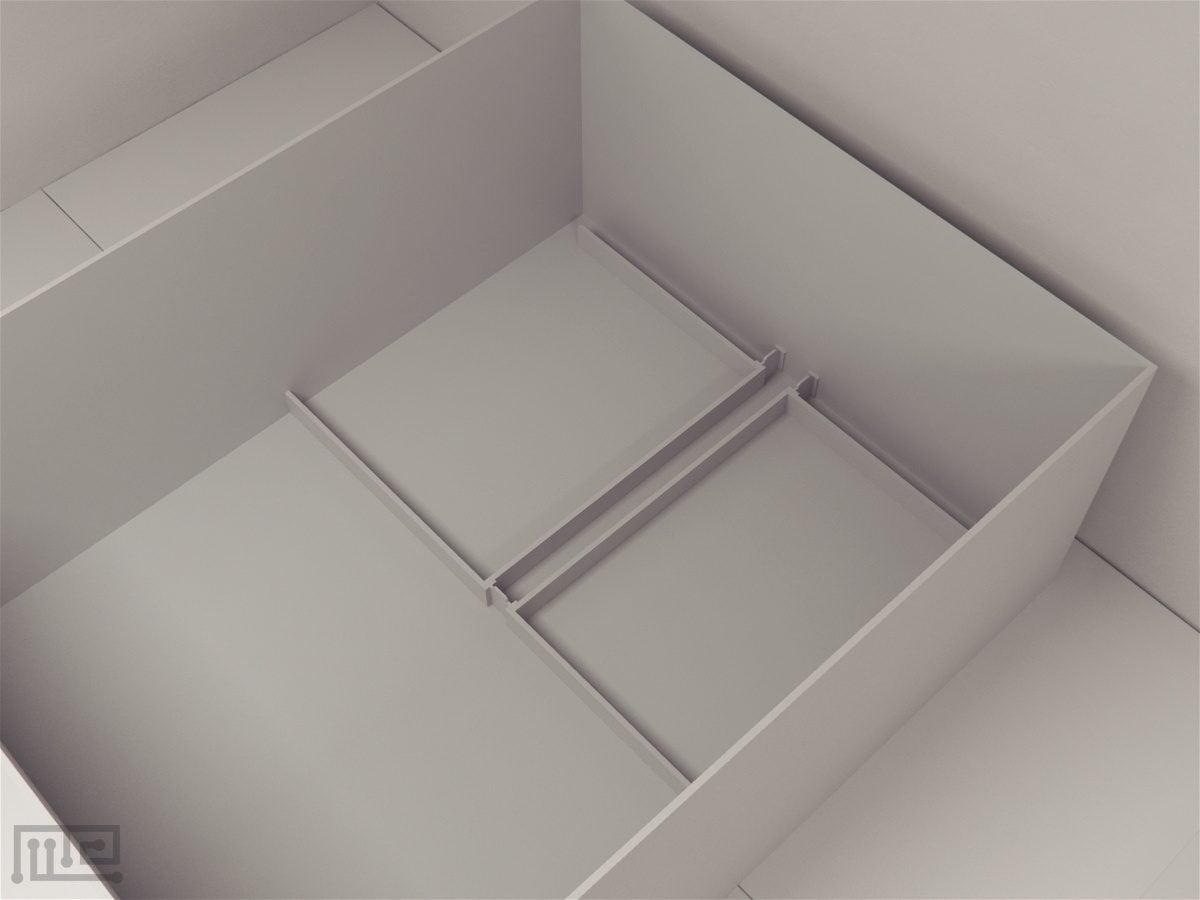
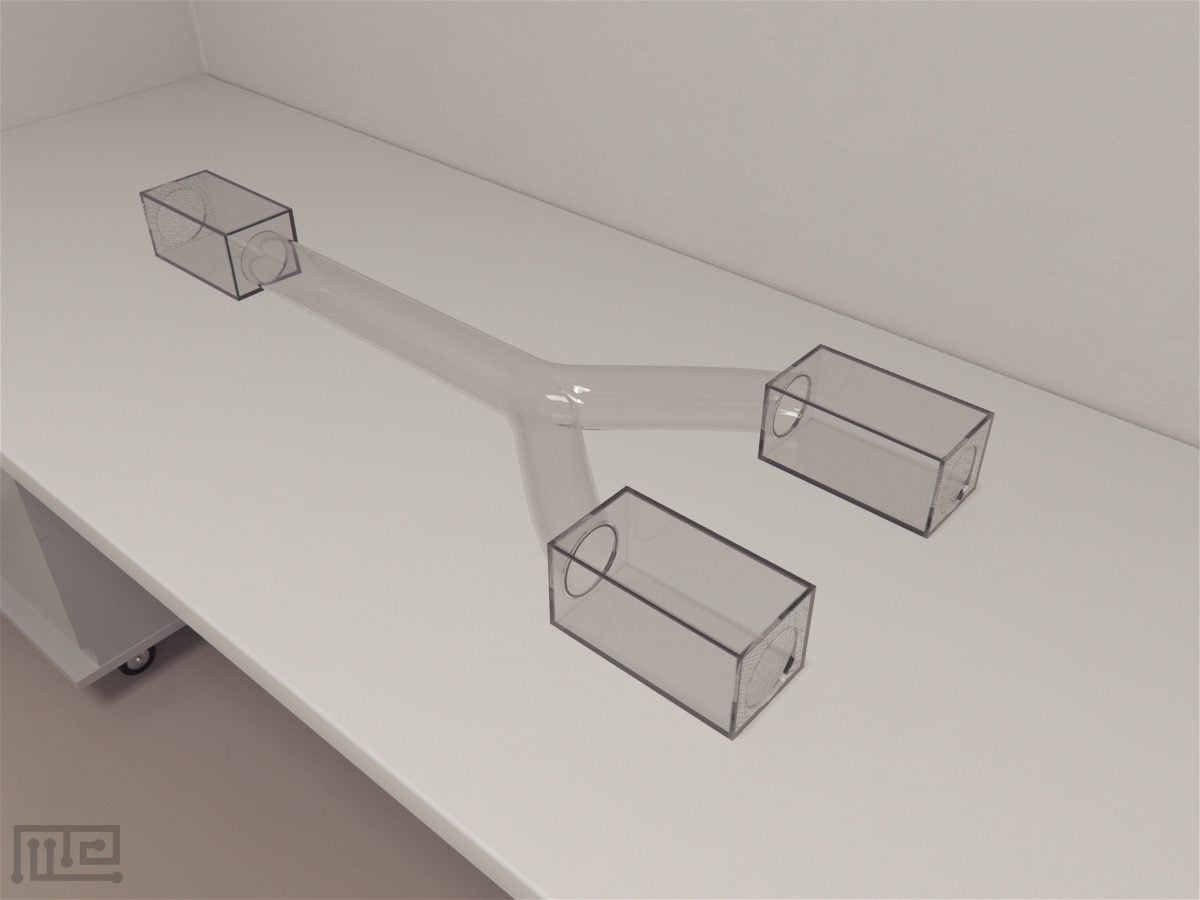
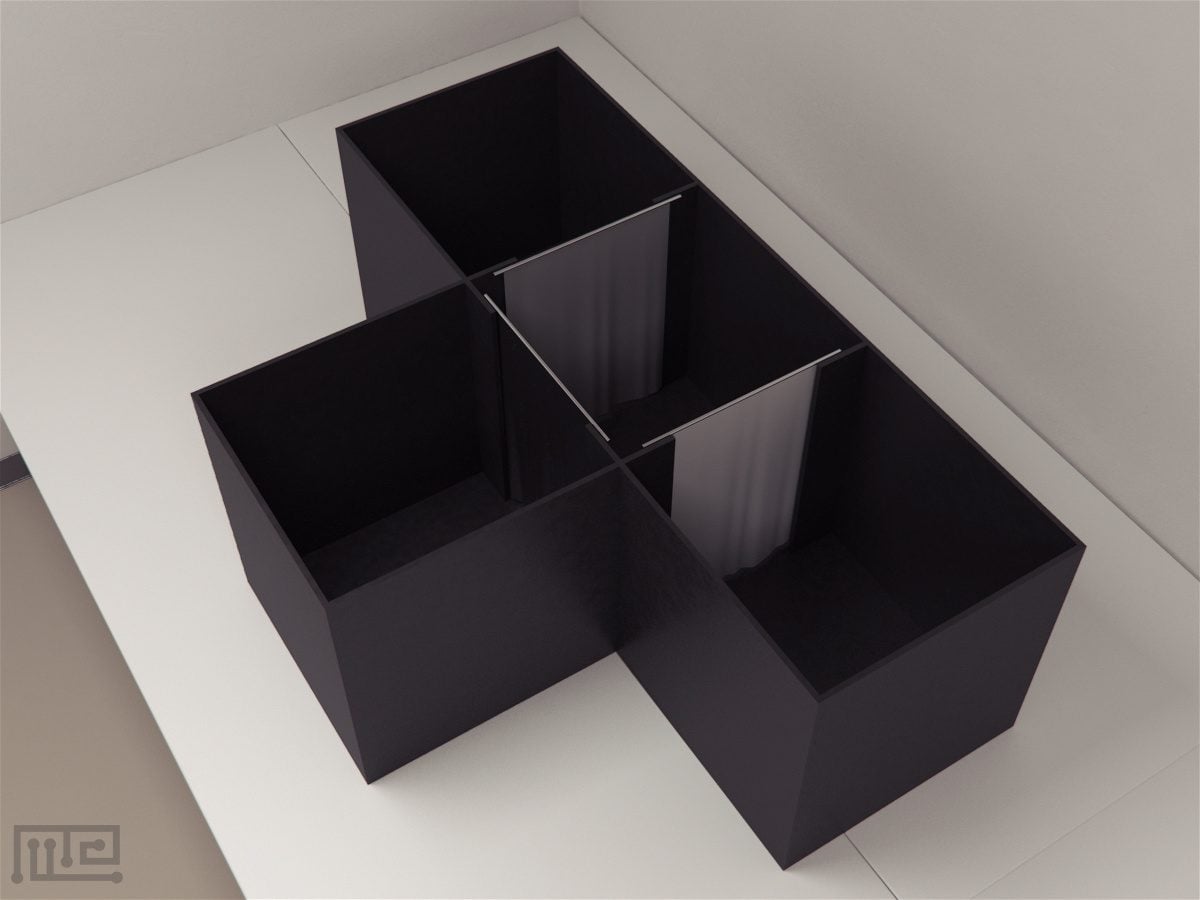
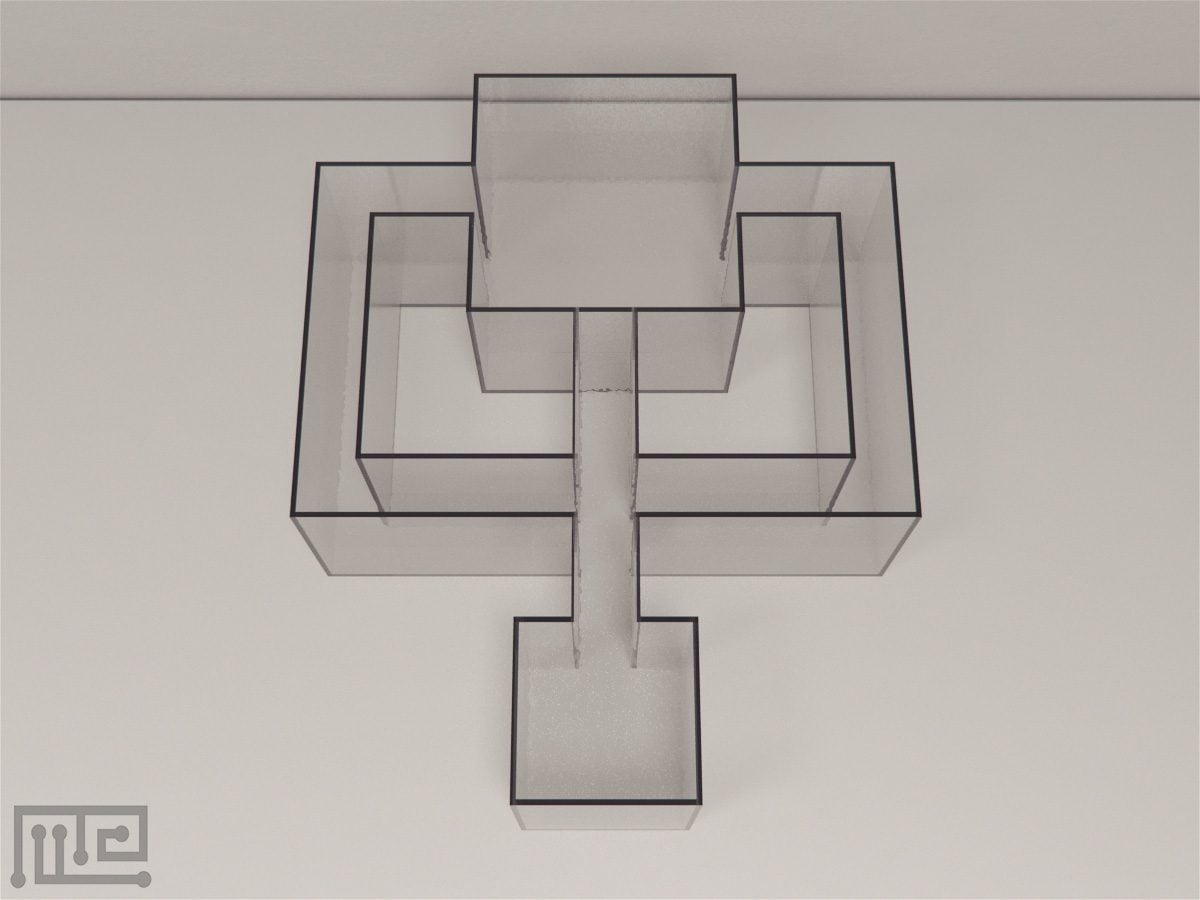
Our Selected Work
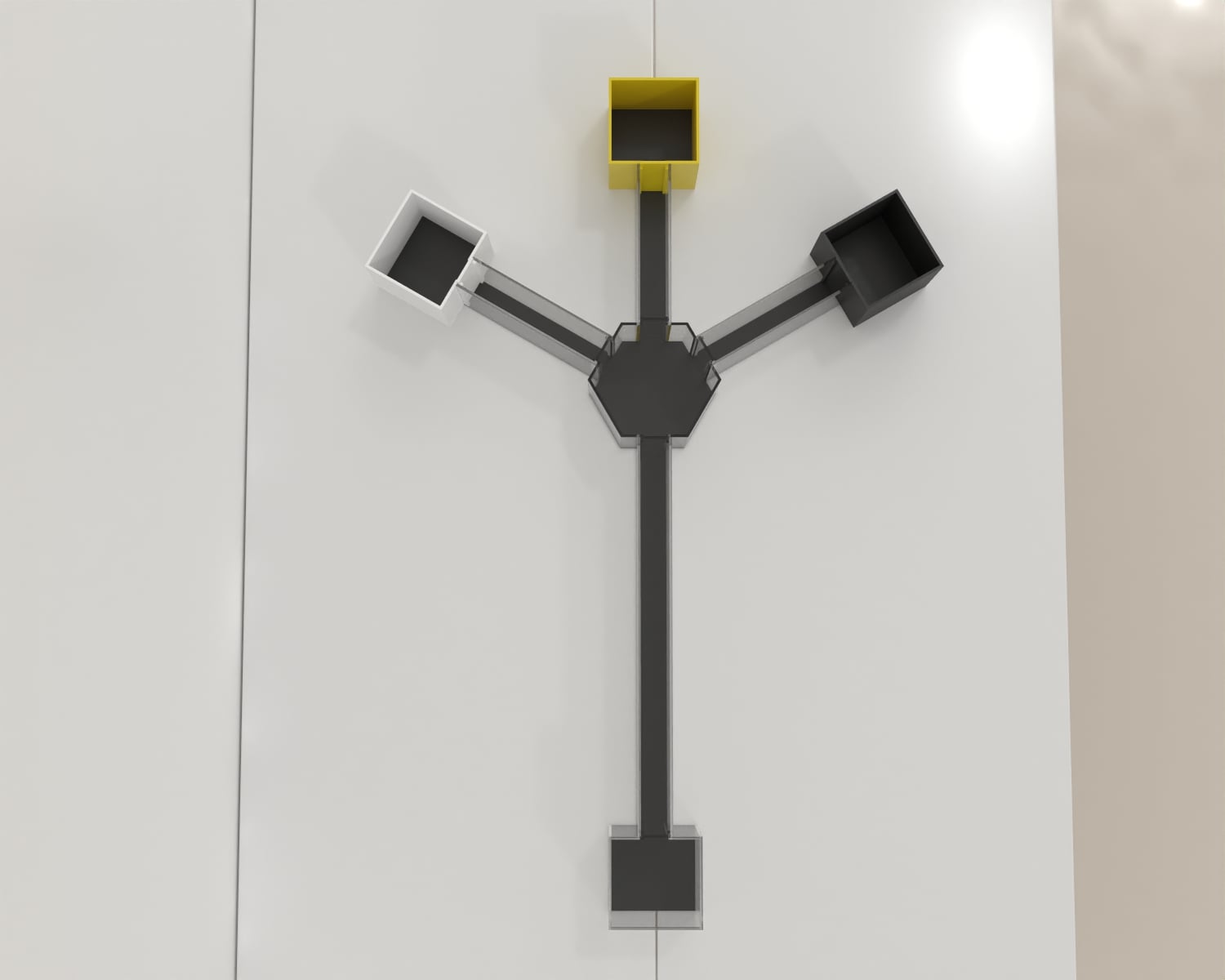
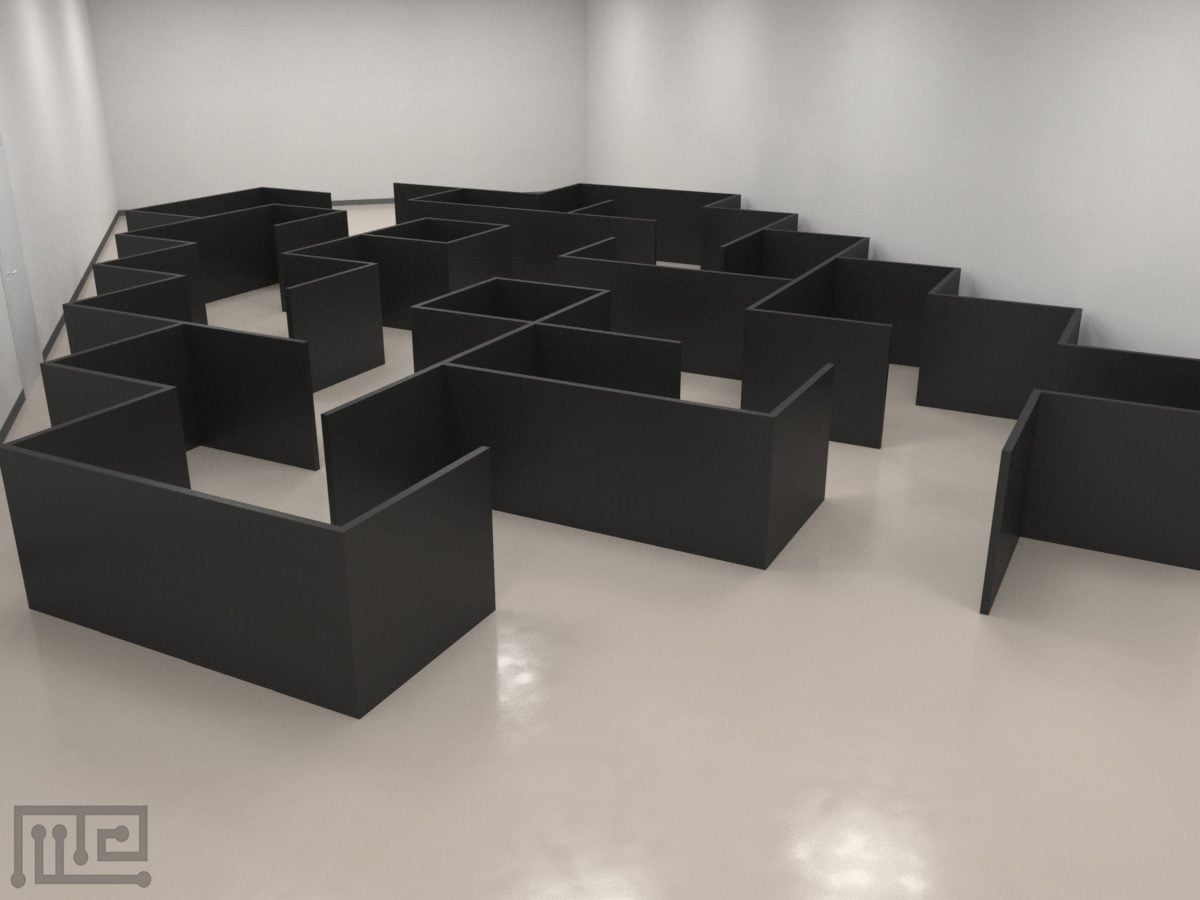
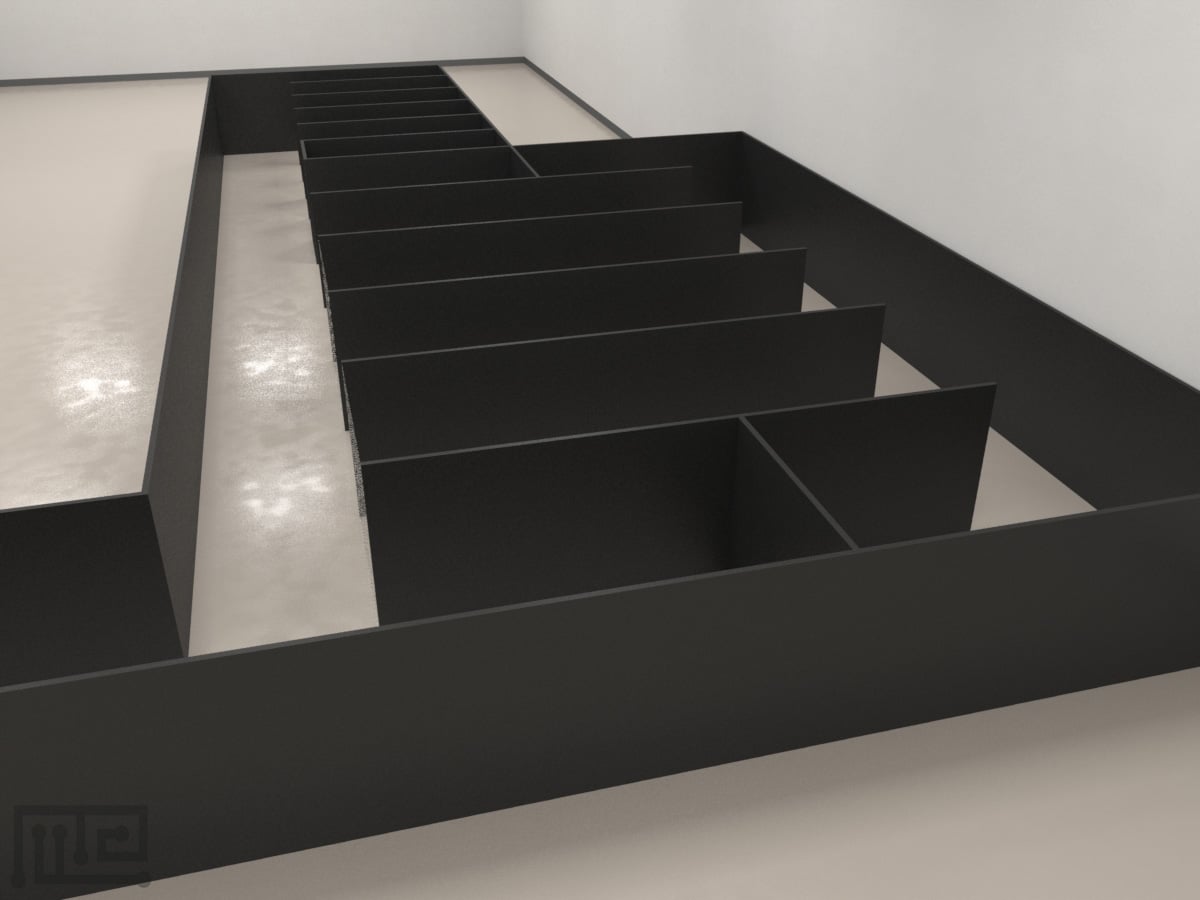
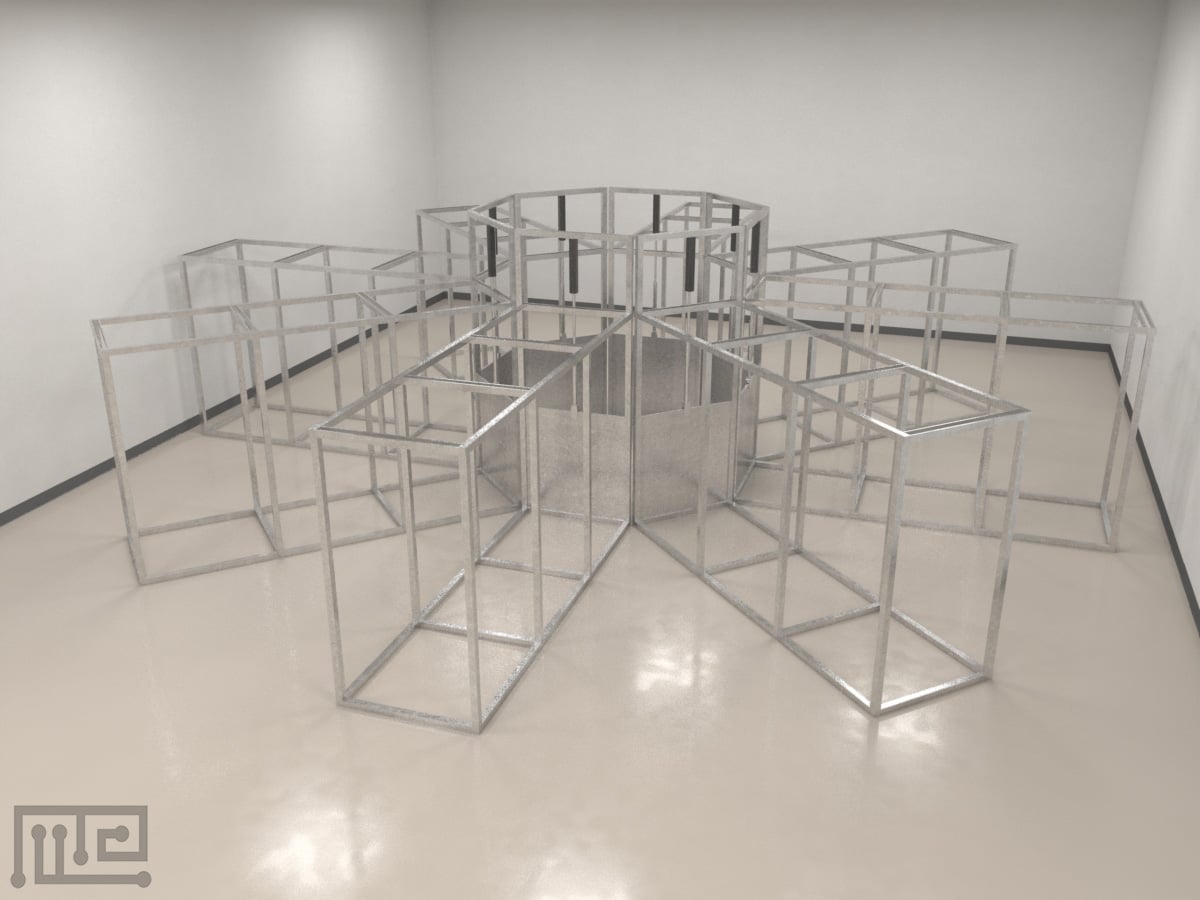
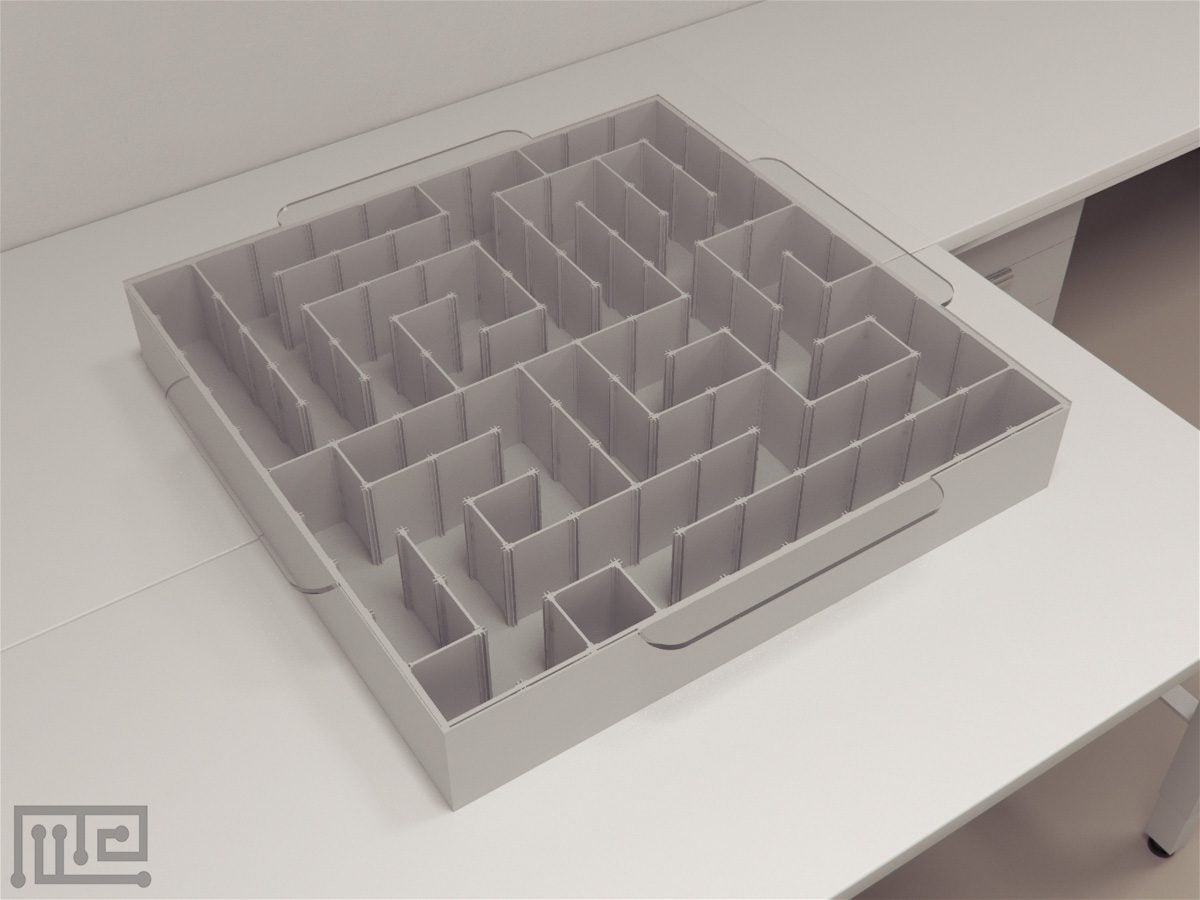
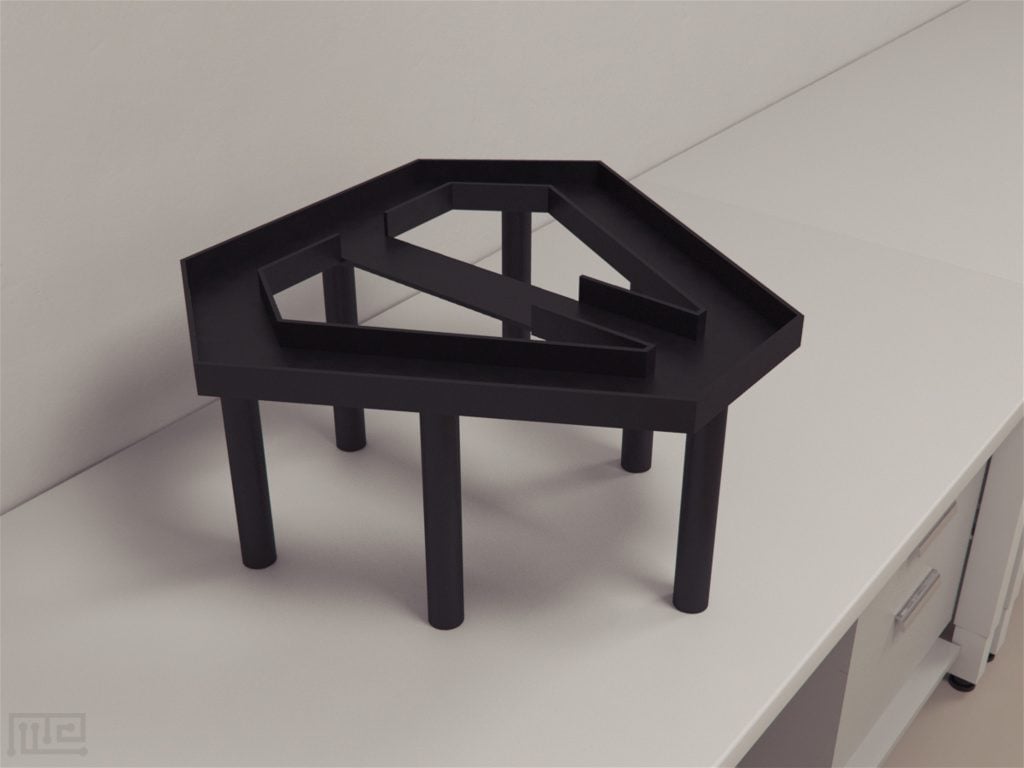
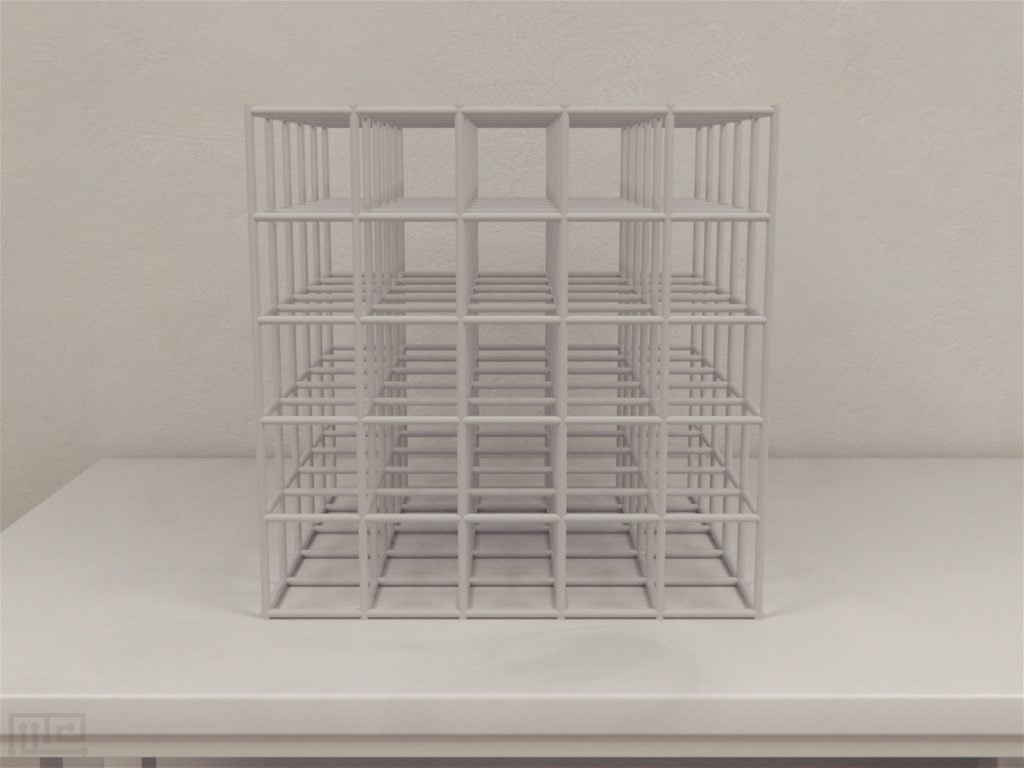
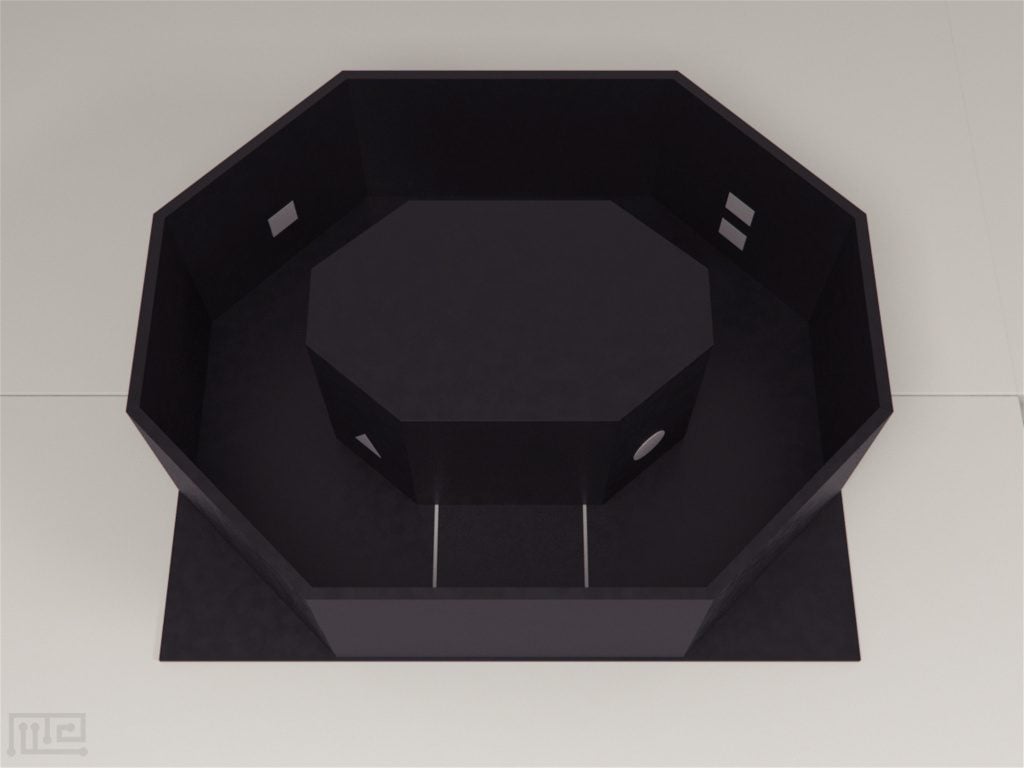
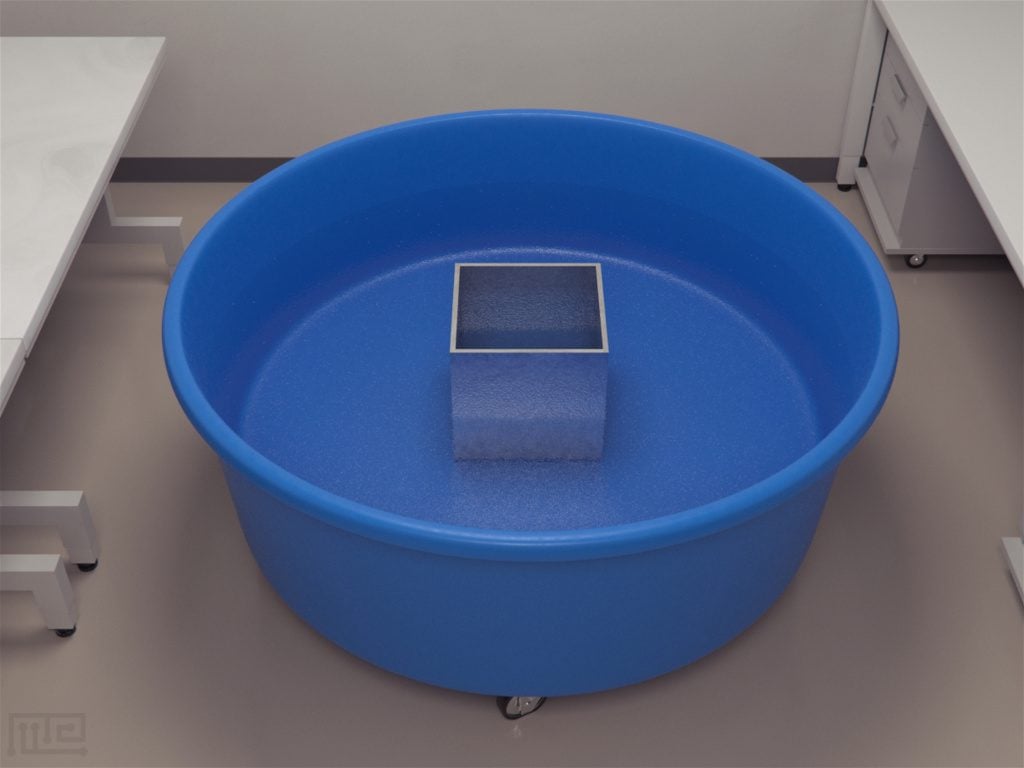
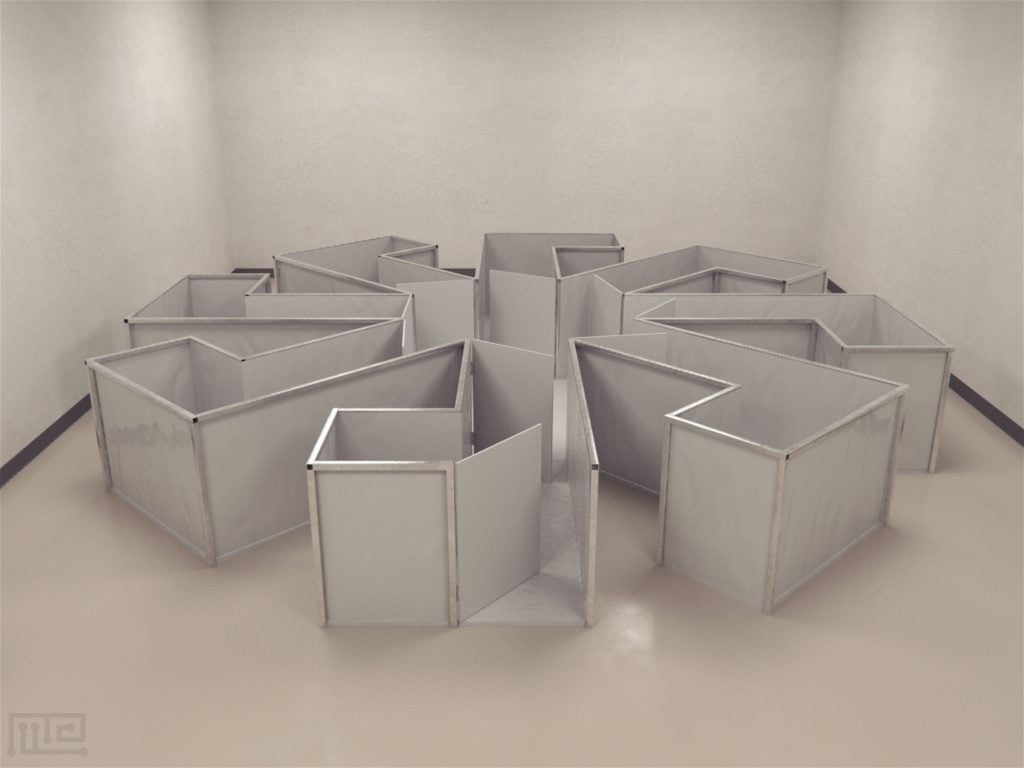
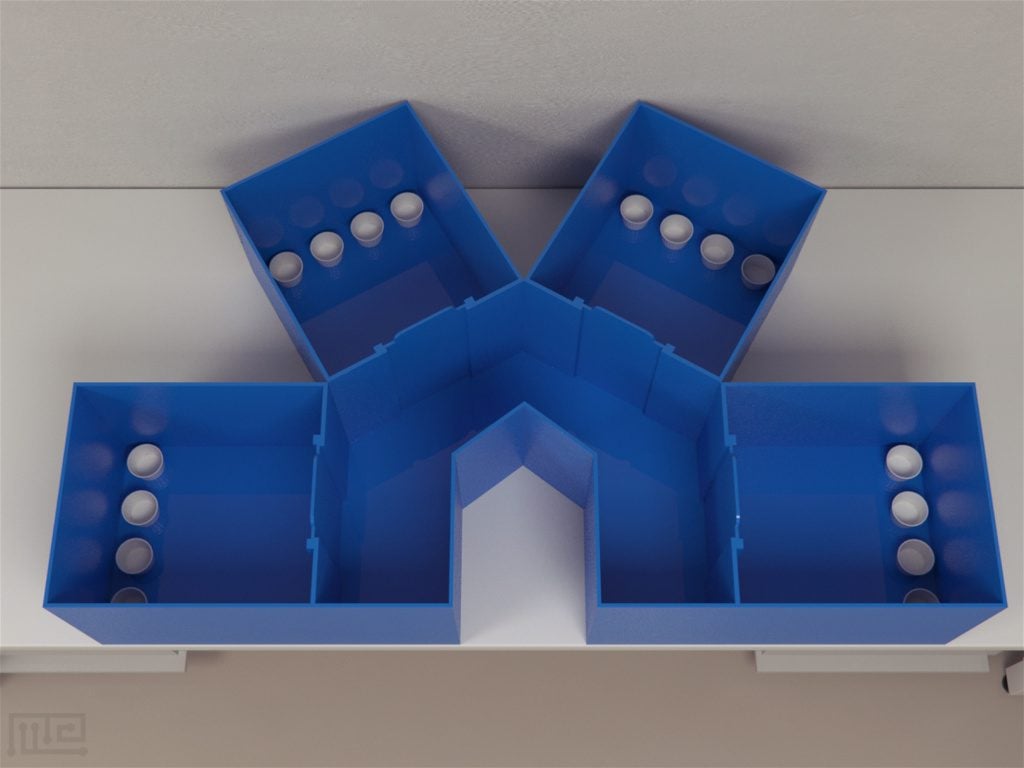
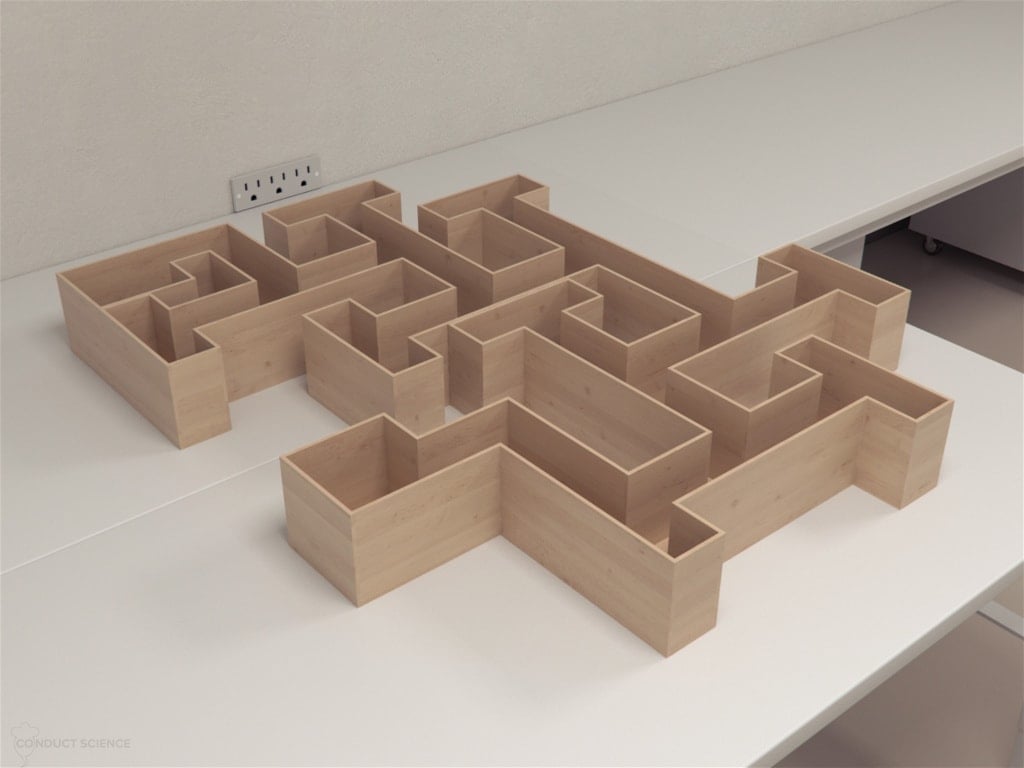
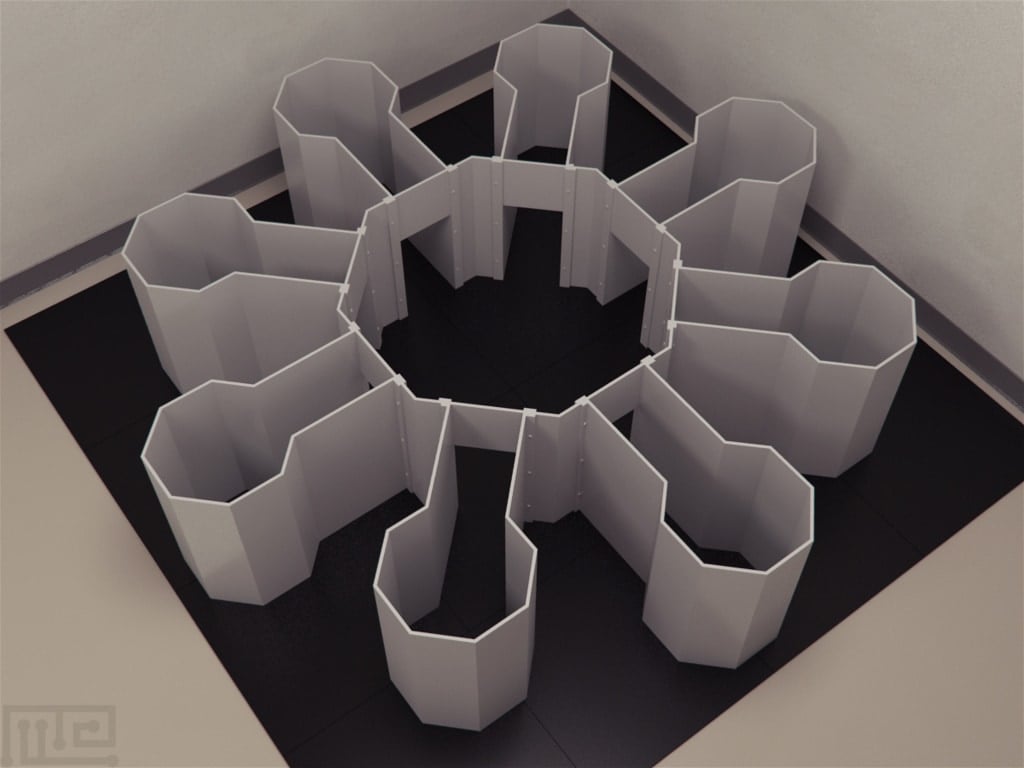
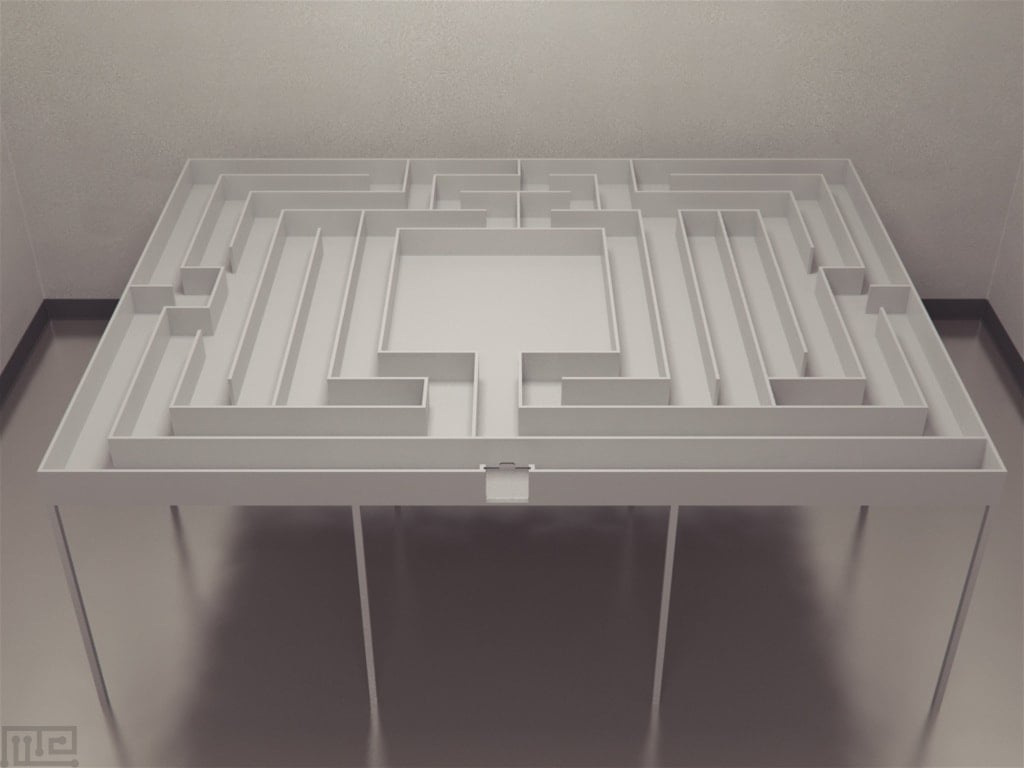
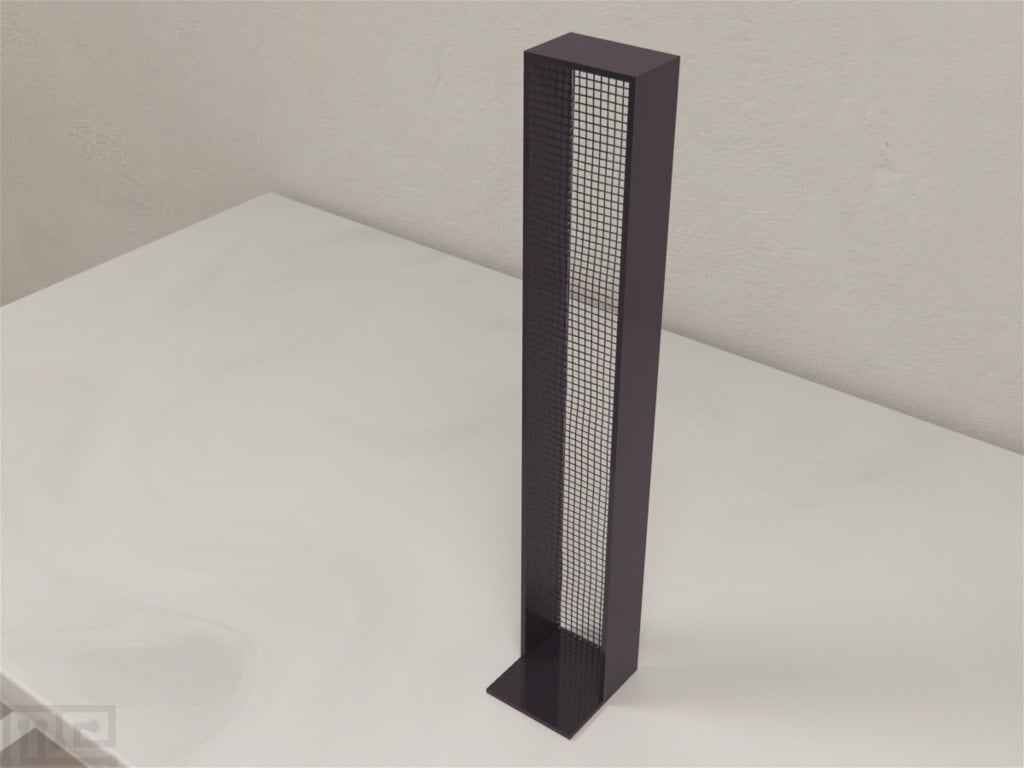
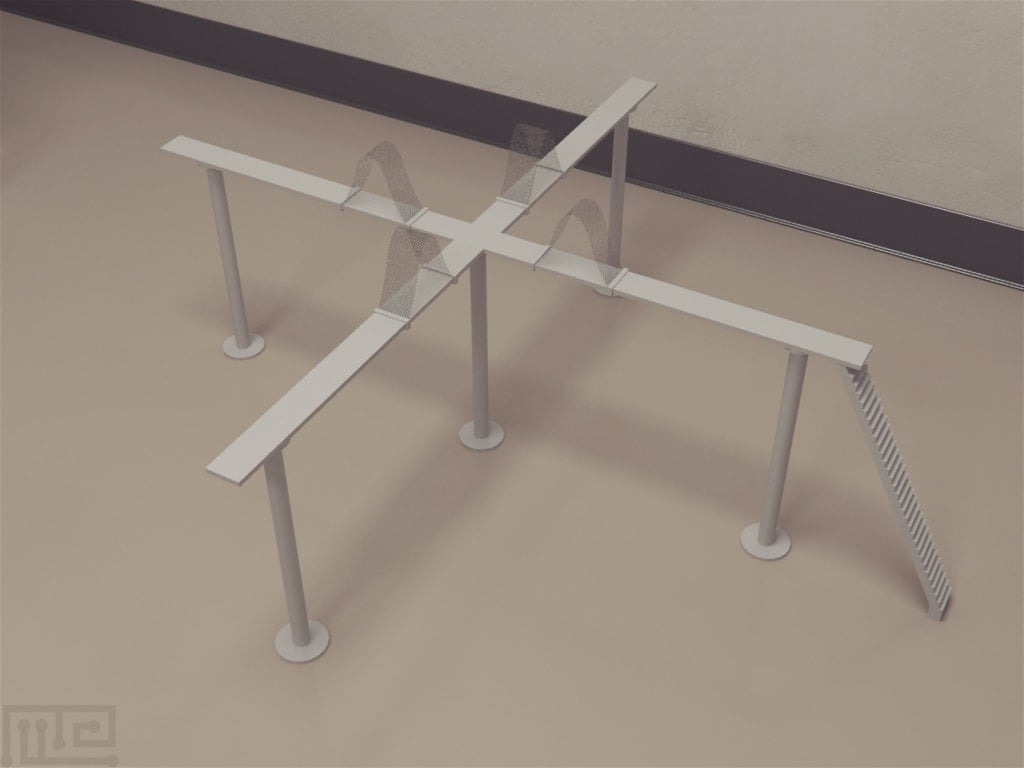
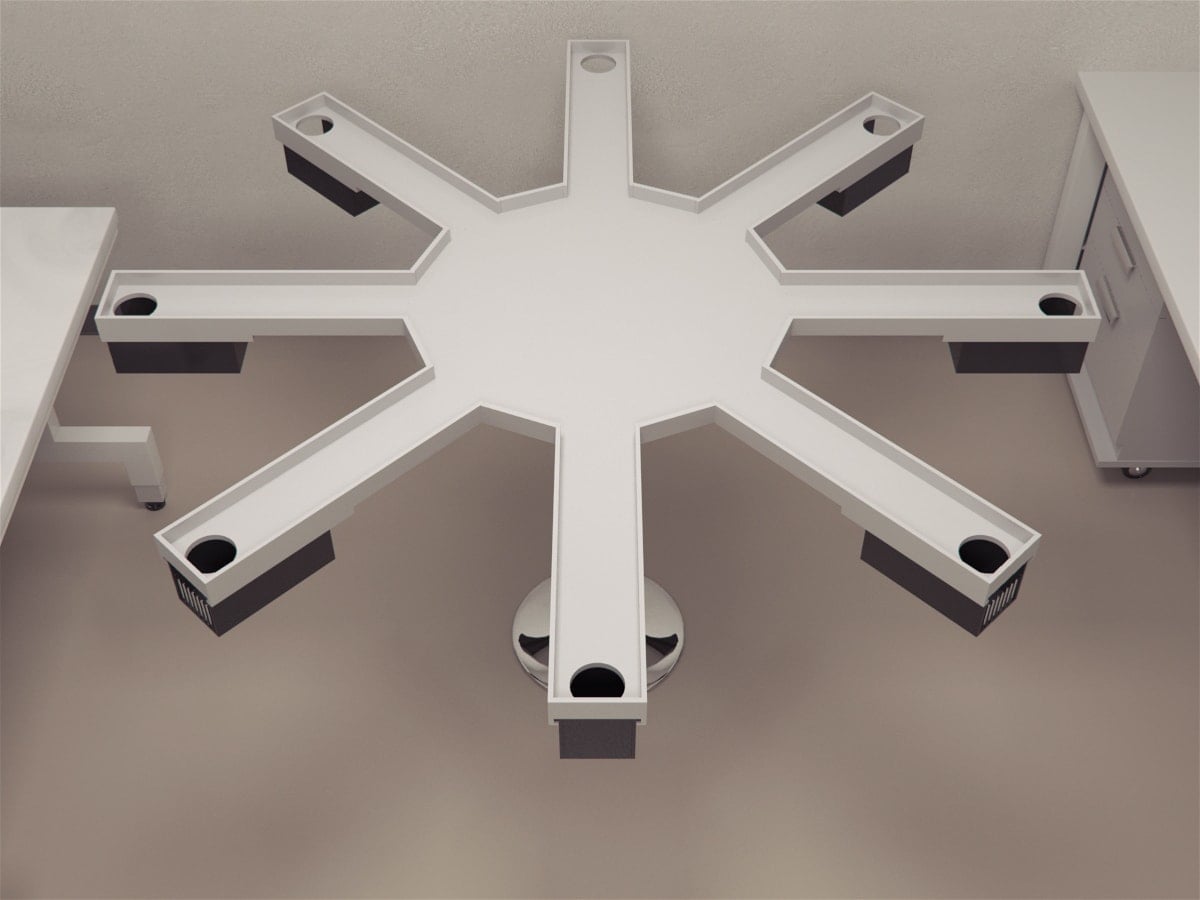
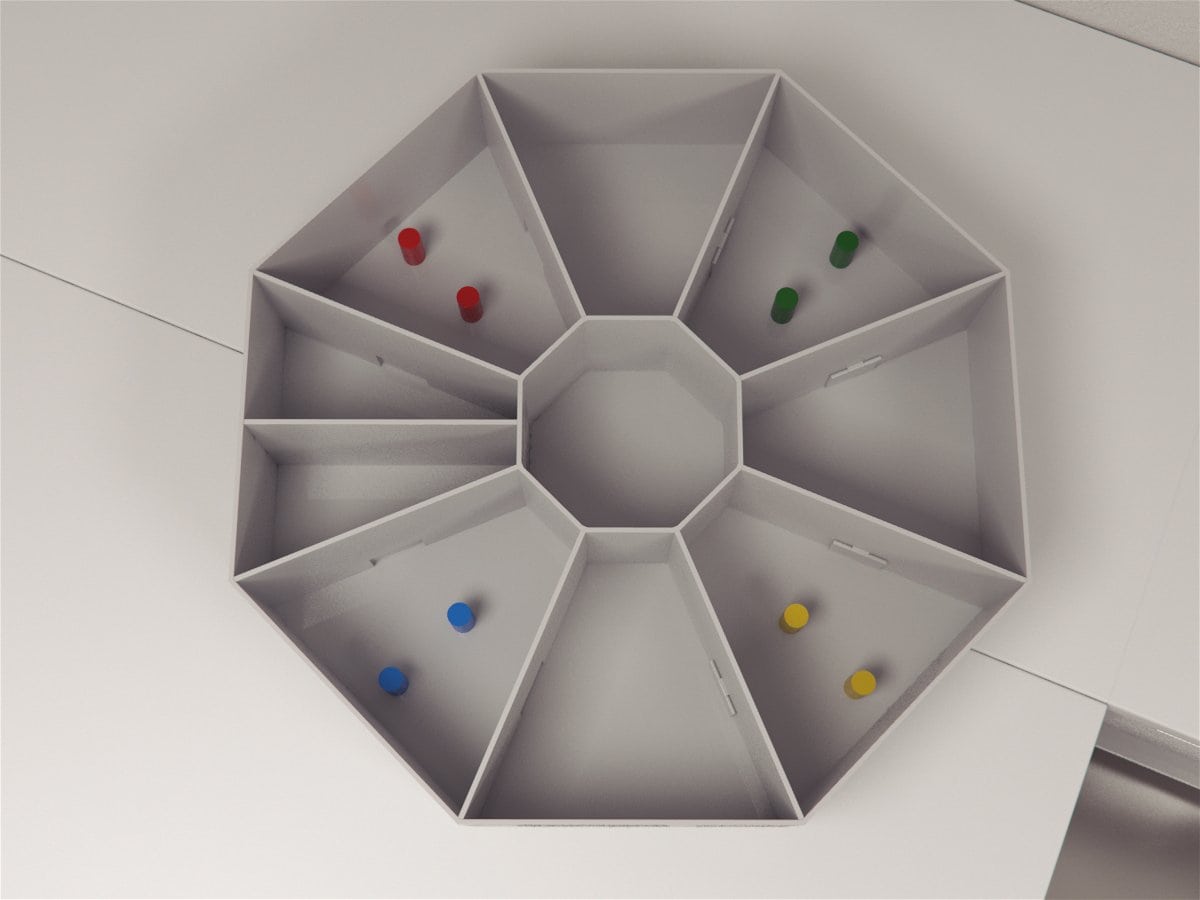
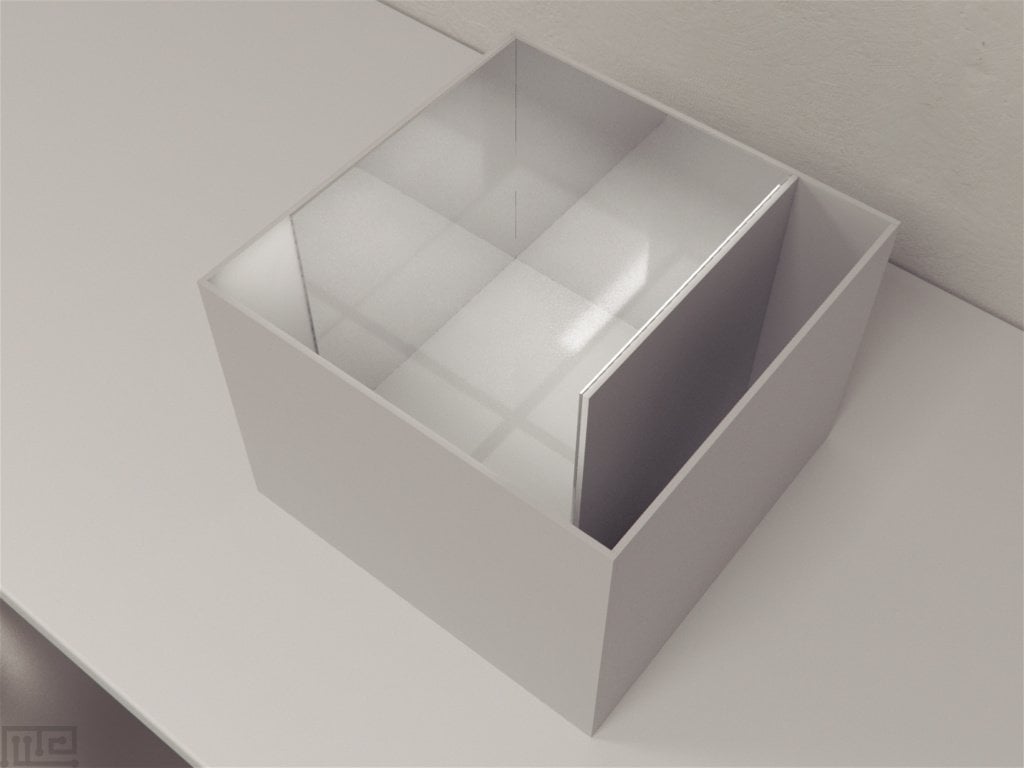
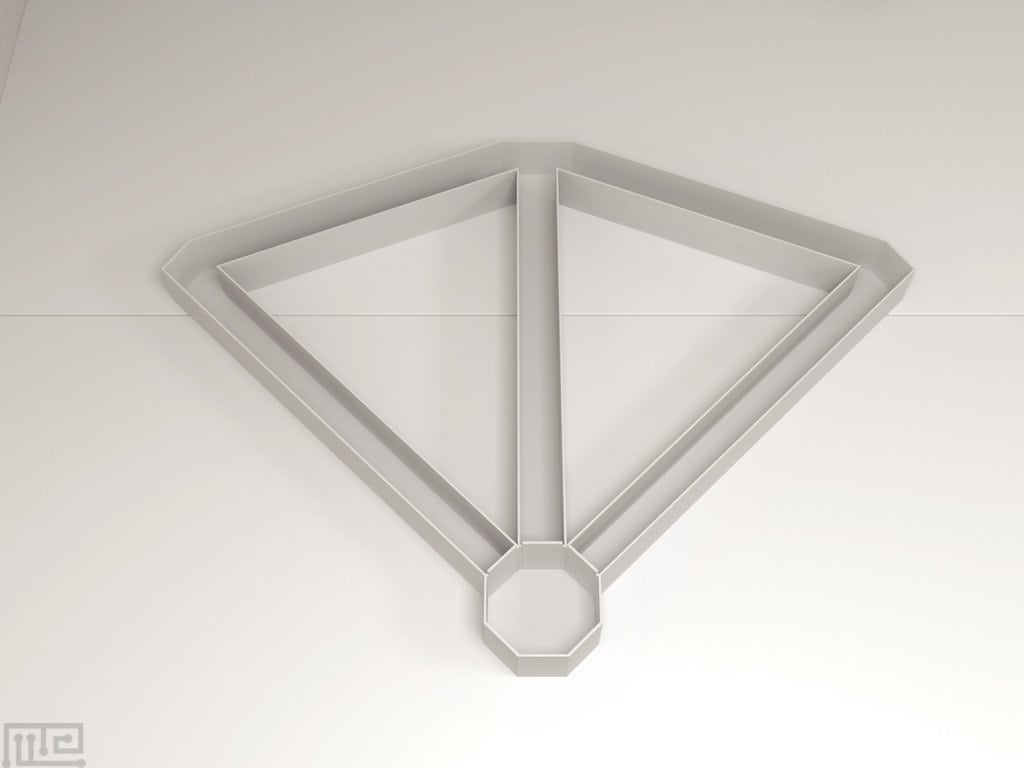
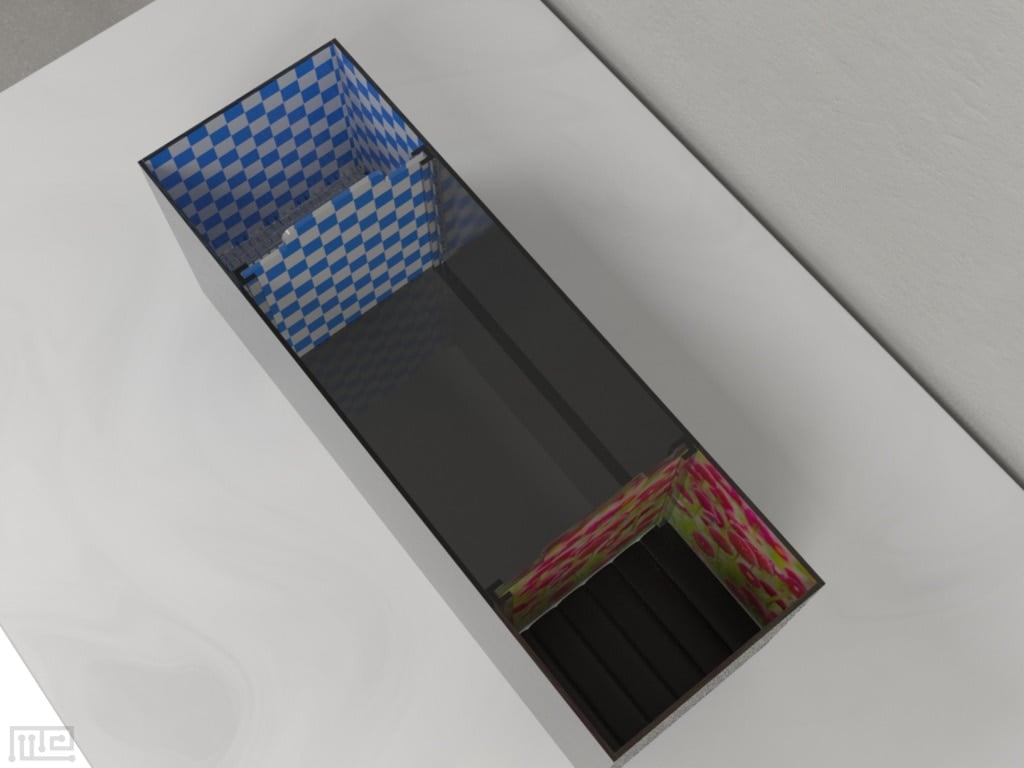
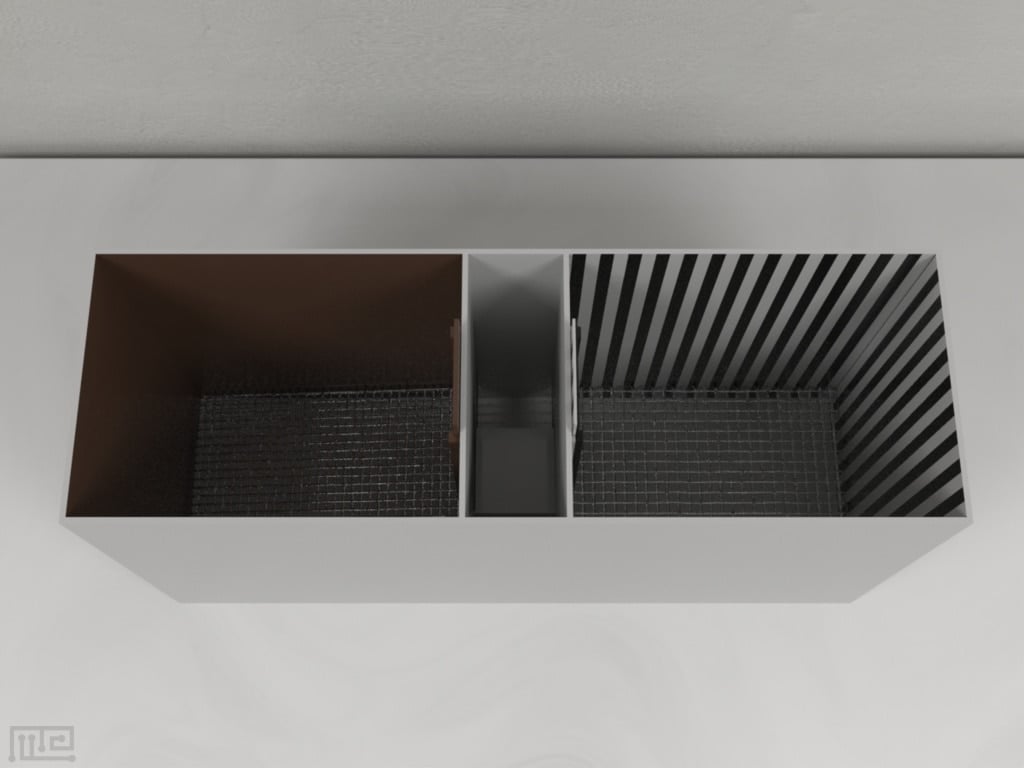
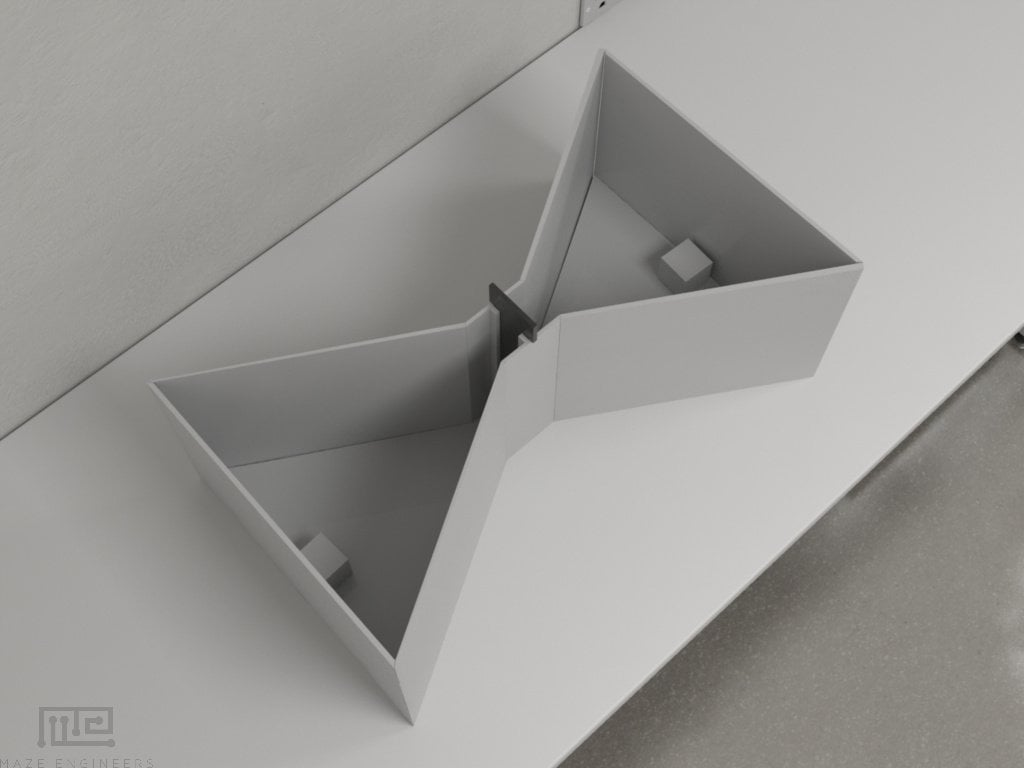
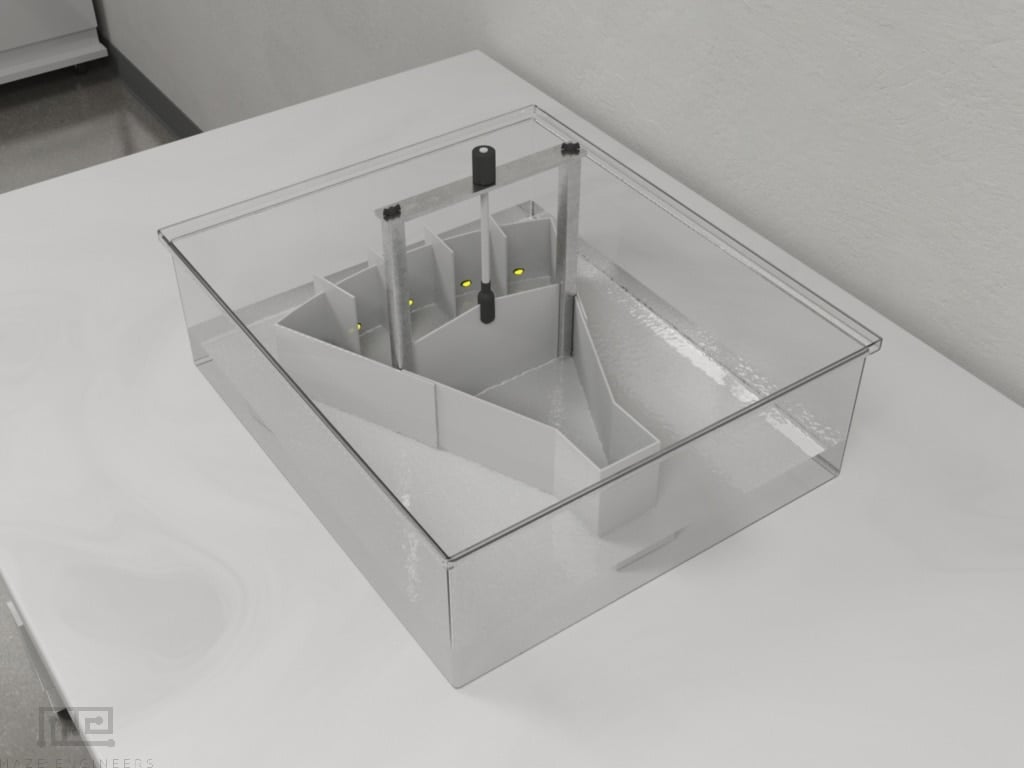
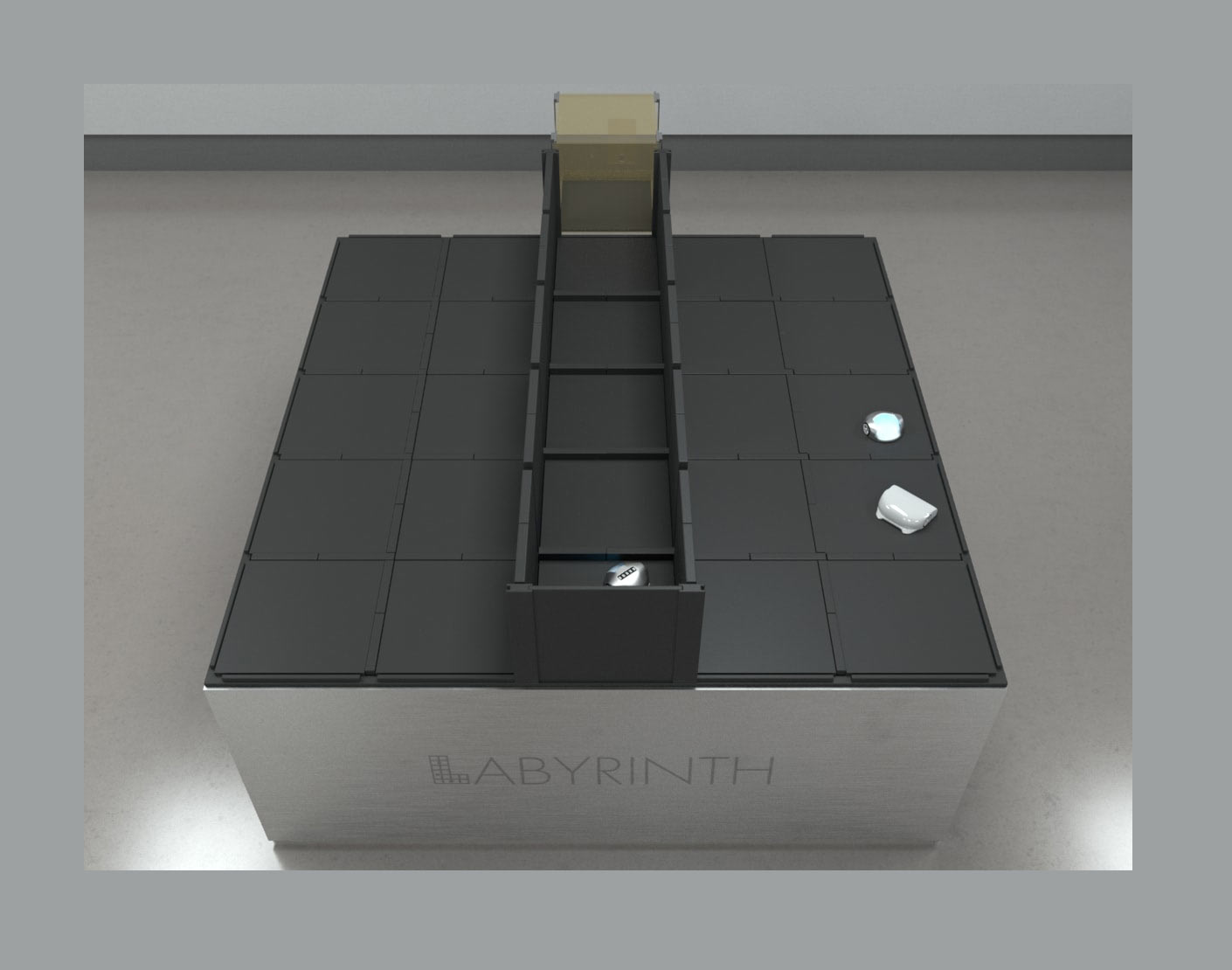
The Colosseum Maze:
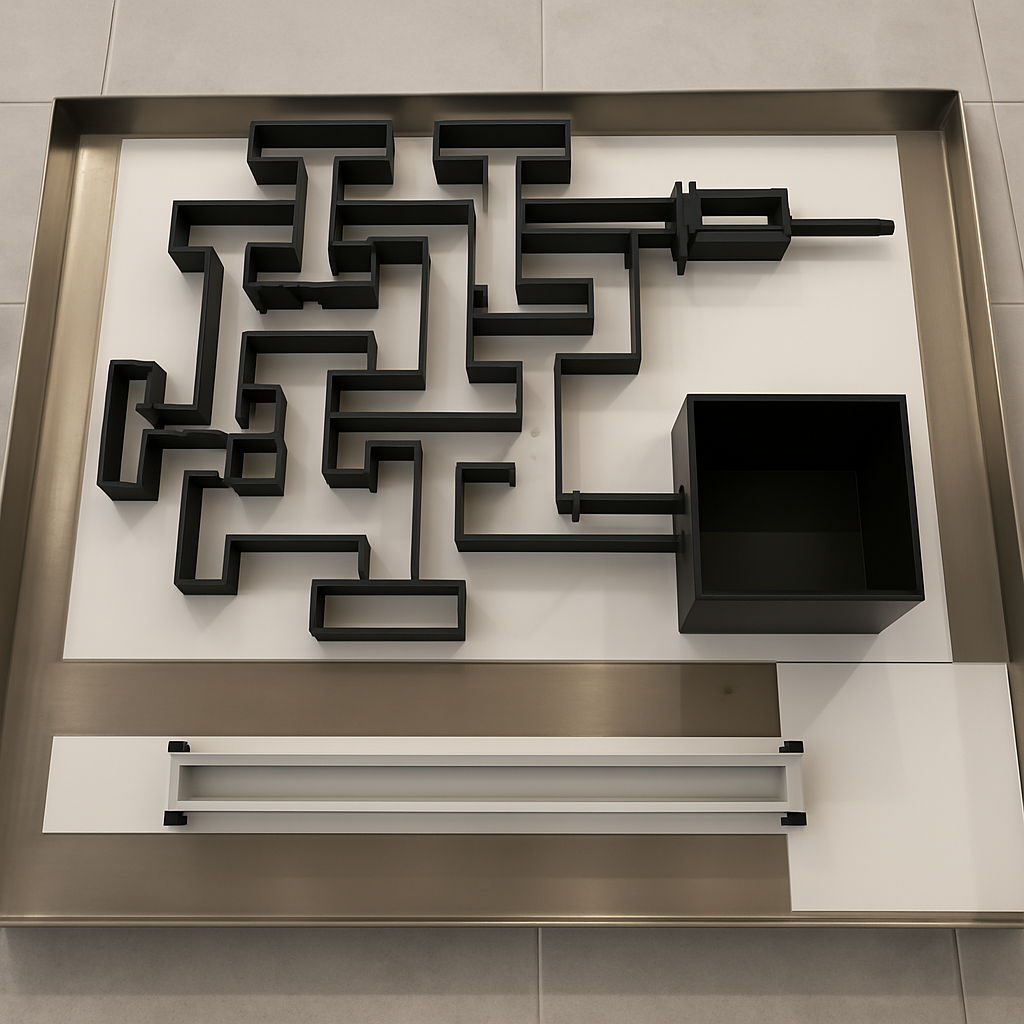
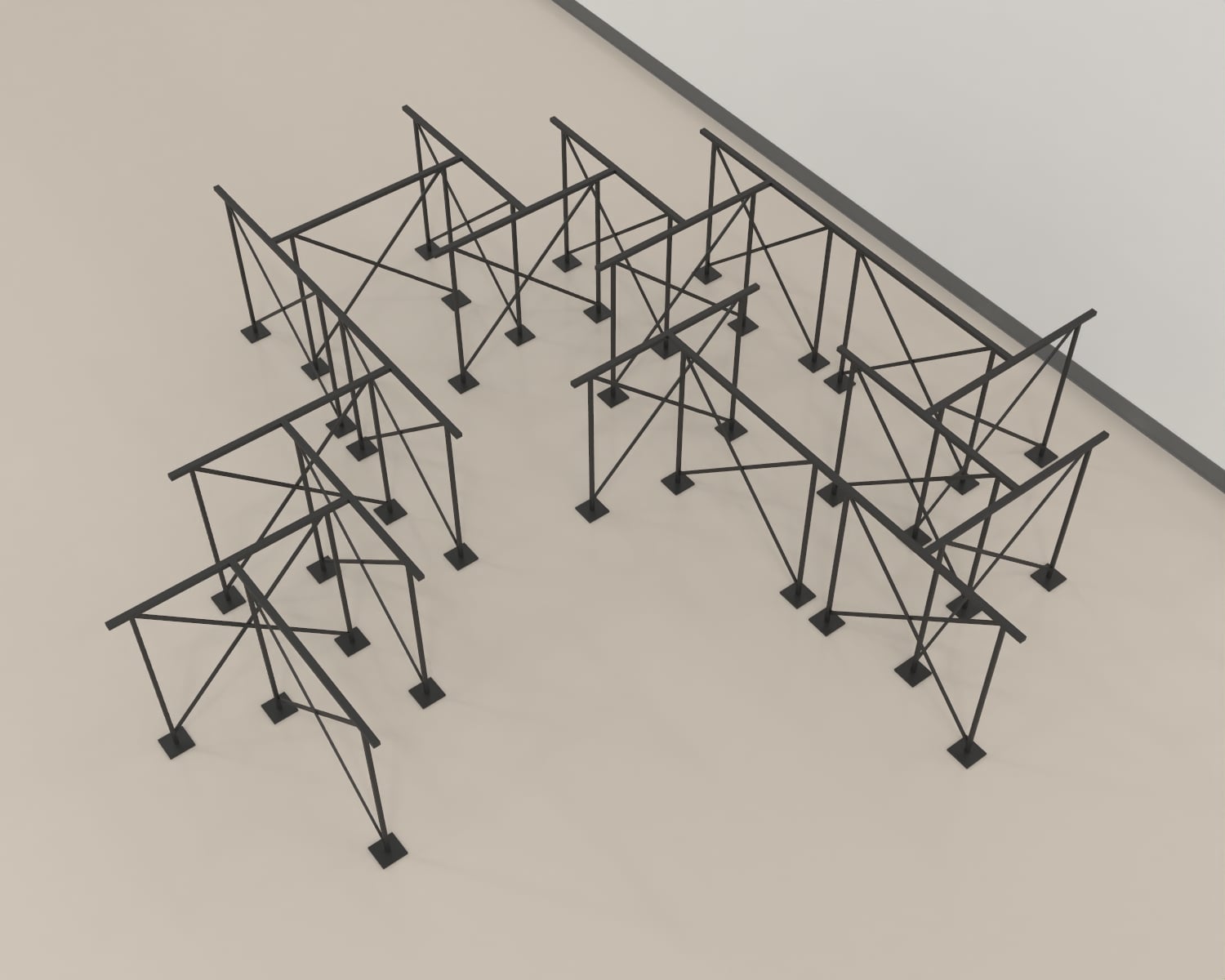
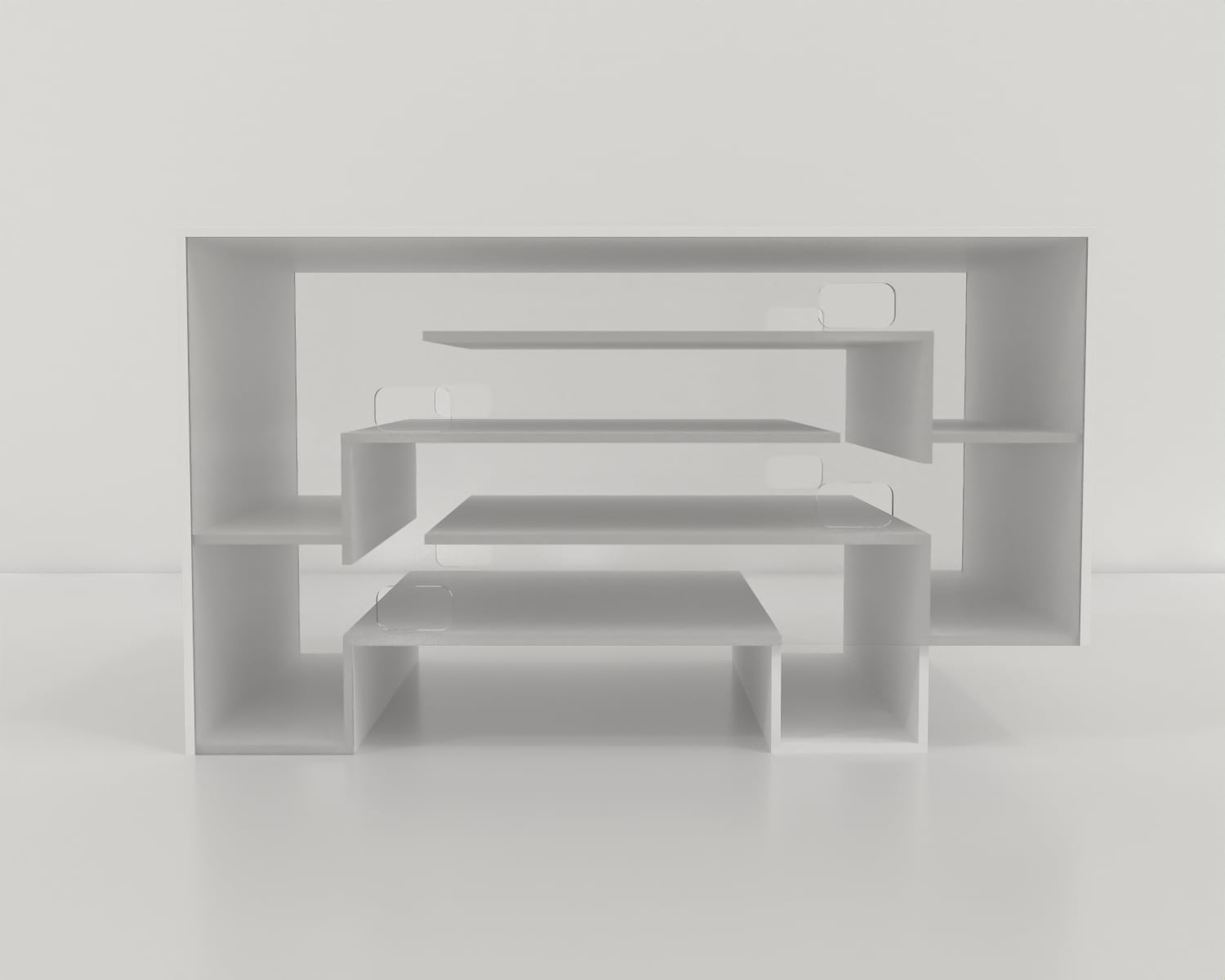
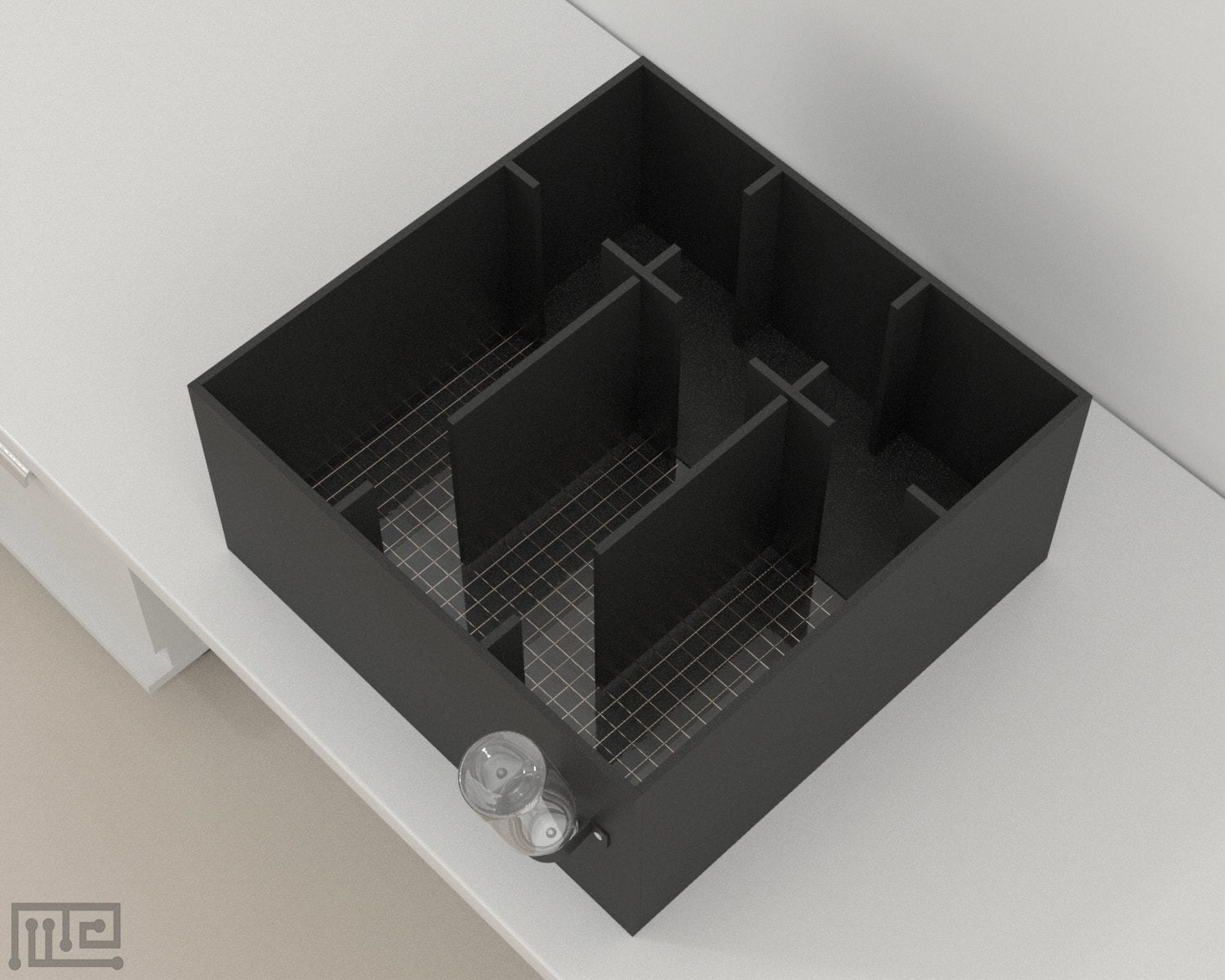
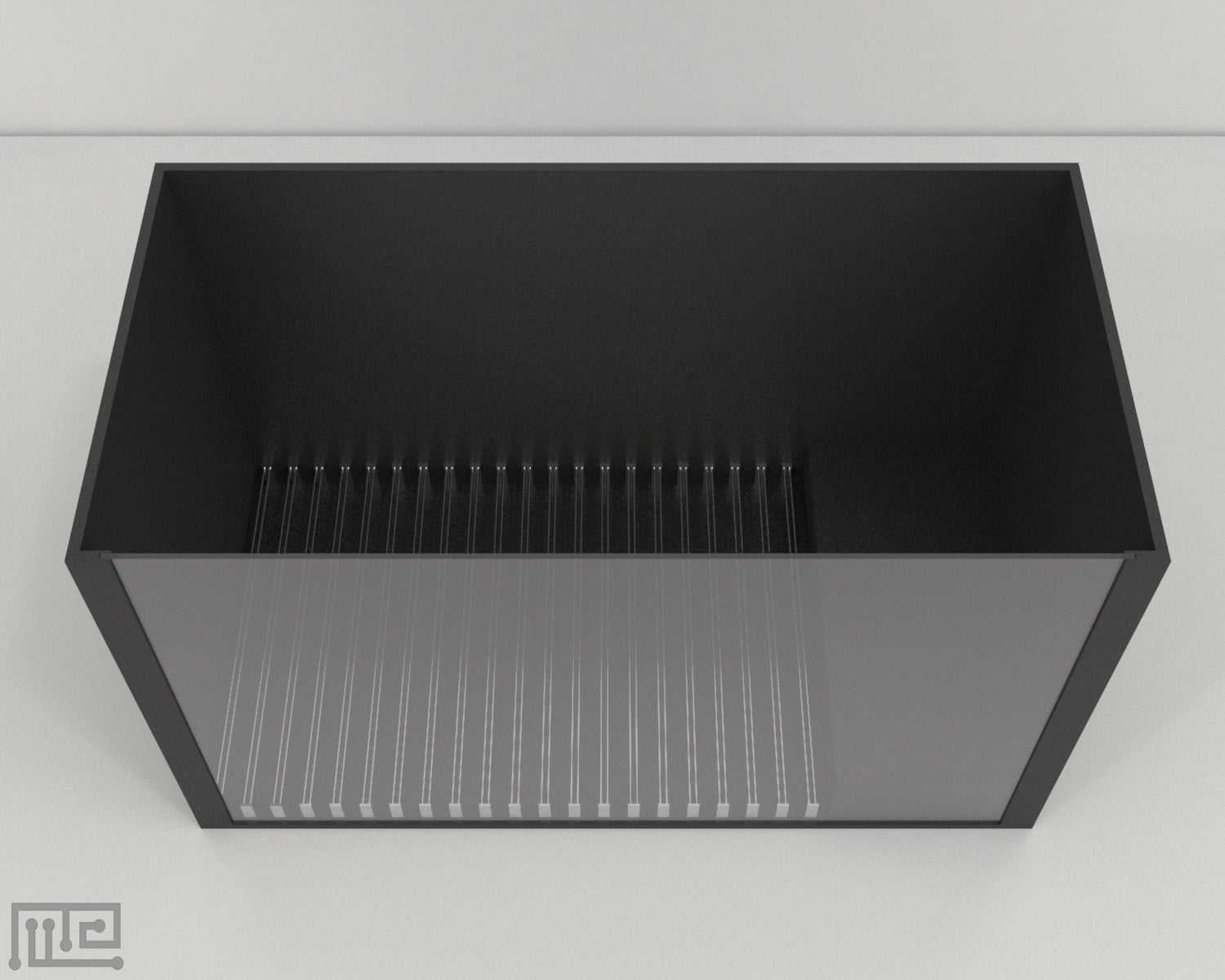
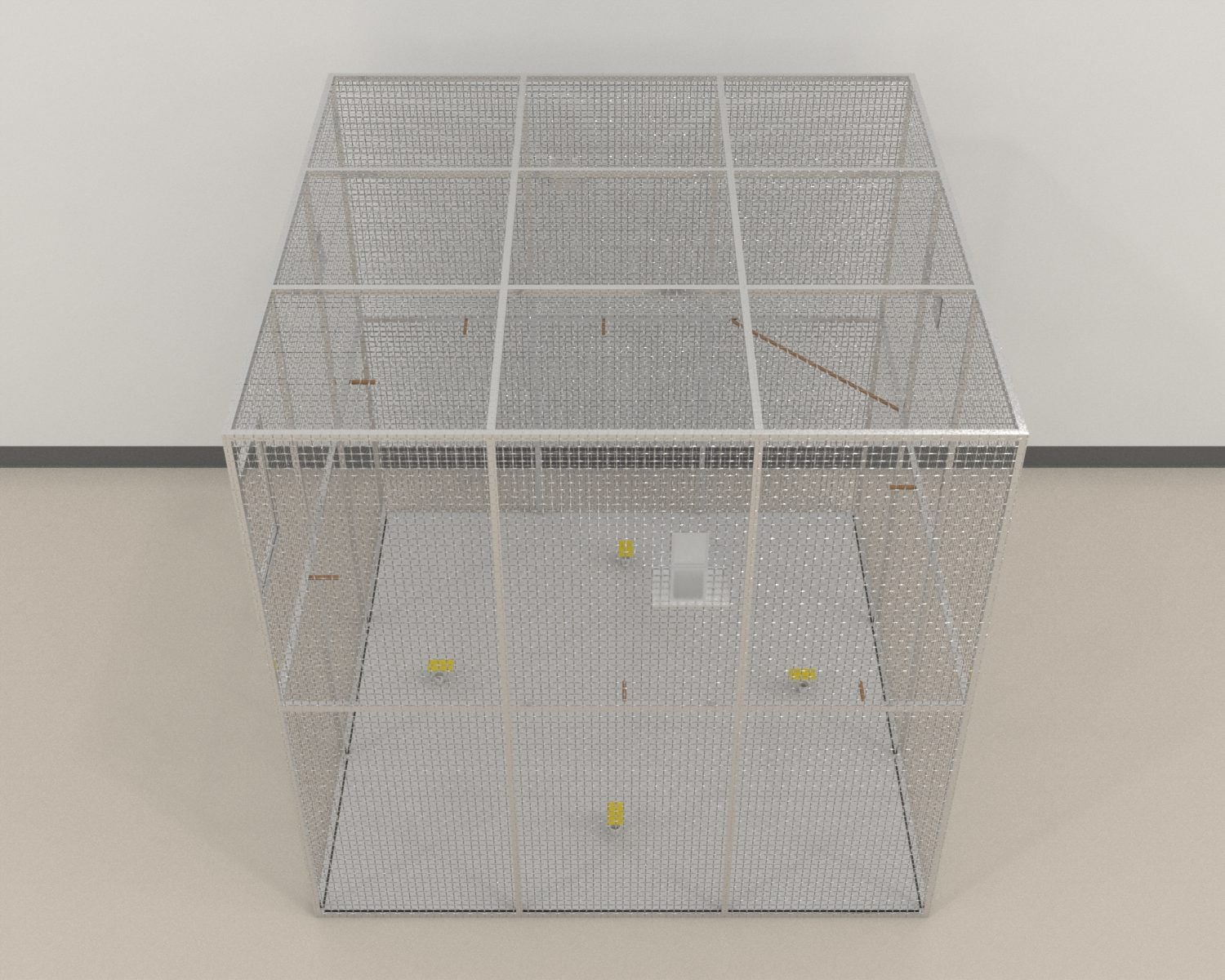
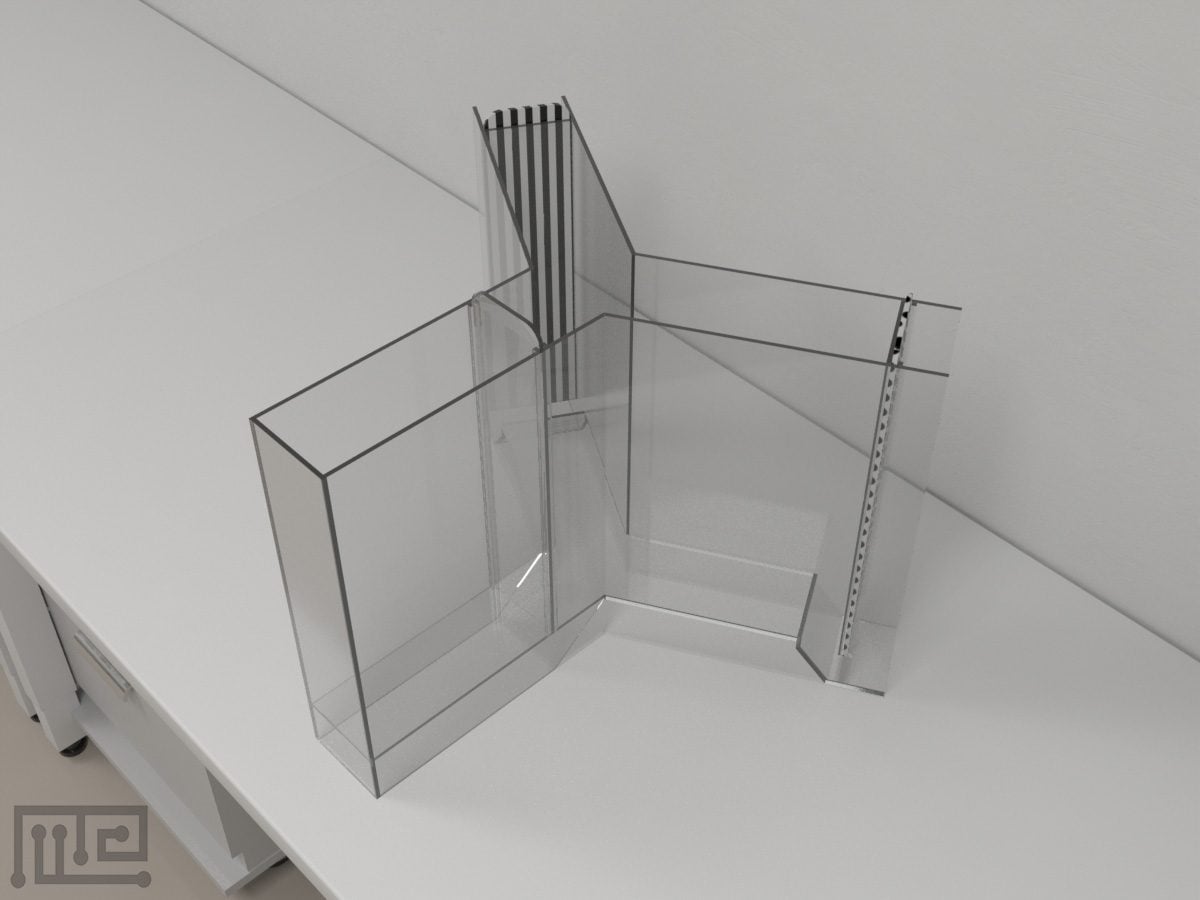
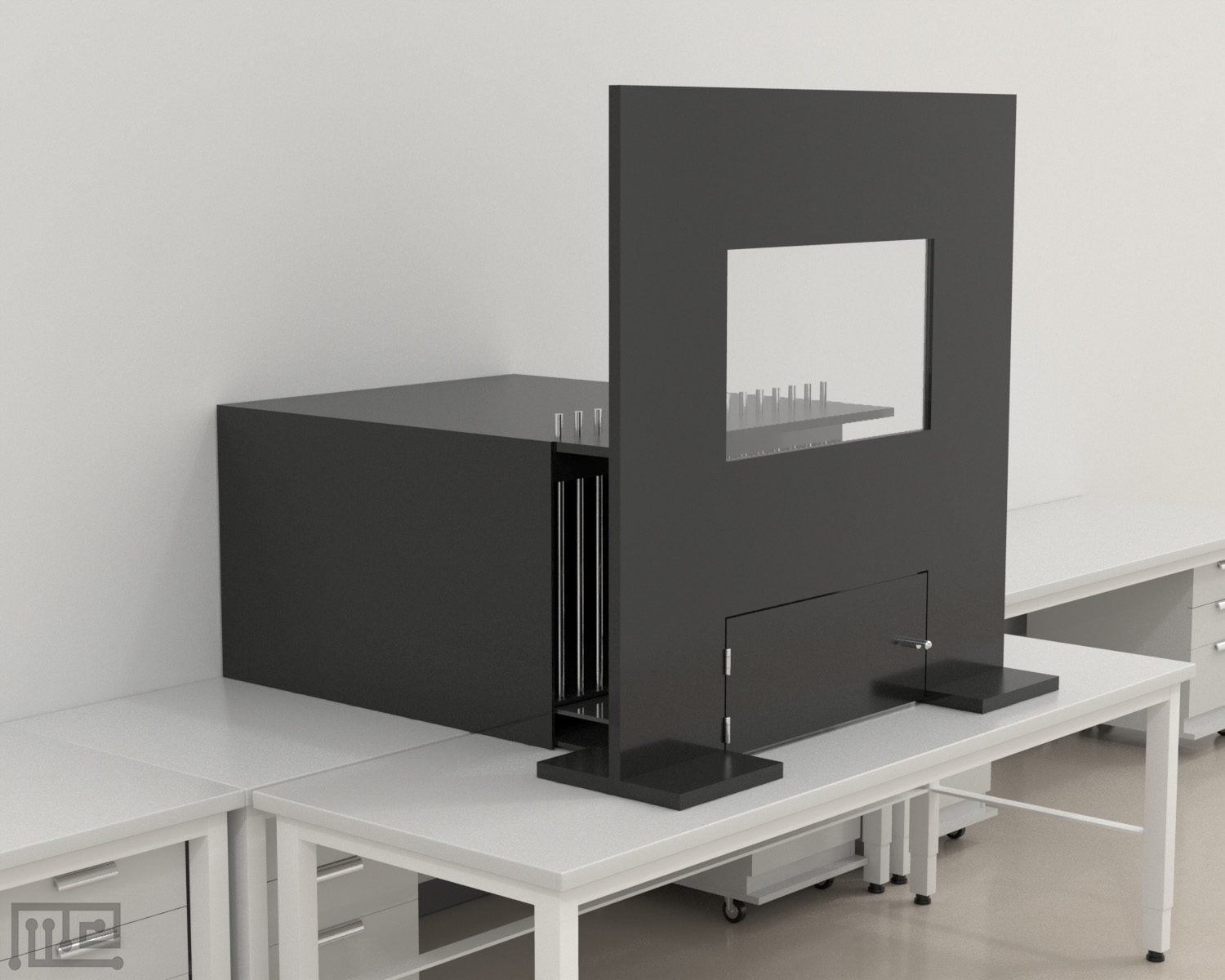
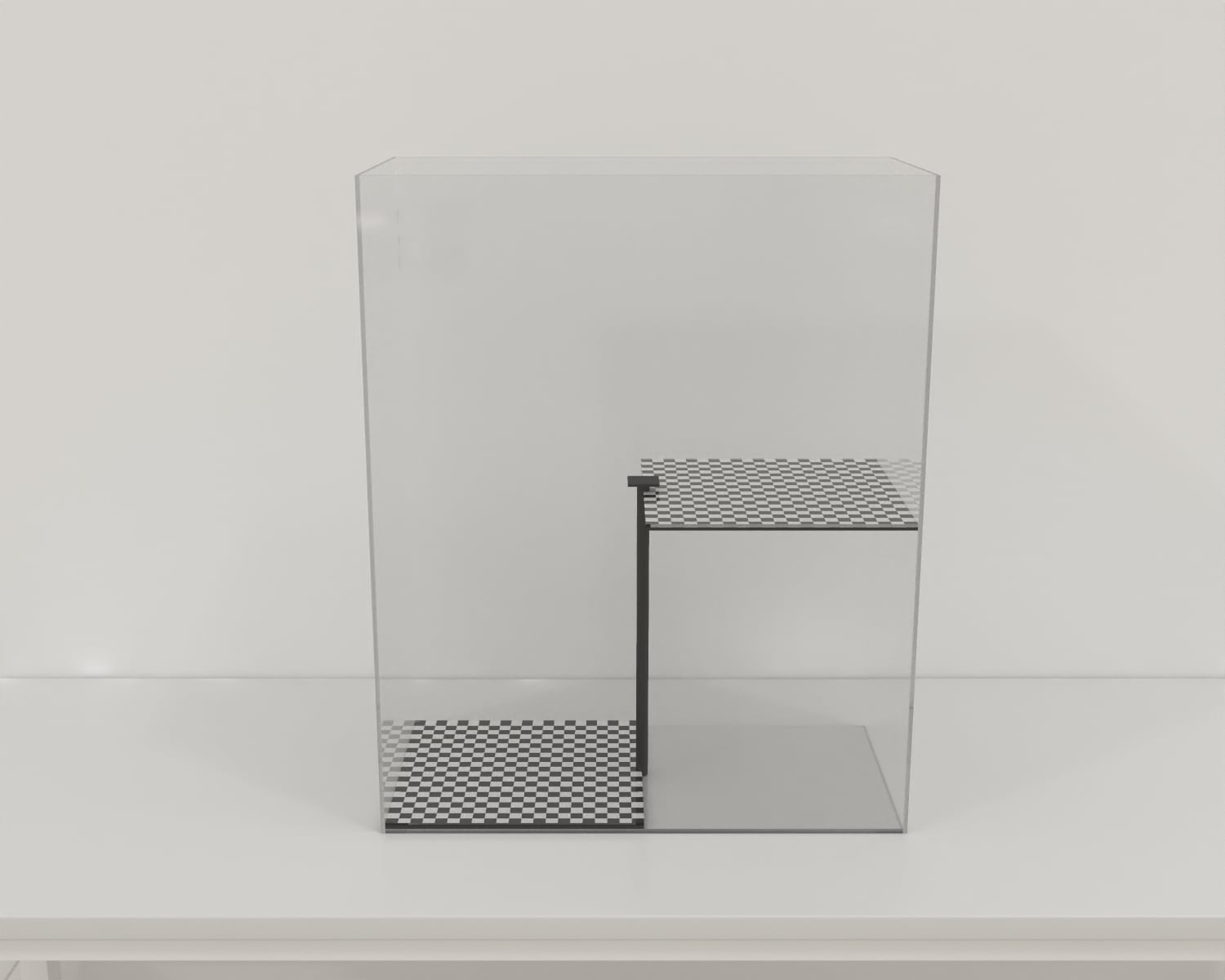
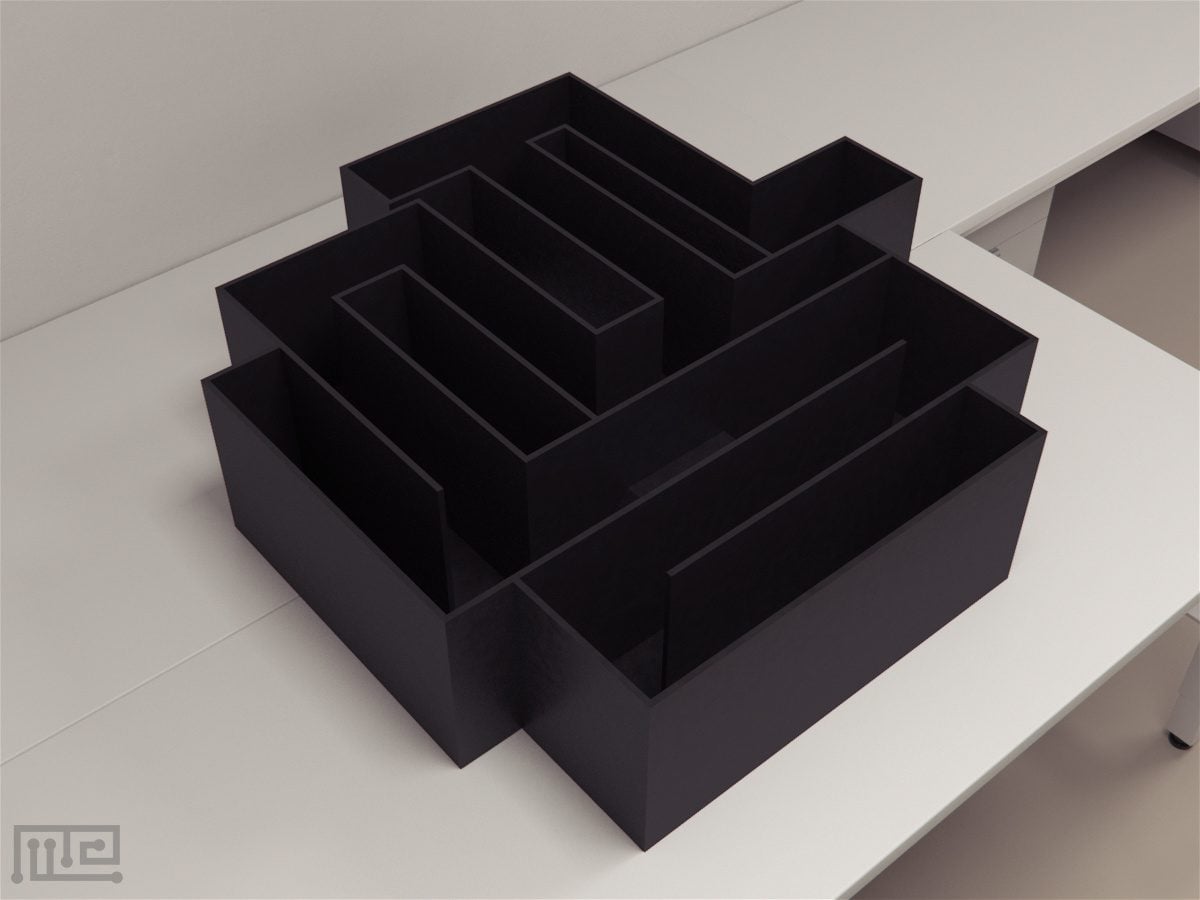
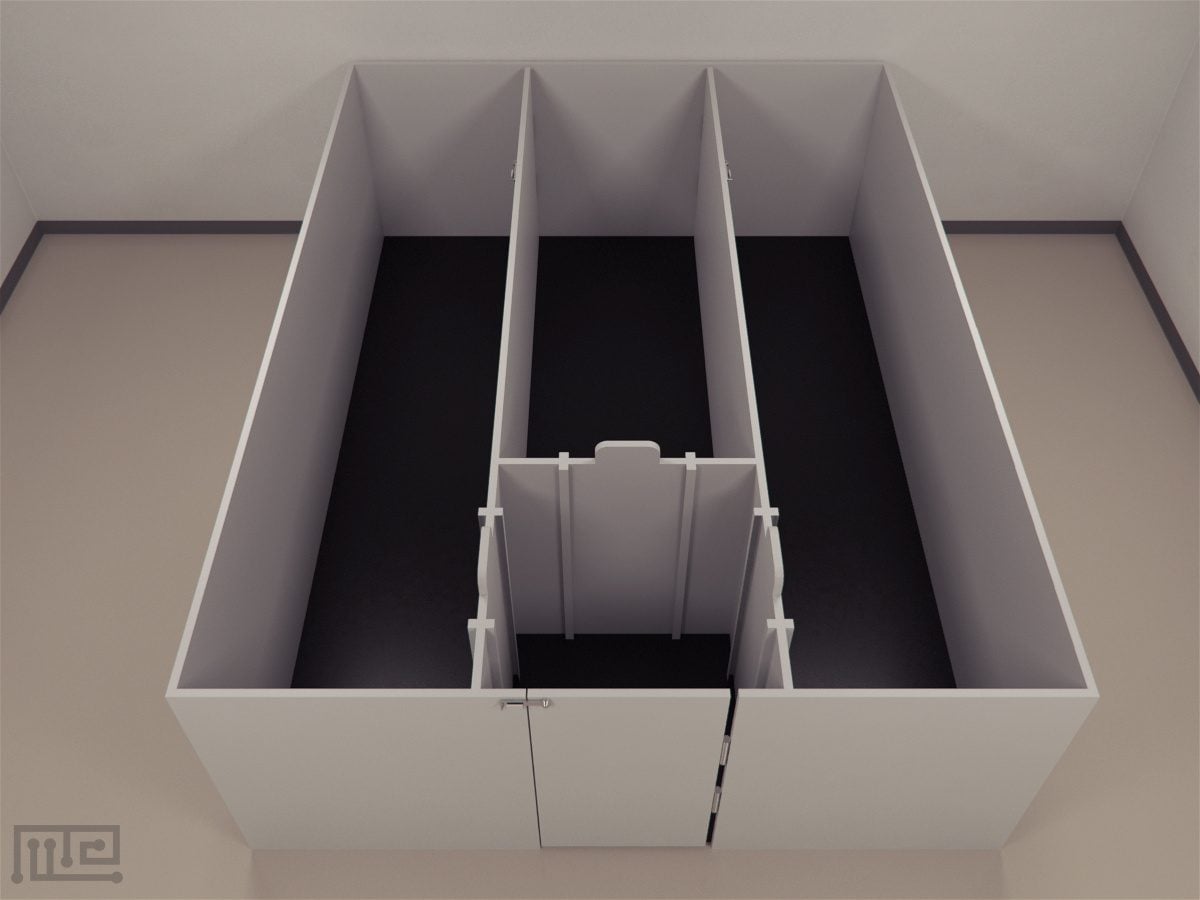
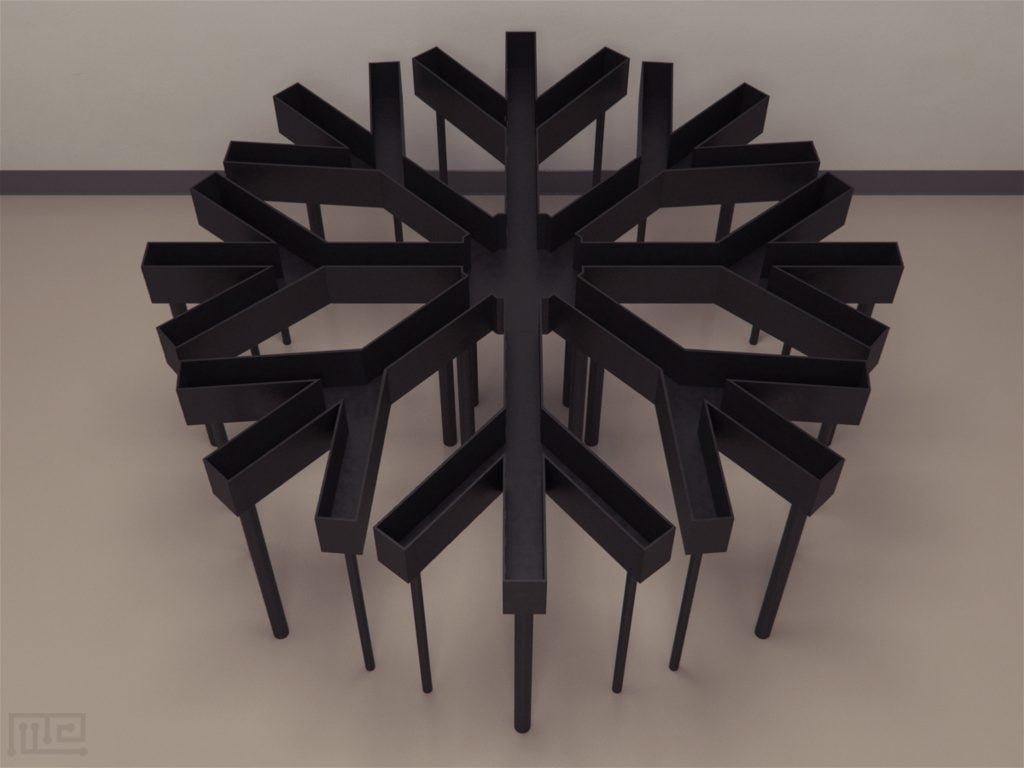
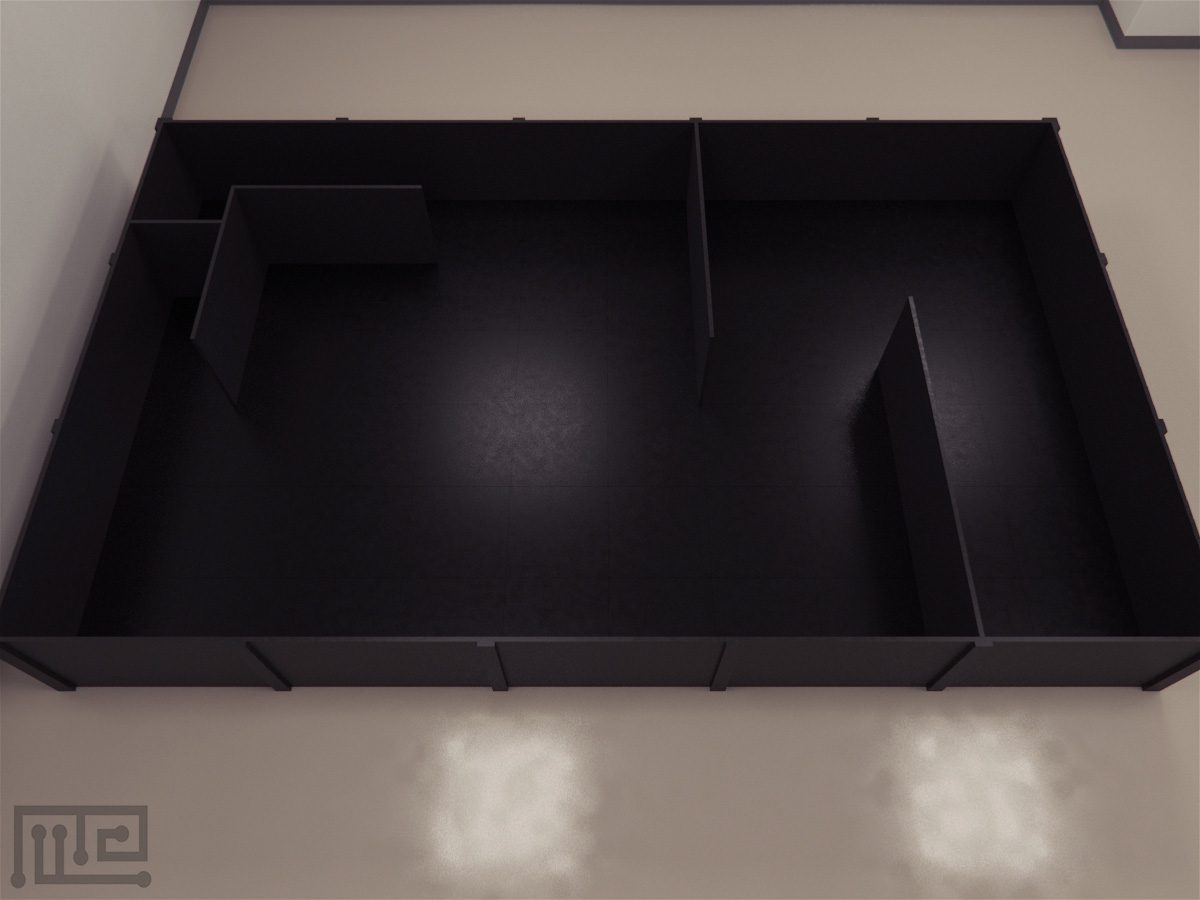
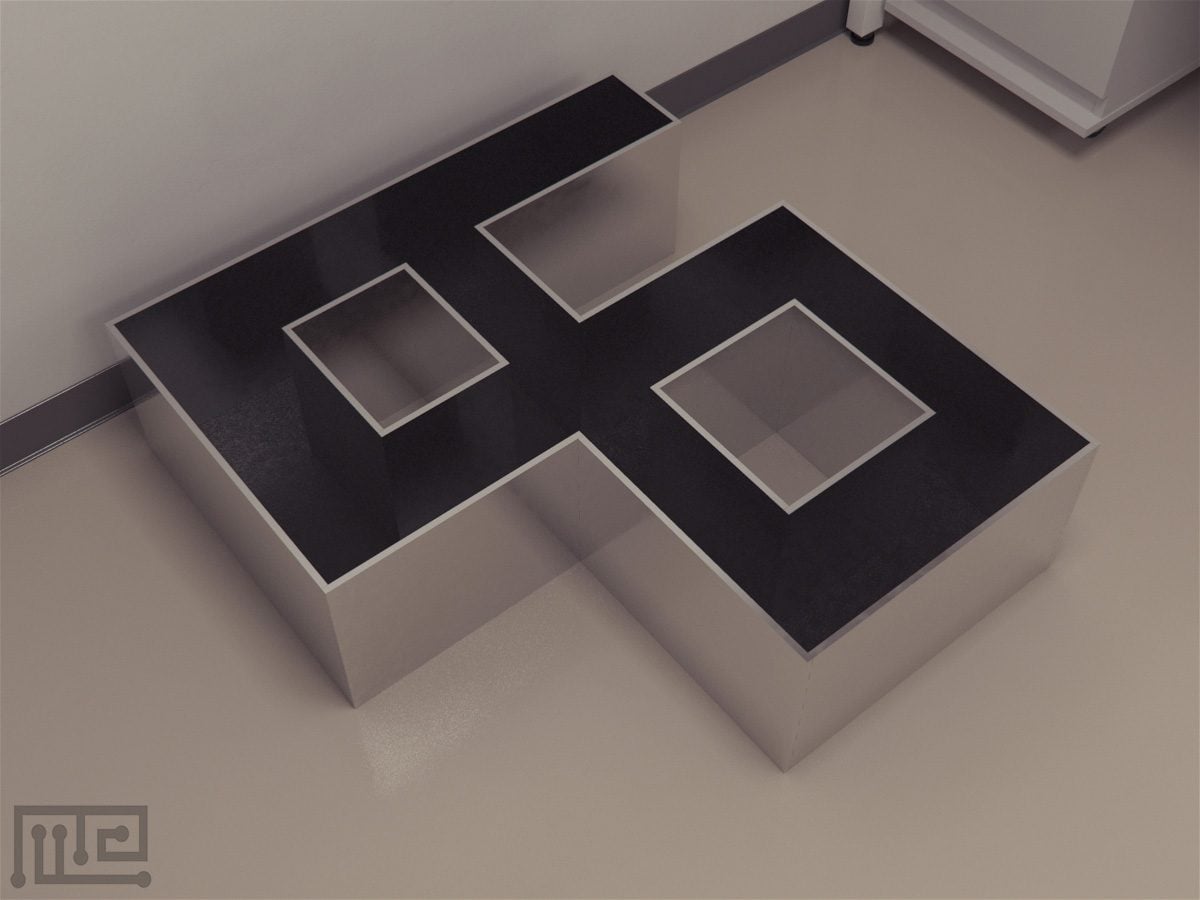
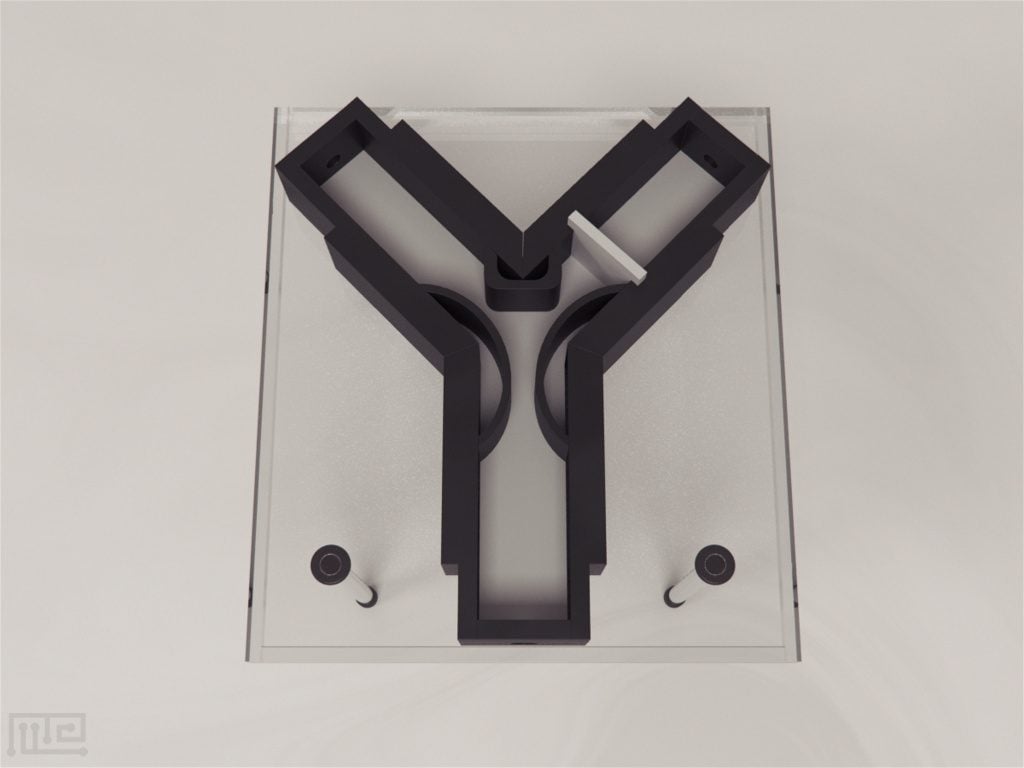
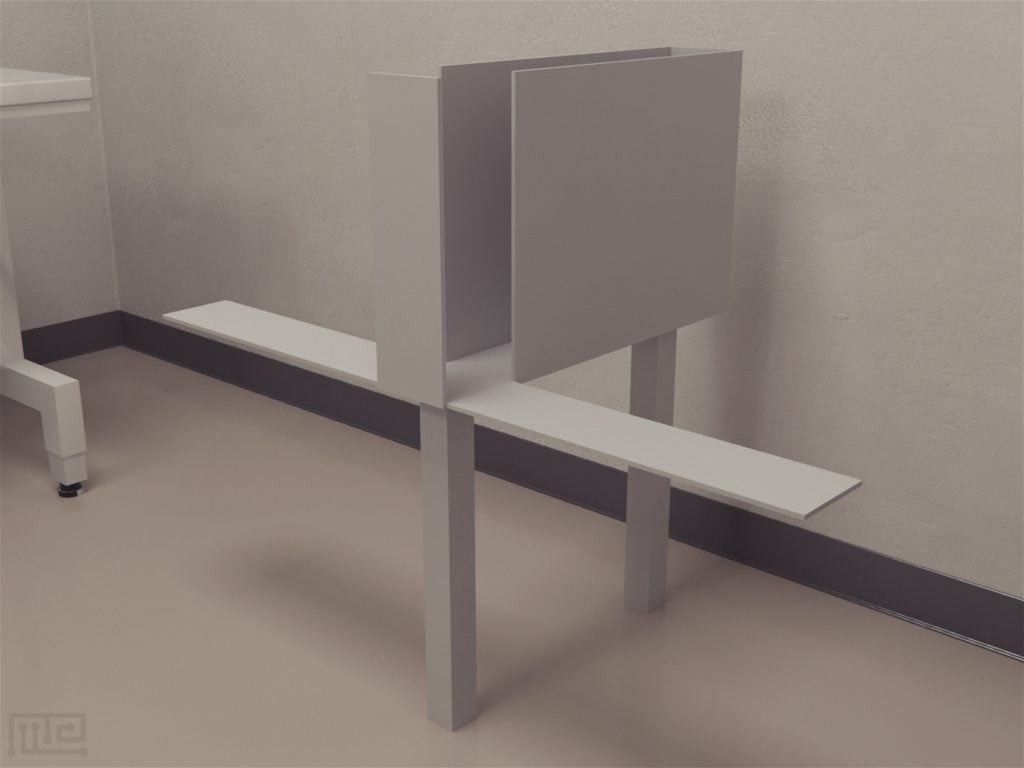
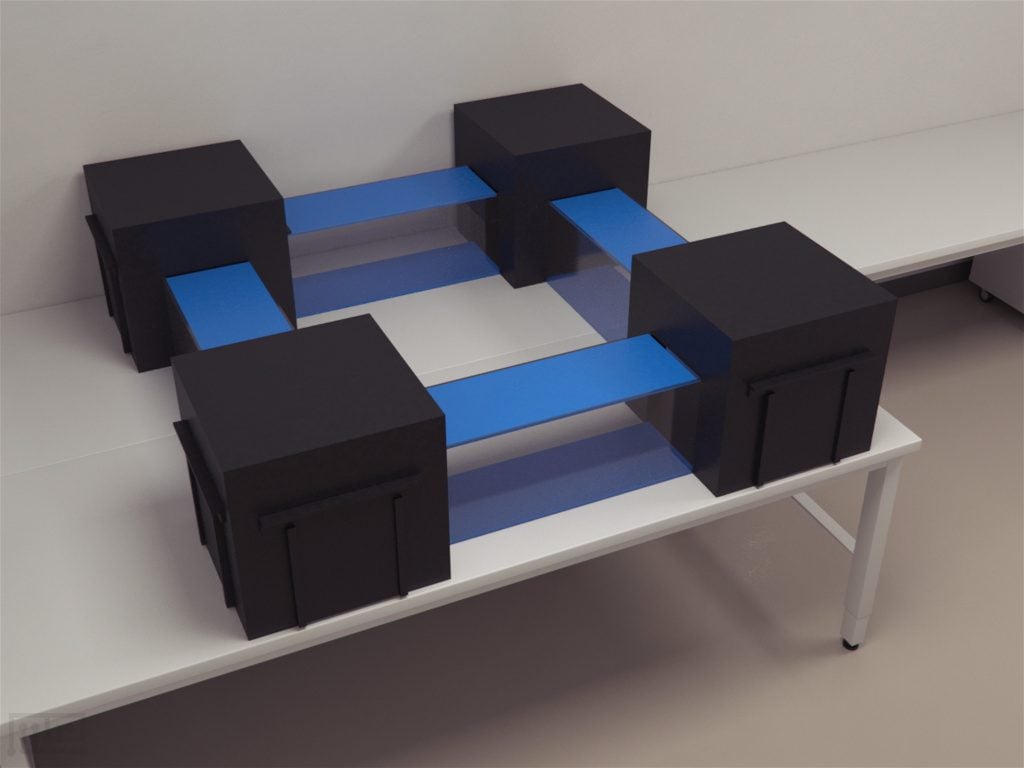
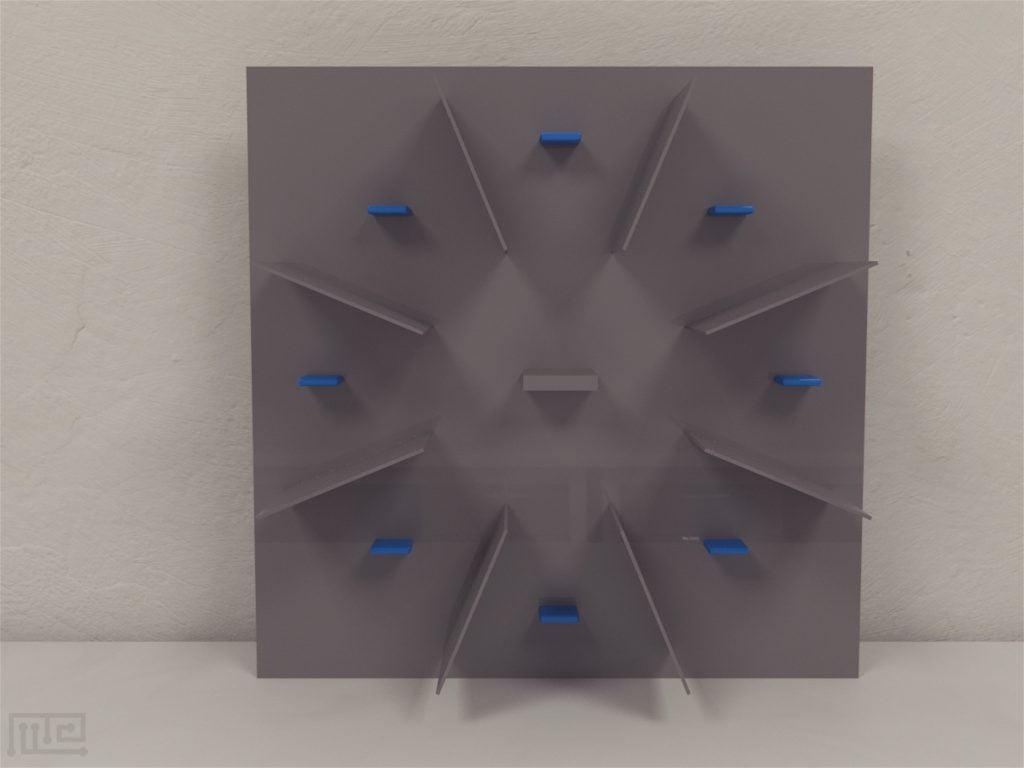
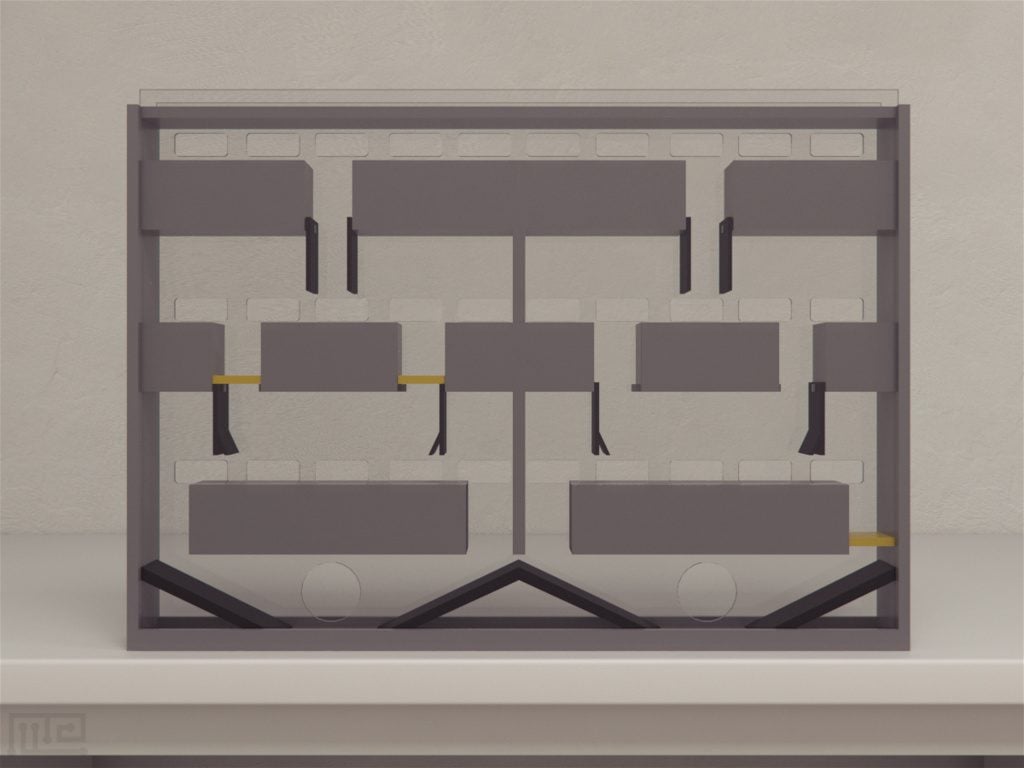
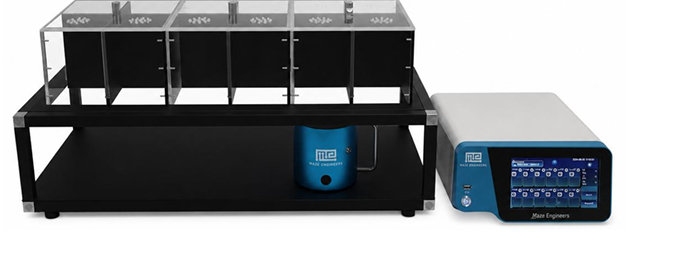
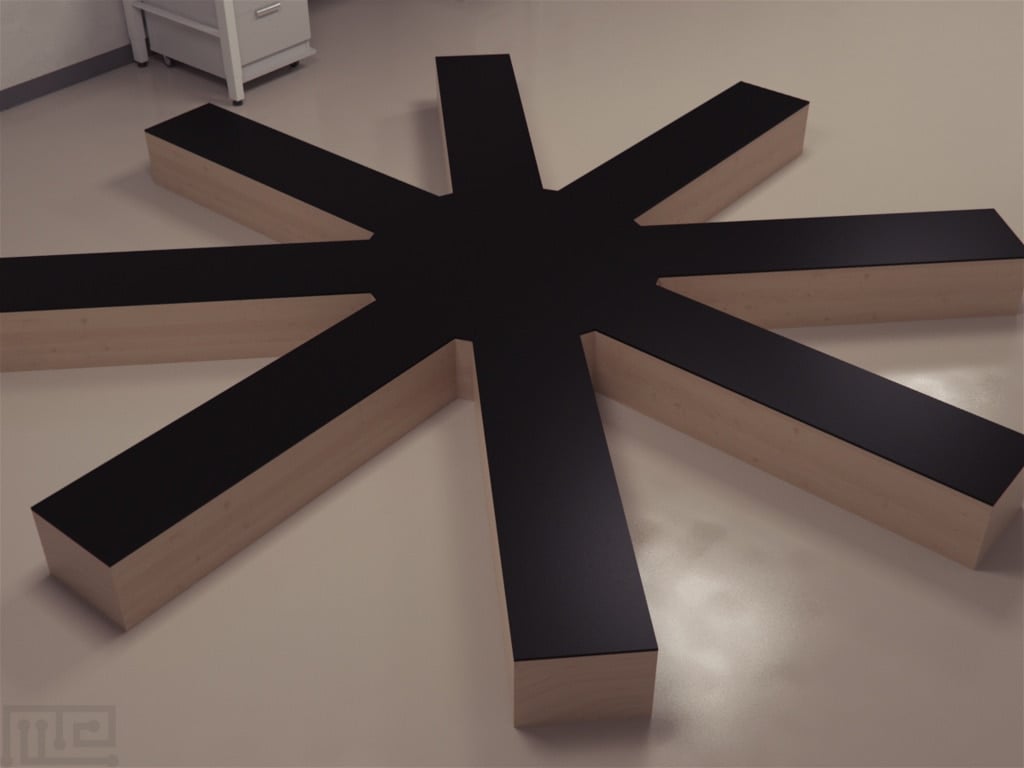
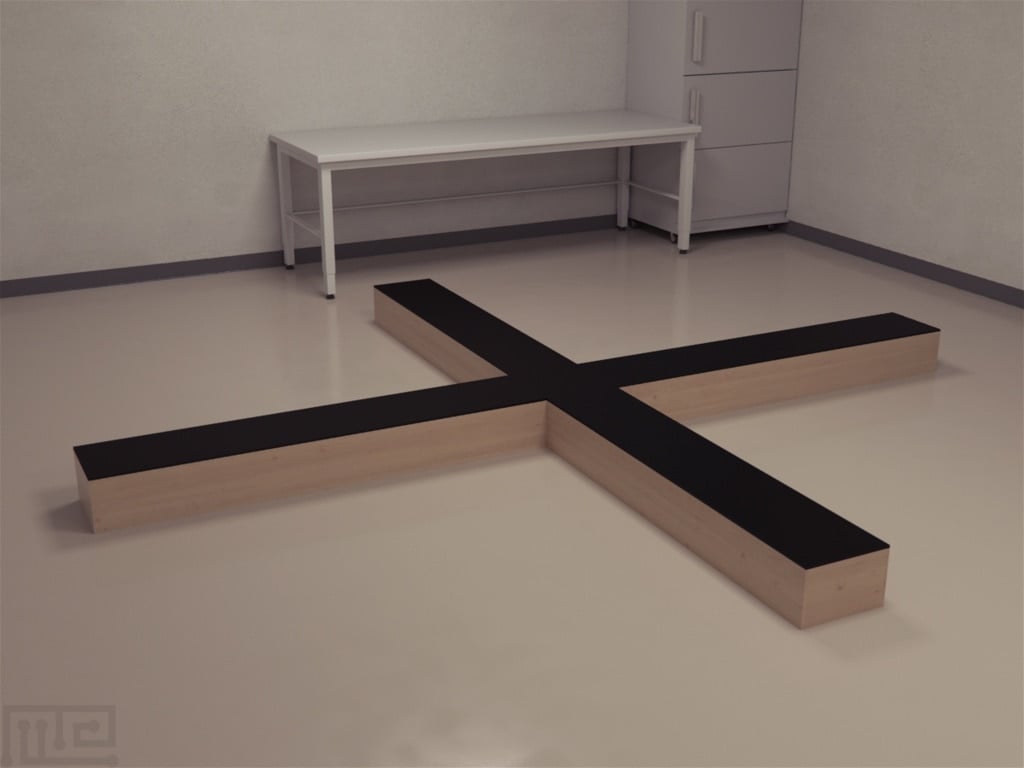
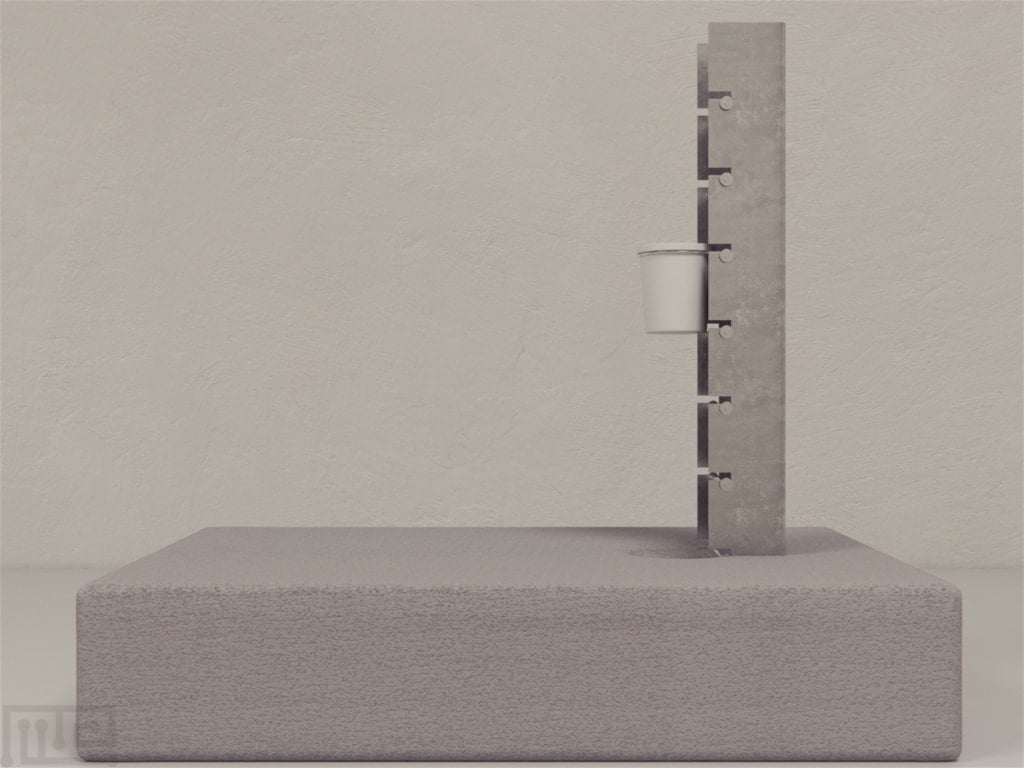
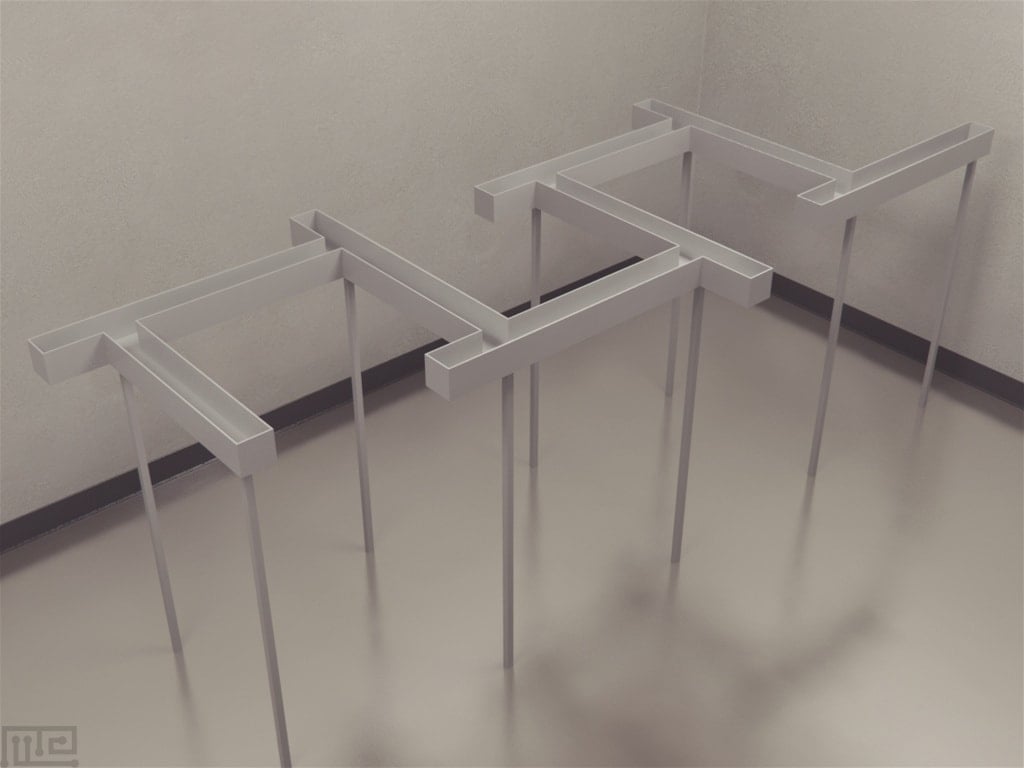
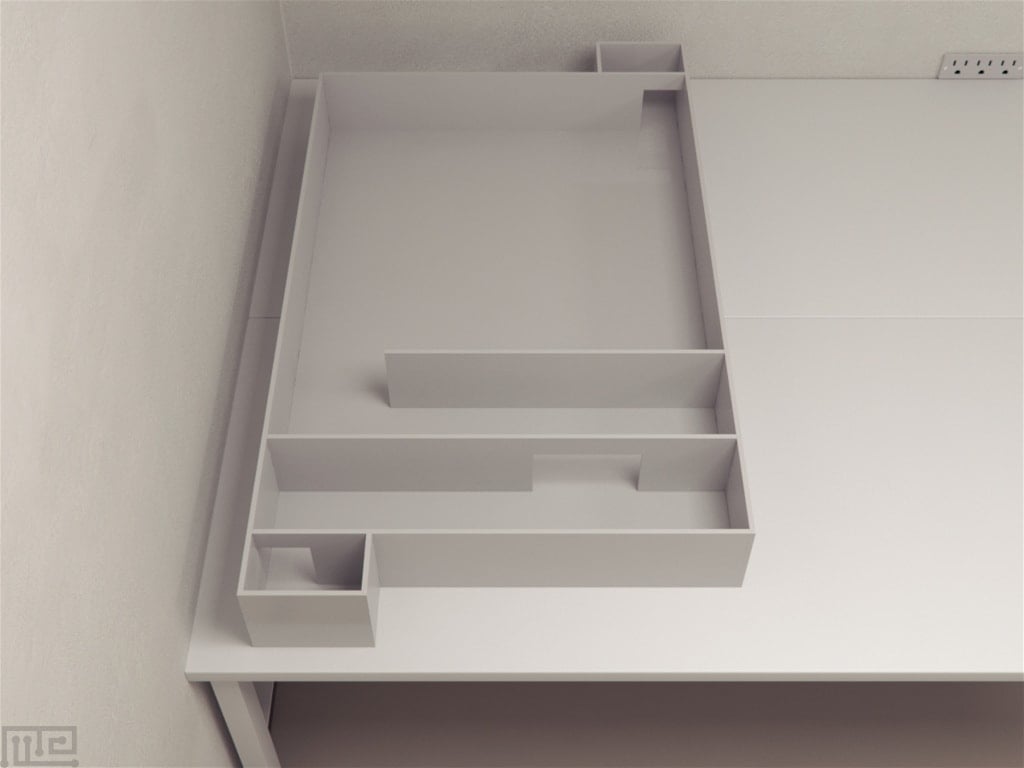
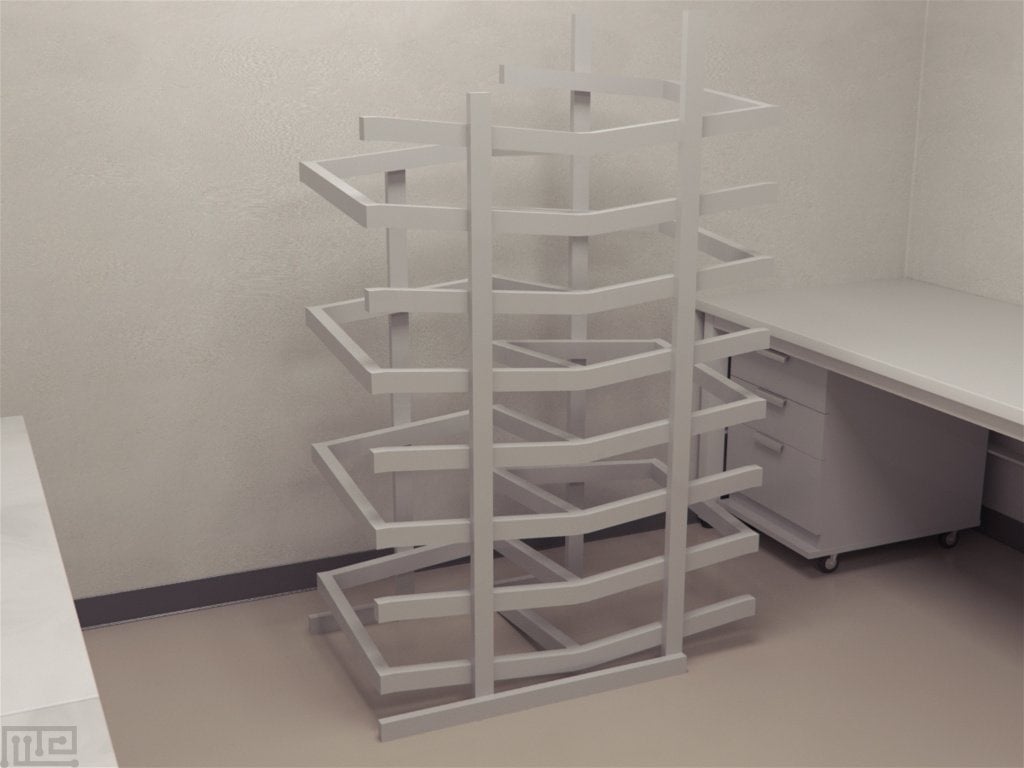
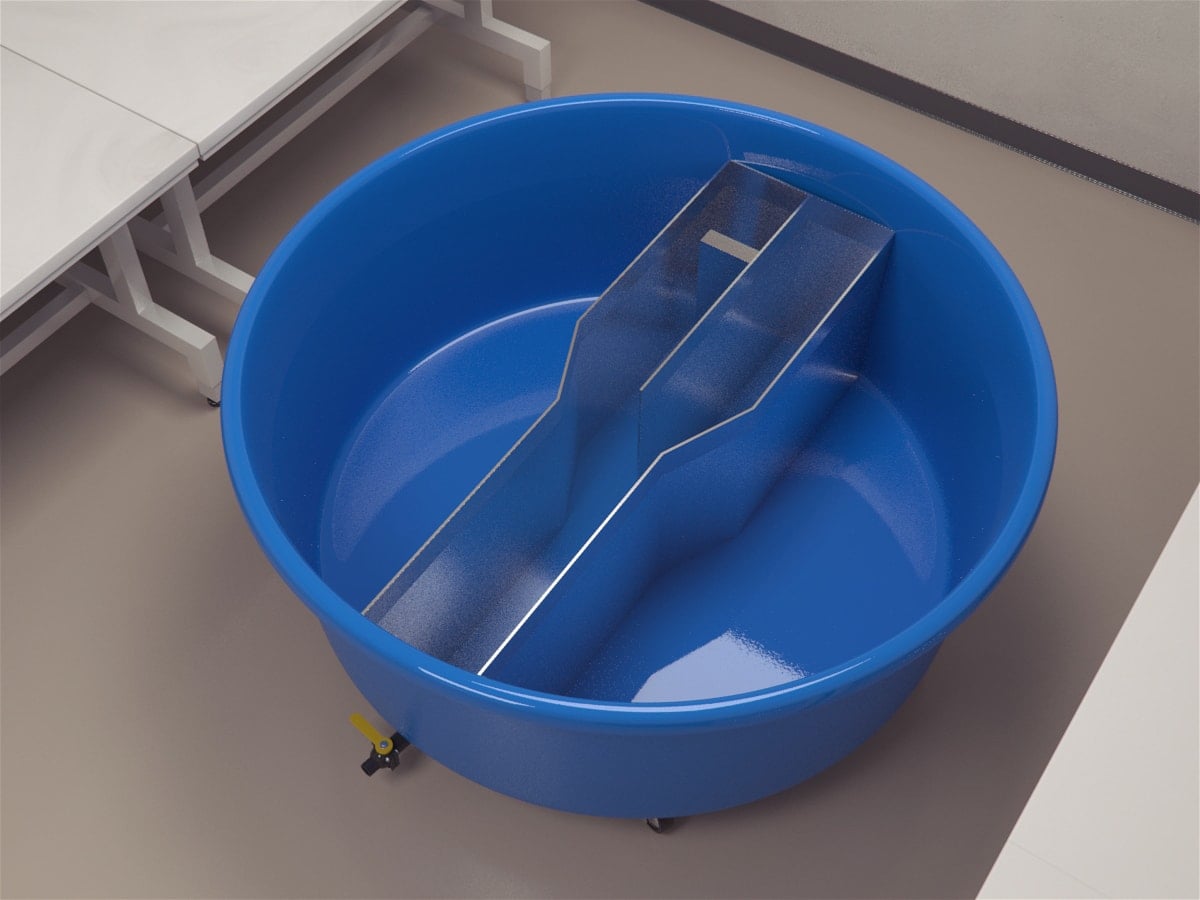
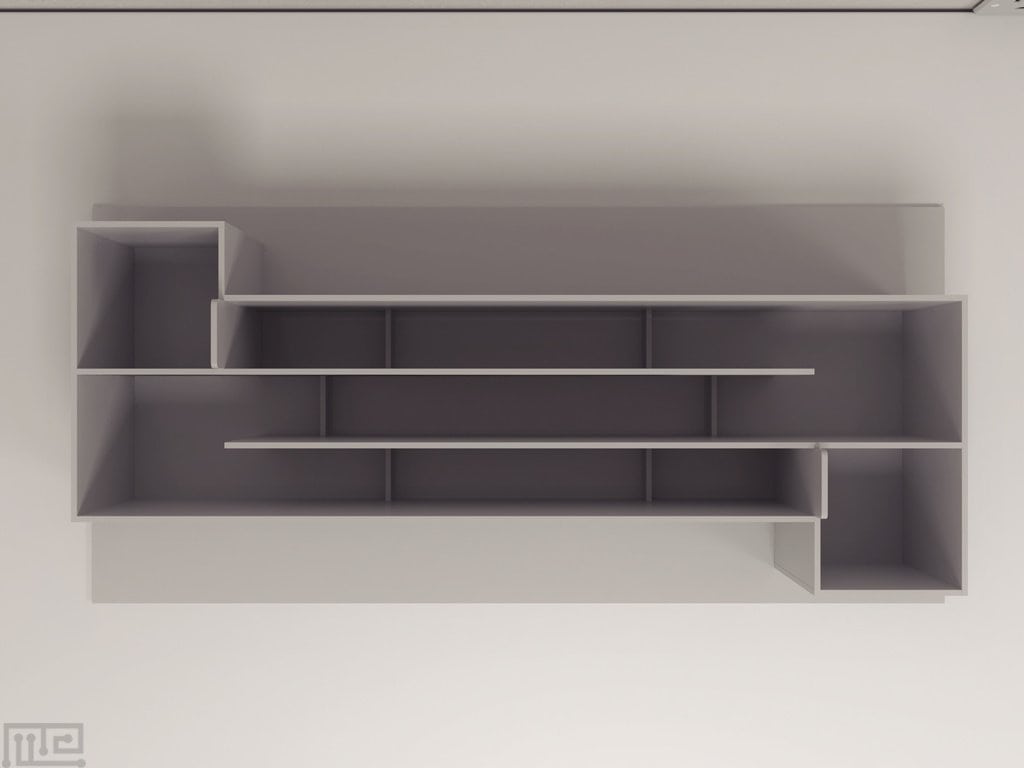
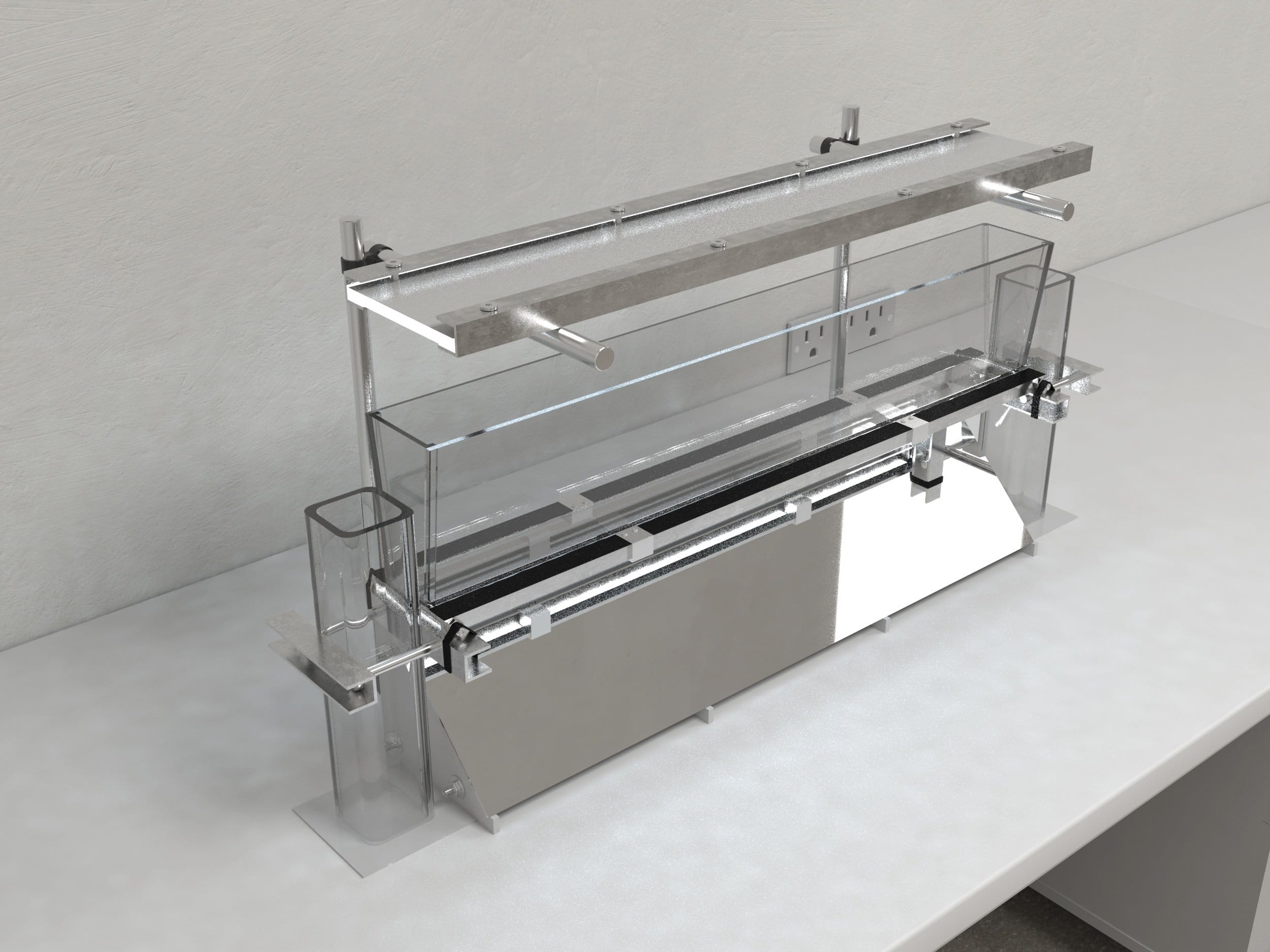
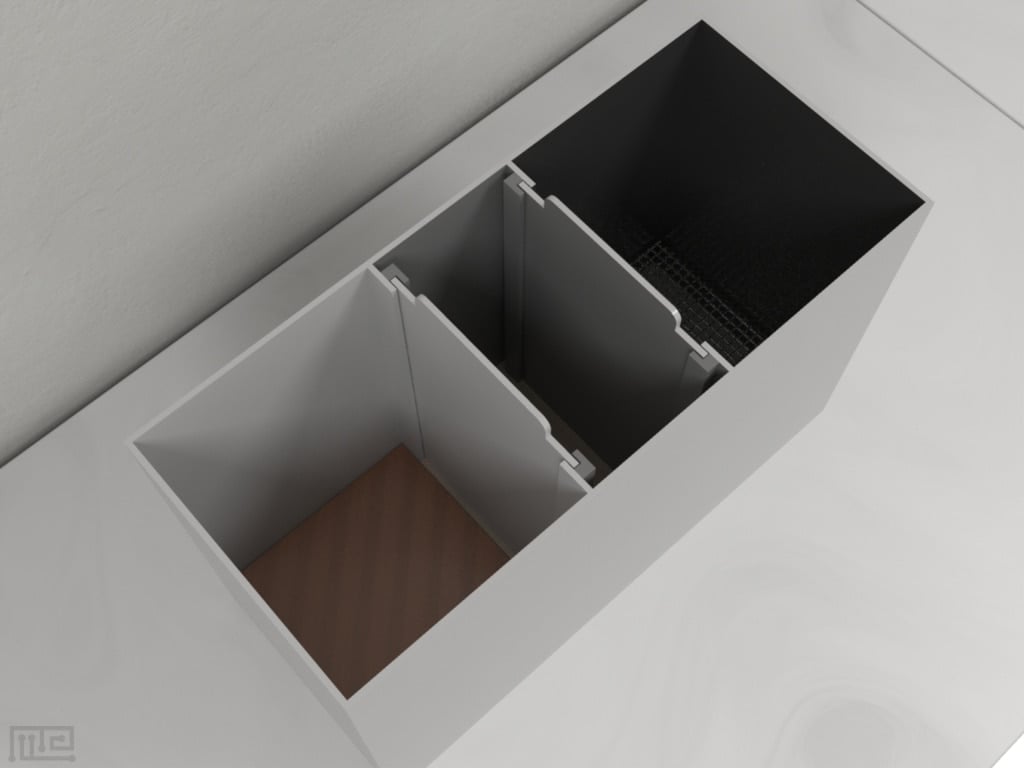
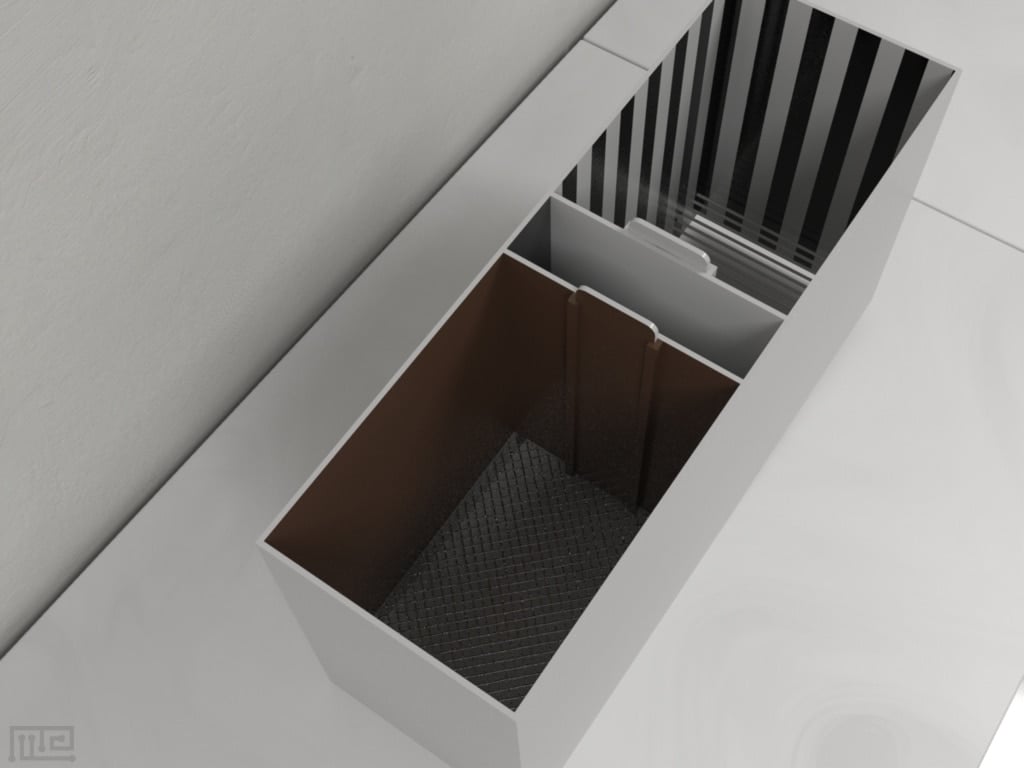
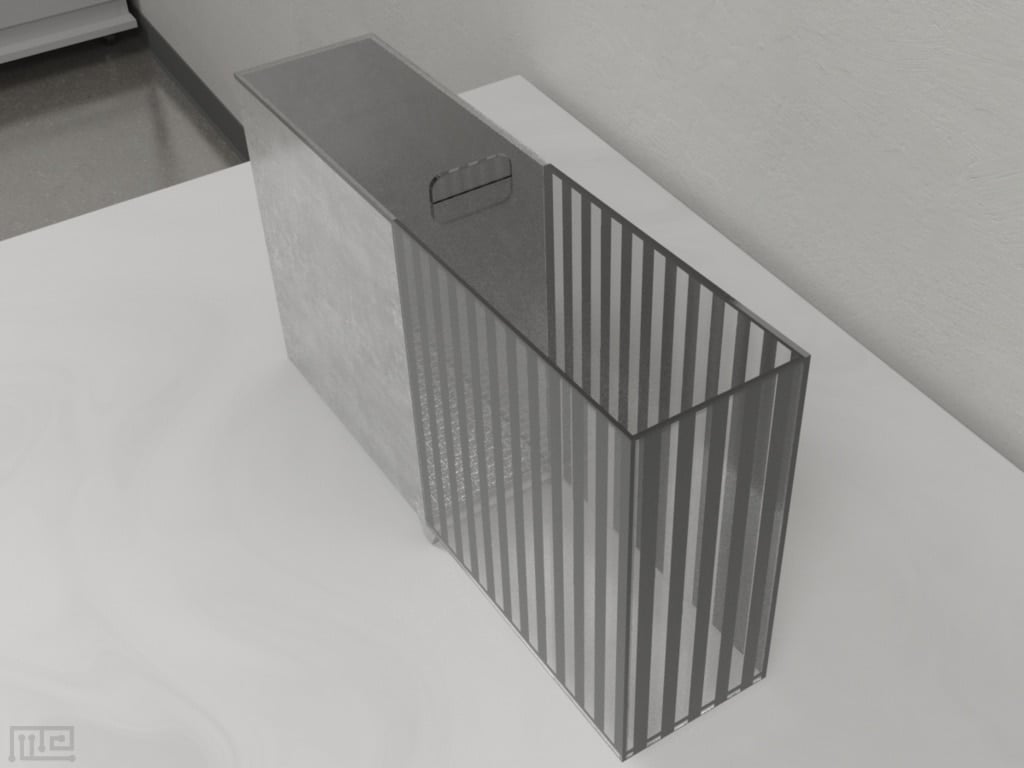
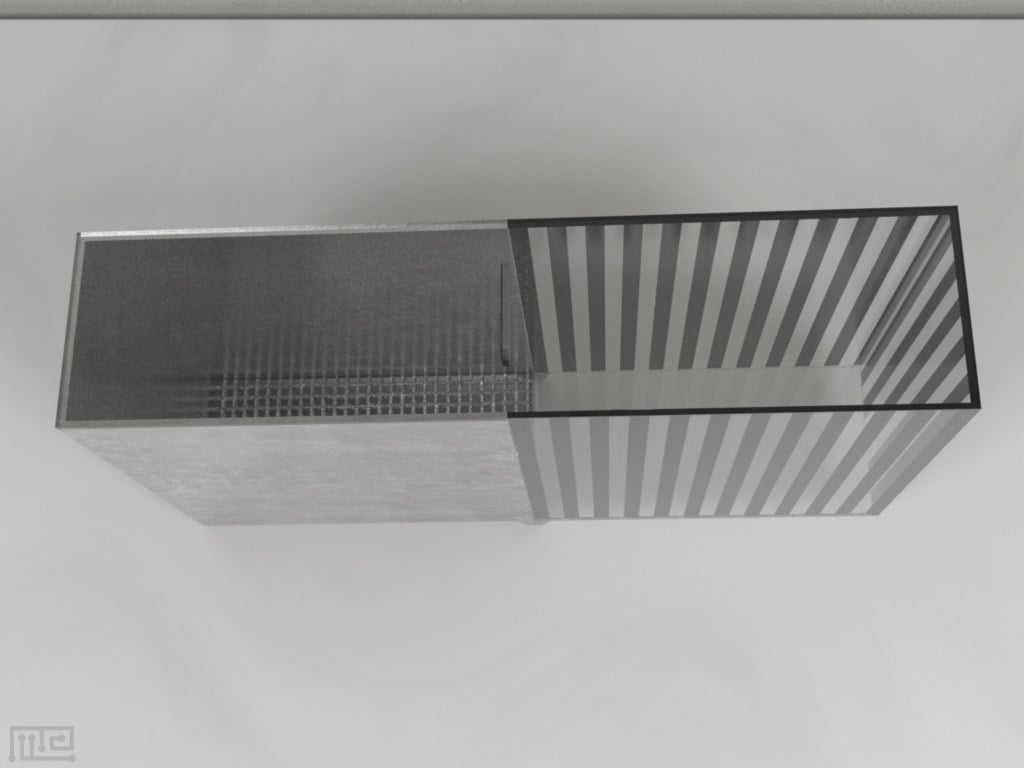
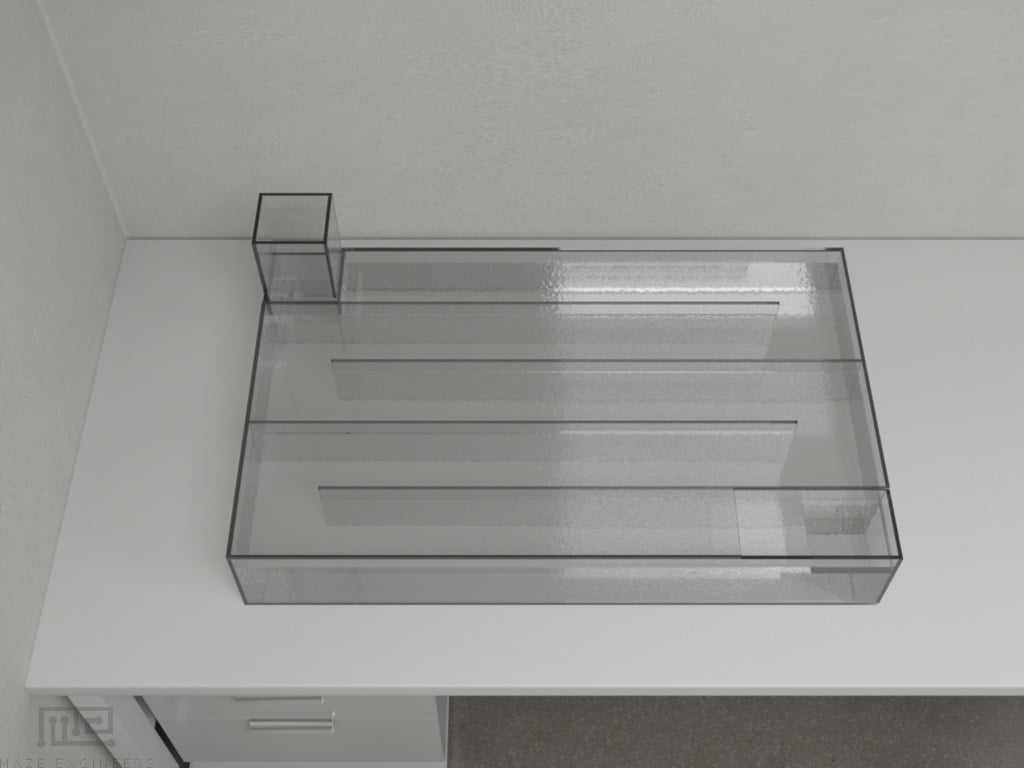
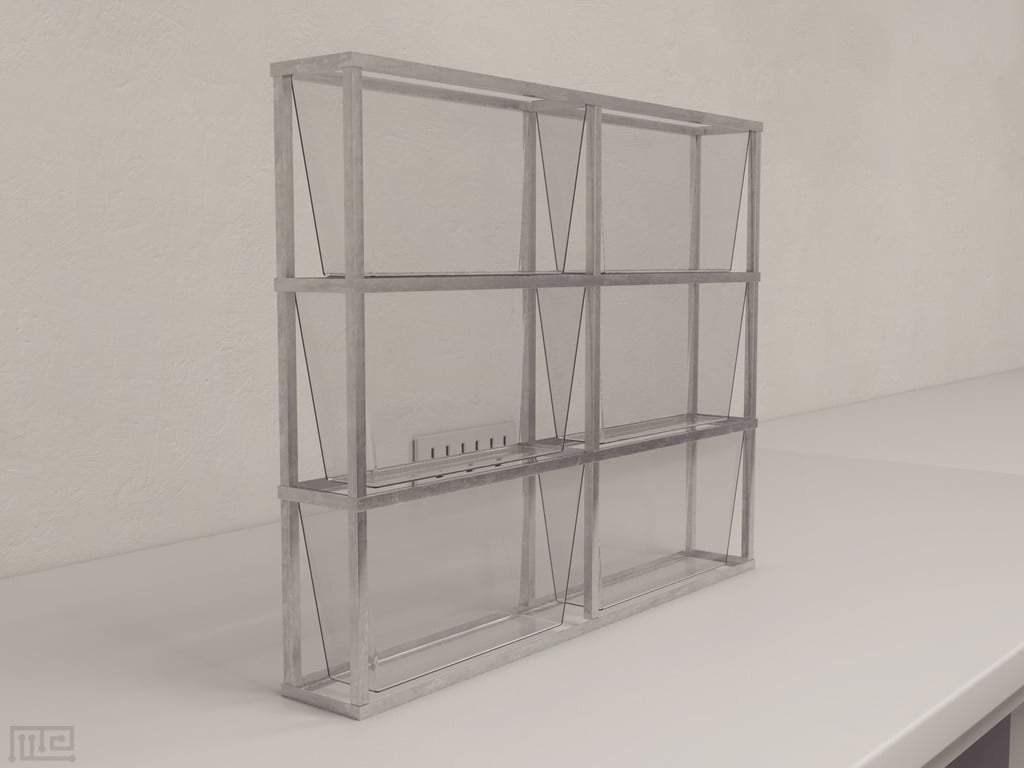
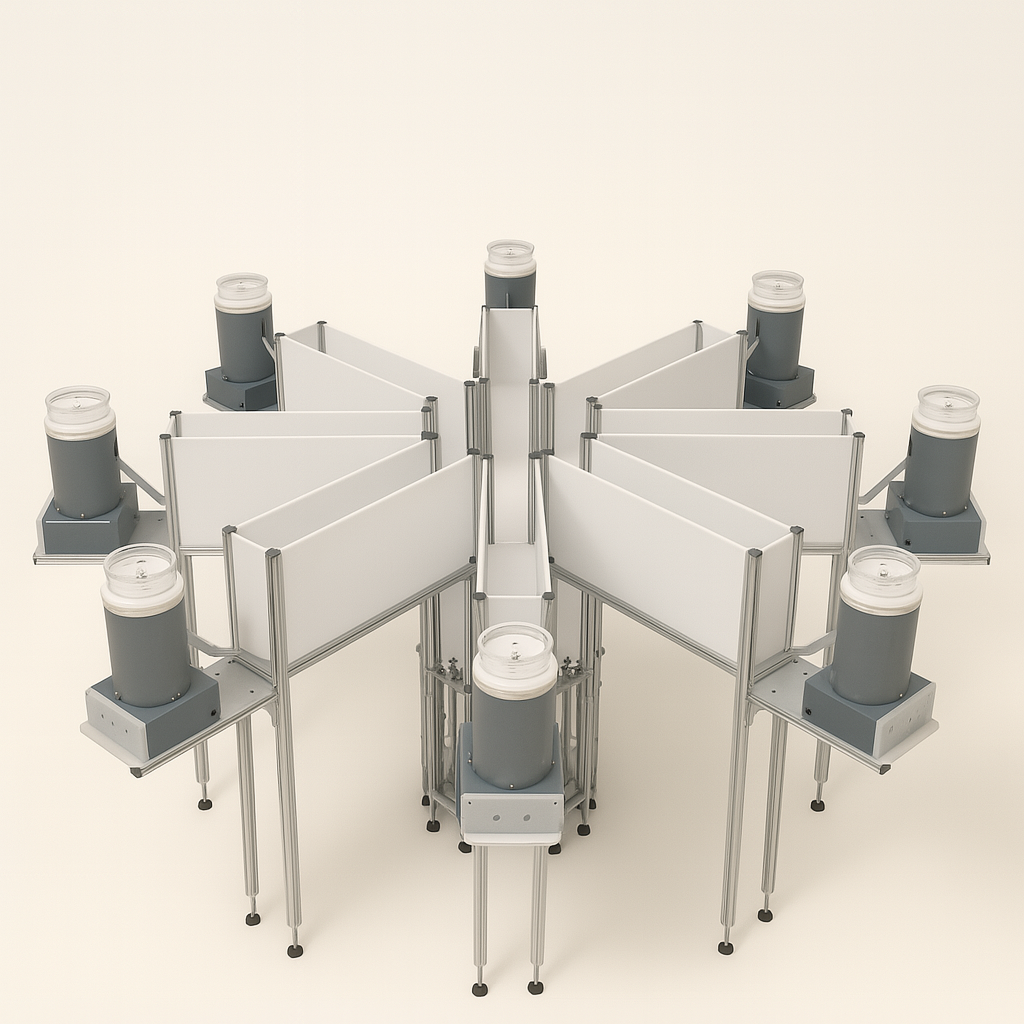
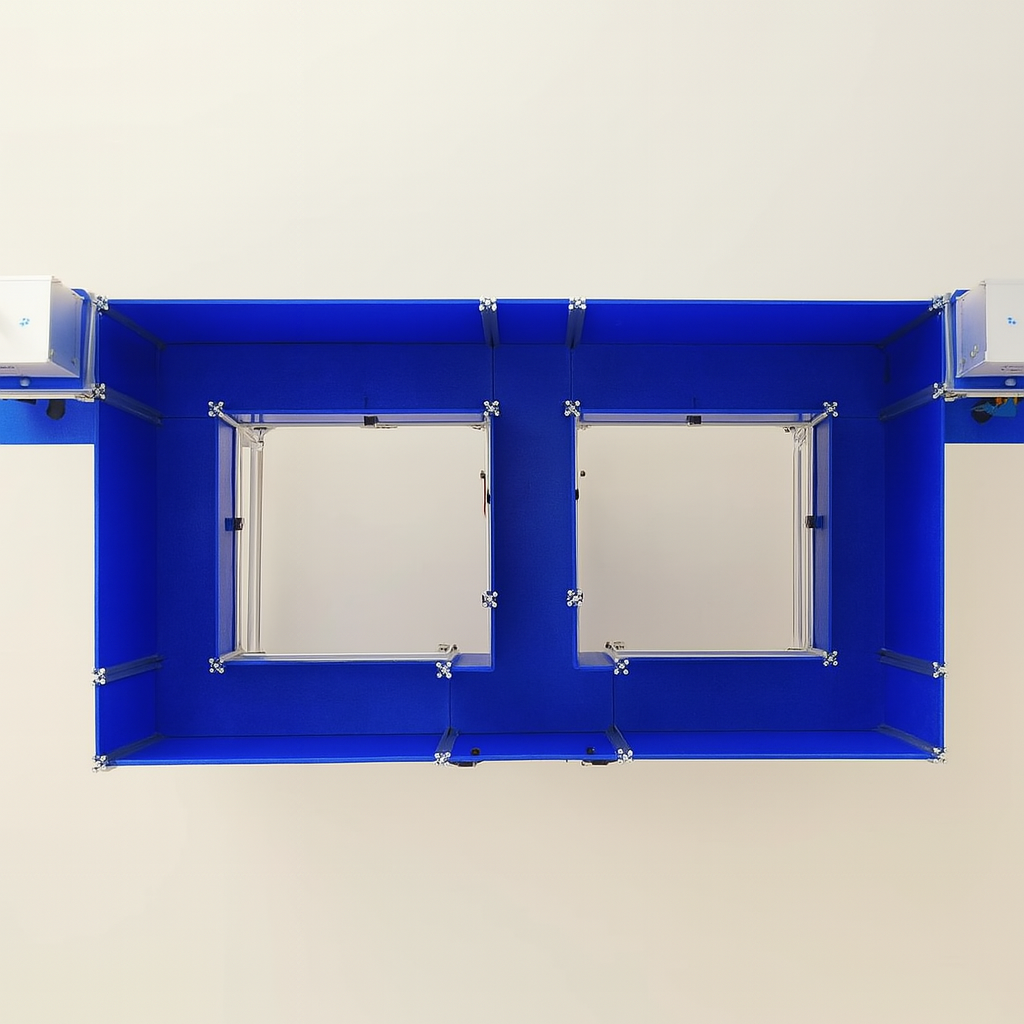
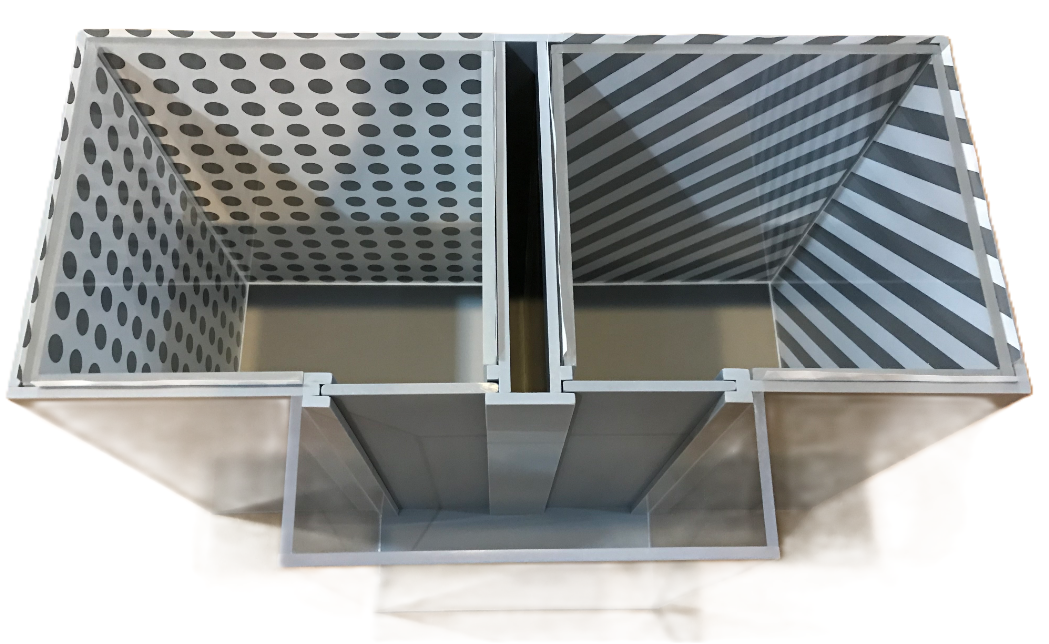
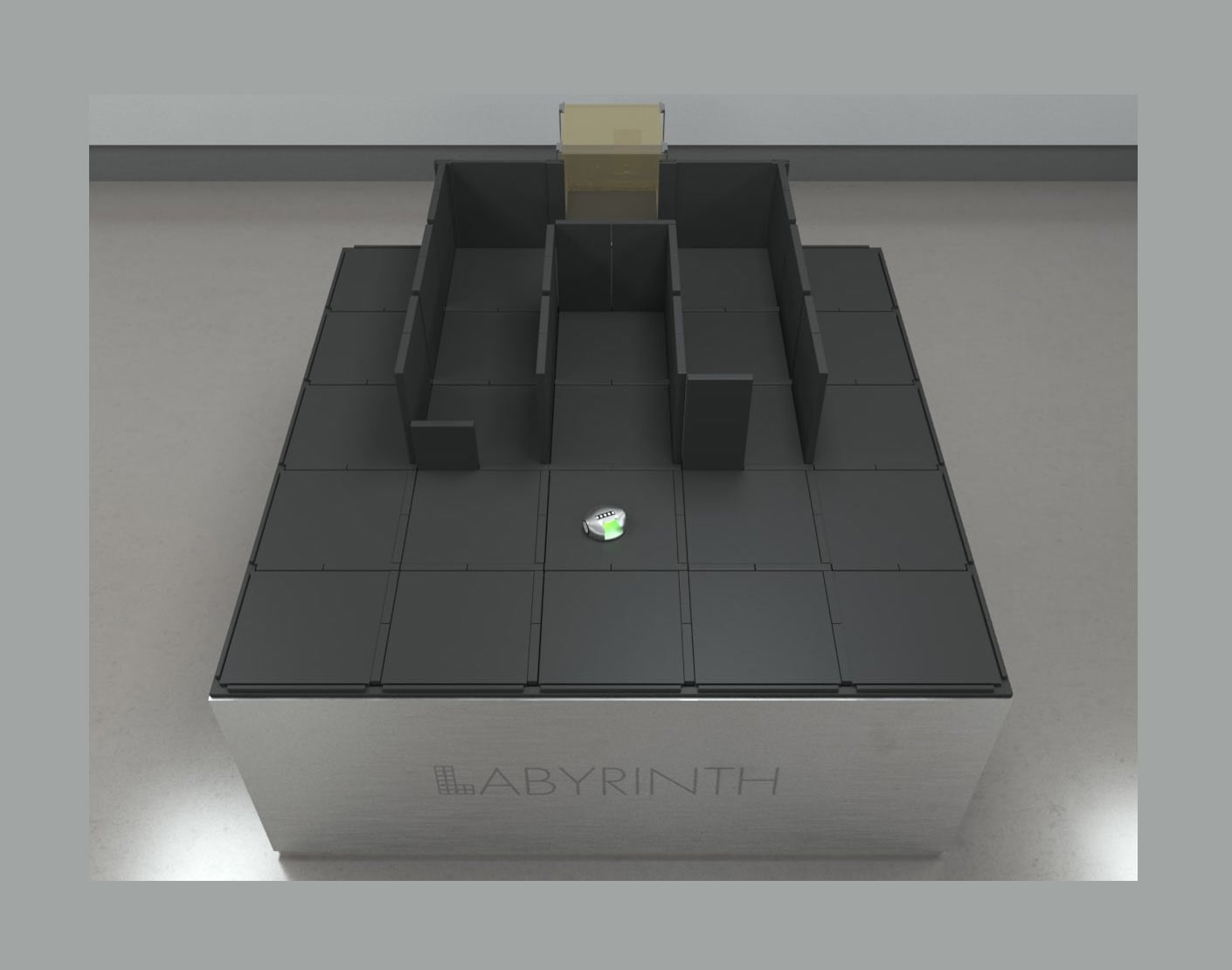
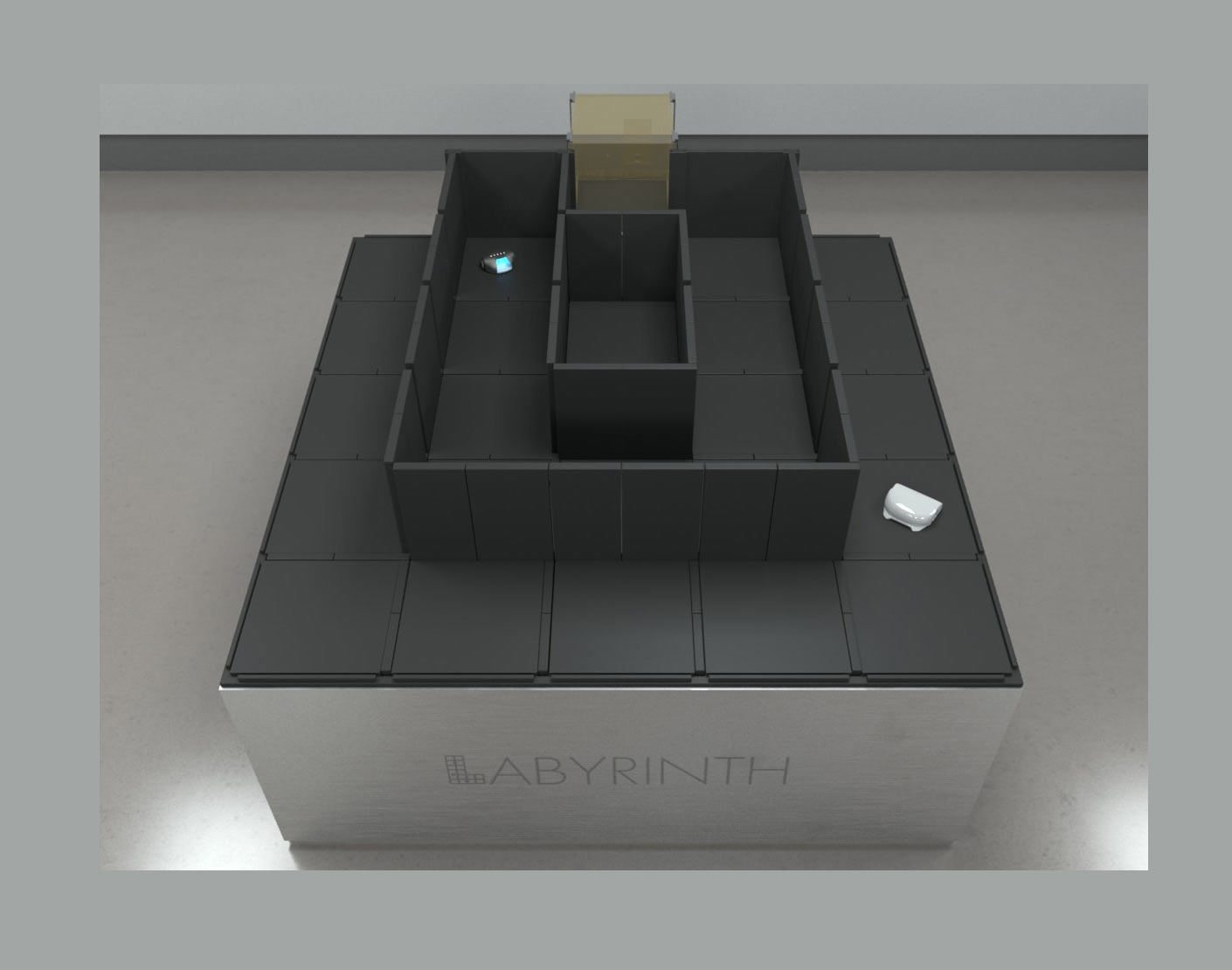
Vertical Maze Learn More
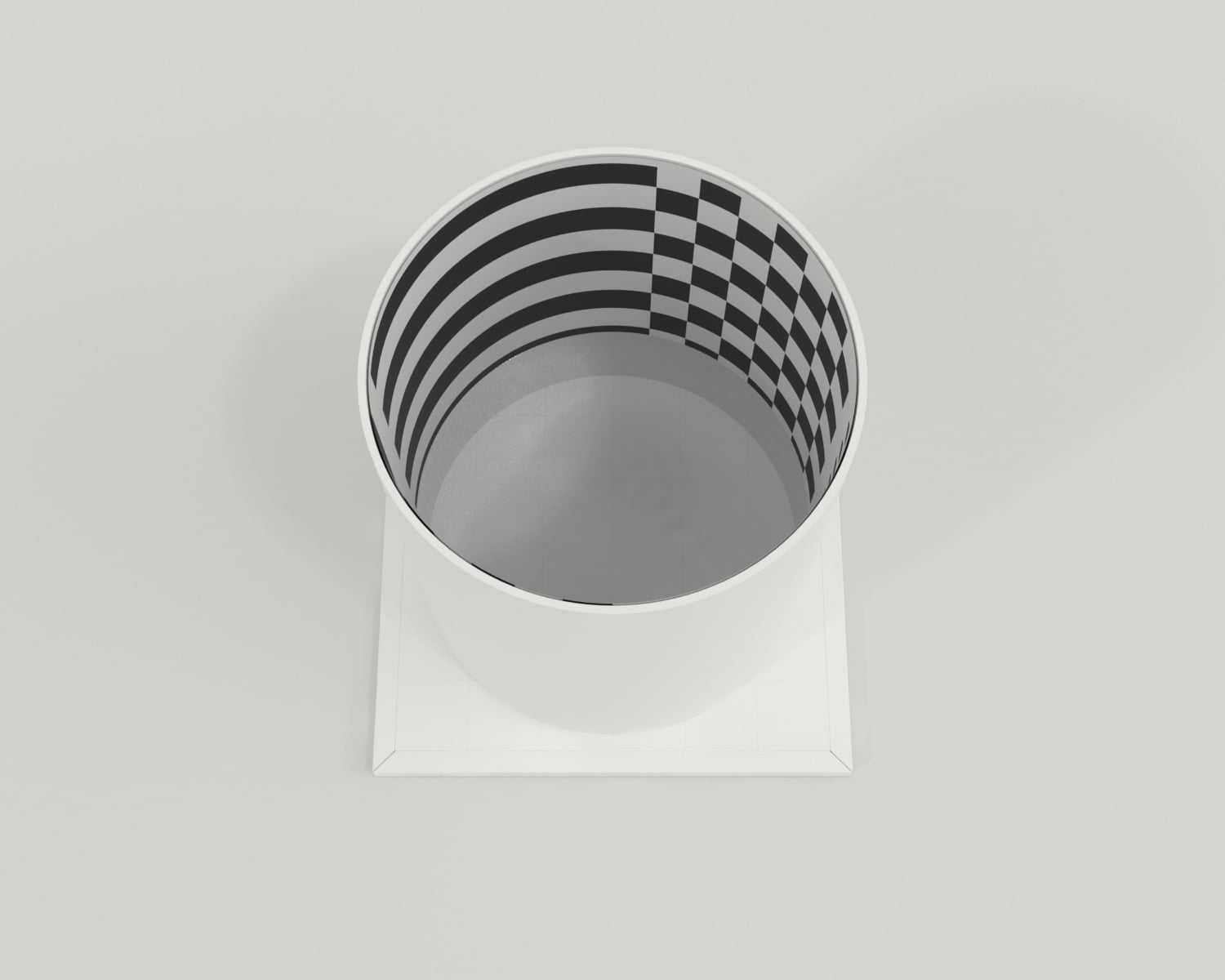
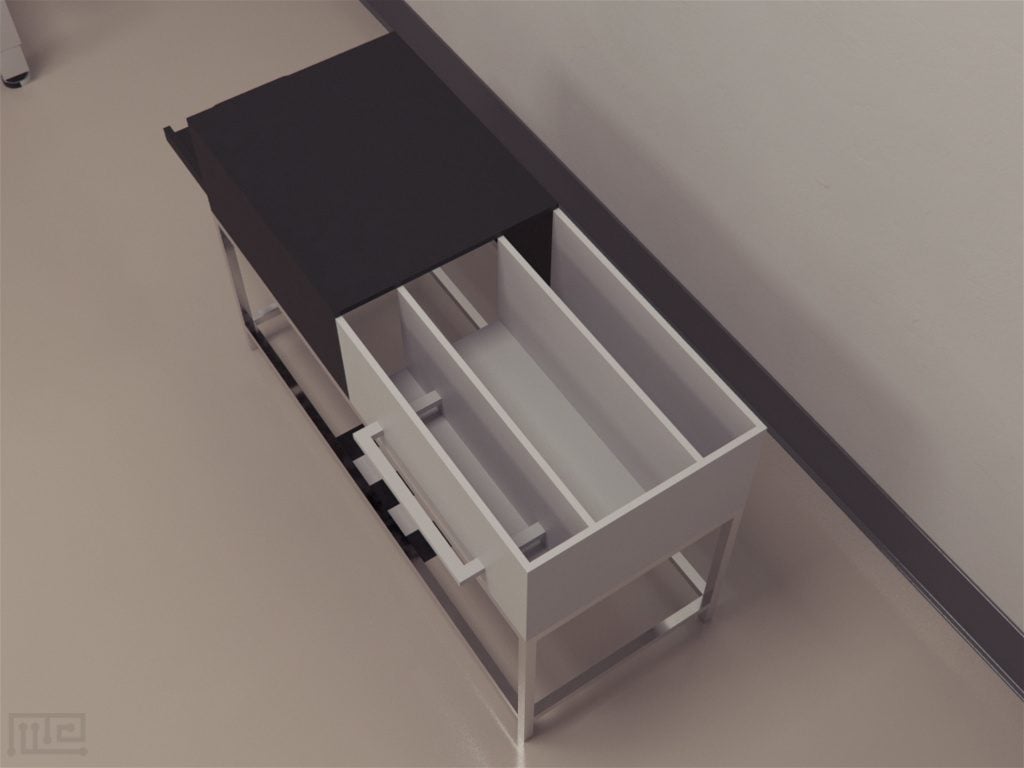
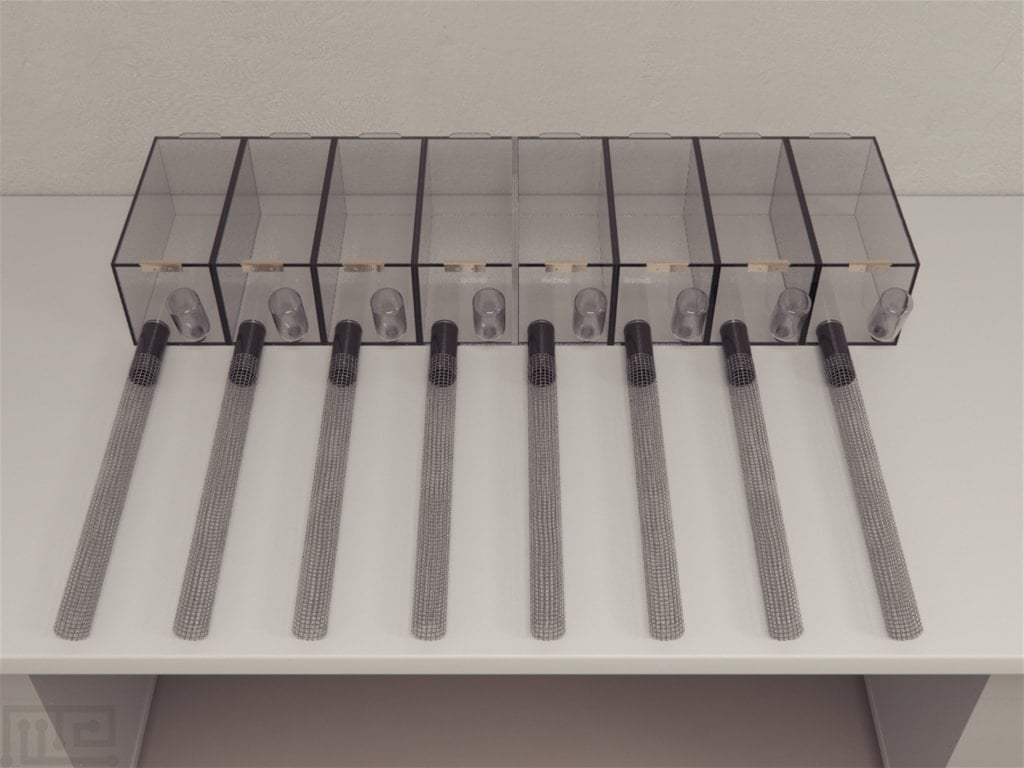
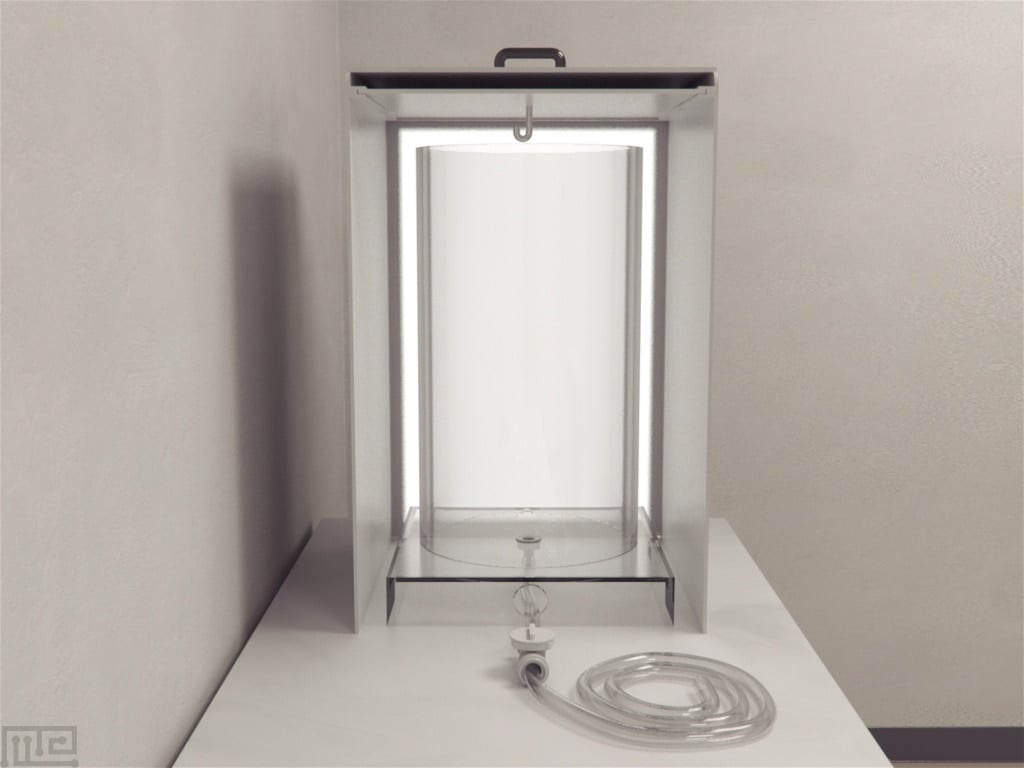
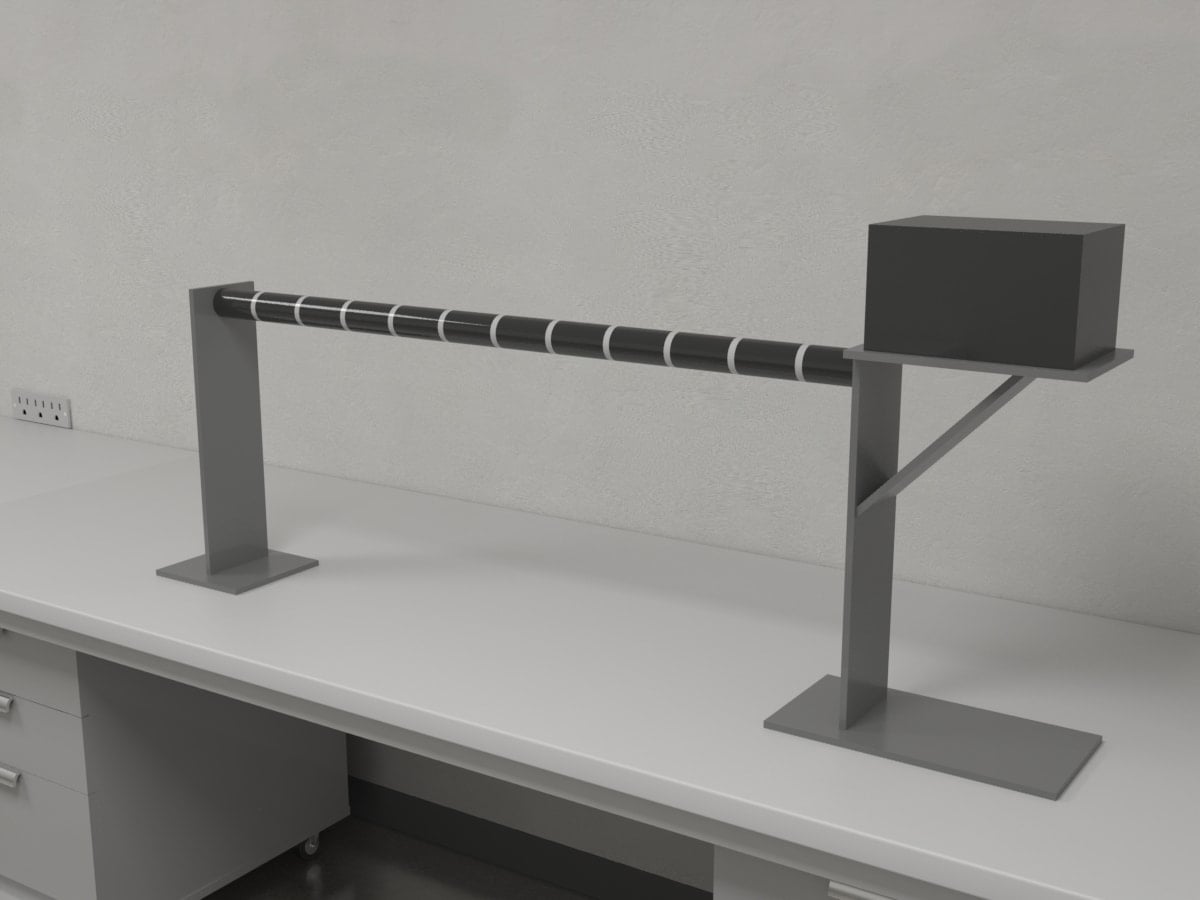
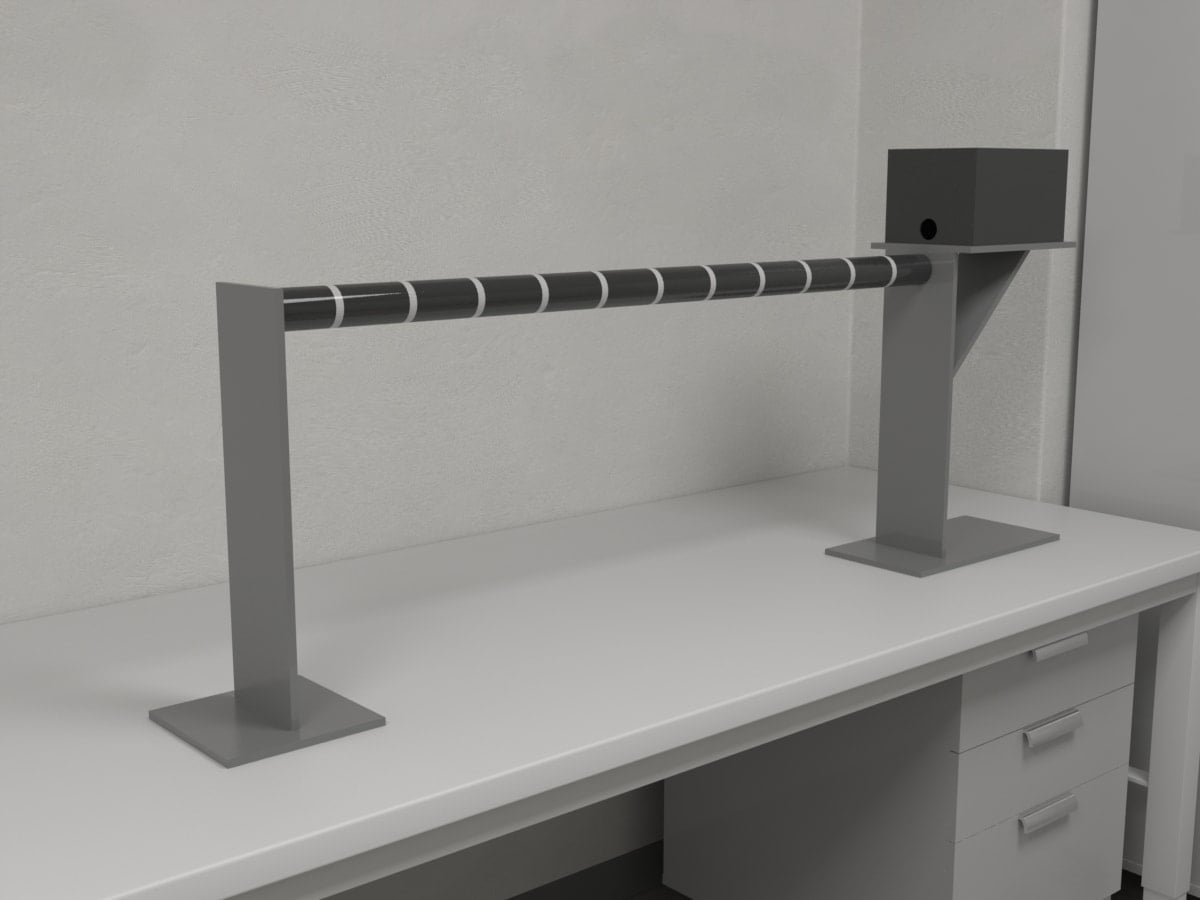
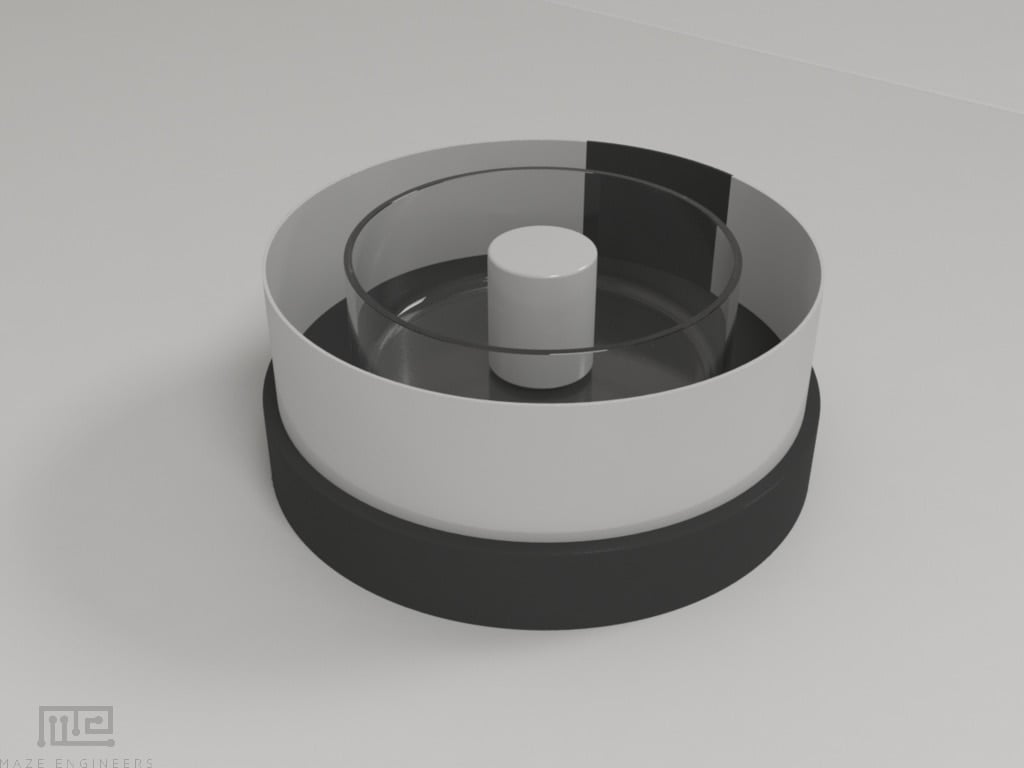
Cylinder Test
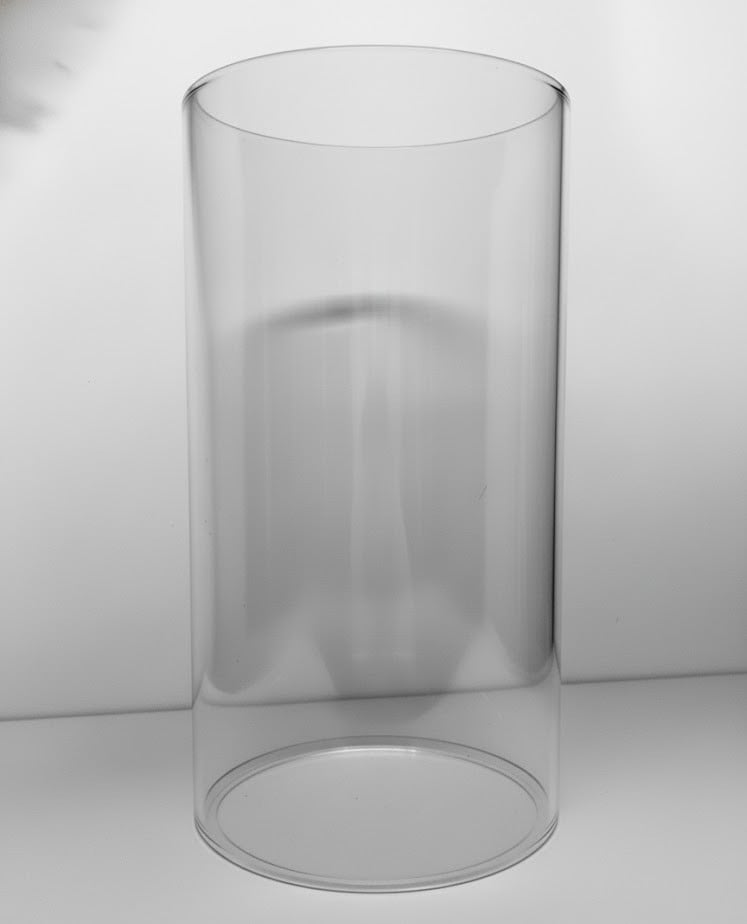
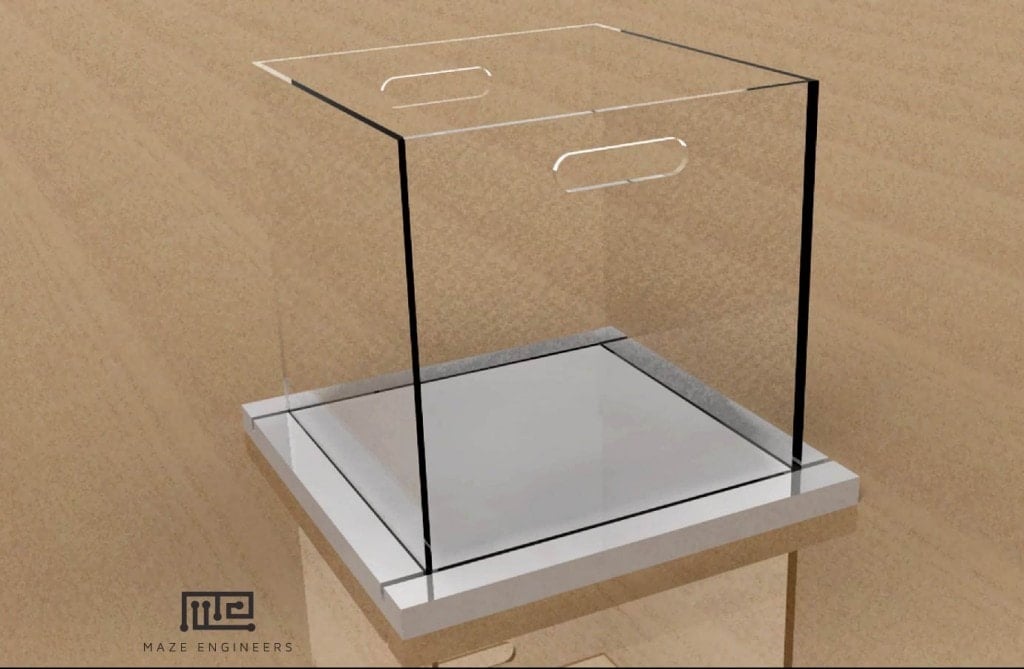
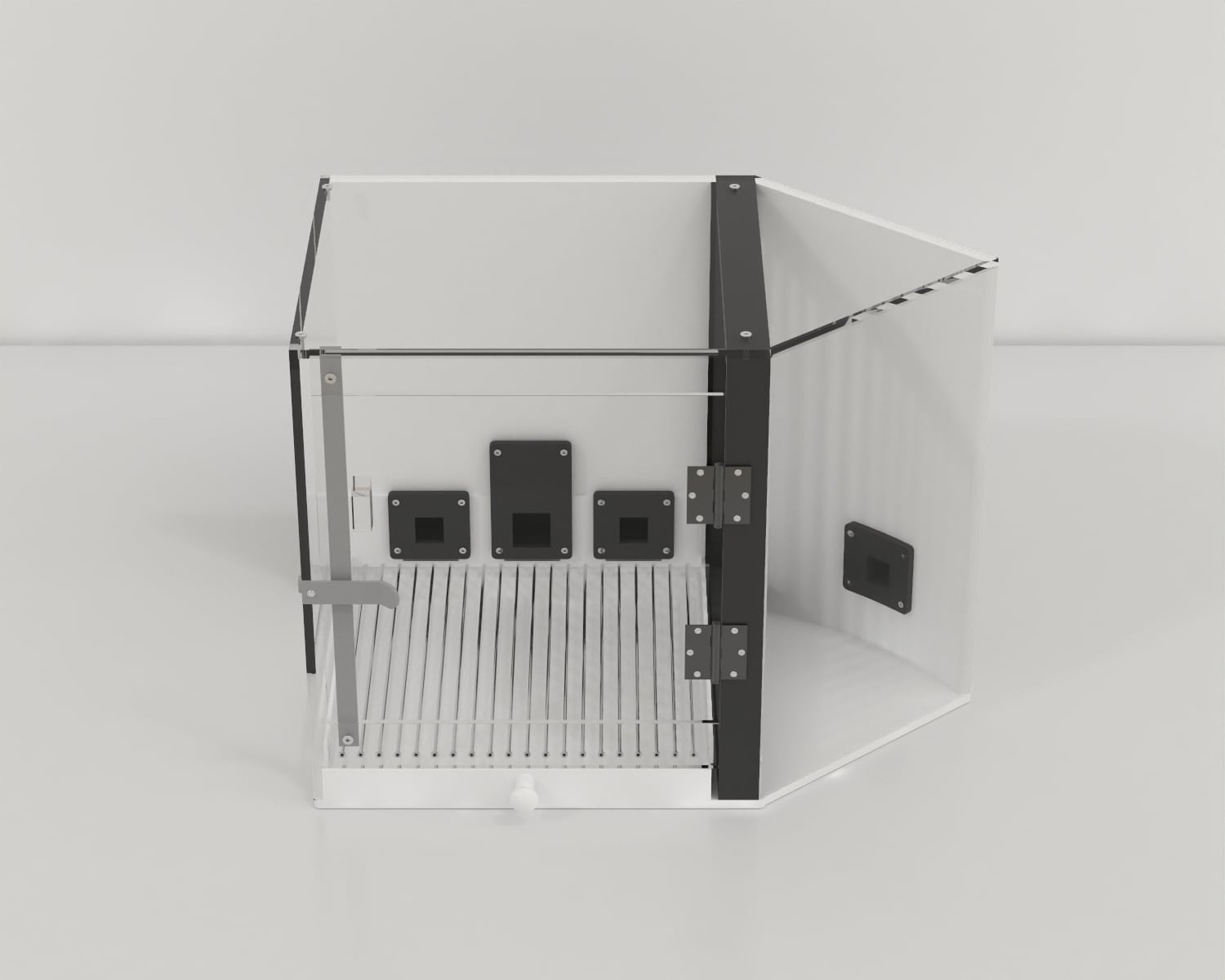
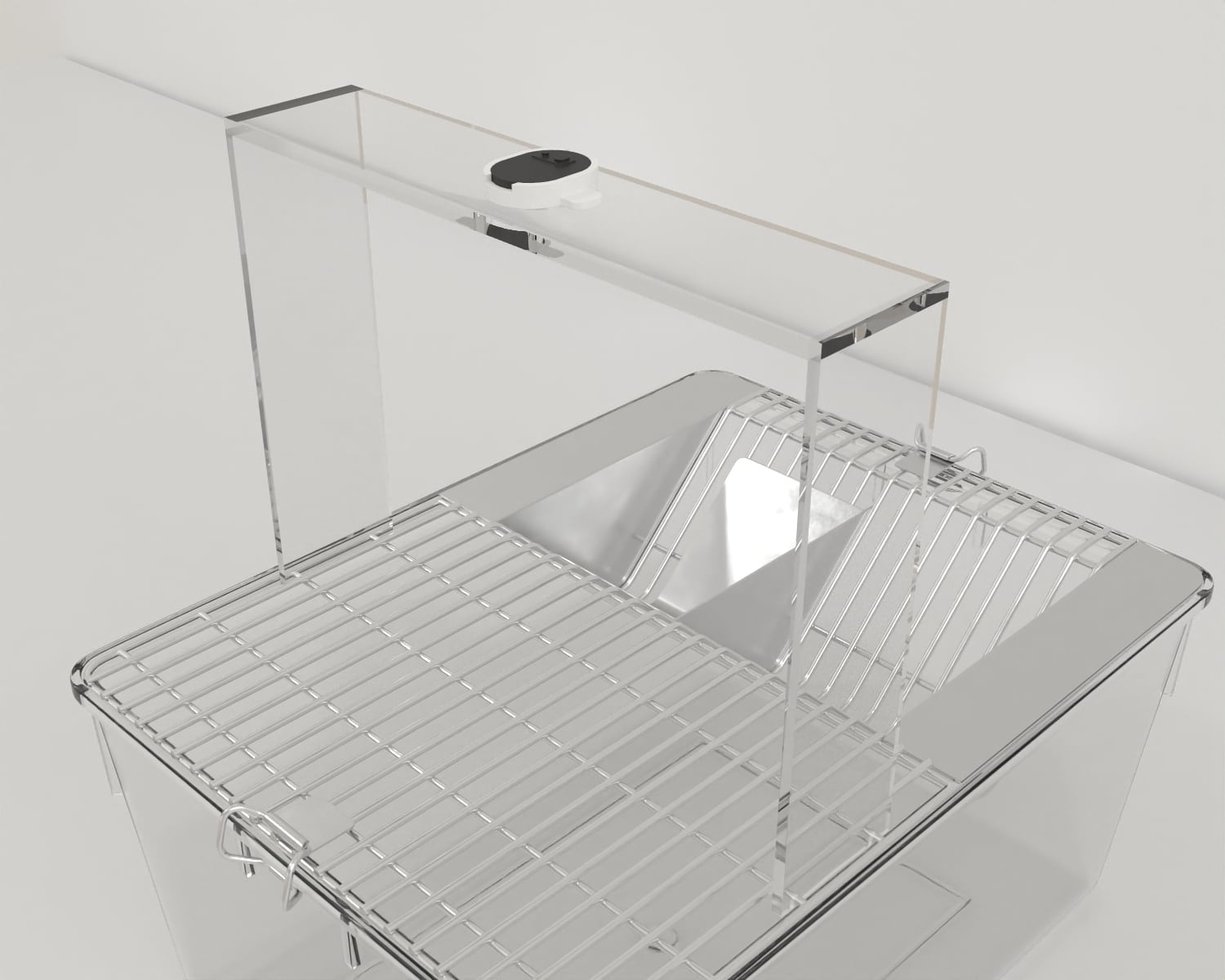
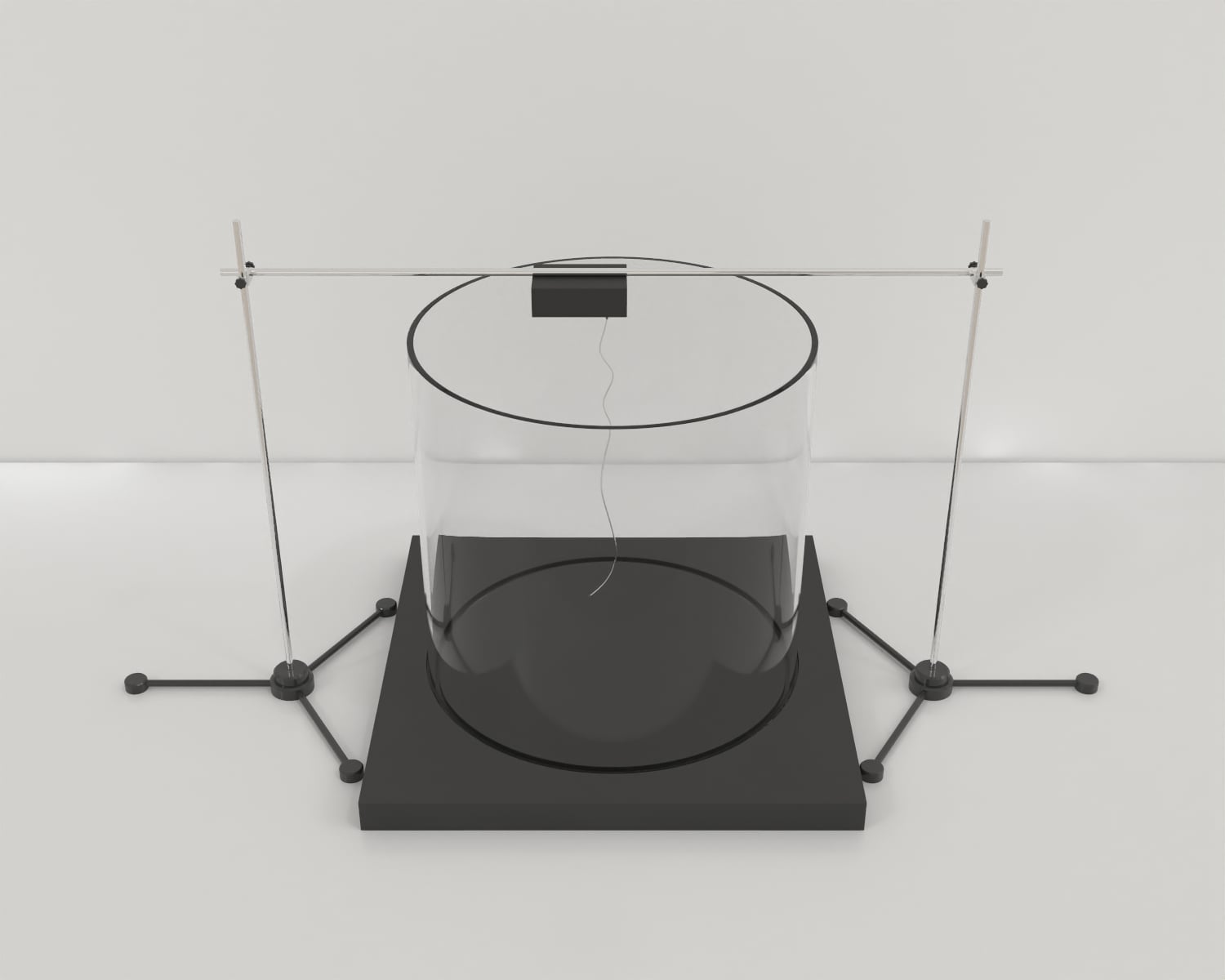
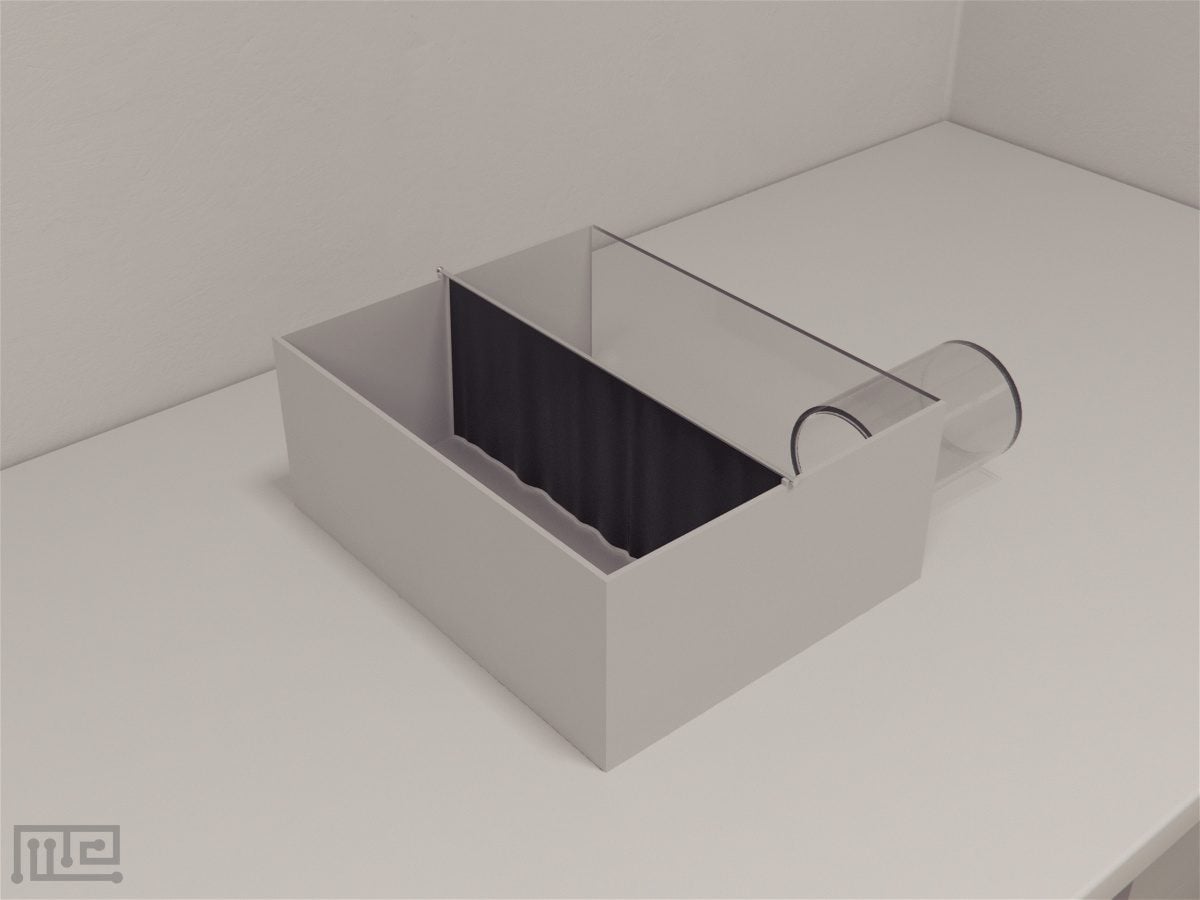
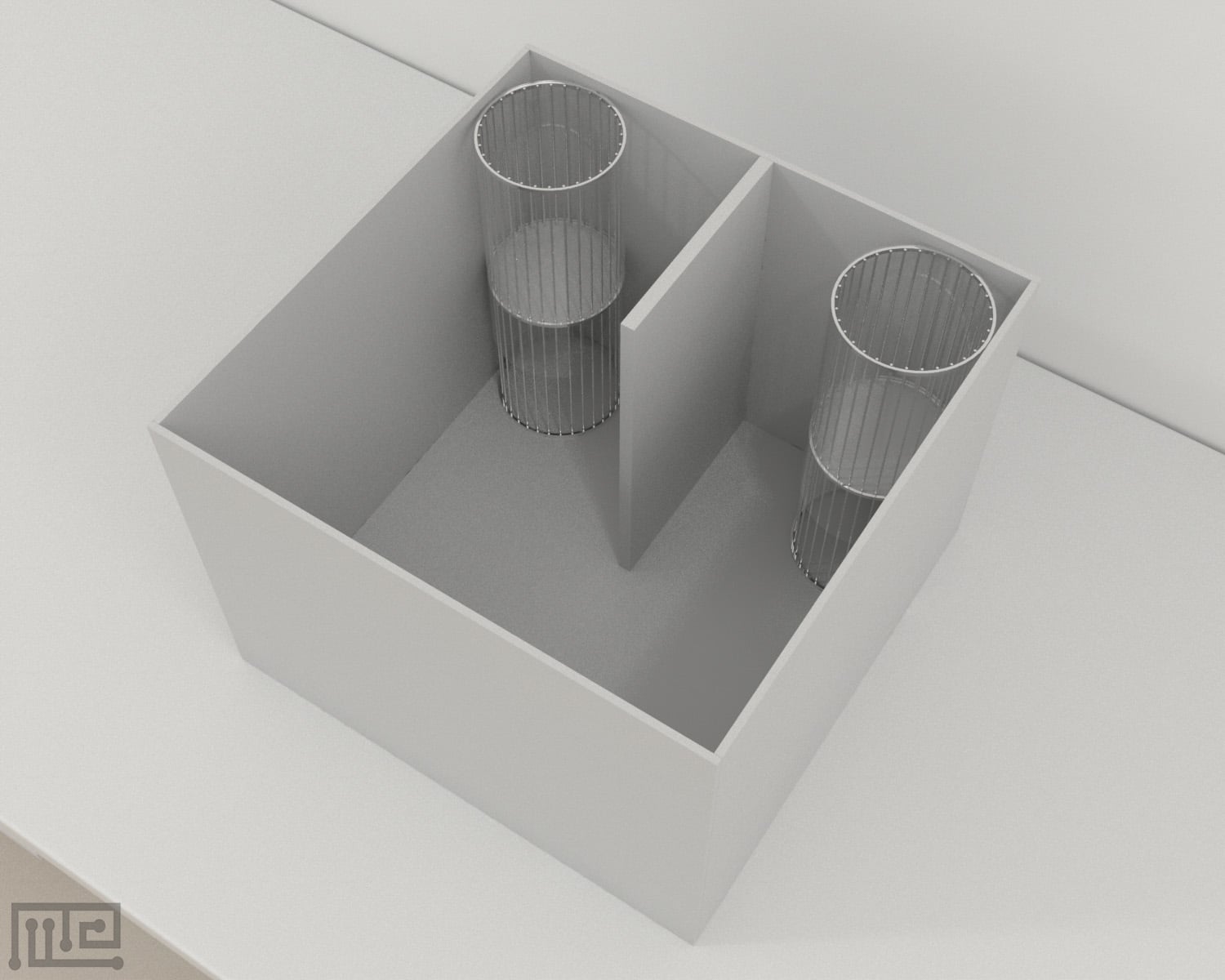
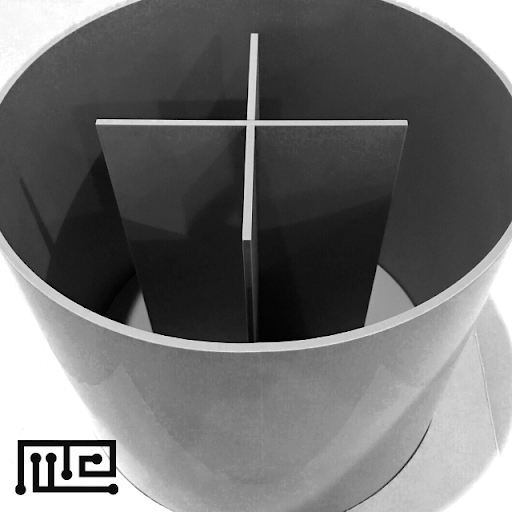
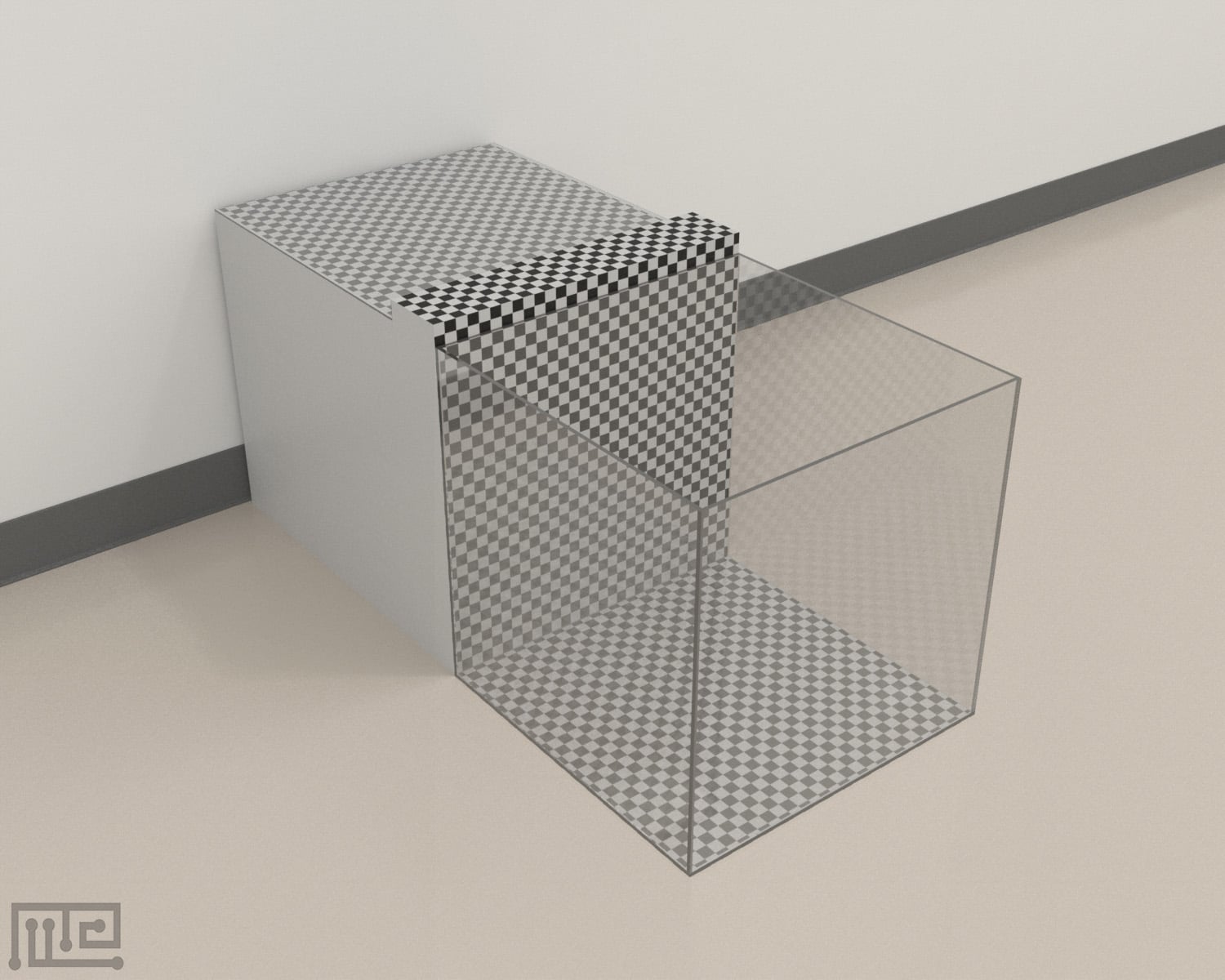
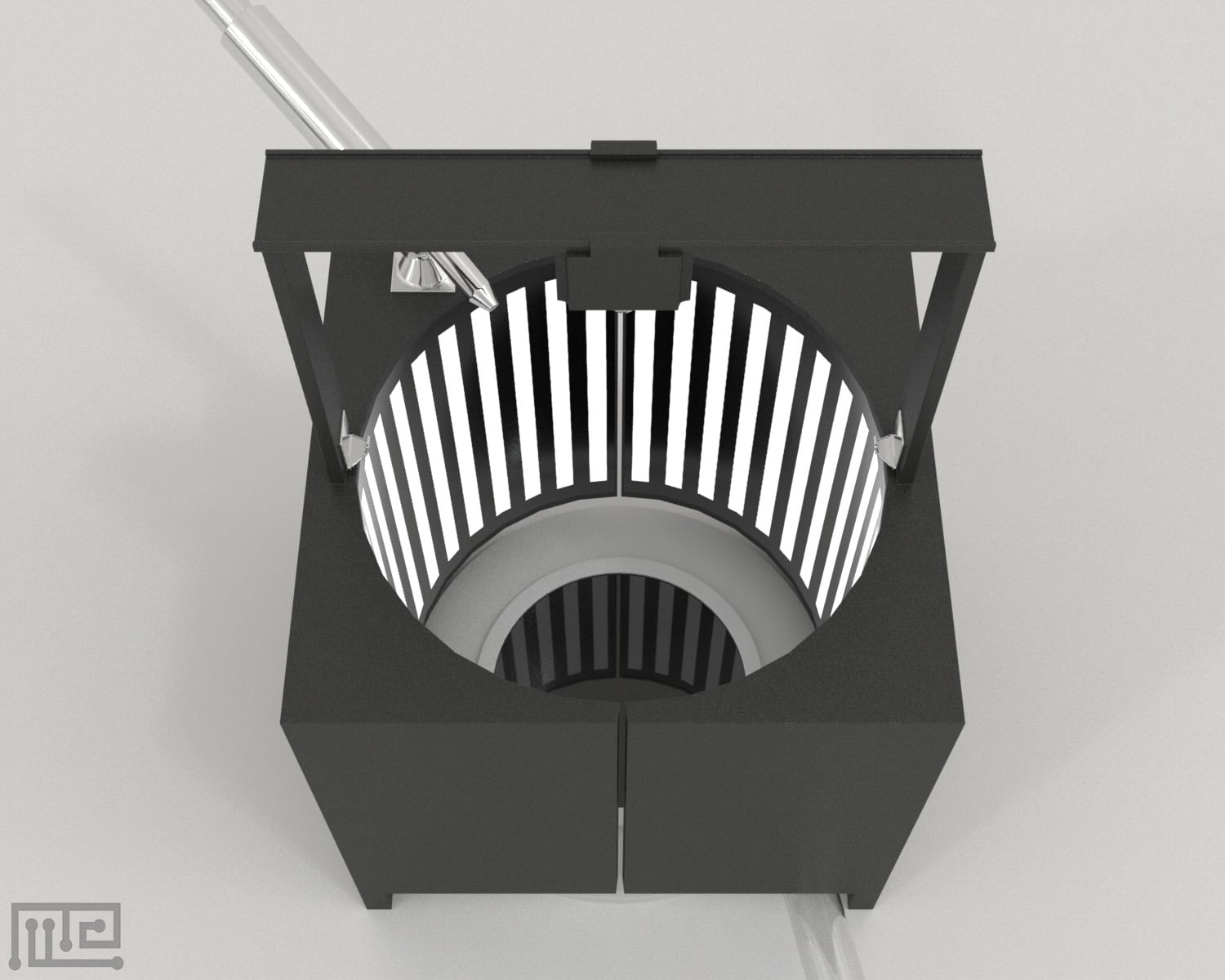
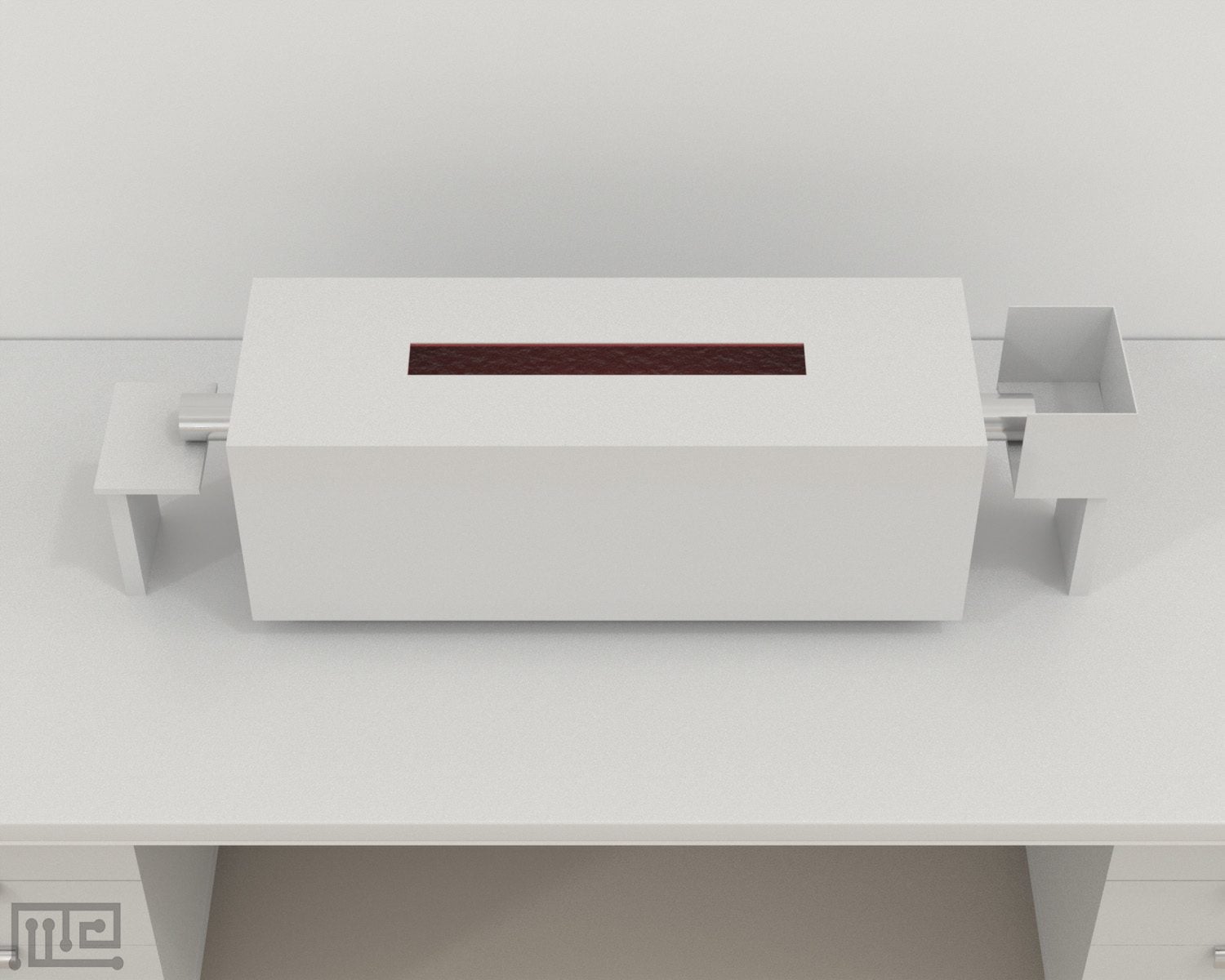
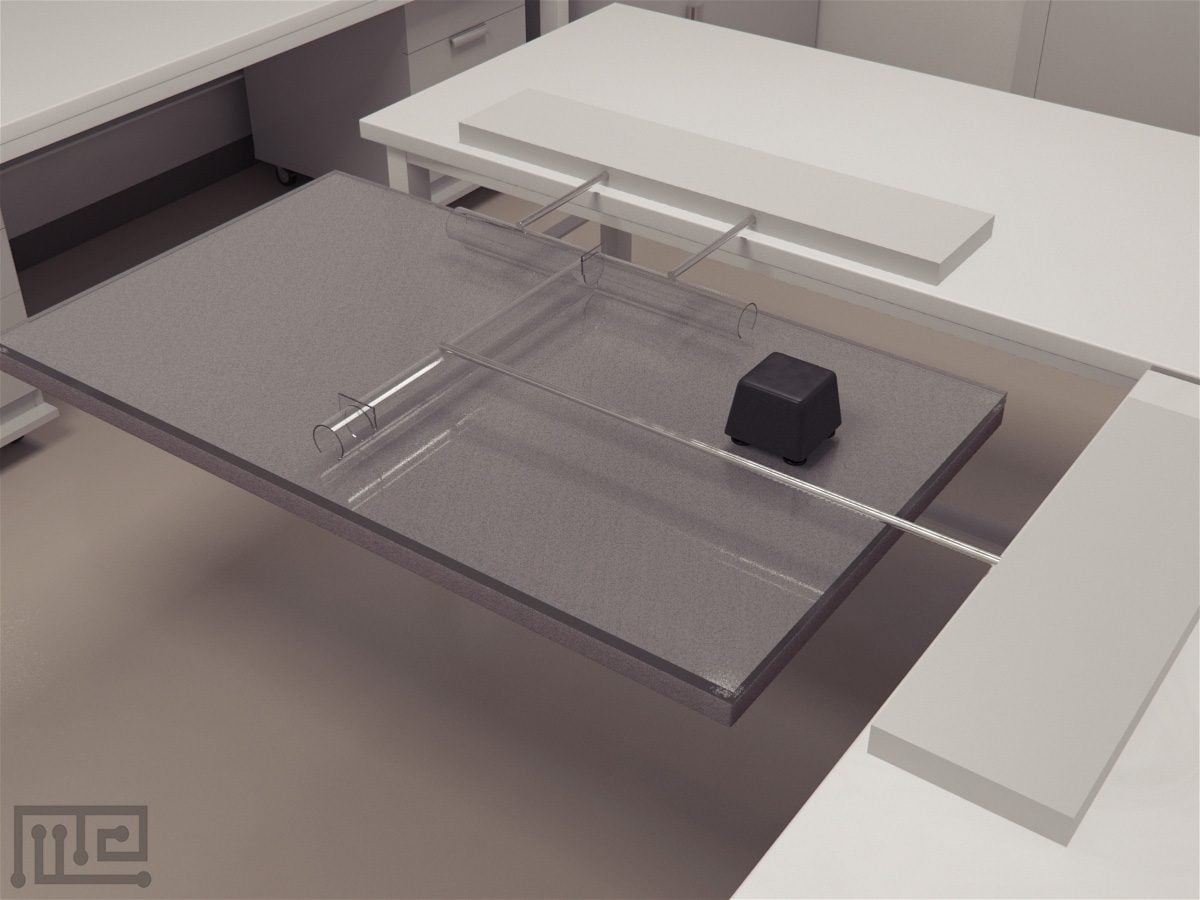
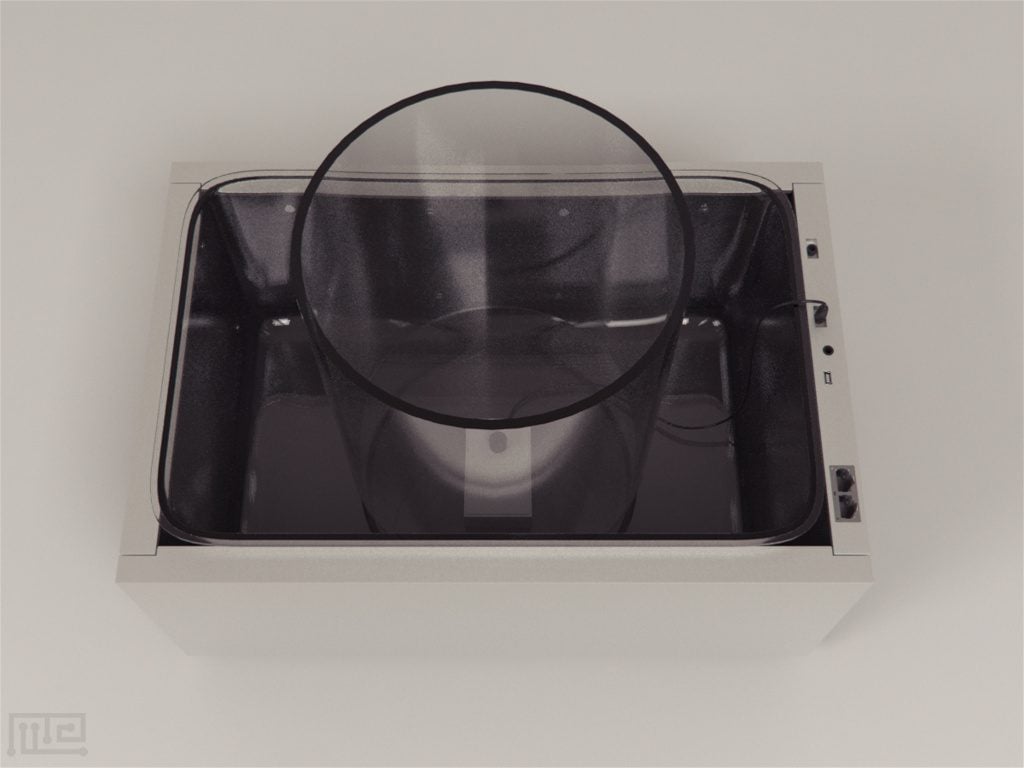
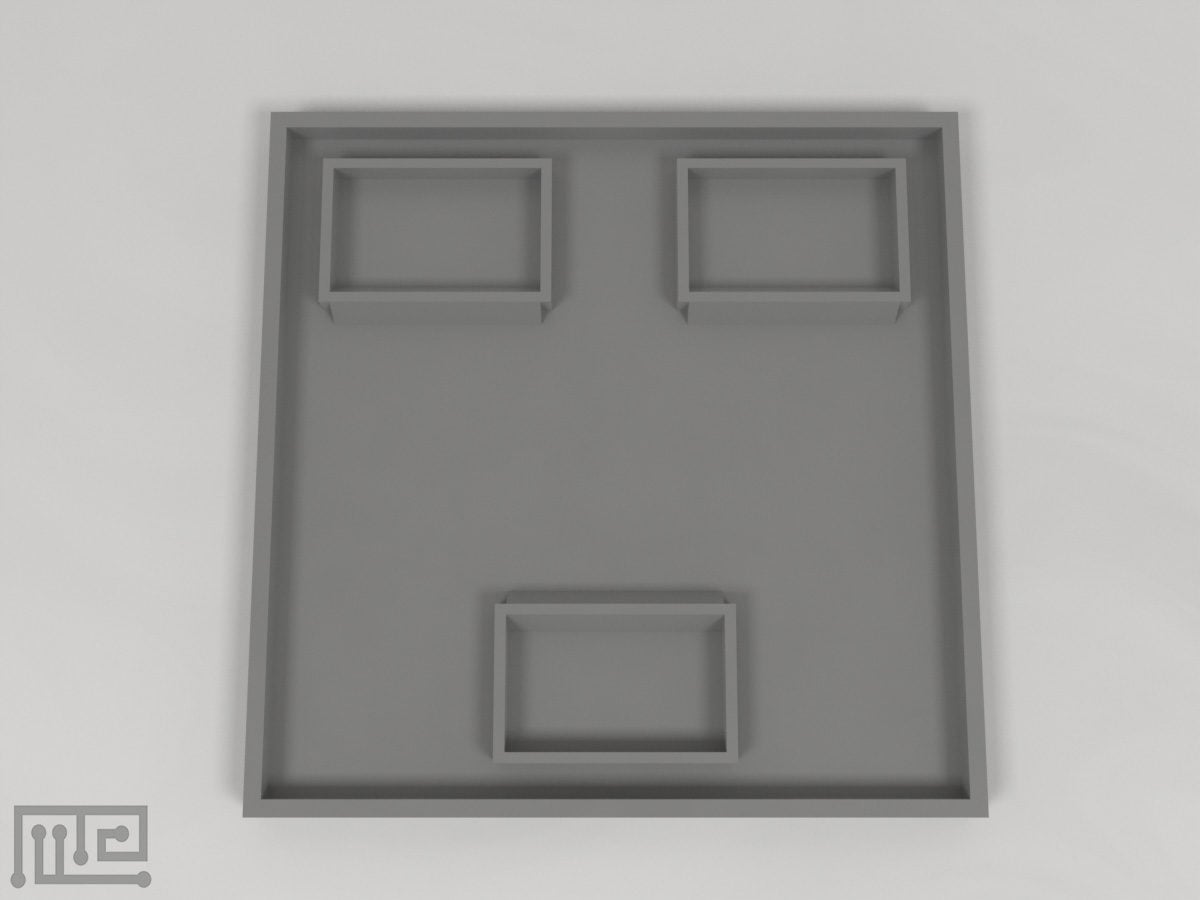
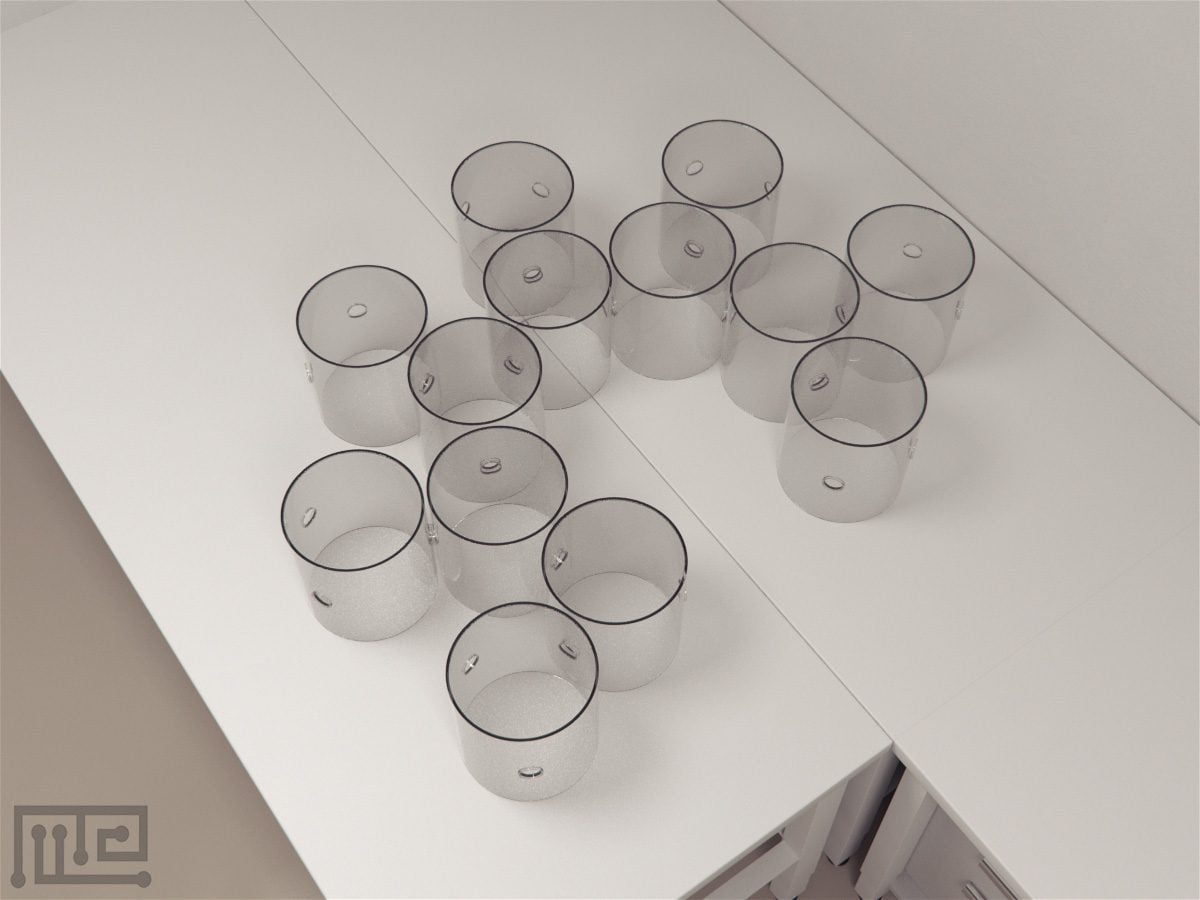
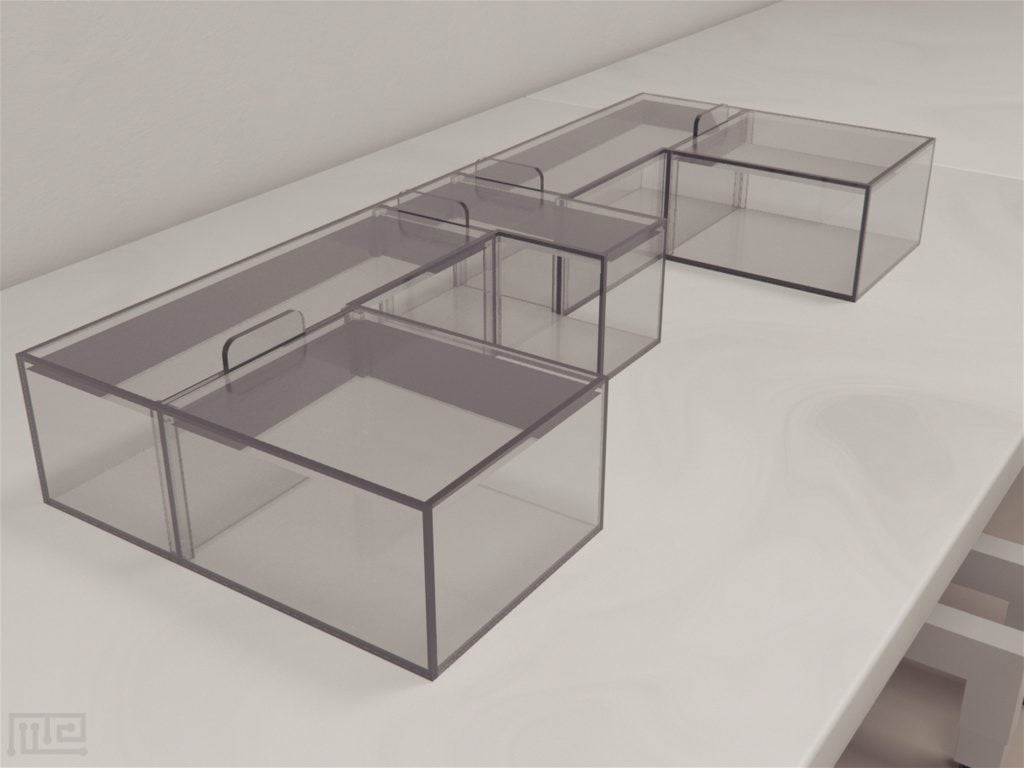
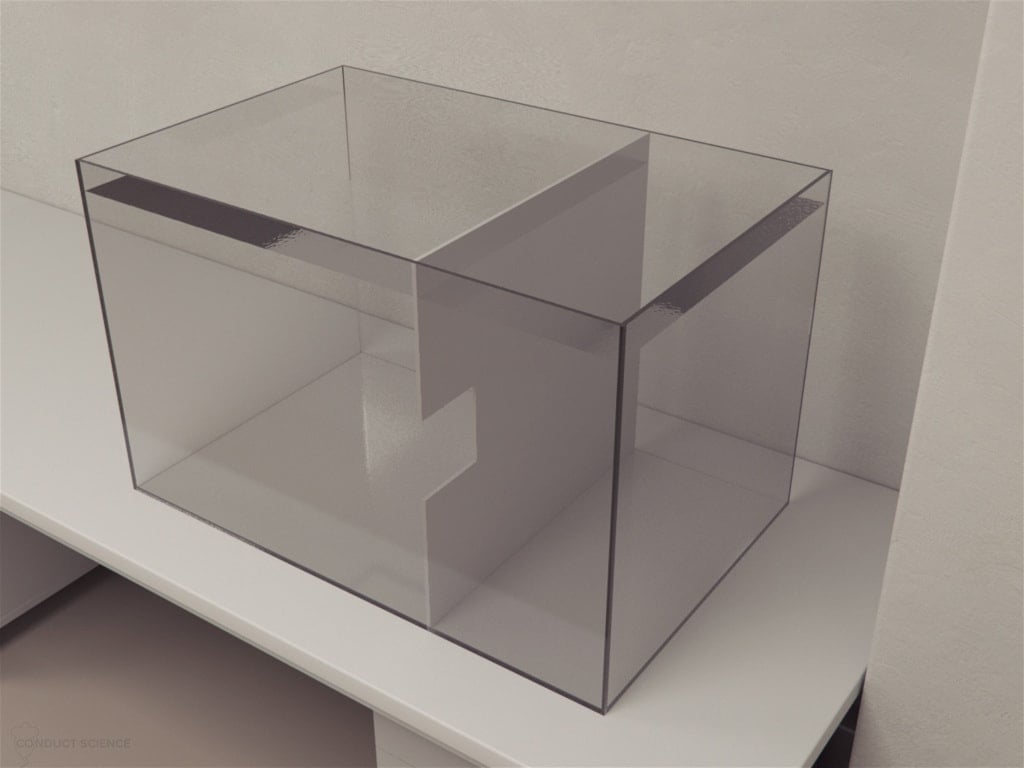
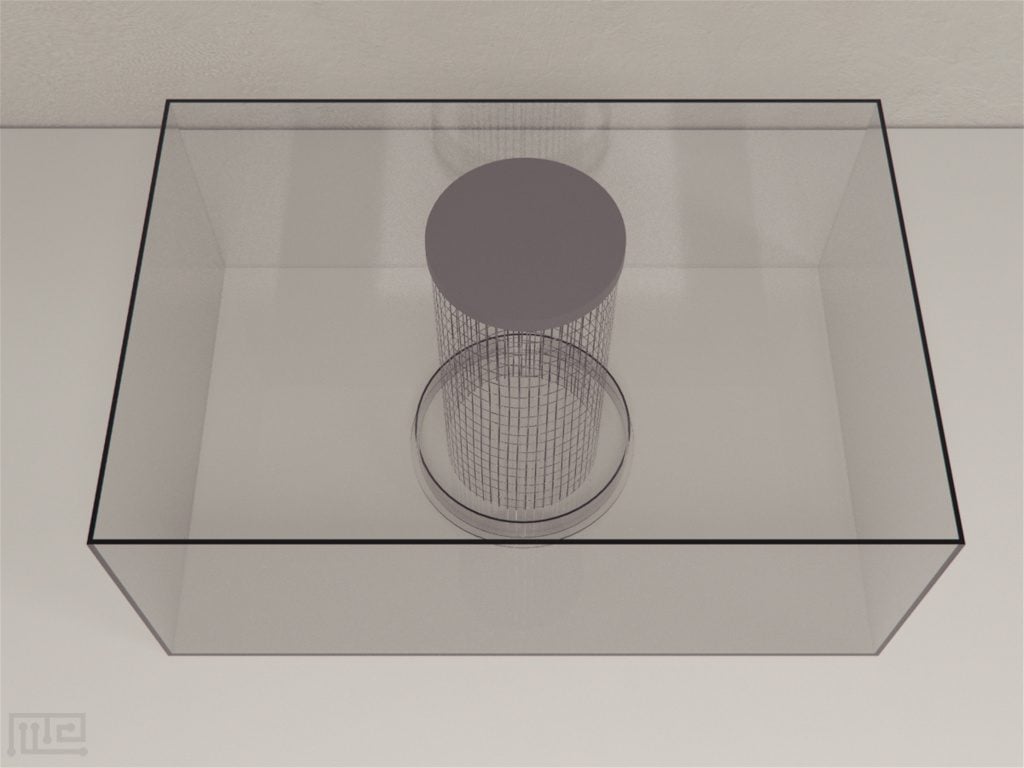
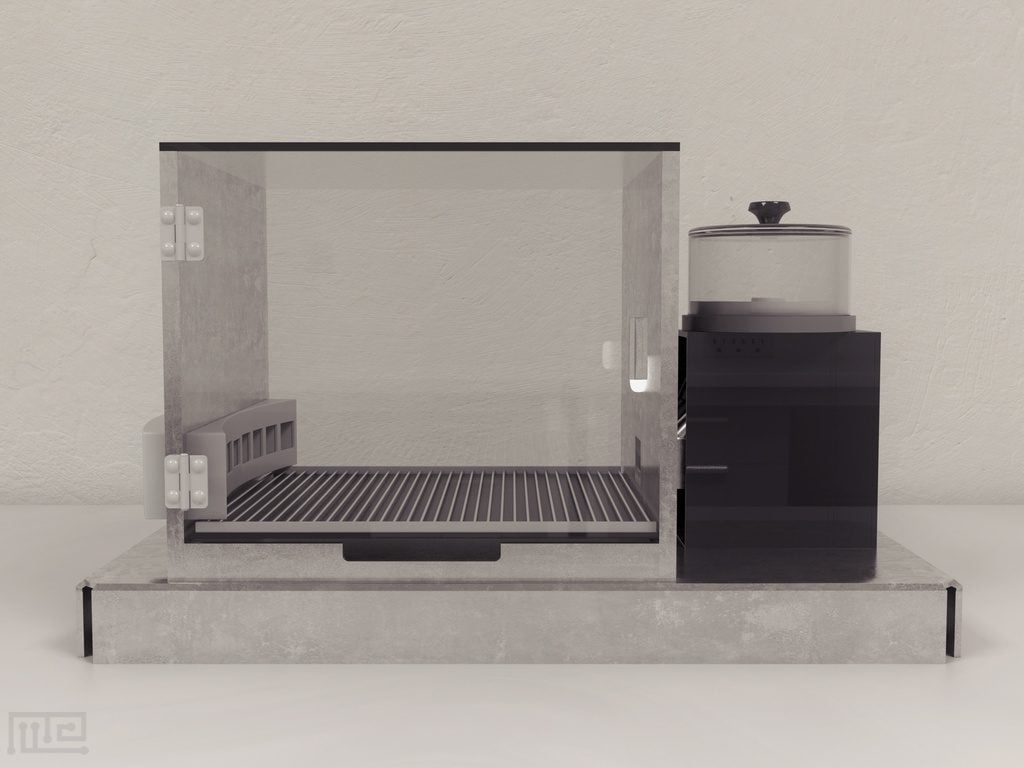
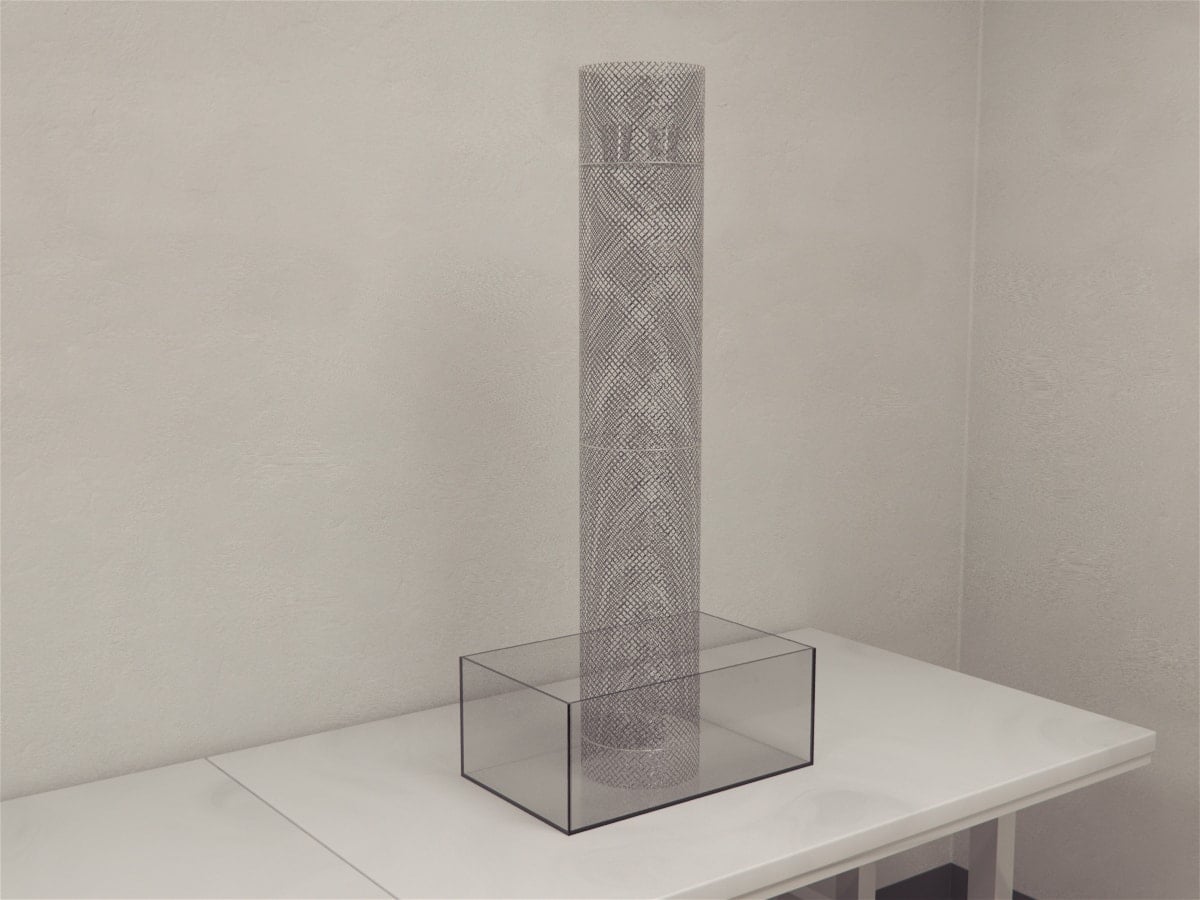
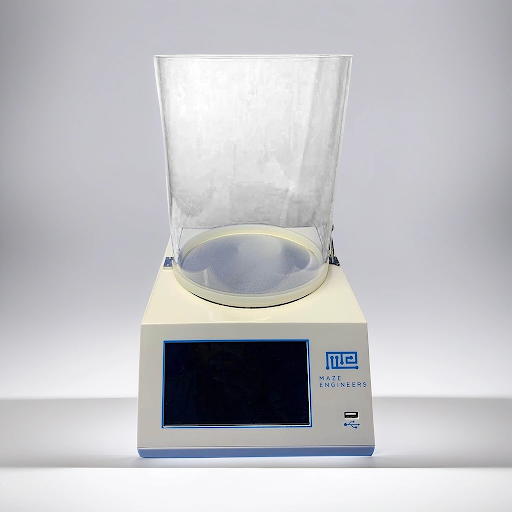
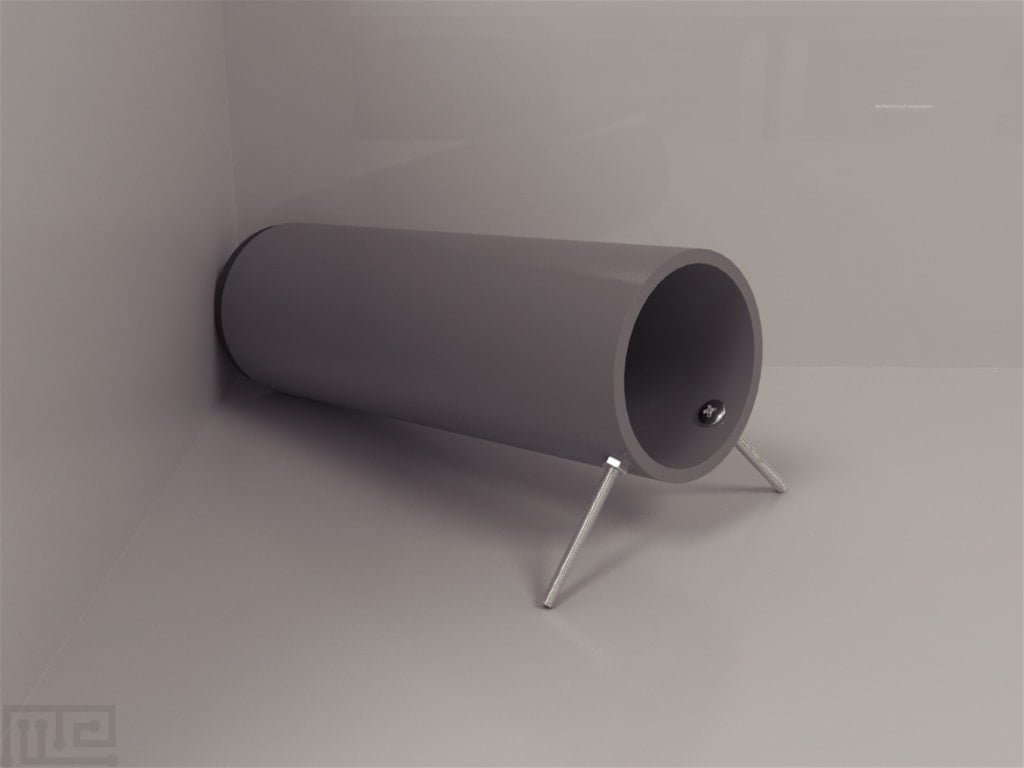
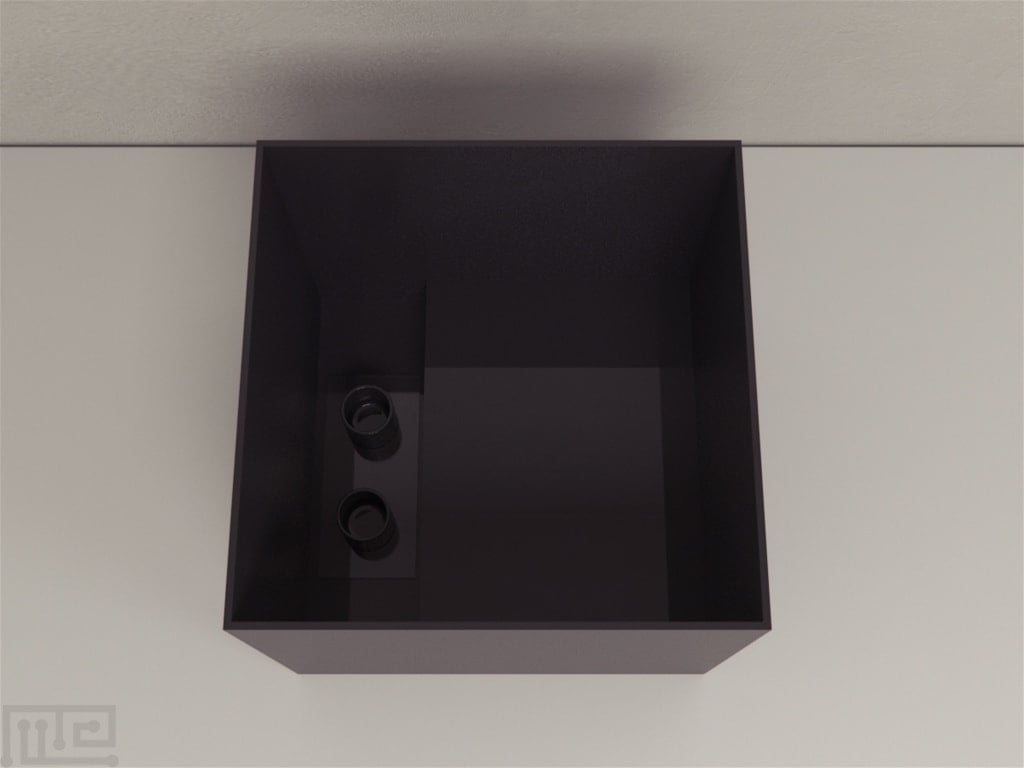
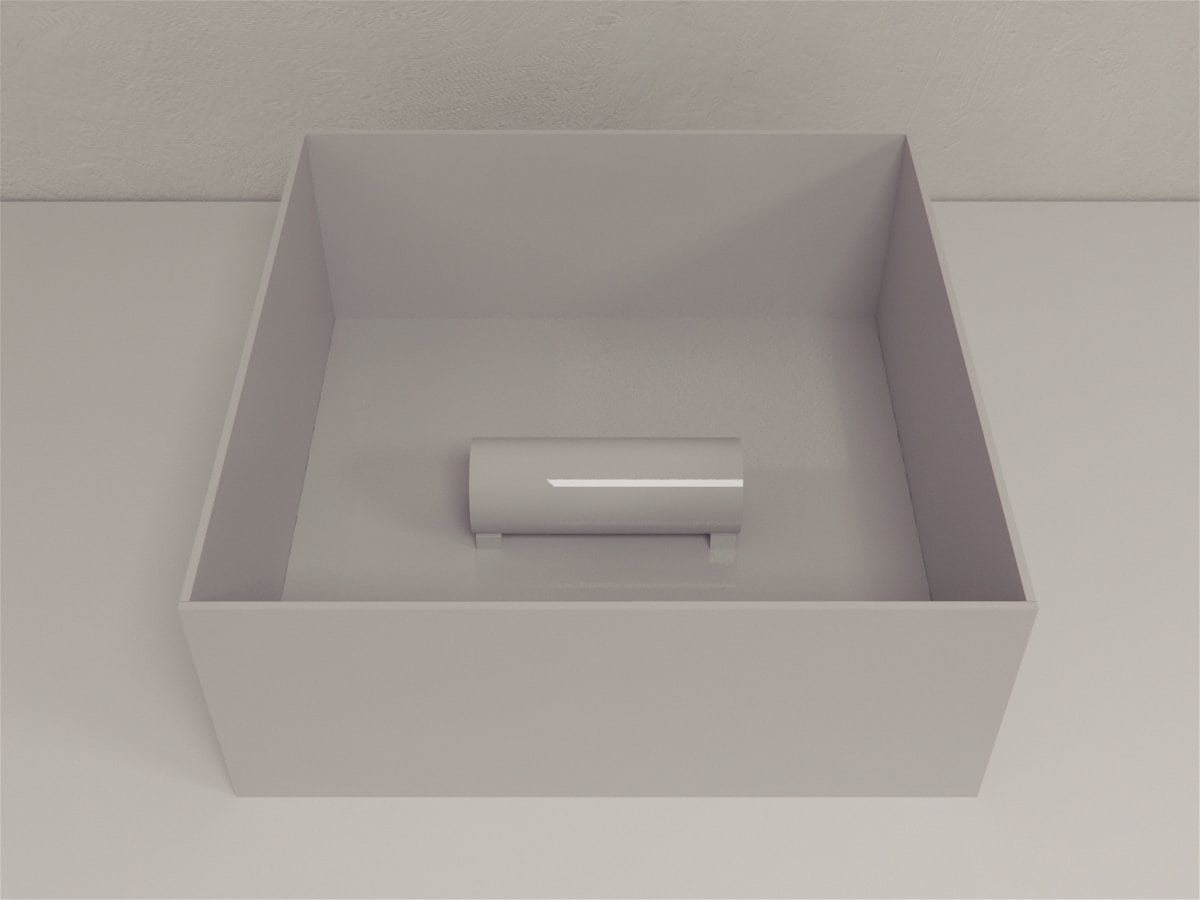
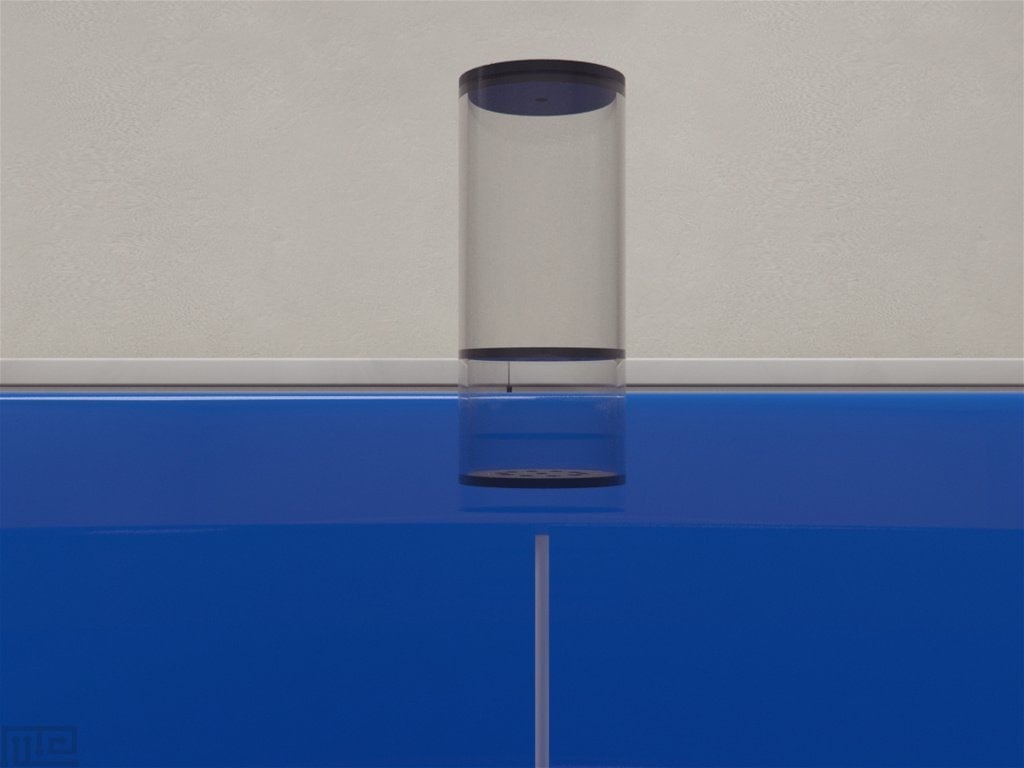
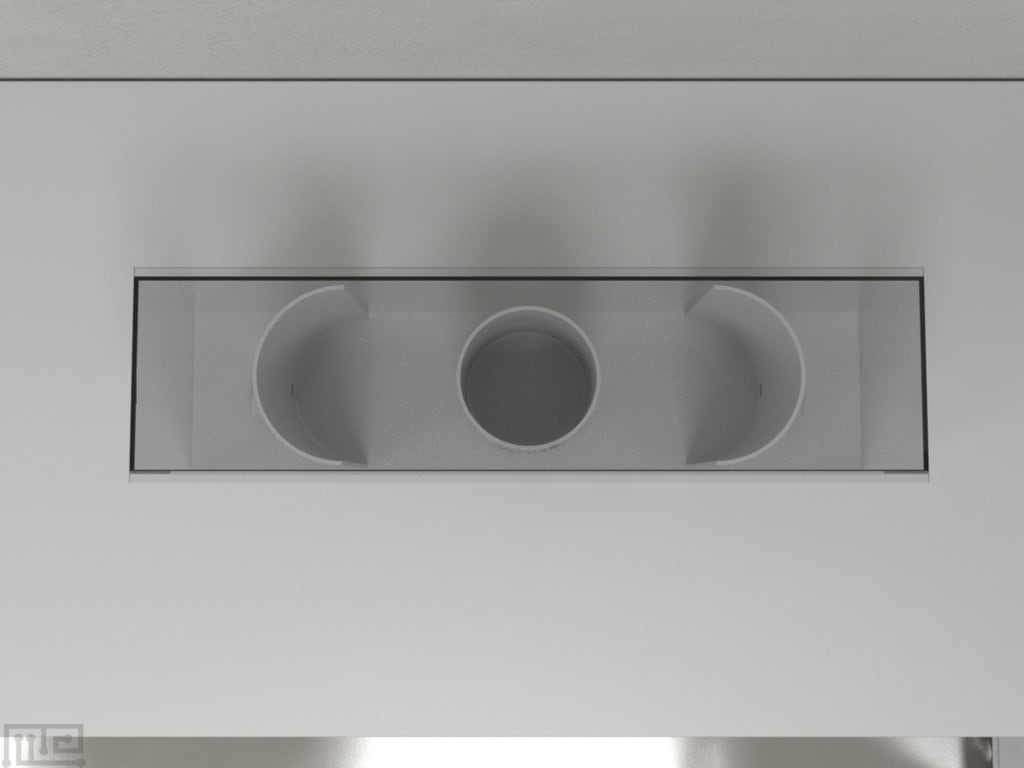
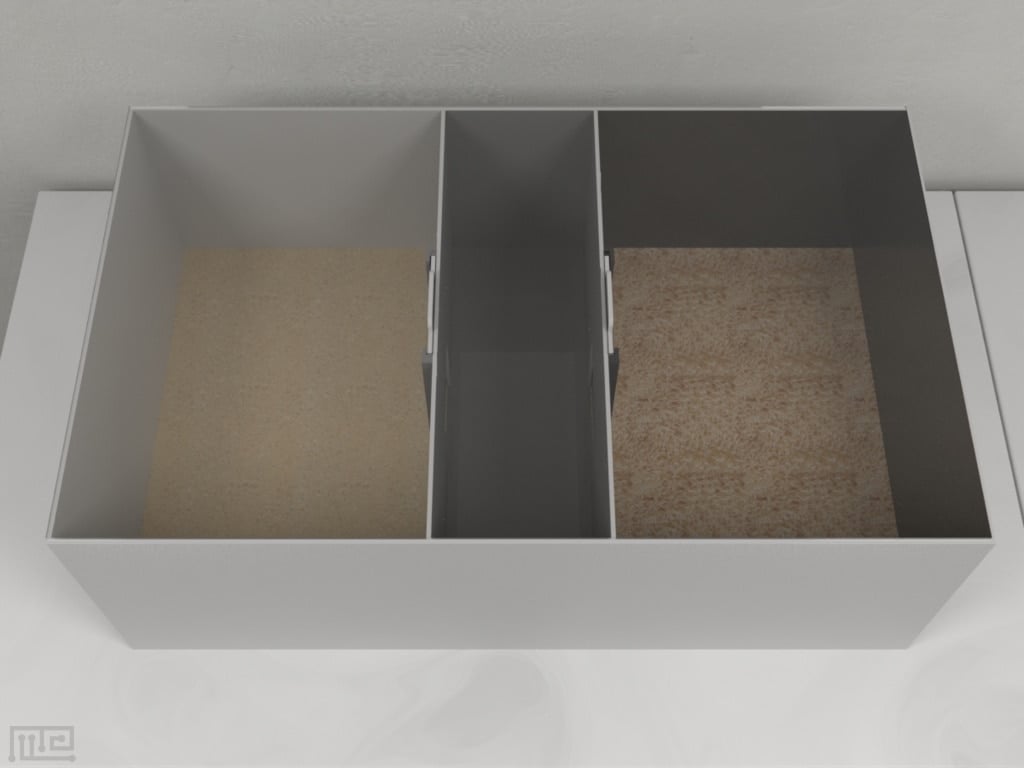
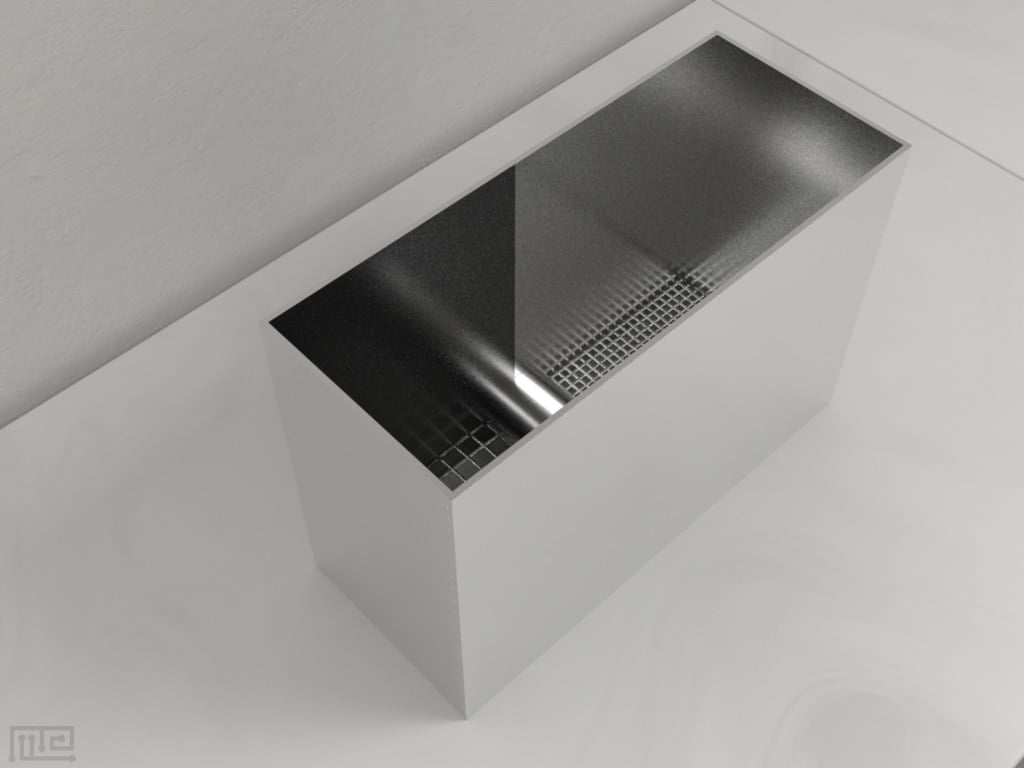
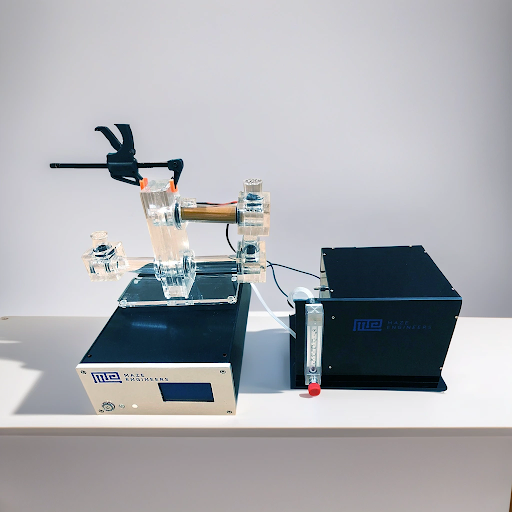
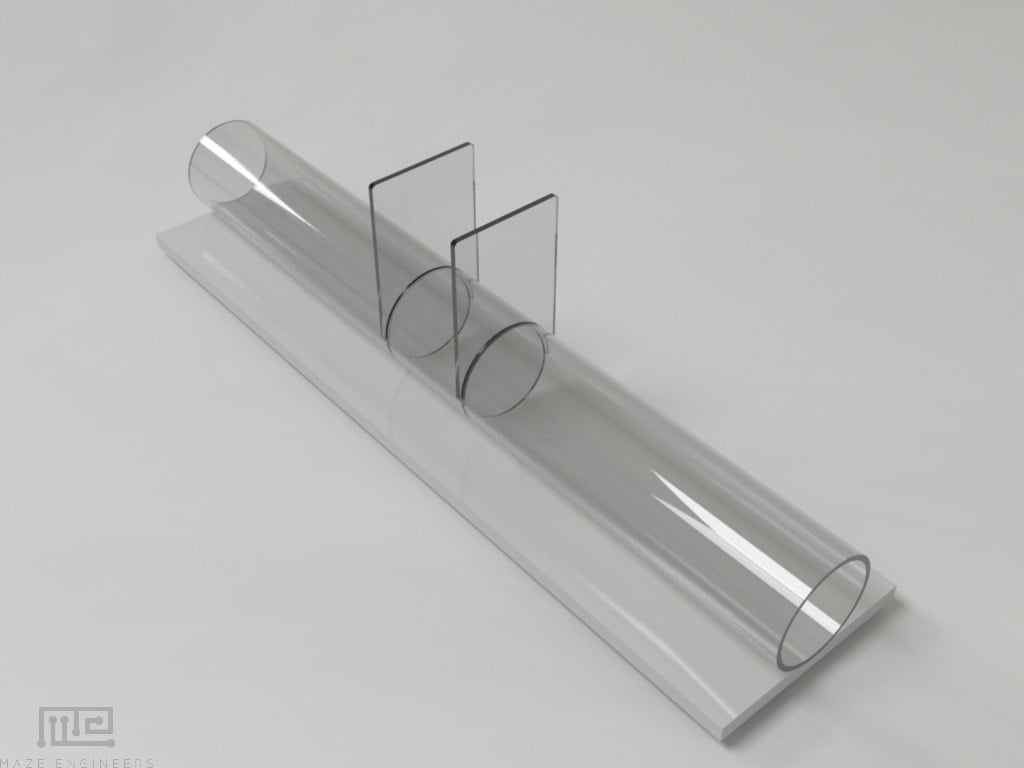
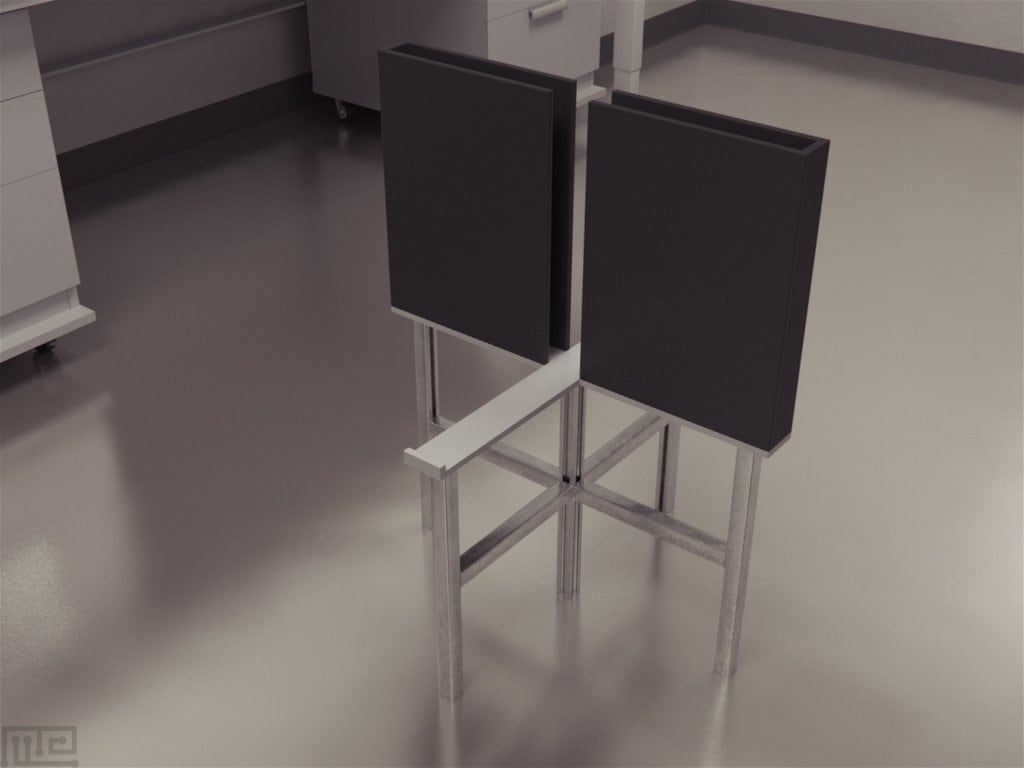
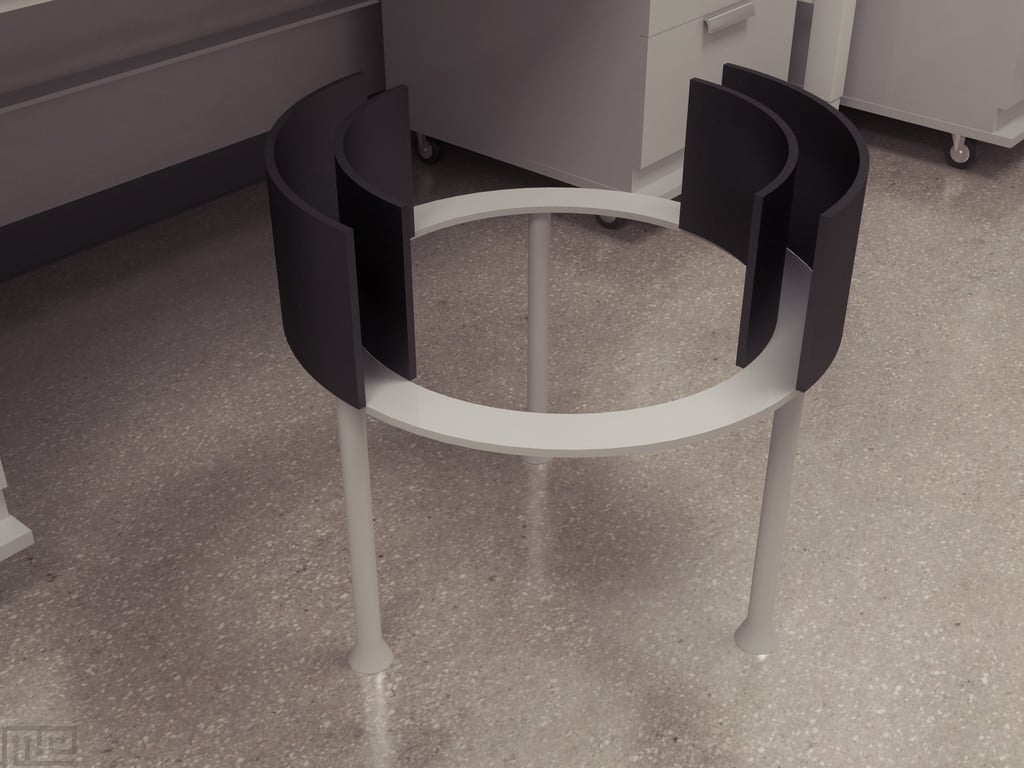
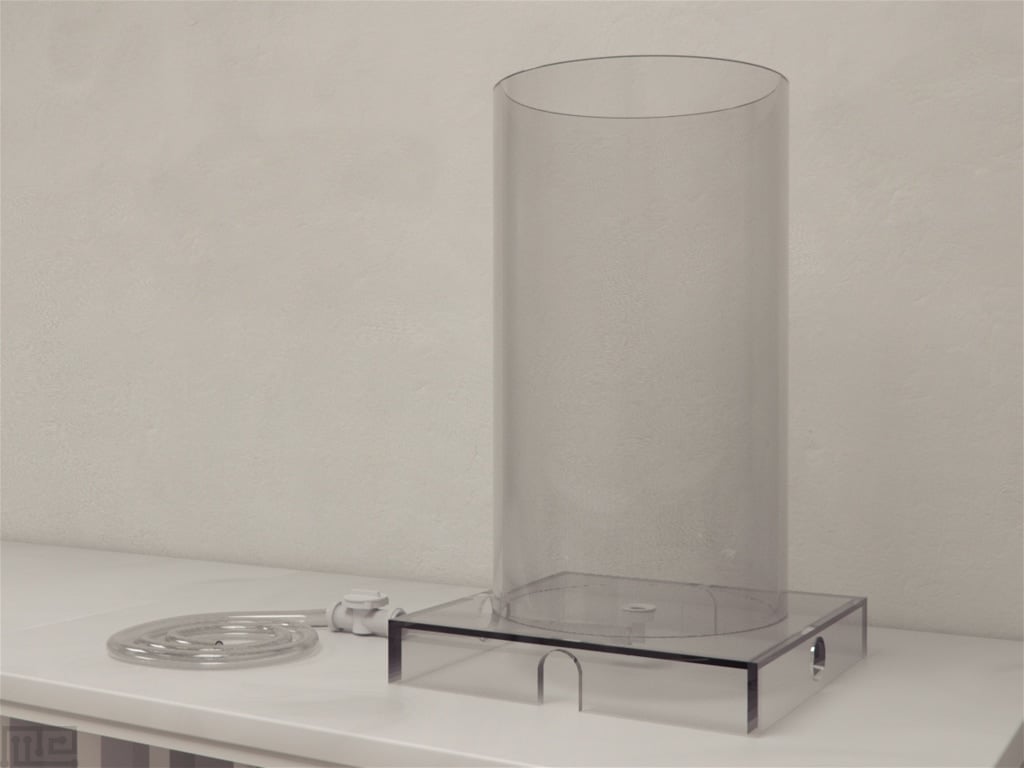
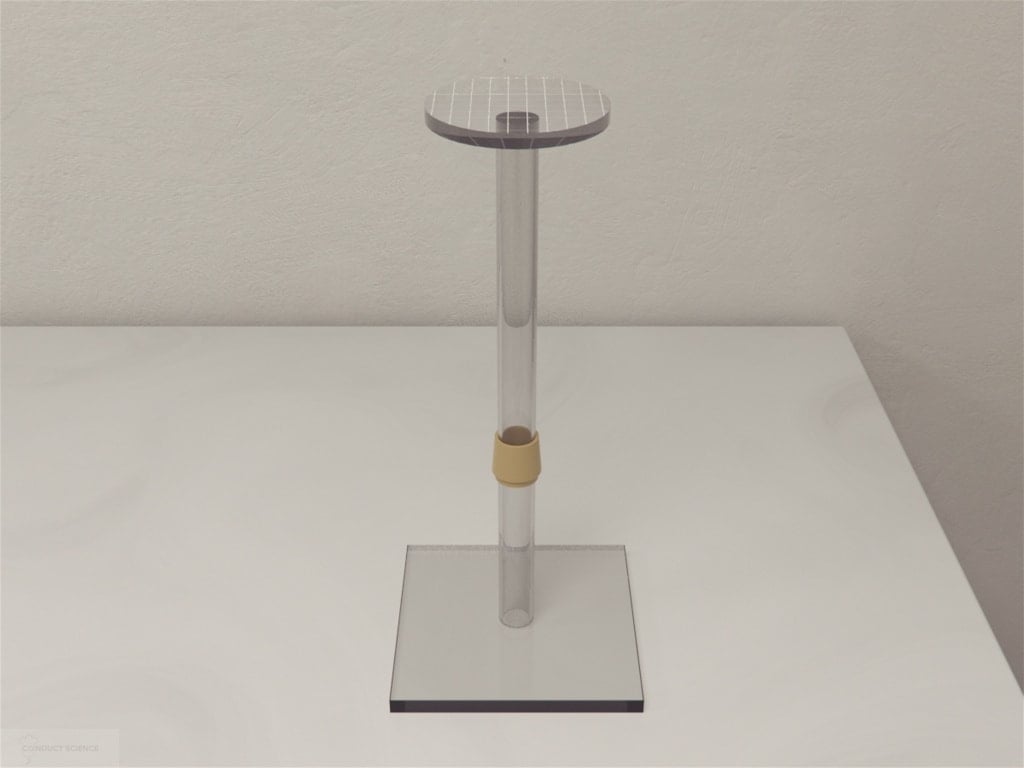
The Cylinder Test is a highly sensitive, non-invasive behavioral assessment used to evaluate spontaneous forelimb use and motor symmetry in rodents.
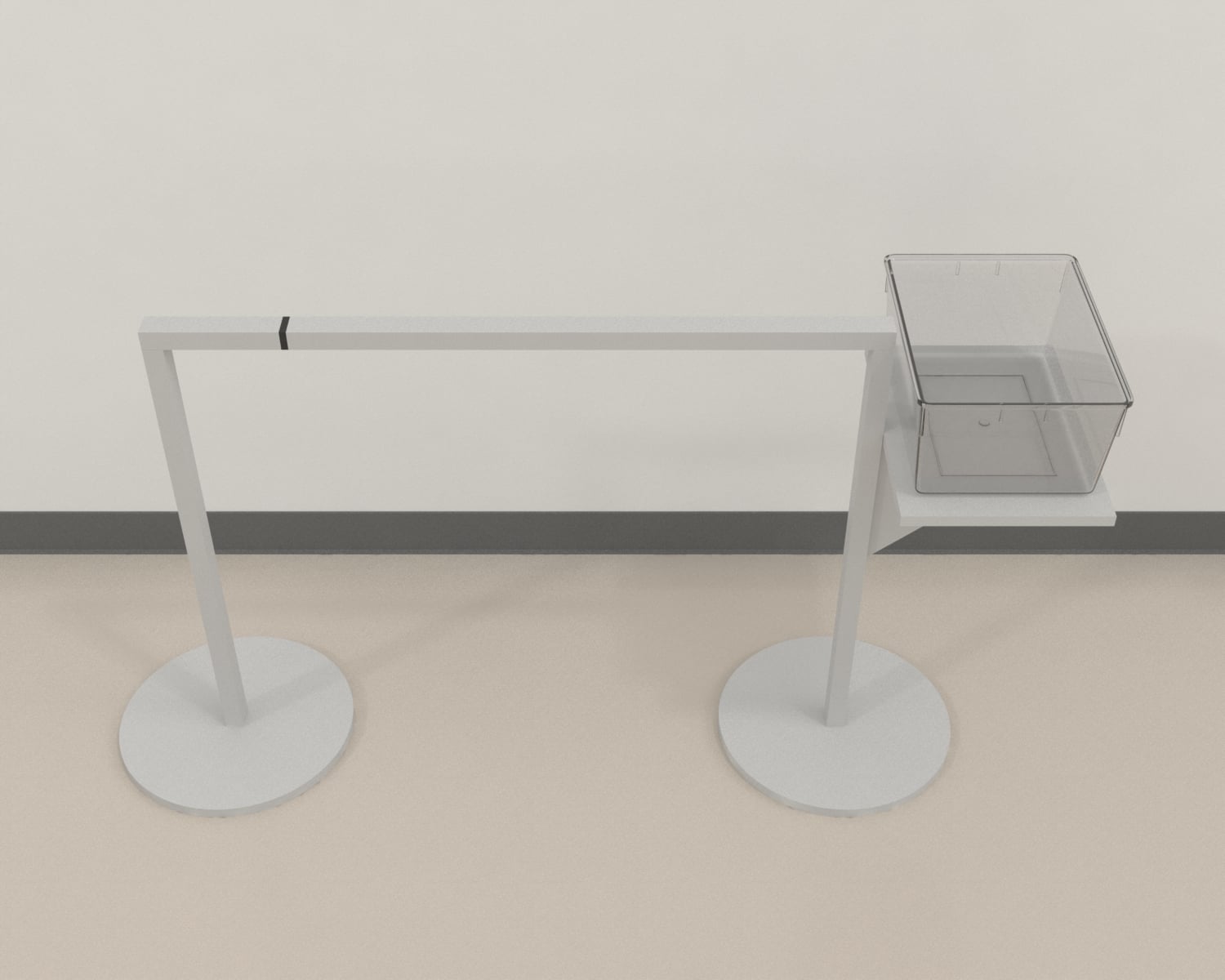
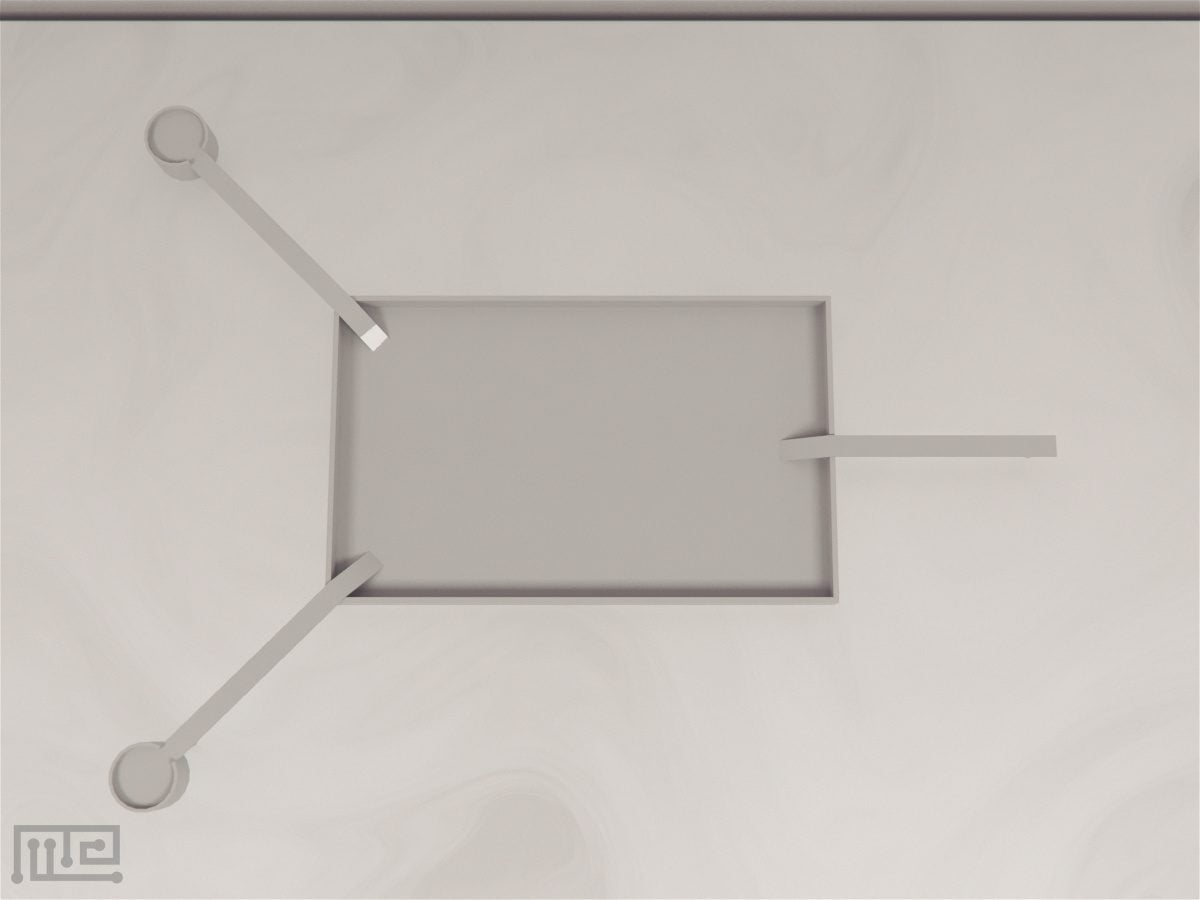
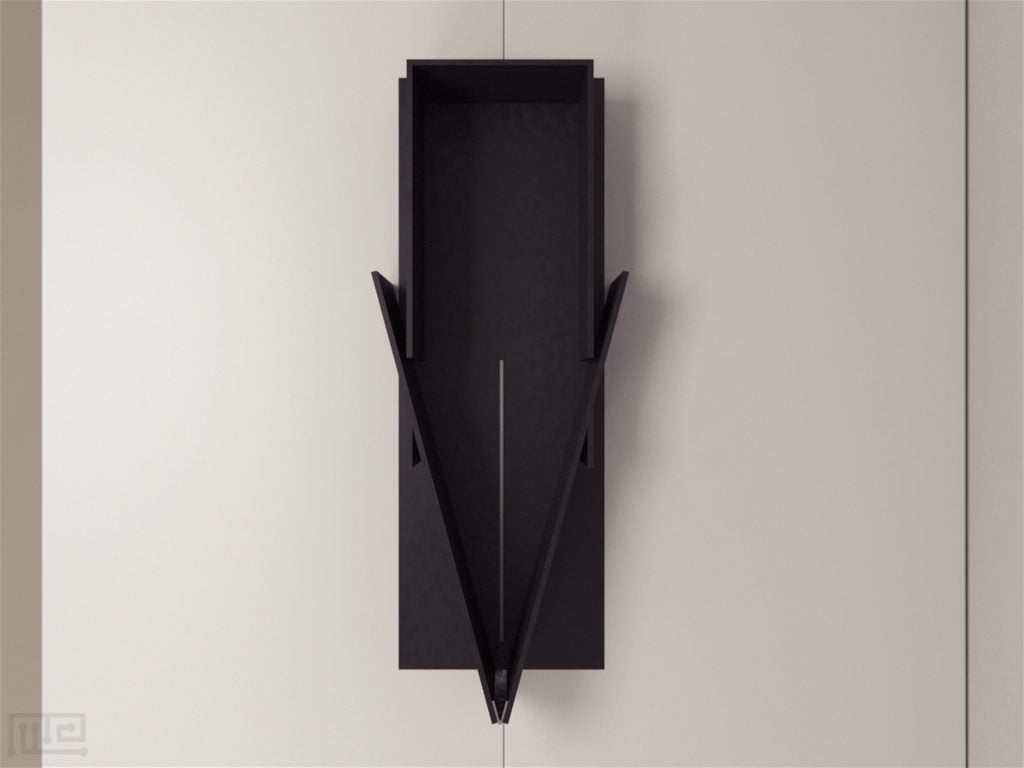
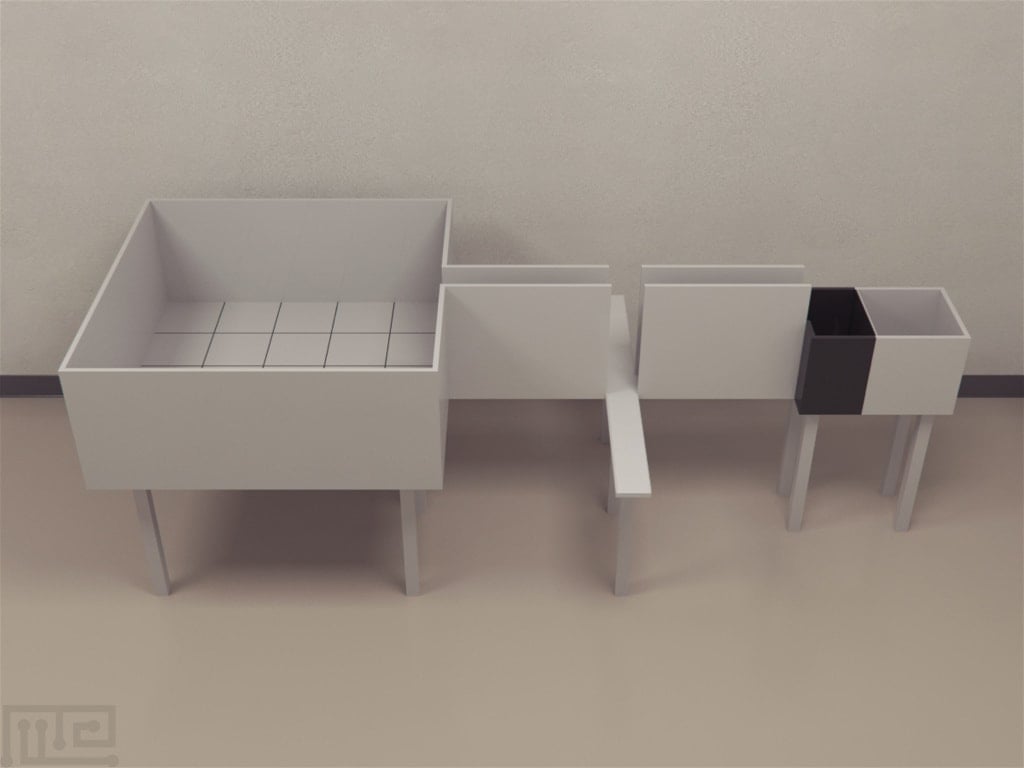
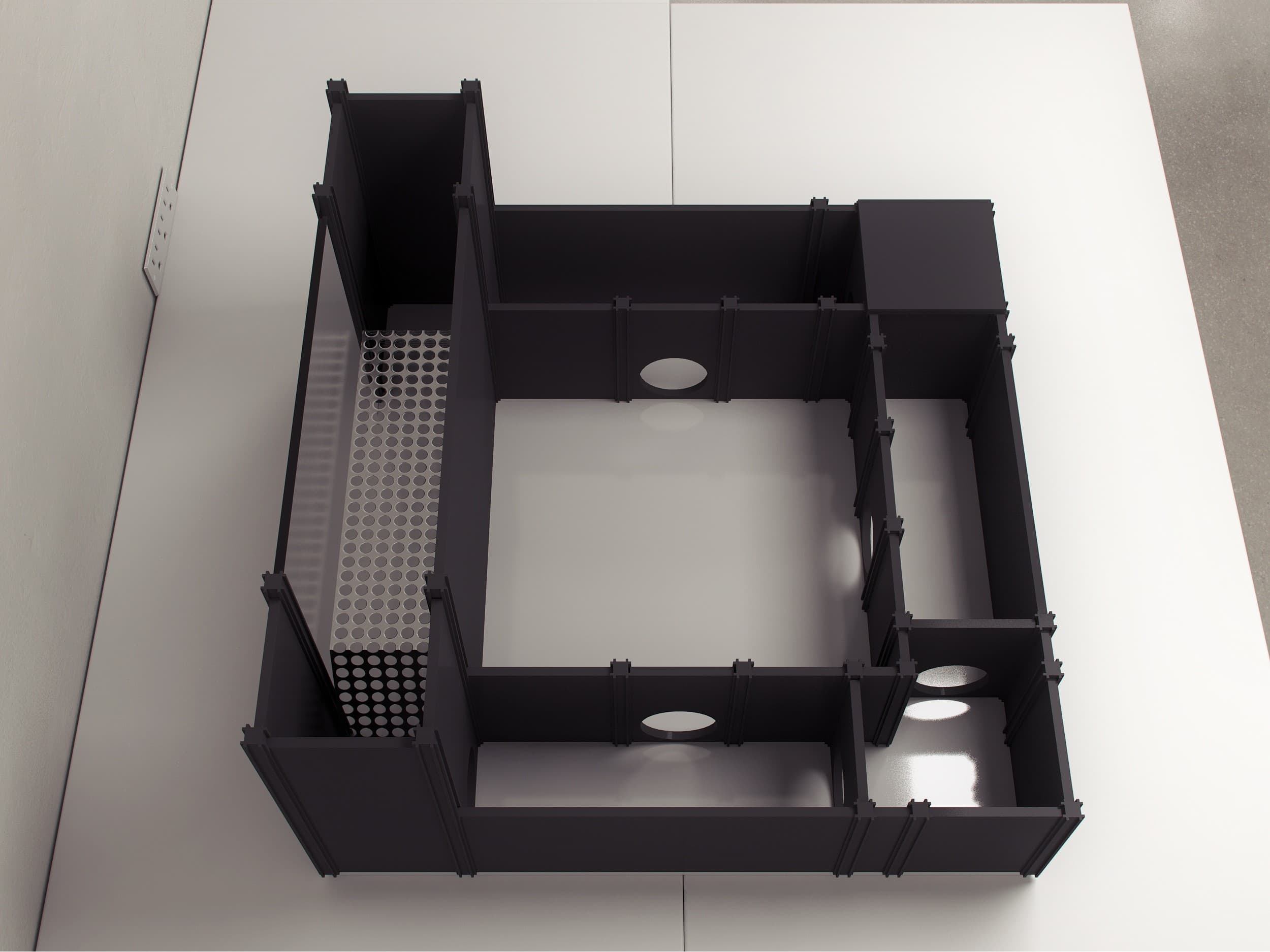
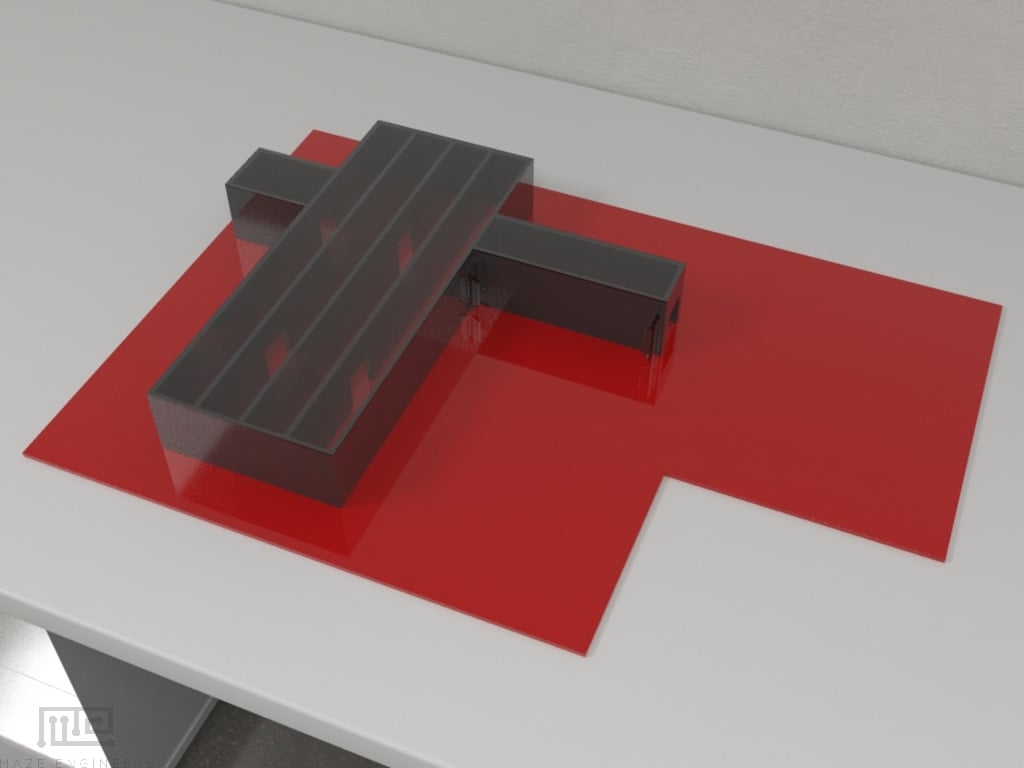
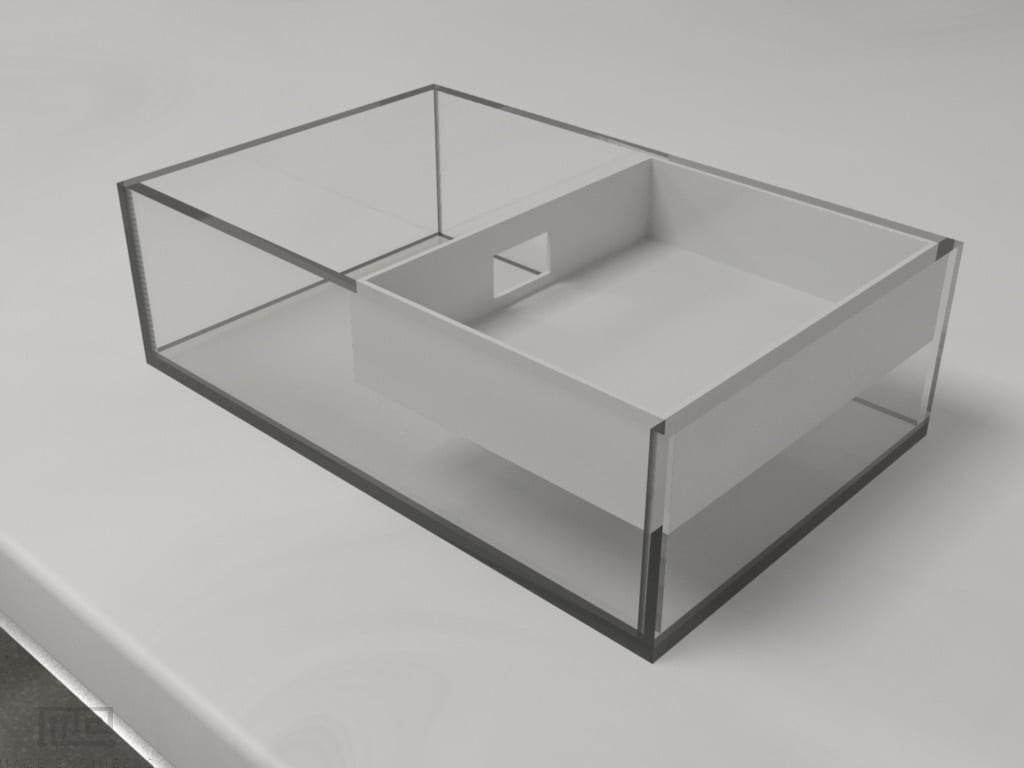
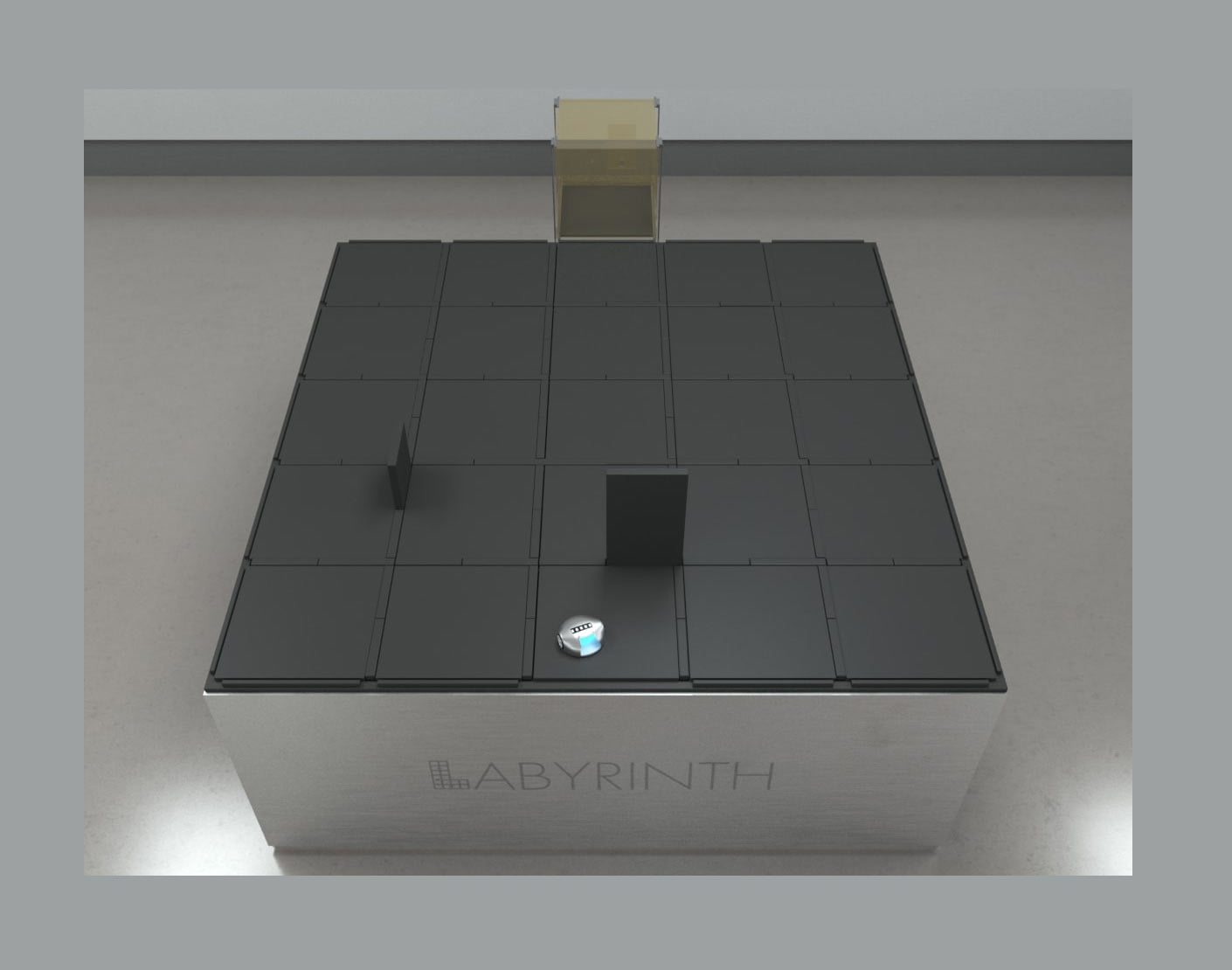
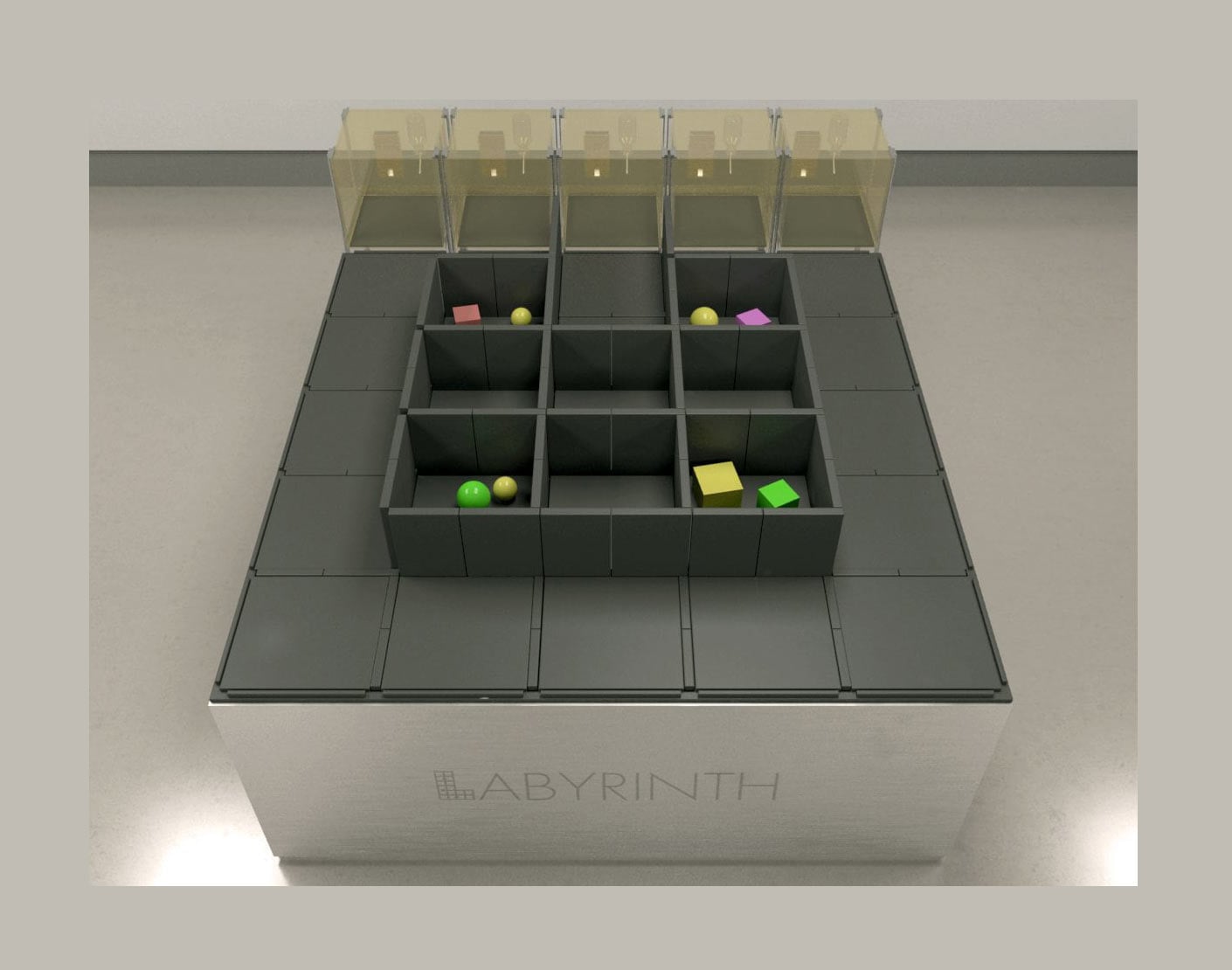
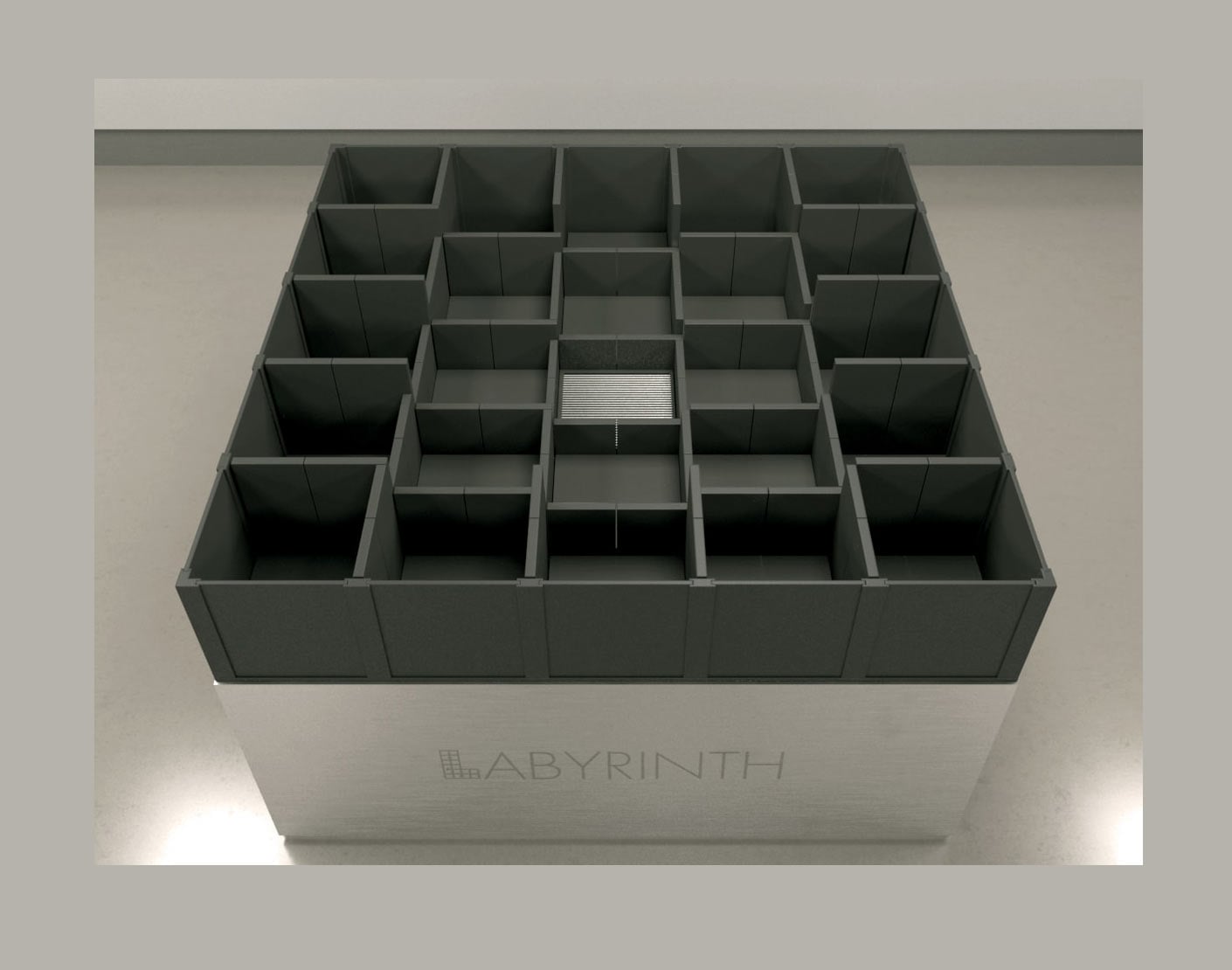
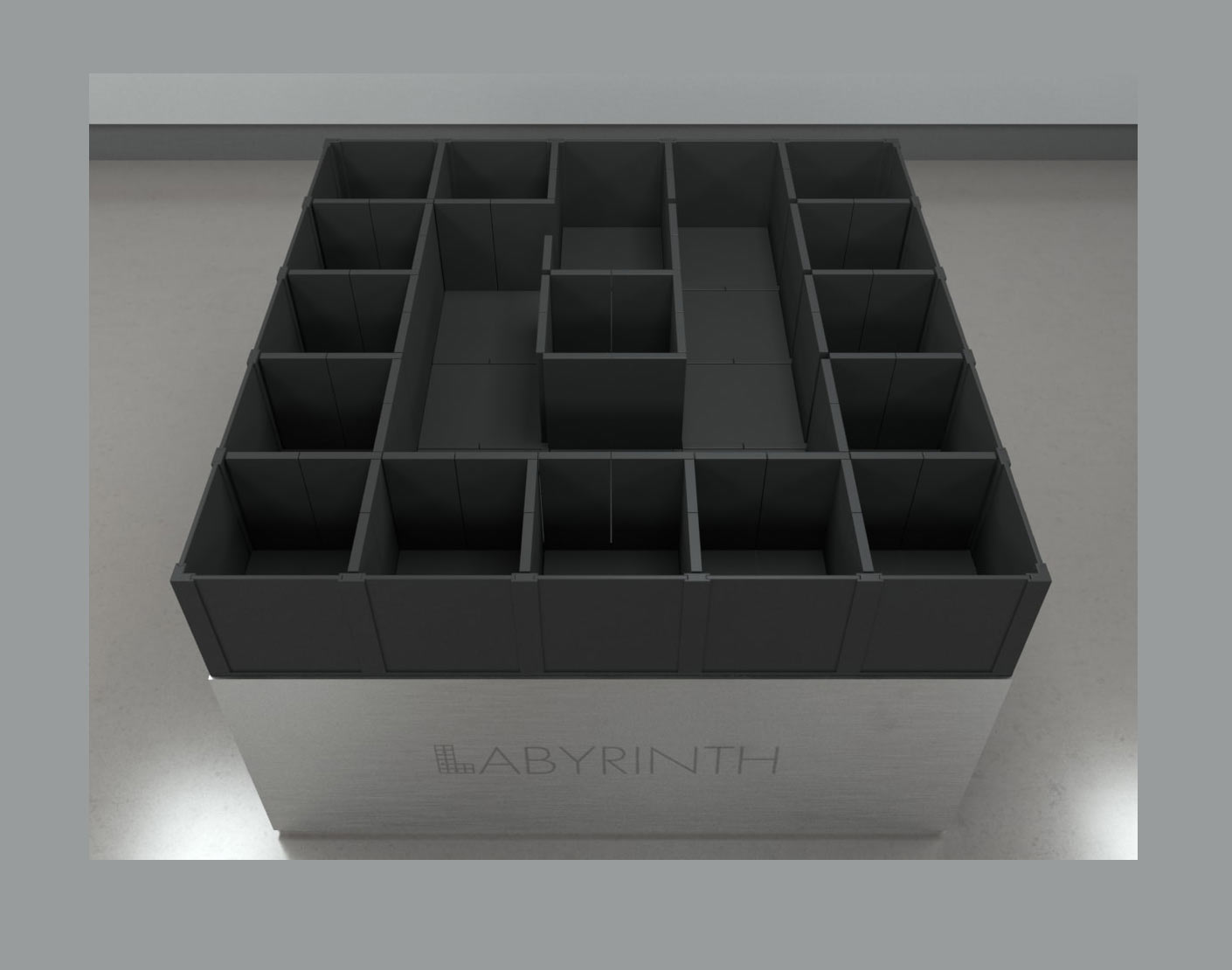
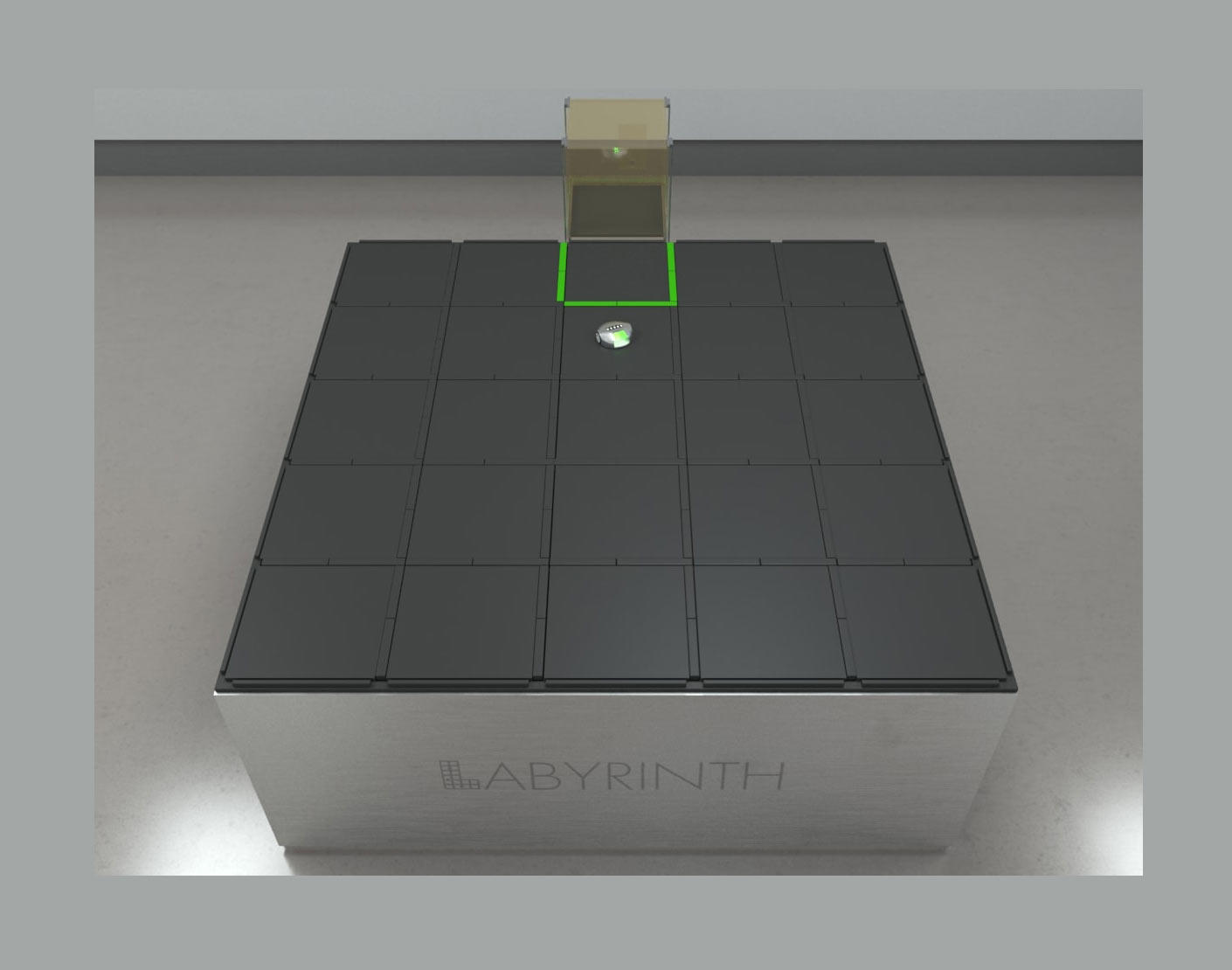
The Floor Maze
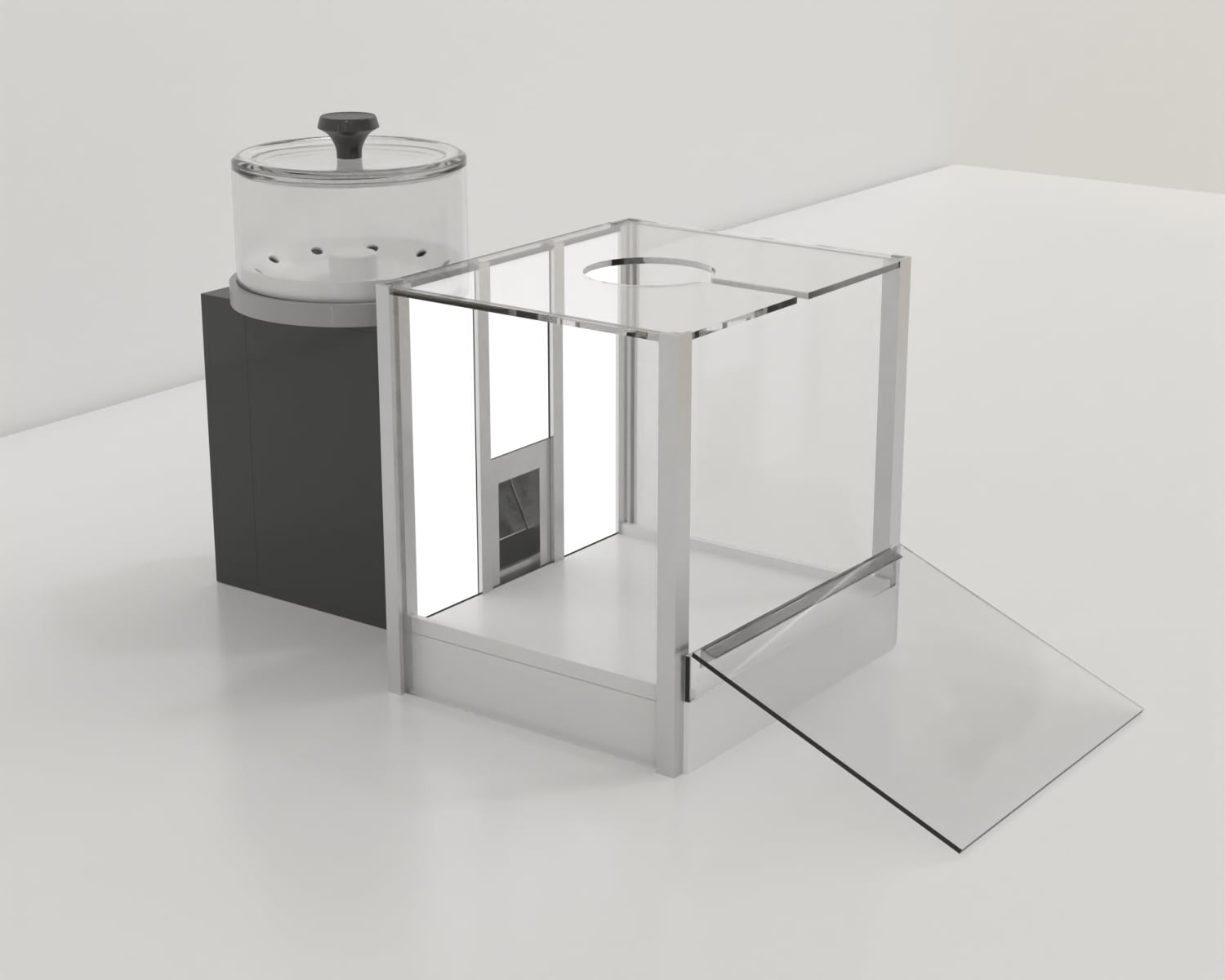
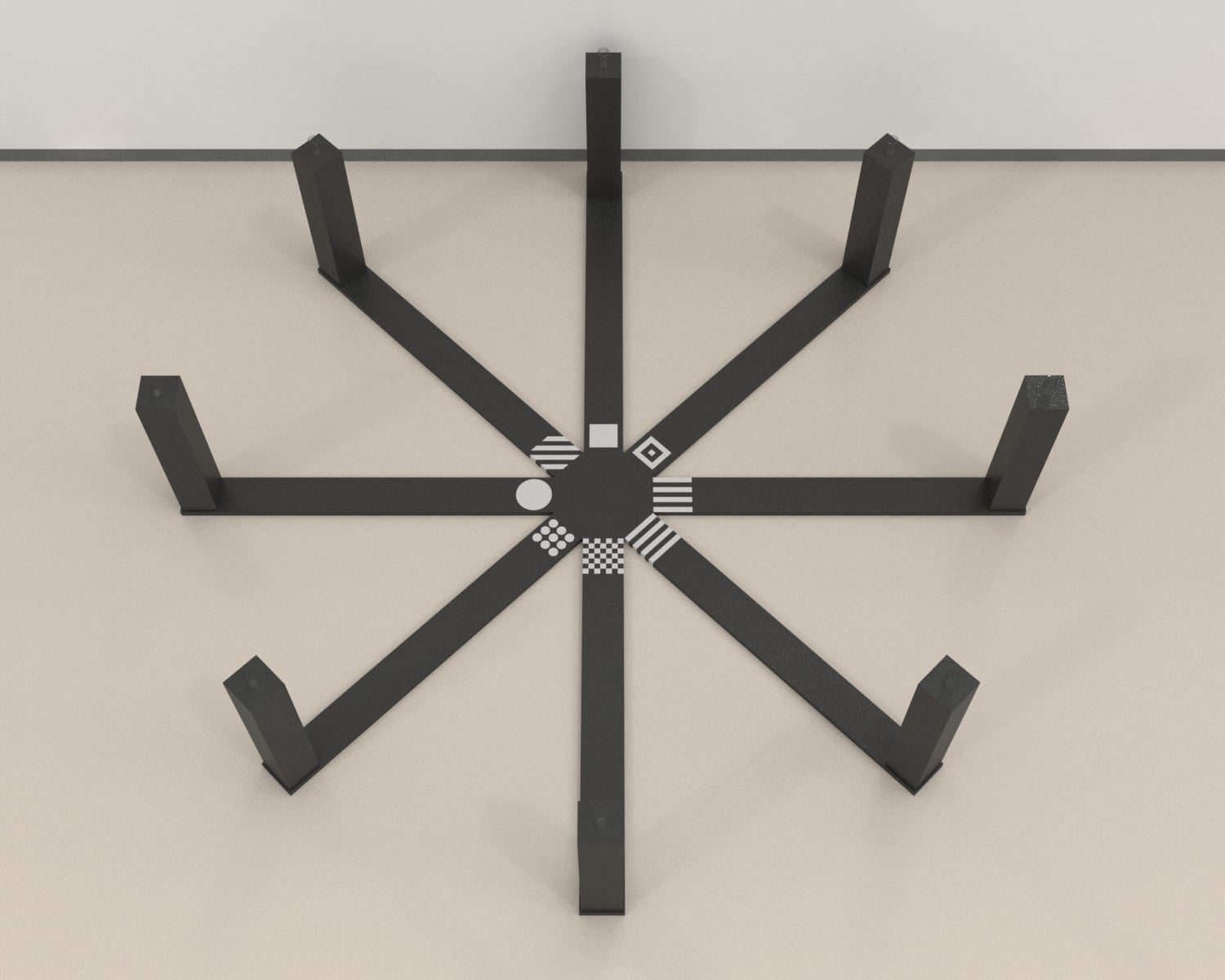
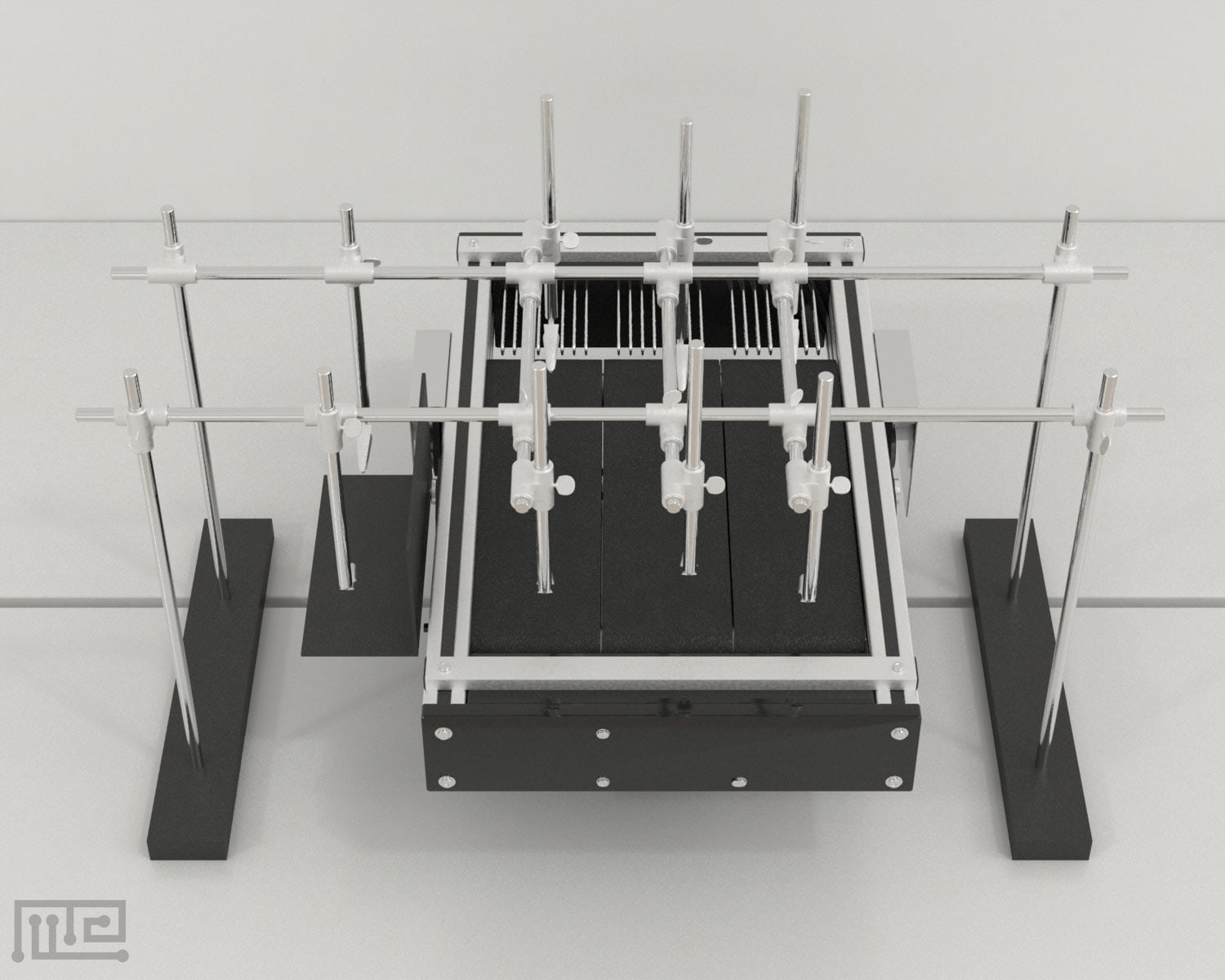
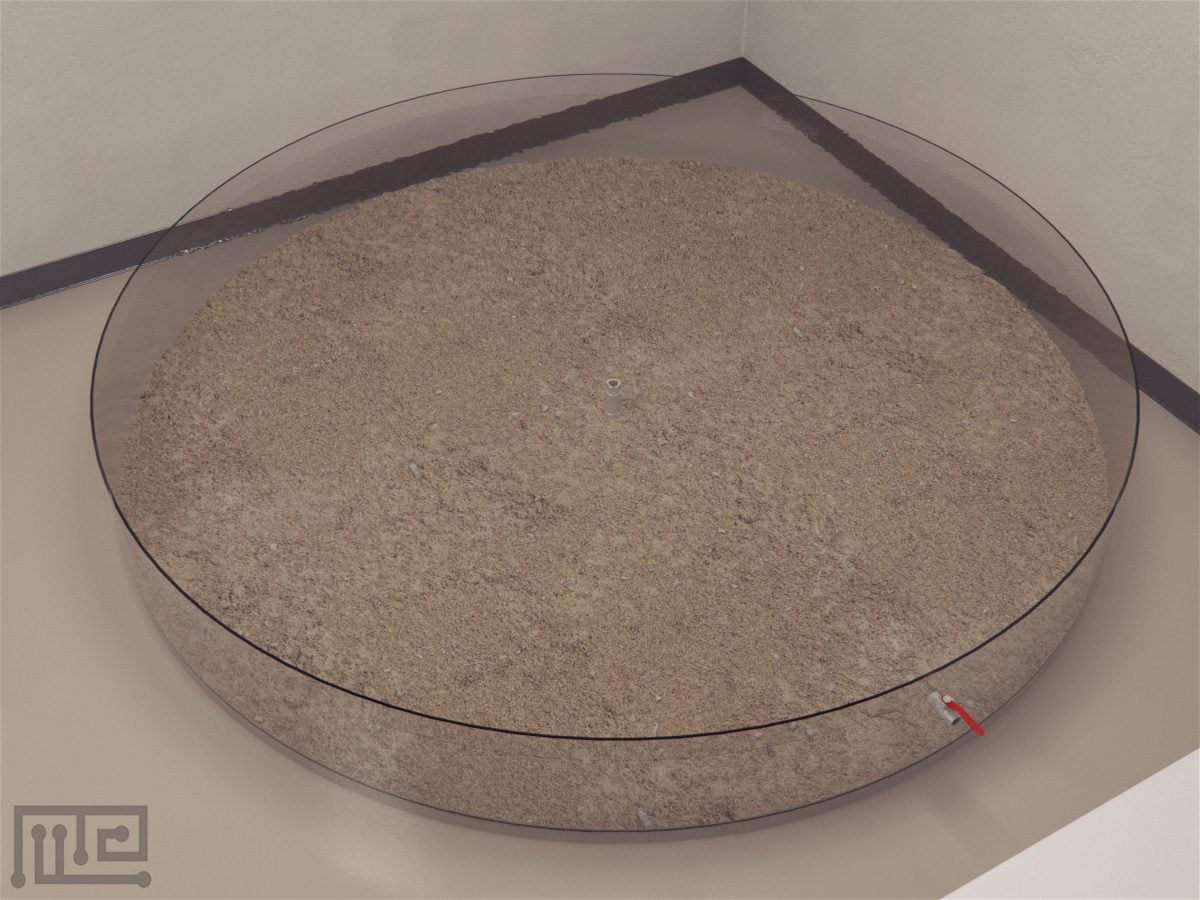
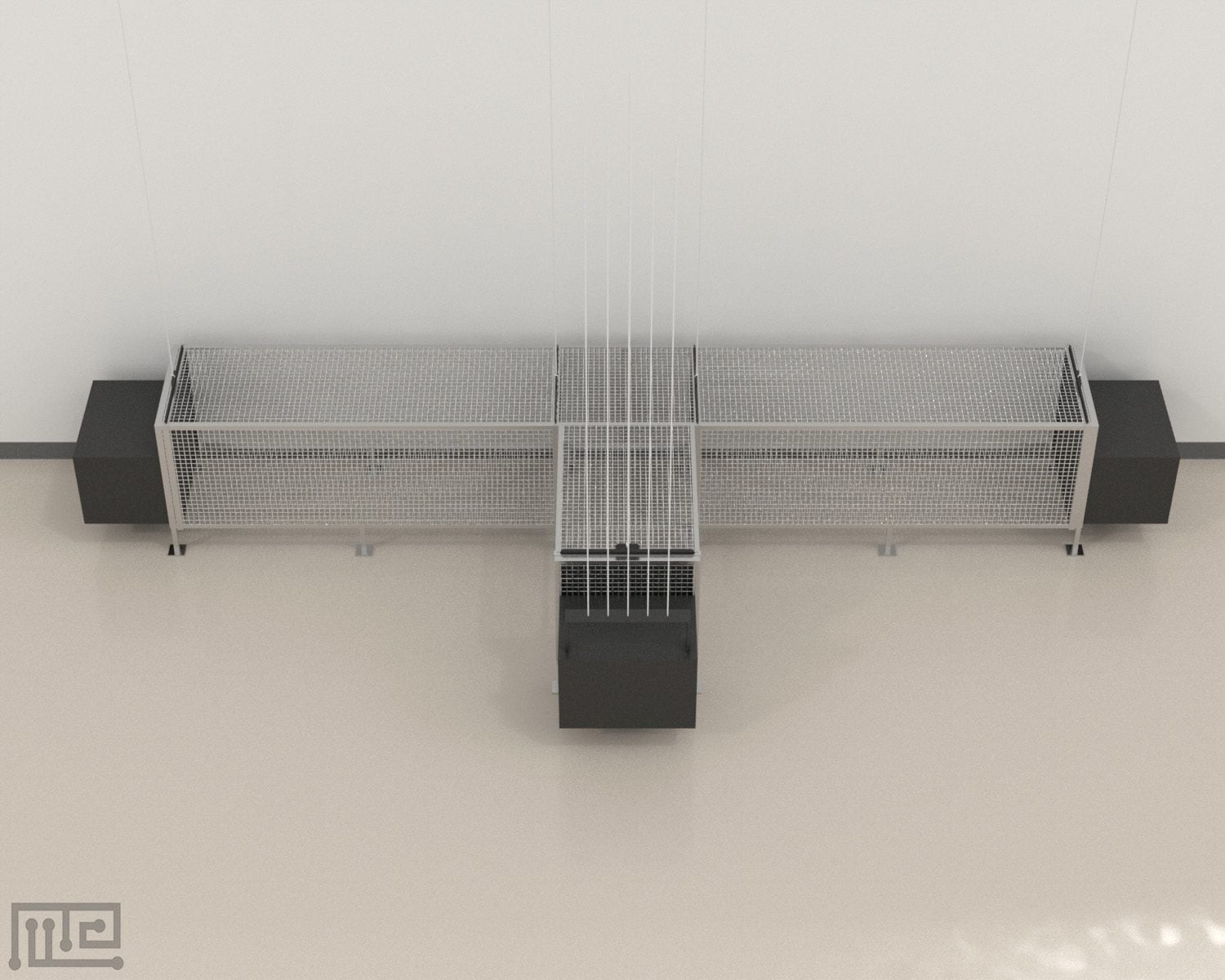
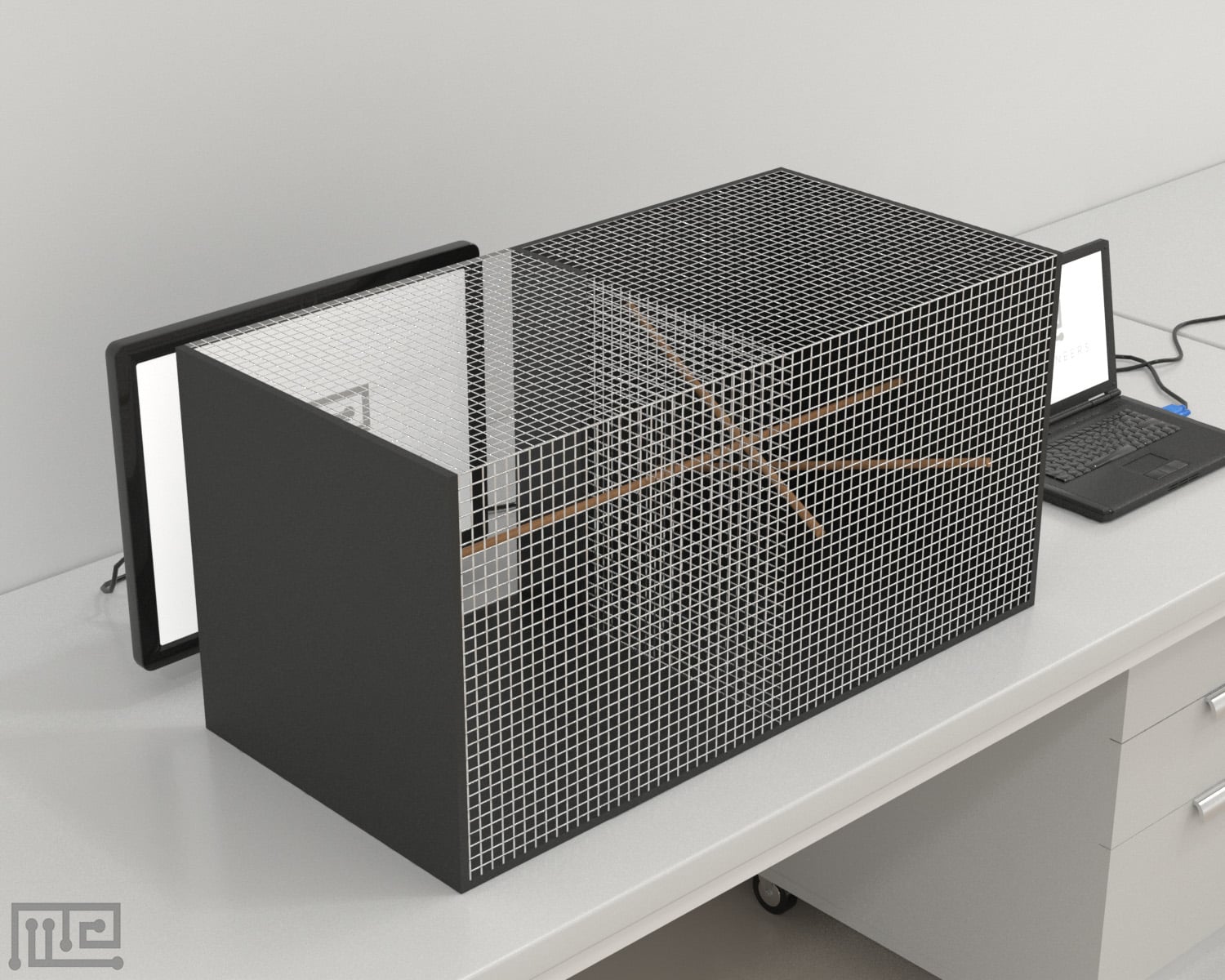
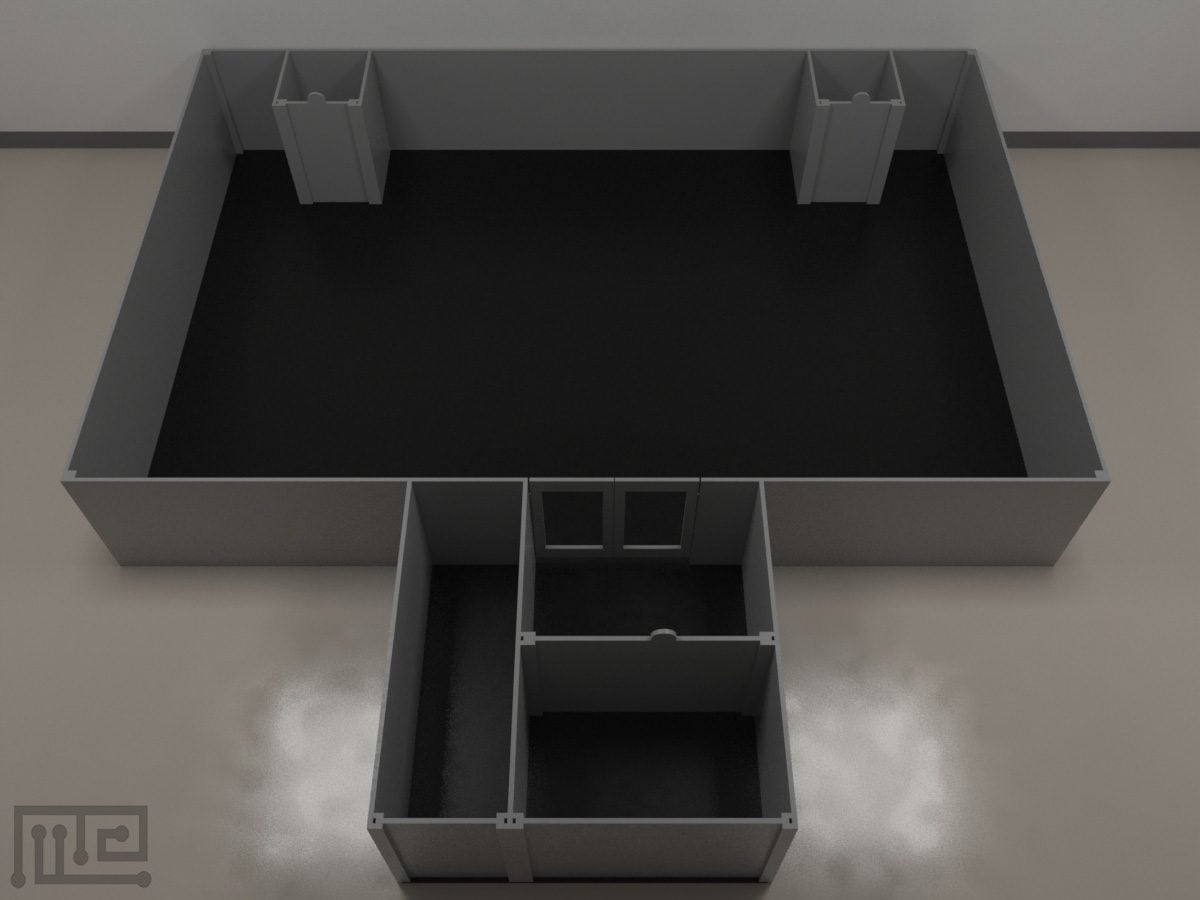
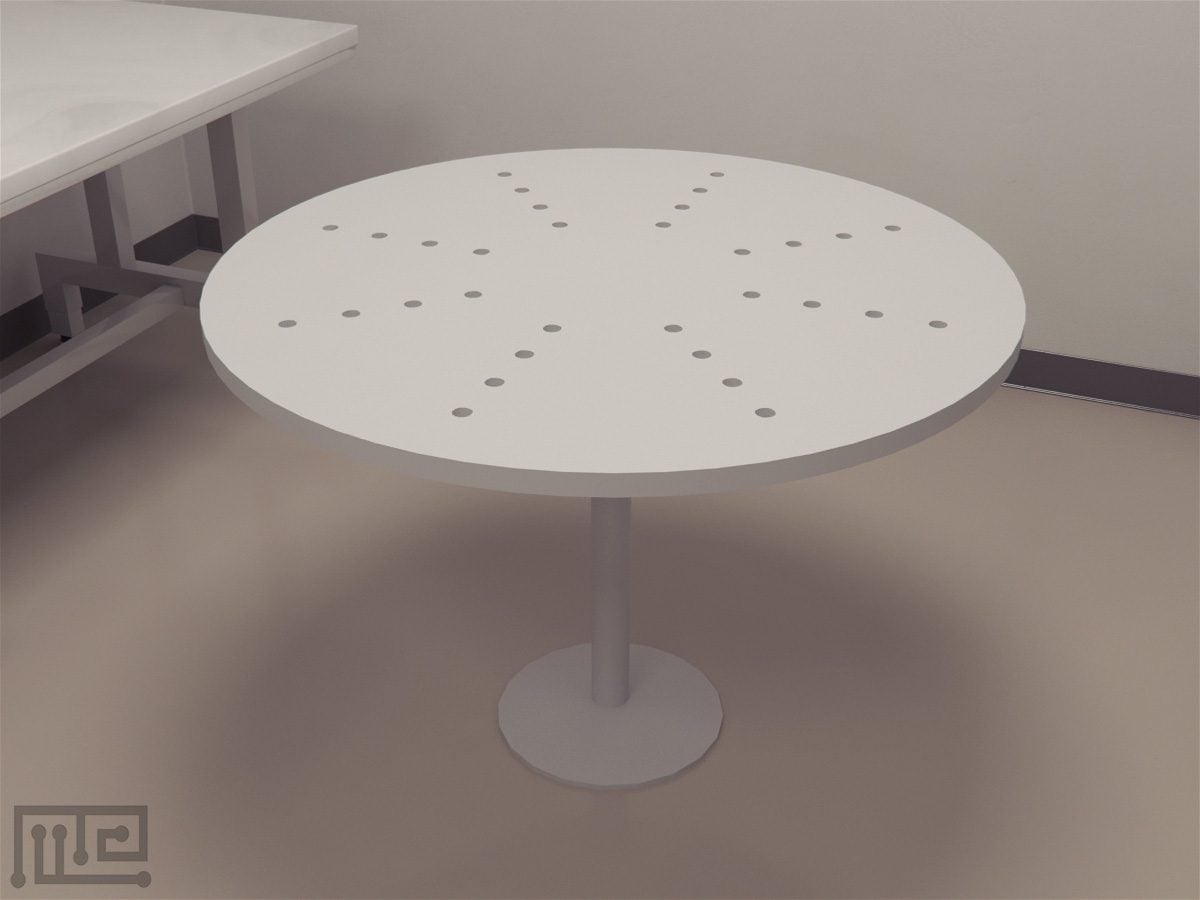
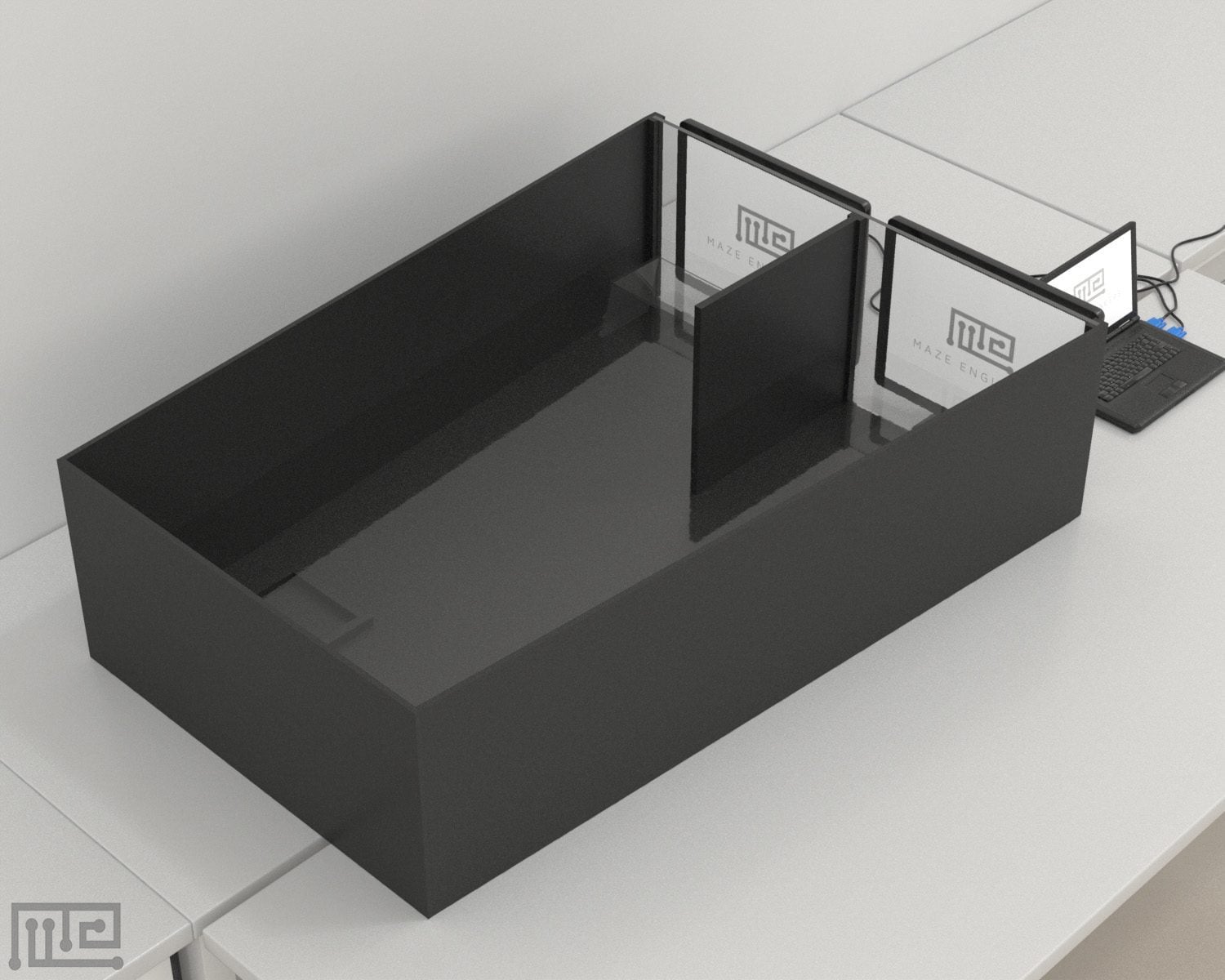
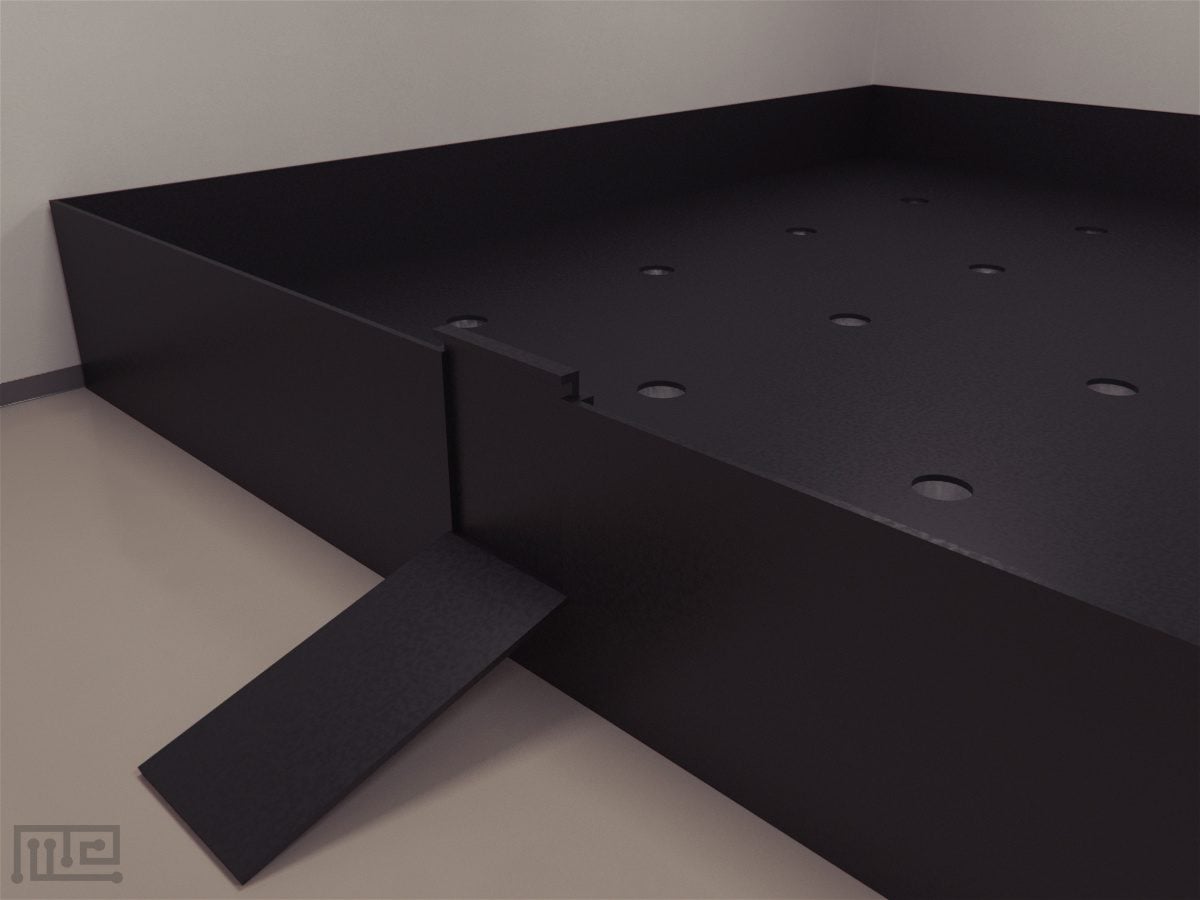
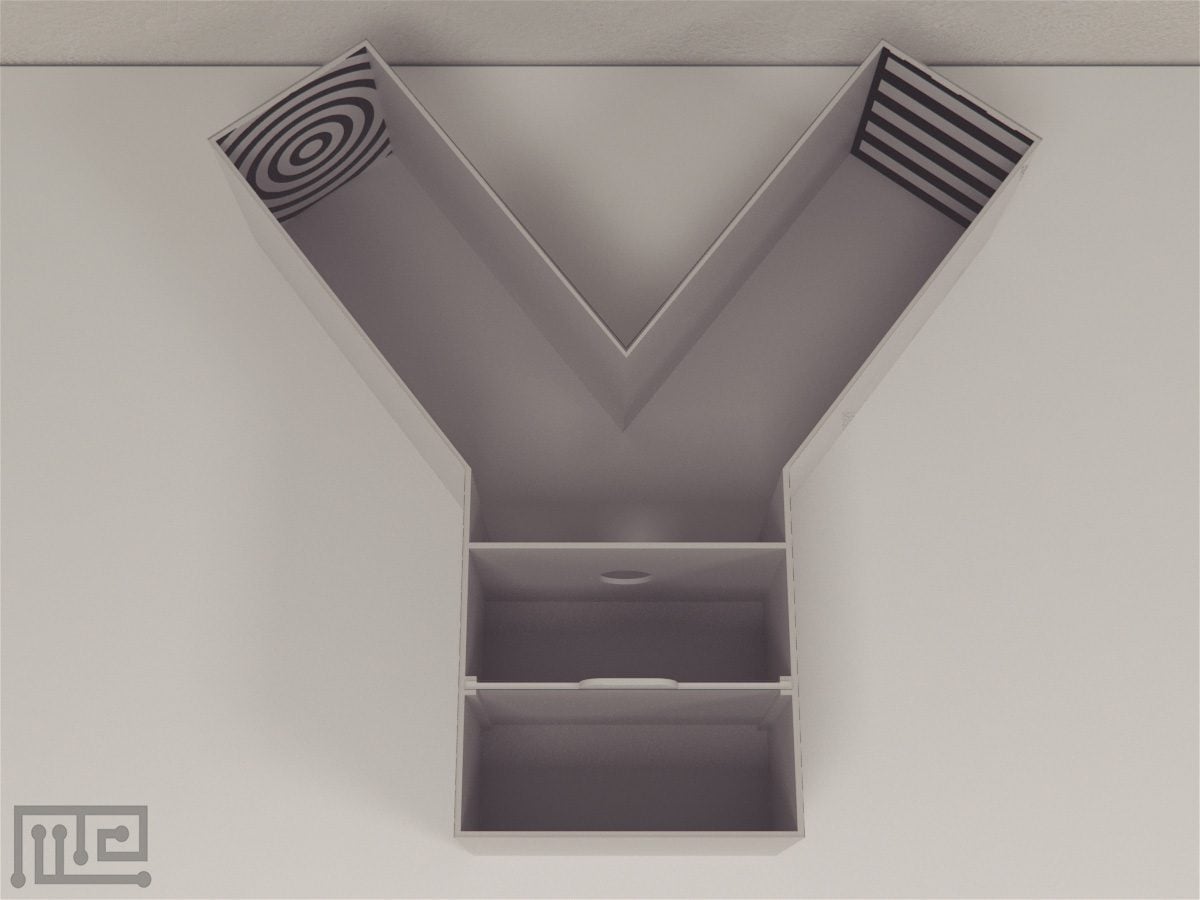
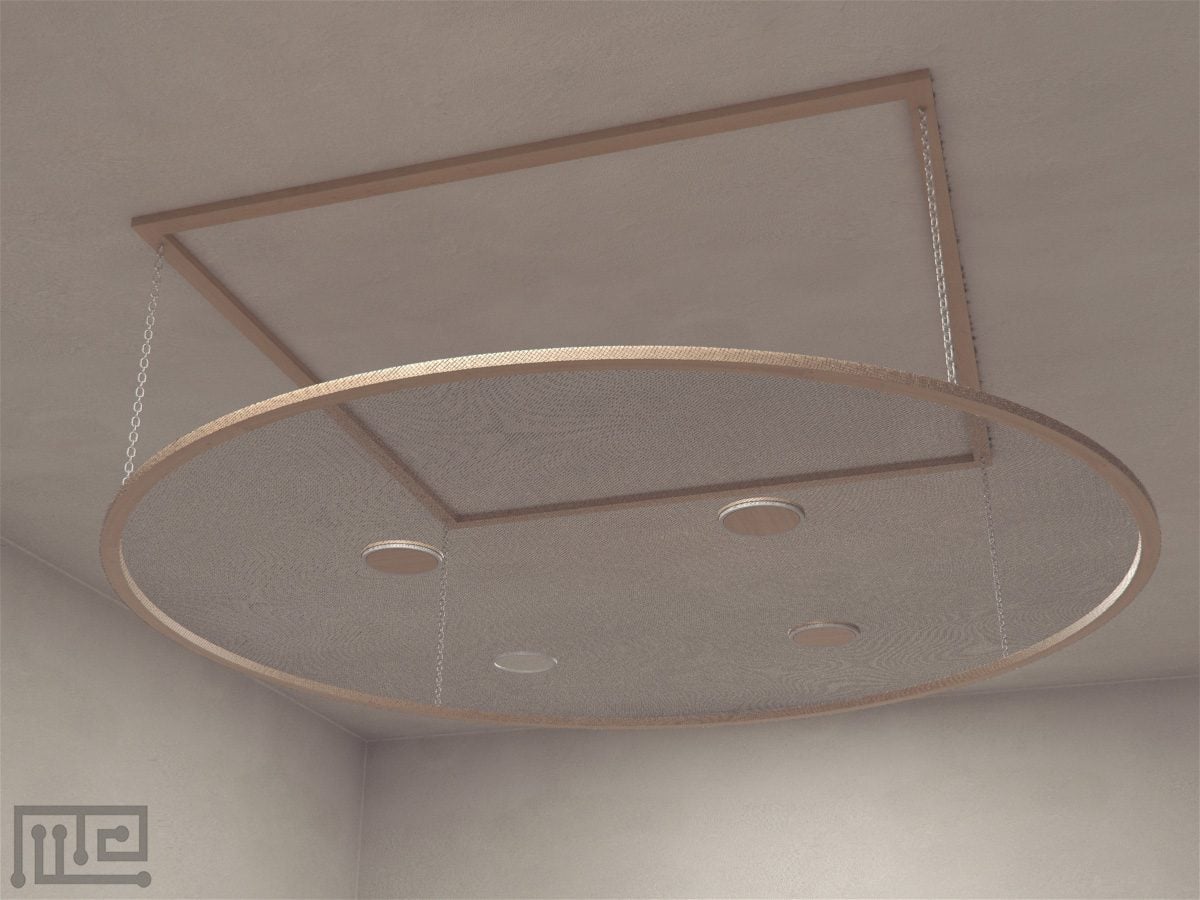
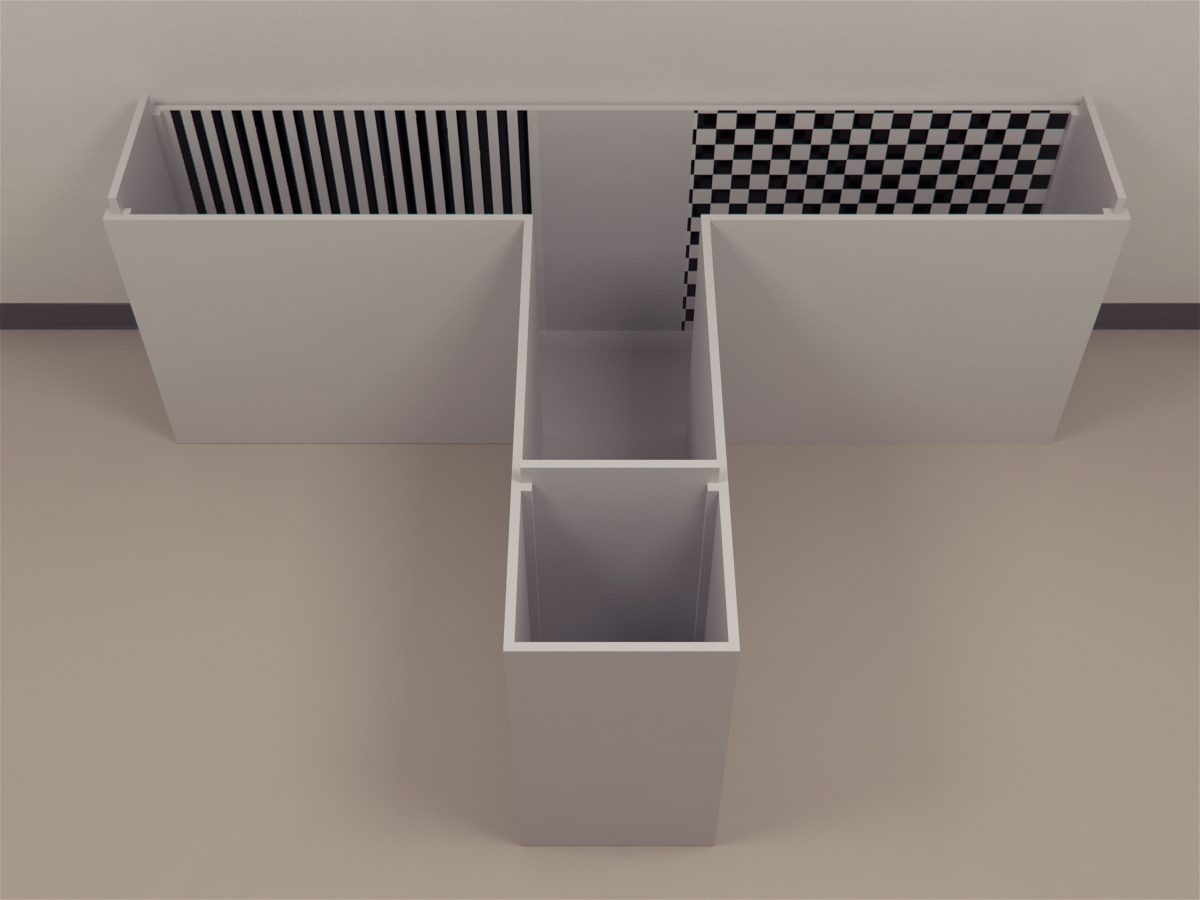
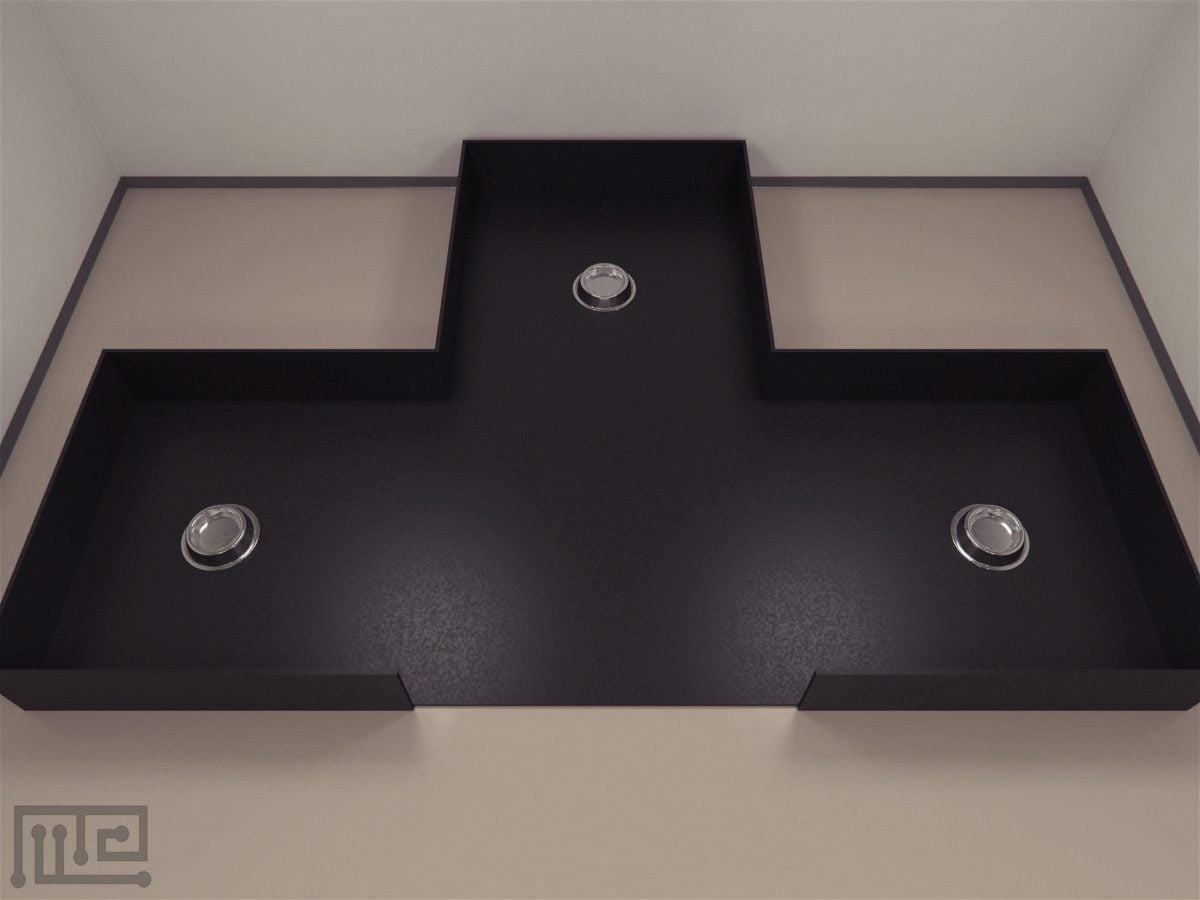
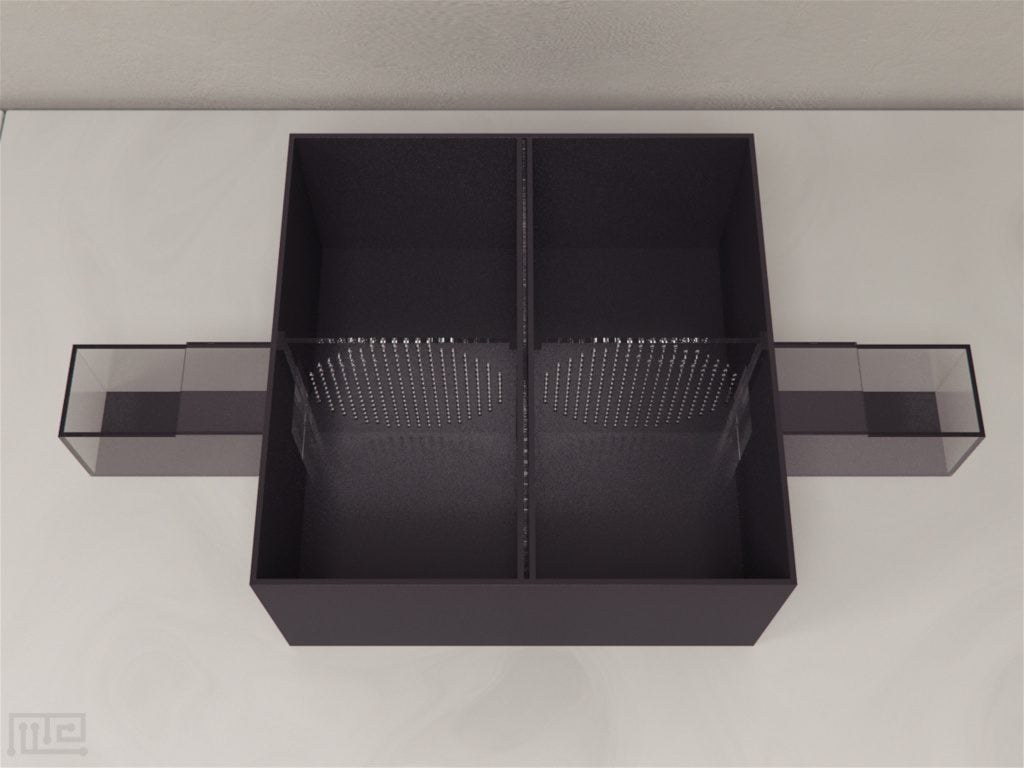
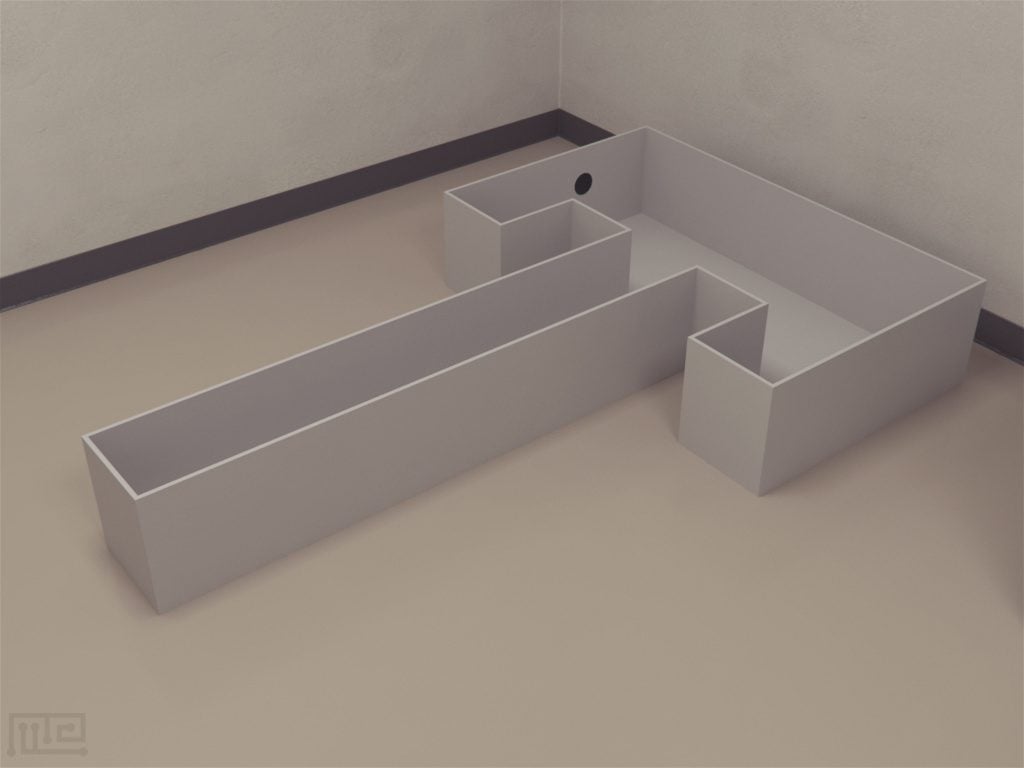
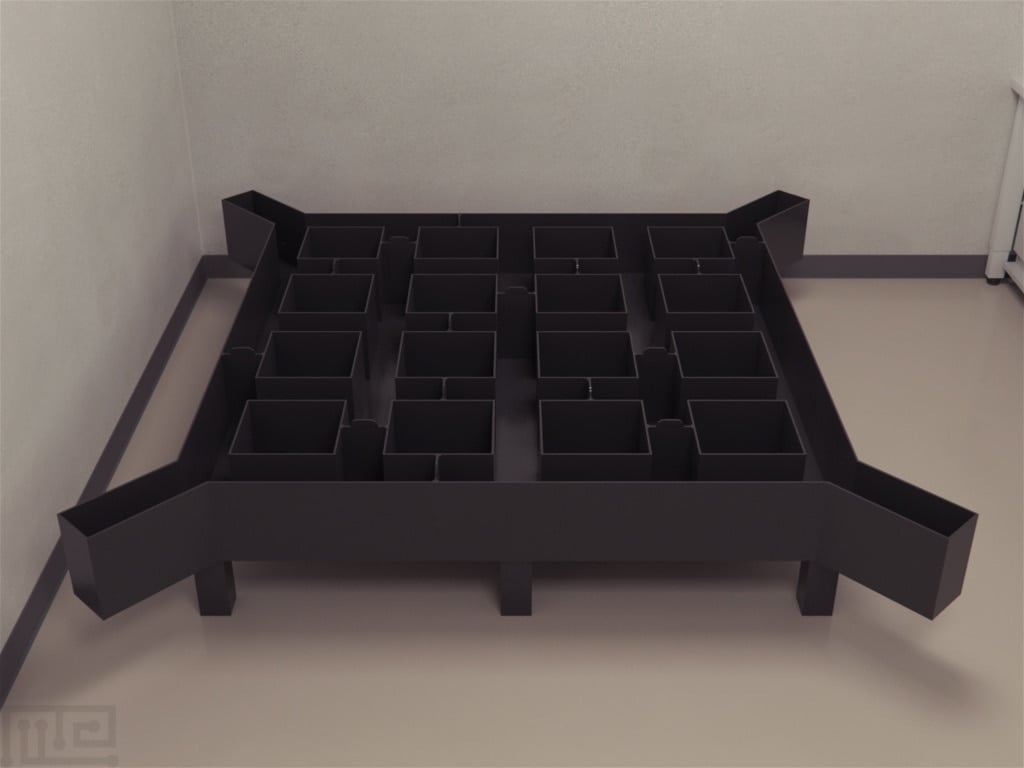
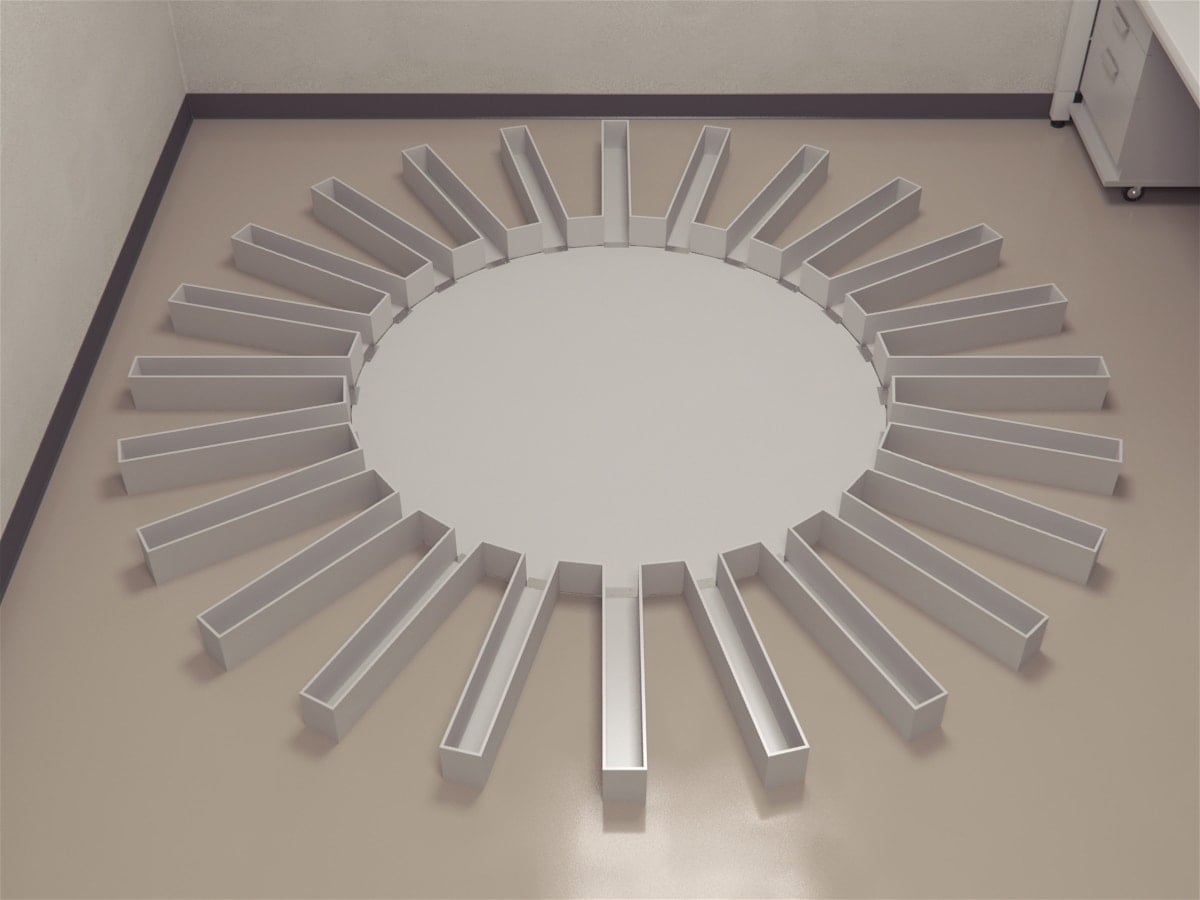
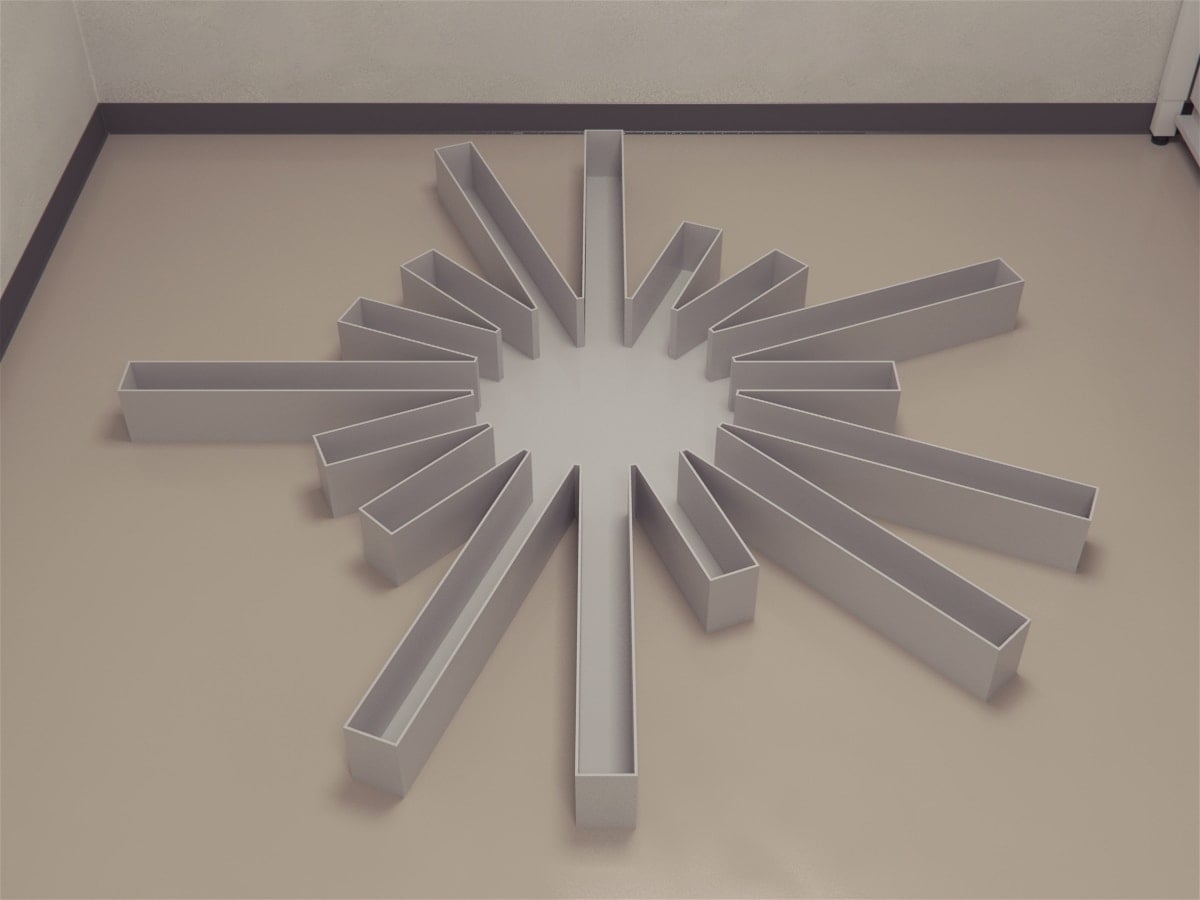
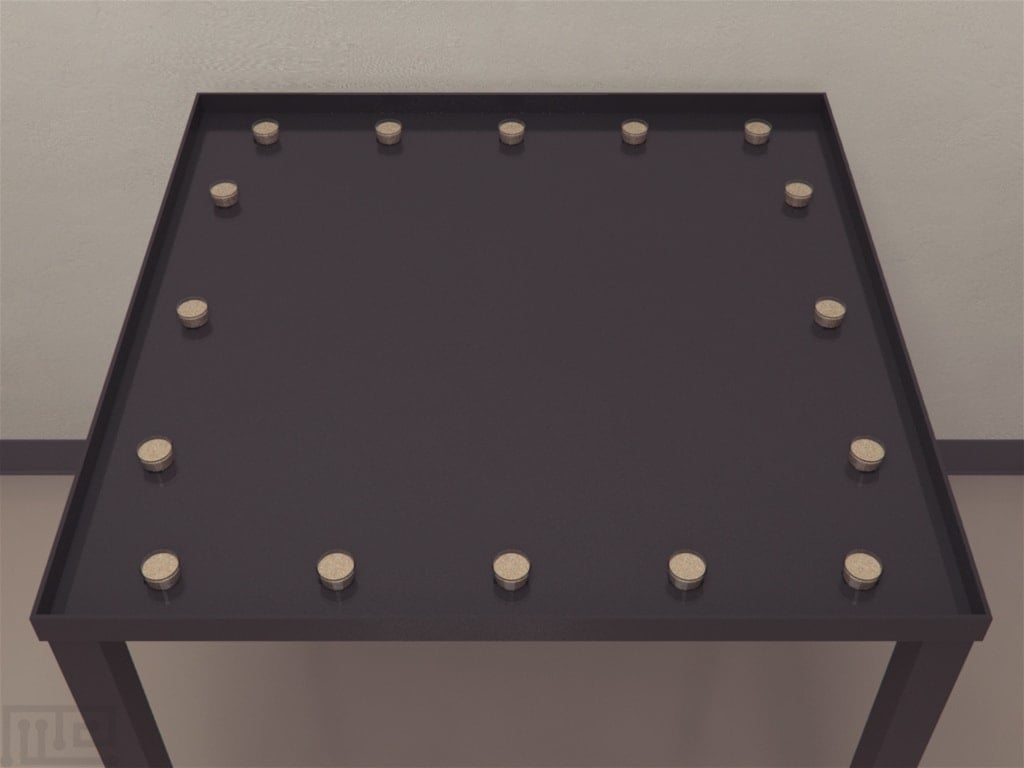
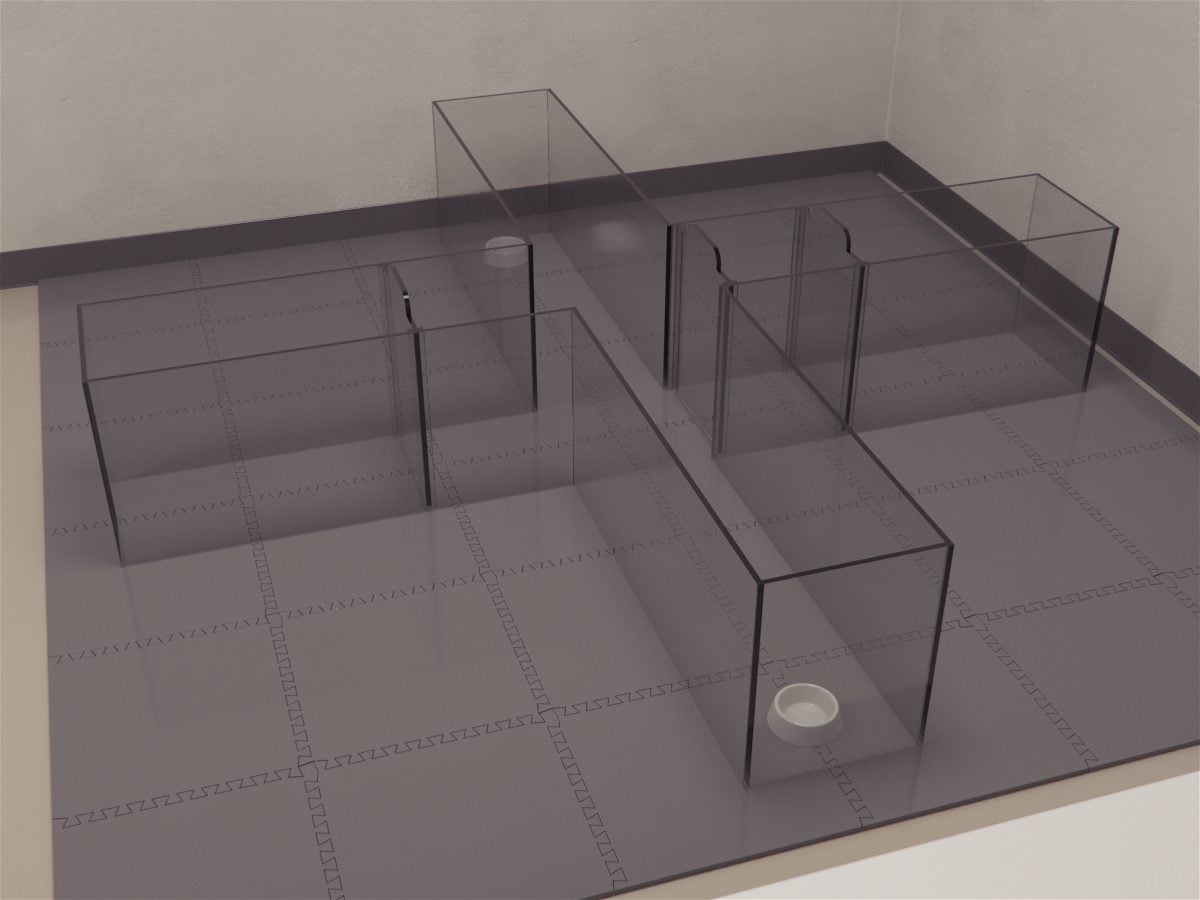
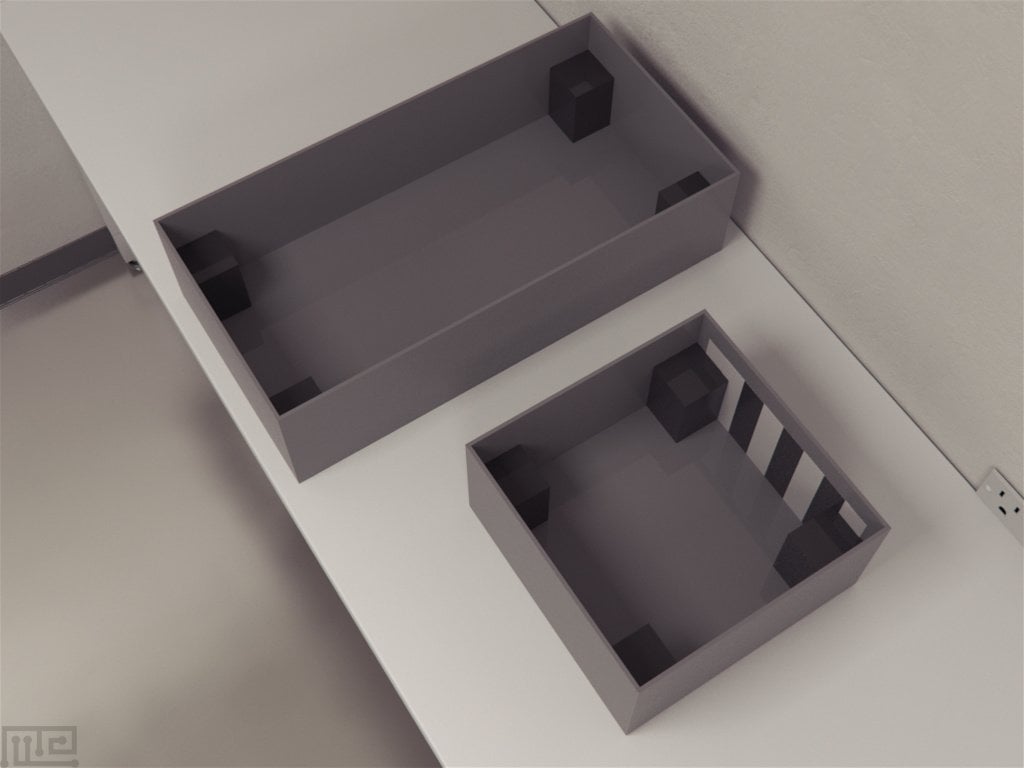
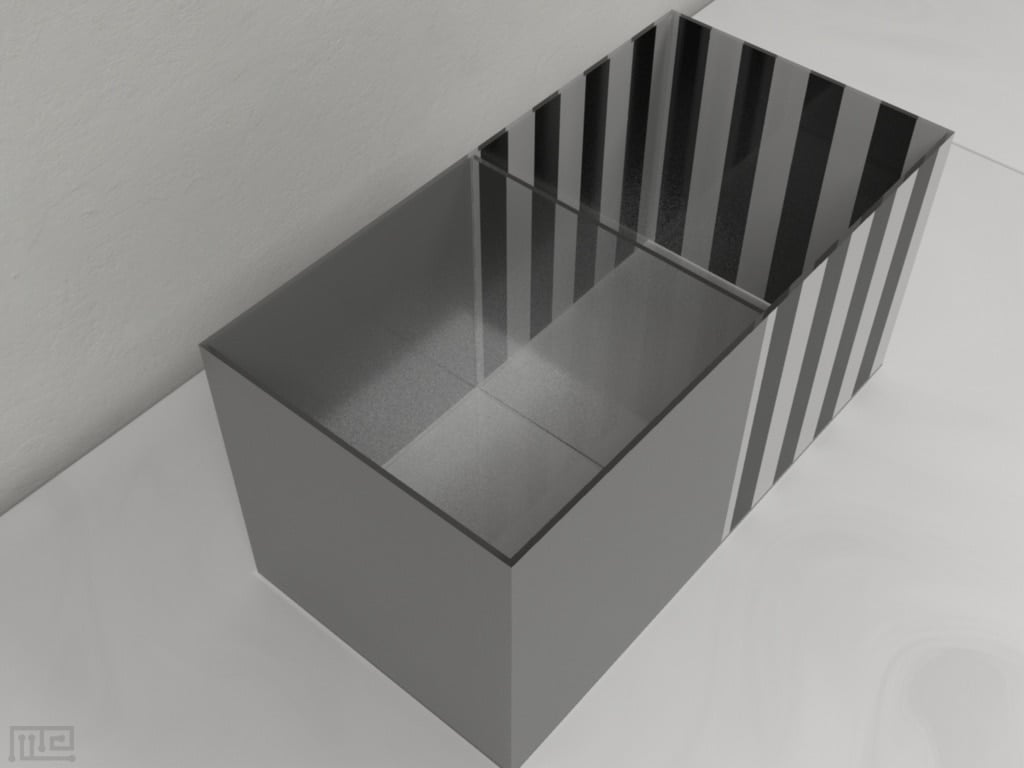
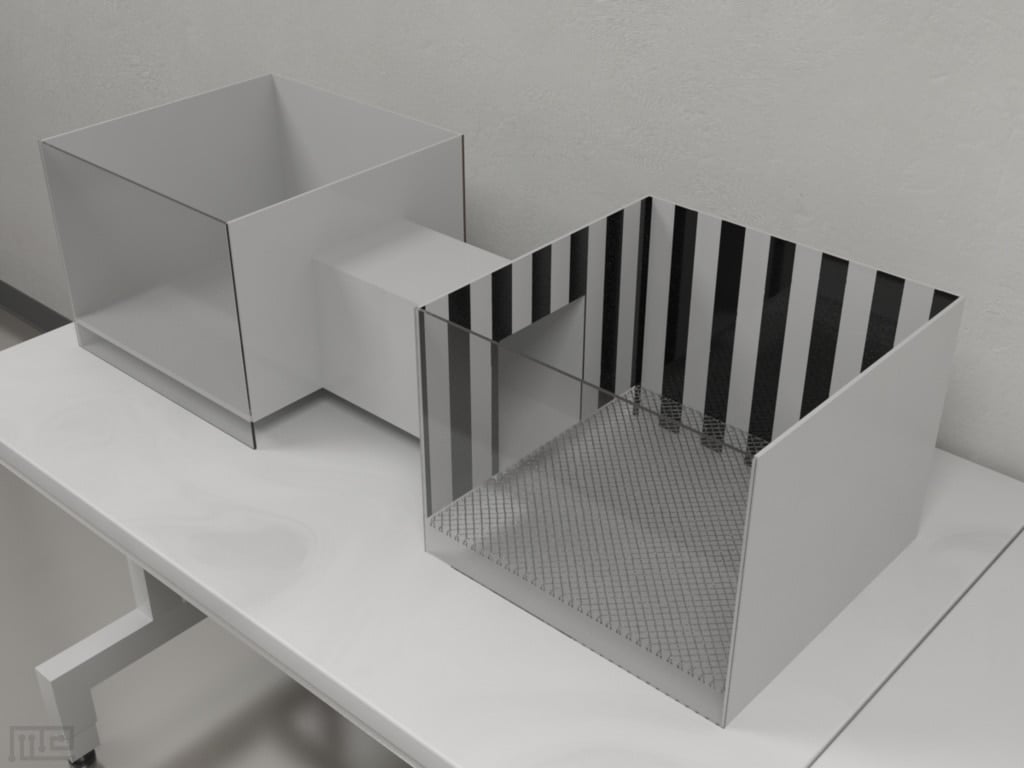
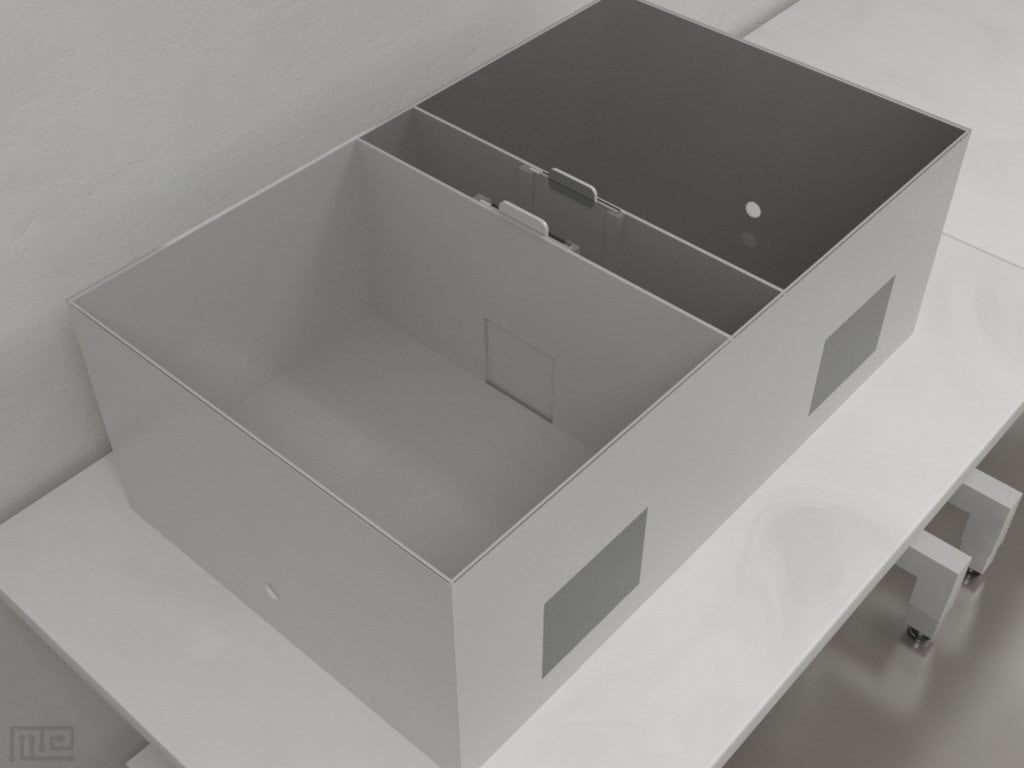
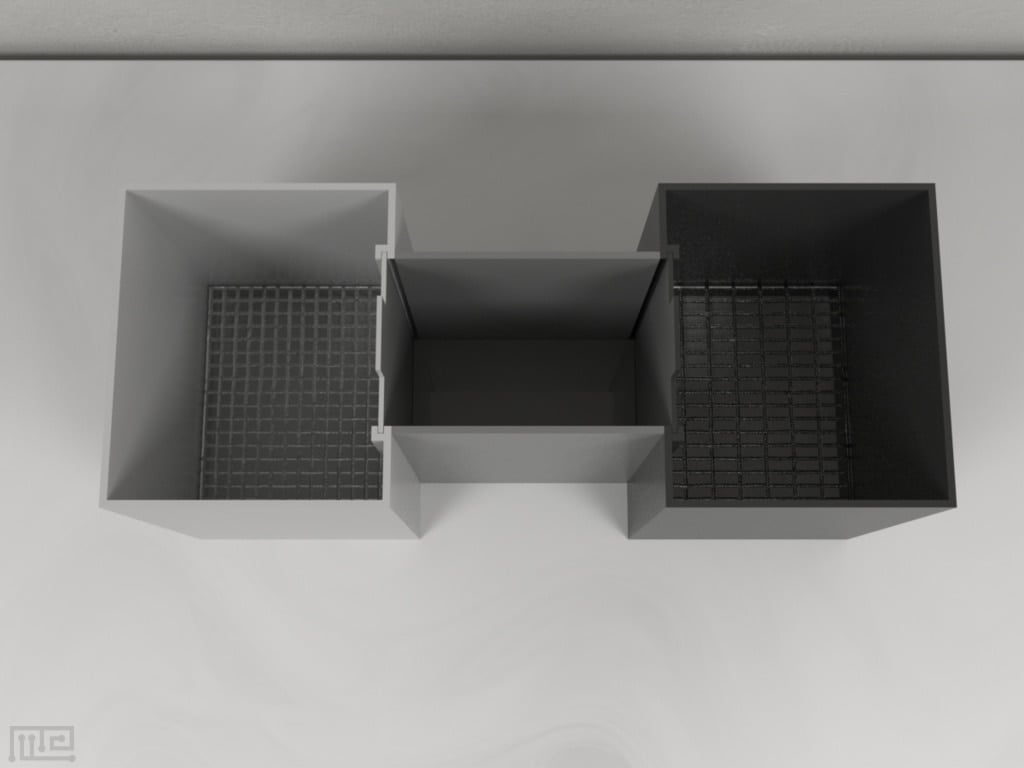
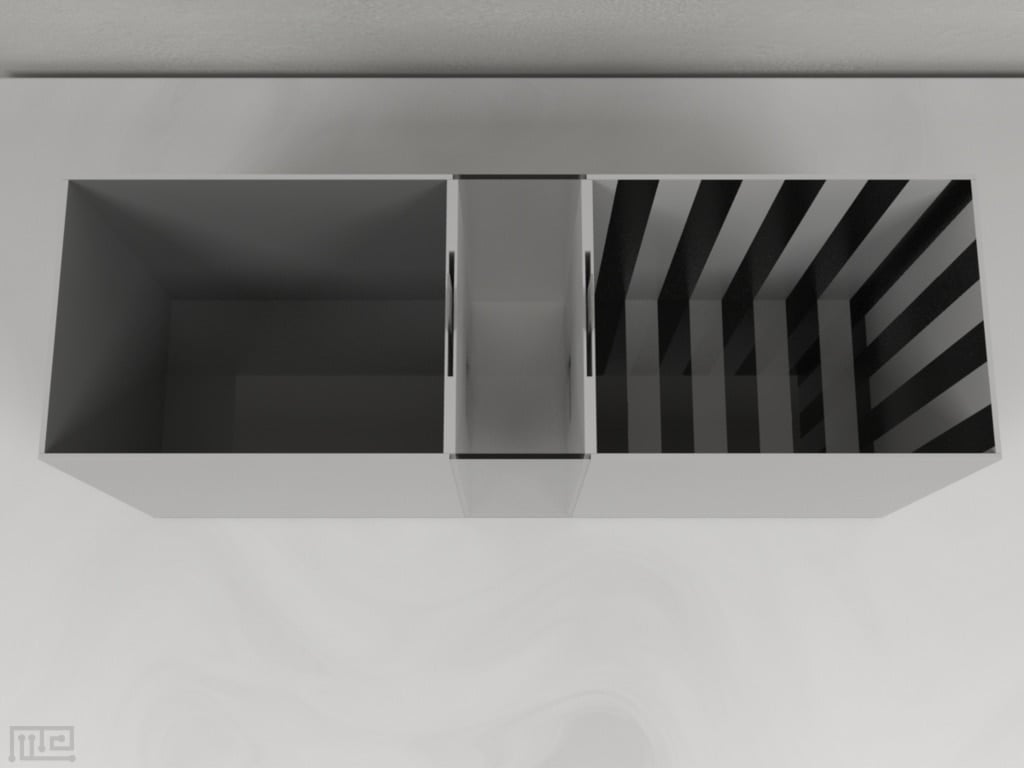
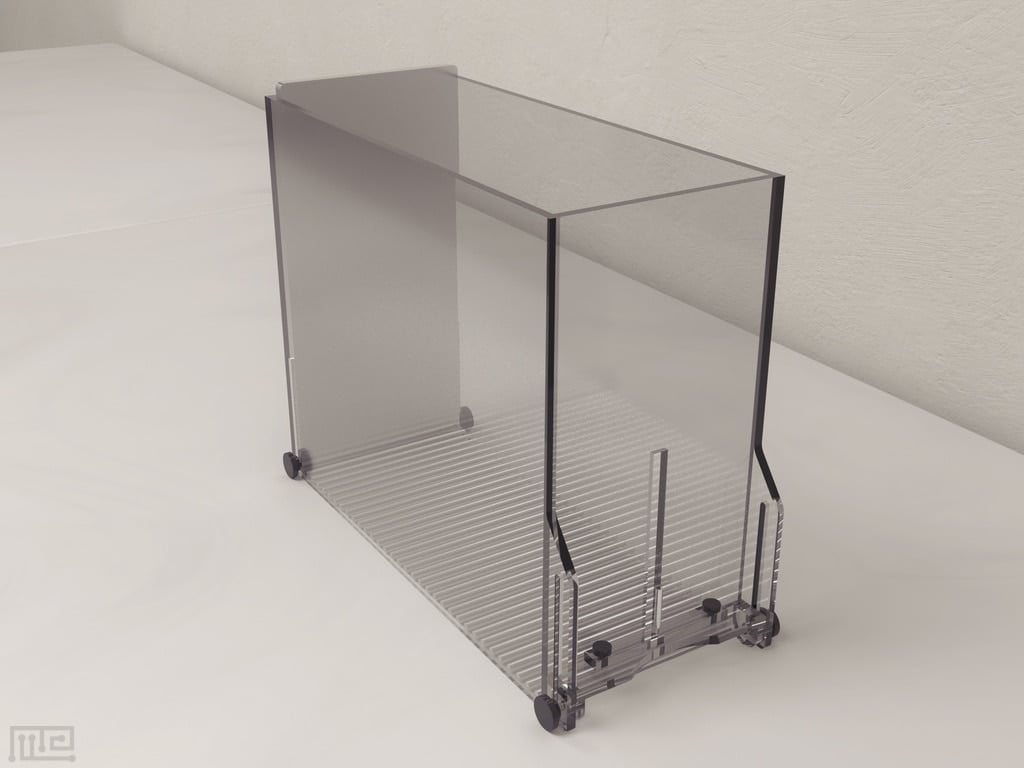
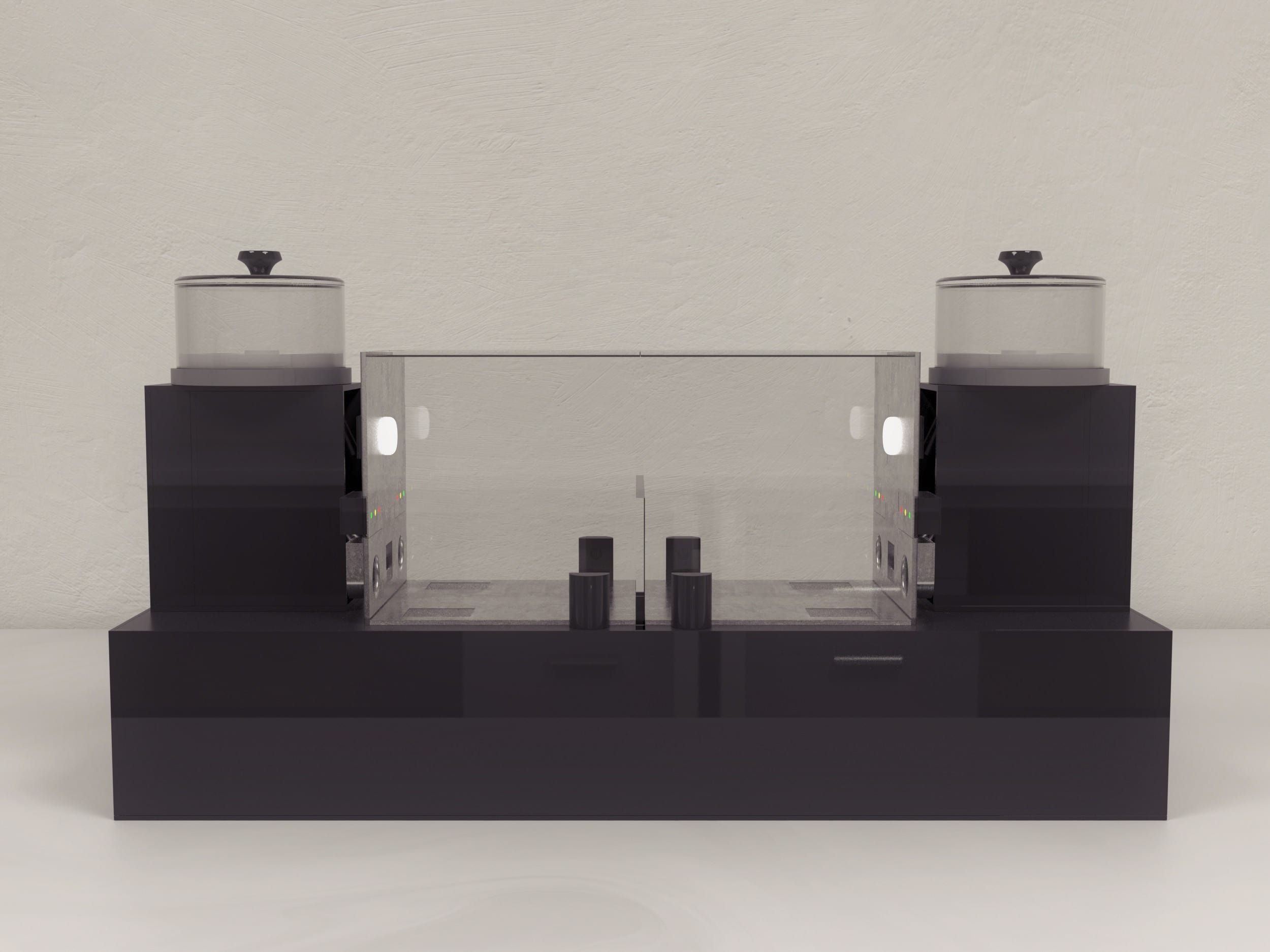
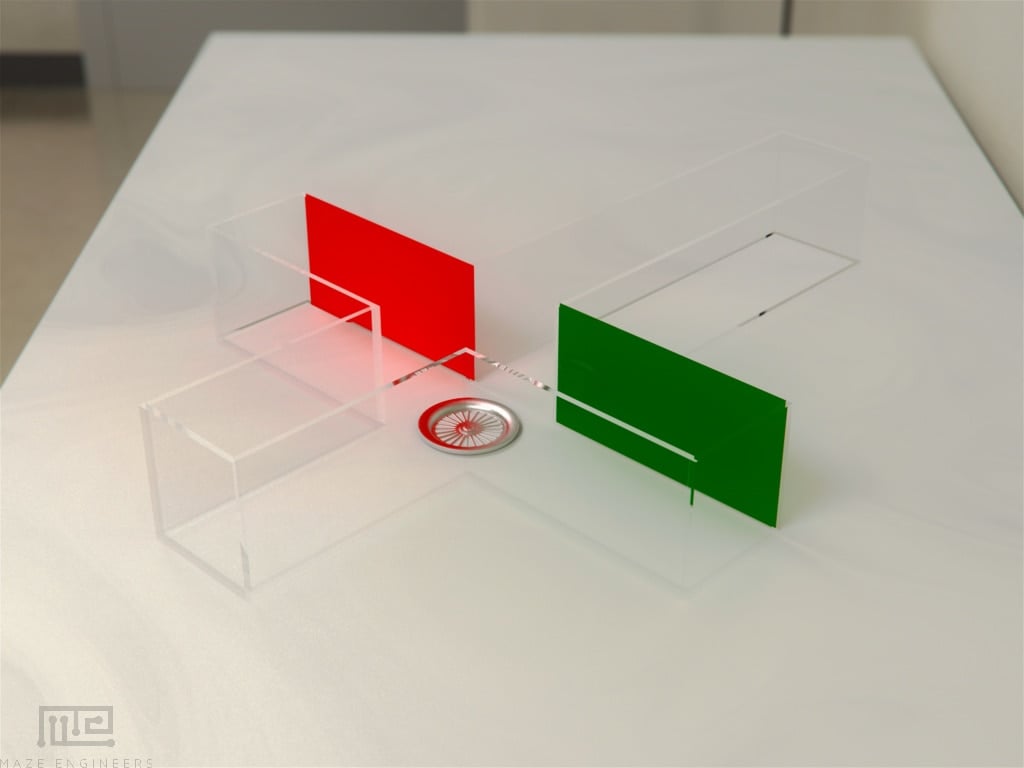
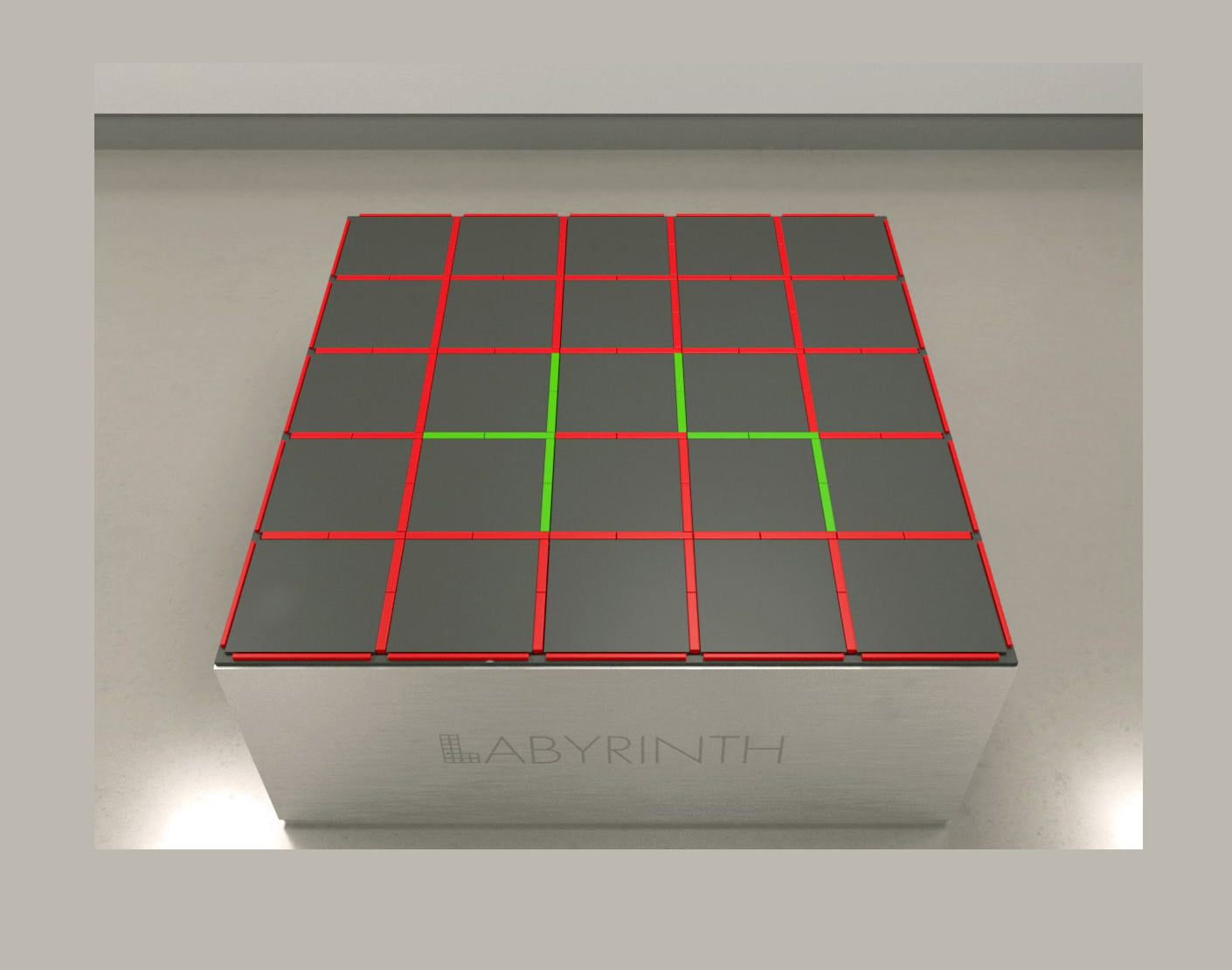
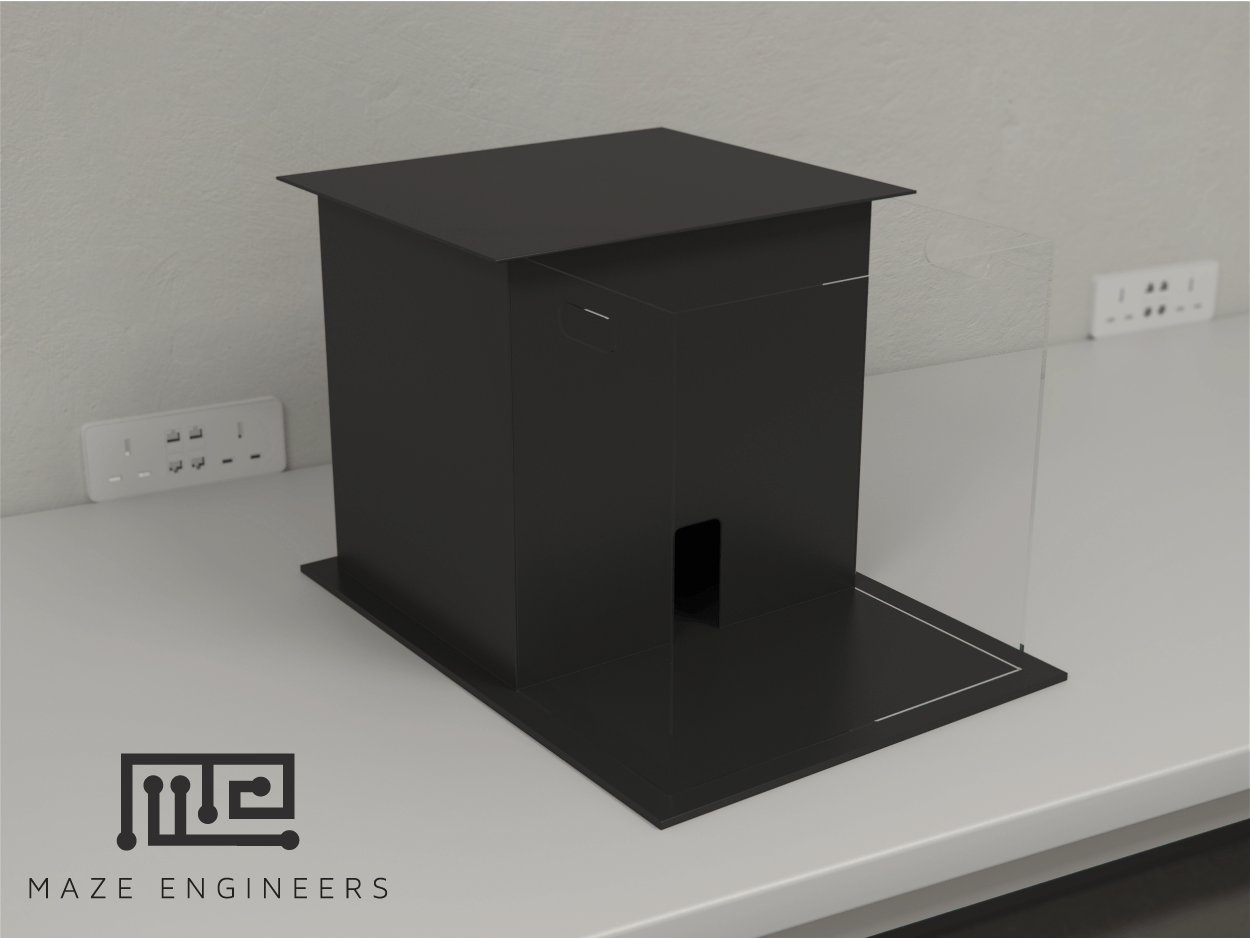
Investigating visual cognition through spatially projected environments The Floor Projection Maze is a modular apparatus developed to study visual information…
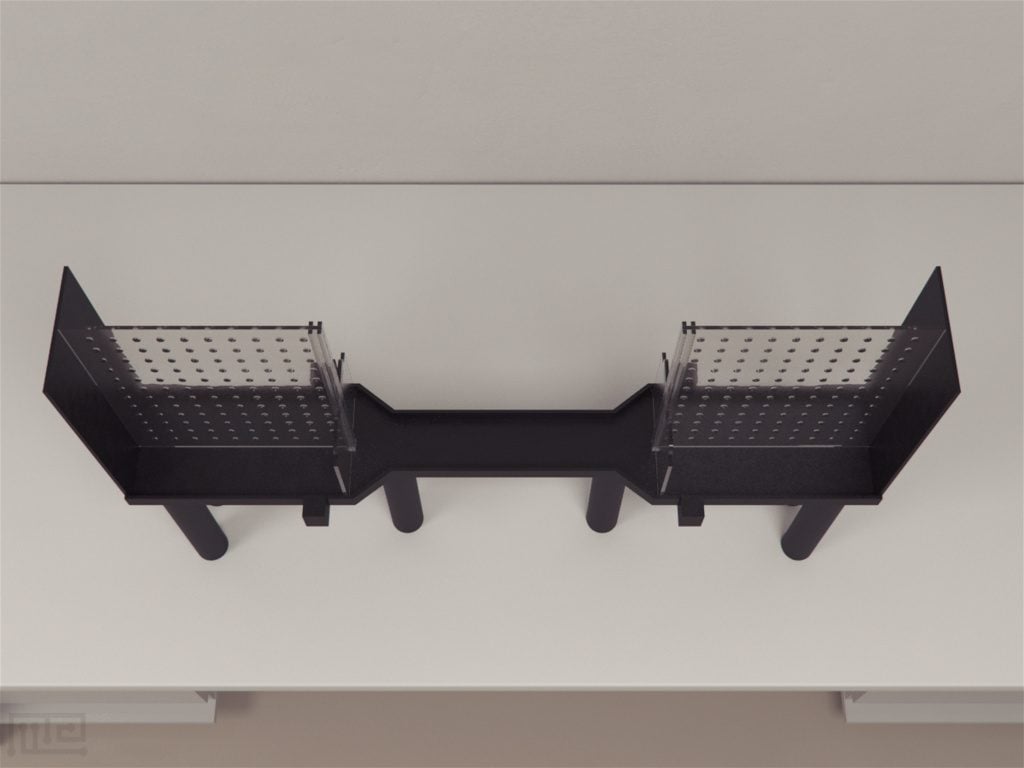
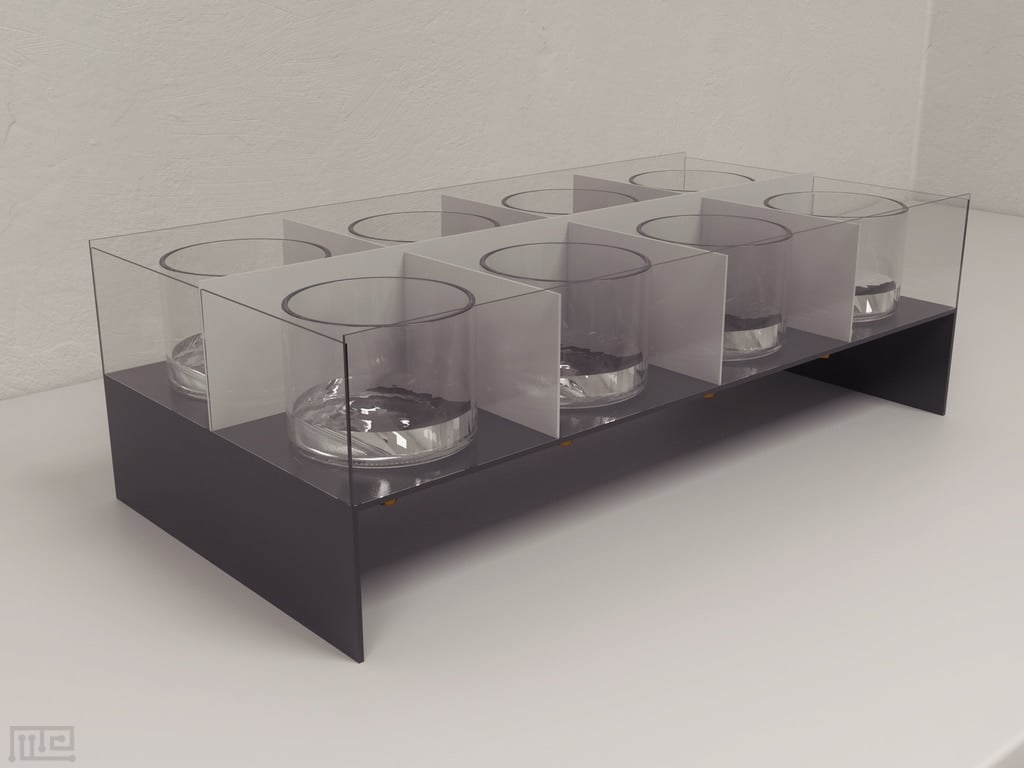
Vapor Chambers
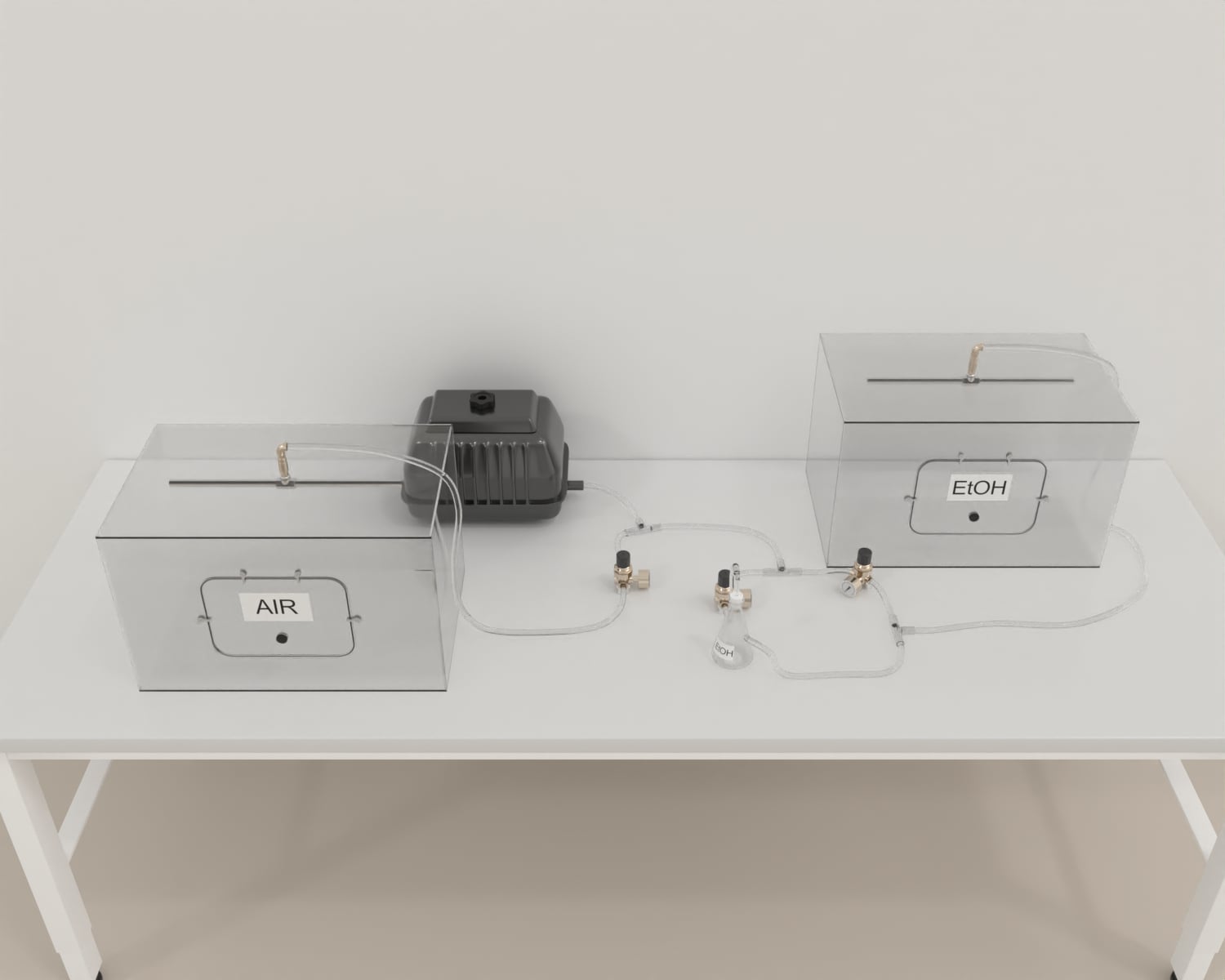
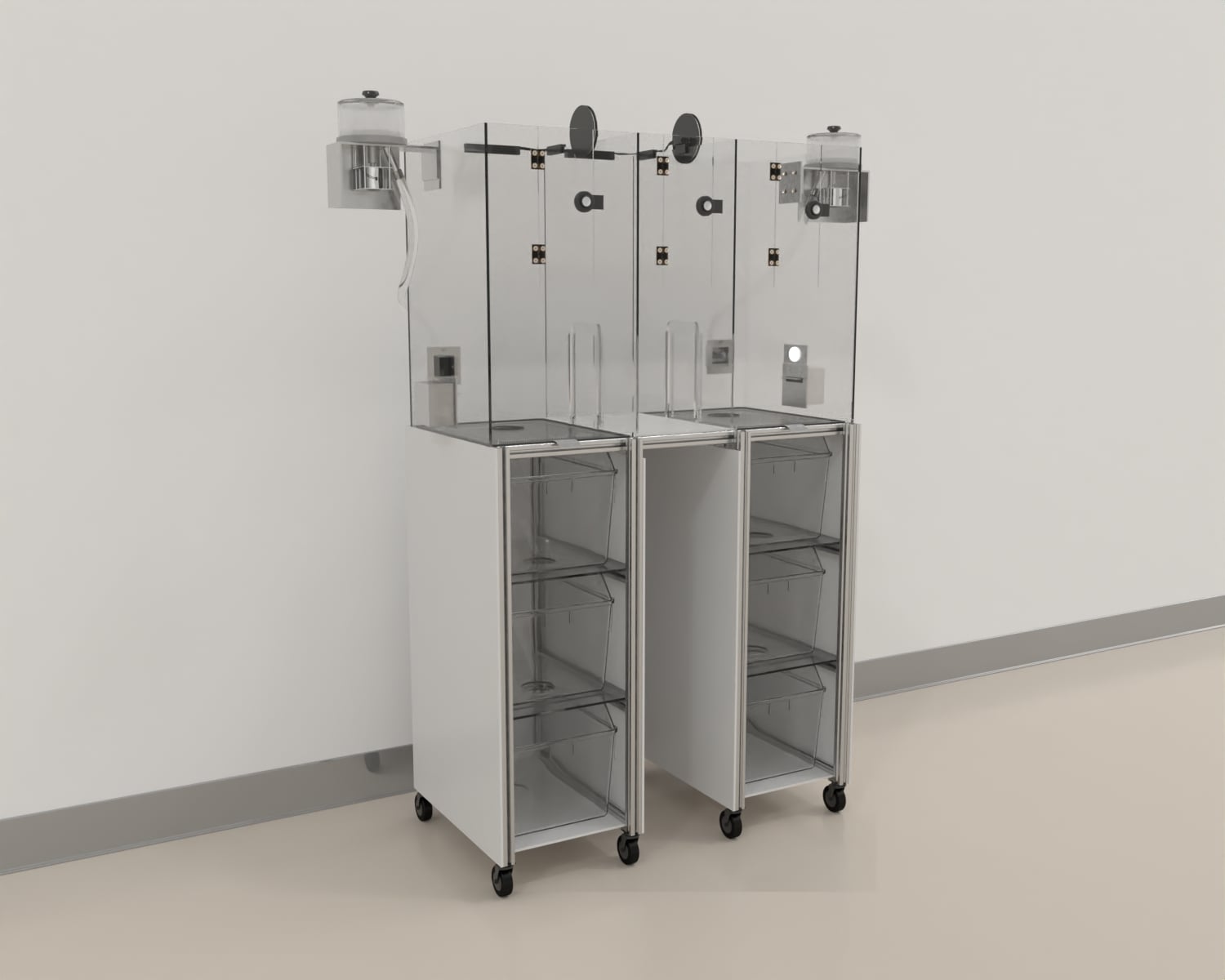
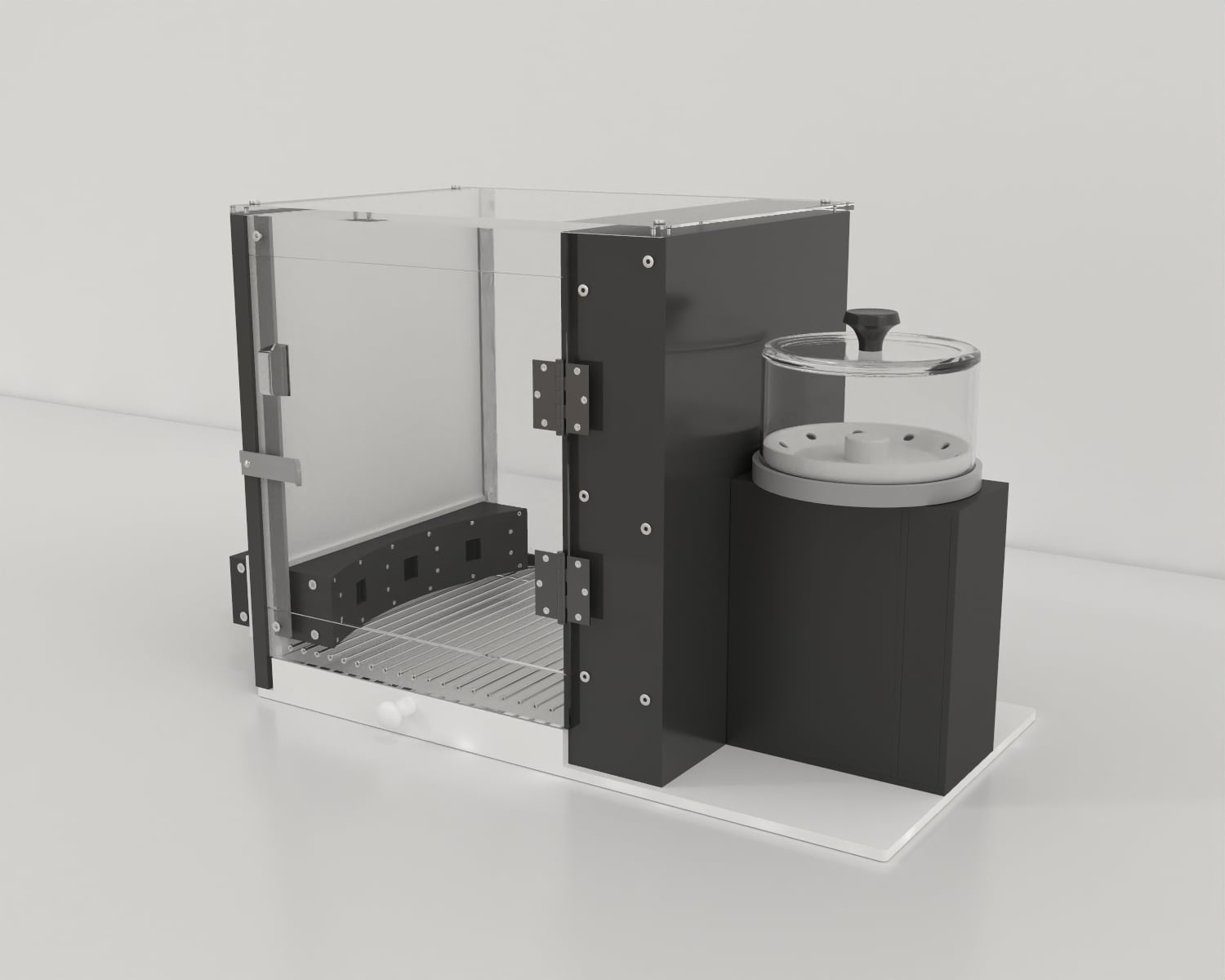
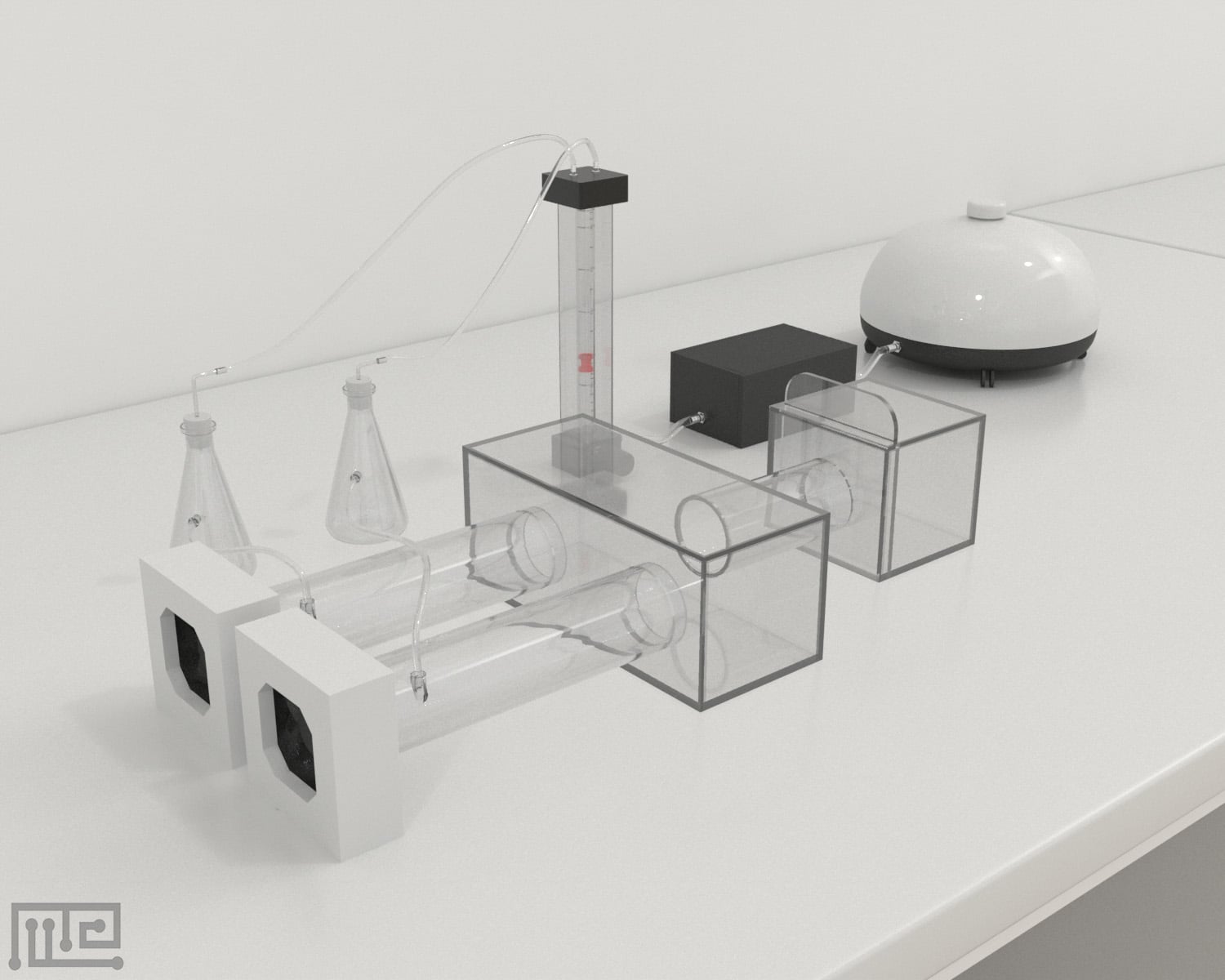
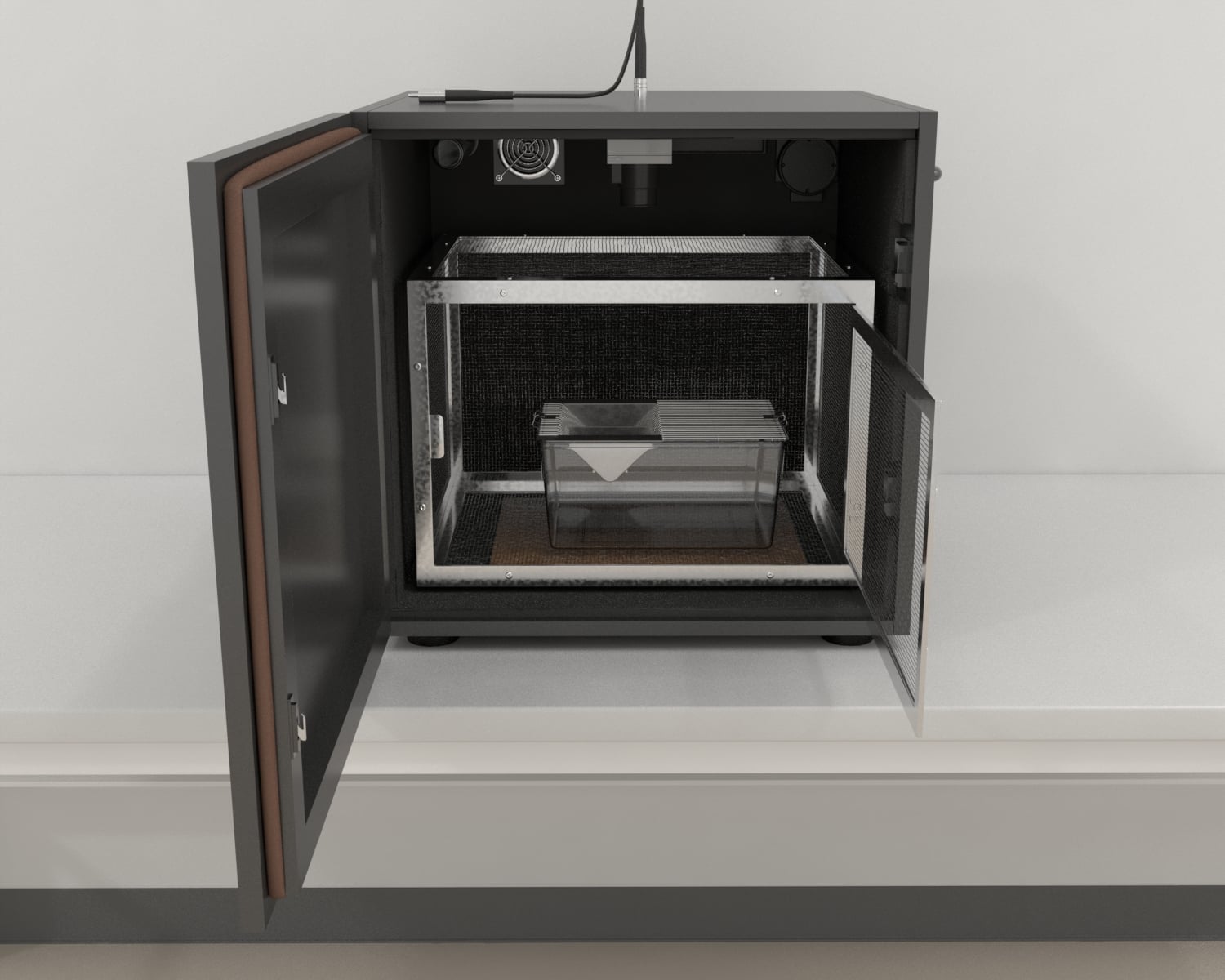
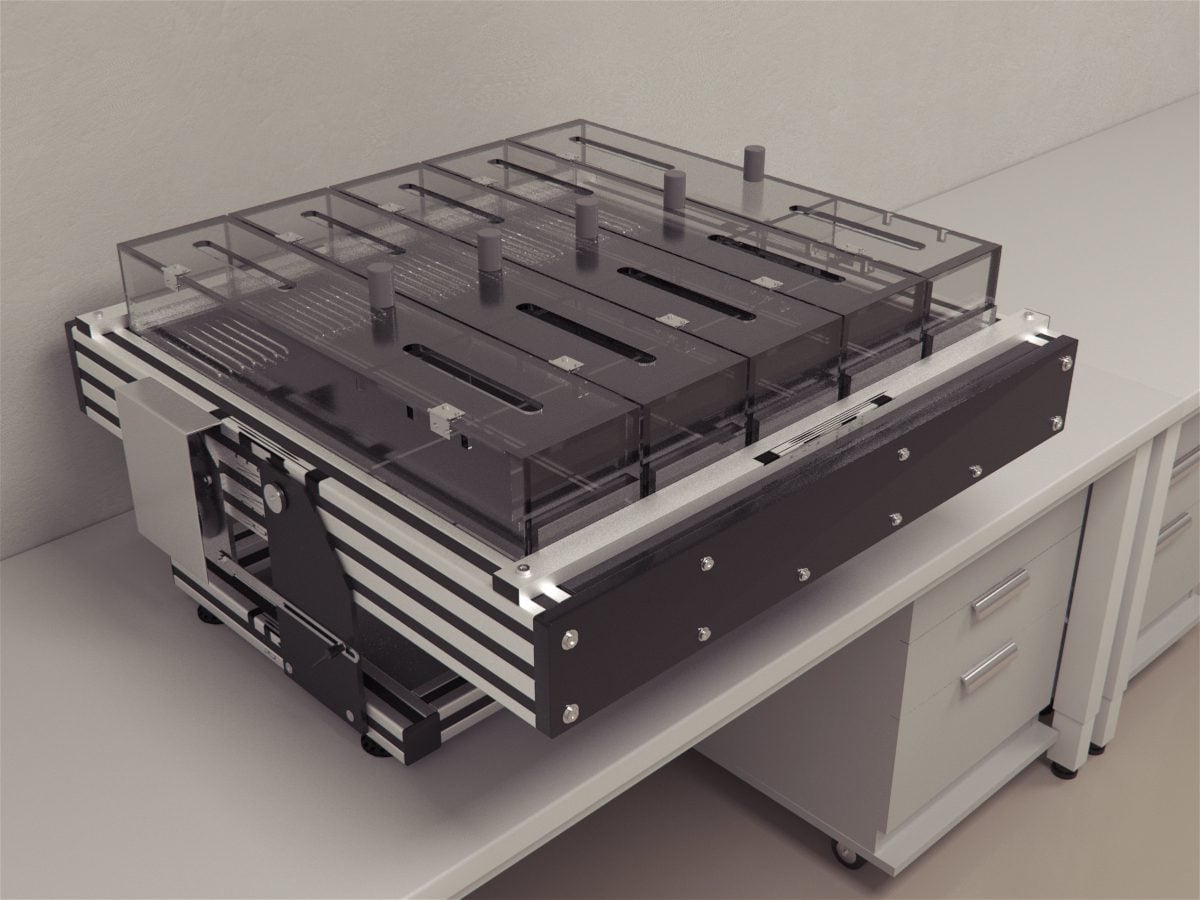
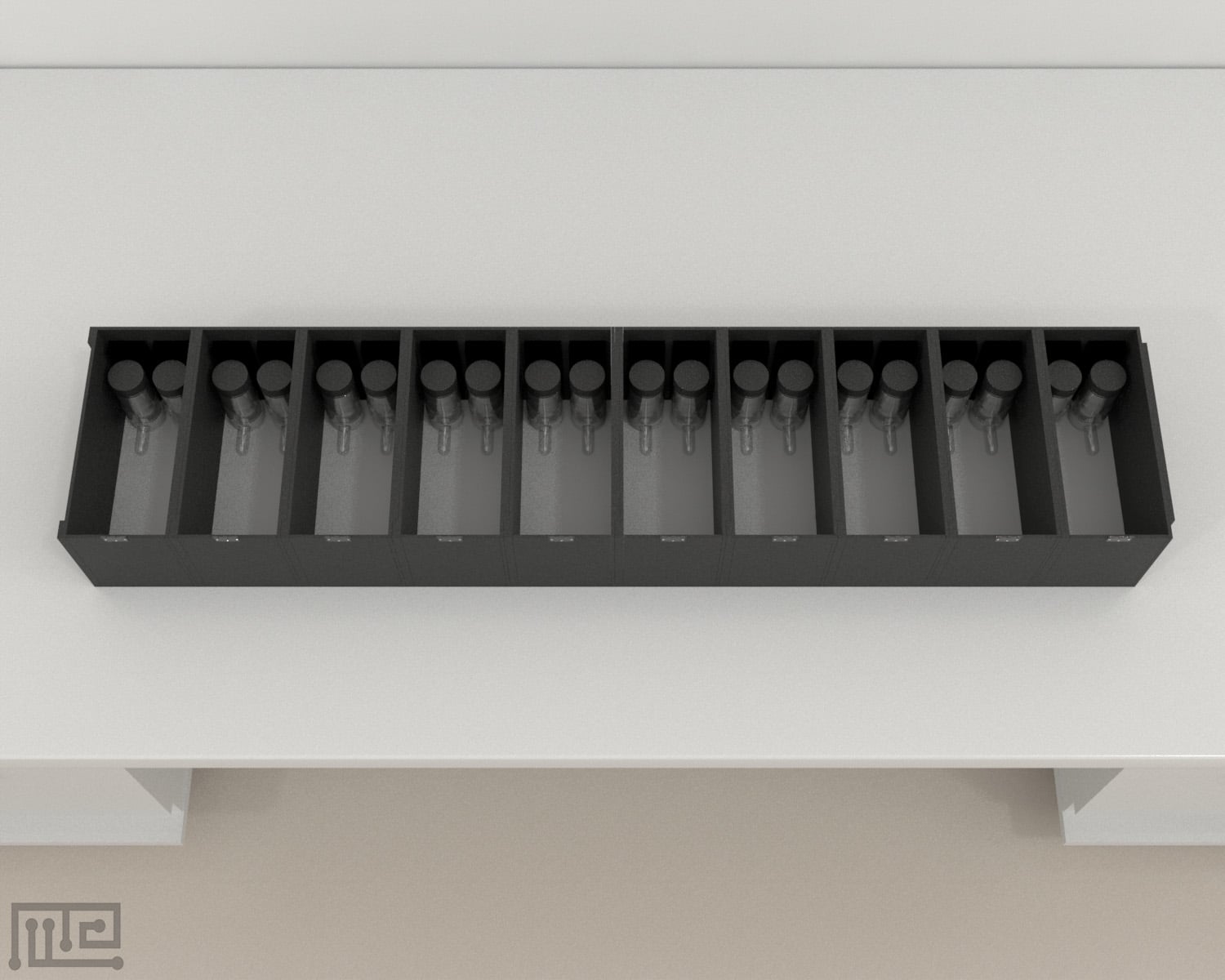
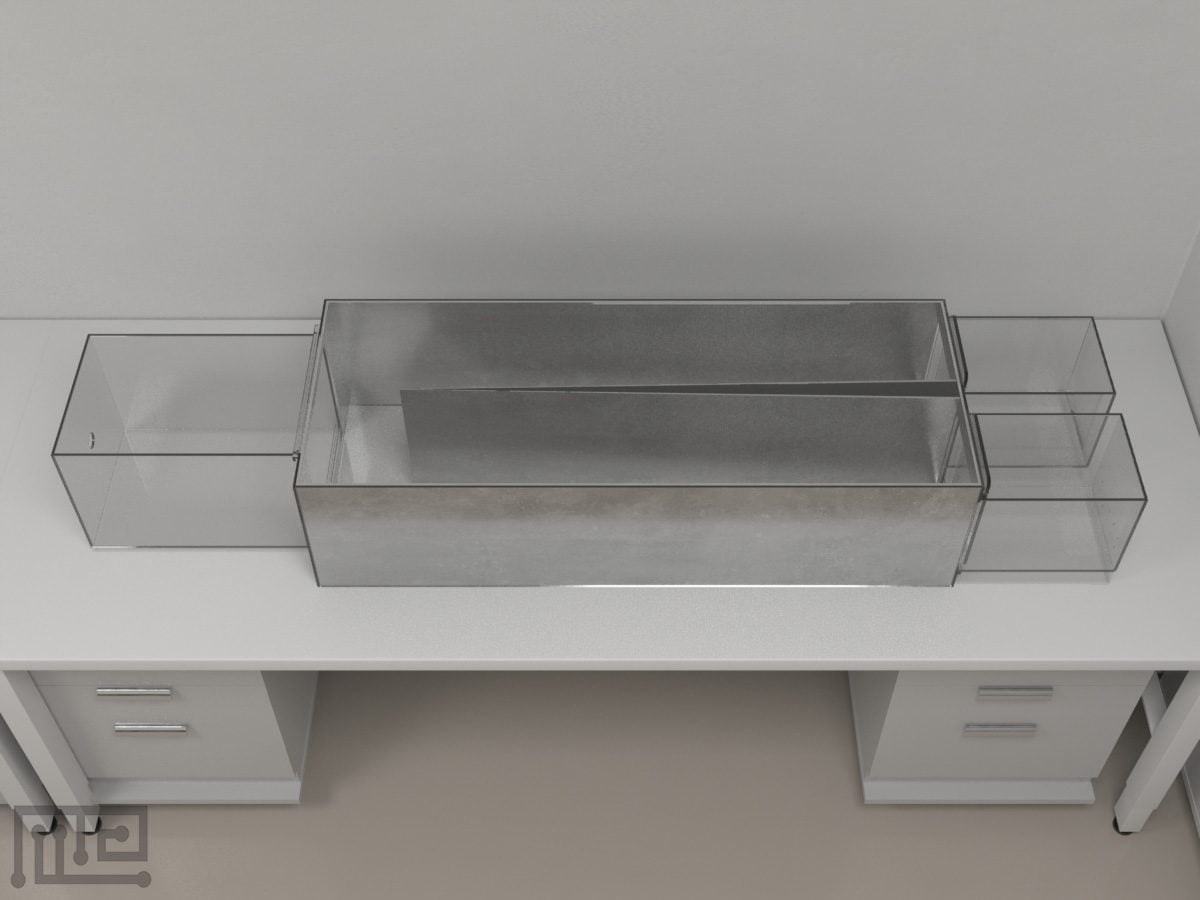
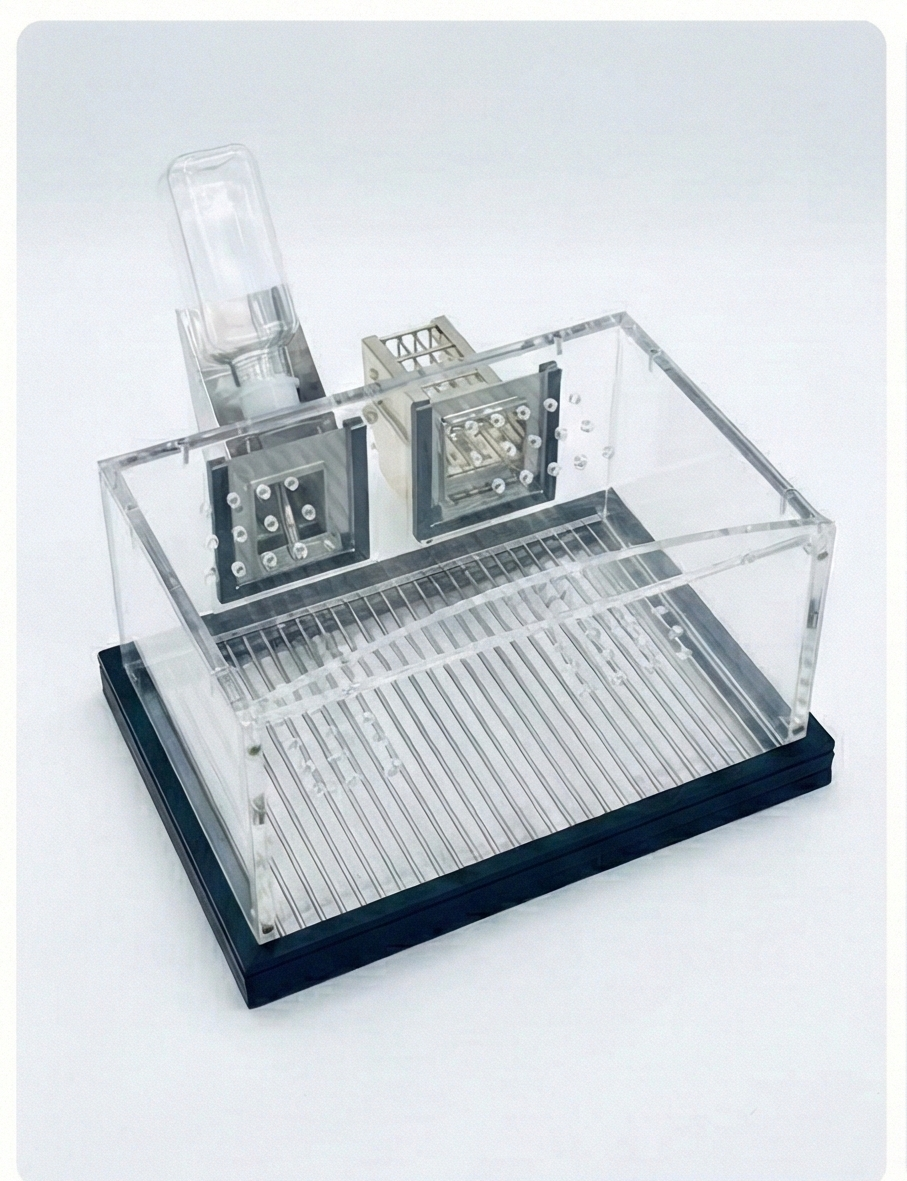
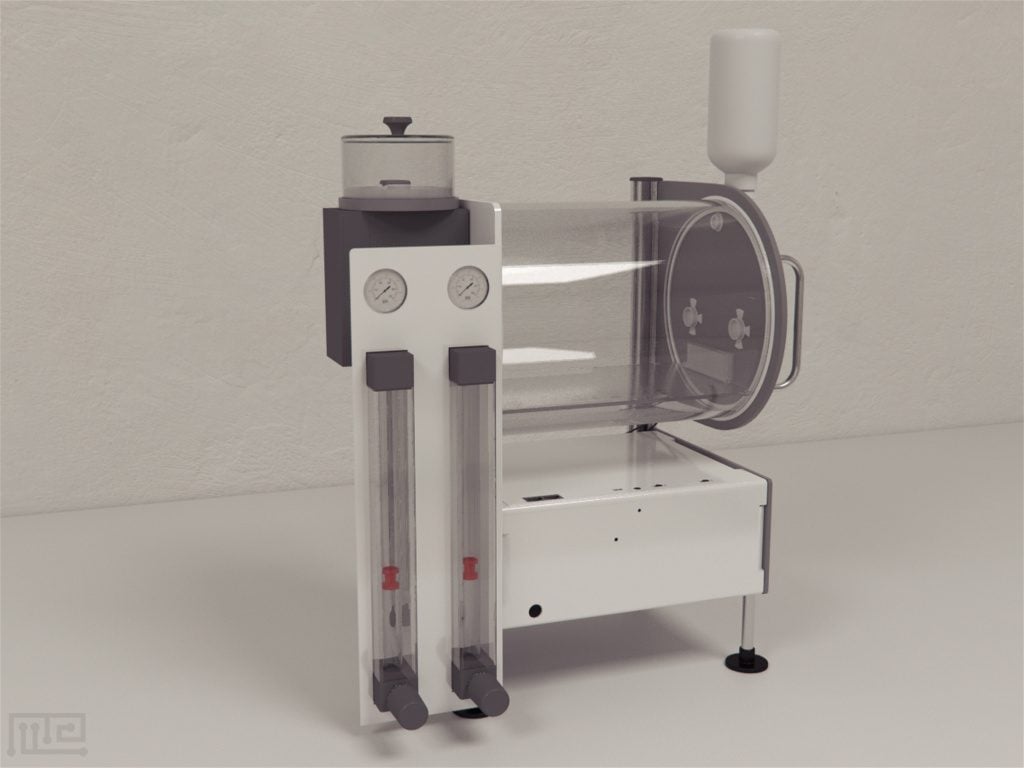
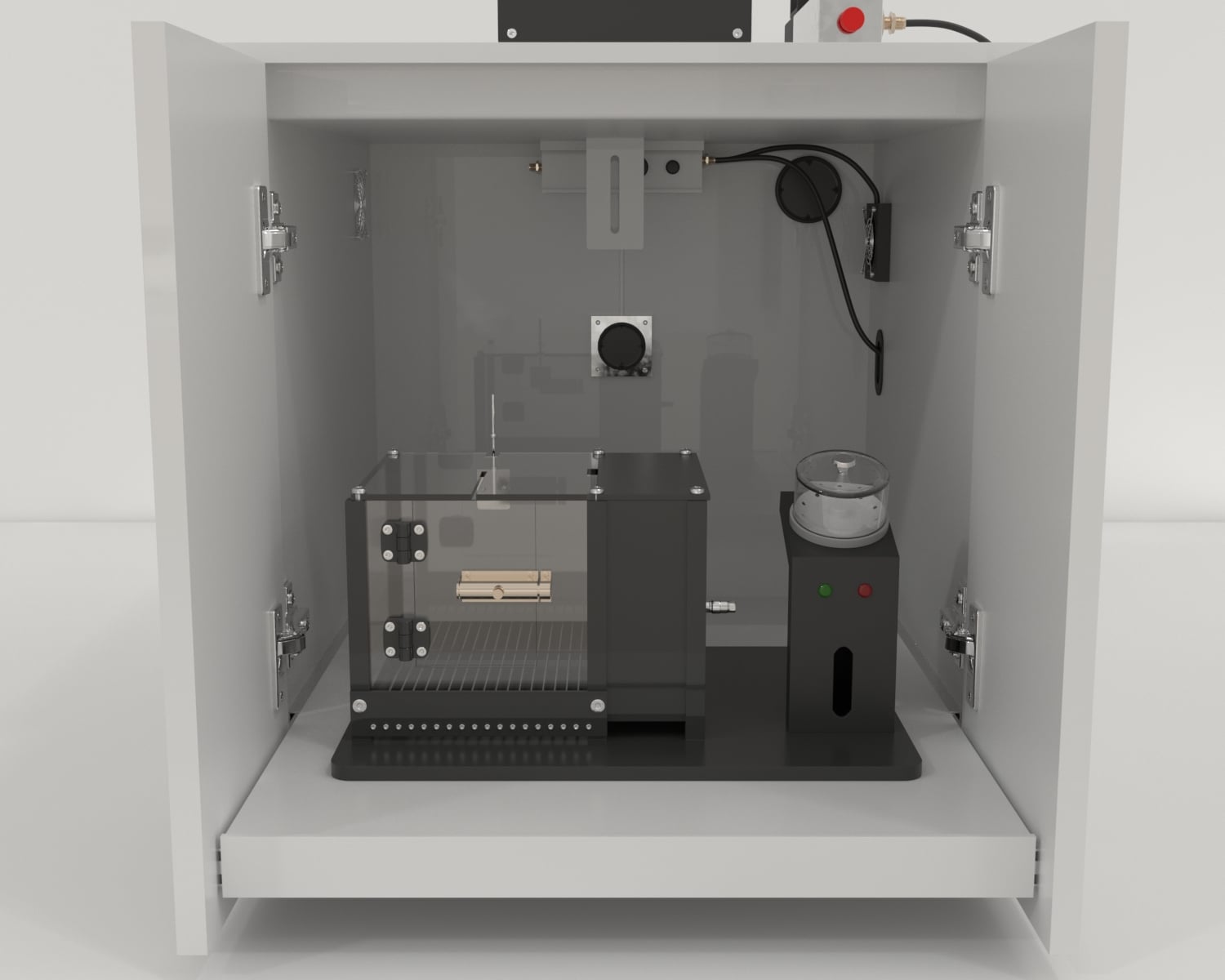
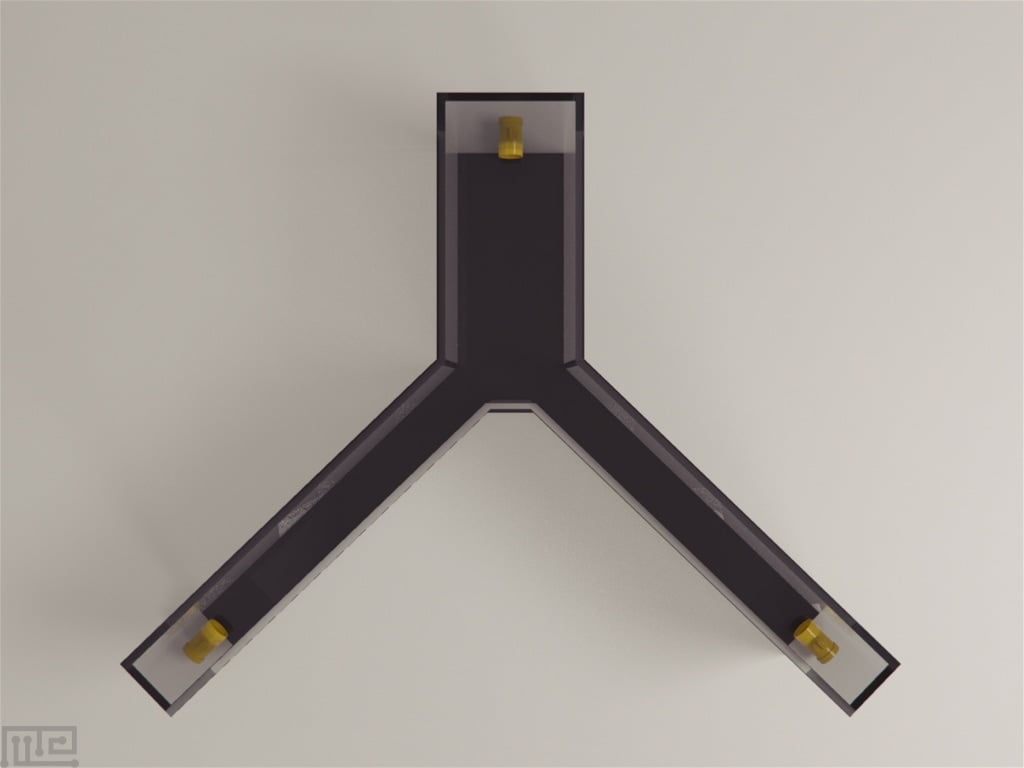
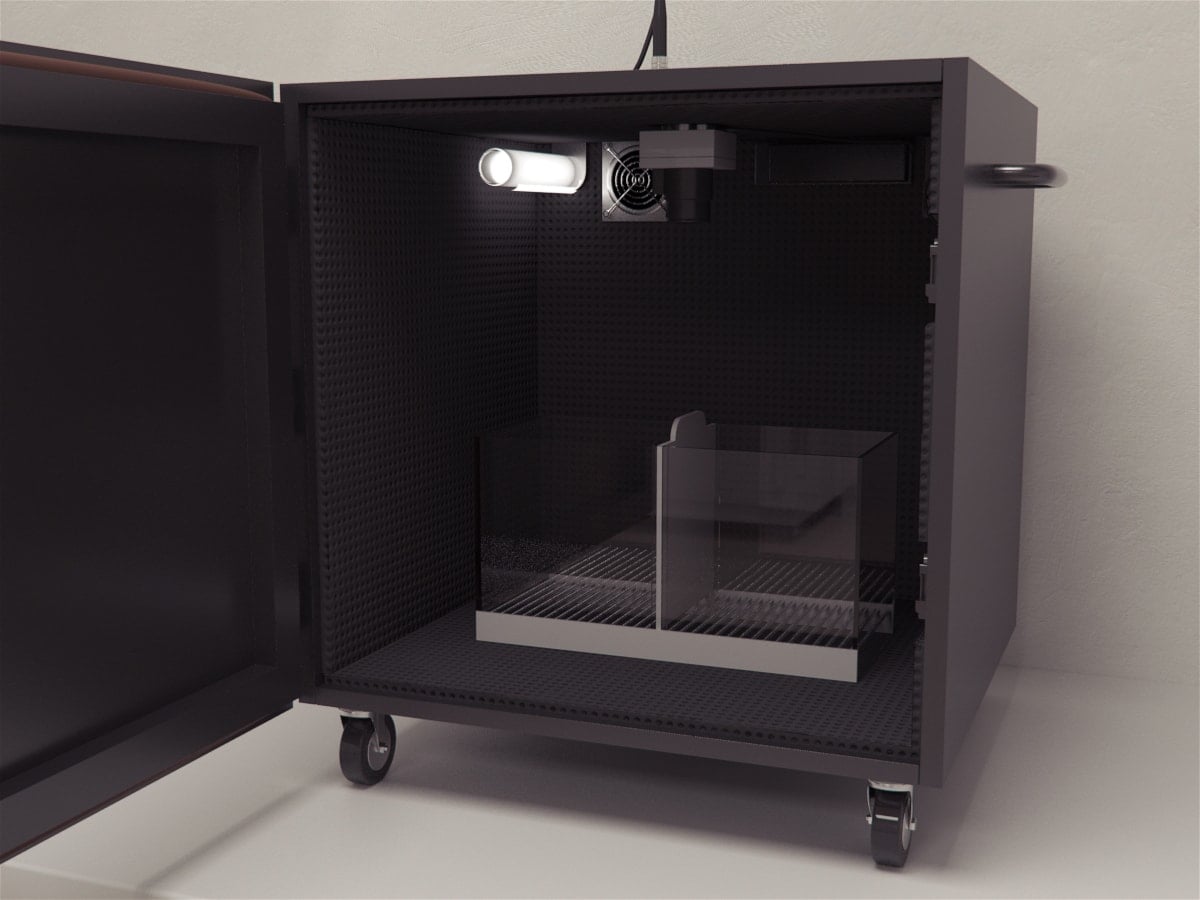
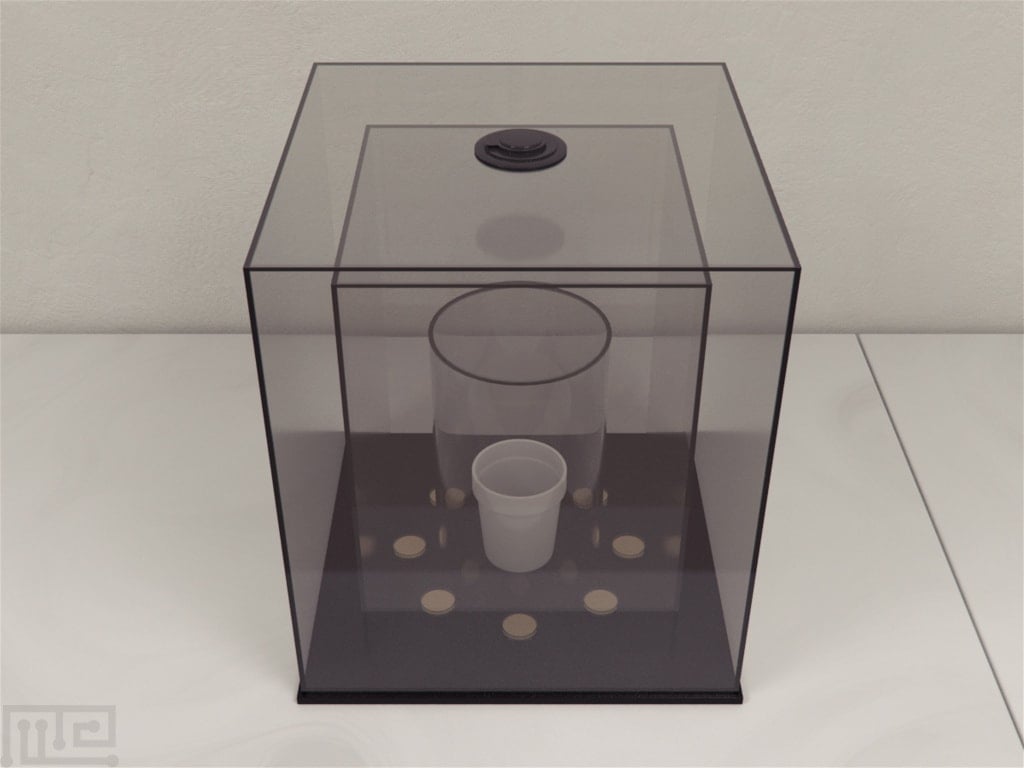
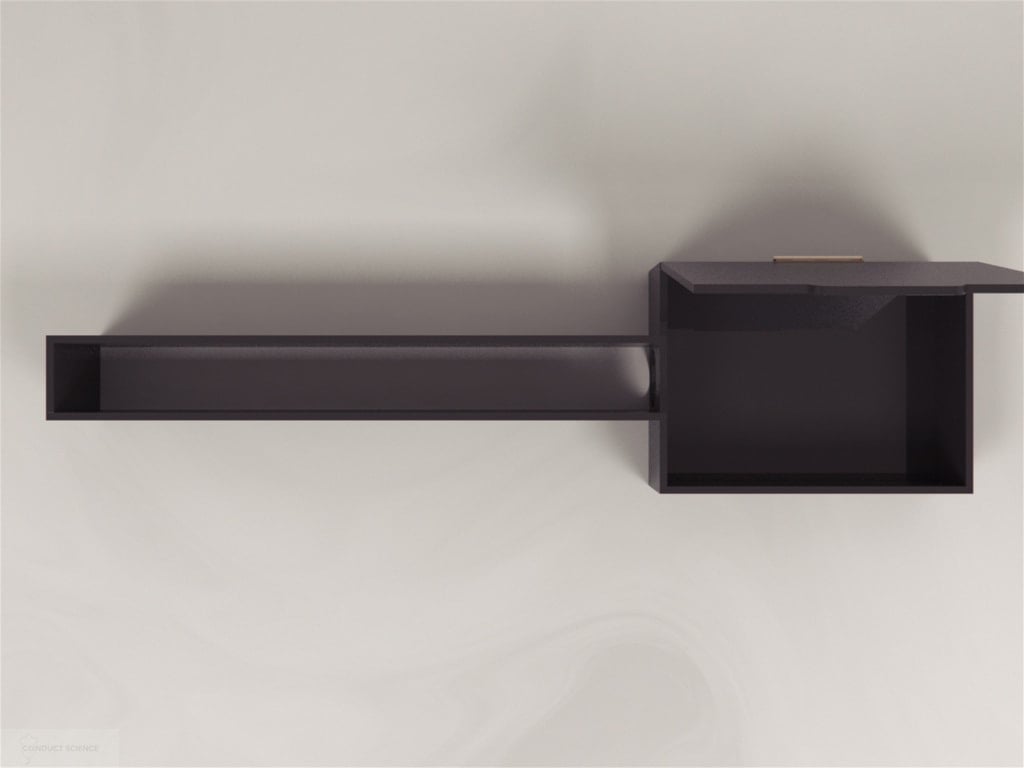
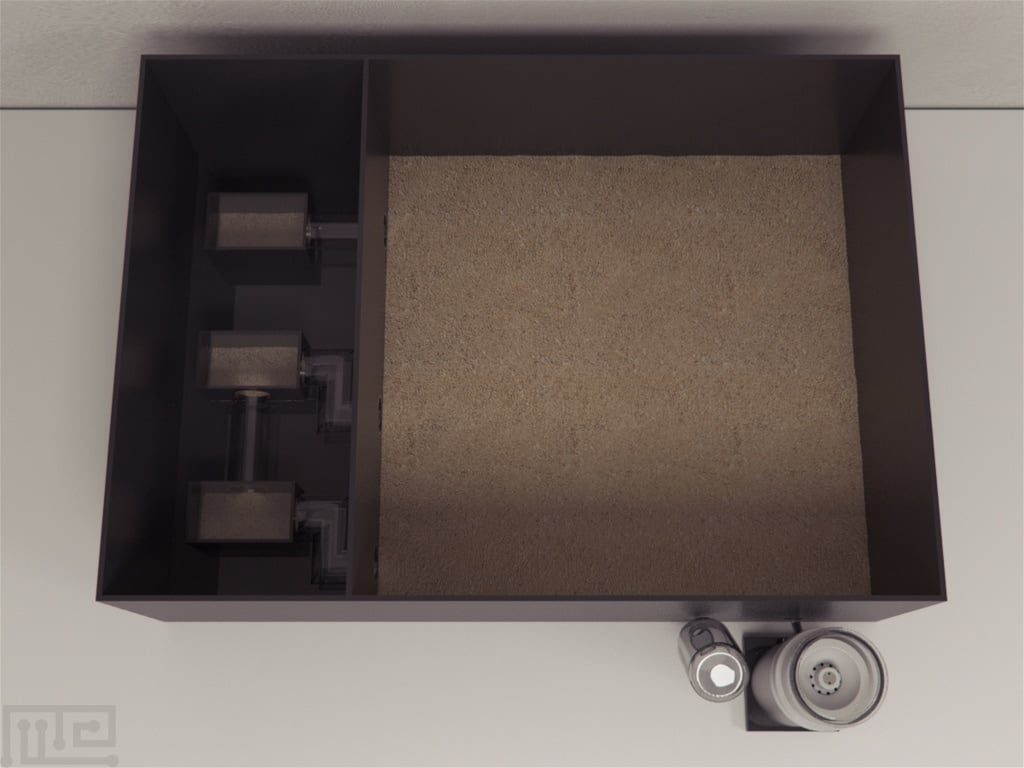
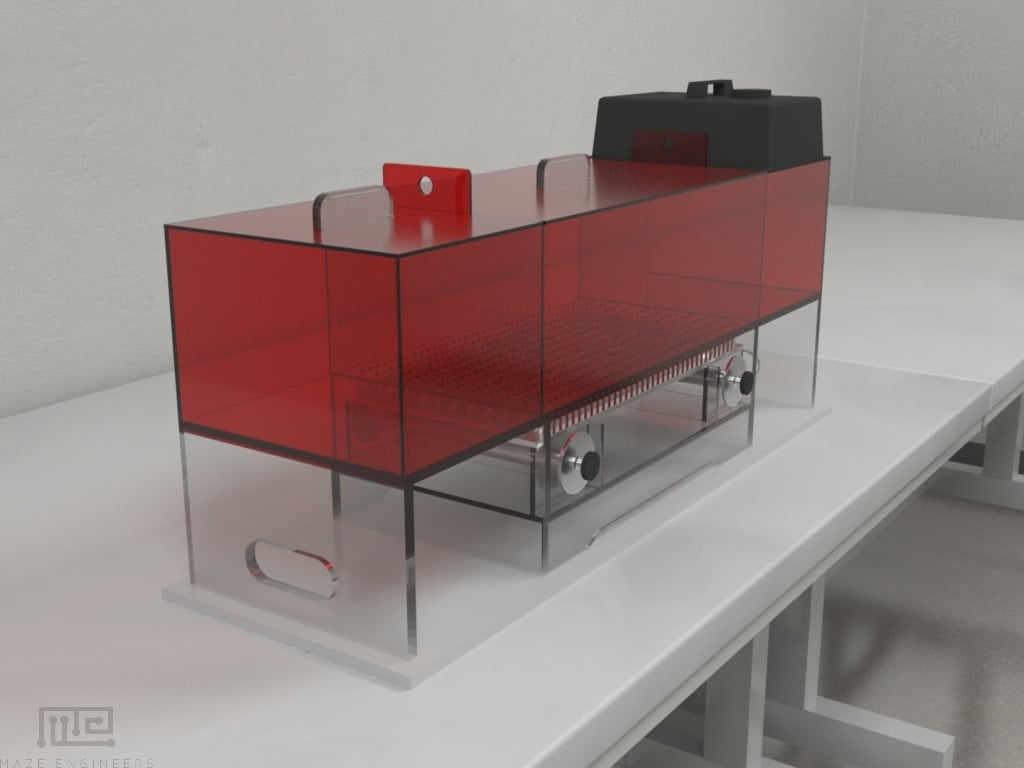
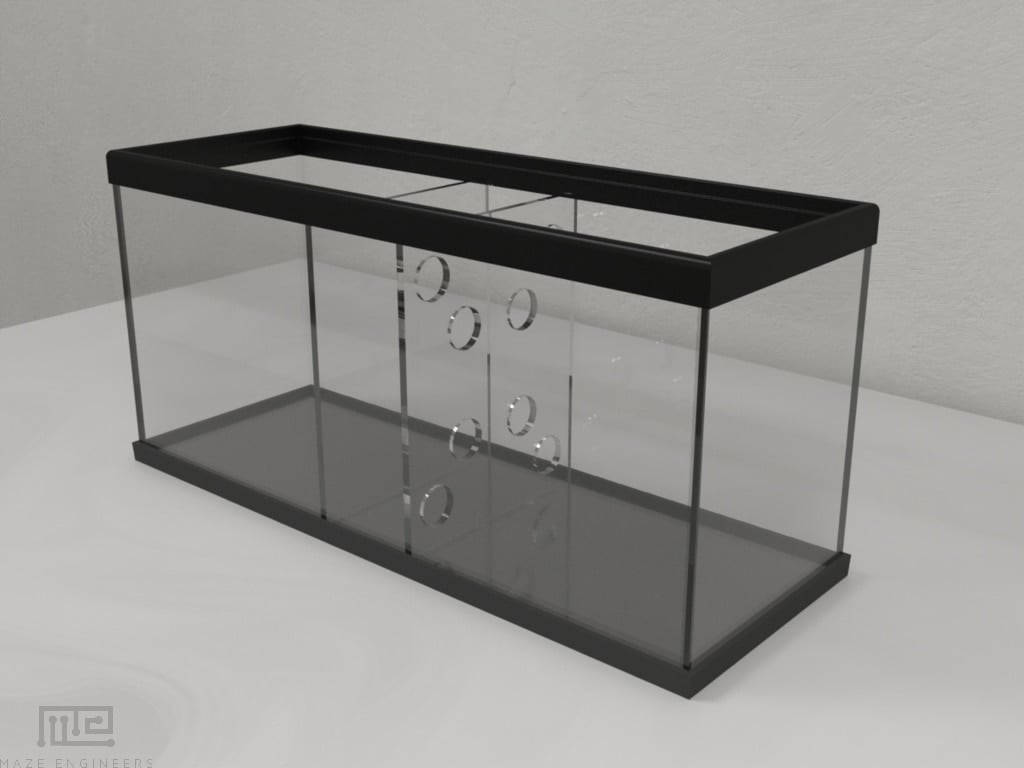
The primary objective of the chamber is to expose rodent subjects to vaporized liquid in a controlled, continuous, and developmentally-timed manner.
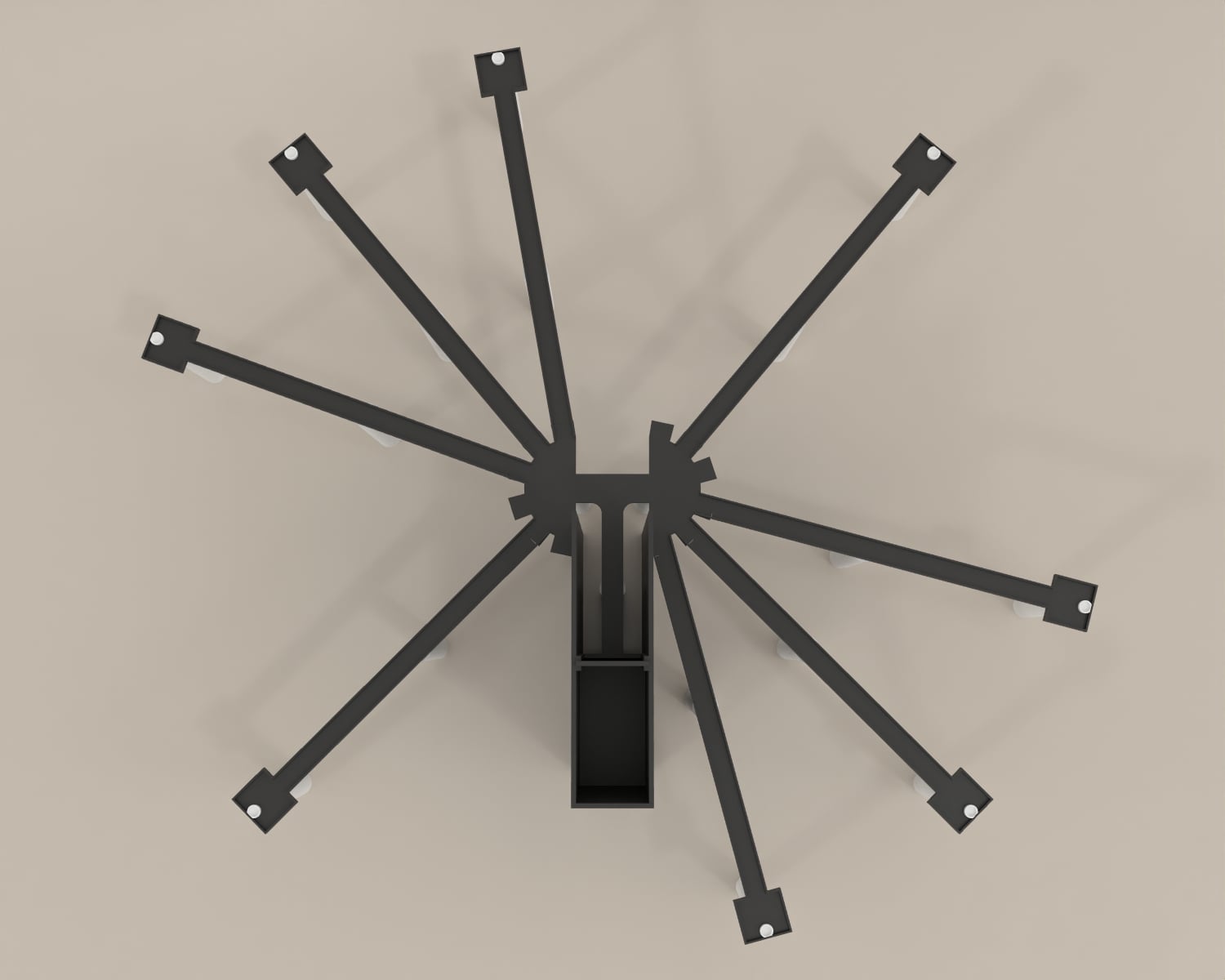
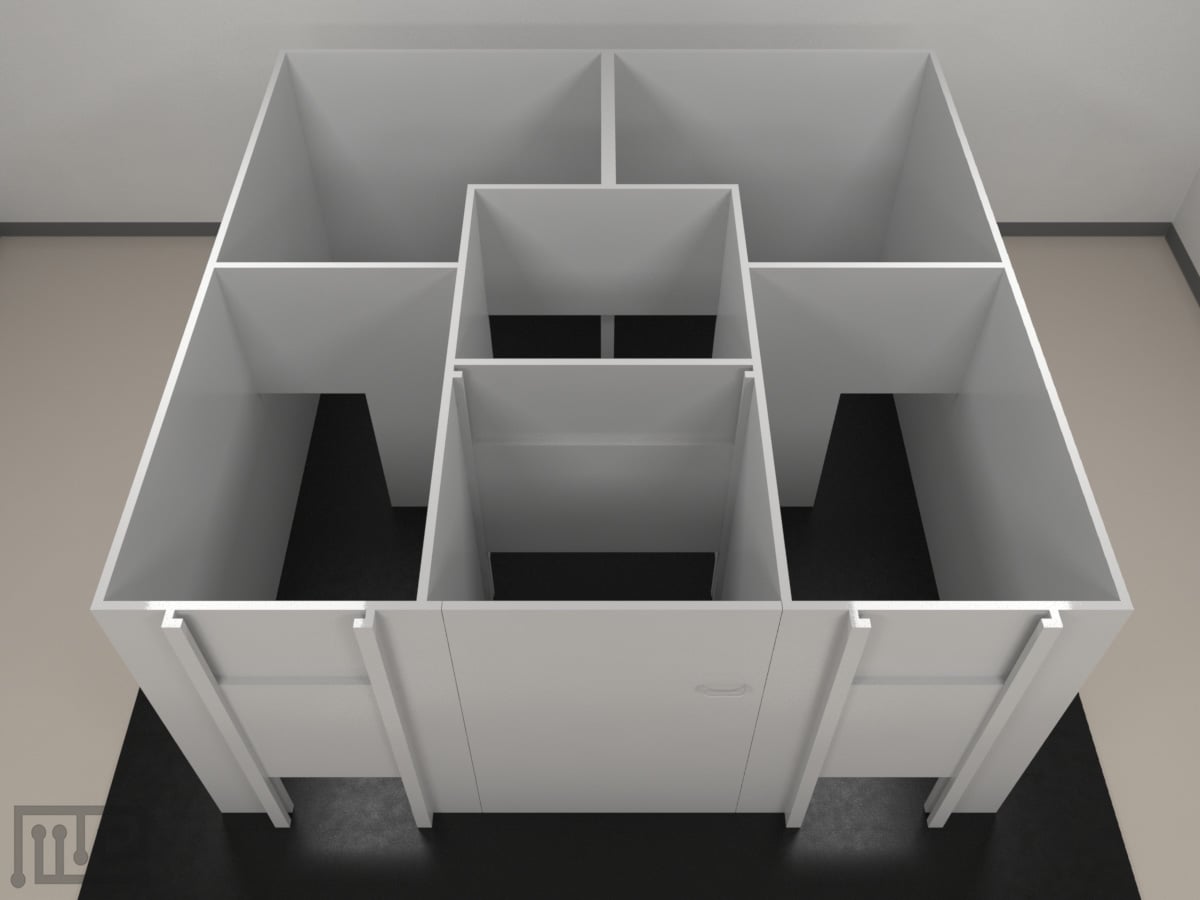
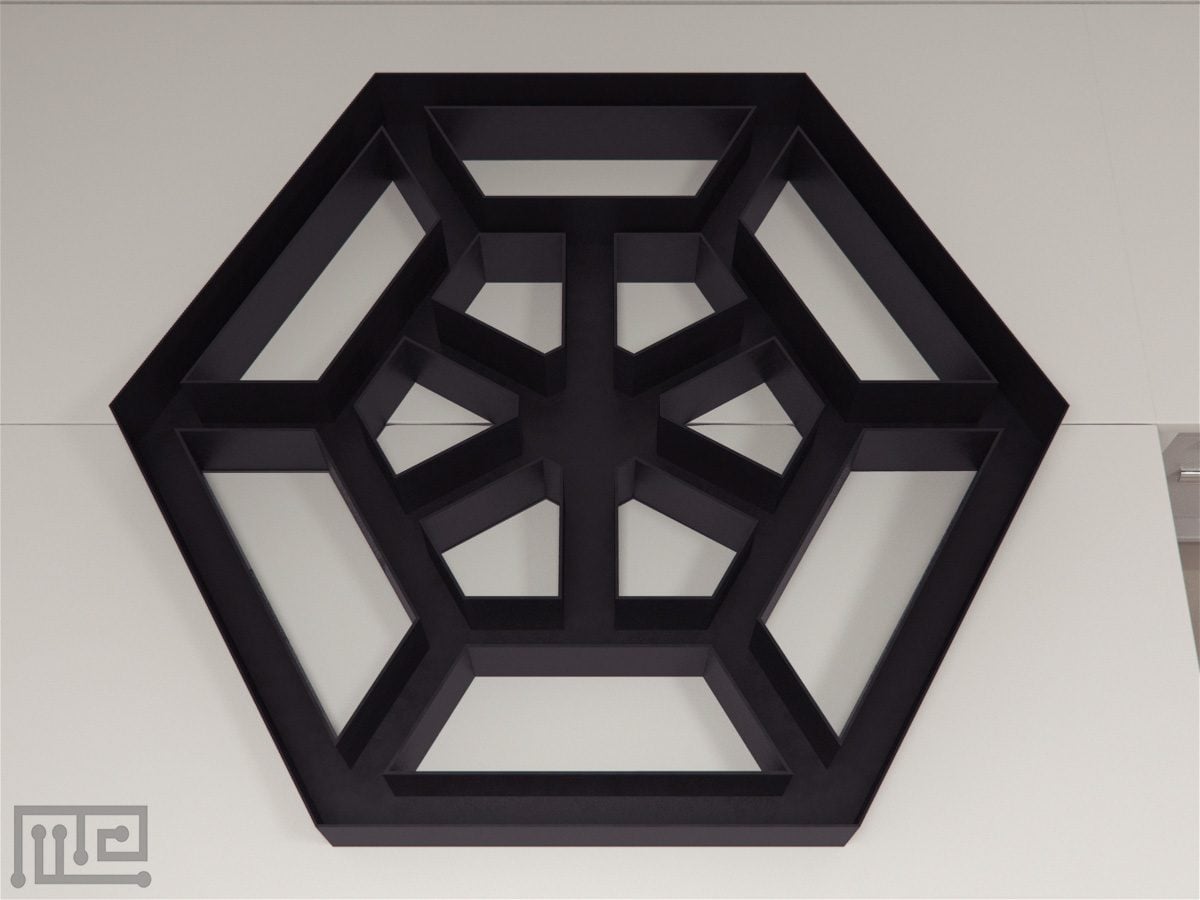
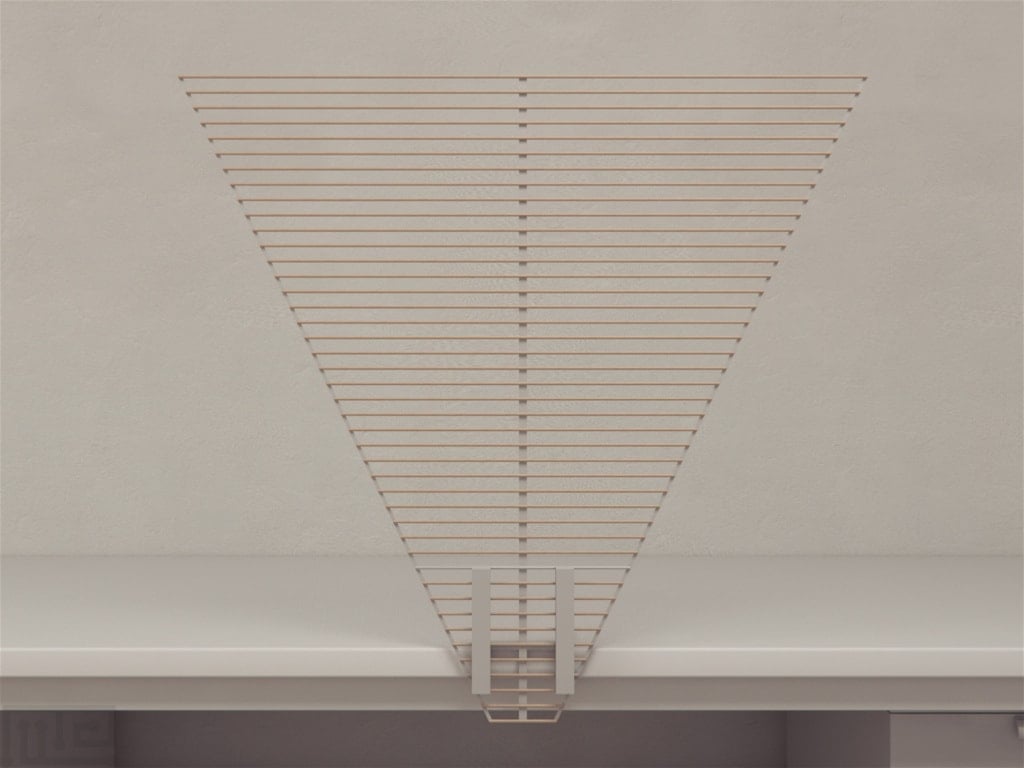
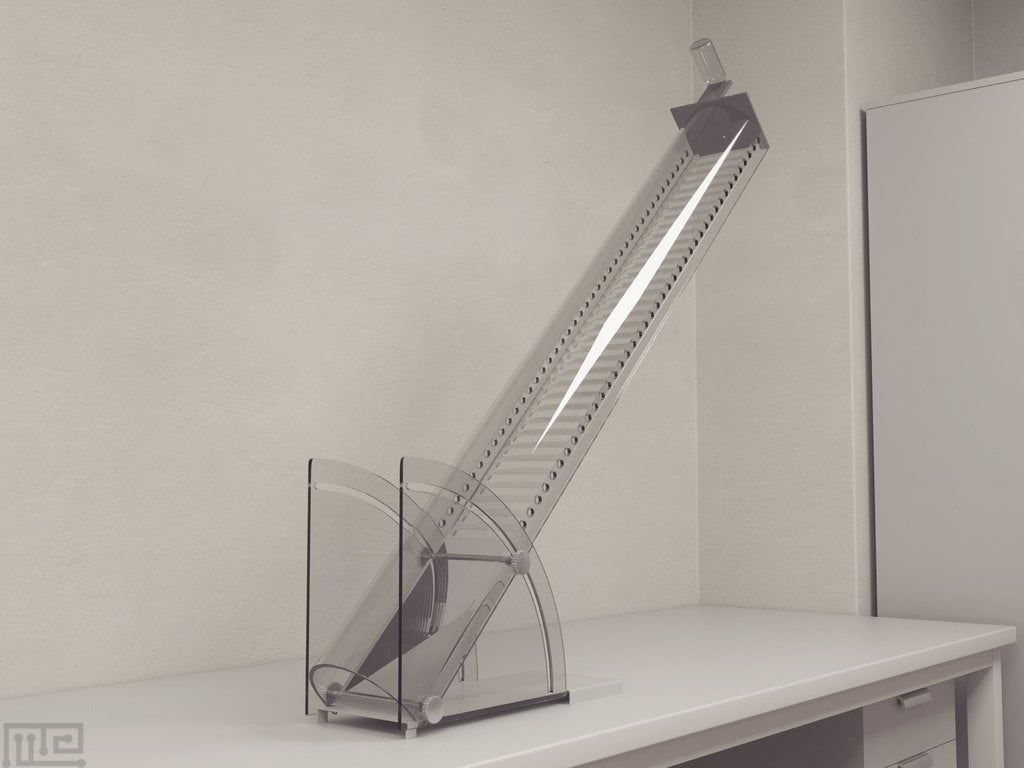
3D Vertical Maze
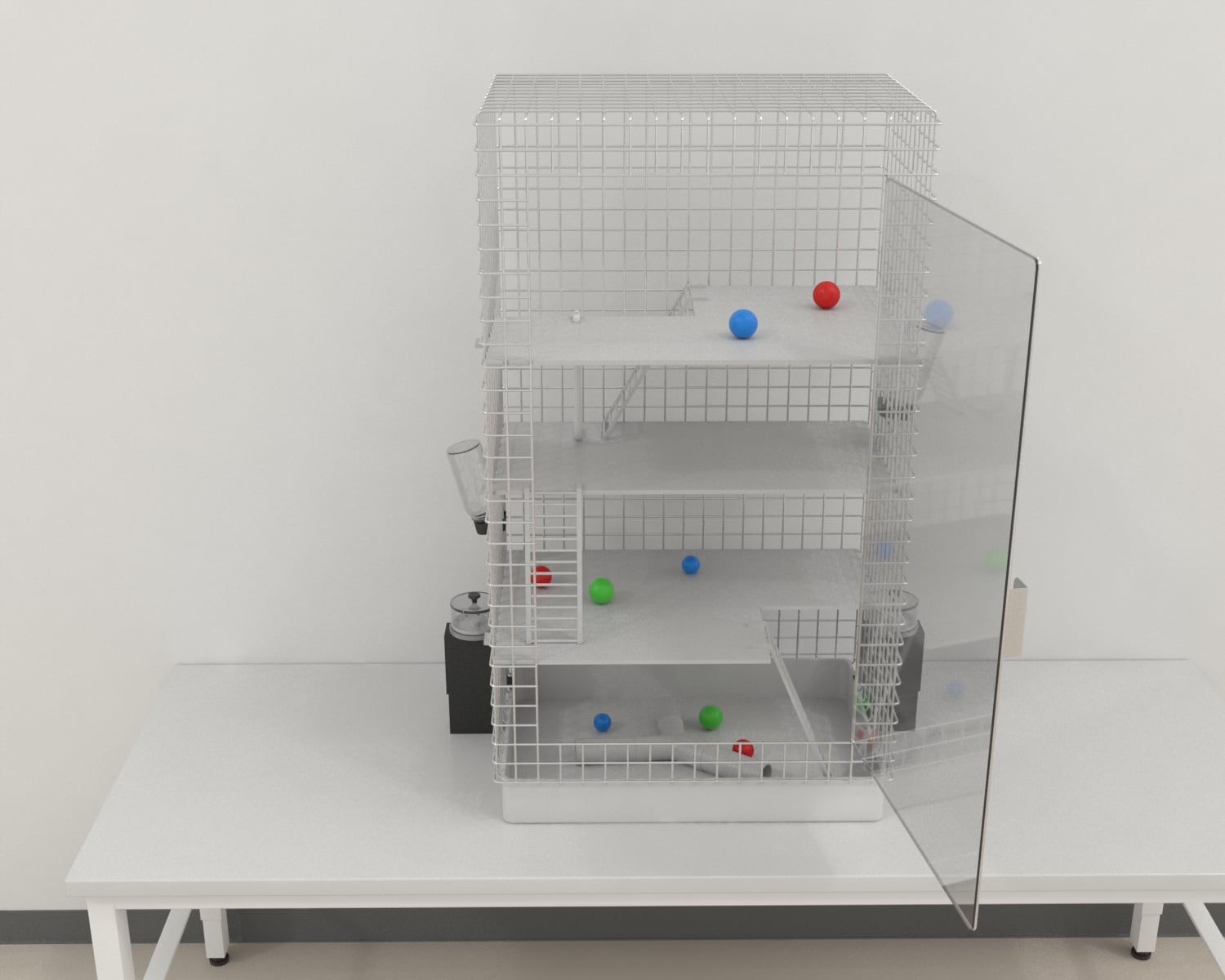
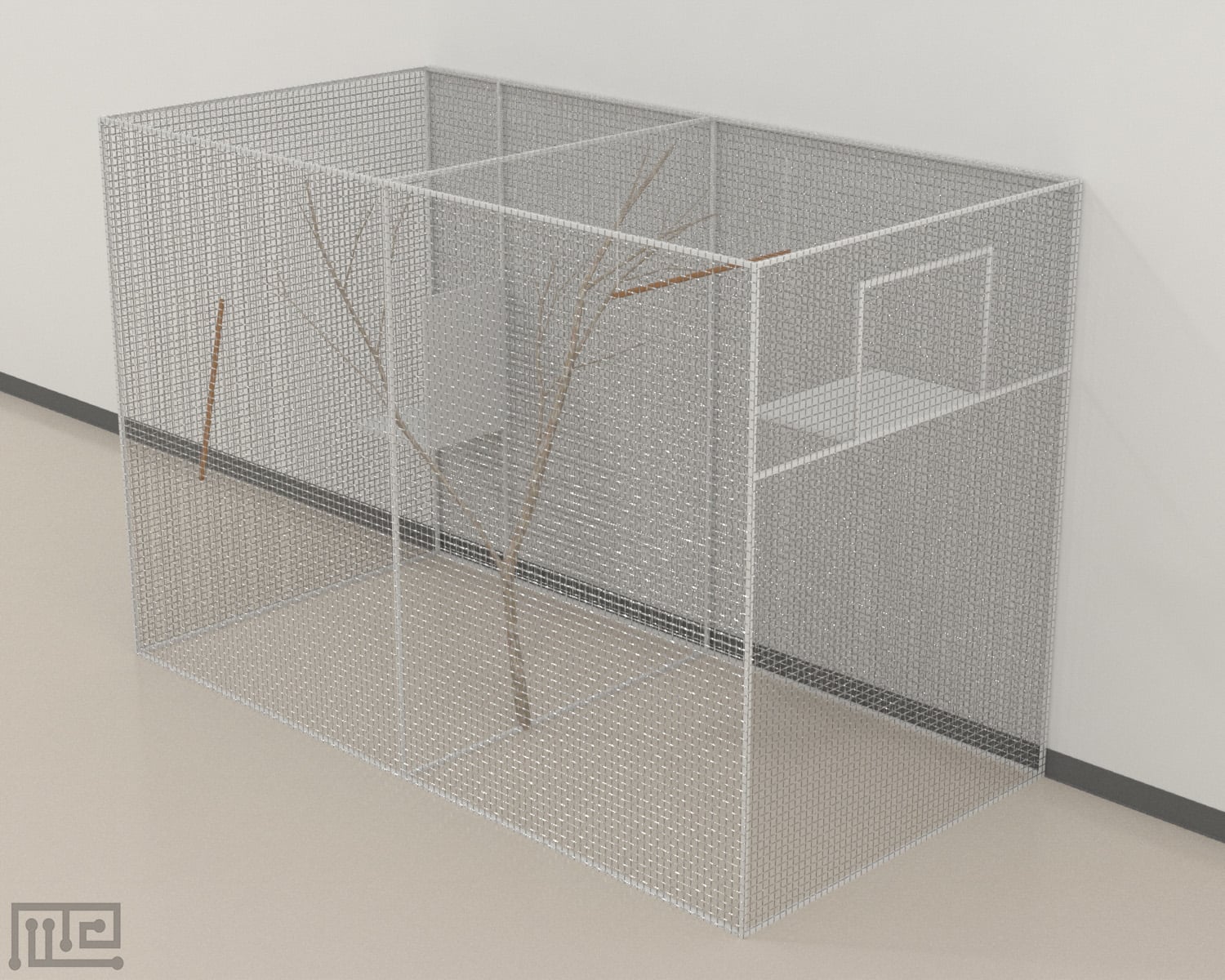
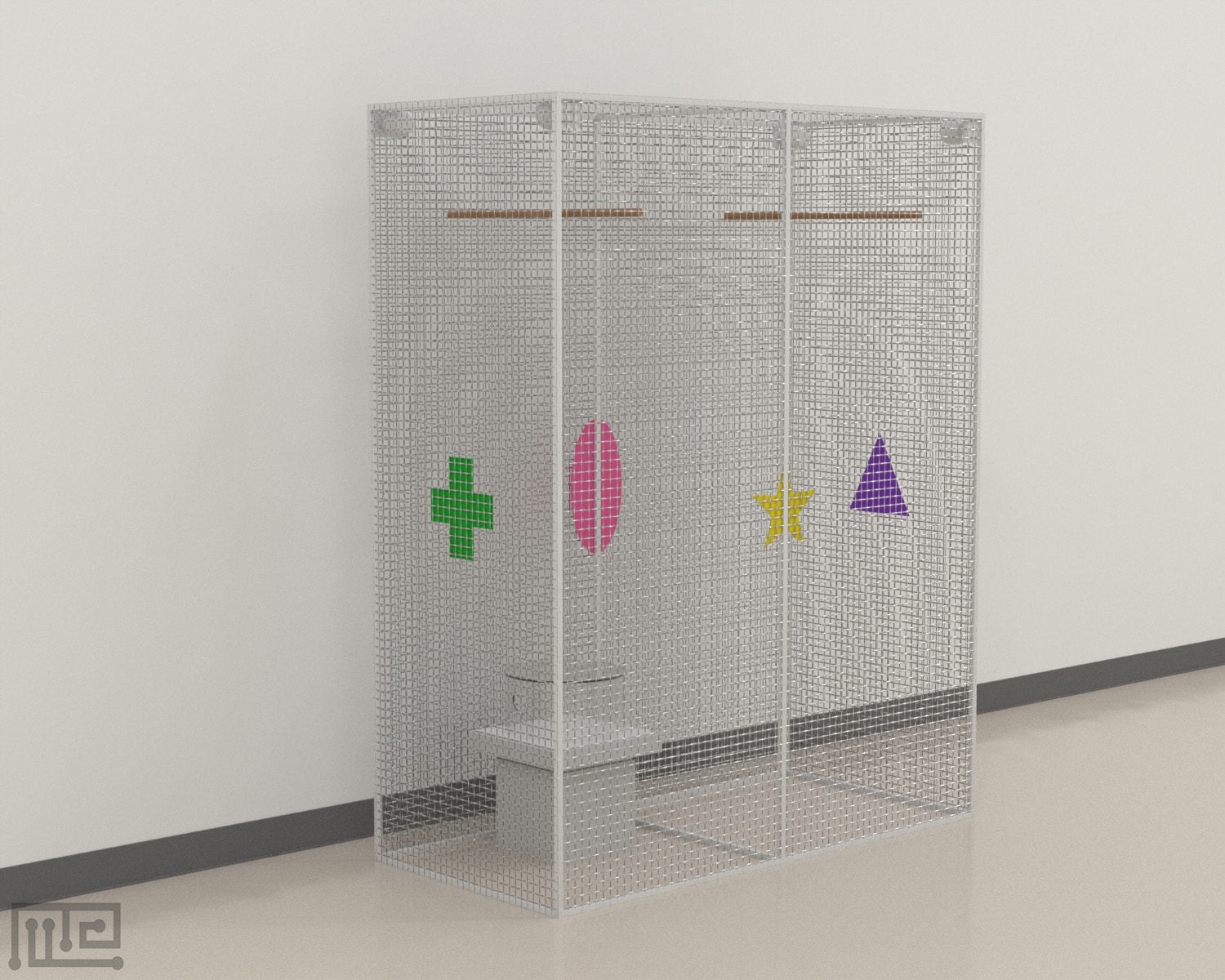
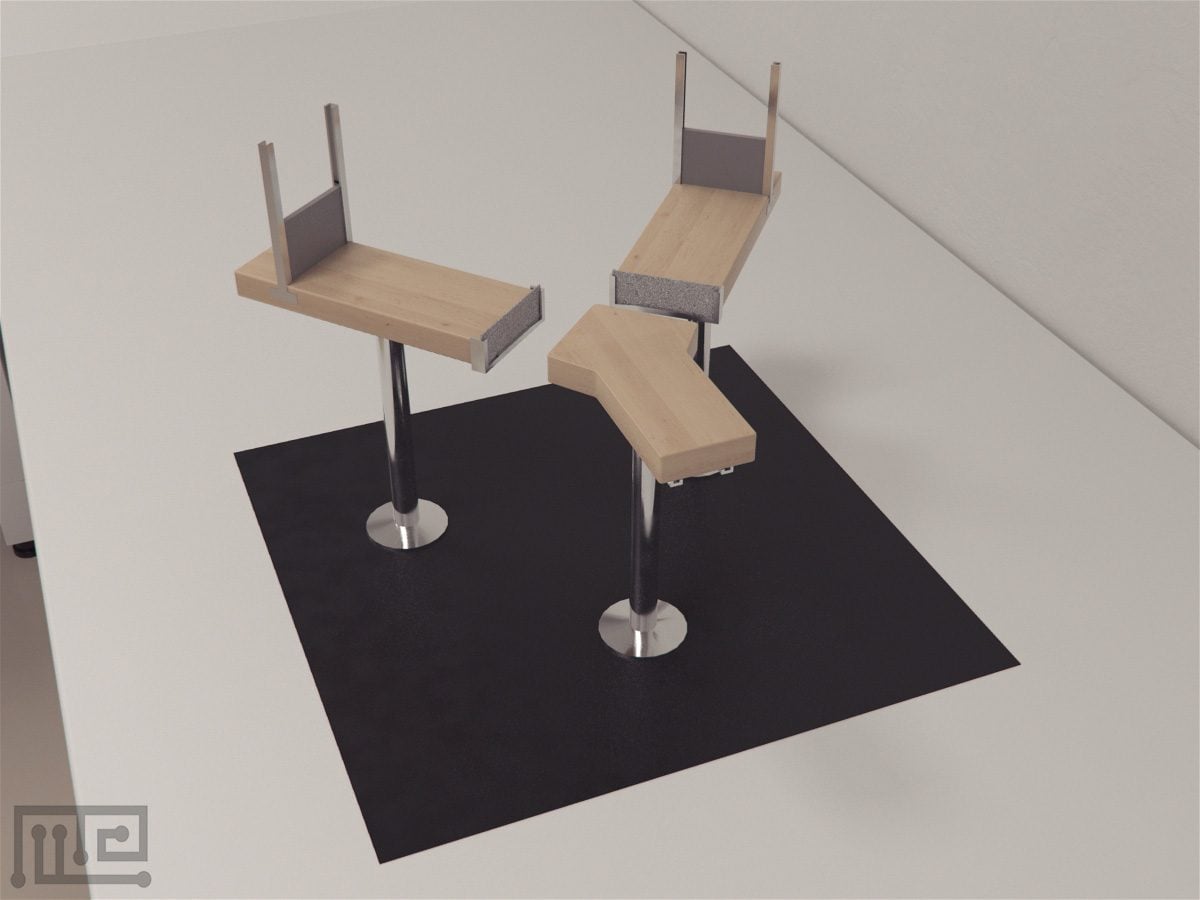
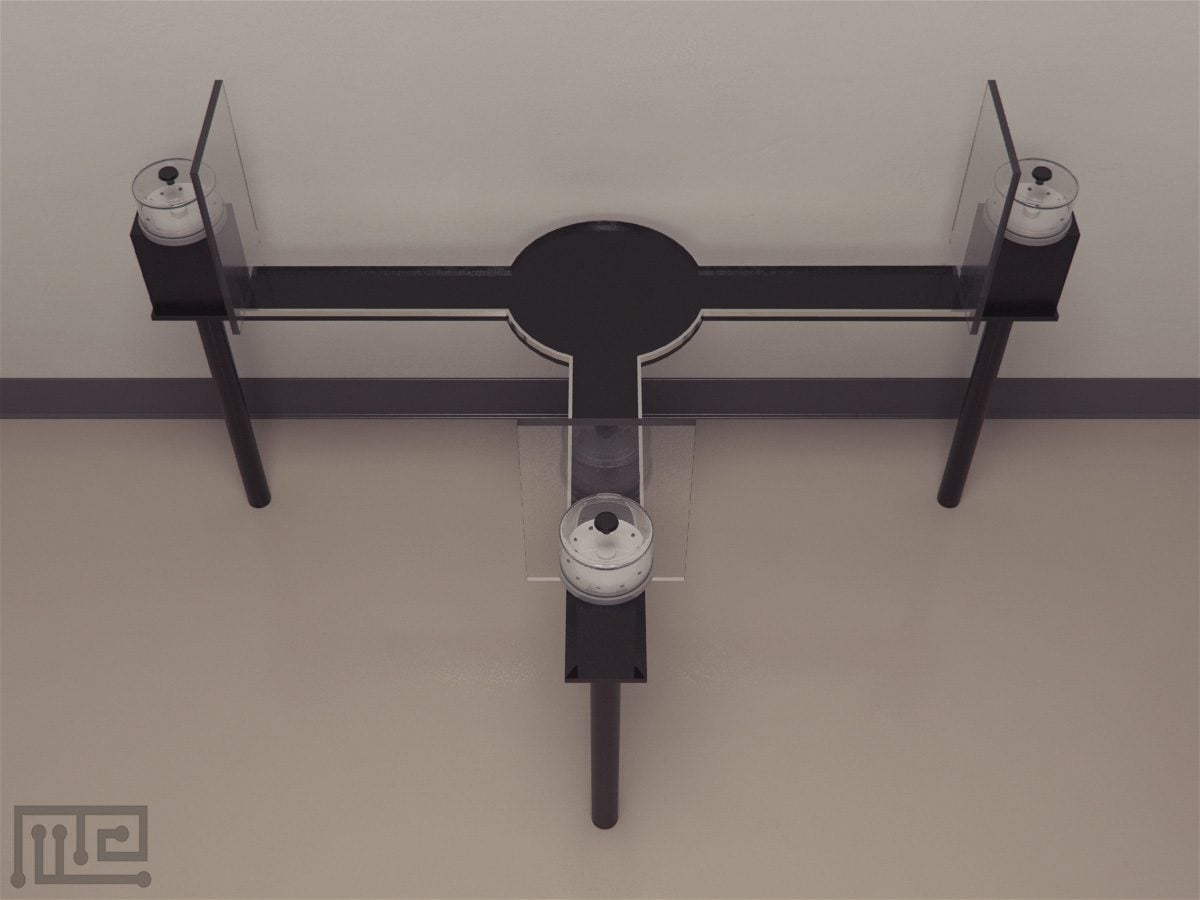
Vertical Maze Overview
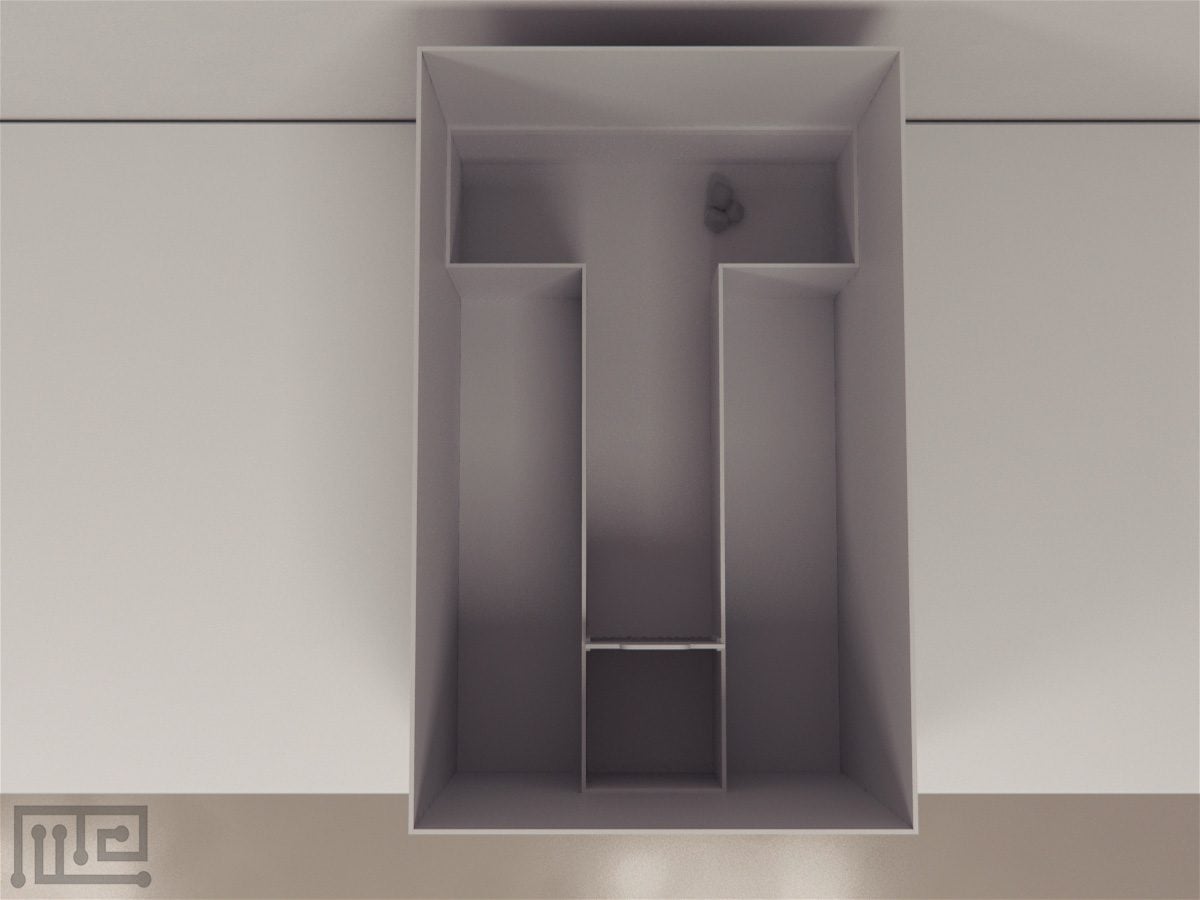
Stone T Maze
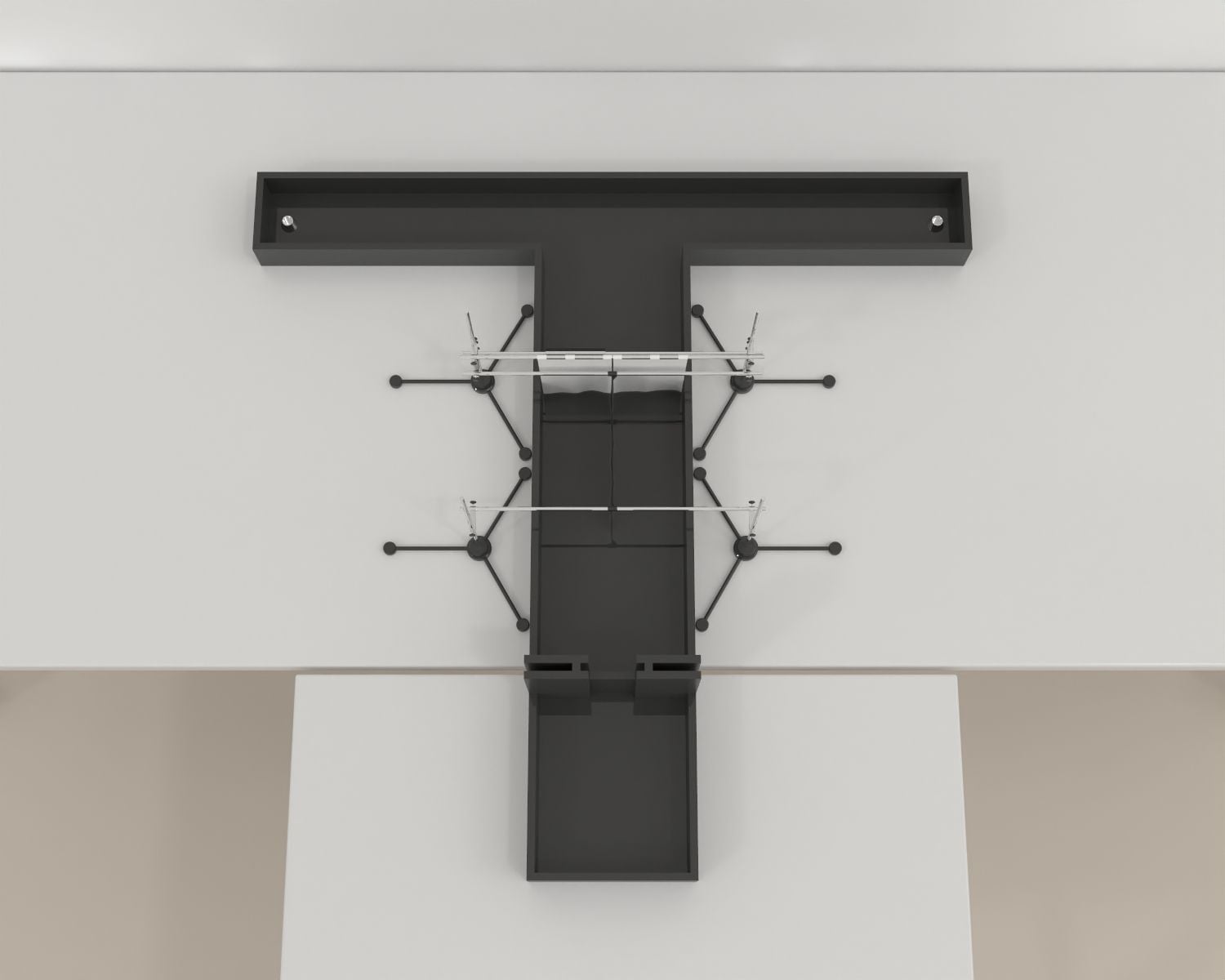
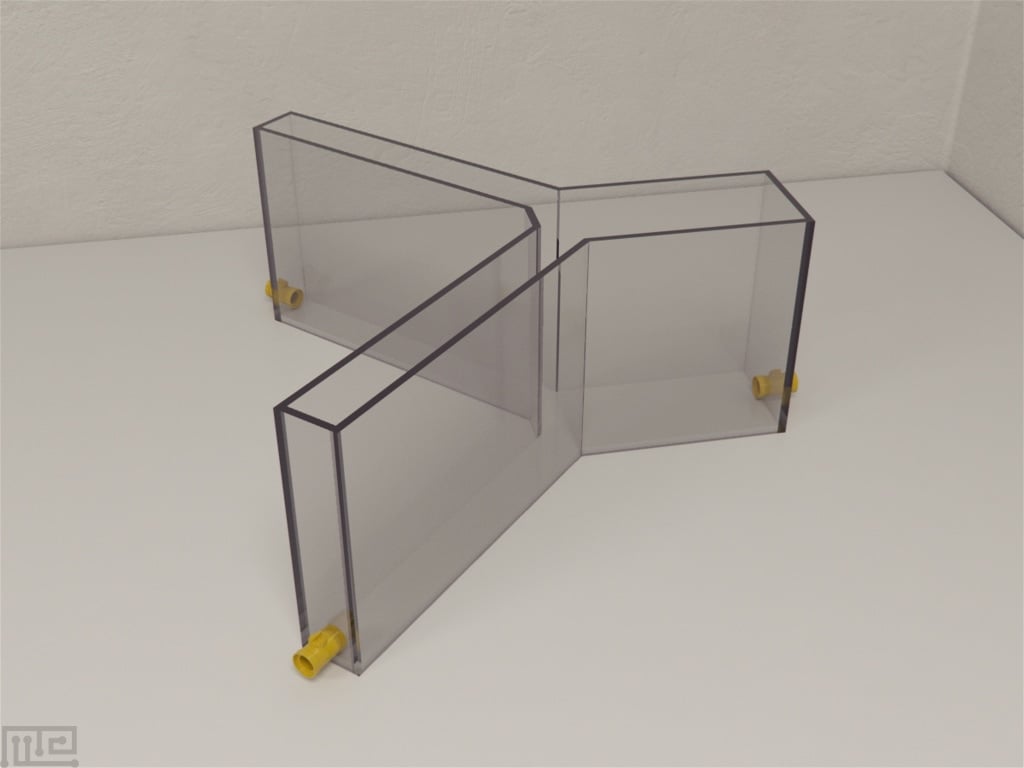
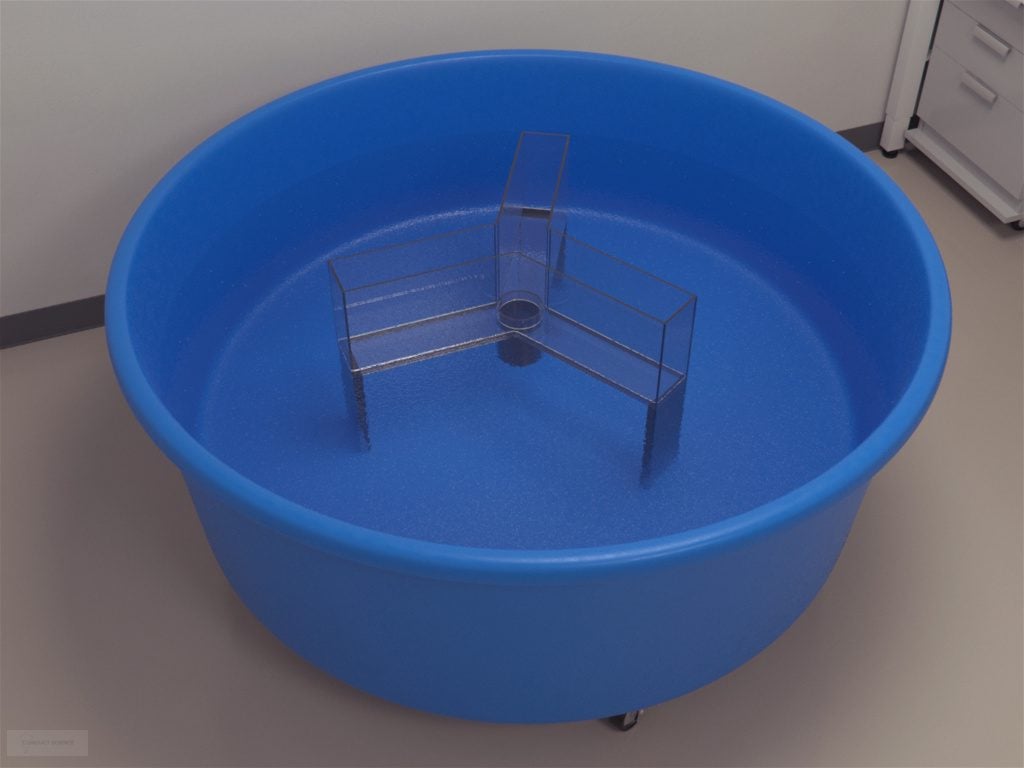
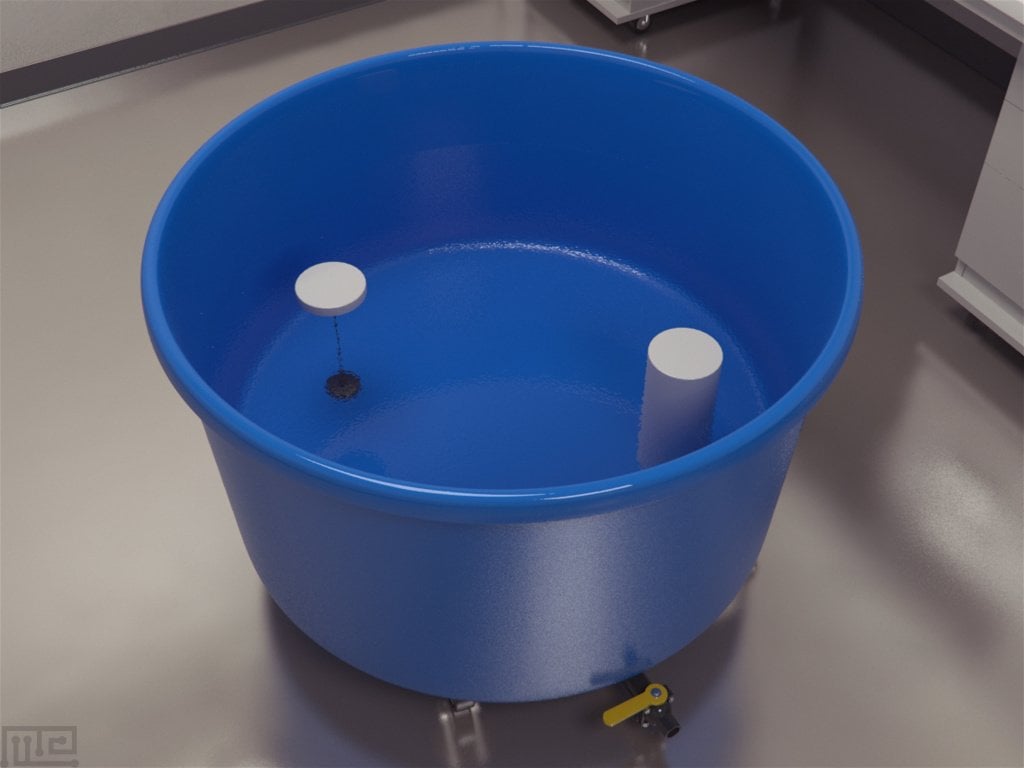
Development of a water-escape motivated version of the Stone T-maze for mice addresses the challenges in assessing learning and memory in mice using tasks originally designed for rats.
Bussey-Saksida Touch Screen Operant Conditioning Chamber
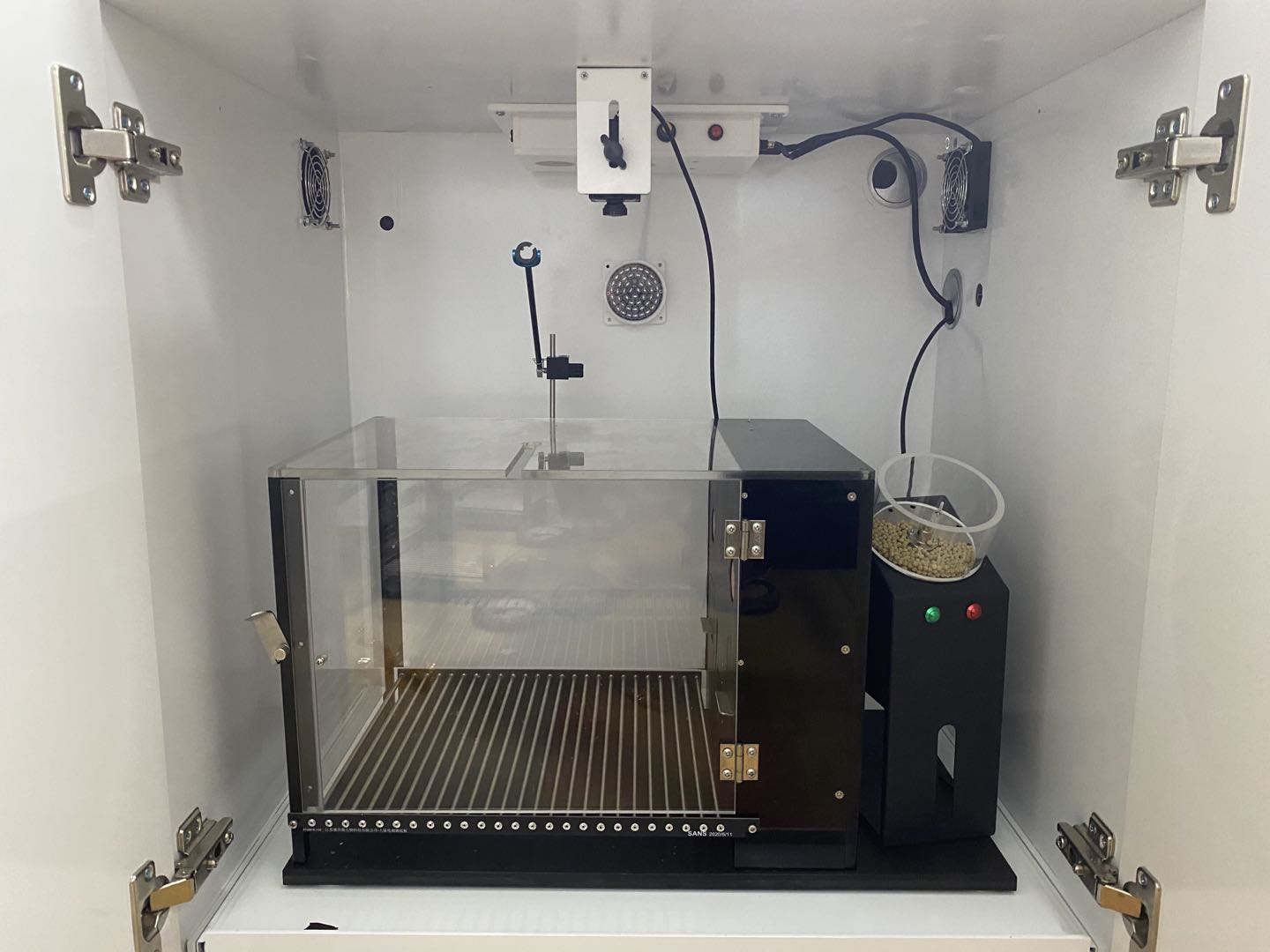
The Bussey-Saksida Touch Screen Operant Conditioning Chamber is a multi-paradigm device used to study operant conditioning in rodents. It features a large,…
Looming Visual Stimuli Box
Koehler et al developed the Visual Stimuli Box to evaluate mouse vision through looming visual stimuli.
Low-Profile Wireless Running Wheel
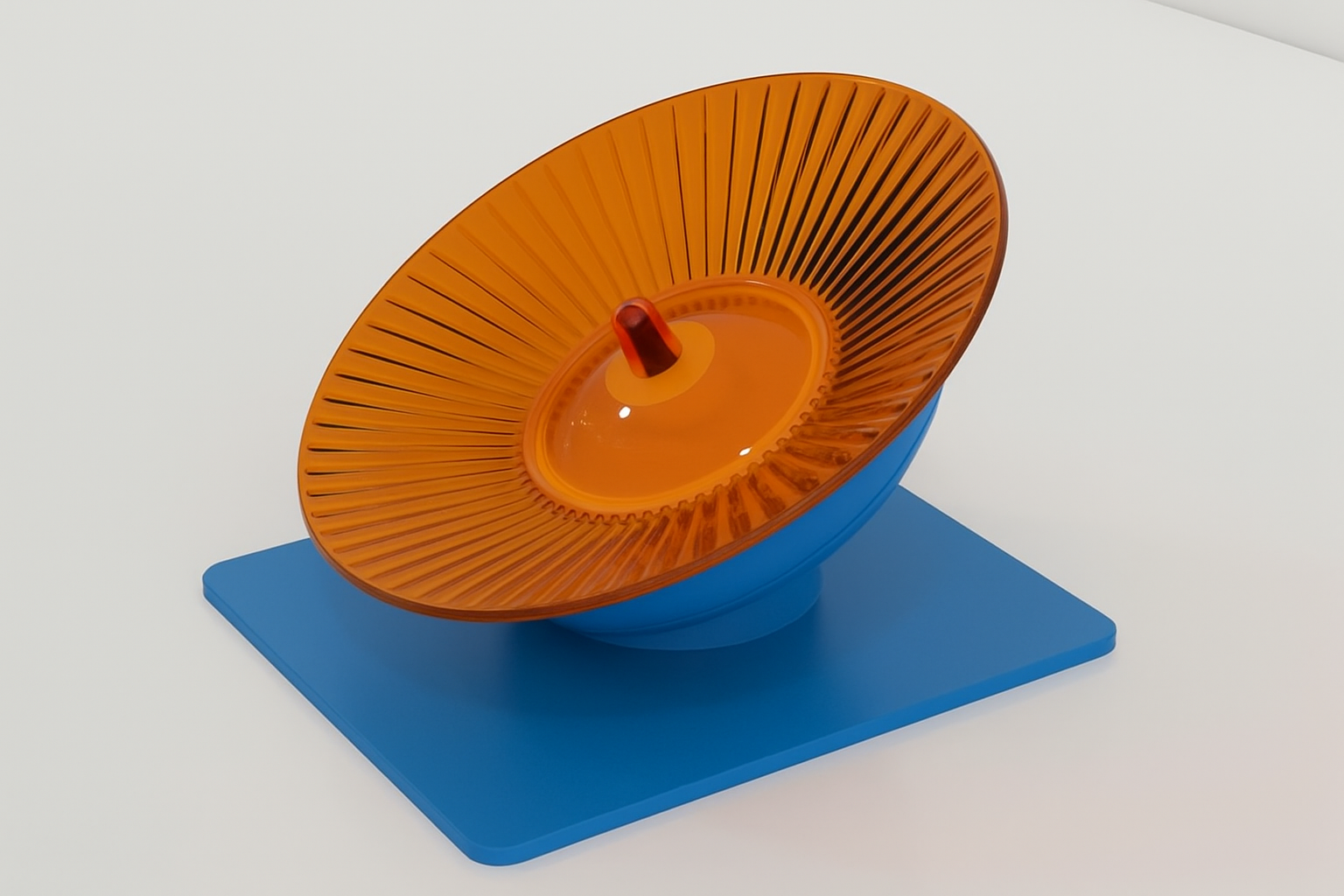
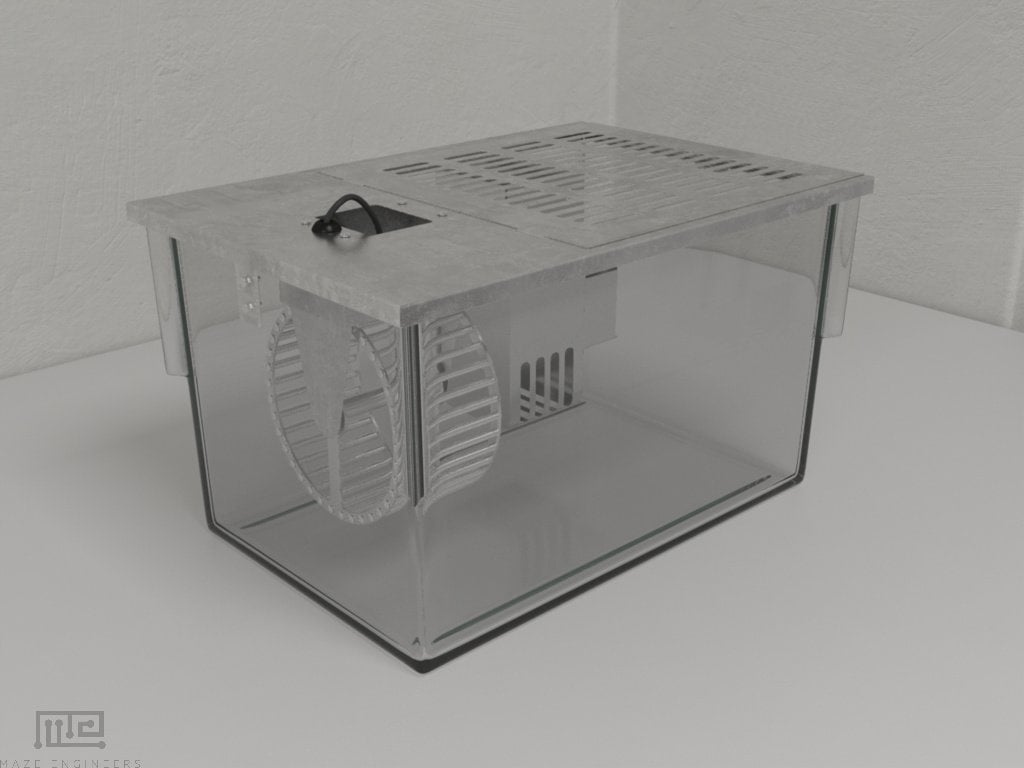
Monitor circadian rhythms, activity, and locomotion while providing environmental enrichment for free-moving or instrumented/tethered subjects.
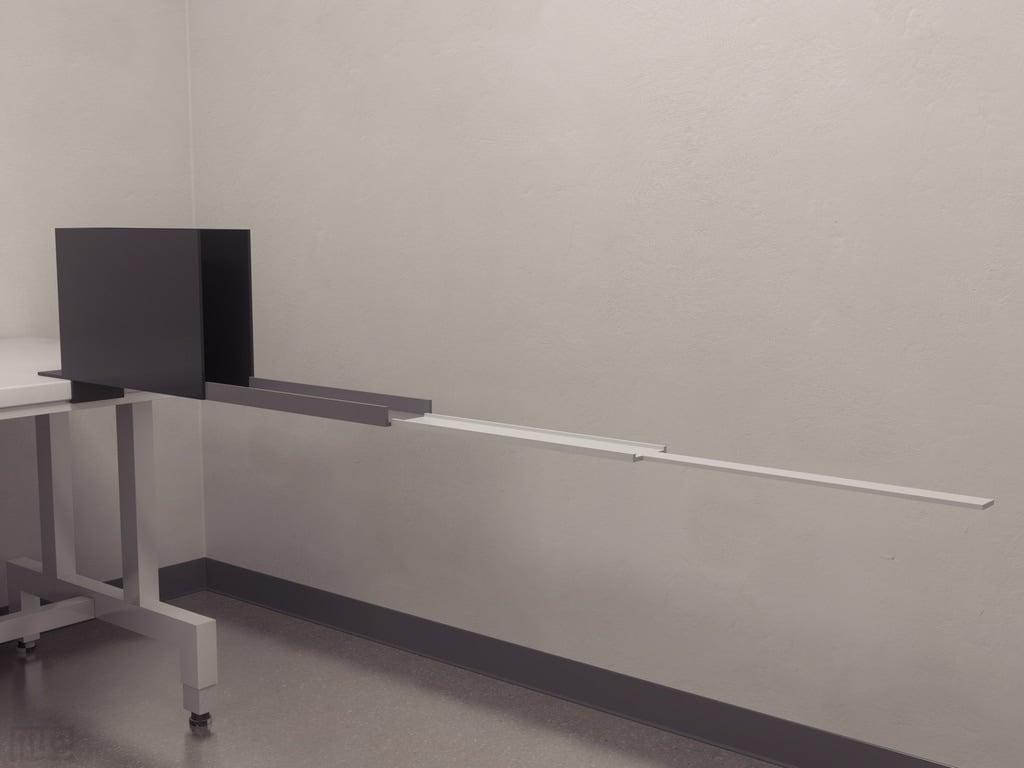
Climbing Test - Measures Vertical Activity in Rodents
Exploring ascent tendencies holds significance across various fields. In a pioneering move within the Pain domain, the automated system developed by Ugo Basile…
Social Approach Avoidance
The Rodent Social Approach-Avoidance Test is a behavioral test used to measure an animal's social behavior and tendencies toward social interaction or avoidance.
Automated Open Field
The Activity System is an automated system used to observe, record, and analyze rodents’ locomotor and behavioral activity levels.
Two Choice Social Decision Making Task
Developed by Scheggia et al (2022), the Two Choice Social Decision Making Task was used to investigate the role of reciprocal connections between the cortex…
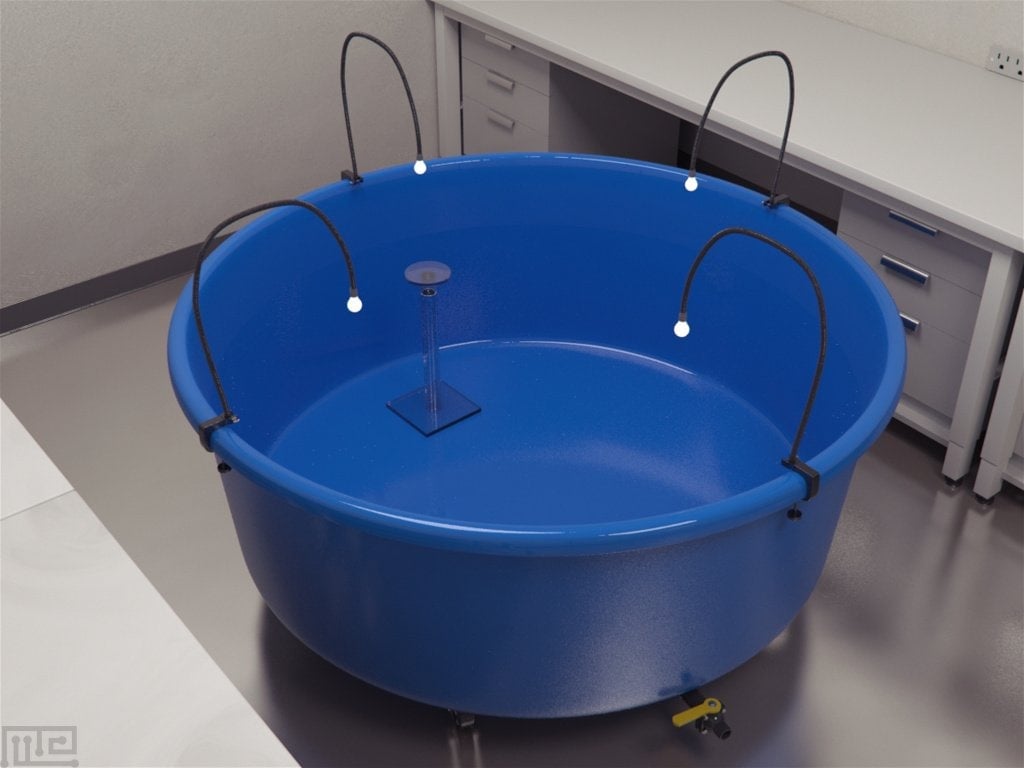
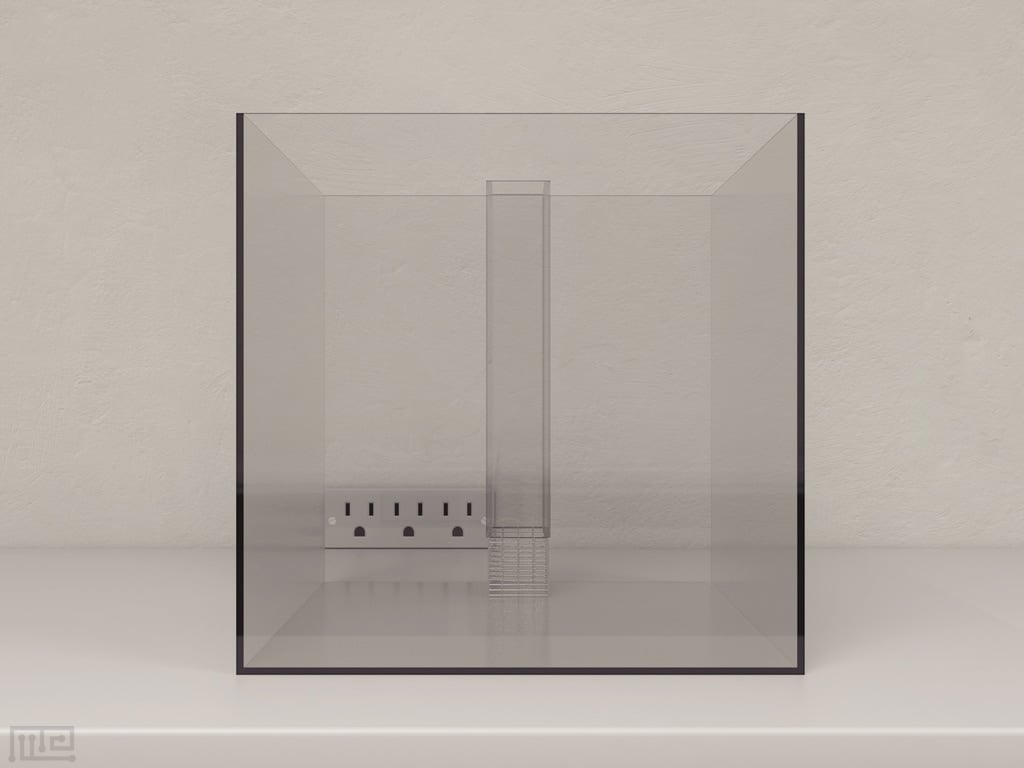
Zebrafish Automated Home Tank
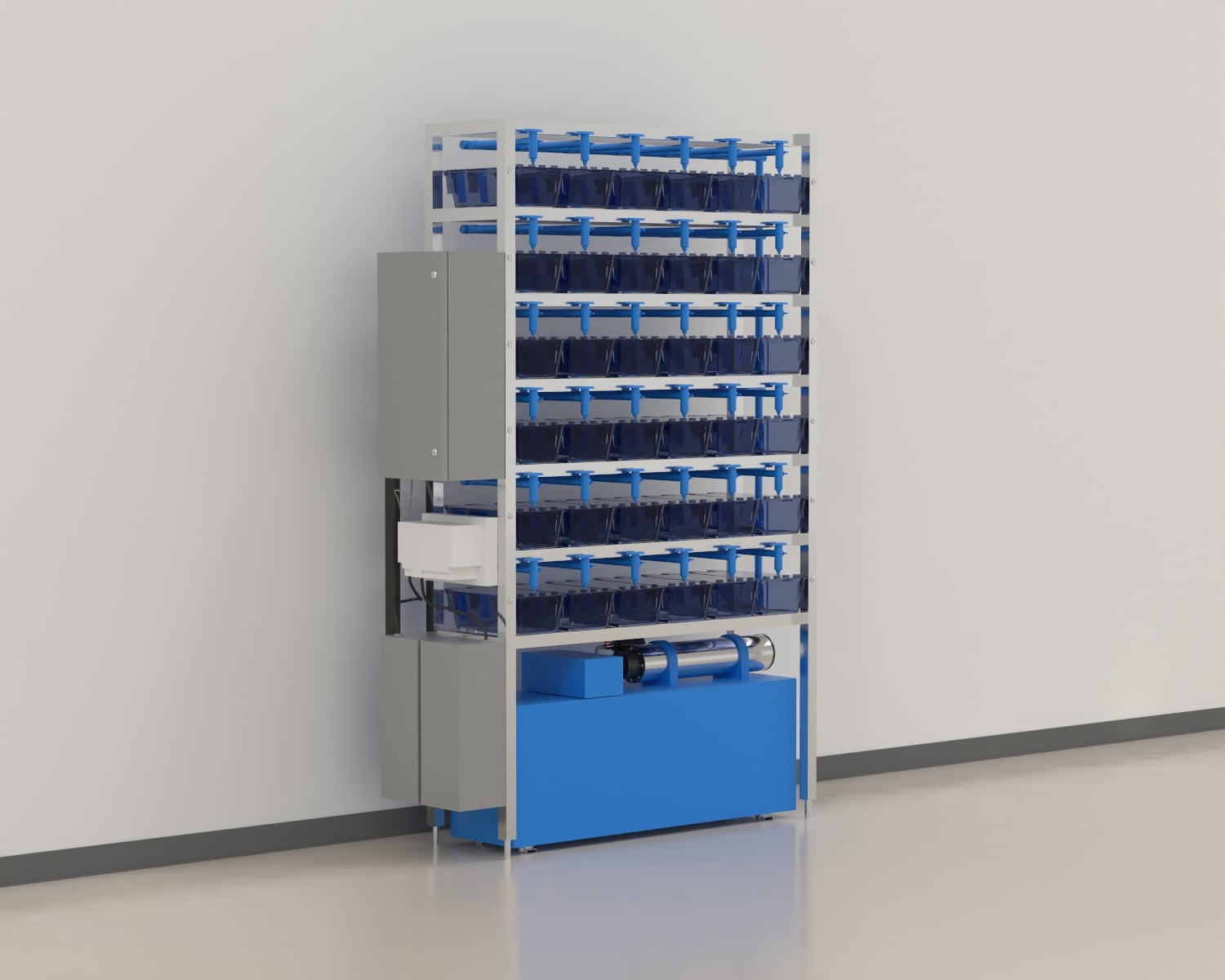
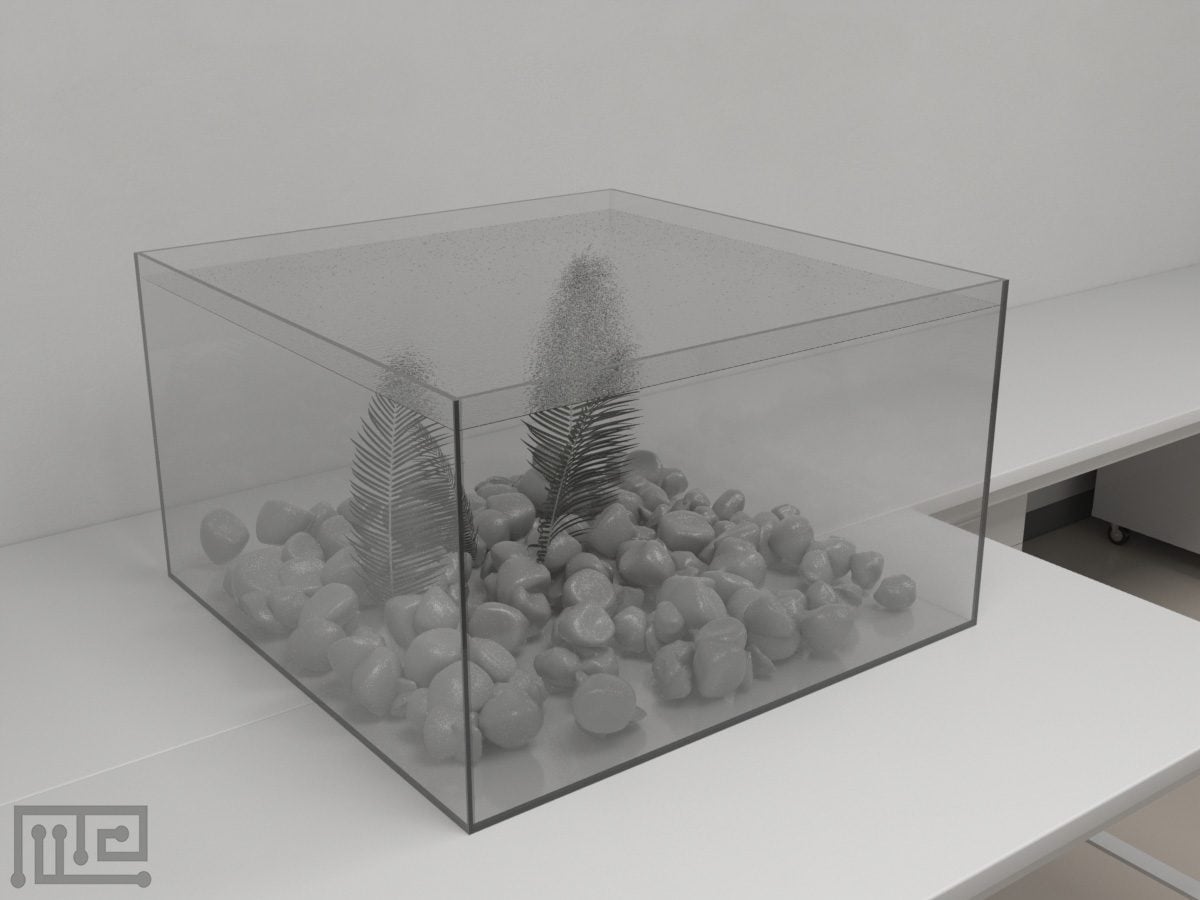
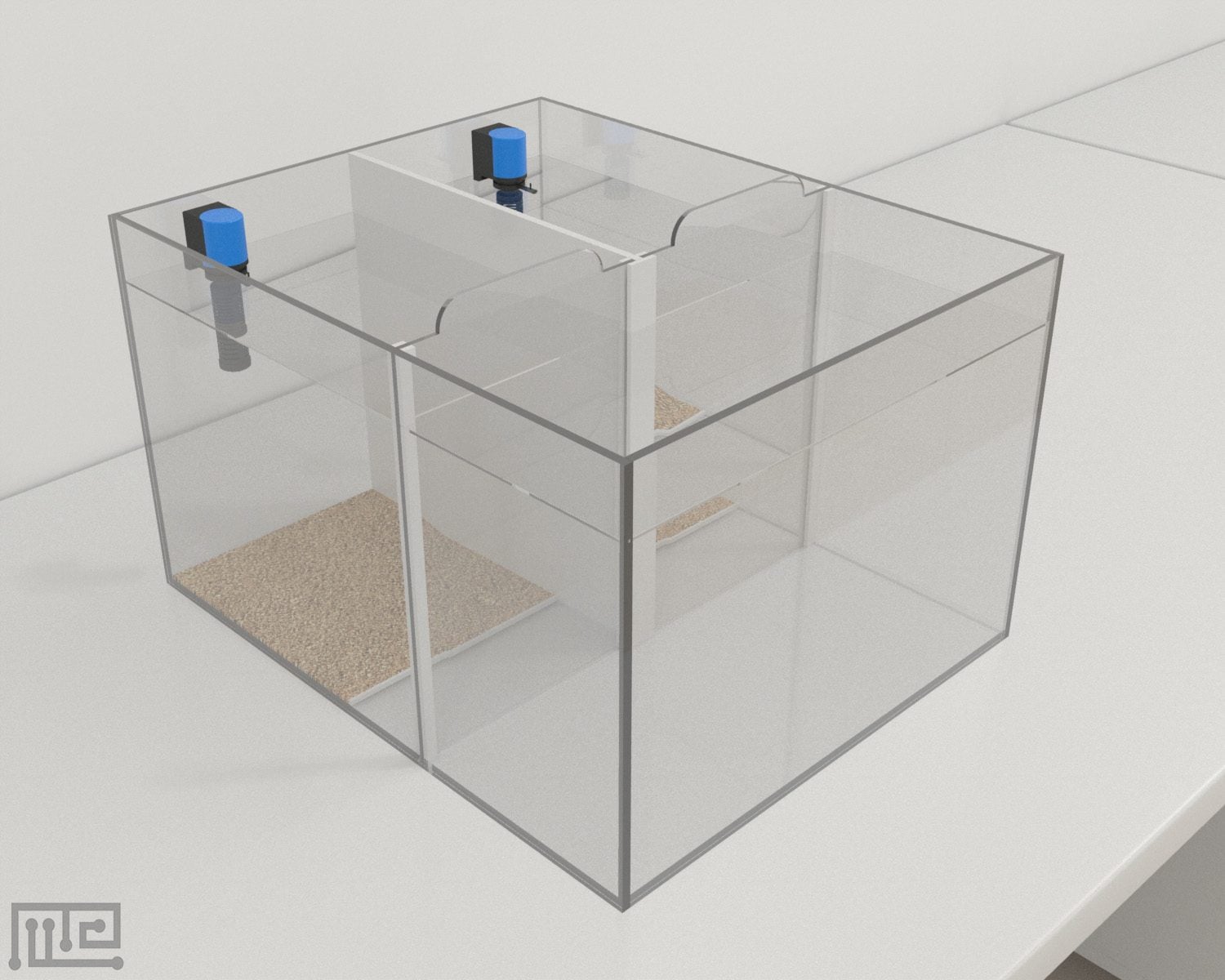
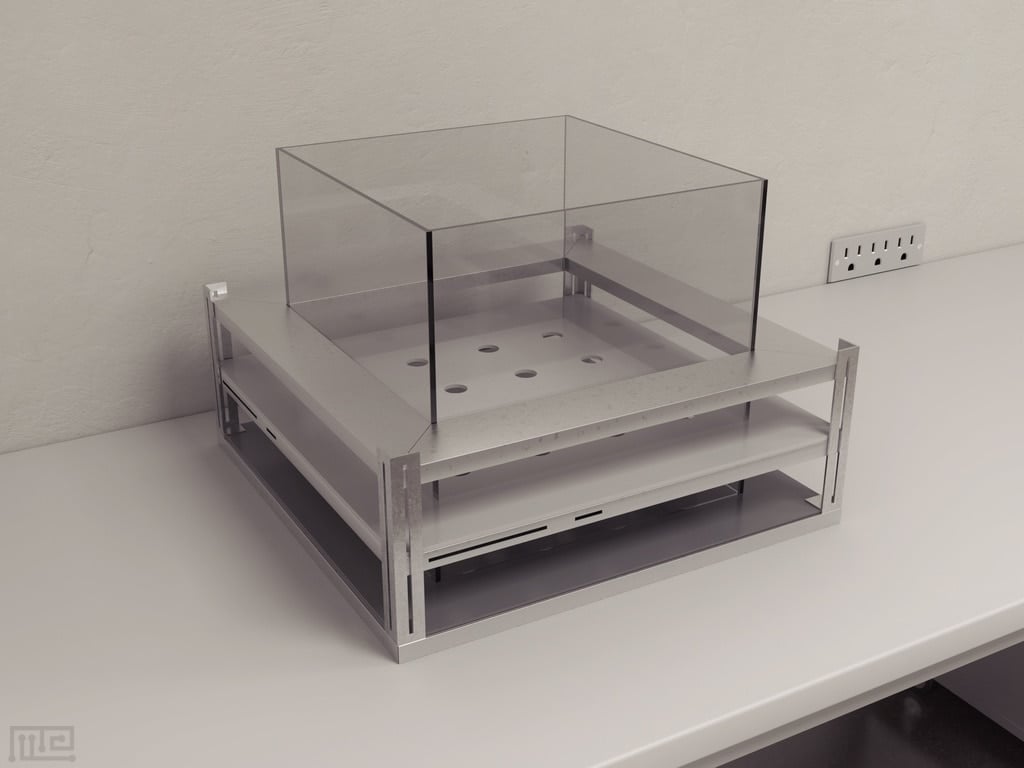
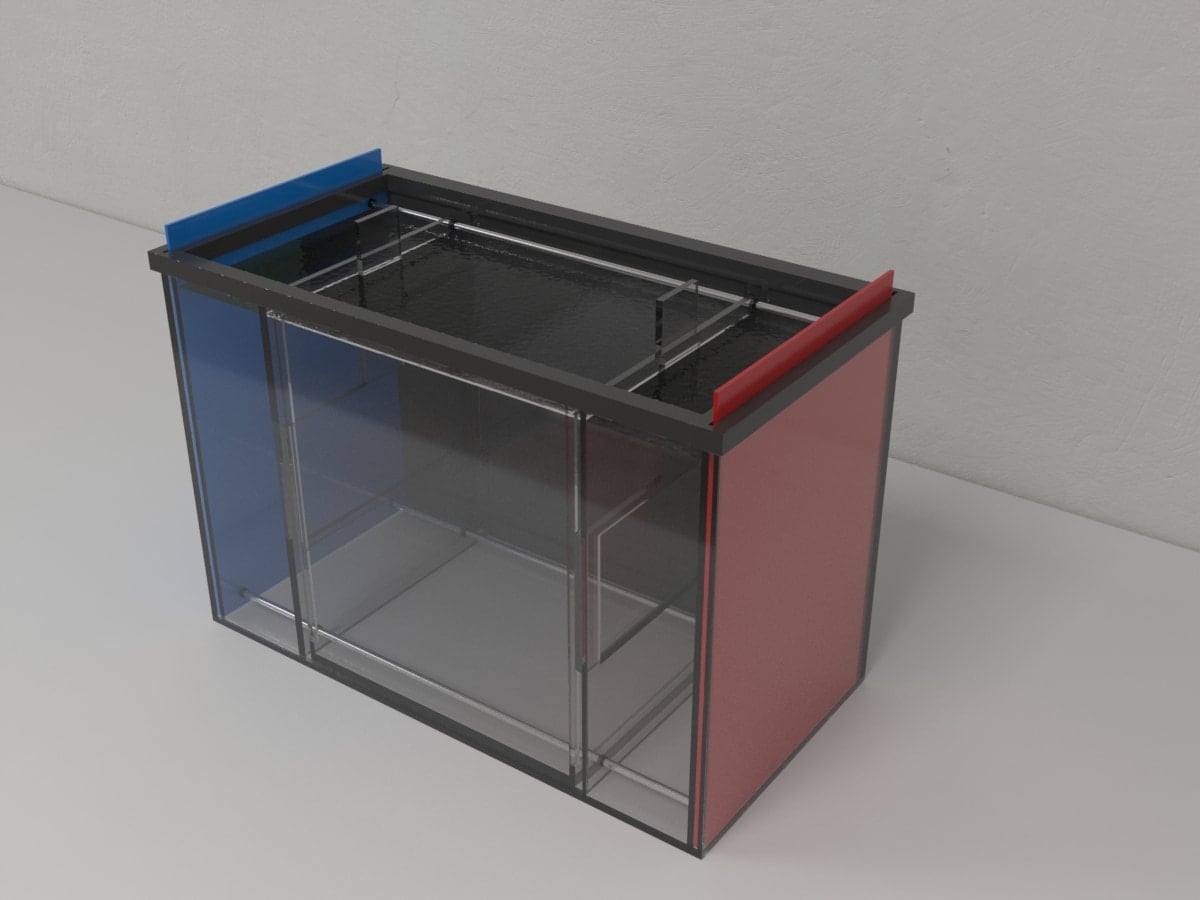
The Maze Engineers Zebrafish Automated Home Tank is an experimental apparatus that allows researchers to study the behavior of zebrafish in a controlled…
Rodent Tremor Monitor
The Maze Engineers rodent tremor monitor system is used to measure the tremors in rodents. Tremors are involuntary, rhythmic muscle contractions that can be…
Operant Conditioning
See our images of the various configurations and accessories available for the Operant chamber
Metabolic Measurement System
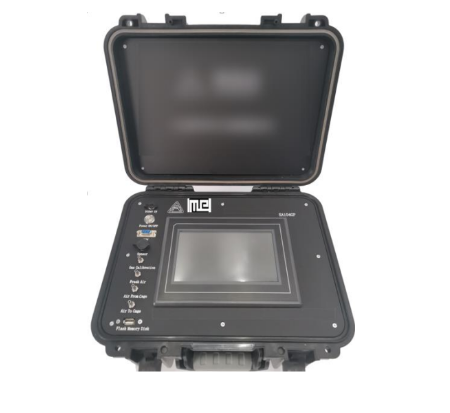
Maze Engineers Metabolism Measurement System is multi-purpose, portable, easy-to-operate, with high precision and high resolution, and a large data storage…
Barnes Maze
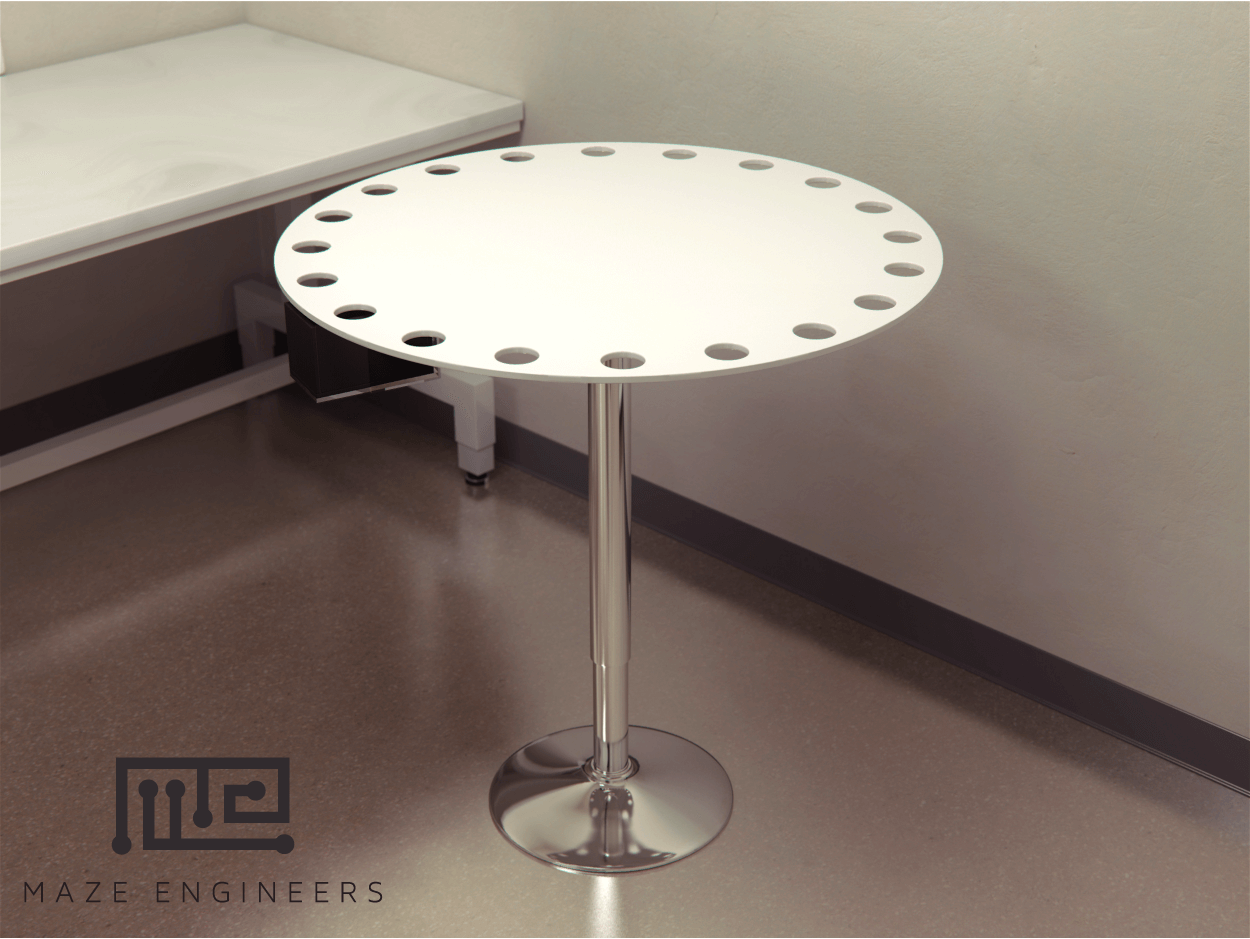
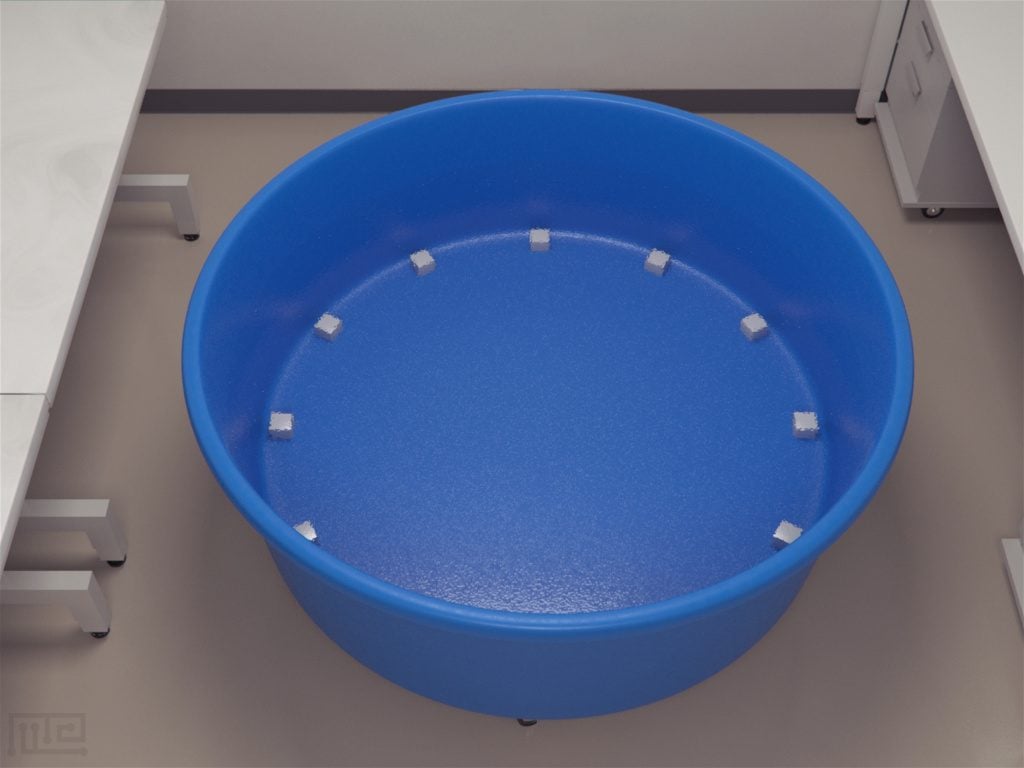
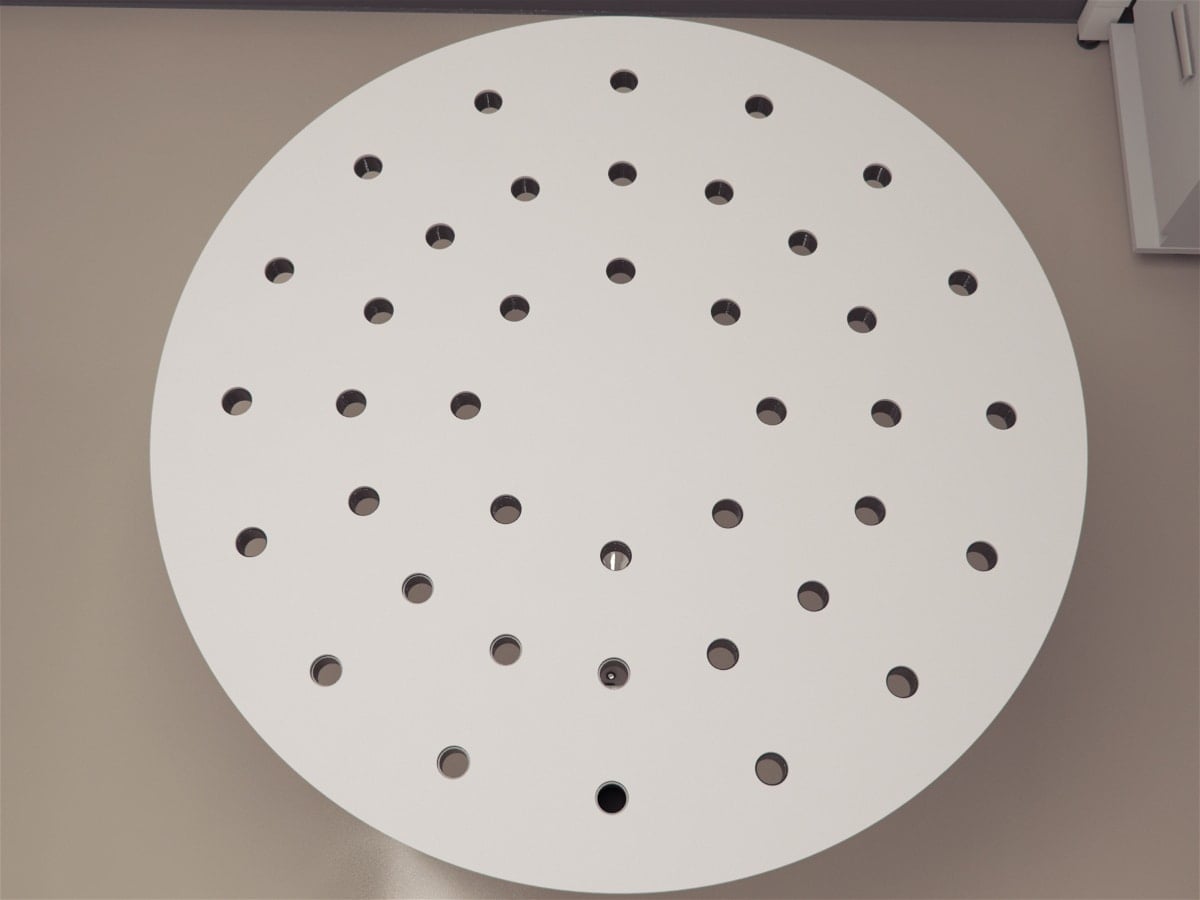
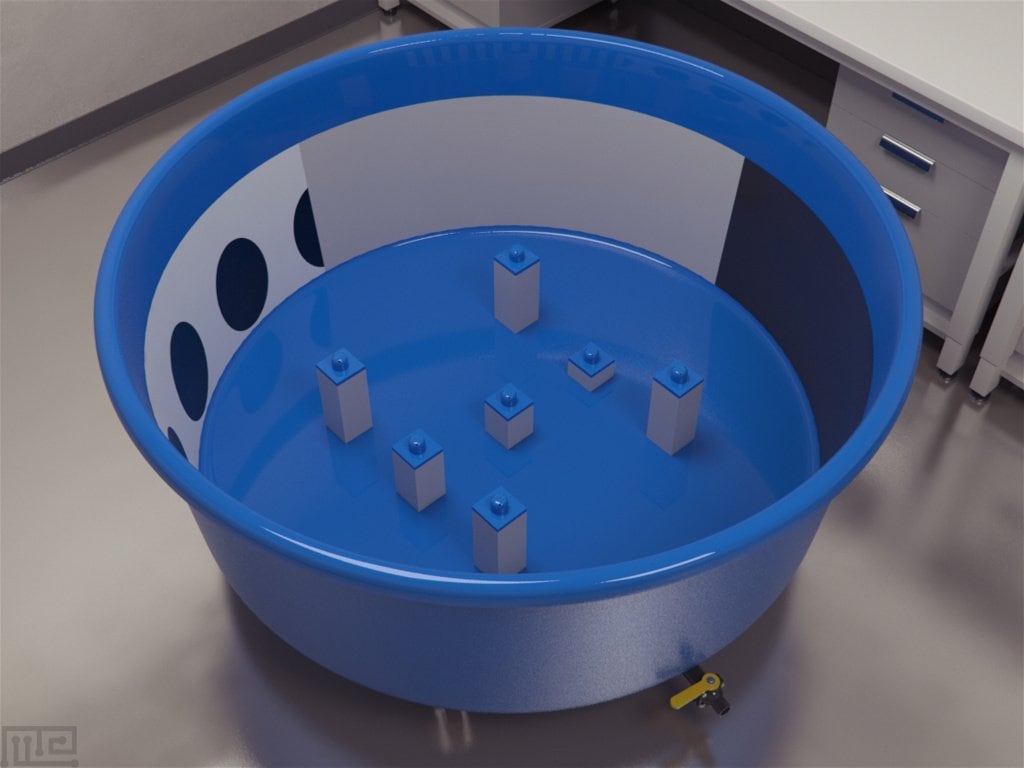
The Barnes maze is a circular maze designed to test visual spatial learning and memory for mice and rats.
Radio Frequency Identification (RFID) Rodent Tag Scanner
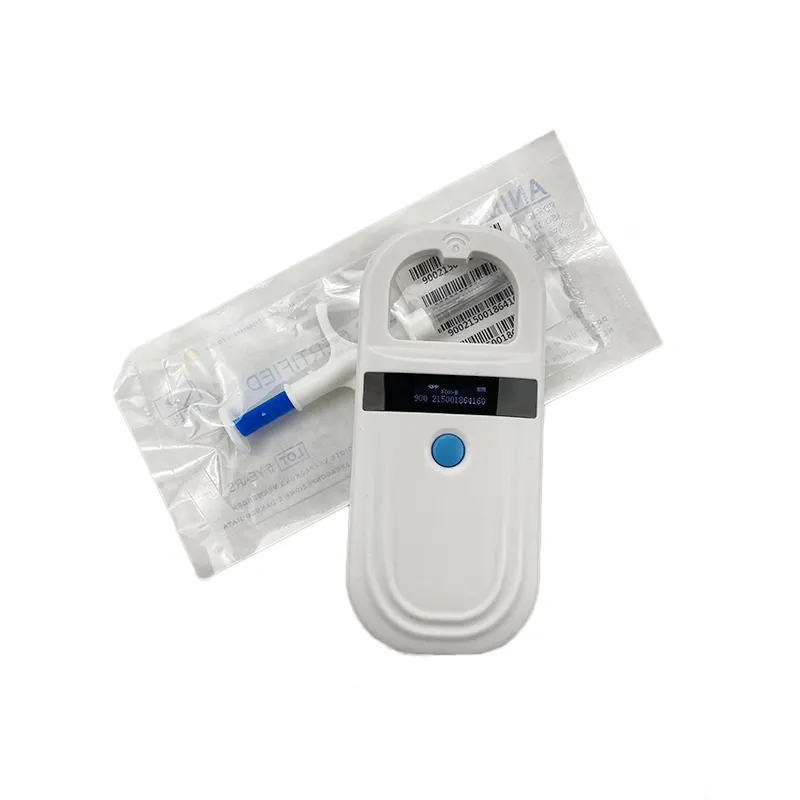
Simple to operate, the Radio Frequency Identification (RFID) Rodent Tag system offers a low frequency scanner with wireless identification technology…
Rodent Head-Fixation System
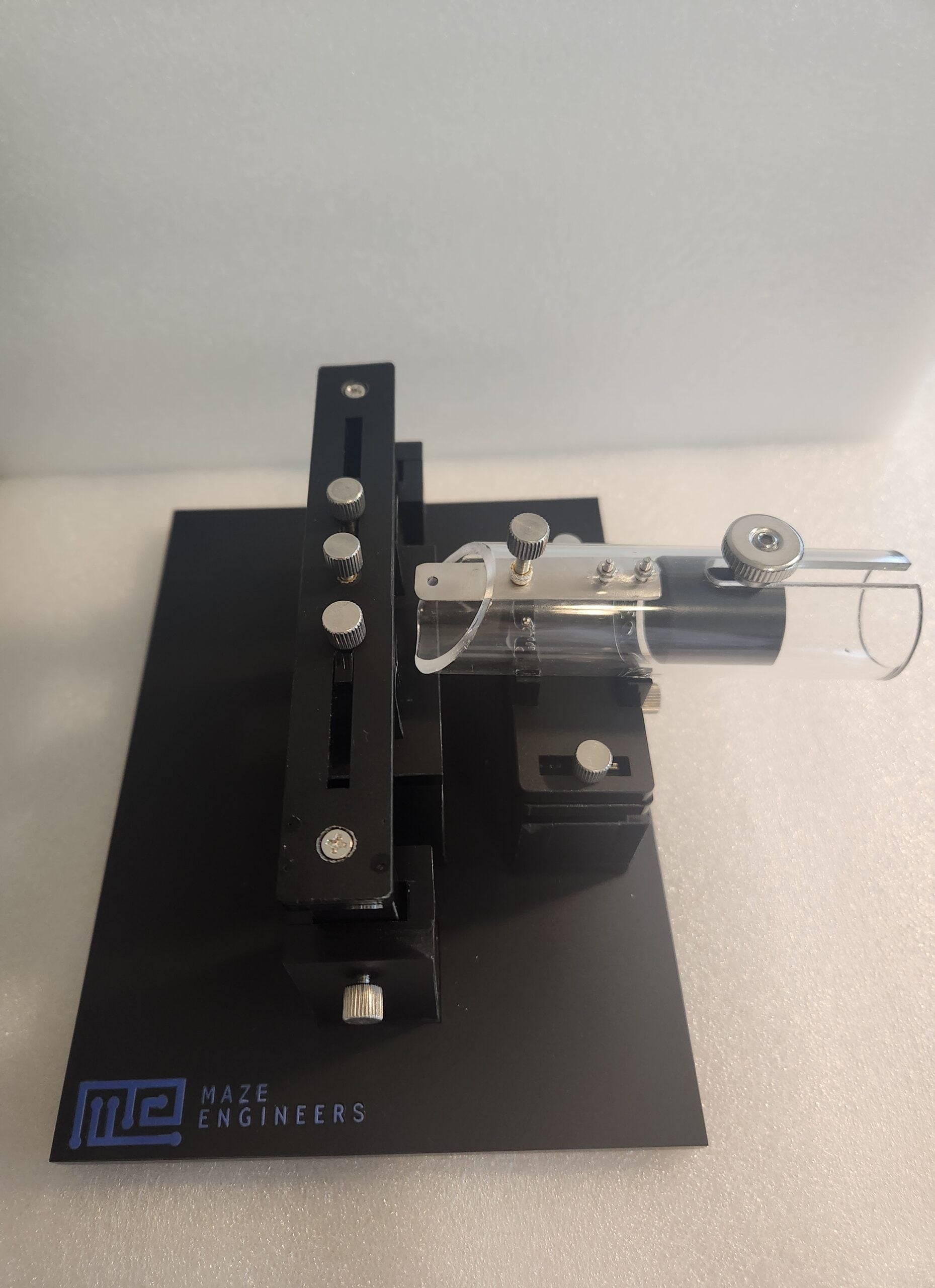
The Maze Engineers Head fixation system is utilized in neurobiological research settings to stabilize mouse head movements across various behavioral…
Custom Home Cage Monitoring System
Examples of our home cage set-ups
Rodent Trident Maze
Developed by Kennedy and Shapiro, the Rodent Trident Maze was used to investigate how motivation and memory interact to guide adaptive behaviors. The…
Three Choice Serial Reaction Time Task (3CSRTT)
Developed by Hauser et al the Three Choice Serial Reaction Time Task (3CSRTT) is a variation of the Five Choice Serial Reaction Time Task (5CSRTT) which is…
Rodent Dual Reward-Place Association Task
Developed by Michon et al, the Rodent Dual Reward-Place Association Task was created to explore the formation and transformation of memories into long-lasting…
Rowed Cheeseboard Maze
Developed as a variant between the Radial arm, Dry Morris Water, and Cheeseboard mazes, the rowed Cheeseboard uses food rewards to investigate both spatial…
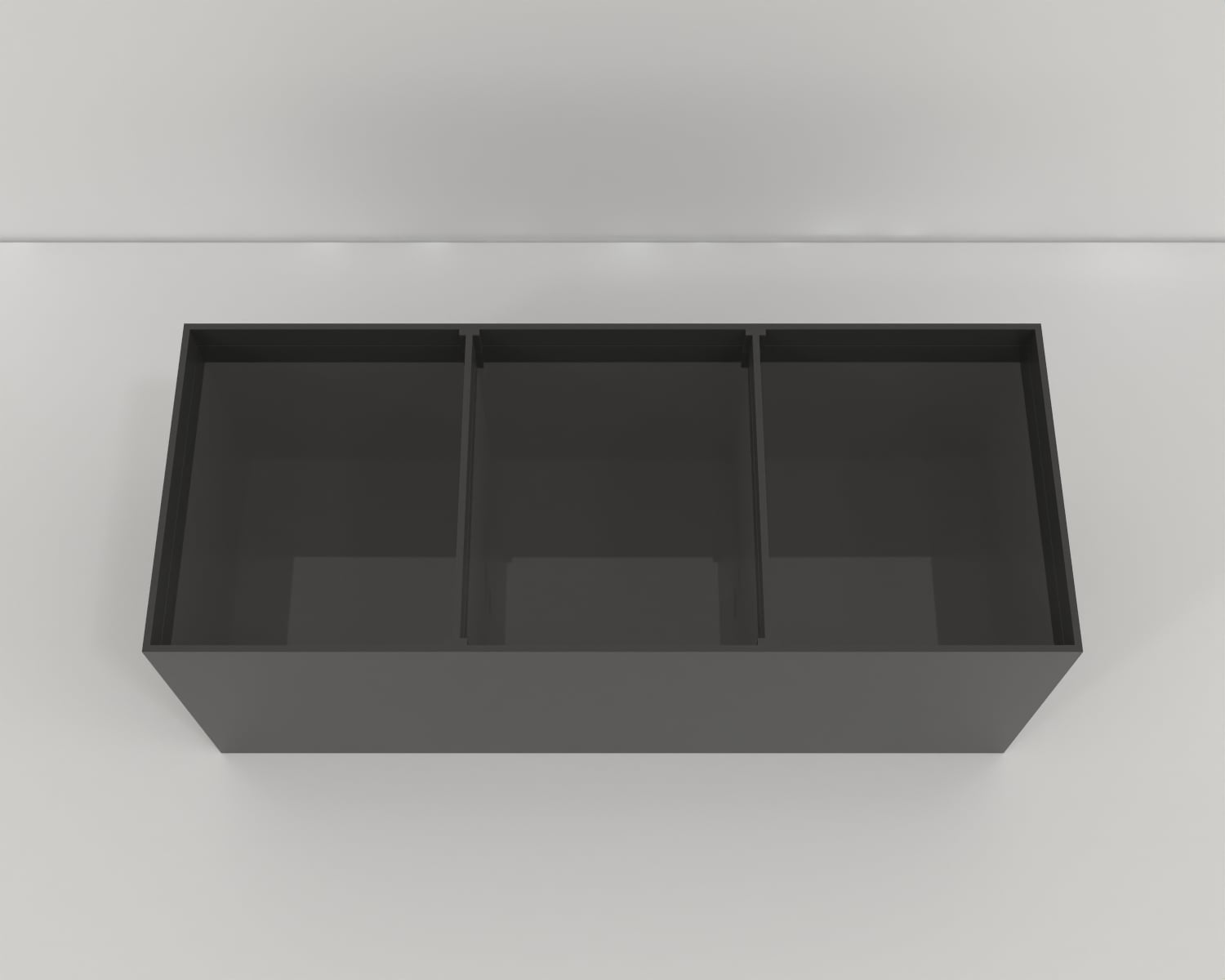
Octopus Three-Chambered Social Apparatus
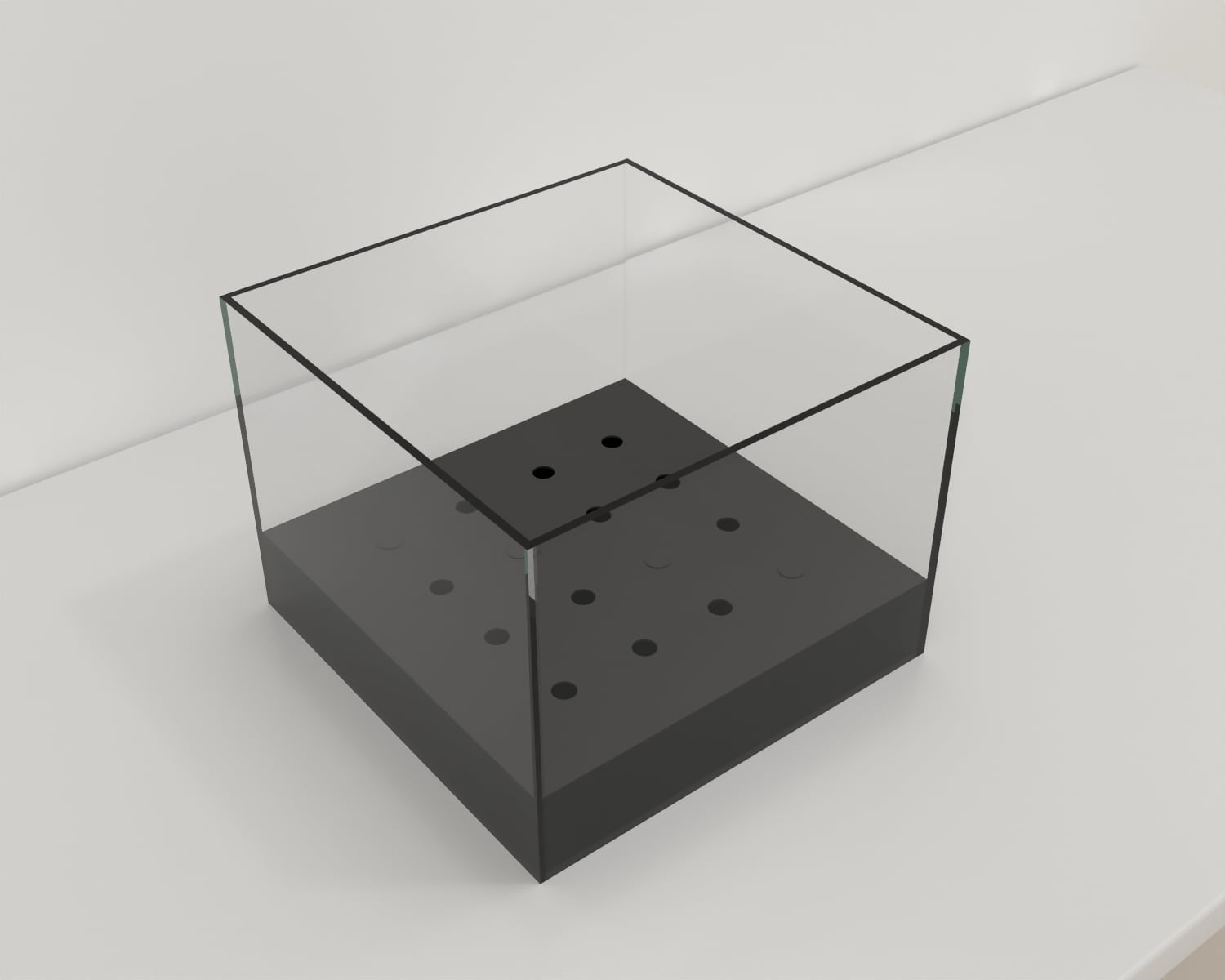
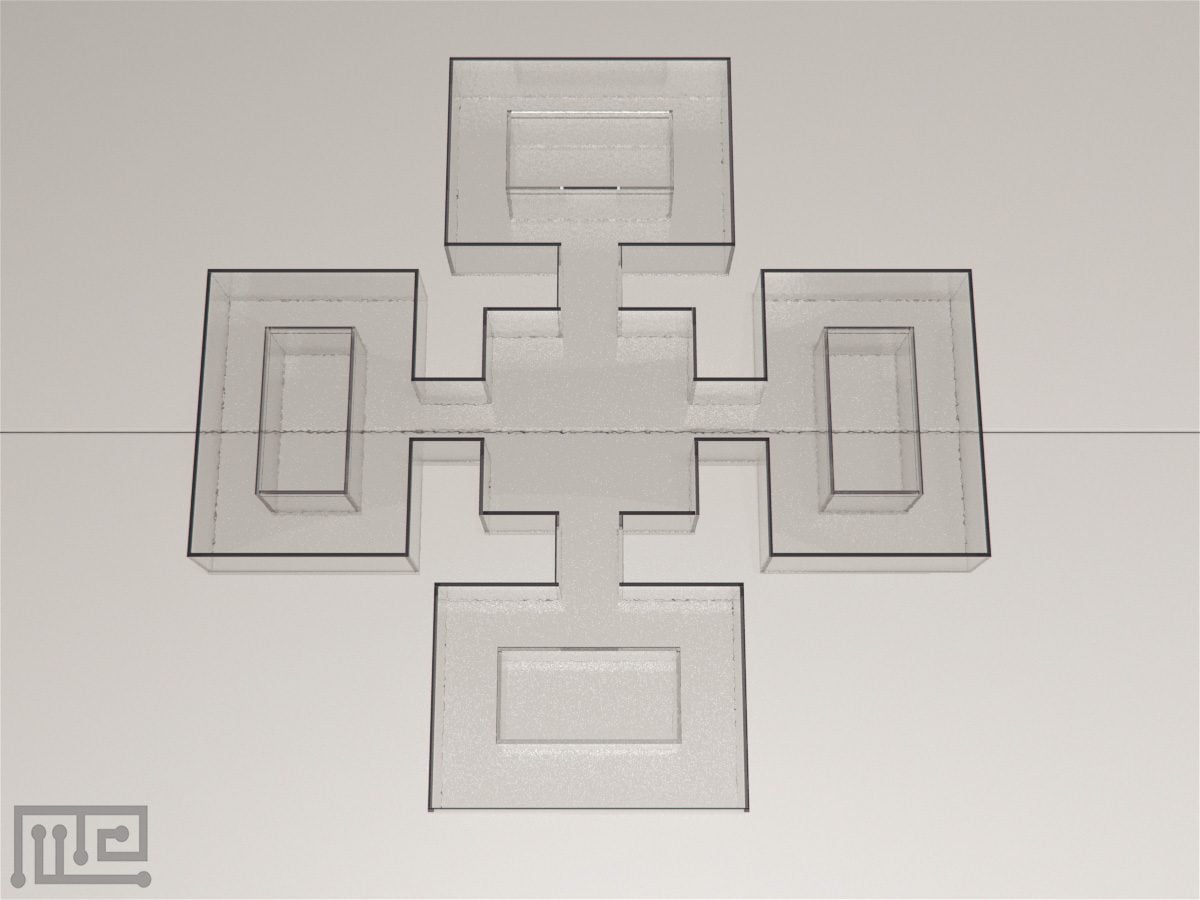
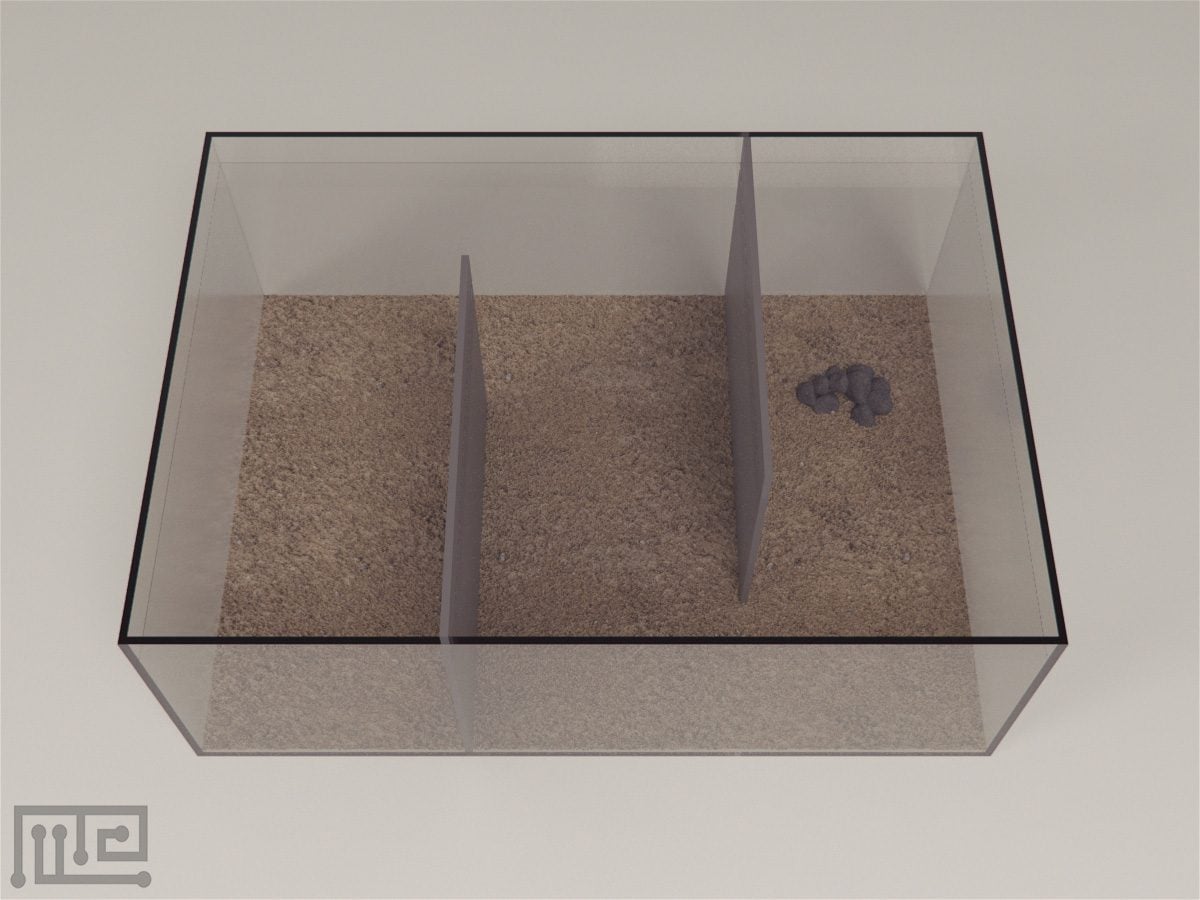
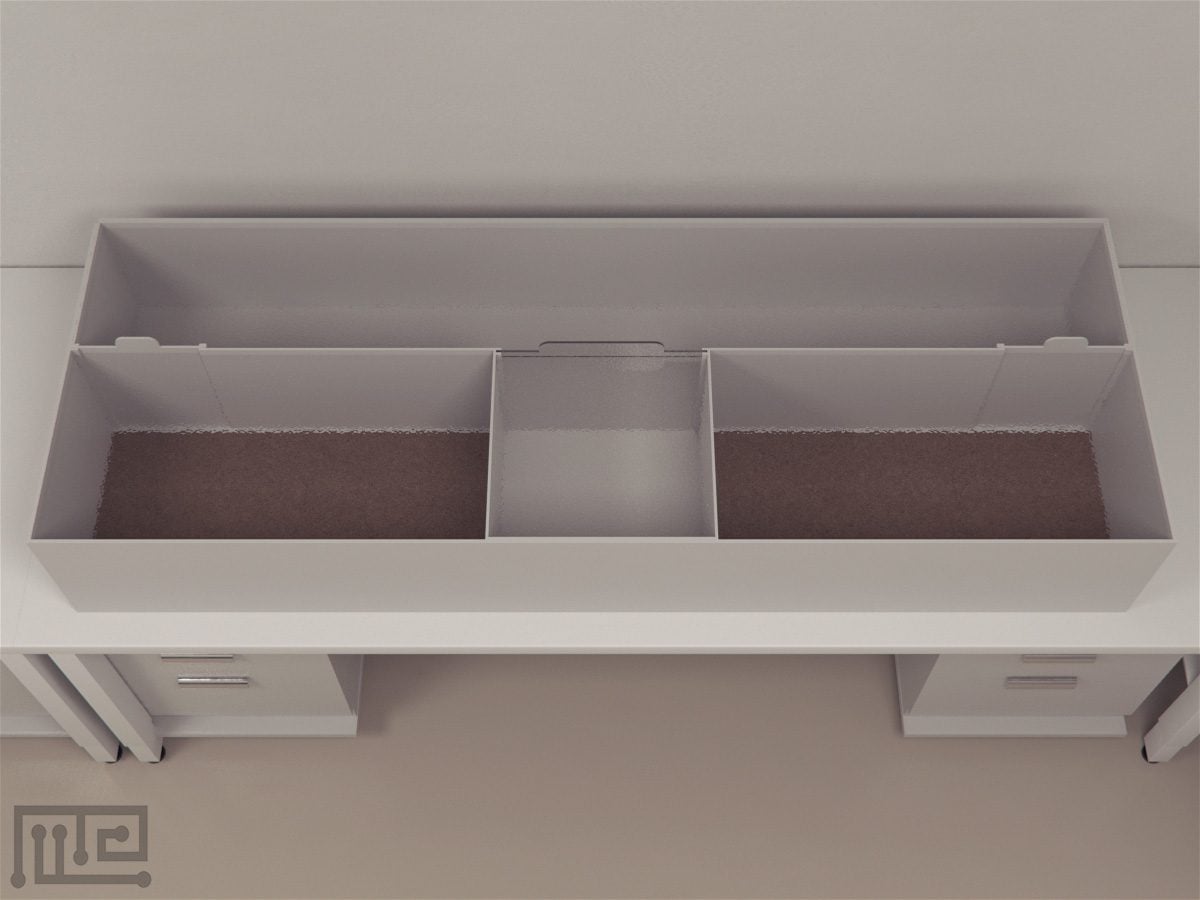
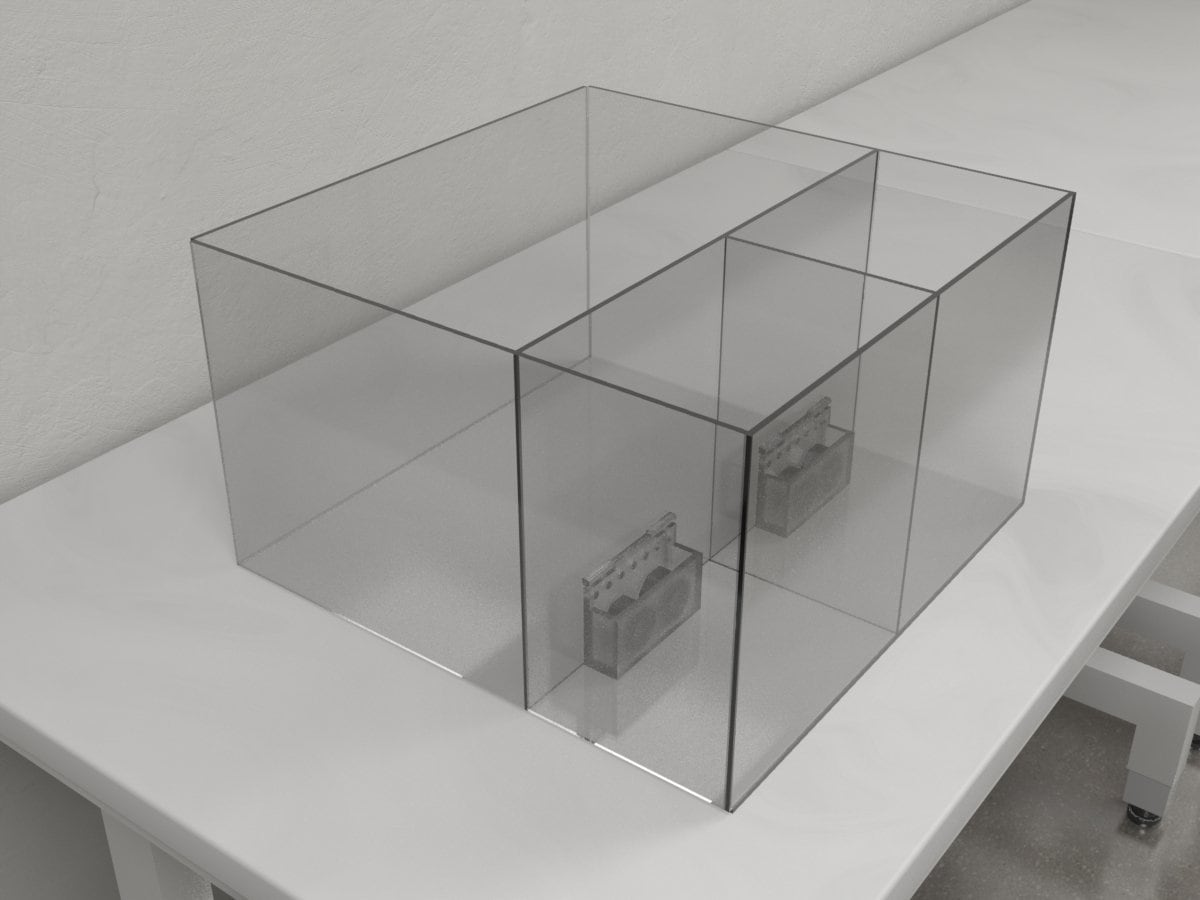
Developed by Edsinger and Dölen (2018, the octopus three-chambered social apparatus is used to study social behavior in octopus. It consists of a glass…
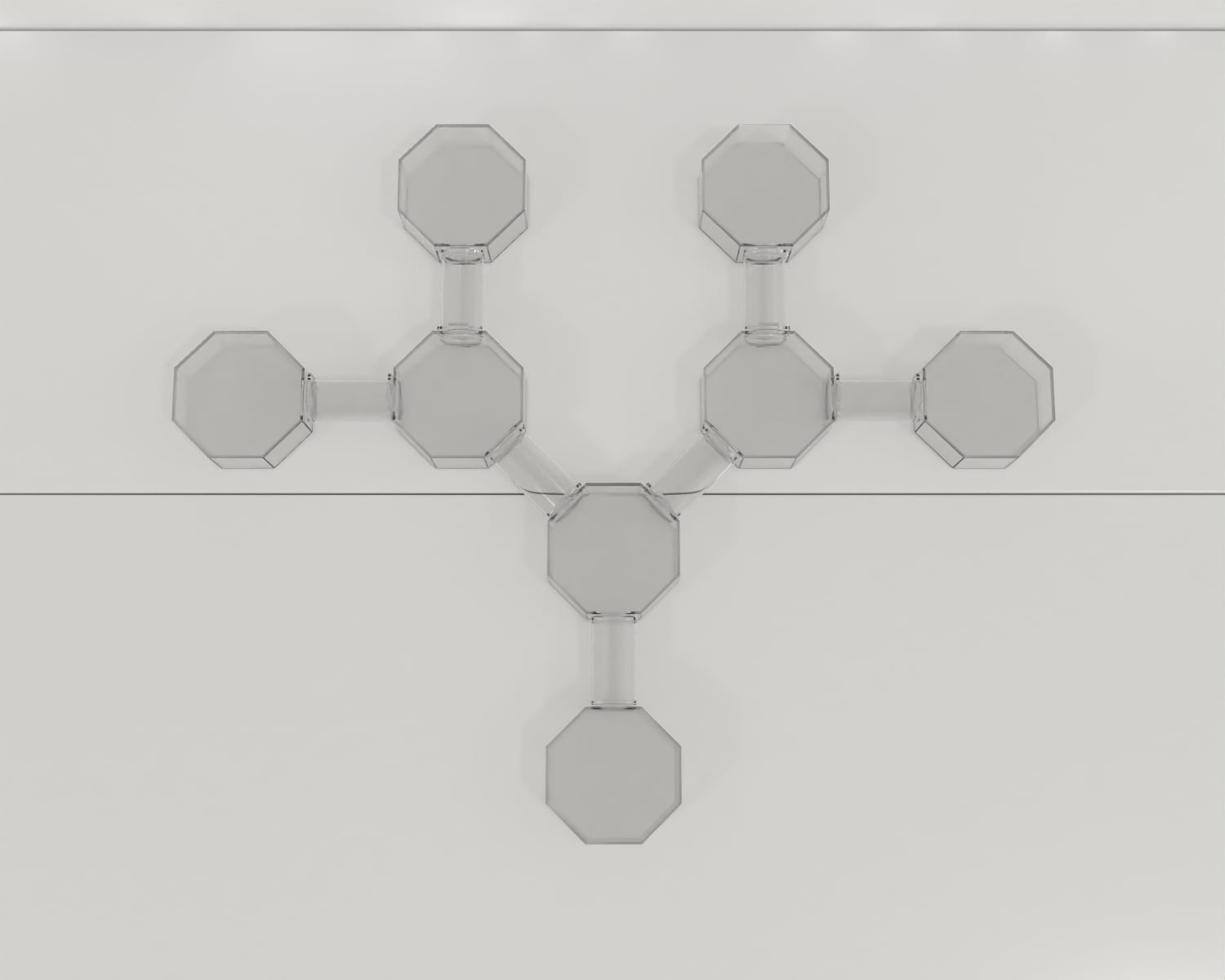
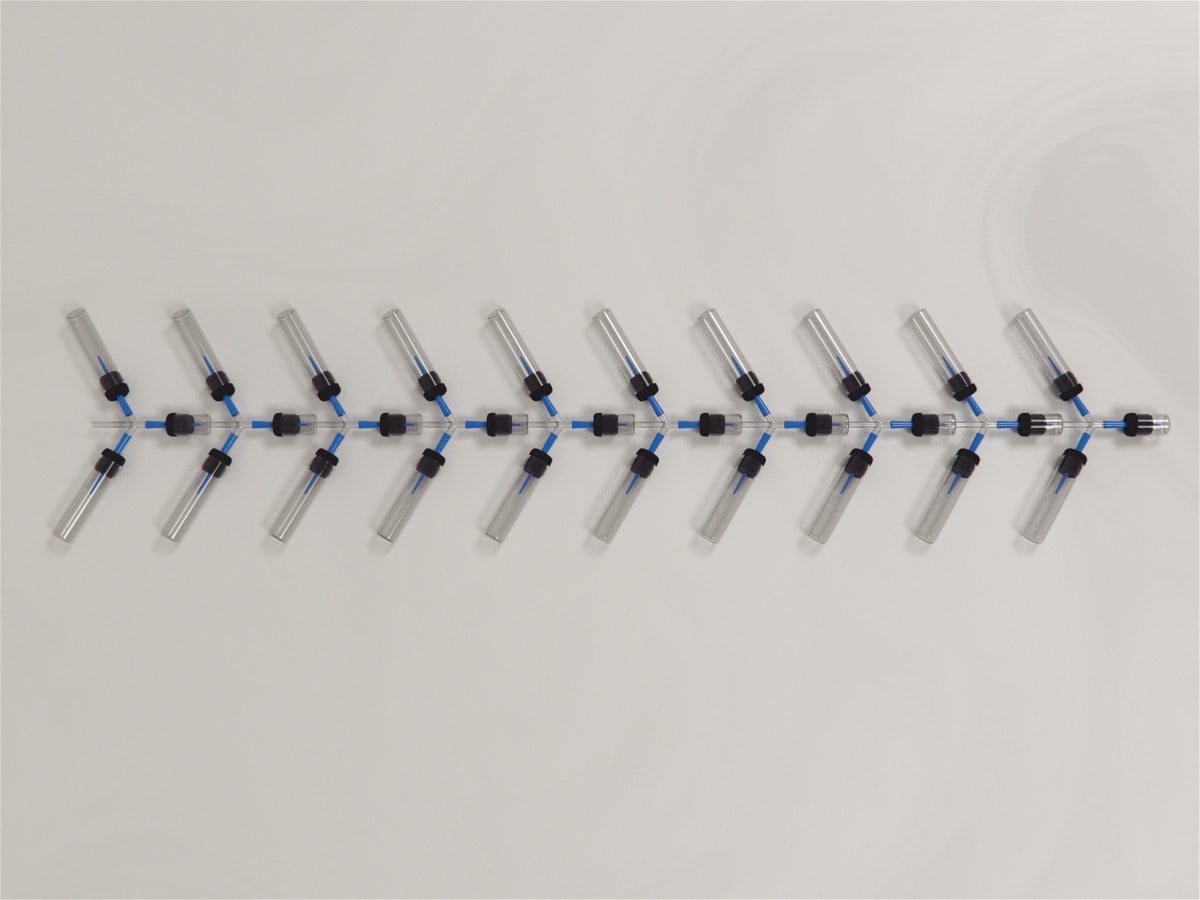
Concatenated Rodent Y-Maze
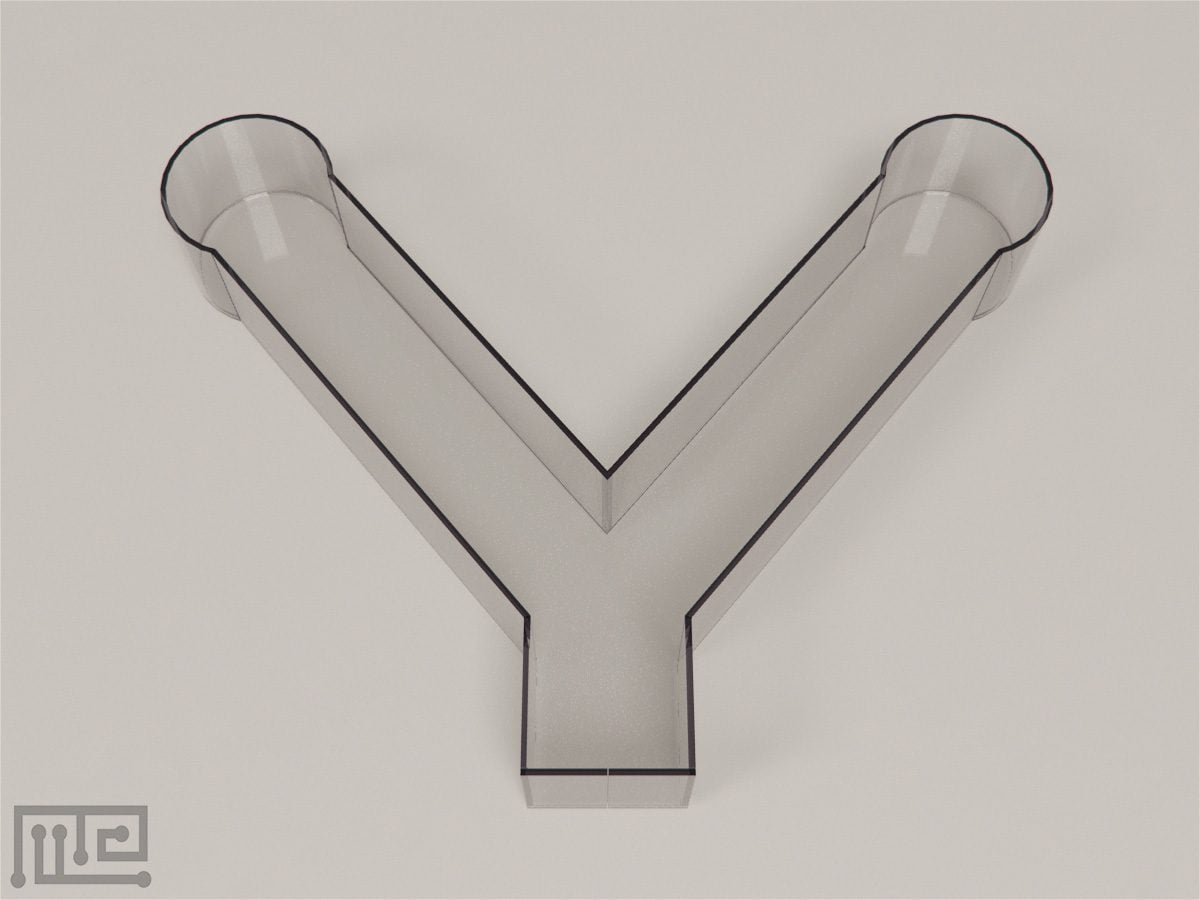
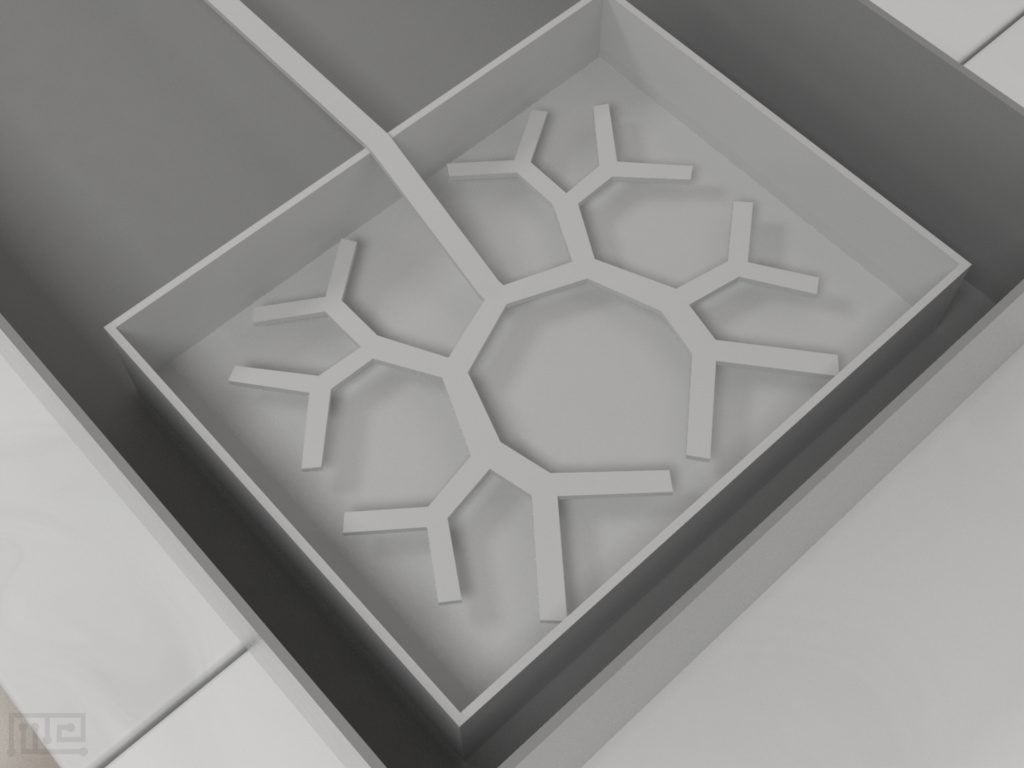
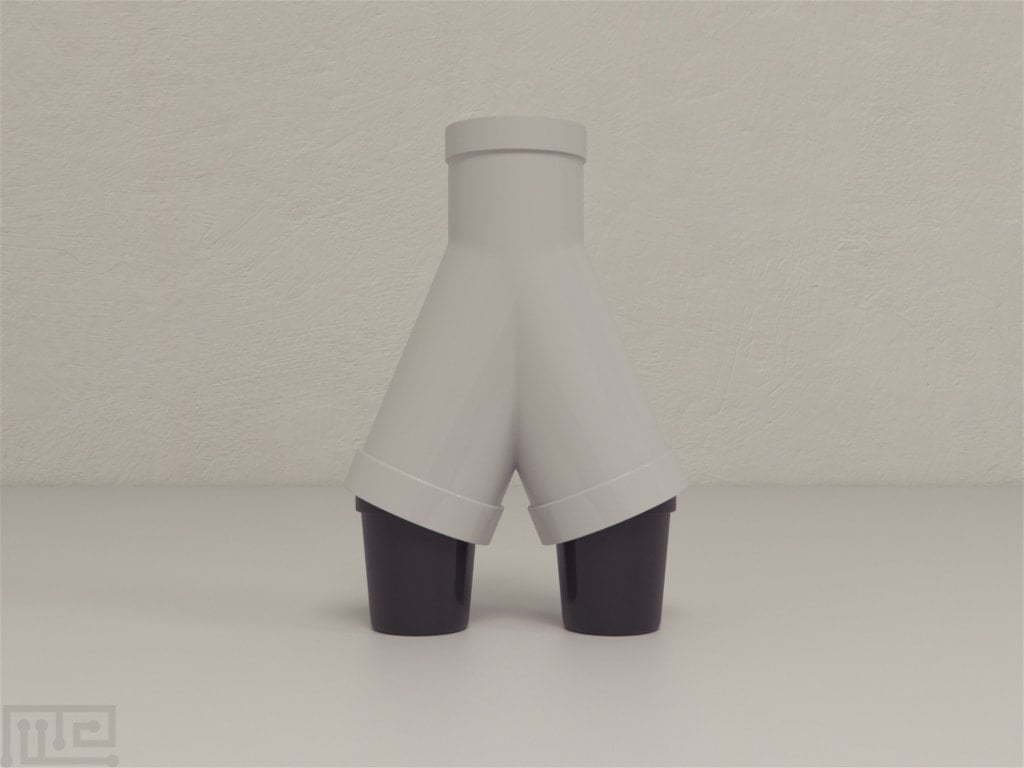
Developed by Ainge, Tamosiunaite, Woergoetter, and Dudchenko (2007), the Concatenated Y-Maze is a branching Y-Maze used to observe choice behaviors and spatial…
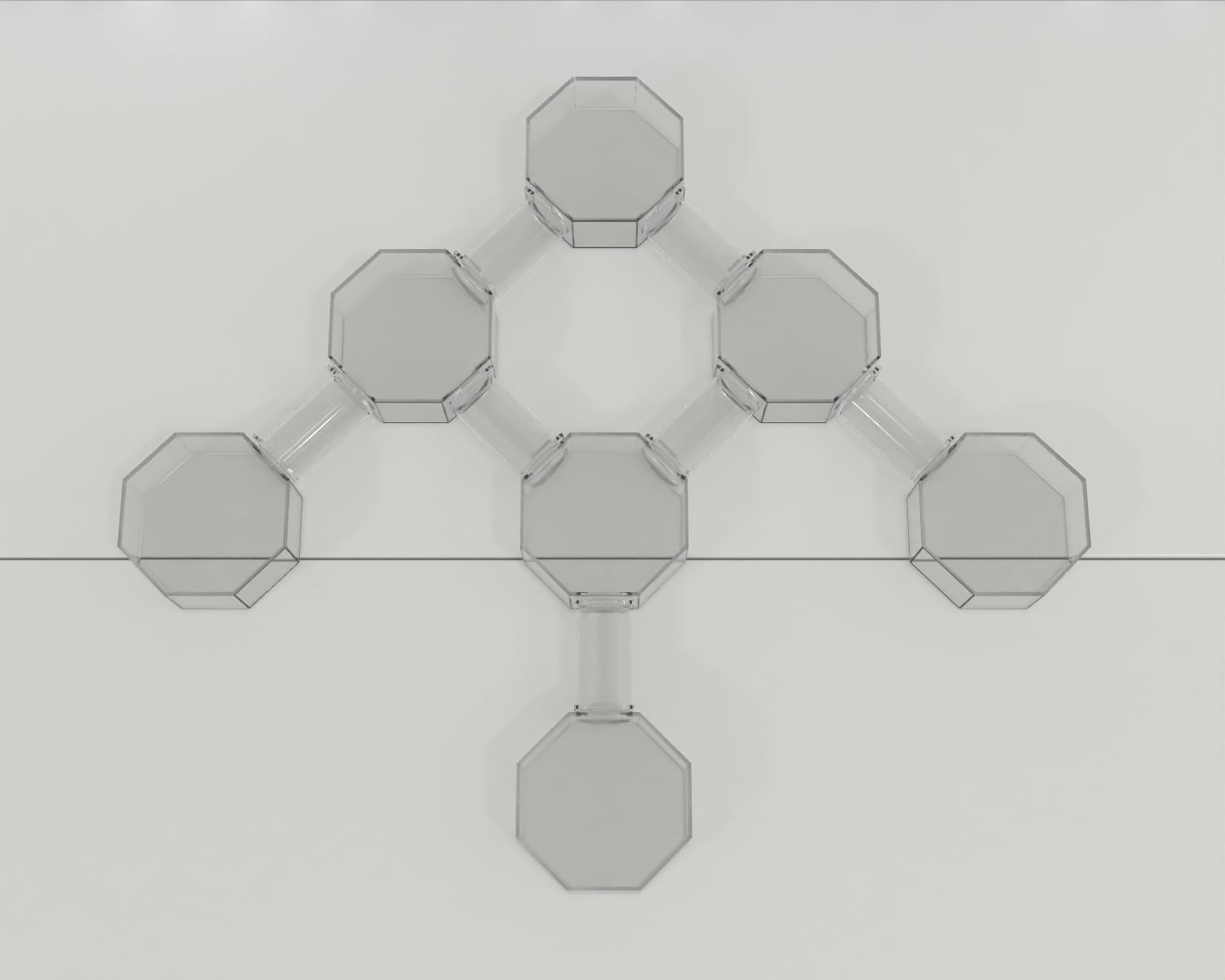
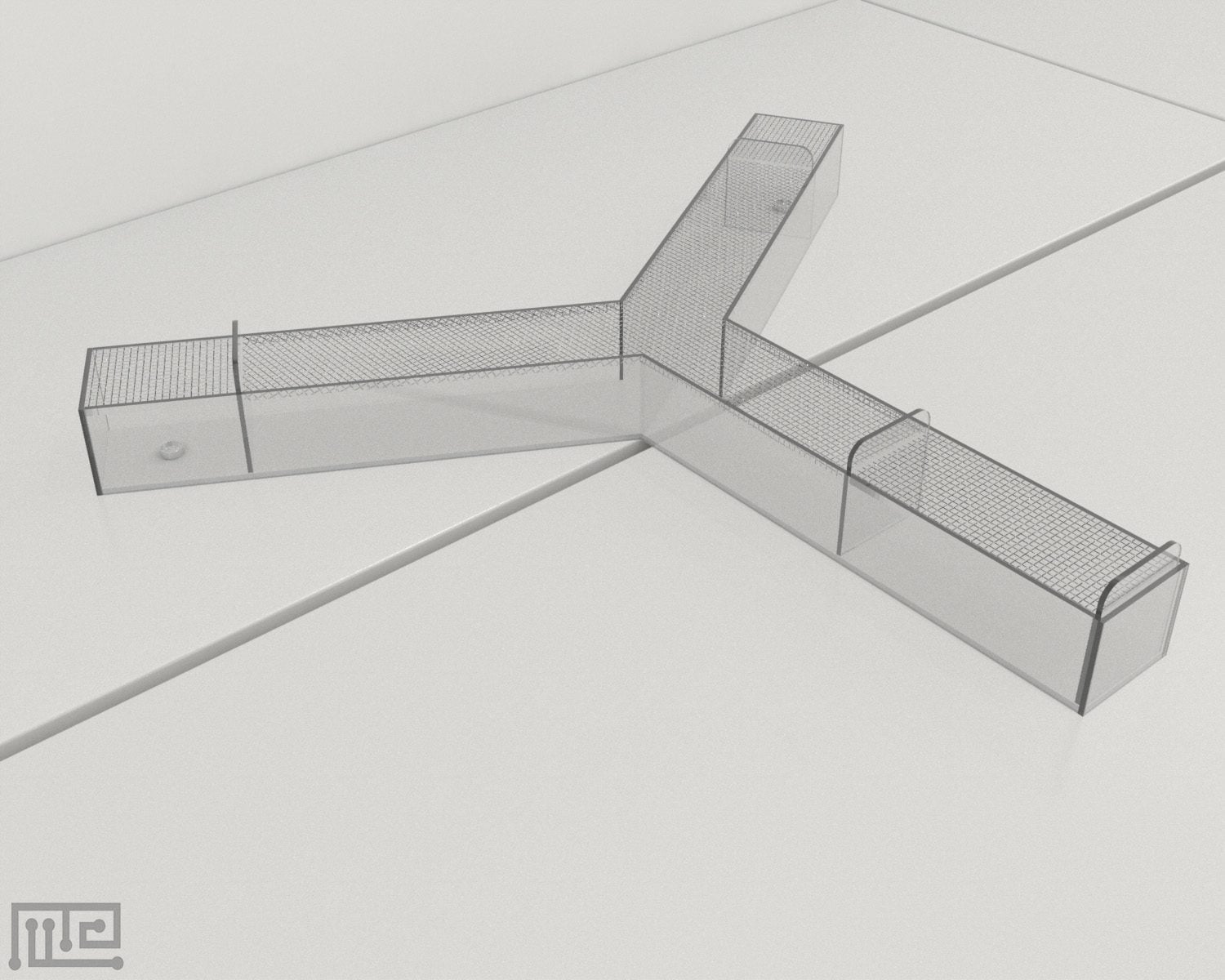
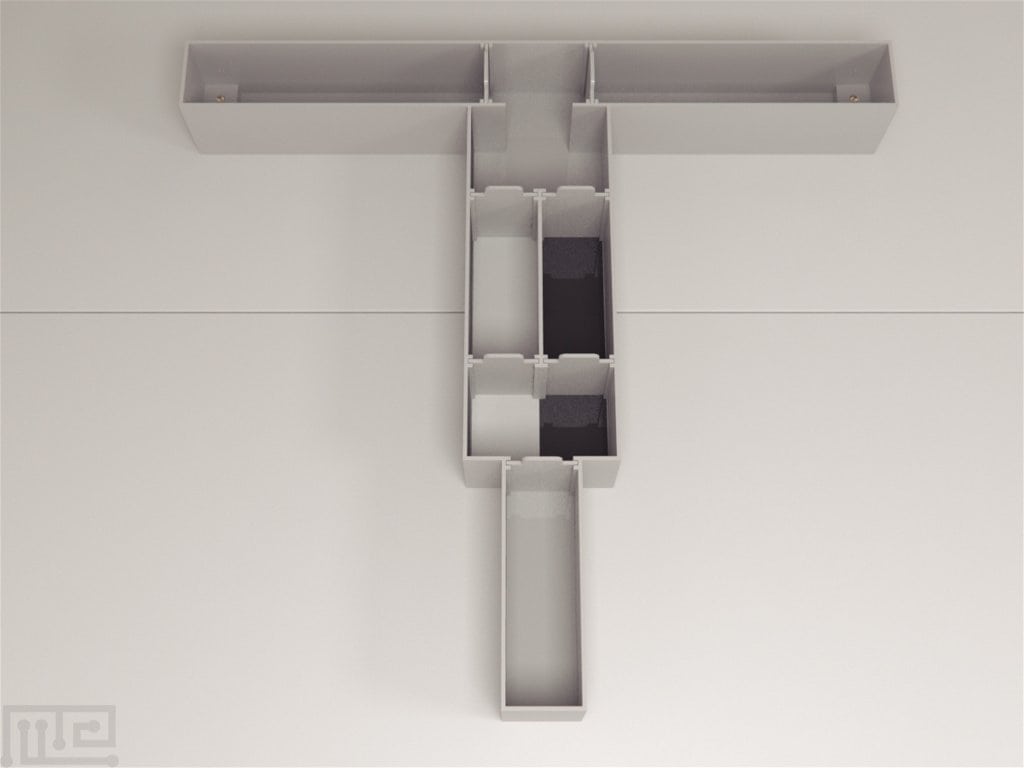
Y/T Rodent Maze
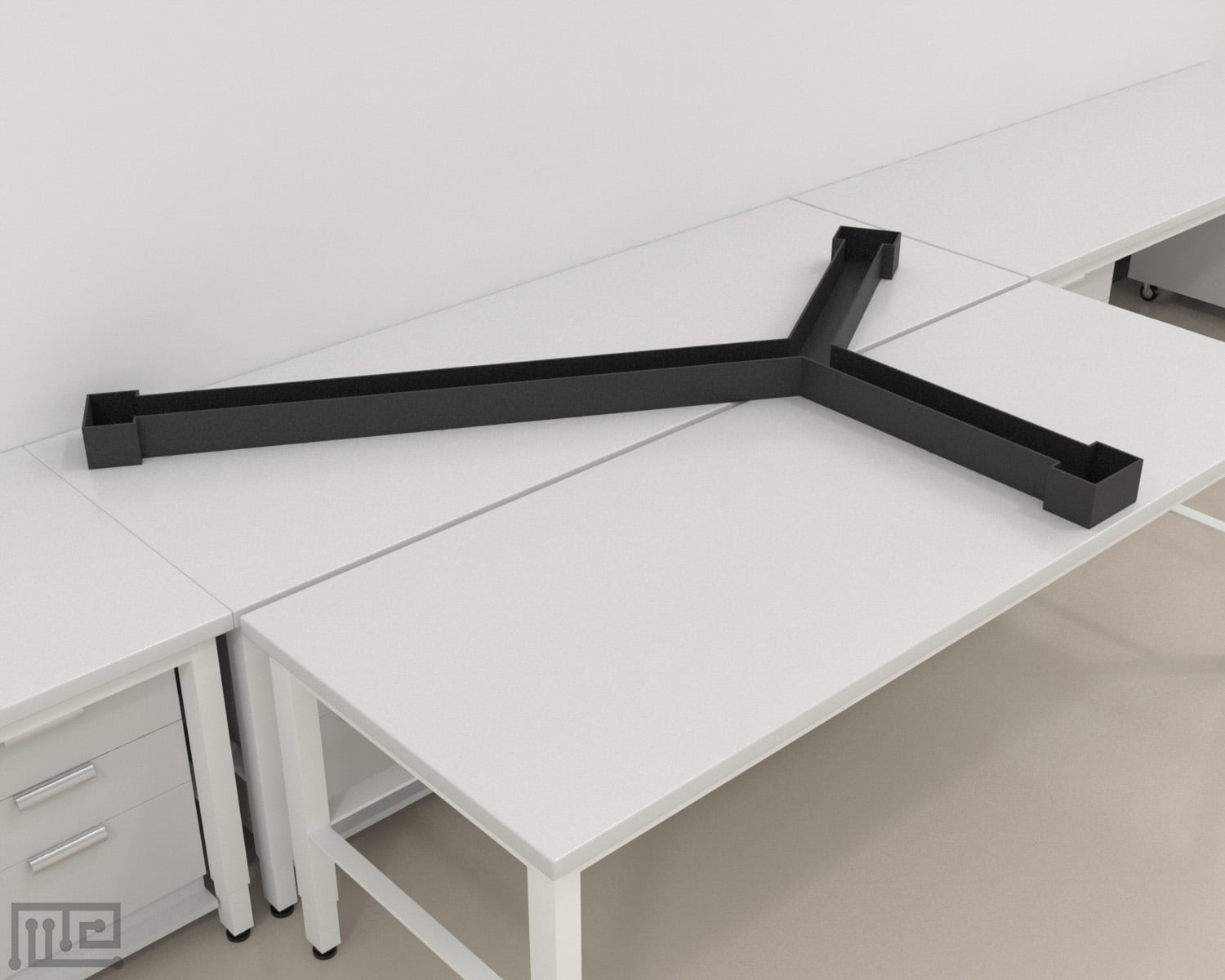
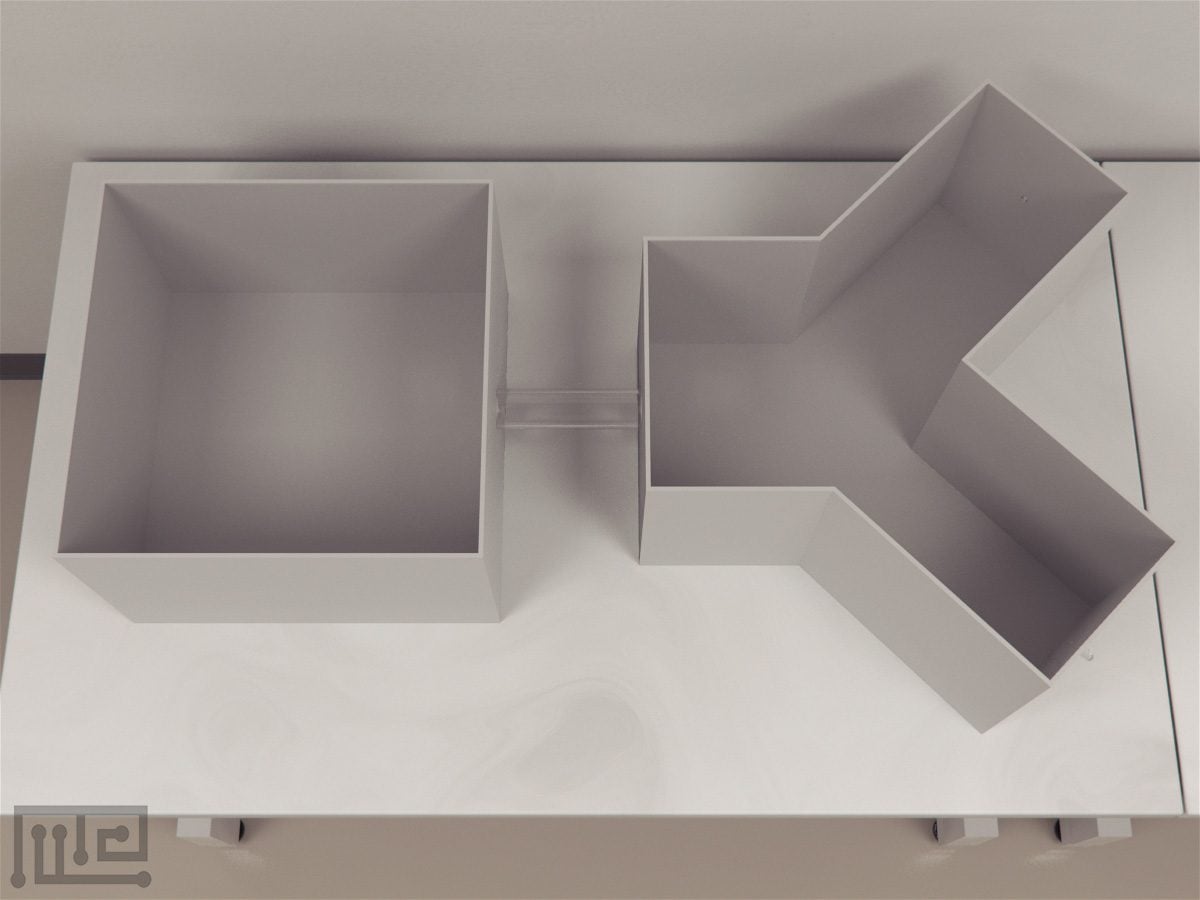
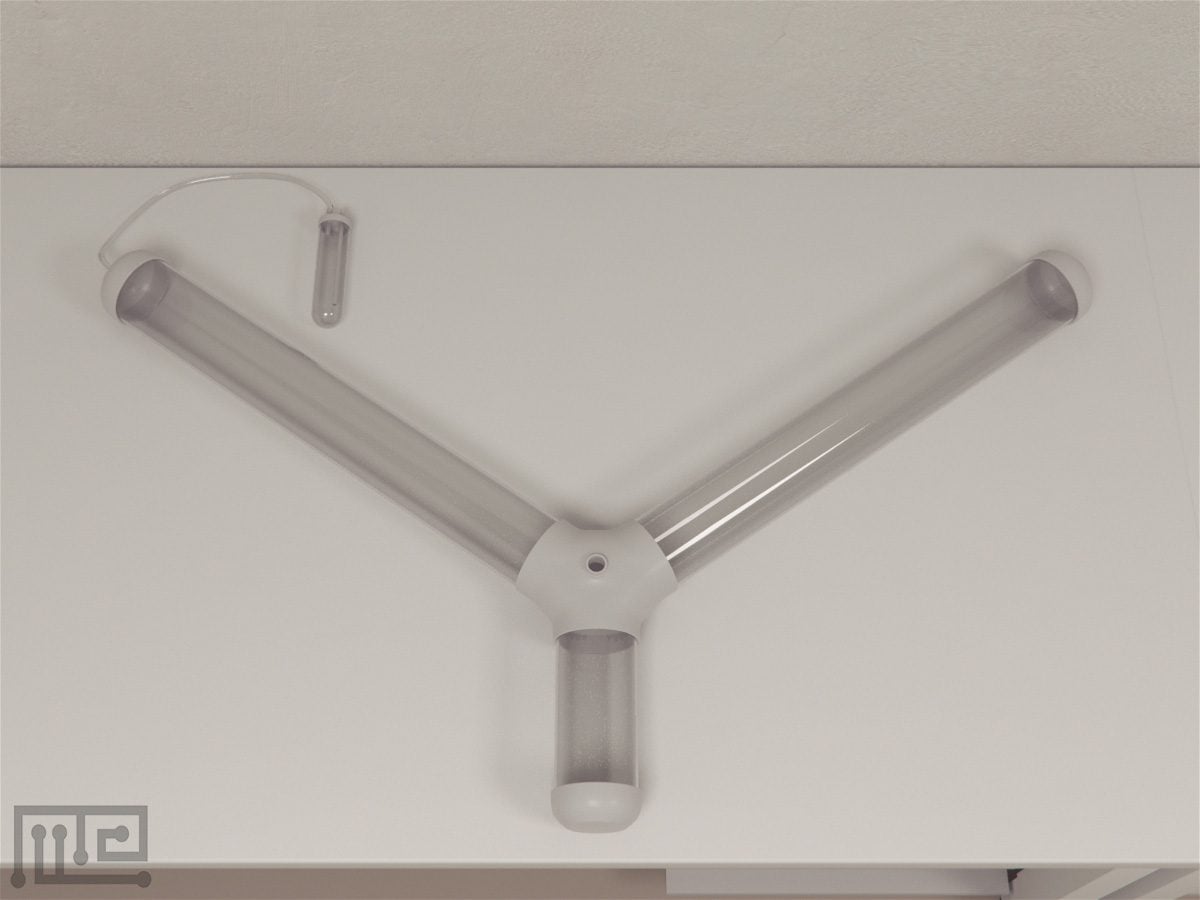
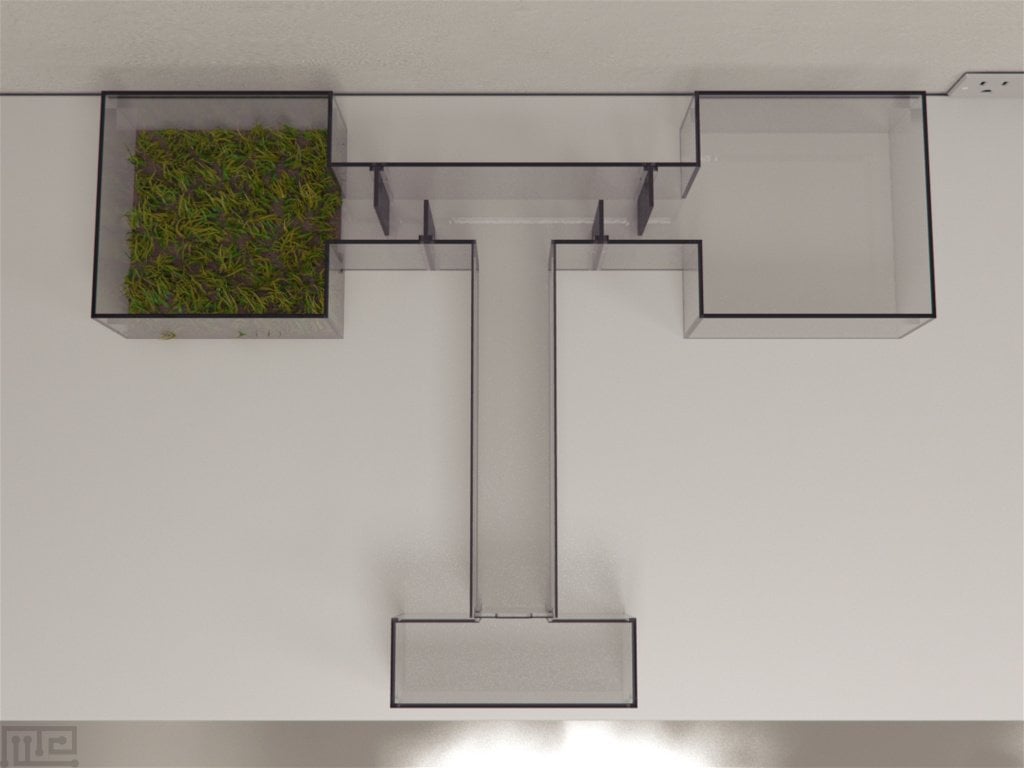
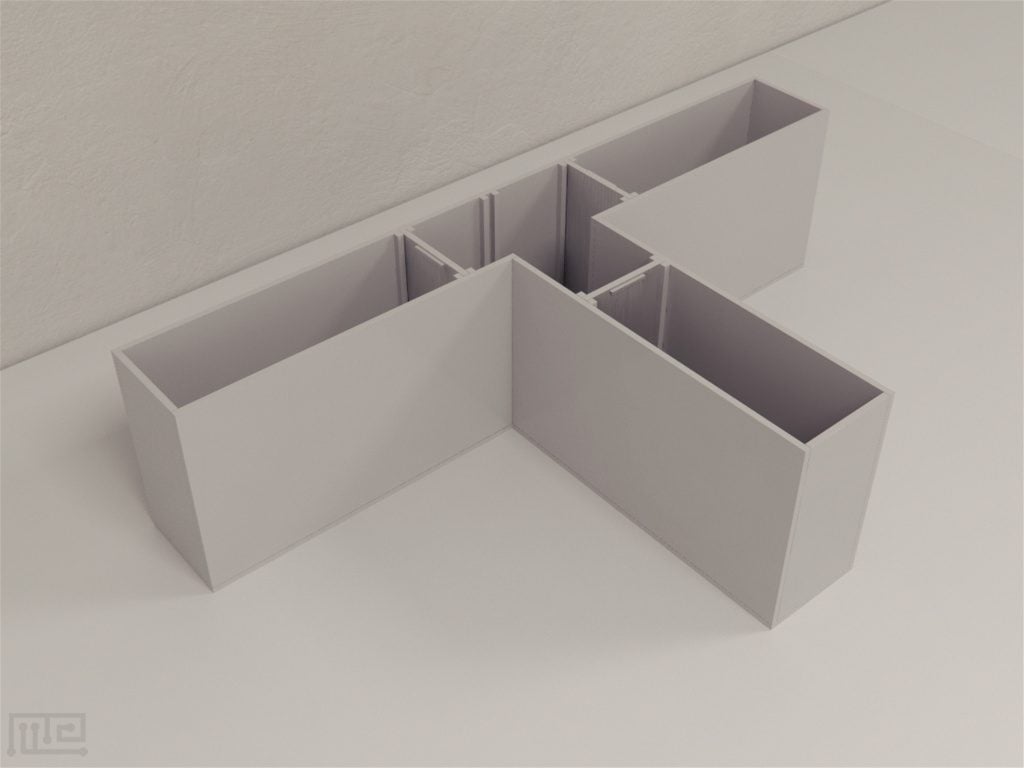
Developed by Grieves, Wood, & Dudchenko, 2016, the Y/T Rodent Maze is used to study spatial navigation in rodents. It contains a start box, three-goal boxes,…
Rodent Olfactory Exploration Box
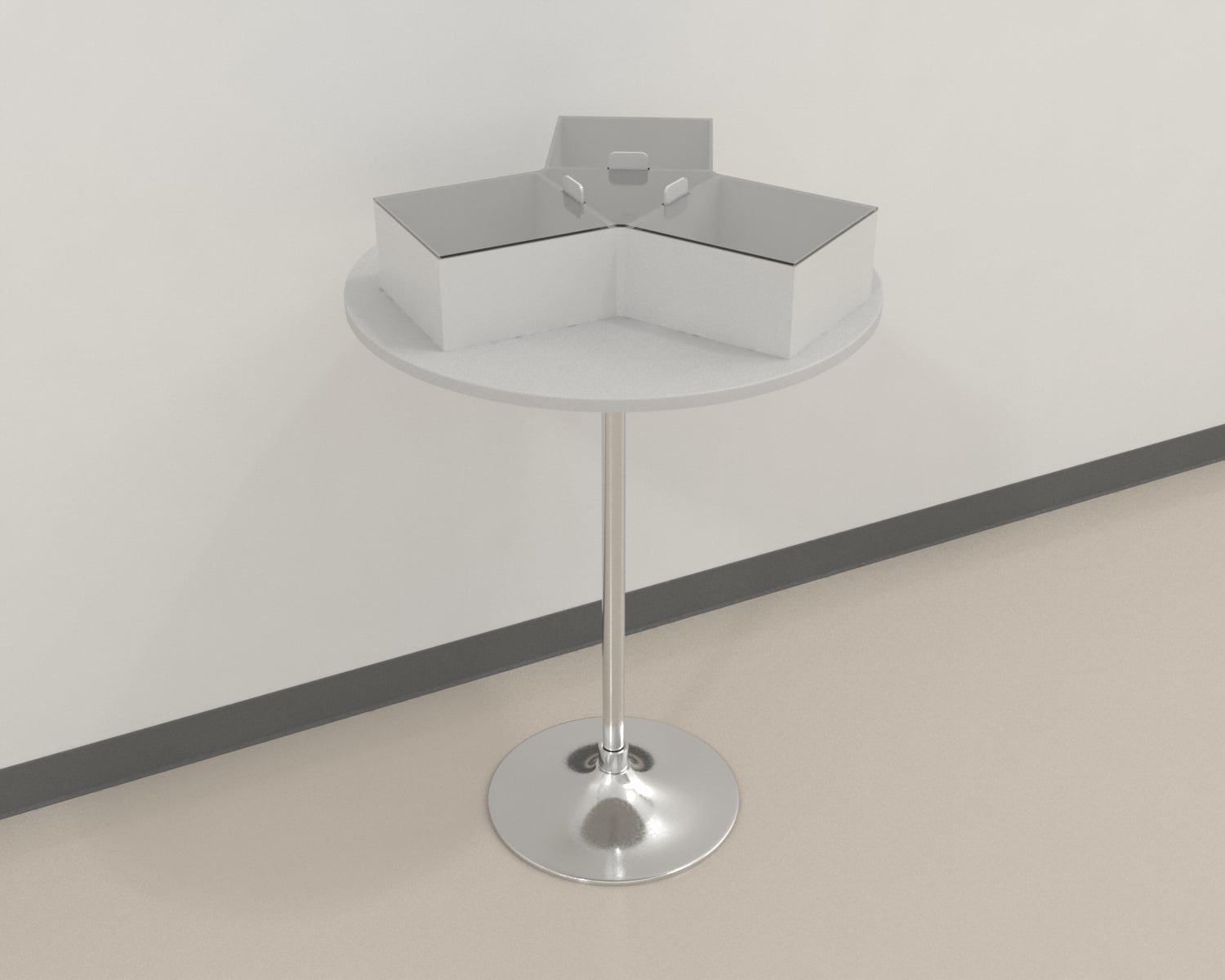
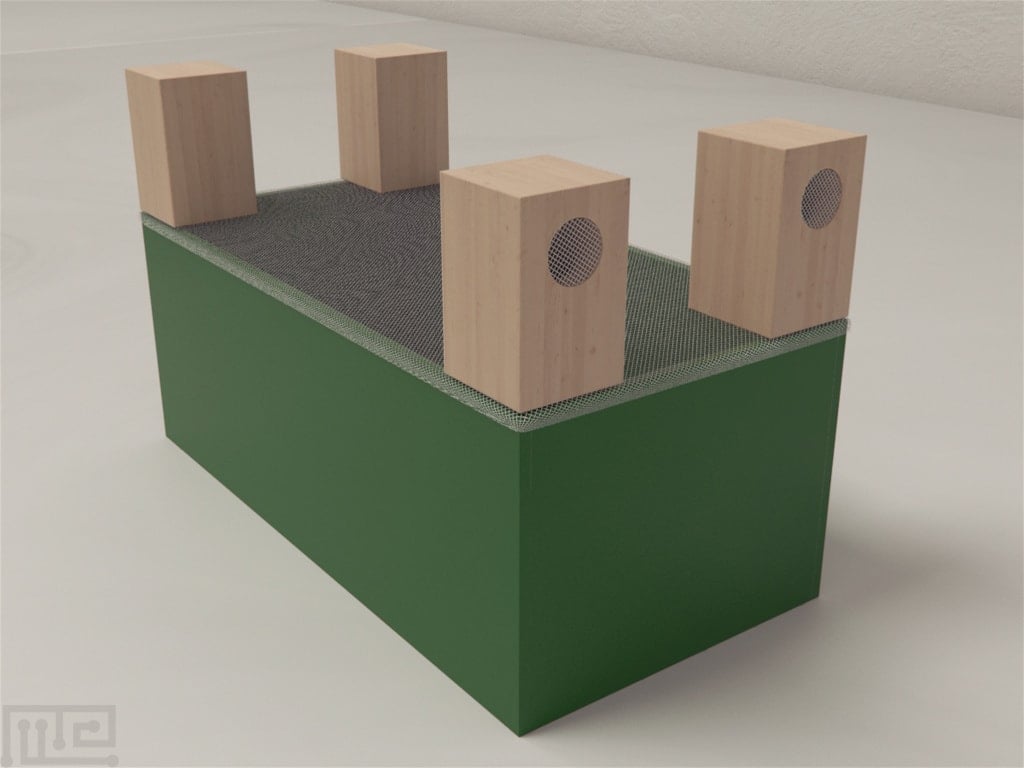
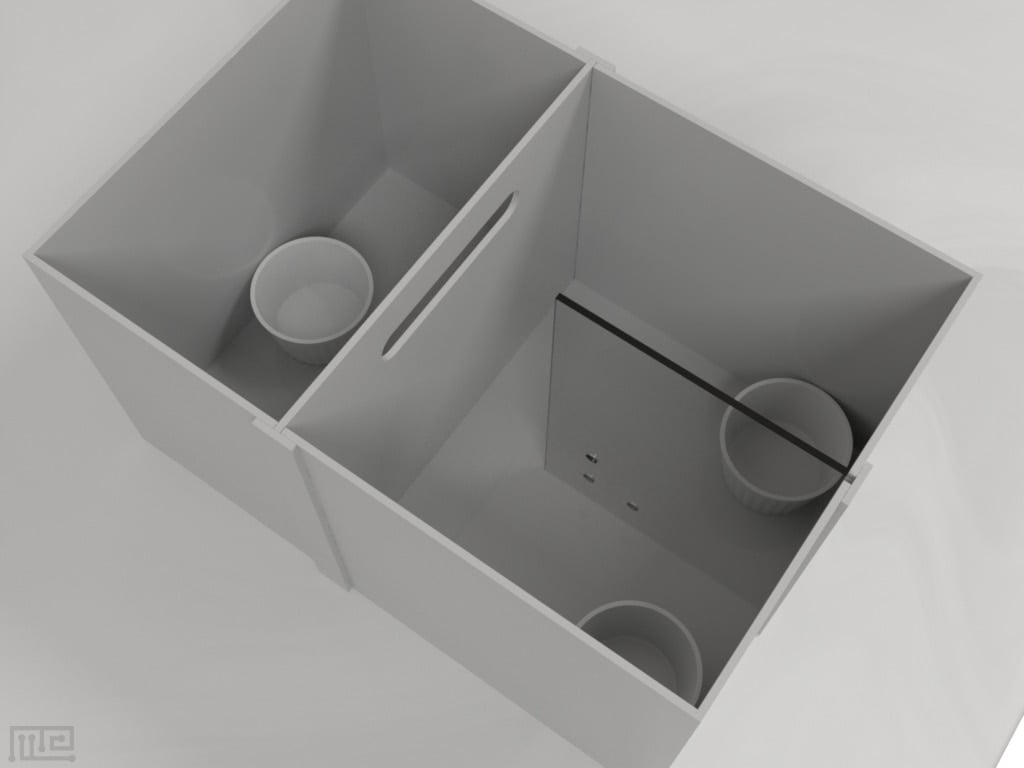
The Rodent Olfactory Exploration Box is employed to evaluate rodents’ ability to identify and discriminate between different odors. The box comprises solid…
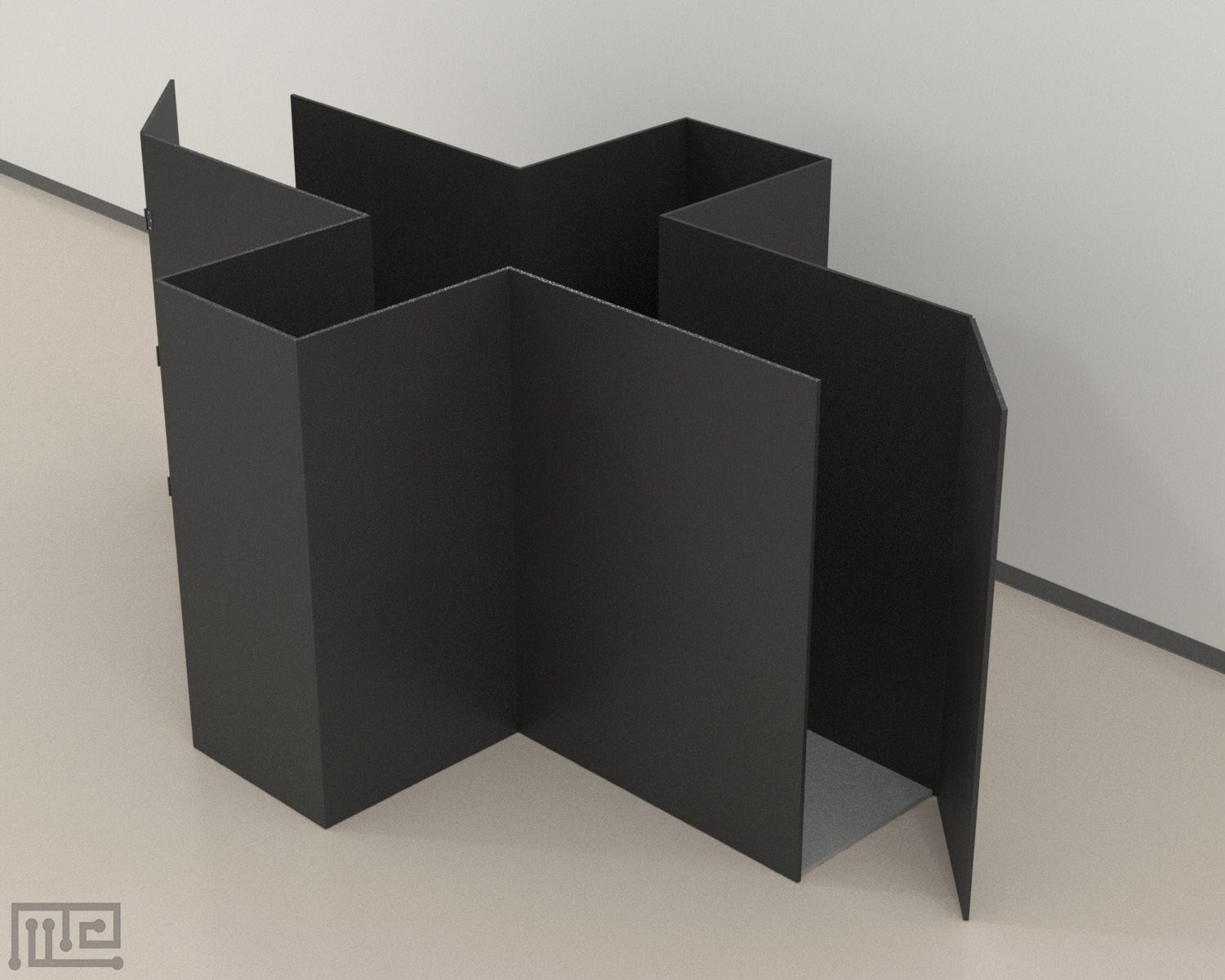
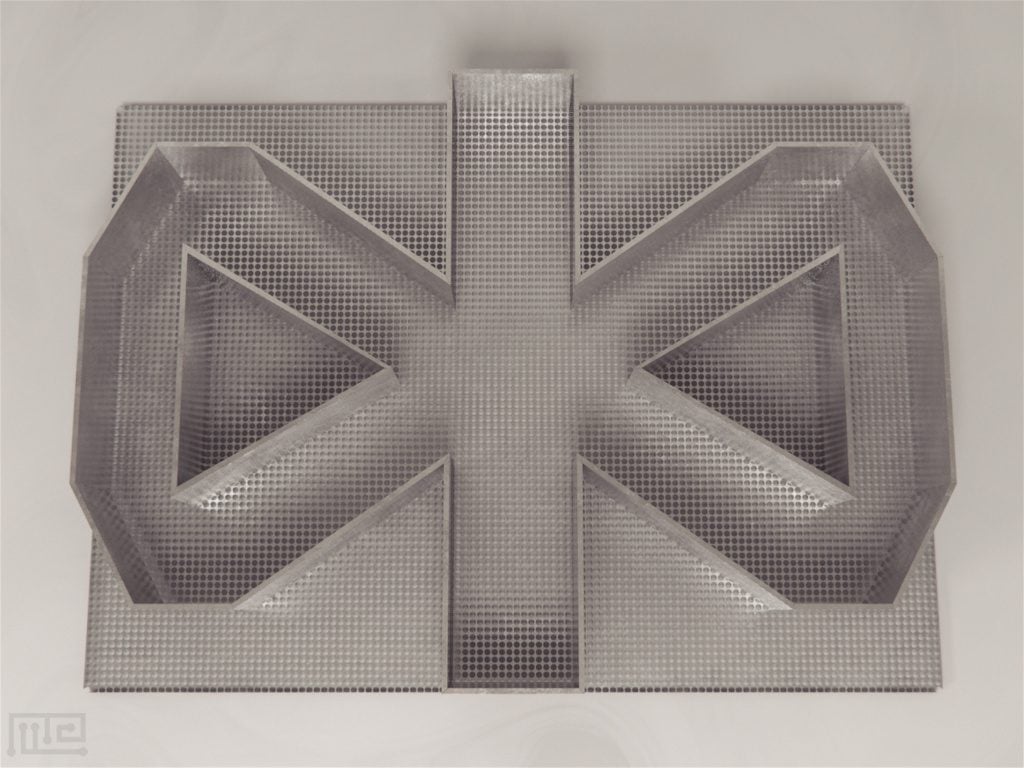
Rodent OX Maze
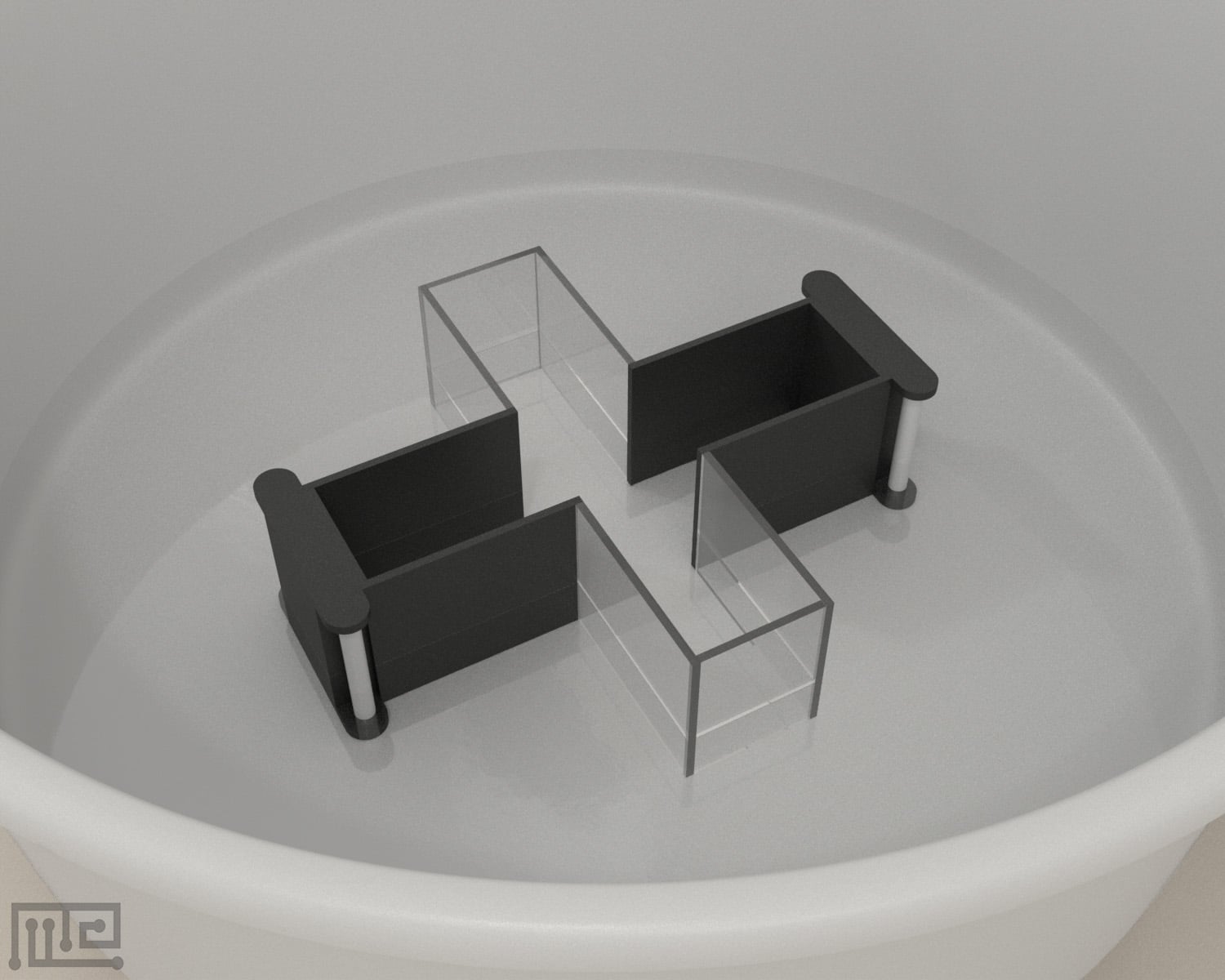
Developed by Wood, Glynn, and Morton, the Rodent OX-Maze is used to assess learning and memory in rodents. It gets its name from the ‘O’ and ‘X’ symbols drawn…
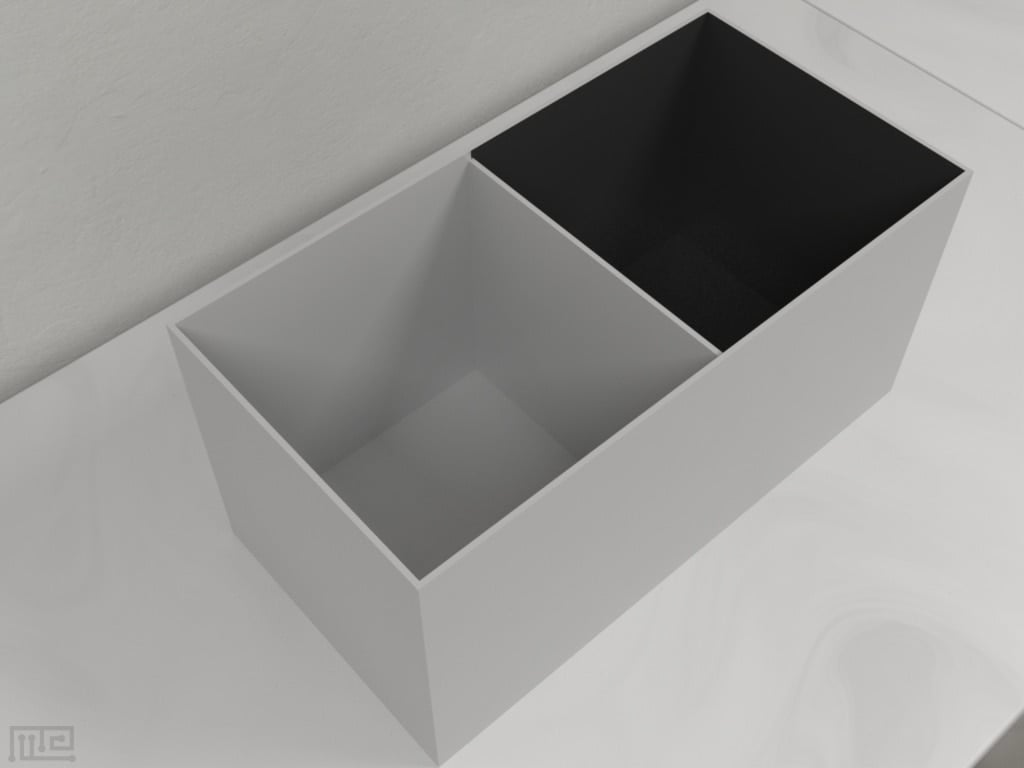
Rodent Open Topped Apparatus
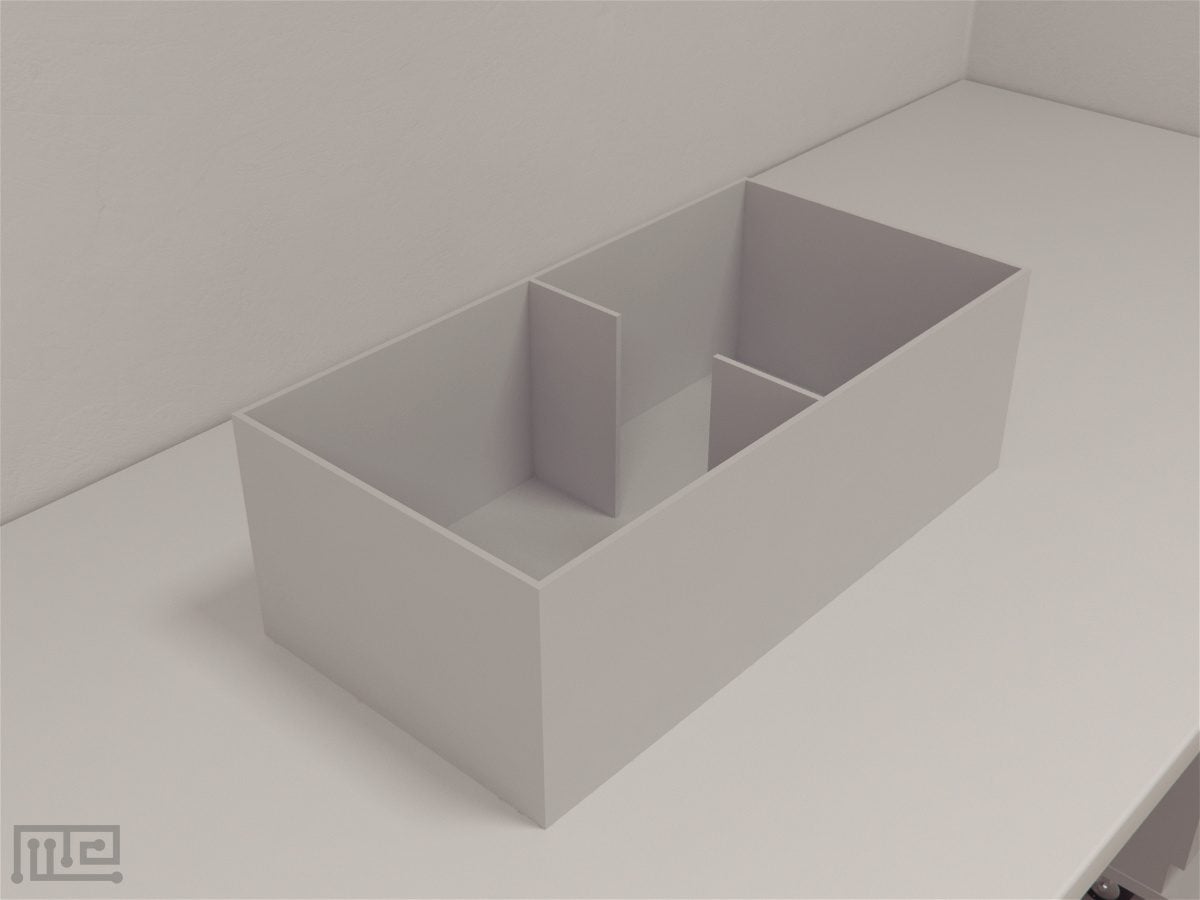
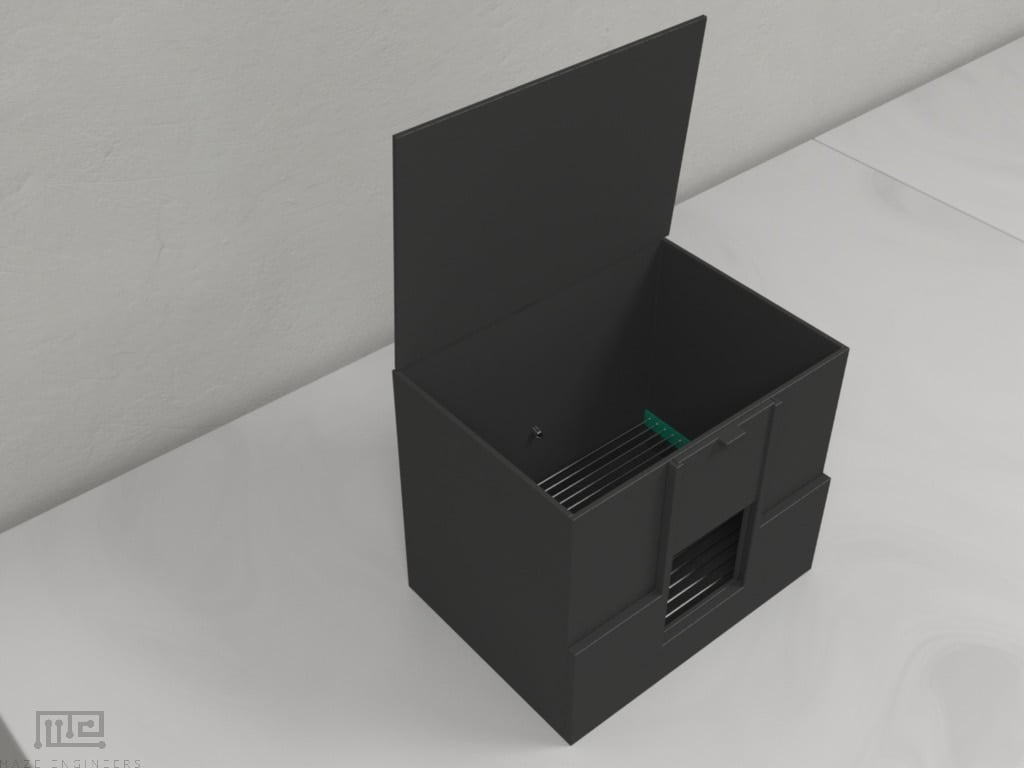
The Open Topped Apparatus is a modified version of the Light/Dark Box used to study anxiety-related behaviors in rodents. It includes a chamber divided into…
Protected: Social/Sexual Appetitive Behavior Test
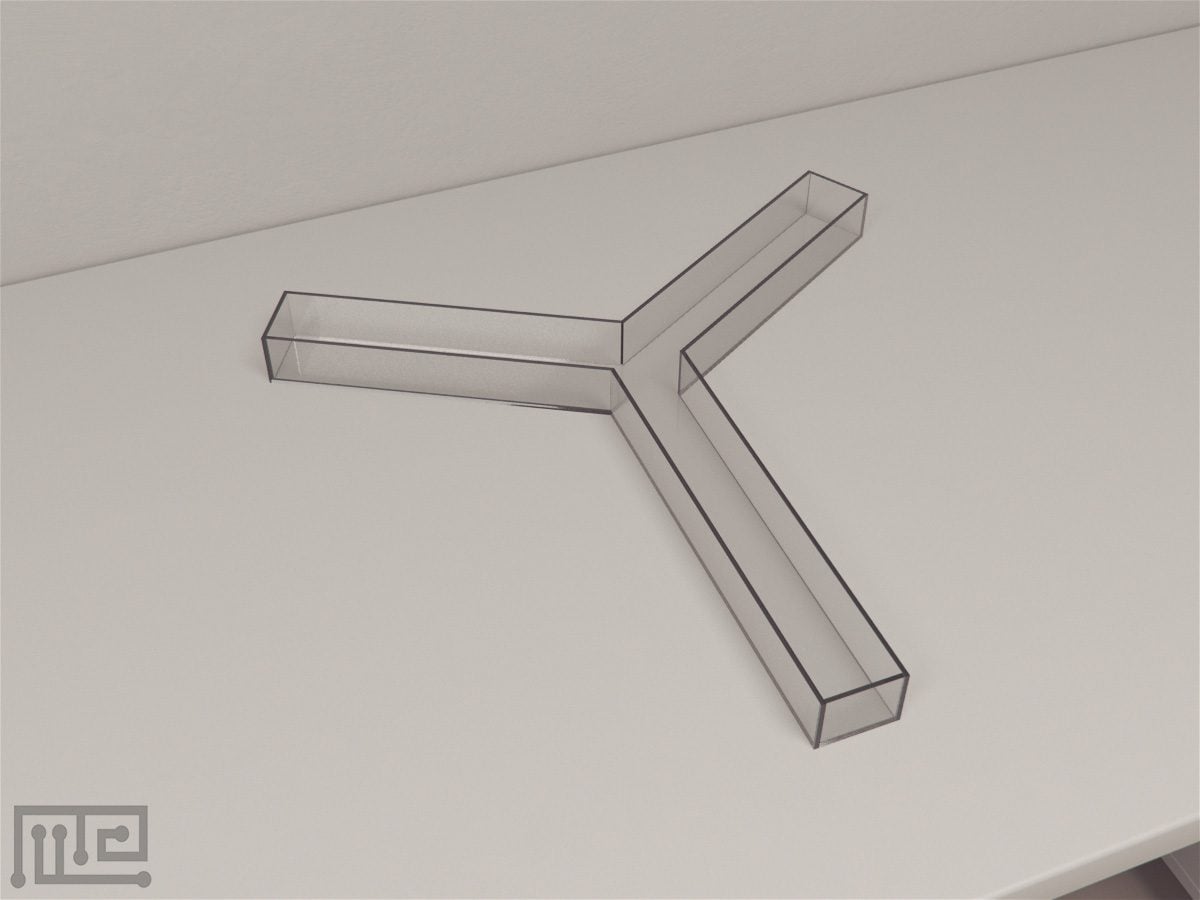
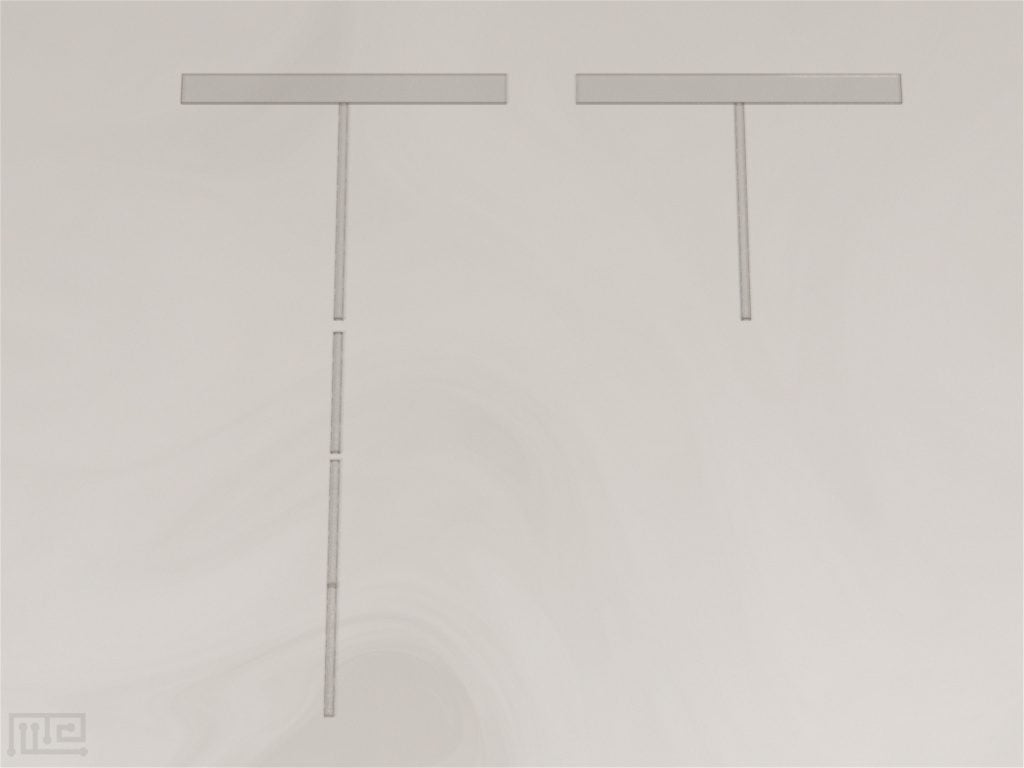
Slime Mold Y-Maze
Product Description
Split T Maze
The Split T-Maze was originally invented by Markowska and Savonenko (2002) as an adaptation of the standard rodent T-Maze used to assess spatial learning and…
Narrow Elevated Path Maze
The Narrow Elevated Path Maze is used to study spatial learning and memory in rodents.
Blocked Elevated maze
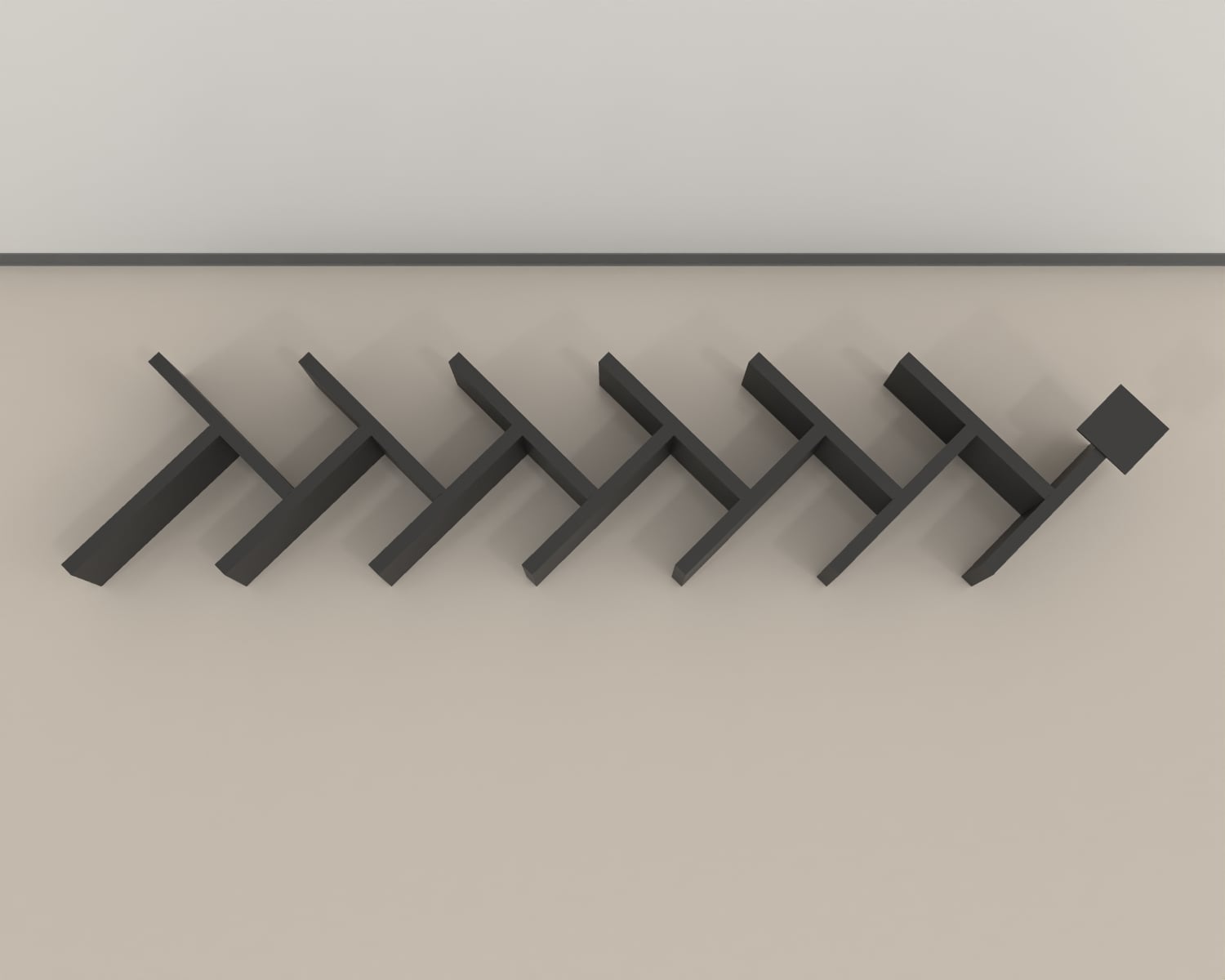
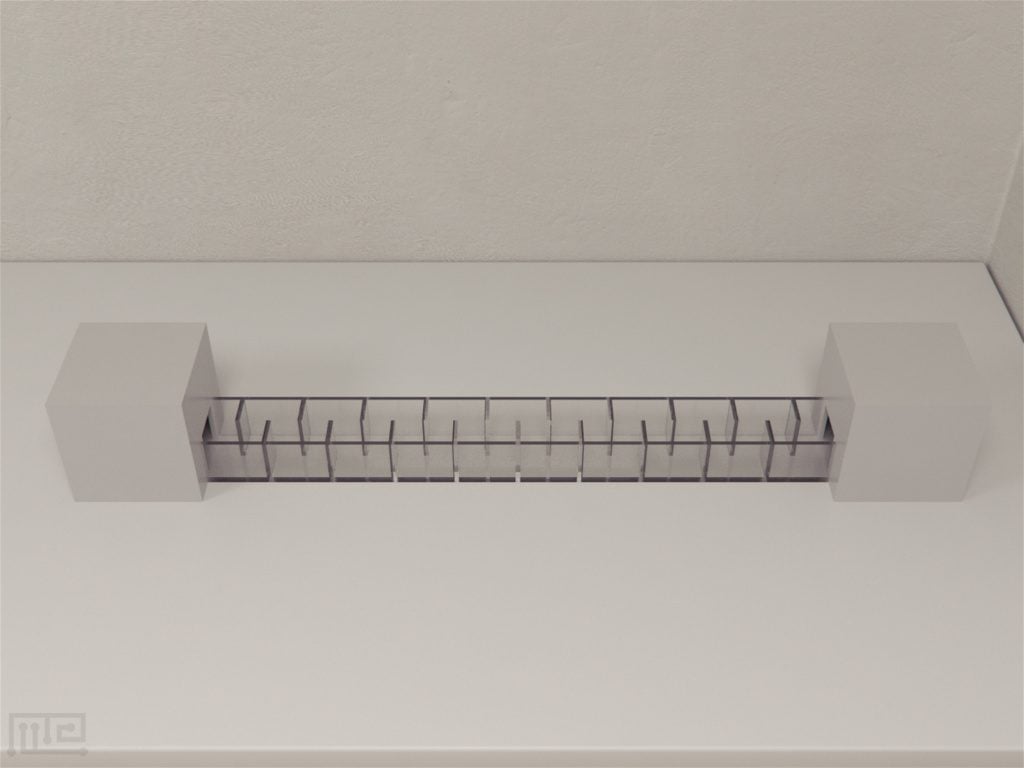
The Blocked Elevated Maze is an adaptation of the standard rodent T-Maze and the Elevated Plus Maze and comprises several elevated blocks arranged in a multiple T zigzag pattern.
Rodent Rotometry Monitoring Device (Rotameter)
The Rodent Rotometry Monitoring Device (Rotameter) collects data on the animal's rotational behavior, including the direction, velocity, and duration of the…
Zebrafish Larvae Y Maze
Description The MazeEngineers Zebrafish larvae Y Maze takes advantage of a unique backlighting set-up to allow for fine behavior task assessment in larvae.…
Catalepsy Bar Test
The bar test involves placing the forepaws of a rodent subject onto a bar and timing how long it takes for the subject to remove one or both paws from the bar
Pasta Matrix Reaching Task
The Pasta Matrix Reaching Task is used to assess the skilled reaching performance of rodents, including their ability to reach for different directions and…
Automated Skilled Forelimb
The original skilled forelimb reach task was originally invented to assess motor assessment in rodents. Rodents are required to reach through a gap and grasp a…
Automated Zebrafish T Maze
The Zebrafish Automated T-maze is used to study spatial learning and memory along with conditioned behaviors in zebrafish.
Primate Finger Maze
The Primate Finger Maze can be applied in investigations involving pharmacological manipulations, brain lesions, and neurodegenerative and neuropsychiatric disorders to obtain an objective assessment of cognitive abilities.
Cognitive Bias Apparatus
Understanding cognitive biases are helpful in developing therapeutic treatments for diseases and disorders that affect the emotional states of individuals to improve the quality of living.
Hen Y-Maze
The Hen Y-Maze is an adaptation of the conventional Y-Maze apparatus and is used in the investigation of choice behaviors of fowls.
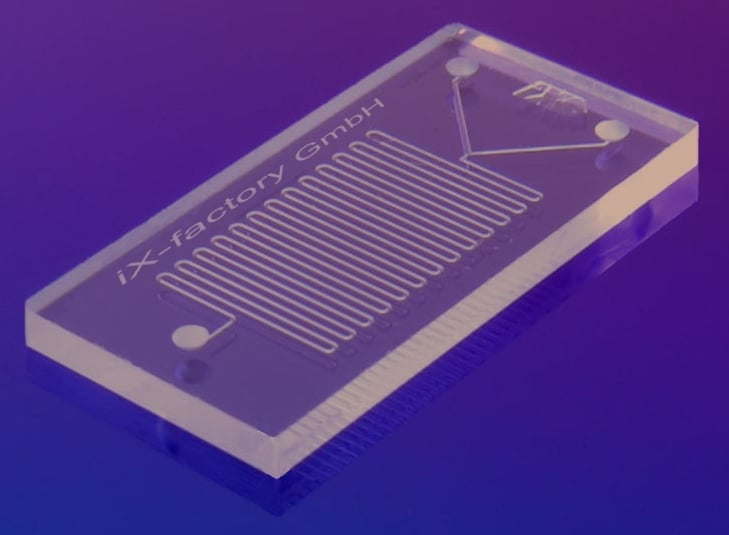
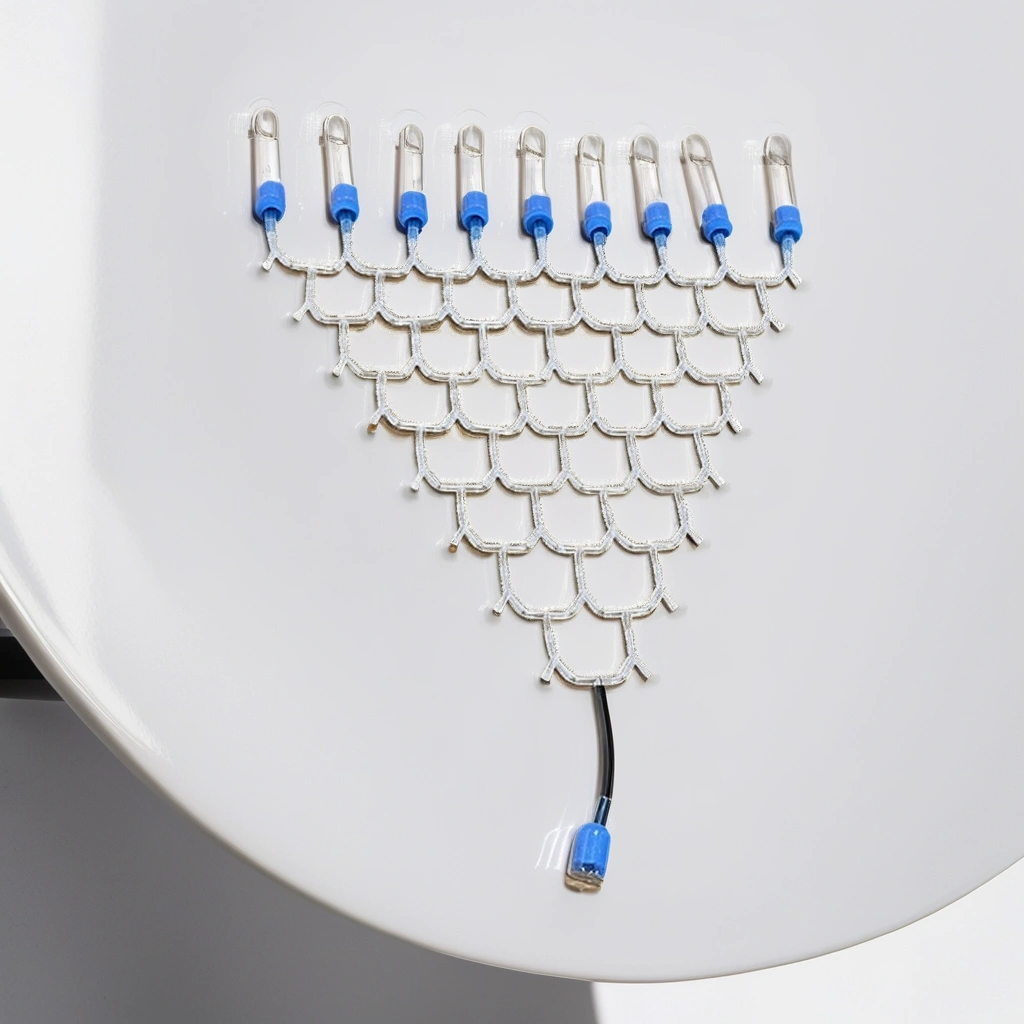
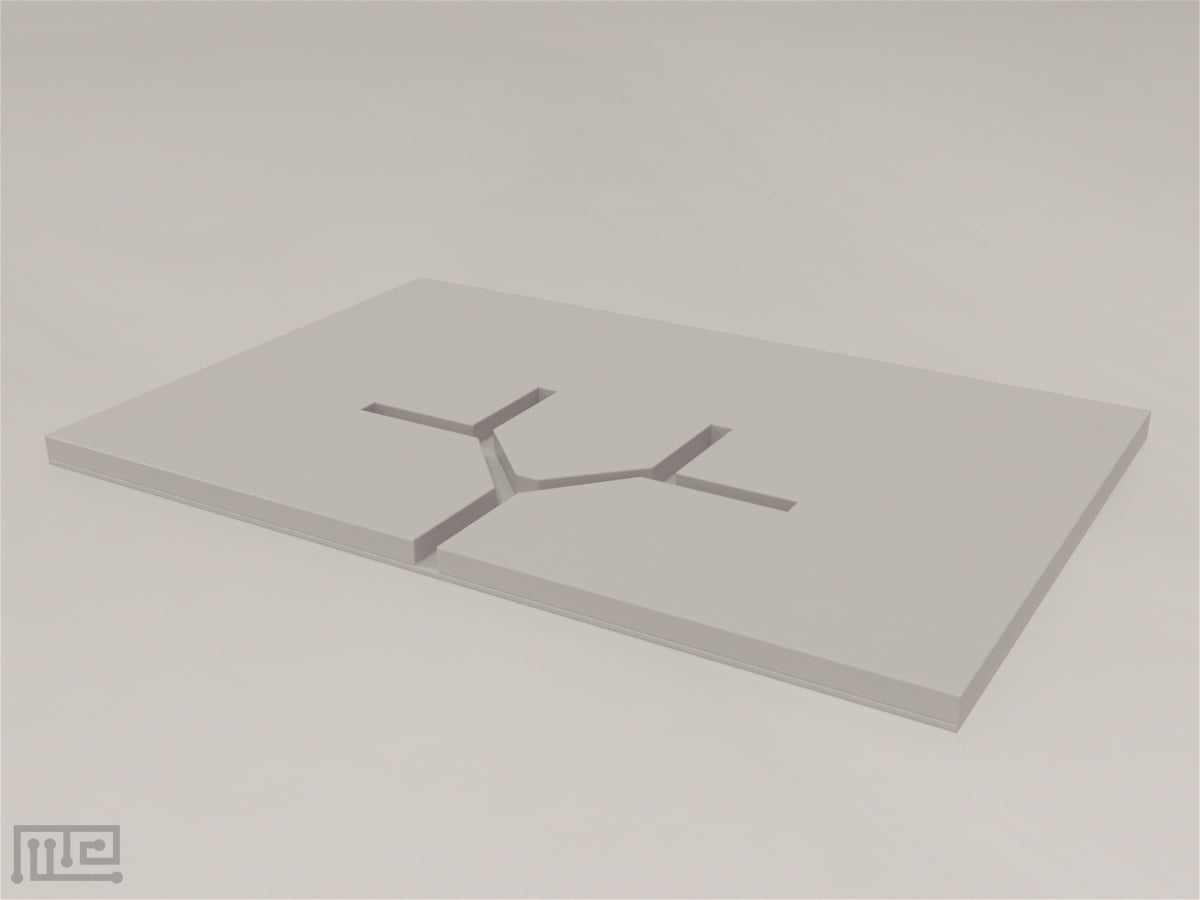
Microfluidics
Parallel Beam Task
The parallel beam task is commonly used to assess motor deficits in laboratory rodents.
Walking Radial Arm Maze
The Walking Radial Arm Maze is used in evaluating spatial processing and navigation abilities of humans based on the presence of different local and distal cues.
Rotatable Table Y Maze
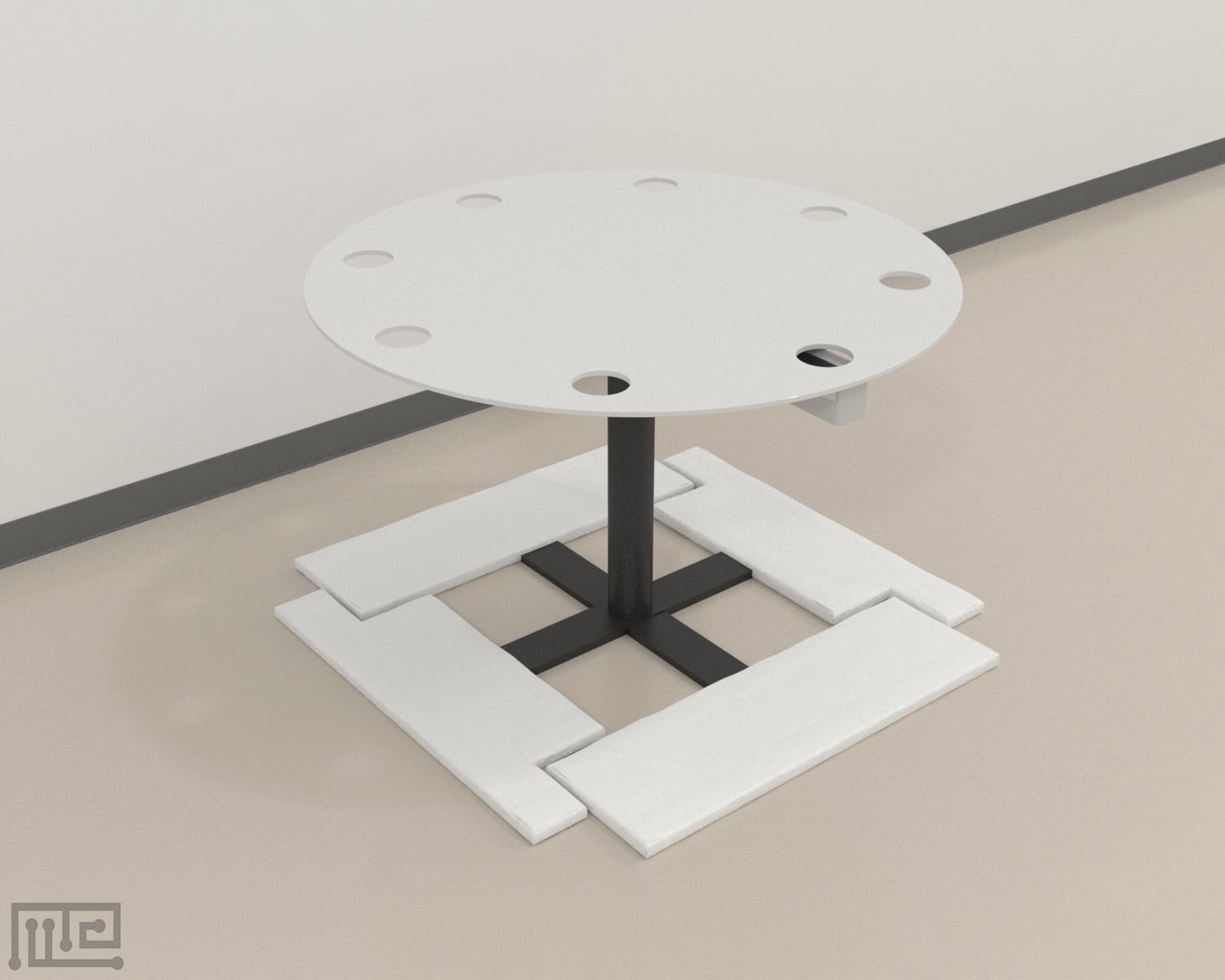
The Rotatable Table Y Maze can be used for studies associated with brain lesions, appetitive condioning and cue condition in rodents. Learn more here.
Mosquito Olfactory Apparatus
The Mosquito Olfactory Apparatus can be used to assess olfactory learning and memory in mosquito. Learn more about it and how it is used here.
Bee Compound Y-Mazes
The Bee Compound Y-Mazes was used to investigate how the colour, shape and location of patterns could be memorized within a time frame.
Multiple T-Maze
The Multiple T-maze is used to perform spatial learning and memory-based investigations on rodents.
Meadow Vole T Maze
The Meadow Vole T Maze was used to assess decision making in association with mate selection in male meadow voles. Learn more about the maze here.
Two Choice T-Maze
The Two choice T-maze was used to assess the replay of behavioral sequences in the hippocampusduring sharp wave ripple complexes (SWRs).
Crayfish Y-Maze
The Crayfish Y-Maze is a flow-through two-choice maze used in the evaluation of choice behaviors in crayfish.
Rodent Auditory Brainstem Response Test
Description The Maze Engineers Rodent Auditory Brainstem Response Test package is used to assess the function of the auditory pathway in the brainstem of…
Ant Visual Discrimination Y-Maze
The Ant Visual Discrimination Y-Maze creates a simple two-choice environment to allow the evaluation of foraging behaviors in the presence of different visual cues.
Automated Avoidance Zebrafish Y-maze
The Automated Avoidance Zebrafish Y-maze is an operant conditioning assay used to study avoidance behaviors in zebrafish when presented with an aversive stimulus.
Modified Oasis Maze
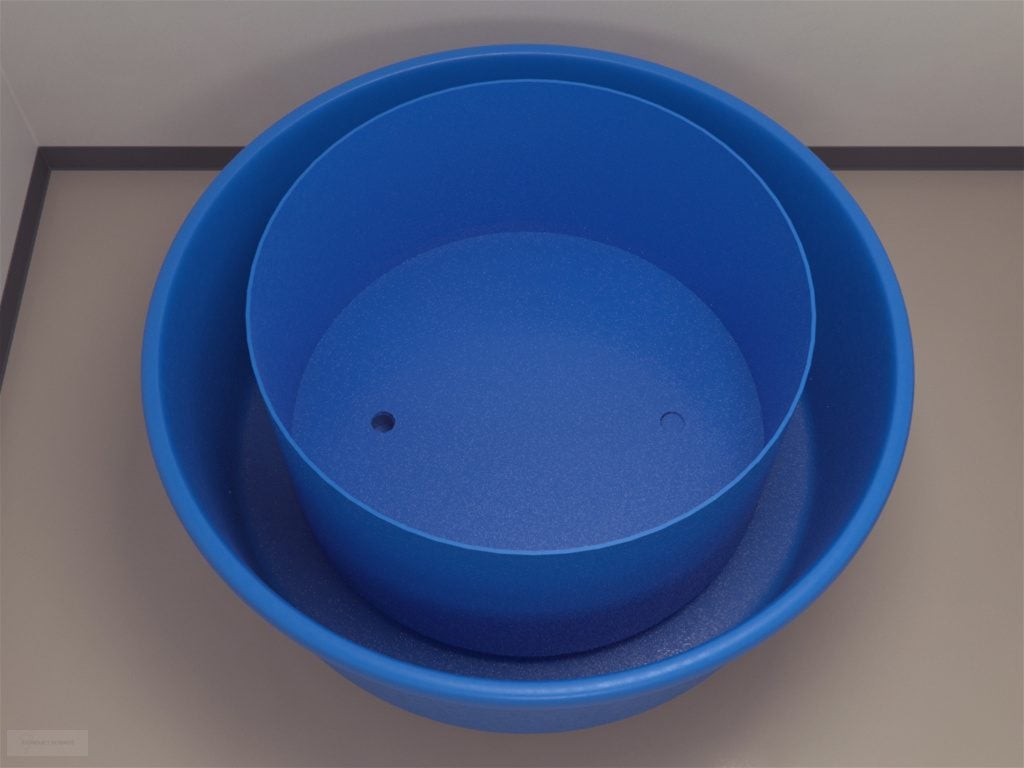
The Modified Oasis Maze is a type of water maze that is used in behavioral studies of rodents, particularly mice.
Predator Odor Exposure Test
The Predator Odor Exposure Test (POET) is used to investigate the neurobiology of anxiety and innate defensive behavior of rodents in response to odoriferous stimuli.
Zebrafish 3 Chamber Social Behavior
The Zebrafish 3 Chamber Social Behavior was used to assess the development of social behavior in young zebrafish.
Hexagonal Tunnel Maze
The Hexagonal Tunnel Maze is used to study the exploratory behaviors of rodents.
Environmental Enrichment Housing Cage
The Environmental Enrichment Housing Cage is used in different studies that involves the impact of housing conditions in animal models.
Large Maze
The Large Maze was used in an experiment for developing a hybrid symbolic and sub-symbolic intelligent system for mobile robots. Learn more about it here.
Complex Fish Maze
The Complex Fish Maze is used to study the spatial learning and navigation abilities of fish.
Circular Hole Board
A hole board apparatus with removable inserts and easy cleaning. Affordable for your budget. Great exploration data for the best price.
Food Preference Test
The Food Preference Test is used to study food preference behaviors in octopuses. The test identifies an octopus’s food preferences and then analyzes whether it can locate its favorite food in five problem-solving tasks.
Sleep Deprivation Chamber
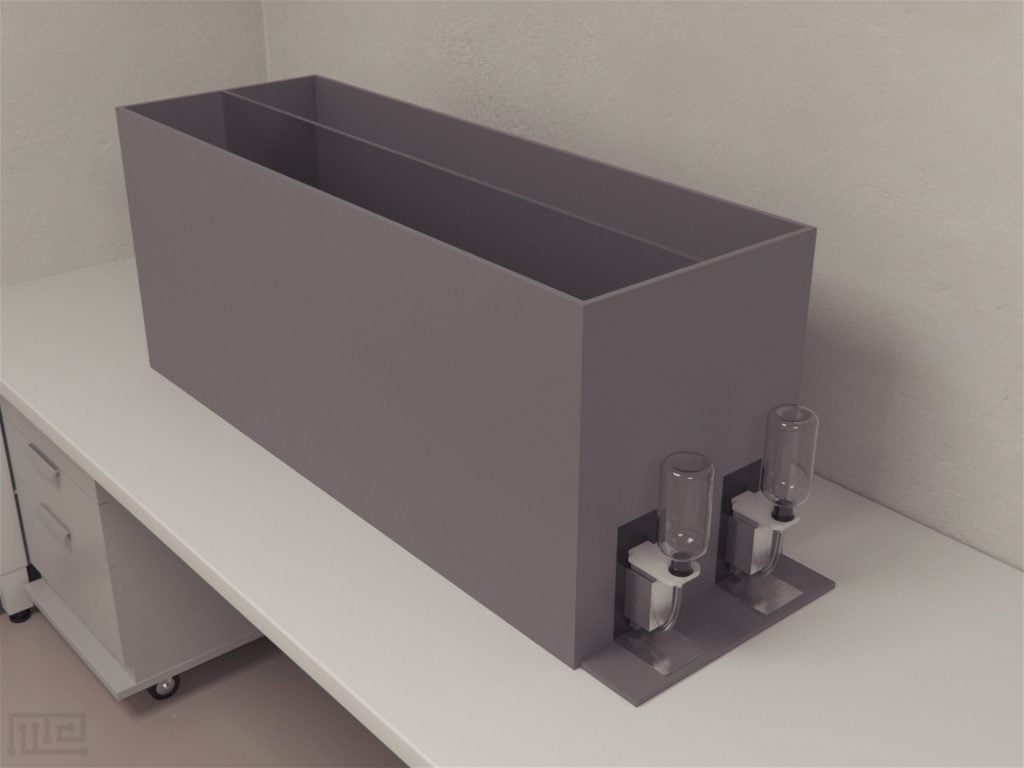
The Sleep Deprivation Chamber prevents REM sleep in rodents to explore sleep deprivation and associated behaviors
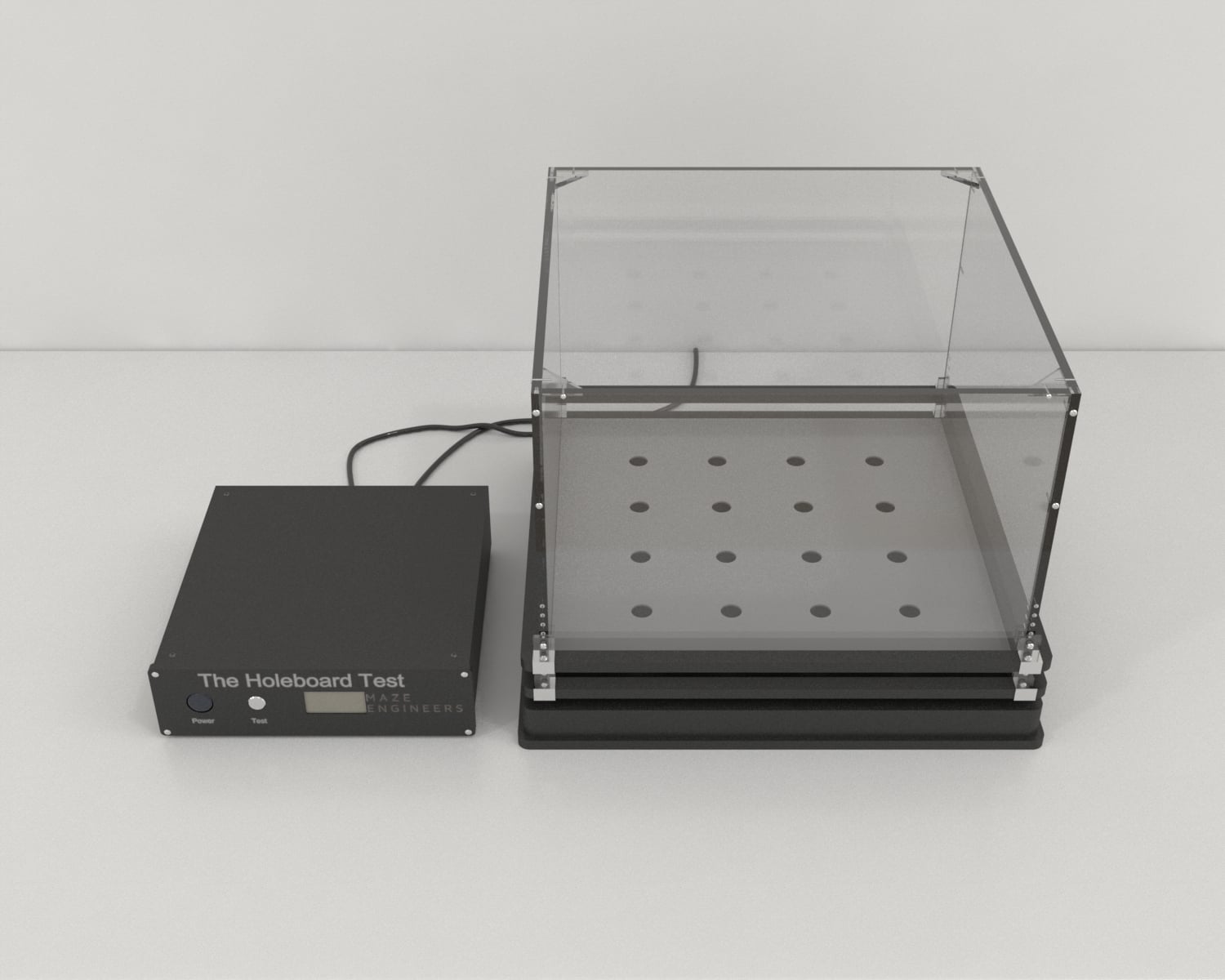
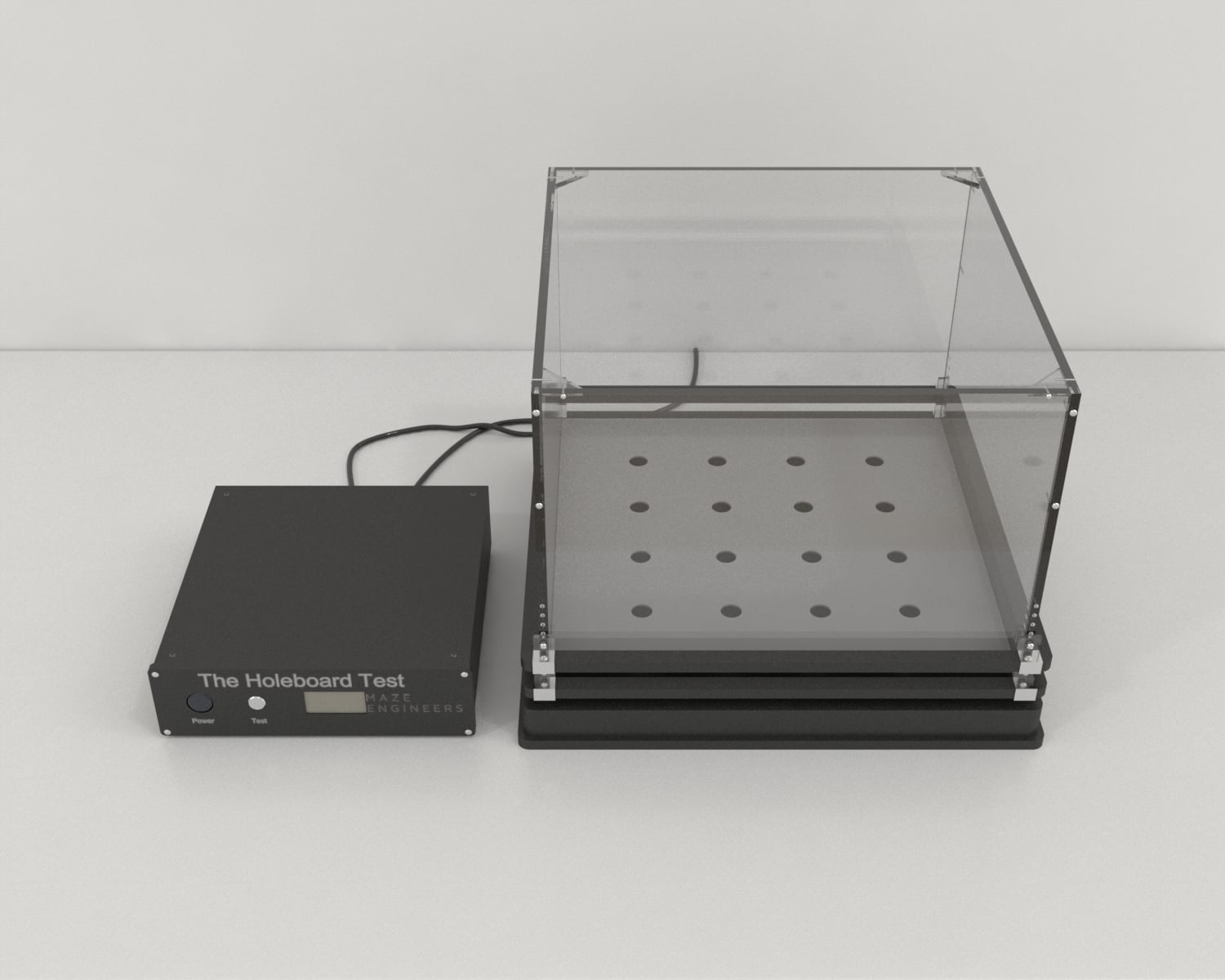
Neuwirth Hole Board Test™
Hole Board Documentation Learn More
V Maze
The V Maze is a behavioral apparatus used to assess acoustic preferences in monkeys.
T Choice Tube Maze
T Choice Tube is a behavioral apparatus used to understand social behavior in rodents.
Modified T-Maze
The Modified T-Maze is a T shaped apparatus is used to study learning, cognition and memory behavior in rodents.
Modified Flex Maze
Our Flex Maze gives the opportunity to create environments that challenge the spatial learning memory.
General Rodent Activity System
The Activity System is an automated system used to observe, record, and analyze rodents’ locomotor and behavioral activity levels.
Activity Hole Board
Automated hole board system is used for the detection of nose poke behaviour in the open field environment with maximum flexibility.
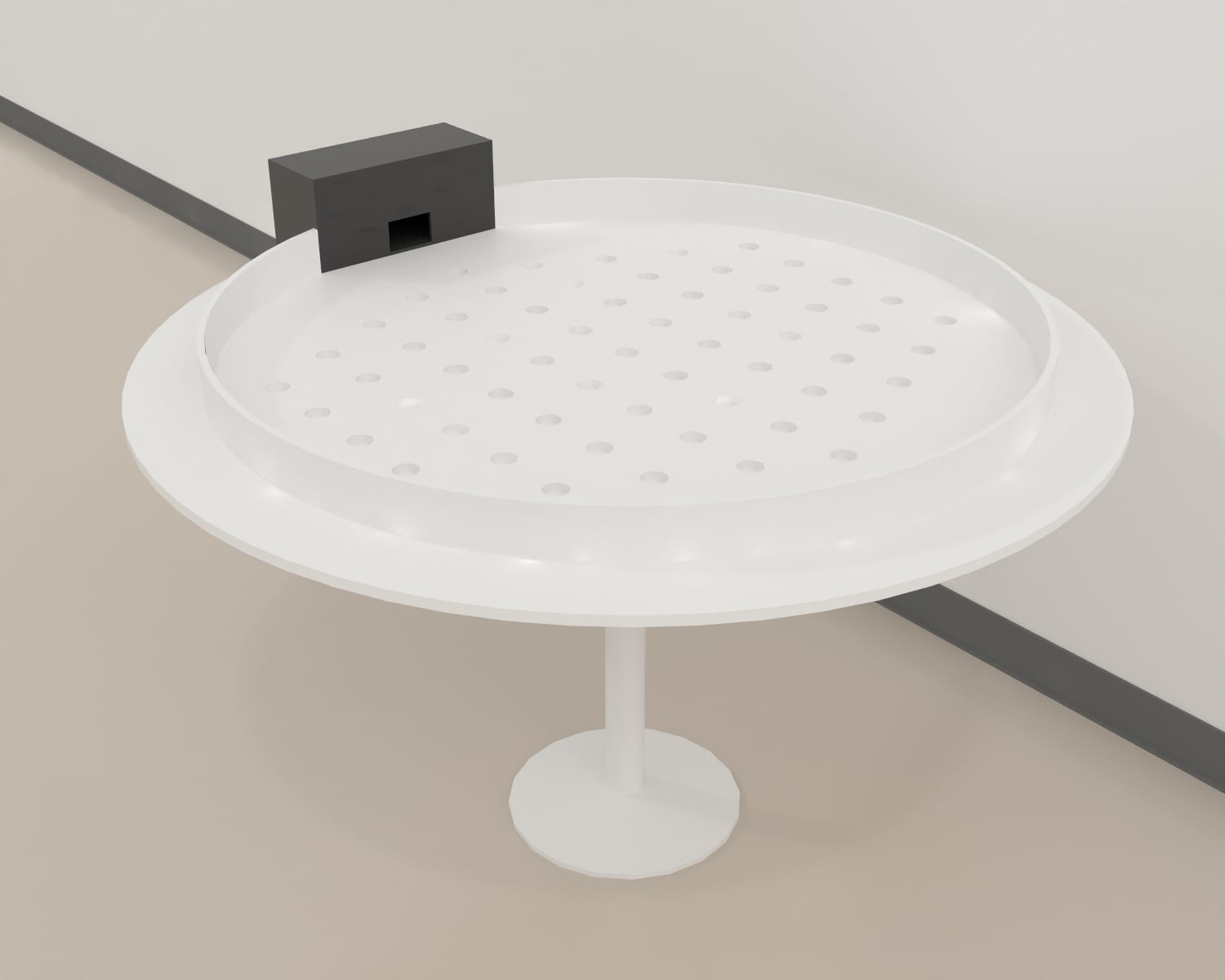
Caching Arena Kangaroo Rats
The Caching Arena is used to observe spatial learning and memory based on cache retrieval in rodents.
Pole Test
The Pole Test is a behavioral test used to assess the locomotor function of rodents.
Enclosed Tunnel Kite Maze
The Enclosed Tunnel Kite Maze is a cross-maze that can be used for navigation experiments.
Ethological Motivated Light/Dark Box Social Interaction Test
Data Analysis
Neuwirth-Brown™ Attention Set-shift Test (ASST)
Neuwirth-Brown™ Attention Set-shift Test (ASST) Documentation Learn More
Pig Foraging Arena
The Pig Foraging Arena can be used for different types of foraging experiments in pigs. Learn more about the arena and how it was used in experiments.
Oriented Strand Board (OSB) box
The Oriented Strand Board (OSB) box was used to show that wild Norway rats do not avoid predator scents when collecting food in a familiar habitat.
Butterfly Y Maze
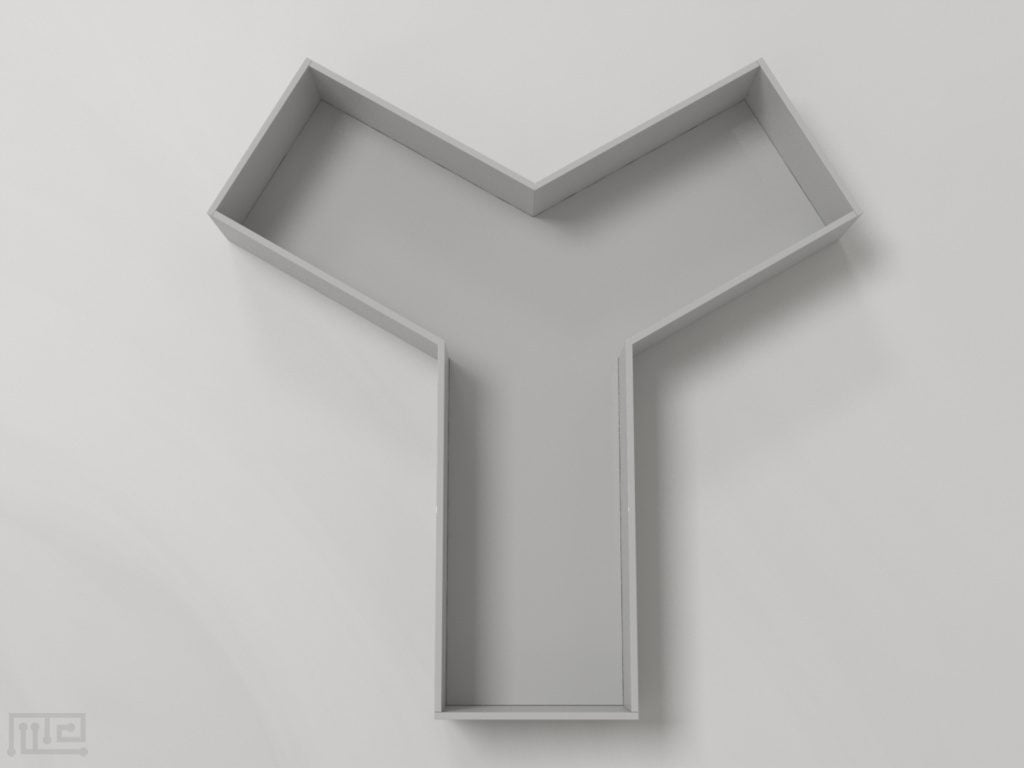
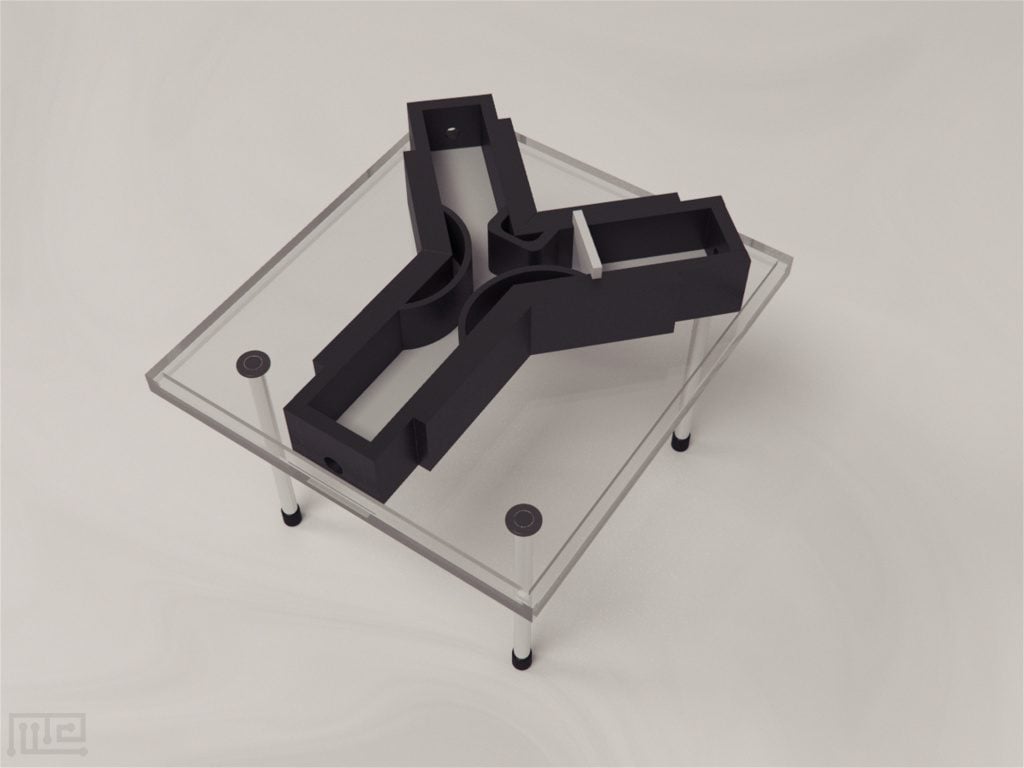
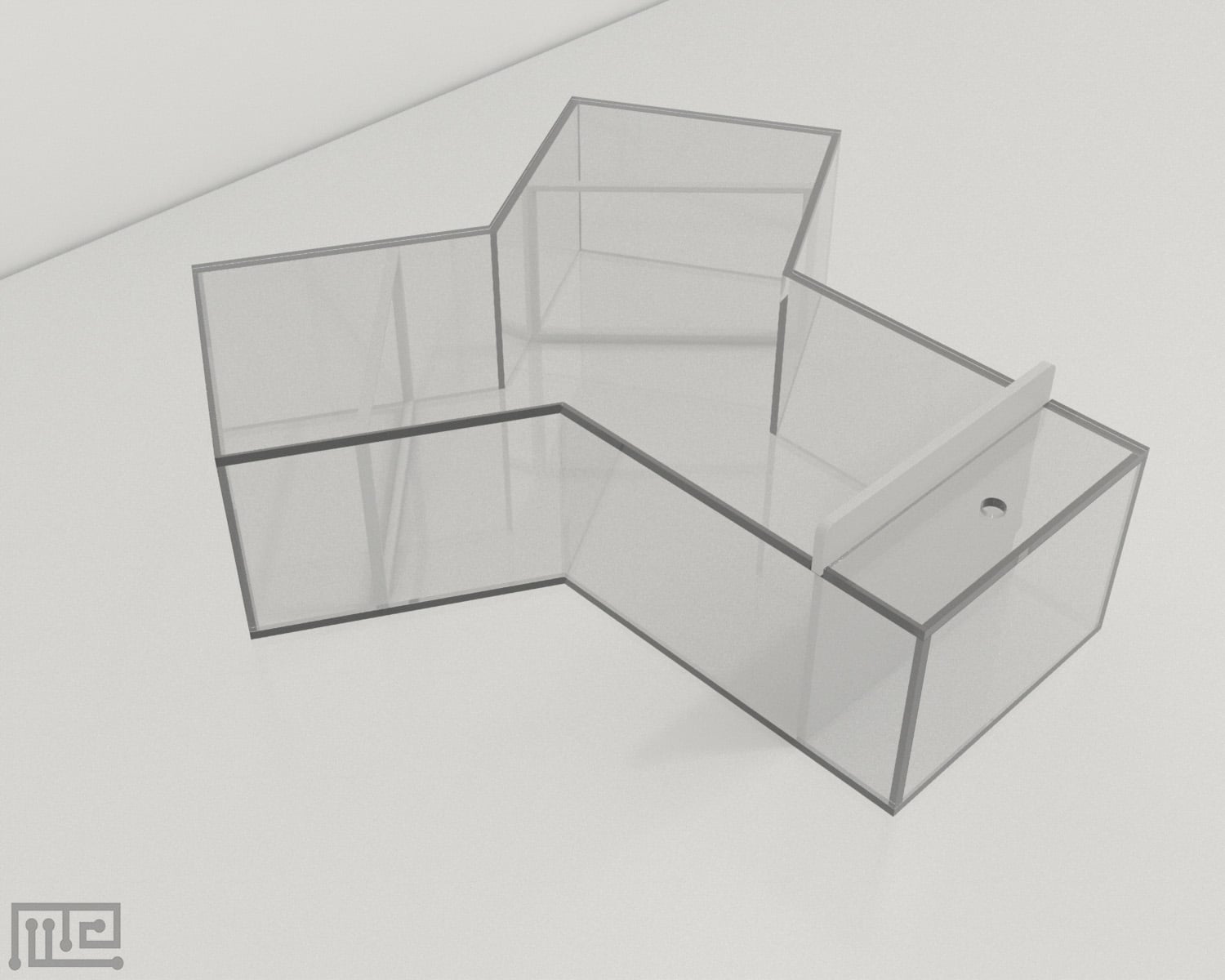
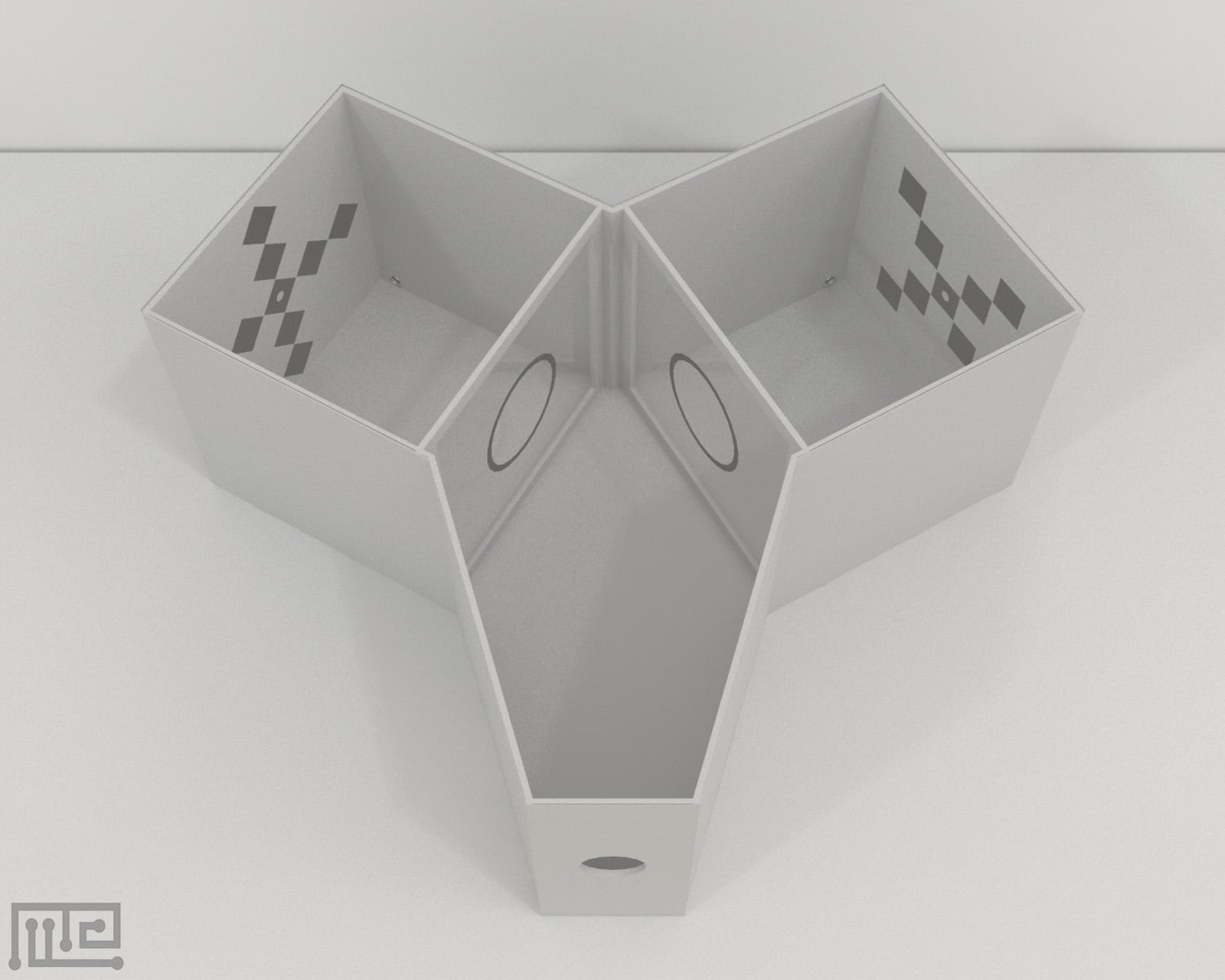
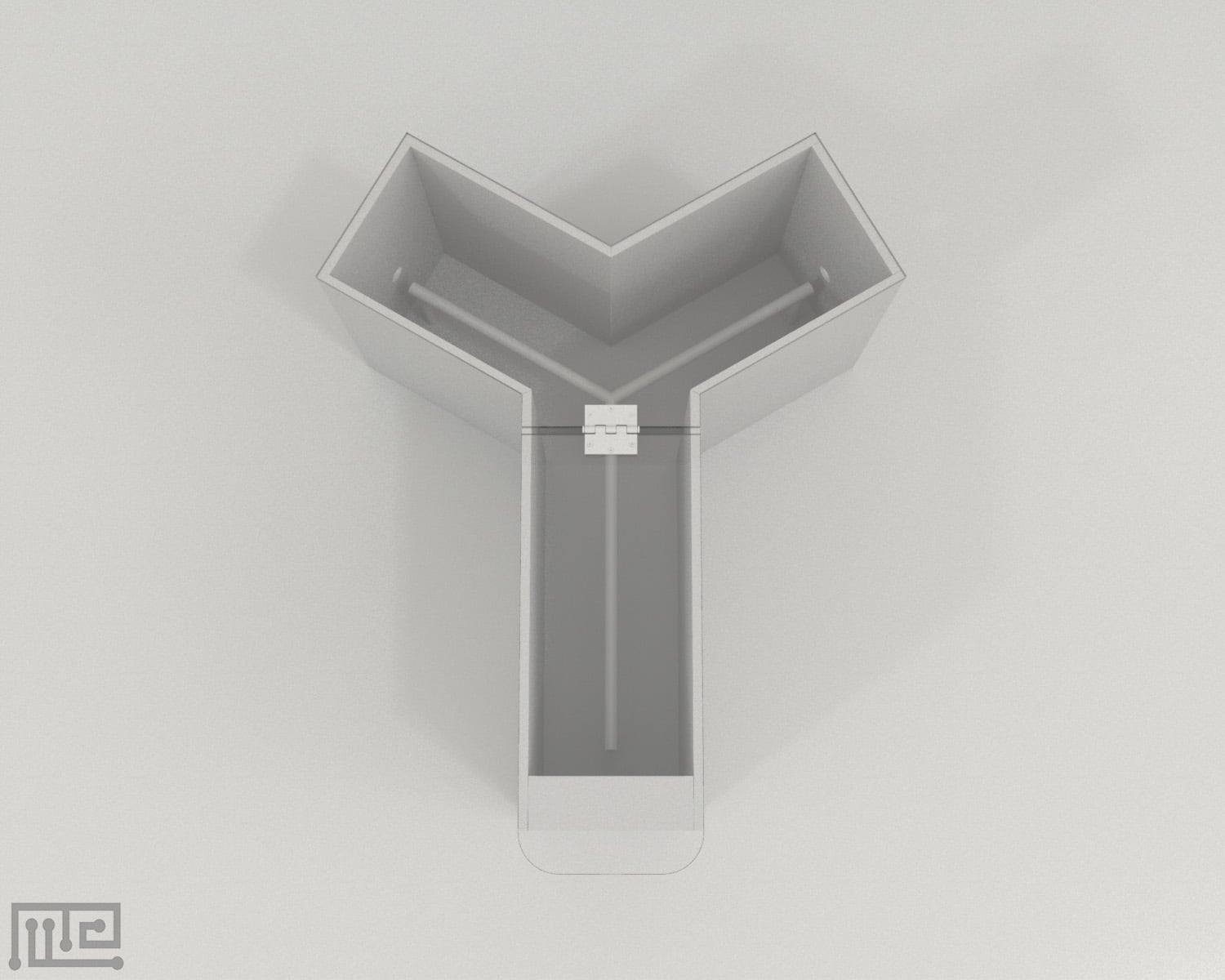
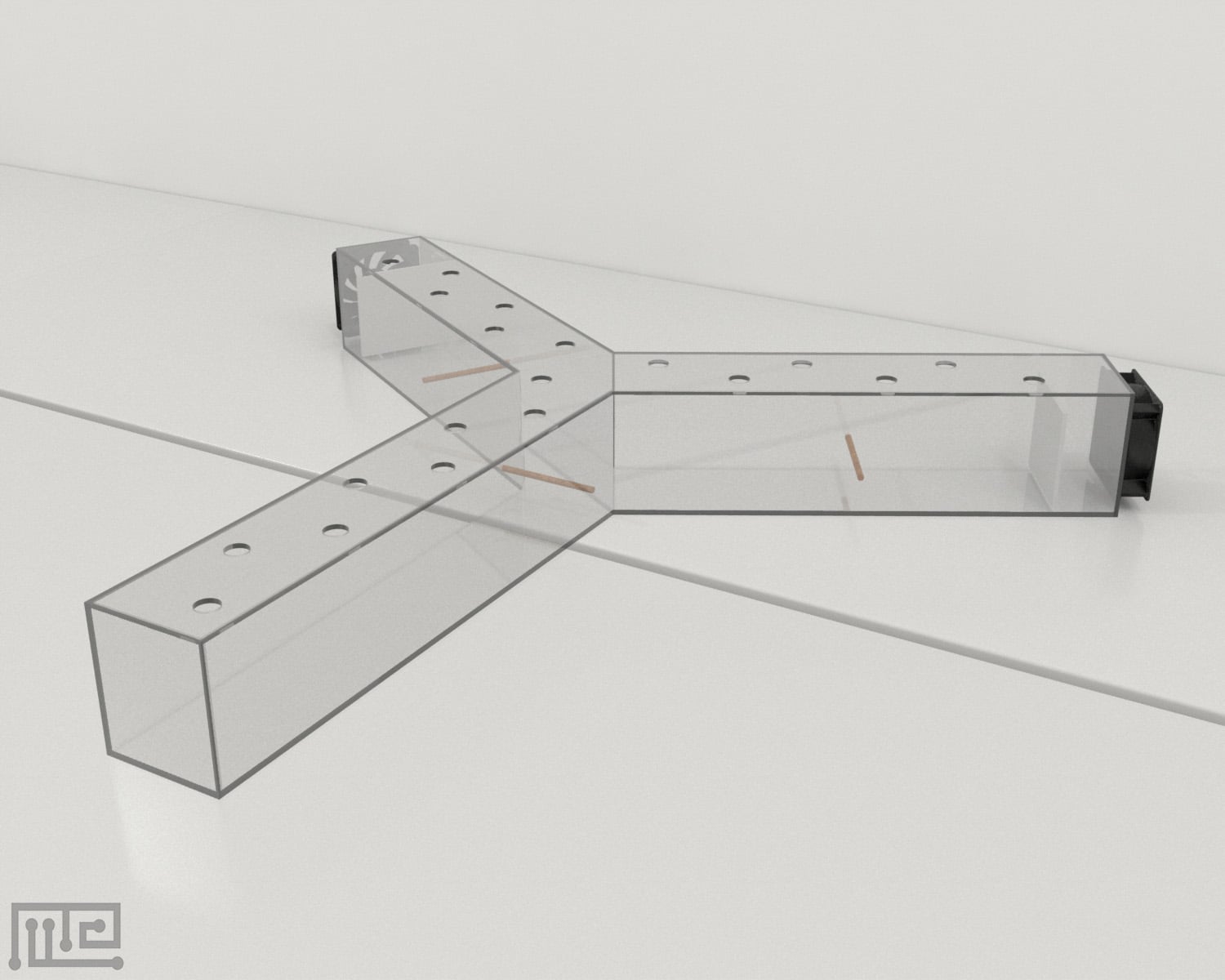
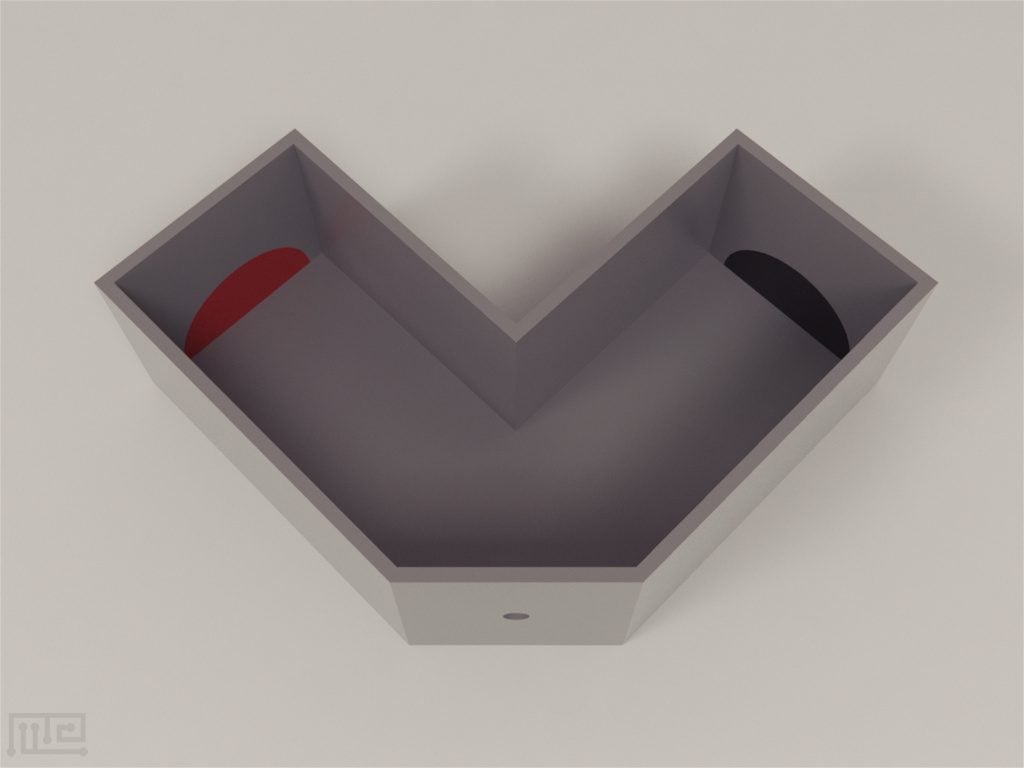
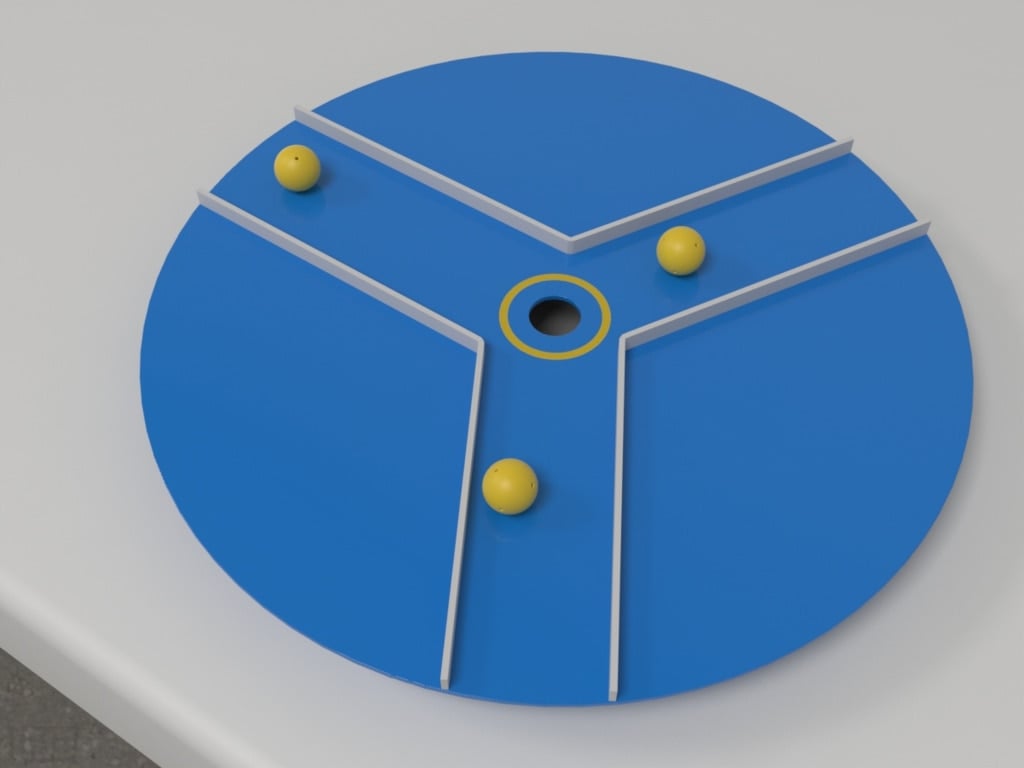
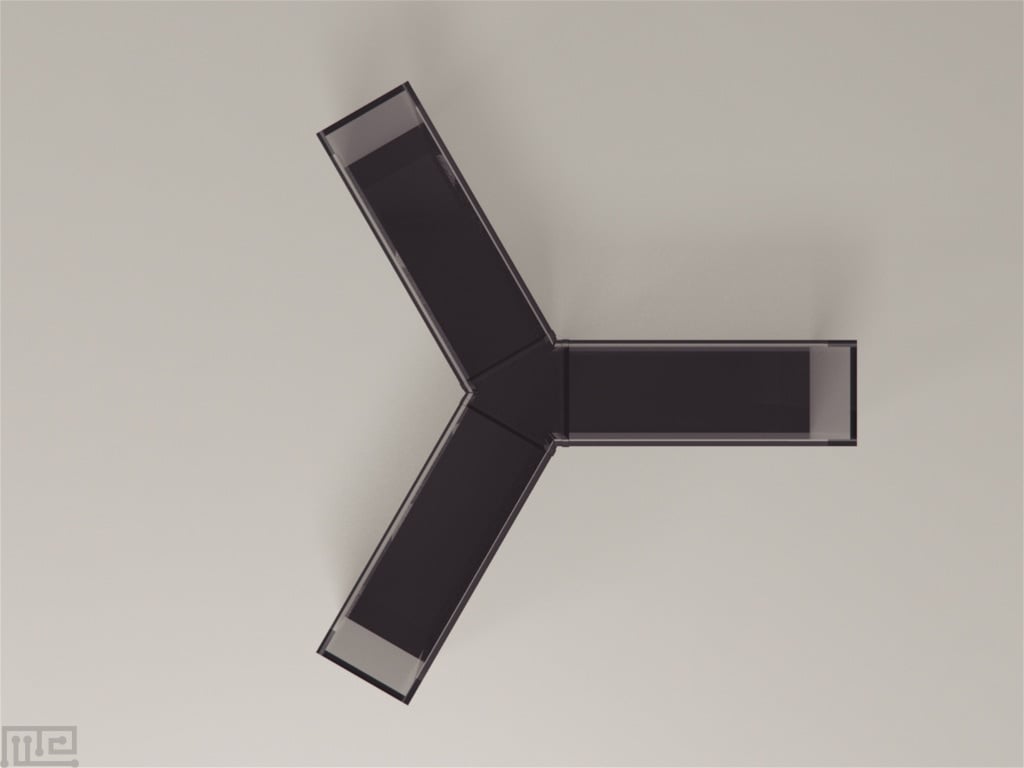
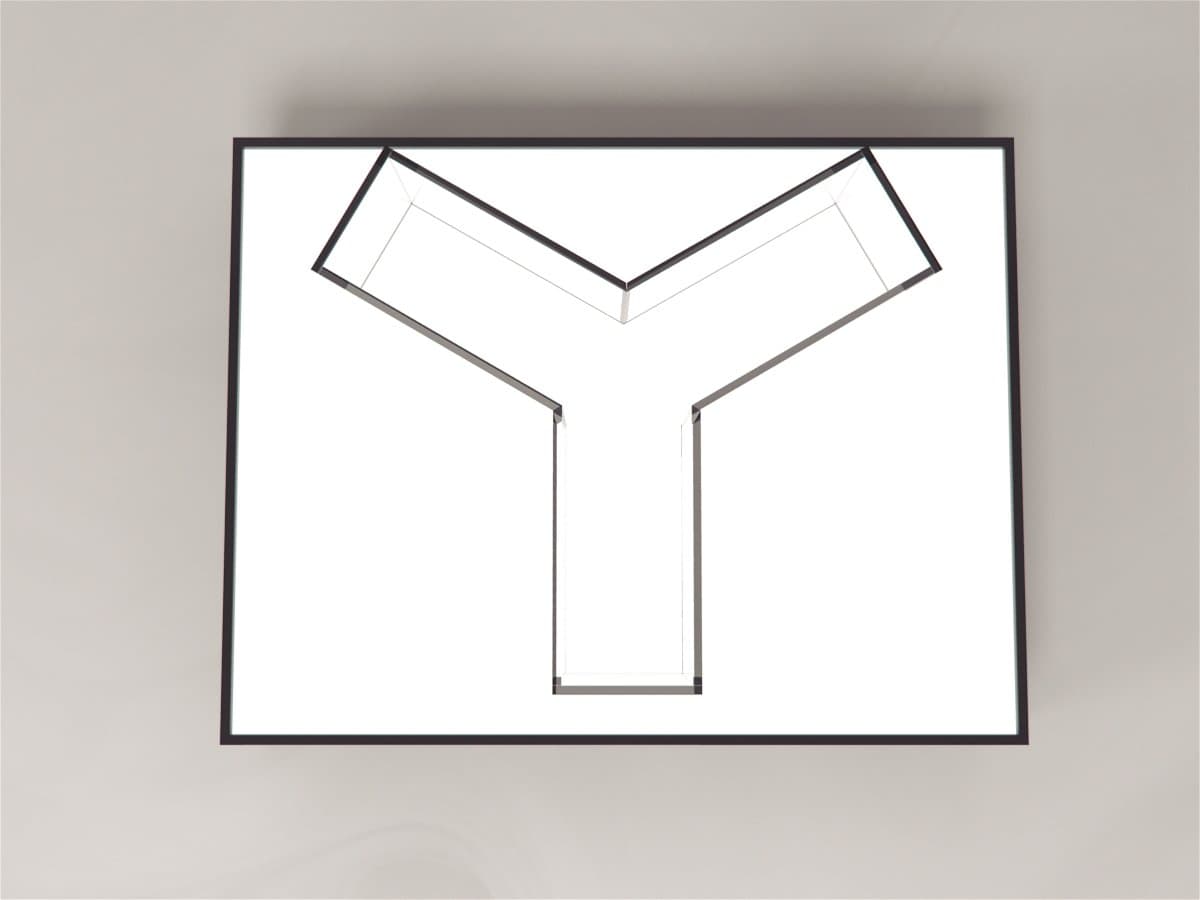
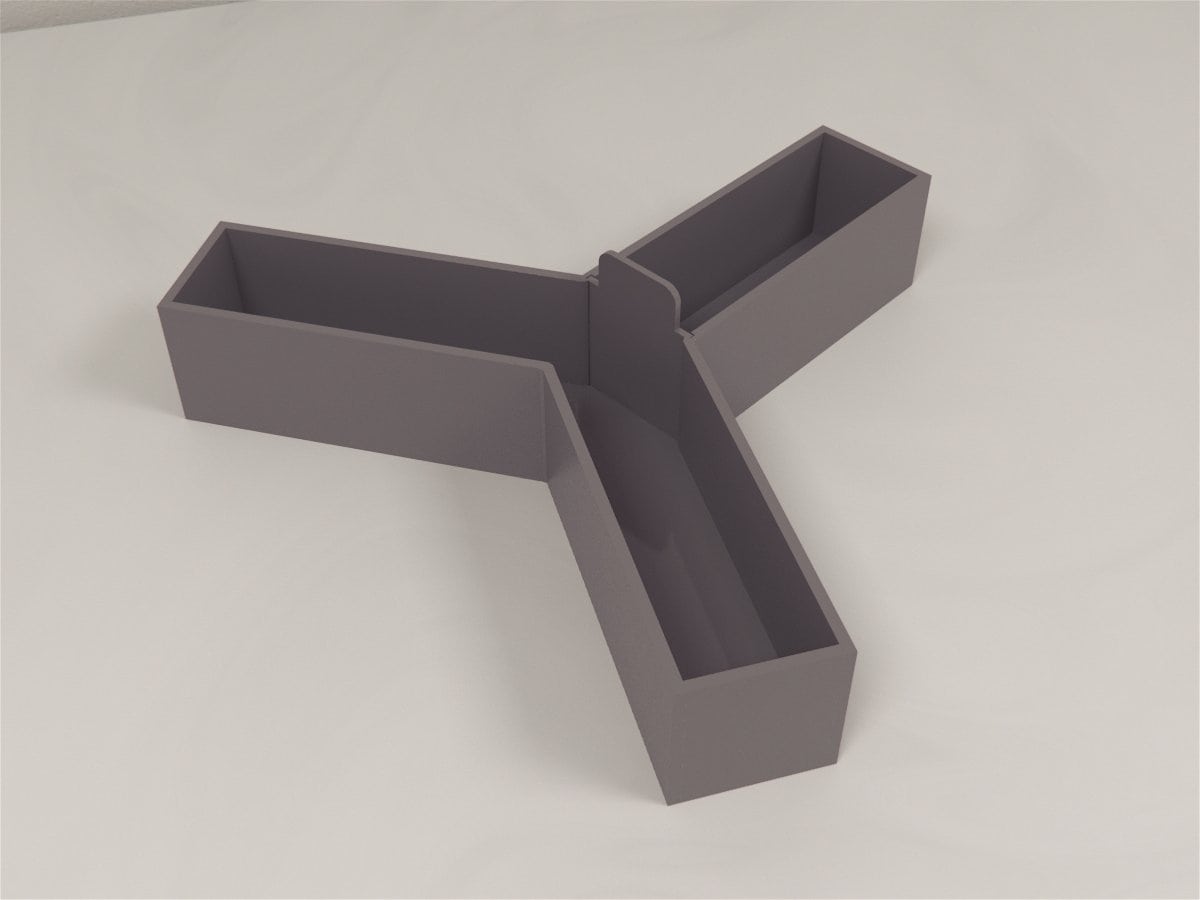
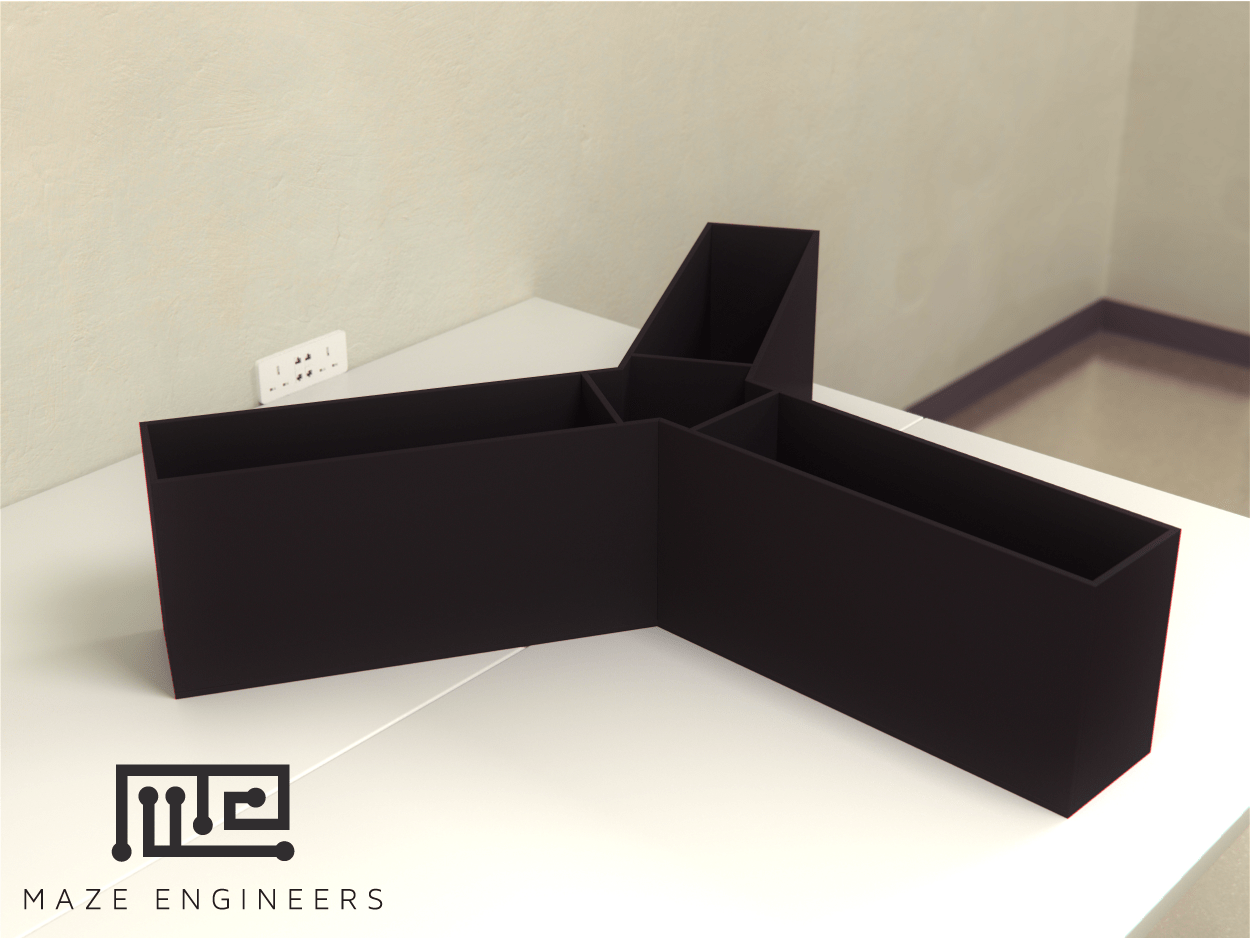
The Butterfly Y maze is a variation of the Y Maze for rodents with three arms at 120 degrees to each other.
Rats Pool Shape Apparatus
The Rats Pool Shape Apparatus was used to study effects of pool shape manipulations on rat spatial memory acquired in the Morris water maze. Learn more.
Dog Testing Arena
The Dog Testing Arena was used to study olfactory discriminatory behavior in a free environment in dogs. Learn more about it and how it is used here.
Environmental Enrichment (EE) Room
The Environmental Enrichment Room was used to test that environmental enrichment restores cognitive deficits induced by experimental childhood meningitis.
Environmental Enrichment (EE) Cage
Our Environmental Cage (EE) is used to show that aged rats with different performances at EE onset display different modulation of habituation and aversive memory.
U Shaped 2 Choice Field
The U Shaped 2 Choice Field was used in an experiment to read out behavioral states of sociability in rodents. Learn more about it here.
Treadmill Harness
The Treadmill is a noiseless, customizable and well-designed test for activity experiments. it allows for the simultaneous testing of multiple animals.
Rodent Metabolic Treadmill
The Treadmill is a noiseless, customizable and well-designed test for activity experiments. it allows for the simultaneous testing of multiple animals.
Circular Open Field
Open Field test is a popular protocol used to assess exploratory behavior and anxiety.
Fish 4 choice Maze
The Fish 4 choice Maze was used to demonstrate that environmental enrichment promotes neural plasticity and cognitive ability in fish.
The Lobster maze (post-larval conditioning with shelter)
The Lobster maze (postlarval conditioning with shelter) is used to assess the effect of postlarval conditioning with shelter in lobsters.
The Electro-Foot Shock Aversive Water Drinking Test (EFSDT) Box
The EFSDT Box was used to study Impulsive Behavior in an Animal Model of Attention Deficit Hyperactivity Disorder (ADHD) of rats. Learn more about it here.
Heat Maze
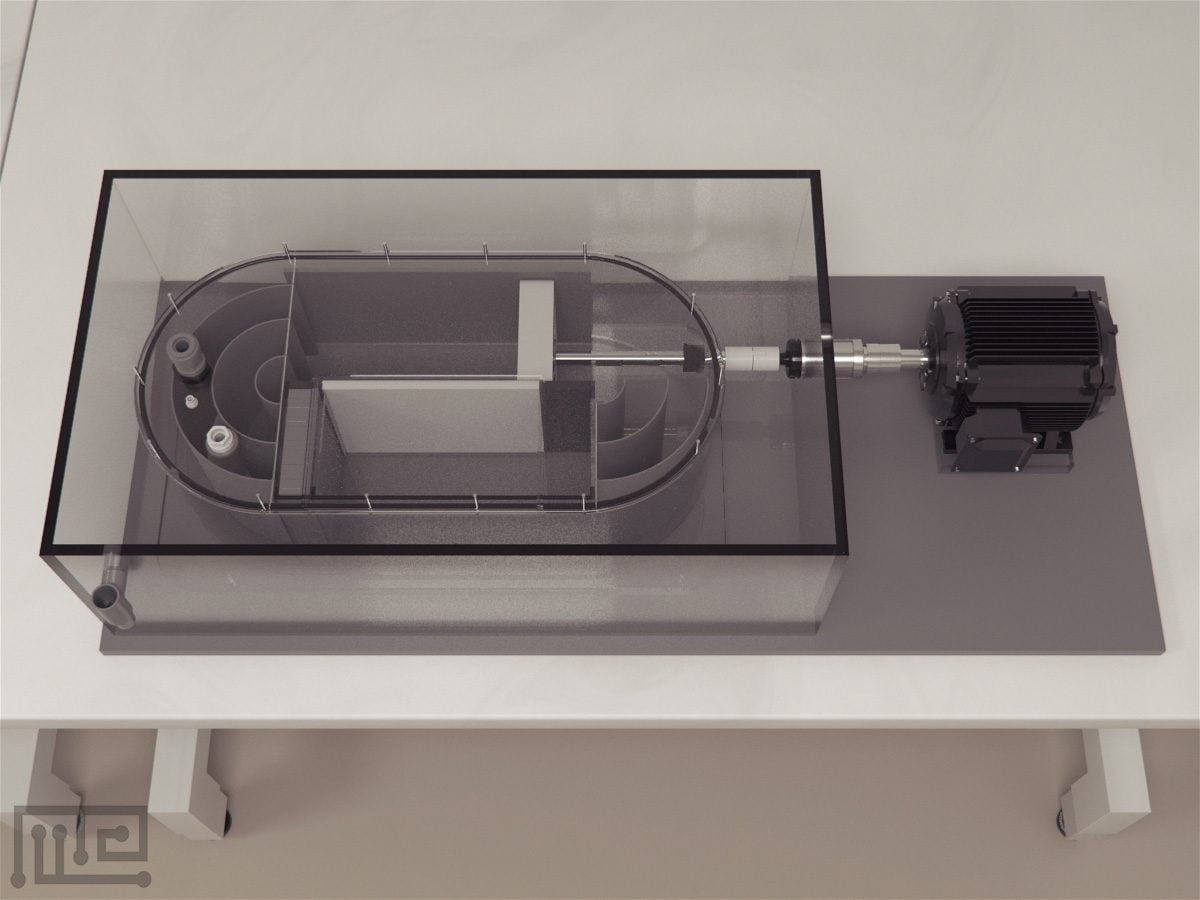
The Heat Maze is a simple, small, and cost-effective device used to assess spatial learning and cognition in Drosophila melanogaster. It can be used for other type of insects as well.
Narrow Beam Apparatus
The narrow beam test examines the ability of a rat to cross a narrow, elevated beam of wood or other material.
Dog Cognitive Bias Maze Arena
The Dog Maze Arena can be used to carry out various cognitive experiments. It was used to measure positive affective state in dogs. Learn more here.
Crab Complex Maze
The Crab Complex Maze was used to investigate spatial learning in European shore crabs. Click here to learn more about this maze and how it is used.
Dog T Maze
The Dog T maze can be used in assessing different cognitive tasks like cognitive impairment tasks and navigation tasks. Learn more here.
Pig Spatial Maze Task
The Pig Spatial Maze Task is a spatial learning and memory-based navigational task that promotes cognitive abilities when used as an enrichment.
Monkey T maze
Monkey T maze was used to assess the effects of fornix transection and cingulate cortical ablationon spatial memory in rhesus monkeys. Learn more here.
Marquee Water Maze
The Marquee Water Maze is an escape maze used to show that there's no evidence for cognitive mapping in rats. Learn more about it here.
Linear Maze
The Linear Maze was used to explore the neural basis of local enhancement effect of social observation in obtaining useful knowledge in rats.
Chronic Social Defeat Stress Test
The Chronic Social Defeat Stress cage setup was used for testing depression in mice using a chronic social defeat stress model. Learn more.
Visual Cliff Apparatus
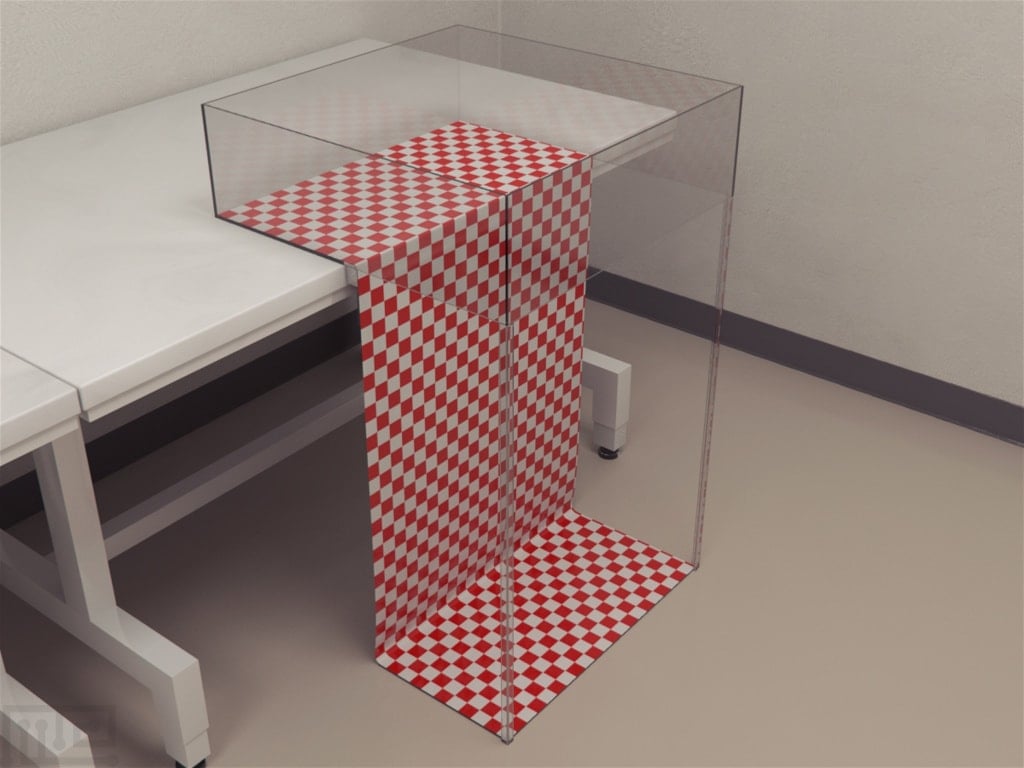
The Visual Cliff Apparatus was used to study if the reduction of the ATPase inhibitory factor 1(IF1) leads to visual impairment in vertebrates. Learn more.
Sucrose Preference Test Apparatus
The Sucrose Preference Test Apparatus was used for sucrose preference test for measurement of stress-induced anhedonia in mice. Learn more here.
Spider Y Maze
The Spider Y Maze was used in a laboratory experiments to test the hypothesis that jumping spiders use UV cues for locating and discriminating prey.
Modified Y Choice For Bees
The Modified Y Choice For Bees can be used to assess vision and orientation in bees. Learn more about it and how it is used here.
Juvenile Barnes Maze
The Modified Barnes maze is adapted and can be used to assess the maturation of abilities that first emerges around the end of the third postnatal week.
Locust Y-Maze
The Locust Y-Maze is a two-arm Y-maze containing a raised wooden Y-shaped rod. It was usedto assess associative olfactory learning in the desert locust.
Inhibitory Avoidance Apparatus
The Inhibitory Avoidance Apparatus is a device that offers a substantial improvement for behavioral analysis in step-down inhibitory avoidance task.
Drosophila Visual and Olfactory Apparatus
The Drosophila Visual and Olfactory Apparatus can be used to examine sensorimotor interactions in Drosophila. Learn more about it and how it is used here.
Crayfish Light-Dark Maze
The Crayfish Light-Dark Maze was used to study anxiety-like behavior in crayfish. Learn more about the maze and how it is used here.
BehaviorCloud Subscription
Our base academic plans include 500 hours of data streaming/upload per year, which we’ve found to be sufficient for most labs.
BehaviorCloud Bridge
Connects existing lab instruments to the BehaviorCloud platform. Includes iPod touch, mount, and one-year starter subscription.
BehaviorCloud Video Bundle
Everything you need to record and analyze video-based behavior experiments.
Pig Mirror
The Pig Mirror can be used for different awareness, cognition and learning experiments in pigs. Learn more about it and how it was used in experiments.
Mate Choice Apparatus 2
The Mate Choice Apparatus 2 is the second of two apparati that was used to assess mating preferences in zebra finches. Learn more about it here.
Bird/Mammal Radial Maze
The Bird/Mammal Radial Maze is a large outdoor radial maze used for comparative studies on spatial learning and memory in birds and mammals. Learn more here.
Songbird Y-Maze
The Songbird Y-Maze can be used for different studies and experiment on olfactory cues in birds. Learn more about the maze and how it is used here.
Canine Plus Maze
Canine Plus Maze was used to test the effect of age, sex and gonadectomy on dogs’ use of spatial navigation strategies.Learn more here.
Blue Petrels Y-Maze
The Blue Petrels Y-Maze is a plastic Y-maze made from standard PVC wire. It was used to show that blue petrels recognize the odor of their eggs. Learn more here.
5 Rectangular Tanks Maze
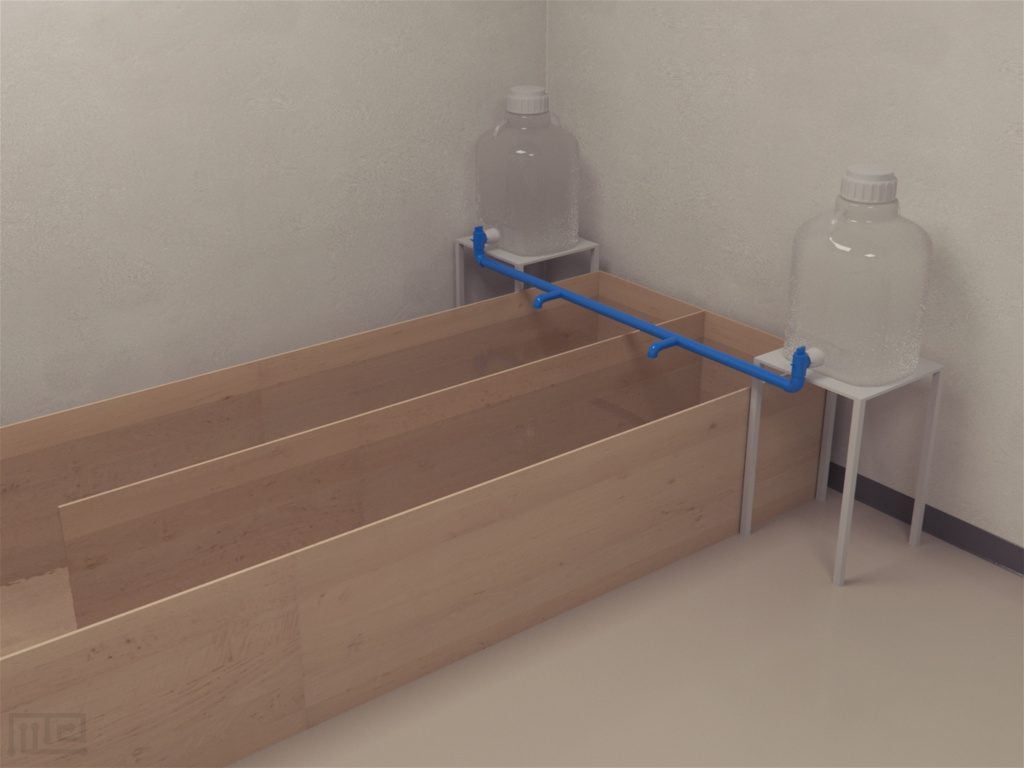
5 Rectangular Tanks Maze was used to test for ultraviolet wavelengths and visual cues in female sticklebacks. Learn more about the apparatus and the test here.
Zebrafinch Two-Compartment Cage
Zebrafinch Two-Compartment Cage was used to assess behavioural responses to video playbacks by zebra finch males. Learn more about the cage and its uses.
Zebrafinch Testing Cage
The Zebrafinch Testing Cage aviary is divided into two virtual sections of equal size. learn more about the Zebrafinch Testing Cage and its specifications
Zebrafinch Chamber Maze
The Zebrafinch Chamber Maze was used to assess spatial memory and hippocampal function in a non-foodstoring songbird, the zebra finch. Learn more here.
Zebrafinch Day Escape Maze
The Zebrafinch Day Escape Maze was used to assess the effects of adrenergic antagonists on spatial memory in the zebra finch. Learn more here.
Magnetic Compass Bird Maze
The Magnetic Compass was used in a test to show that polarized light modulates light-dependent magnetic compass orientation in birds. Learn more here.
Four Arms Plus Maze
The Four Arms Plus Maze can be used to assess motor and cognitive functions in birds. Learn more about the maze and how it is used here.
Inclined Plane Maze
The Inclined Plane Maze was used to determine the effect of different environments during infancy on adult behavior in the rat. Learn more about it here.
Modified Visual Cue Y Maze
Modified Y Maze was used to test how rats spontaneously discriminate purely visual, two-dimensional stimuli in tests of recognition memory and perceptual oddity. Learn more here.
Rodent Tilt Apparatus
Rats Tilt Apparatus was used to test the relationship between the tilt of a visual field and the deviation of body position from the vertical in rats. Learn more here.
Ferret Y Maze
Ferret Y Maze was used to assess the contribution of conspecific odors, either alone or in combination with visual and auditory signals, to heterosexual partner preference in ferrets. Learn more here.
Judgement Bias Apparatus
Judgement Bias Apparatus is used to assess female and male pigs’ performance in a judgment bias task. Learn more about the apparatus and how it is used here.
Olfactory Discrimination Test Box
The Olfactory Discrimination Test Box can be used to evaluate different learning behaviors in rodents using different experimental protocols. Learn more about it here.
Piglets Removable Y Maze
Piglets Removable Y Maze was used to test if piglets can discriminate familiar humans and generalisetheir past experience when faced with unfamiliar humans. Learn more here.
Oddity Discrimination Apparatus
The Oddity Apparatus can be used in the assessment of perception, object, visual screening test and declarative memory. Learn more about this here.
Pig Y-maze
Pig Y-maze was used to test for the effects of deprivation of feed, social contact and bedding on the choice behaviour of pigs in a Y maze. Learn more here.
Acoustic Startle Chamber
Acoustic Startle Chamber for Mice and Rats. Insert your own audio files, get smooth & safe shock, collect data, all controlled with the Conductor Software. Synchrony and Ease, for affordable prices.
Treadmill Sommaire
The Treadmill is a noiseless, customizable and well-designed test for activity experiments. it allows for the simultaneous testing of multiple animals.
Suspended T-Maze
The suspended T-maze is a behavioral test used to assess spatial learning and memory in small rodents.
Food Hopper
The Food Hopper was used to test for behavioural effects of oestradiol in the female rat. Learn more about the experiment and the apparatus here.
Canine DNMS test apparatus
Dog DNMS test apparatus was used to test cognitive Functions and Aging, acquisition of Nonspatial Visual Tasks in the Dog.Learn more here.
Cheeseboard Maze
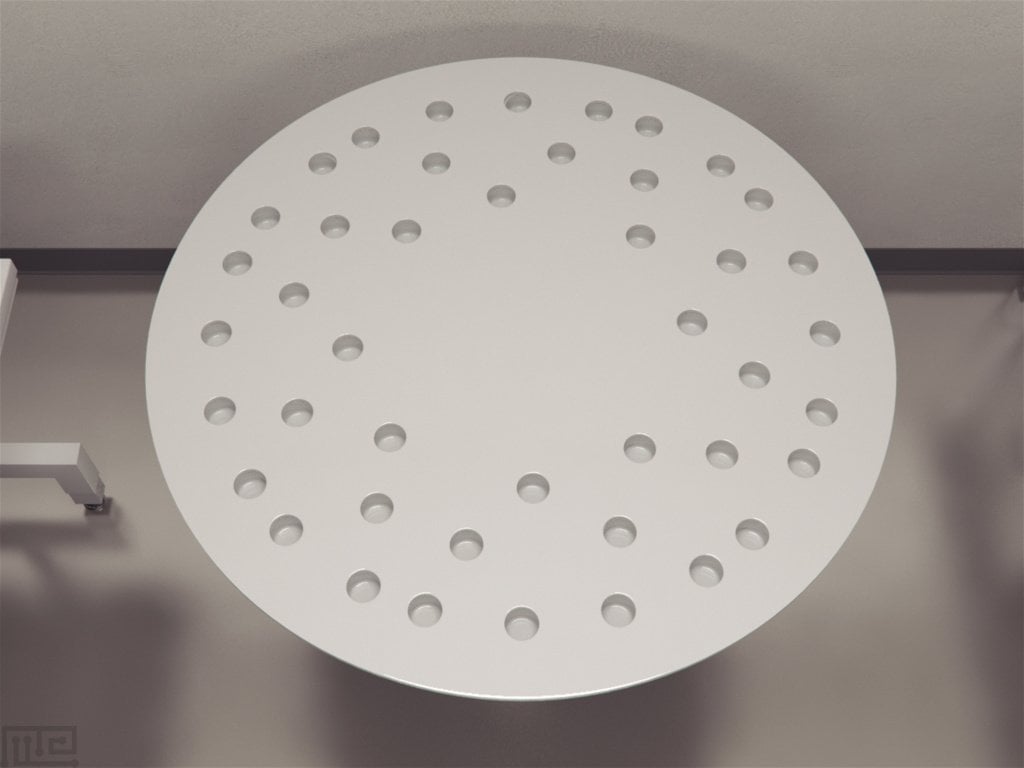
Cheeseboard Maze is a circular acrylic board with drilled wells arranged in a radial pattern. It is used to test for spotlight learning and memory in rodents. Learn more here.
Zebrafish Swim Tunnel
The Zebrafish Swim Tunnel consists of a temperature buffer tank, propeller, test section and an Ac motor. Mazeengineers offer options for the Zebrafish Swim Tunnel.
Termite Y-Choice Waiting Chamber
The Y-Choice Waiting Chamber was used to assess trail communication during foraging and recruitment in the subterranean termite. Learn more about it here.
Roughness Discrimination Apparatus
Discrimination Apparatus consists of three wooden platforms (one start platform and two choice platforms) that are elevated above a base. Learn more
4-Box Maze
The 4-box maze is used for analyzing cognitive mapping, spatial learning, and memory recall in rodents.
Food Carrying Apparatus
The Food Carrying Apparatus is used to study navigational behavior in rodents.
Water Escape T-Maze
The Water Escape T-maze apparatus is used to evaluate spatial learning and memory in rodents when placed in a stressful environment.
Visual Water Box
The visual water box can be used to evaluate different learning behaviors in rodents using different experimental protocols. Learn more about the water box here.
Snake 2-Choice Apparatus
The Snake 2-Choice apparatus is used in studying learning and choice behaviors of snakes when presented with airborne odorants.
Six Arm Maze
The Six Arm Maze is used to study spatial learning and memory in rodents. It consists of geometrically similar, but visually distinct multiple U-shaped sequential arms connected to a linear track.
Long Arm Y-Maze
Long arm Y-maze is the modification of Y-maze which capitalizes on rodent’s inherent tendency to explore new places. Learn more about it here.
Height Test
The Height Test is used to observe rodent’s behavior when subjected to aversive, anxiogenic and novel situations using height as a determinant.
Drosophila Gravitaxis Maze
Drosophila Gravitaxis Maze is used to observe positive or negative gravitaxis movement in Drosophila species.
Olfactory Hole Board
The Olfactory Hole Board test is an adaptation of the classic Hole Board Test that is often used in the assessment of unconditioned behavior, cognition, and social interaction.
Slime Mold Y-Maze
The Slime Mold Y-maze is utilized in evaluating problem-solving and decision-making behaviors of the unicellular slime mold. Learn about it more here.
Sociability Chamber Optogenetics Modification
Sociability chamber for mice and rats with modification to allow for teathering in optogenetics experimentation
Real-Time Place Preference Chamber
The Real-Time Place Preference Chamber is used to explore the reinforcing effects of natural and pharmacological stimuli, including drugs of addiction.
Motorized Running Wheel
The Motorized Running Wheel is used for exercise training in rodents. The system allows forced running at low, and intermediate intensity levels of running.
Olfactory System
MazeEngineers offers an olfaction system that can be integrated into automated mazes, operant conditioning, and other systems.
Ant Sucrose Feeder 1
The Ant sucrose feeder is used to analyze the effects of private and social information on the decision-making of ants during foraging.
Ant Sucrose Feeder 2
The ant sucrose feeder is used to evaluate the collective path preference of ants in terms of distance and food source.
Tilapia T-Maze
The Tilapia T-Maze is used to access in spatial learning and exploration in tilapia.
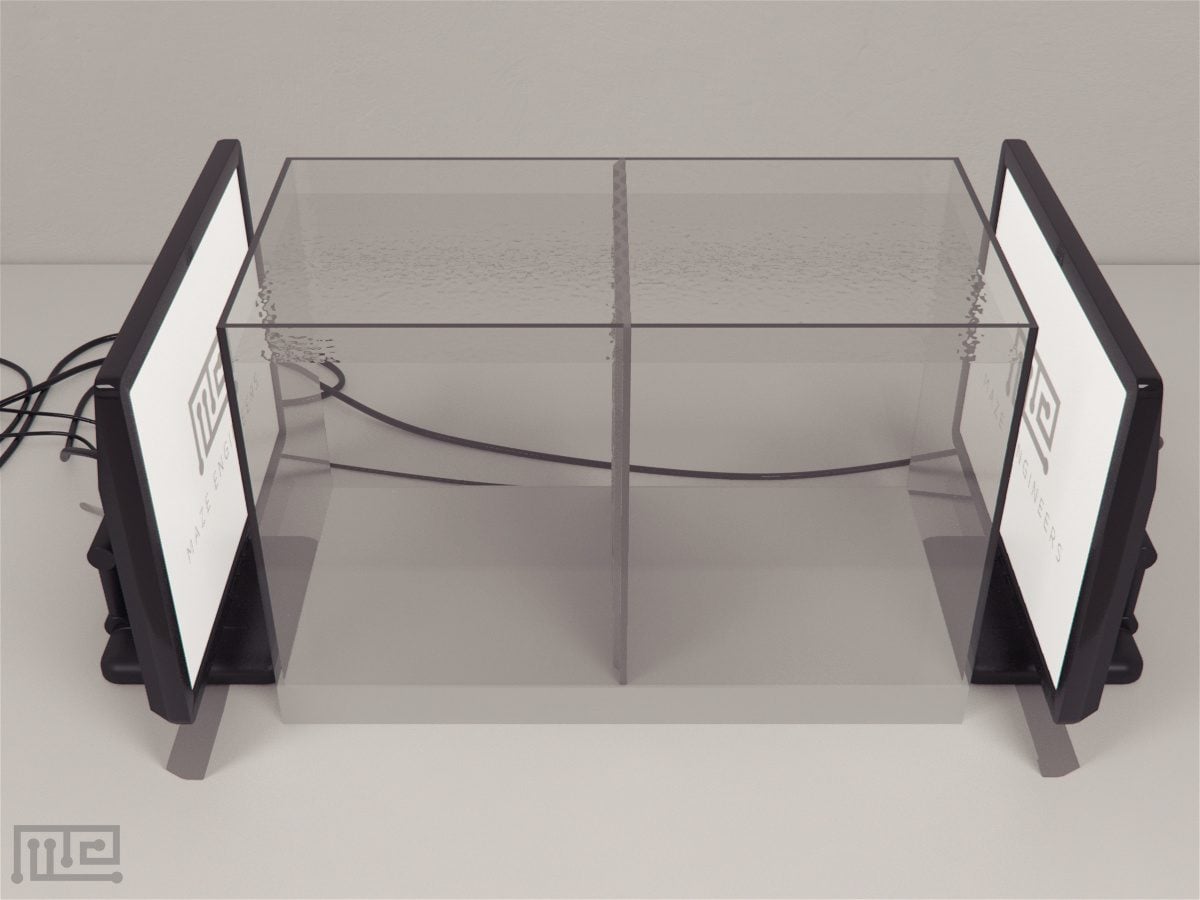
Maze Backlight
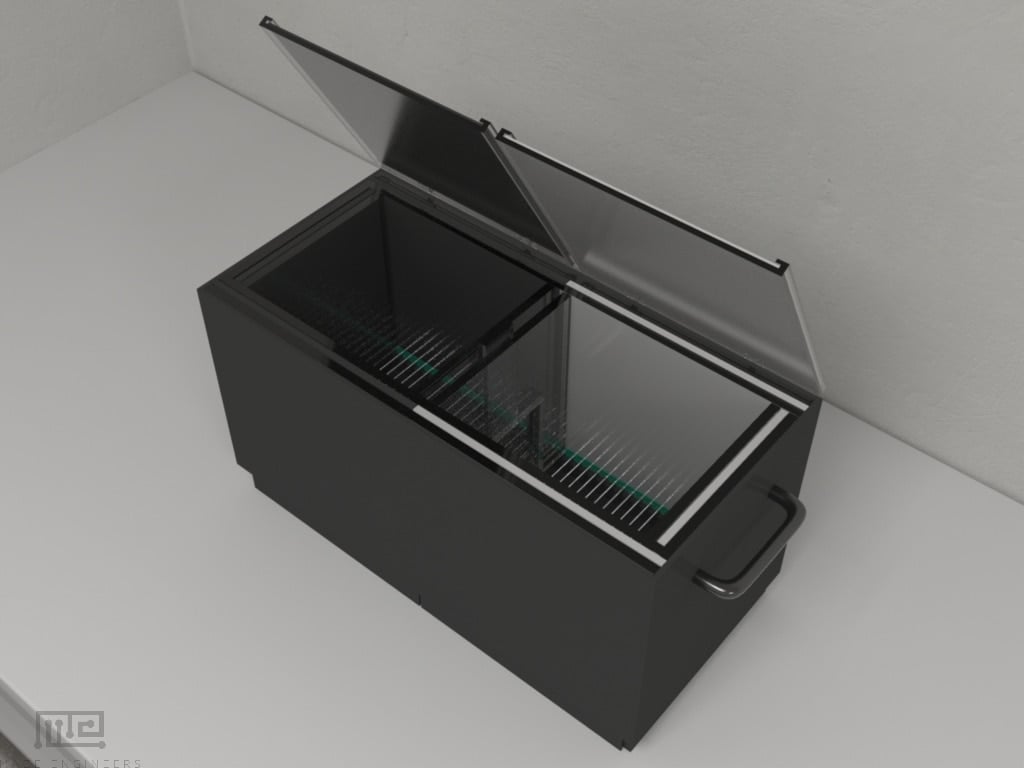
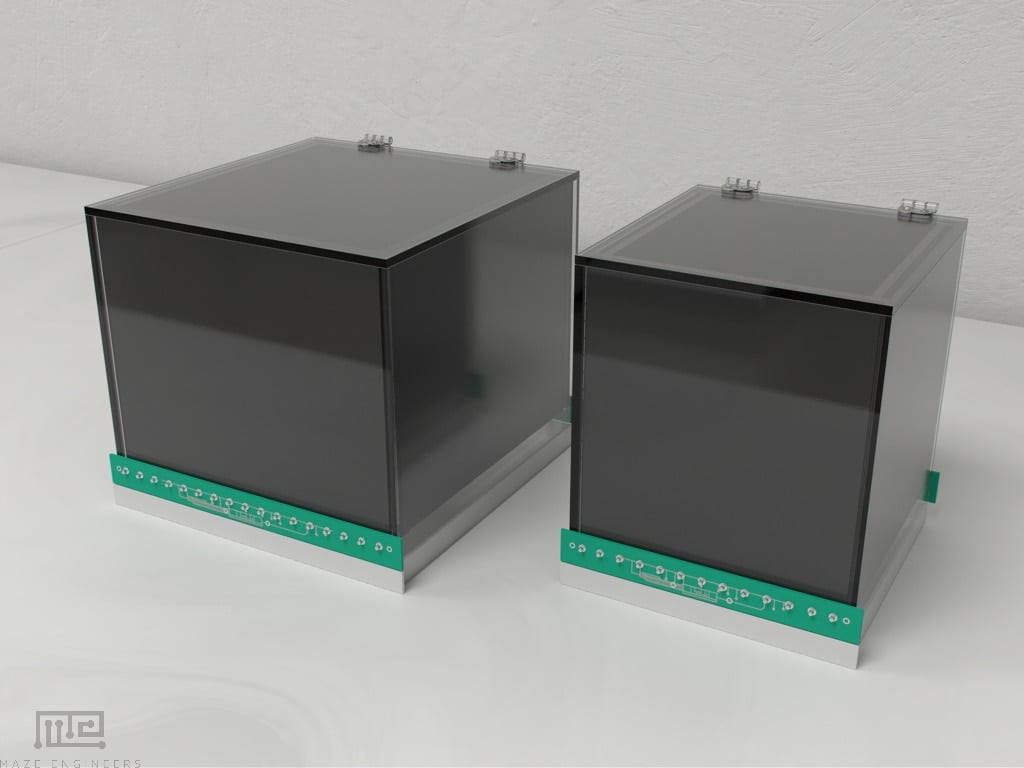
MazeEngineers offers generic backlighting display cases for use with smaller mazes such as the open field, novel object recognition, and Y/T mazes.
Modified Biel-Maze
The modified Biel maze is used to assess spatial learning and memory in rodents.
Ant Double Y-Maze
The Ant Double Y-maze is used to study decision-making and lateralized behaviors of ants. Learn more about the behavioral outcomes and how the maze is used in experiments.
Pig Hole Board
The Pig Hole Board provides an environment to test the cognitive flexibilities in pigs in response to different spatial configurations of the baited and un-baited buckets.
Snake T-maze
The Snake T-maze is used to examine spatial learning, memory and decision making in snakes.
Snake Y-Maze
The Snake Y-Maze is used to evaluate odor-based behaviors in snakes.
Visual Discrimination Chamber
The Visual Discrimination Chamber is a non-spatial apparatus used to study discriminative learning and decision-making abilities in rodents.
Latent Learning Apparatus
The latent learning apparatus is used to analyze the learning and memory function in zebrafish. The apparatus contains a start box and a goal box connected via tunnels.
Honeybee Y maze
The Honeybee Y maze was used in an experiment to study learning and memory as it applies to transitive Inferences in honeybees.
Inverted Maze
The Inverted Maze was used to assess spatial navigation and head direction (HD) signal in rats.
Light Dark T-Maze
The Light Dark T-Maze was used to assess the differences in the memory and learning abilities of two strains of mice reacting to a convulsive dose of Methyl--carboline-3-carboxylate.
Double Y Angulated Maze
The Double Y Angulated Maze can be used in a study to test whether the hippocampus is essential for vicarious trial-and-errors (VTEs) in a spatial memory task and in a simple visual discrimination (VD) task.
BehaviorCloud
BehaviorCloud offers researches an amazing opportunity to collect, analyze, and share their data anytime without the worry of security.
AutoSom System
The AutoSomTM system is an automated sleep-deprivation system specially designed to conduct sleep-related research in rodents.
Activity Cage
Activity cage is a thought-out apparatus that allows for a reliable estimation of the circadian system in rodents.
Pig Delayed Non-Match to Sample (DNMS) task
The delayed non-match to sample (DNMS) task is used to analyze the role of the hippocampal system in spatial learning.
Hen T Maze
The Hens T maze was used in an experiment to assess spatial cognition and range use in hens.
Diamond Maze
The Diamond Maze was used in an experiment by Hassan M. H. Mustafa et al. (2018), to compare binary choice between two nests in ants. The maze contained three…
Path Regularity Mazes
The Path Regularity Maze is used to assess learning and memory in bees.
Bat Y-Maze
The Bat Y-Maze is used to assess social preference in bats.
Forced 2-Choice Maze
The Forced 2-Choice Maze is used in behavioral task to train rodents to overcome their natural aversion of light.
Zebrafish Plus Maze
The Zebrafish Plus Maze is used to analyze associative learning behavior in zebrafish.
Predation Pressure Apparatus
The Predation Pressure Apparatus is used to assess effects of predation pressure on the cognitive ability of the poeciliid.
Psyllid Y-Maze
The Psyllid Y-Maze is used to assess visual acuity in psyllids..
The Lobster maze (effect of immediate prior experience)
The Lobster maze (effect of immediate prior experience) is the second of two arenas used in an experiment to assess the effect of immediate prior experience with shelter on stage V shelter-seeking behavior in lobsters.
Bumblebee Y-Maze
The Bumblebee Y-Maze is used to determine the relationship between eye optical quality and behavioural ability at target detection over a range of sizes of insects of the same species.
Cuttlefish T-Maze
The Cuttlefish T Maze is used to access in spatial cognition in an invertebrate.
Octopus 3 choice Maze
The Octopus 3 choice Maze is used to assess learning in Octopus.
Octopus Round Arena
The Octopus Round Arena is used to assess conditional discrimination in Octopus.
Pig Conditioned Place Preference
The Pig Conditioned Place Preference offered by MazeEngineers is used in experiments to investigate pigs’ preferences for rooting materials.
Pig Hebb-Williams Maze
The Pig Hebb Wiliams Maze offered by MazeEngineers is used in experiments to assess learning and memory in pigs.
Circular Central Platform T Maze
The circular central platform T Maze offered by MazeEngineers is used in experiments to investigate spatial navigation in rodents.
Caterpillar Y-Maze
The Caterpillar Y-Maze is used to assess memory retention during metamorphosis.
Robotic Cylindrical Maze
The Robotic Cylindrical Maze is used to study spatial cognition in rats and robots. Learn more about the behavioral outcomes and how the maze is used.
Cyborg Maze
The cyborg maze was created by Yu Y et al. (2016), in an experiment carried out to demonstrate how rat cyborgs can expedite the maze escape task with the integration of machine intelligence.
Alley Maze
The Alley maze is used to assess exploratory behavior in mice and rats. Learn more.
Hierarchal Maze
The Hierarchal maze is used to assess learning in mice and rats. Learn about the device and behavioral outcomes.
Zebrafish Shuttle Box
The Zebrafish Shuttlebox presents an automated method for high throughput learning paradigm testing. MazeEngineers explains the protocol and apparatus.
Zebrafish Light Dark
The Zebrafish Light Dark Box creates a similar experimental paradigm to the rodent light dark box.
Zebrafish Black White Preference
The Black white preference tank assesses for wall color stimuli on diving, and the effects of depth stimuli on scototaxis.
Social Interaction Test
The social interaction test is a procedure for sociability testing in mice and rats. Get the procedure, protocol, and more information for your study here.
OroFacial Pain Assessment Device (OPAD)
Operant Orofacial Assessment Devices allows assessment of mechanical and thermal pain sensitivity within a single system.
Double Bandit T Maze
The Modified T-Maze task is a widely used apparatus designed for evaluating the decision-making process and behaviours in rodents.
Gap Cross Test
The Gap Cross Test offered by MazeEngineers allows studying the chronic effects of whisker removal and traumatic brain injury.
Angle Entrance Task
Our adjustable Angle Entrance Task was created for a diffuse brain injury rat model.
Fictive Reward
Our Fictive Reward task was developed for studying the ability of rats to make choices by considering all possible outcomes.
Hummingbird Cubic Maze
If your scientific work supposes the interrogation of rodents in the horizontal and vertical axis then Hummingbird Cubic Maze is an ideal choice for you.
Cubic Maze
Explore all opportunities that offers our thought-out Cubic Maze for the interrogation of rodents in the horizontal and vertical axis.
Water E Maze
The Water E Maze is an exceptional tool that is capable of measuring conspecific empathetic motivation in rodents.
Double T Maze
Double T Maze is a very effective tool that consists of two T mazes with a start box and allows to conduct a wide range of tests.
Whisker Guided Exploration
Use our cost-effective and easy-to-use Whisker guided exploration maze in your scientific experiments and collect precise information.
Social Cooperation Chamber
Social Cooperation Chamber offers the opportunity to carry out different experiments and collect data regarding social behaviour of rodents.
Ant Binary Tree Maze
The Mazeengineers binary tree maze comes with both the tree as well as the artificial ant nest. The binary tree comes with 4 forks.
Salmon Y Maze
The Salmon Y-Maze is used to study the chemosensory behaviors of the salmon fish.
Morris Water Maze Round Arena
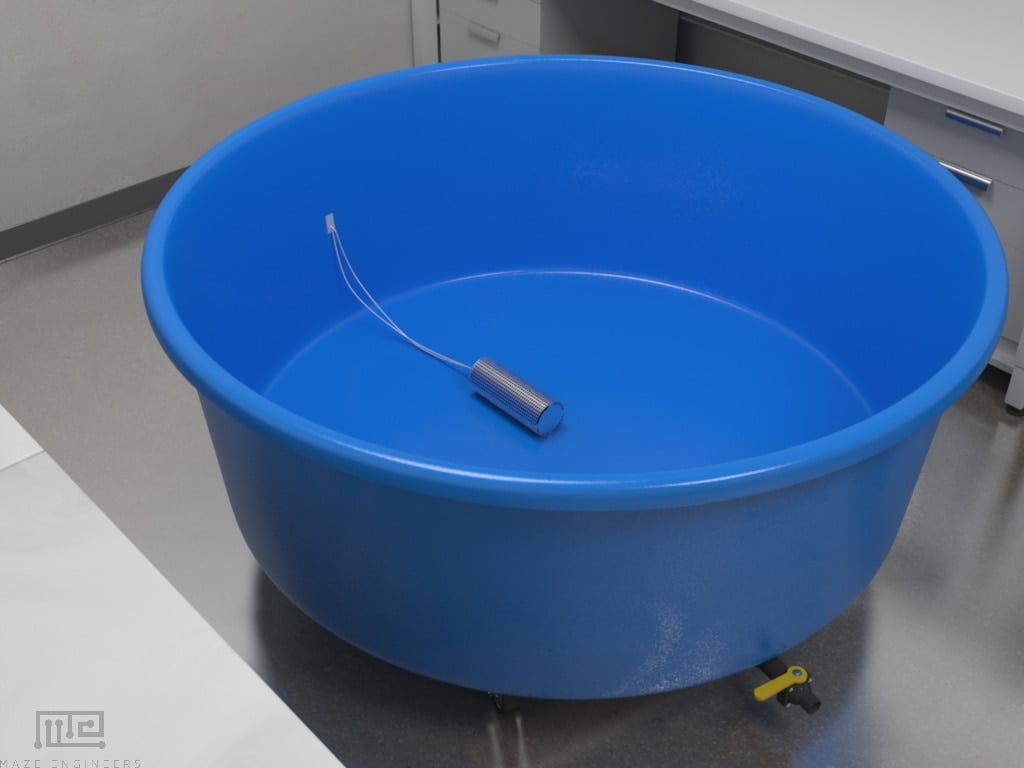
Morris Water Maze Round Arena allows maximizing the results of the assay by reducing the level of the subject's fear and anxiety.
Zebrafish Sociability
The zebrafish sociability chamber is used for studying the exploration and socialization behaviors in zebrafish.
Morris Water Maze Pretraining Chamber
Pretraining chamber is an effective tool that solves ethical issues as it allows to gently introduce the object to the liquid and to reduce its anxiety.
Piglet T Maze
The T Maze task was designed for cognition assessment. This tool is very simple, easy to clean and cause less stress to the animal.
Ant Y Maze
Discover the benefits of our user-friendly Ant Y maze utilizing it for the evaluating of the olfactory learning and memory behaviour in ants.
Ant T maze
The Ant T Maze can be used for stress less assessing of cognitive and behavioural functions of ants.
Visual X Maze (ViS4M)
Product Description
Elevated T Maze
Get Elevated T Maze that is the perfect tool for assessing anxiety, memory retention, and learning abilities of rodents and run diverse experiments.
Pawedness Trait Test (PaTRaT)
Obtain reliable and reproducible results by using our Pawedness Trait Test that allows evaluation of the dexterity level, and paw preference in rodents.
Planaria Y Maze
Planaria Y maze is a laboratory apparatus used in experiments to study the behavior and memory of flatworms, such as Planaria. The maze consists of a Y-shaped…
Six Alley Maze
This tool helps to examine rodents ability to distinguish between the six alleys.
Four Box Maze
Four Box Maze is a thought-out novel tool to make you experiment more informative and successful.
Ant Colony Maze
Request the Ant Colony Maze and use it in your studies for increasing levels of complexity of the foraging of food within an open field.
Dog Canine Radial Arm Maze
The Eight-arm Radial Maze is a reliable behavioural task designed for evaluating spatial learning and working and reference memory in dogs.
Bat Extended Maze
Order a well-designed and effective Bat Extended Maze to study the behavioural flexibility and learning performance at the best price.
Ant Double Bifurcation T
The sentinel use of this T maze in ants was to investigate Lasius niger workers foraging on a doubly bifurcating trail with four end points and route learning behavior.
Sheep T Maze
The Sheep T Maze was designed to study the effect of periconceptional undernutrition of sheep on behavioural and reproductive specifics of the offspring.
I Maze
The I Maze is an ideal apparatus for the assessment of anxiety and exploratory behavior in rodents.
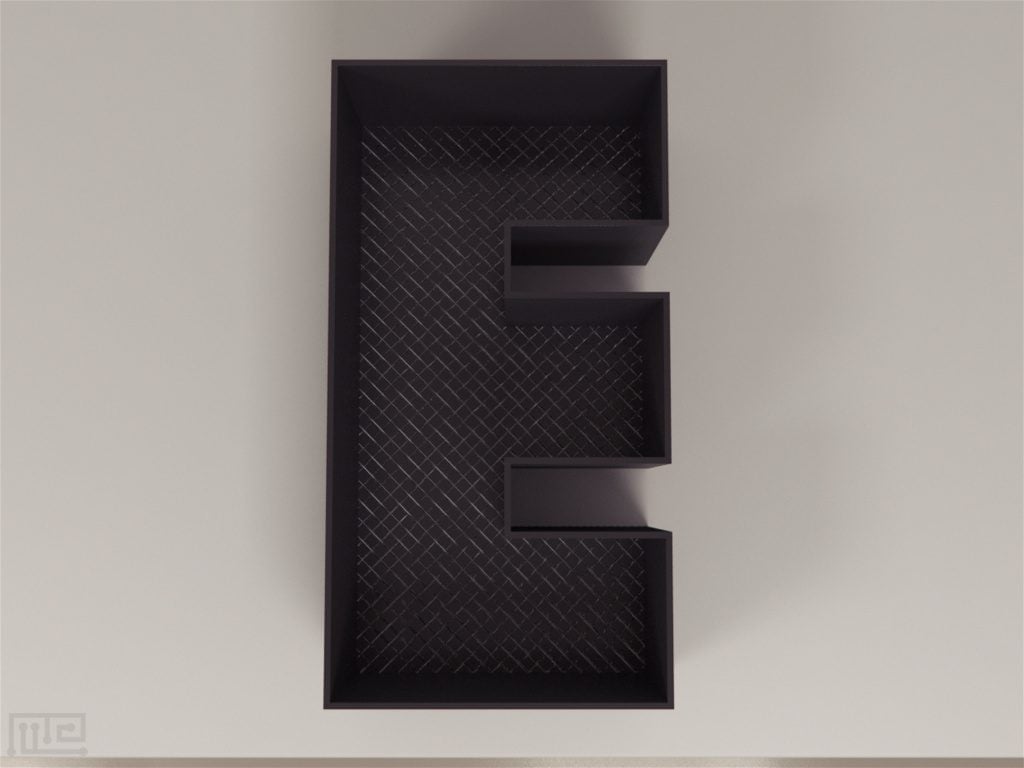
E Maze
Our E-maze was designed to assess episodic memories and to analyze diseases that are associated with memory loss.
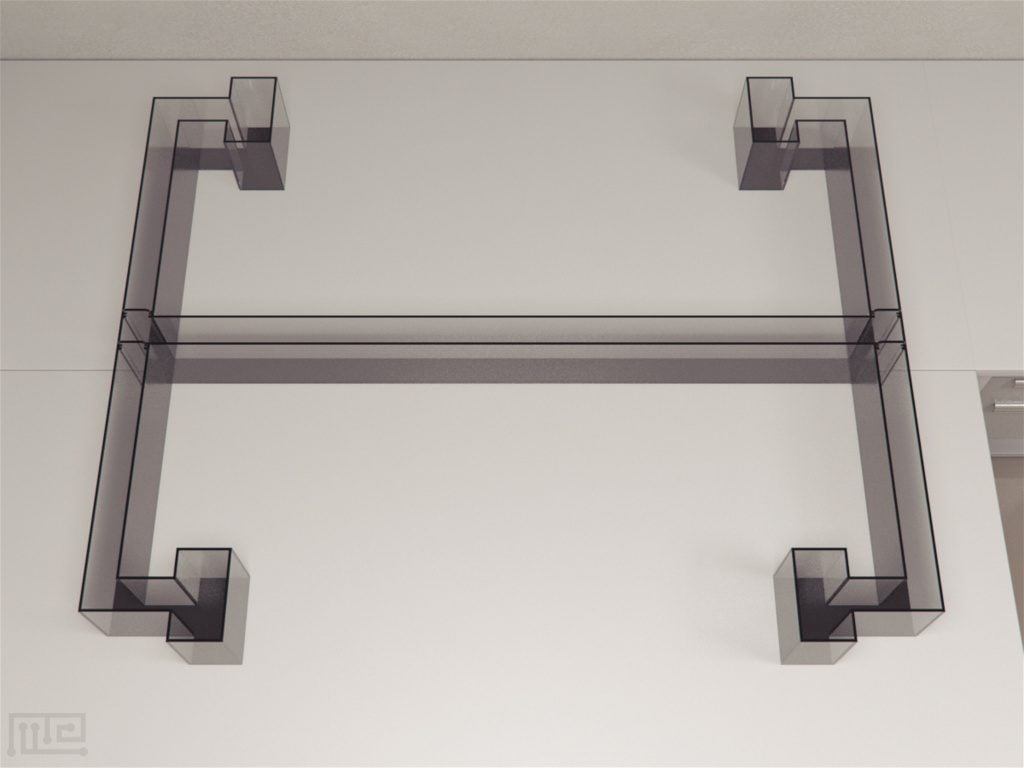
H Maze
The H Maze is an automated apparatus that reduces the risk associated with the human factor. The maze is time-efficient and easy in exploitation.
Double Y Maze
The Double Y maze is an efficient and well-designed device that offers the opportunity to evaluate multiple mnemonic abilities of rodents simultaneously.
Circular Light-Dark box
Circular Light-Dark Box is a simple effective tool that helps to asses anxiety and fear-driven choices of rats between light and dark areas.
W Maze
Order a well-designed and high-quality W Maze that consists of four rectangular boxes, and get the opportunity to conduct diverse tests.
Double H Maze
Our innovative Double-H Maze enables researchers to assess spatial memory as well as learning and locomotor functions of the subjects.
Bee Radial Arm
Collect more data with our innovative and precisely designed Bee Radial Arm Maze that was redesigned for the assessment of spatial working memory in bees.
Crossword Maze
The Crossword maze is a useful and easy-to-maintain apparatus that allows studding the spatial navigation and memory in rodents.
Mirror Biting Cattelan
Mirror Biting Cattelan is a well-designed tool that offers a significant advantage in studying of sociability of fishes. Order it and acquire more data.
Mirror Biting Pham
Mirror Biting Pham is a cost-effective and reliable apparatus for observing and assessing the social behaviours and phenotypes in fish.
Town Maze
Town maze is an advantageous tool that can be used in different experiment associated with animal spatial strategies in an urban environment.
Active Place Avoidance APA
The Active Place Avoidance is a circular metal arena shock grid underneath a rotating arena used to assess spatial navigation and memory in rodents.
Figure 8 Maze
Figure 8 Maze is a wildly used neurobehavioral test designed to carry out assessments of spatiotemporal learning and navigation abilities.
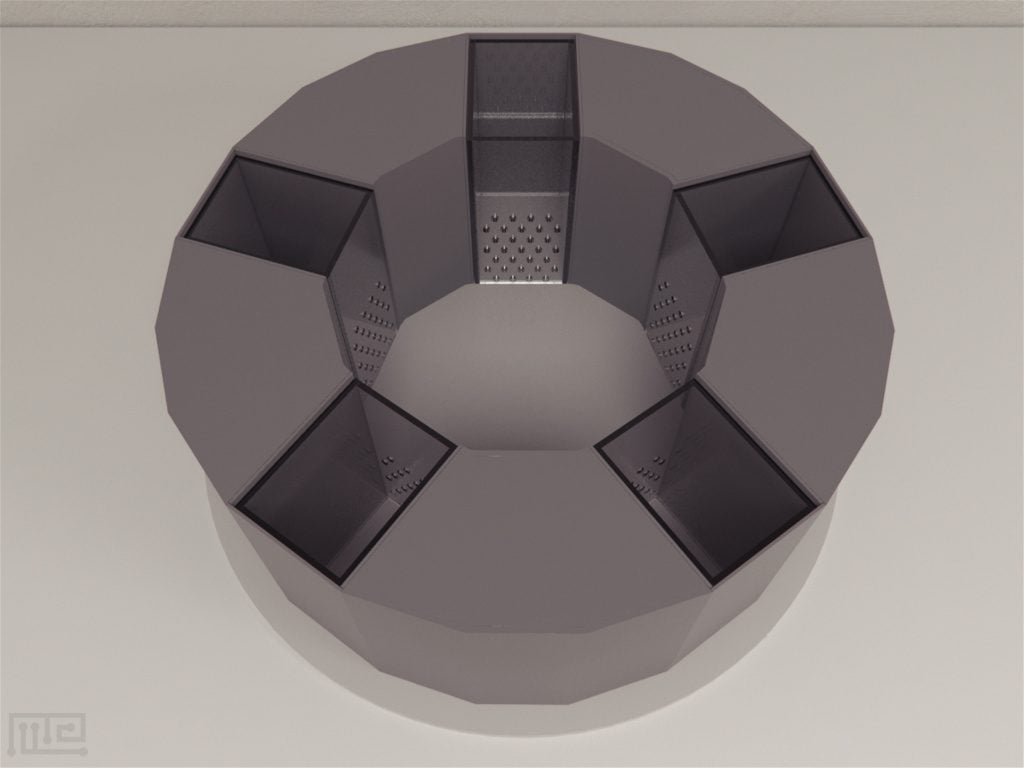
Sociobox
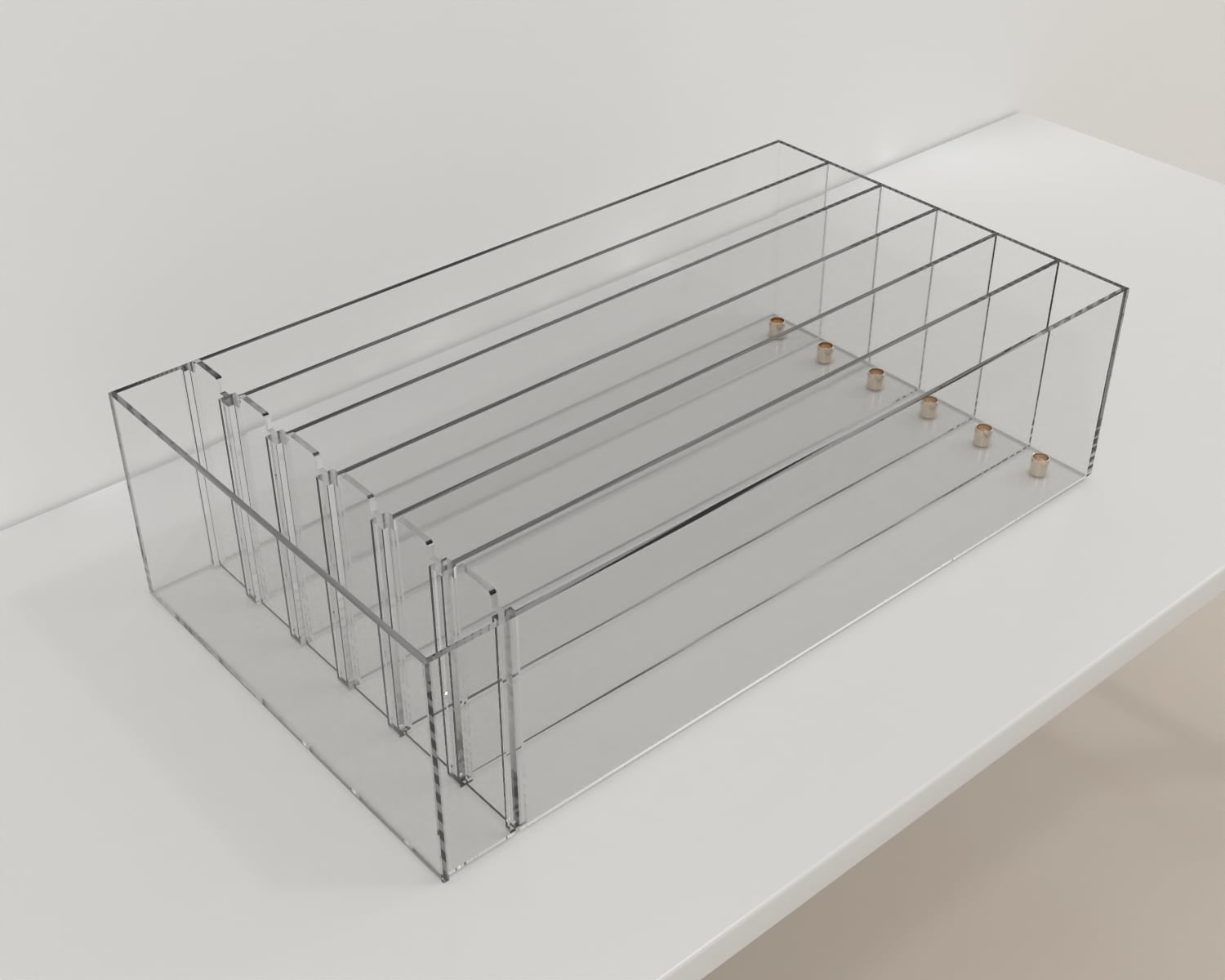
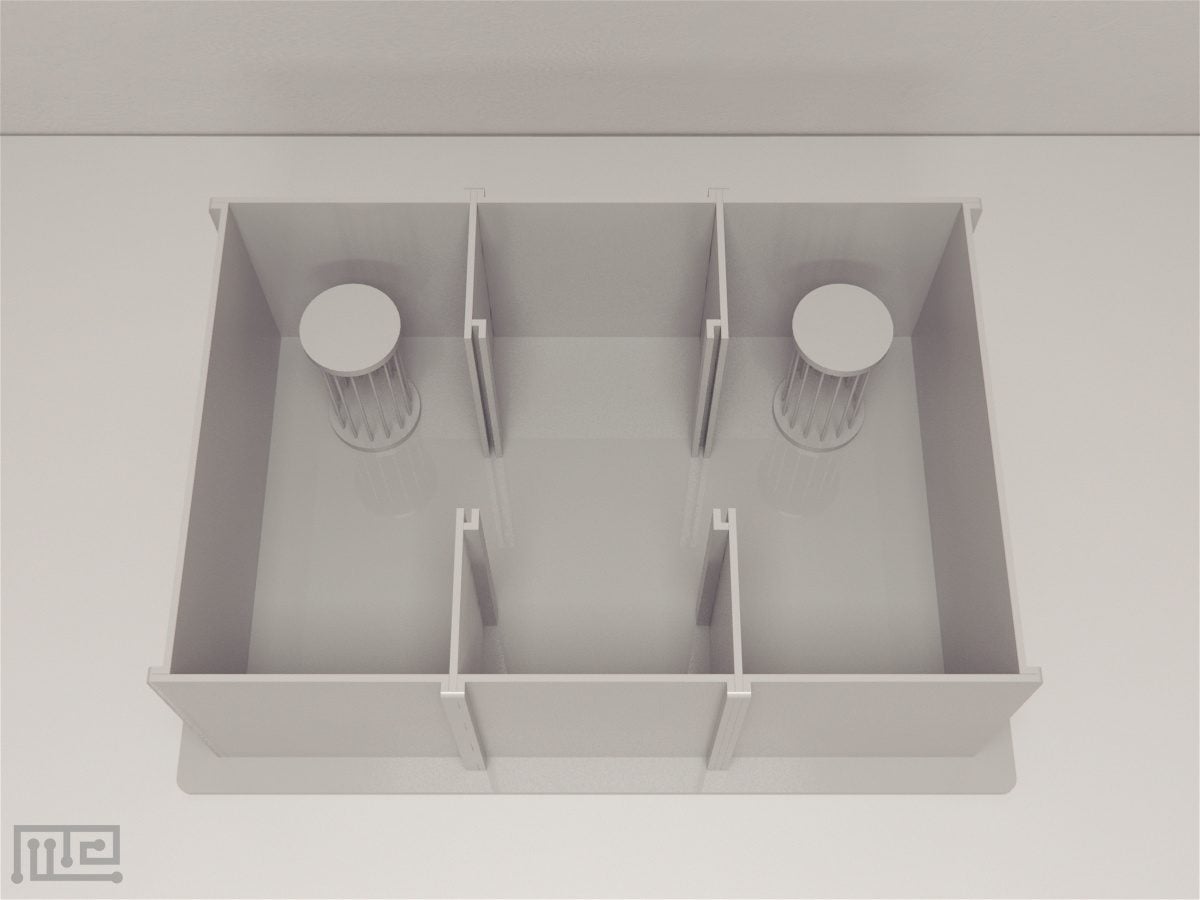
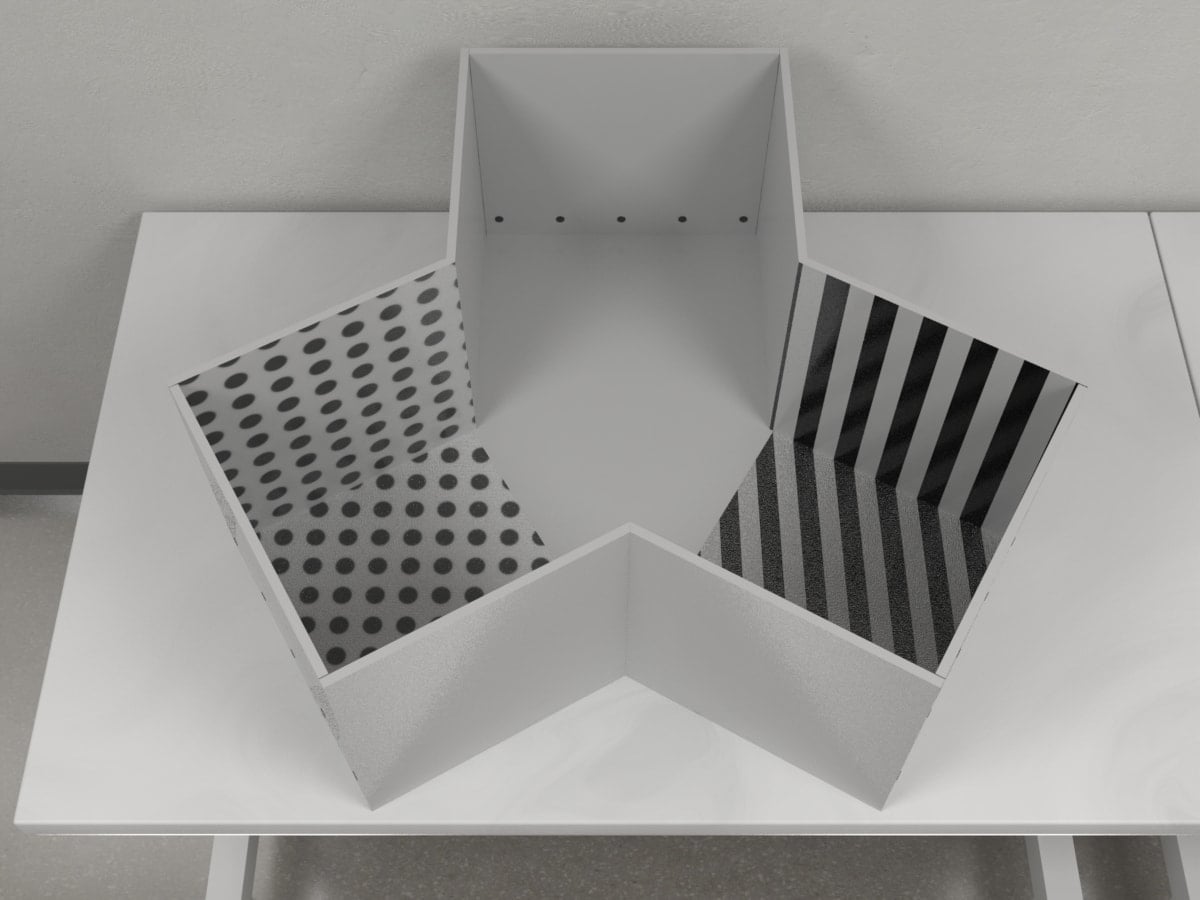
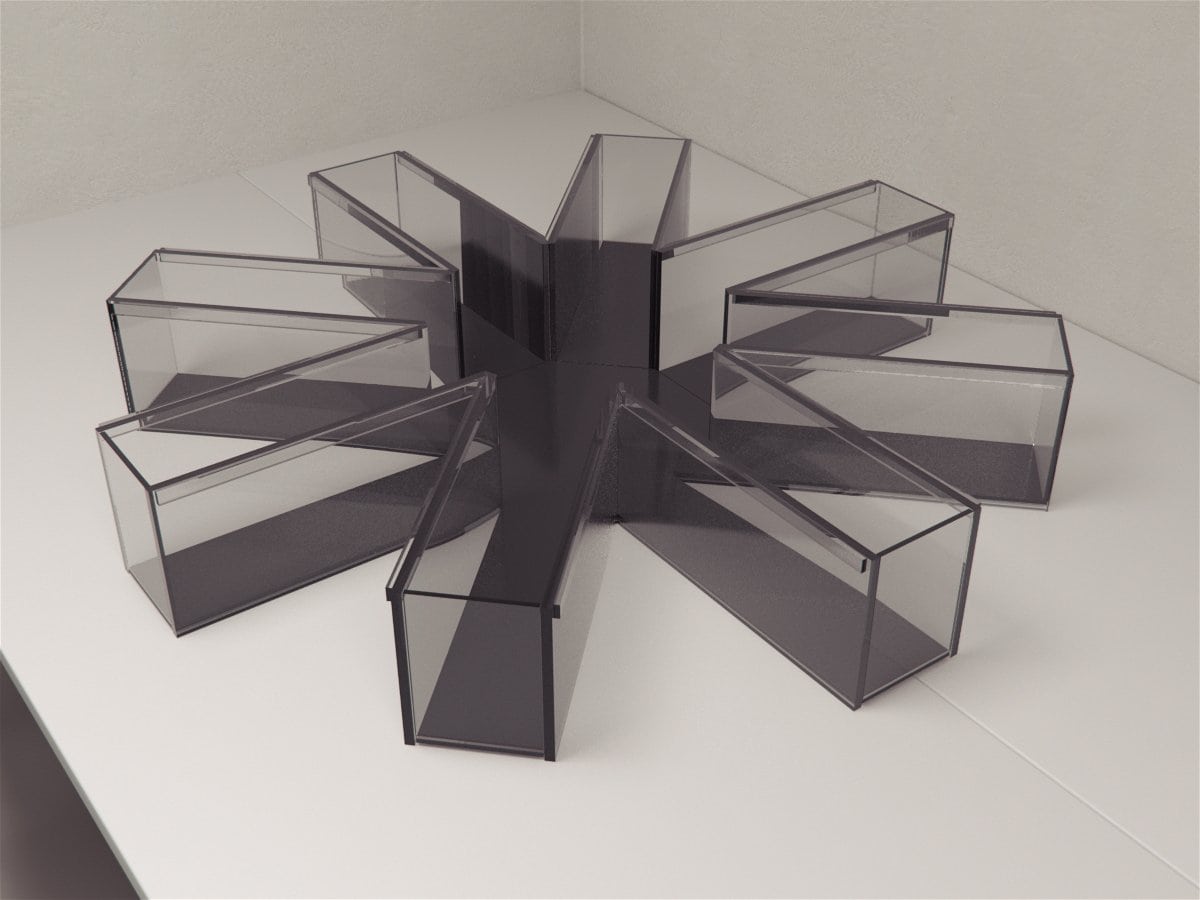
The sociobox consists of an acrylic apparatus with an outer ring of five rectangular removable boxes separated by fixed dividers surrounding a central open arena.
AeroDeliver System
The AeroDeliver Automated is a safe apparatus with high performance for the study of nicotine addiction, toxicology, teratogenicity in rodents.
SmartCage System
The SmartCage can help researchers to conduct the tests of rodent behaviour for phenotypic analysis, in vivo drug screening and so on.
Human Vertical Maze
Human Vertical Maze offered by MazeEngineers is developed specifically for researching complex solving skills requiring predetermined sequences of actions.
Flex Maze
Our Flex Maze gives the opportunity to create environments that challenge the spatial learning memory.
Self Administration Chamber
The self administration chamber from MazeEngineers come with everything you need for operant lead self administration.
Pulsepal Integration
MazeEngineers Conductor software can integrate with Pulsepal.
Matlab Integration
MazeEngineers Conductor software can integrate with Matlab so custom coding can occur.
Neuralynx Integration
Neuralynx offers a variety of animal interfaces that work together to provide the connection between data recording and analysis systems, and the subject’s organic electrical activity.
Five Choice Serial Reaction Time Task (5CSRTT)
Five Choice Serial Reaction Time Task (5CSRTT) is a perfectly engineered apparatus for the unique experiments involving rats or mice.
Cincinnati Water Maze
Cincinnati Water Maze is commonly used tool for the studying of egocentric and spatial navigation as well as learning, and memory of a subject.
Sound Attenuating Chamber
Isolation chamber available for various conditioning related experimentation.
Climbing Tower: Resistance Exercise System
The Mouse Resistance Exercise System is a simple tool that allows studying the effects of exercises on bone mass and strength of mice and rats.
Object Space Task
The Object Space Task is a multi-trial behavioral assay used to assess and track memory accumulation in the rodents.
Incline Rolling Ladder
Incline rolling ladder test is a novel test sensitive to tactile and proprioception sense.
Tail Flick Test
The Tail Flick test evaluates thermal nociceptive responses of the subject rodent. Learn about how to use it in your experiments with us.
Electric Von Frey
The electronic von Frey (EvF) is used to overcome the disadvantages of the conventional von Frey assay.
Zebrafish Environmental Enrichment Chamber
Environmental enrichment of captive animals can have a significant impact on their behavioral flexibility and mental cognition.
Dry Morris Water Maze
The morris water maze is a commonly used behavior maze. Have questions about undertaking this maze for your experiments? Consult our neuroscientists!
Rodent Hot Plate Pain Assay
The Hot Plate test is a gold standard thermal pain test in rodents and serves as a useful screening tool for interventions of analgesia.
Plantar Test Hargreave's Apparatus
Hargreaves Plantar test apparatus is composed of an emitter/detector vessel controlled by a controller that allows the manipulation of the intensity of heat, a glass panel, and animal enclosures.
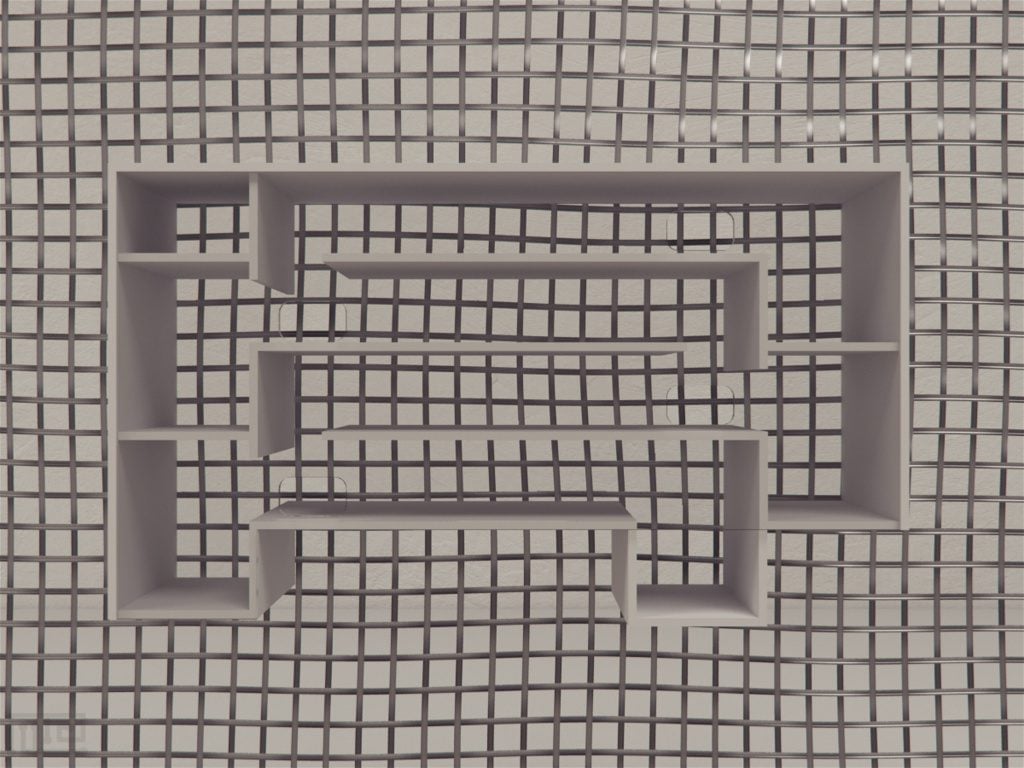
Lattice Maze
Create environments that will challenge spatial learning memory of subject using our well-designed Lattice Maze and run more informative tests.
Burrowing Tube
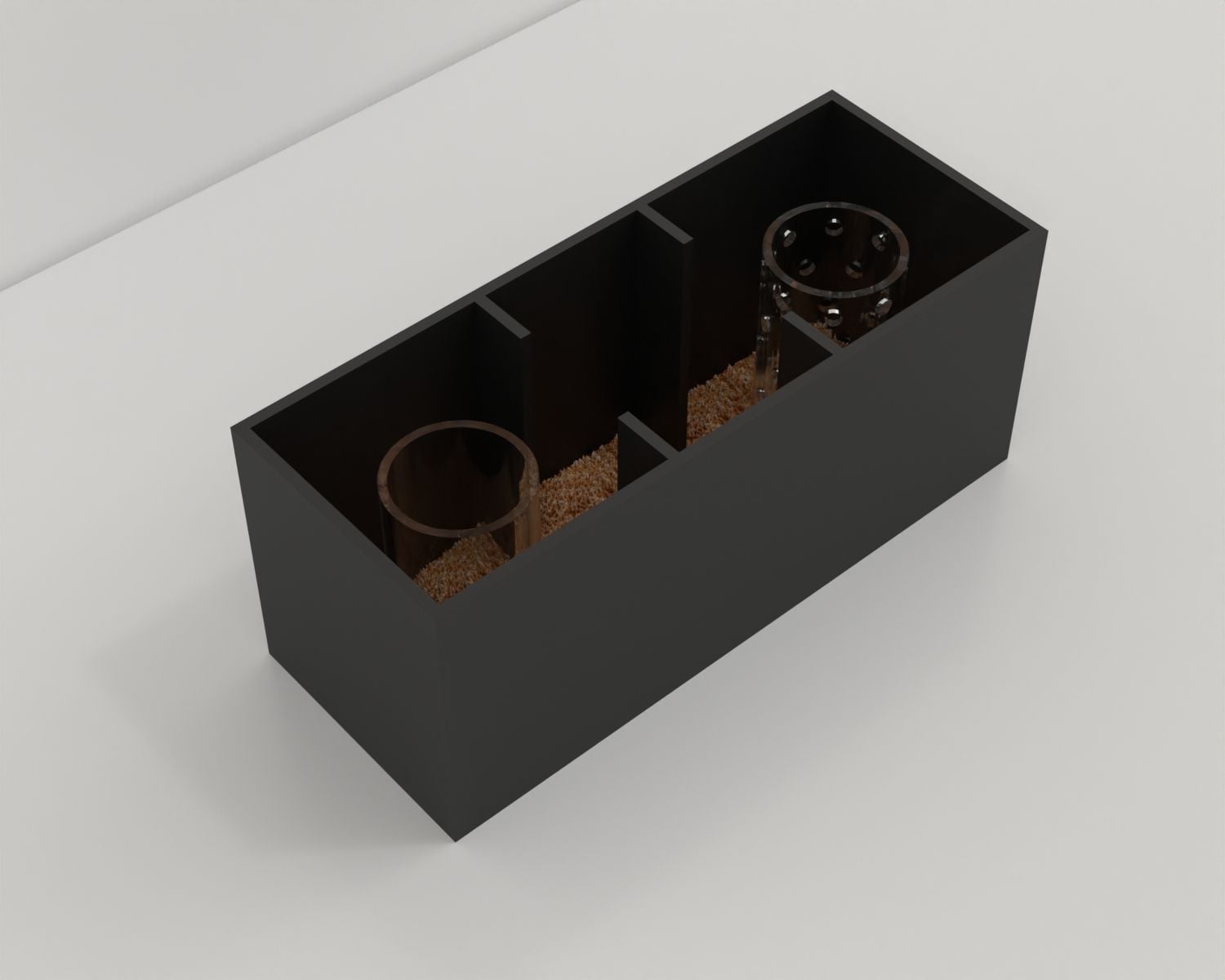
Burrowing is a sensitive behavioural assay in which mice or rats spontaneously empty a tube filled with food pellets.
Zebrafish Y Maze Flow Modification
The flow-through Y-Maze is a perfect tool for the studies associated with preference and avoidance behaviors in fishes.
Empathy Assay
The empathy assay was first described in the literature by Jeon et al (2011) and is an excellent tool to interrogate observational fear.
Radial Arm Number Variants
Use the exploratory instinct of the rodents and Radial Arm Maze of different complexity to study the spatial memory and learning abilities of the subjects.
Grip Strength Test
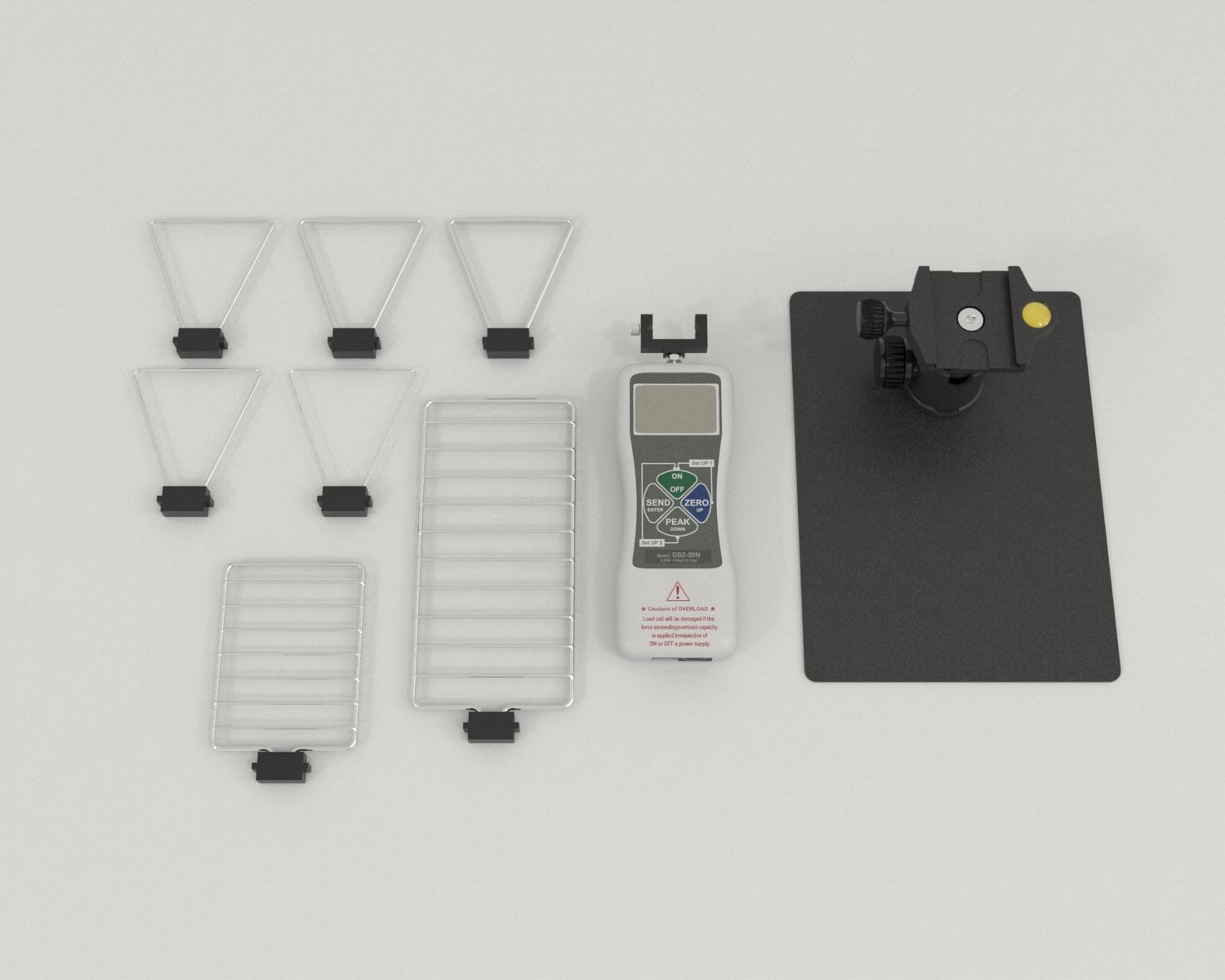
Rodent grip is a widely used apparatus to evaluate motor function. The MazeEngineers Grip strength apparatus uses both small and large grip plates to match your strain. Our apparatus measures tensile force and easily outputs mean values.
Rodent Hot/Cold Plate Pain Assay
The MazeEngineers Thermal Gradient Plate allows for control of temperature from -5 to 70 degrees C for allodynia experiments.
Finger Maze Test
The finger maze test is a puzzle conducted in infants and some primates to determine memory and cognition.
Finger Groove Maze
Acquire our perfectly designed and highly reliable Finger Groove Maze and run versatile experiments.
Radial Arm Length Variants
Collect more data changing the number and the length of arms of our precisely designed Radial Arm Maze (RAM).
Odor Span Test
The odor span apparatus tests the contribution of the hippocampus to normal memory capacity in rodents using location span tasks.
Mixed Reality Radial Arm Maze Add On
The wooden maze enhances the experience of the virtual Elevated Plus Maze, thus, allowing a more genuine response from the participants.
Mixed Reality Elevated Plus Add on
The wooden maze enhances the experience of the virtual Elevated Plus Maze, thus, allowing a more genuine response from the participants.
Bee Reward Expectations Apparatus
This apparatus allows the researcher to pair sucrose (or other solutions) in an artificial flower patch to study reward expectations.
Mimosa Habituation
The Mimosa Habituation apparatus can provide you with new opportunities for studying interactions between electrical and chemical mechanisms of control.
Plant Communication Apparatus
The apparatus can be used to search for alternative signaling modalities or control specific signaling.
Plant Y Maze
The Plant Y-Maze enables researchers the evaluation of foraging behaviours of plants in various growth conditions.
Grid Test
The Grid test is a simple tool created for studying the neuromuscular strength, motor behavioural performance and coordination in rodents.
Dig Task
The Dig task is an effective device created for studying cognitive dysfunction following traumatic brain injury or stroke.
Pig T Maze
The T-maze offered by MazeEngineers was created for researchers to use allocentric mechanisms of learning for better hippocampal lesions assessment.
Pig 8 Arm Radial
The Pig 8 arm radial maze is used widely in learning and memory.
Double Alternation Spatial Maze
This is a well-constructed device that will meet all your scientific needs.
Hampton Court Maze
The Hampton Court Maze is a reliable tool for observing the spatial learning and behaviour in rodents.
Gait Test
Gait test is the user-friendly but very reliable task that was designed for evaluating the drugs affect on the gait and the stride length of the subjects.
Visual Burrow System
Visual Burrow System is a popular method to evaluate the natural social interactions, as it would happen in the wild.
Horizontal Grid Test
The Horizontal Grid was designed for the studying of neuromuscular strength and coordination in rodents.
Vertical Grid Test
The Vertical Grid test is an advantageous combination of the Horizontal Grid and Pole test. It allows studying of neuromuscular strength and coordination.
Stairway Test
Our thought-out and cost-effective Stairway test was created to measure motoric and sensoric functions and get precise data.
Triple Test Maze
The Triple Test Maze combines three tools and shows outstanding efficiency and reliability in the assessment of emotionality and explorative behaviors.
Hoarding Apparatus
Hoarding apparatus is used to study a species-typical behavior manifested by transferring the food to secure place for later consumption.
Ladder Rewarded Elevated Plus Maze
The Ladder Rewarded Plus Maze is a thought-out tool that enables assessment of the place learning in rodents using reward motivation.
Pig Open Field
The Pig Open Field allows researchers conducting a wide range of experiments. Since their brains are similar to human brains such tests are very practical.
Magnetic Self Administration Runway
The magnetic runway is an easy-to-use and inexpensive tool for the studying of drug-seeking behaviour in animal models of drug abuse.
Morris Water T Maze Insert
The Morris Water T maze insert for the Morris Water Maze is made to fit the 4 foot, 5 foot, or 6 foot sizing for the MazeEngineers Morris Water Maze.
Marmoset Light Dark Box
Marmoset Light-Dark Box is a wildly-used reliable device for observing the light-dark preferences of the Marmoset primate.
Social Y Maze
Social Y-Maze is a straightforward and time-effective method for the evaluation of social interactions. It requires minimal training to perform the tests.
Elevated Asymmetric Plus Maze
The Asymmetric Plus Maze is designed for evaluating the mechanisms of exploratory motivation and fear in rodents.
Win Stay Maze
Our Win-Stay maze helps to evaluate neural activity associated with memory and learning in subjects. This tool simplifies the data collection.
Dennis 1929: The Sensory Control of the White Rat in the Maze Habit
Description The Dennis Rectangular maze is a 3 x 4.5 feet (the inside measurements were 36" x 54" x 7") with two removable cross-walls running the width of the…
3D Open Field
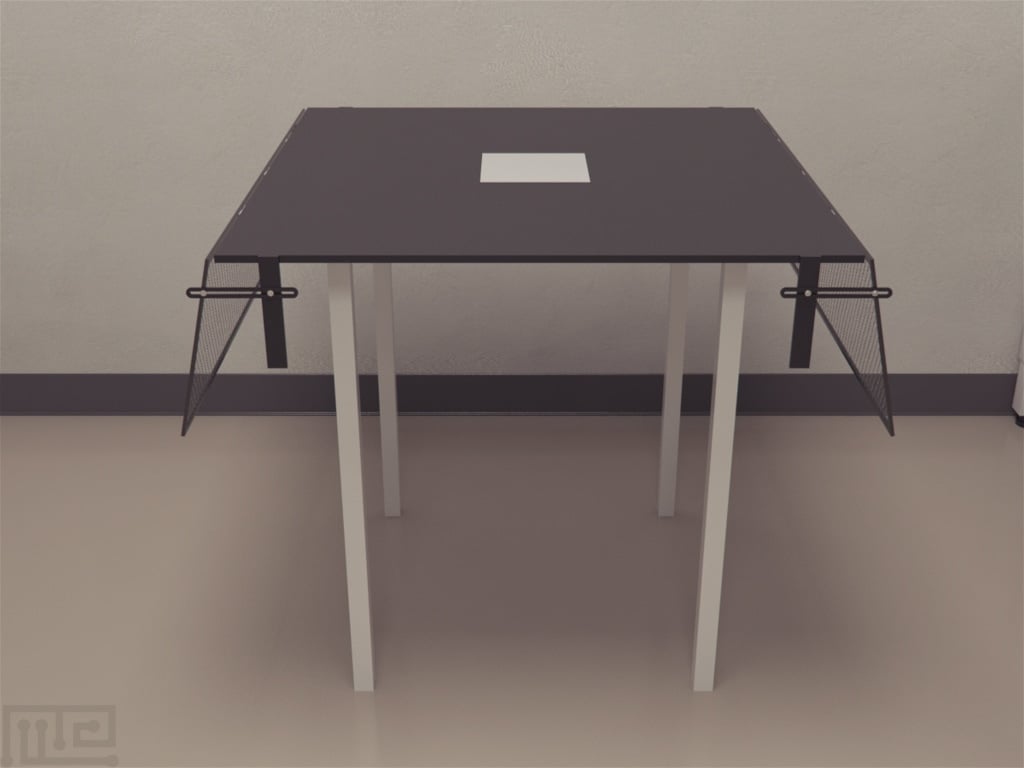
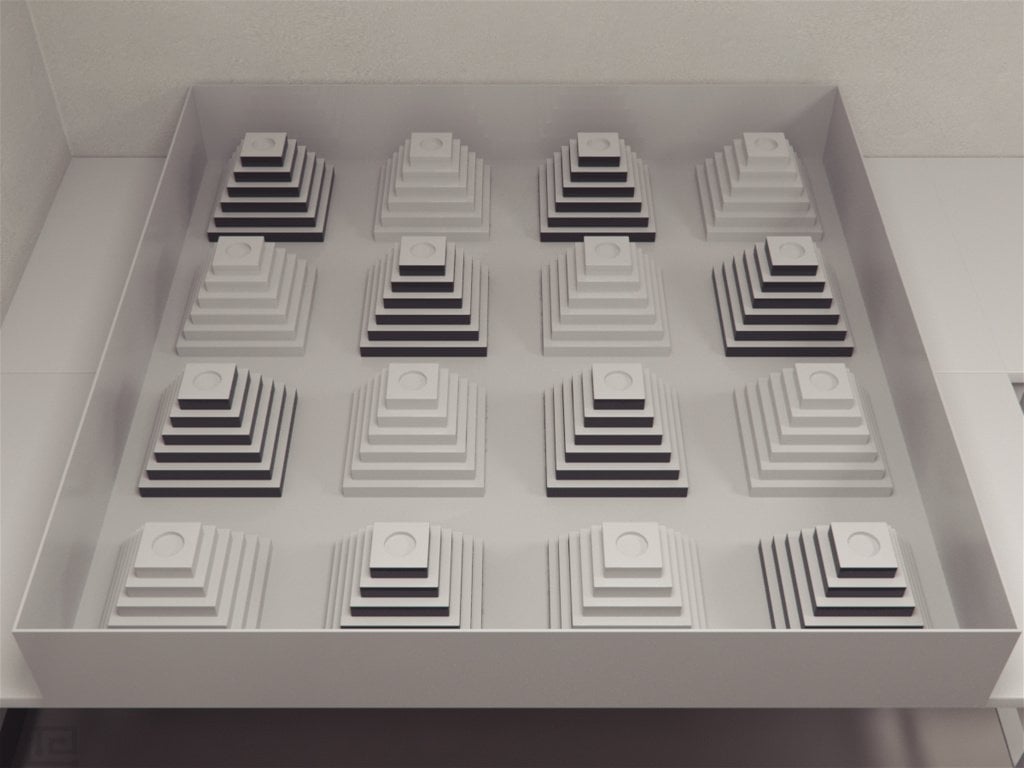
The 3D Open Field apparatus consists of an open, elevated platform with two opposite ends equipped with mesh slopes that are capable of being positioned at varying angles to create different combinations of the apparatus setup.
Bee Soccer
Try our Bee Soccer tool that includes Home, Corridor and Test arena and observe complex behaviour of the bumblebees.
Bee Spatial Reorientation
Our Bee Spatial reorientation test is very useful in investigating the navigational mechanism of bumblebees and their ability to reorient.
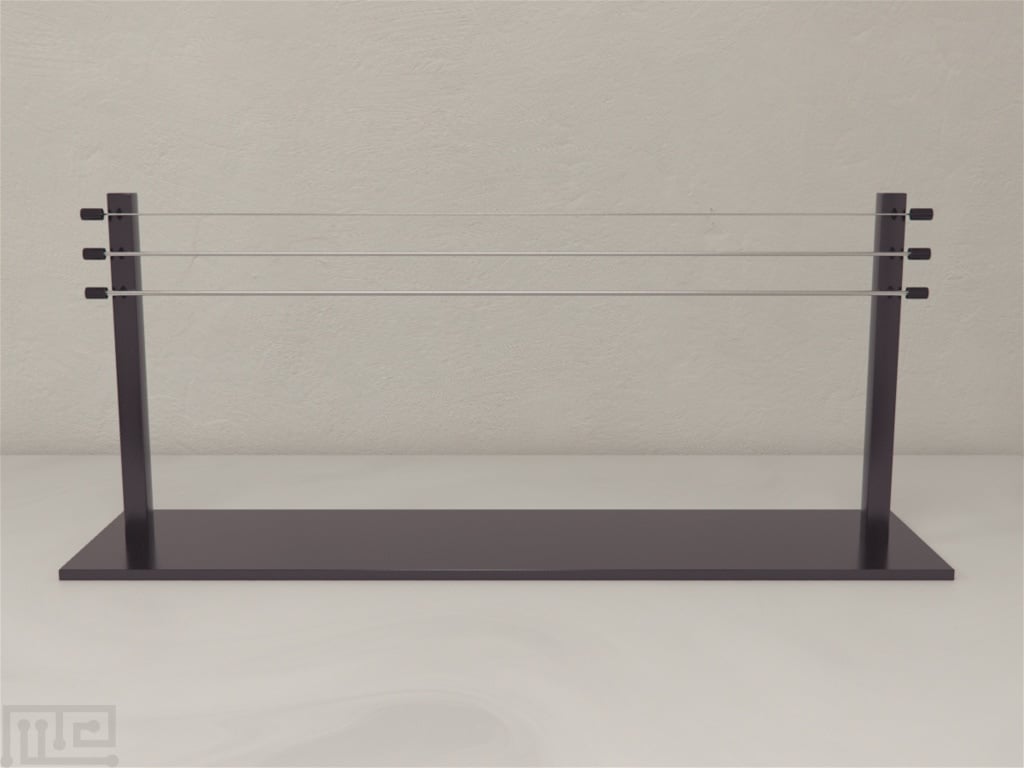
Triple Horizontal Bars
Triple Horizontal Bars can be used in various scientific studies that aim to measure both motor coordination and strength in rodents.
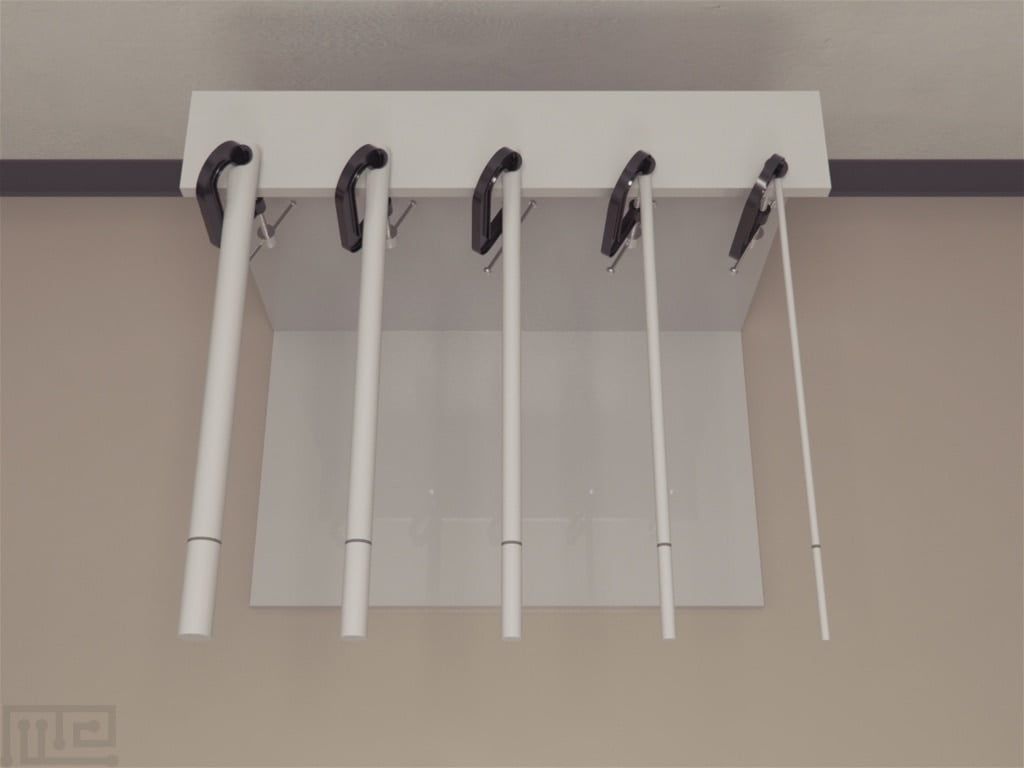
Static Rods Test
The Static Rods an easy-to-use static apparatus that proved to be effective in assessment of motor coordination.
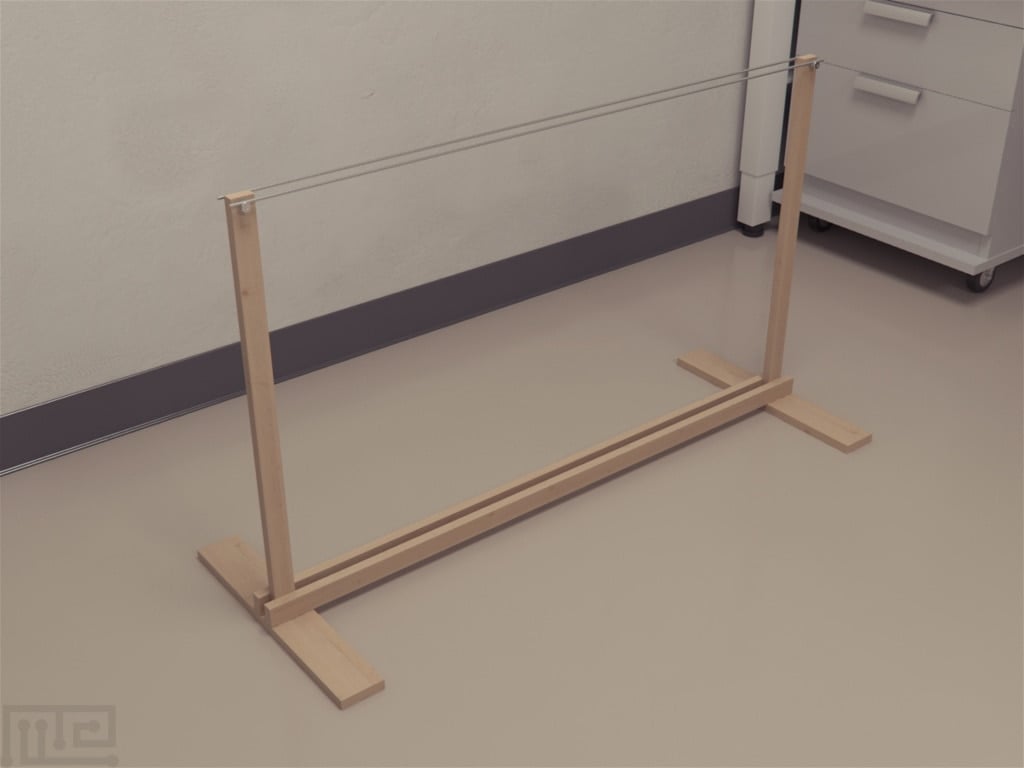
Parallel Bars
Our straightforward and easy-to-use Parallel Bars task is an ideal tool for assessment of motor coordination in subjects.
Two Problem T Maze
The Two Problem T Maze can be used for investigation of the relationship between prelimbic lesions and working memory in rats.
Zebrafish Y Maze
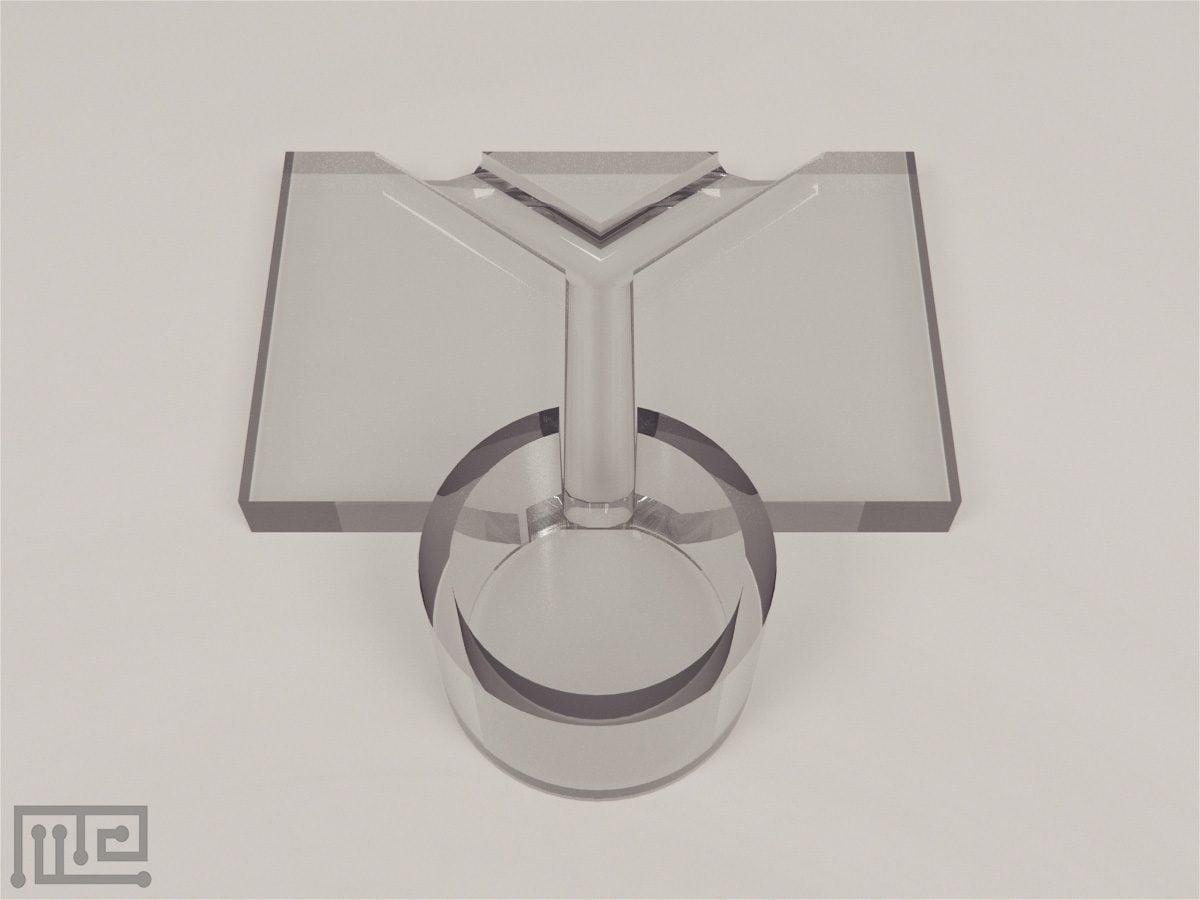
The Zebrafish Y maze is a popular method to assess novelty exploration in zebrafish. It can be used to evaluate age-related cognitive decline and anxiety.
Mirror Biting Elwood
Mirror tests are a popular method used in studies of agonistic interaction, especially in fish aggression studies as they require fewer participants and avoid pseudo-replication.
Mirror Biting Balzarini
Mirror Biting Balzarini was created for observation and evaluation of the aggressive behaviour demonstrated by fishes towards their opponents.
Mirror Biting
Mirror tests are a popular method used in studies of agonistic interaction, especially in fish aggression studies as they require fewer participants and avoid pseudo-replication.
Step Down Avoidance
The step-down apparatus consists of a contextual Acrylic chamber with an electrified grid floor, with an elevated vibrating platform in the center.
Puzzle Box
The puzzle box is a widely-used in neuroscience behavioural test for studying cognitive functions of rodents.
Mirror Chamber Version 2
Mirror Chamber Version 2 offers great opportunities to investigate the anxiety in rodents.
Drosophila Shallow Chamber
Drosophila Shallow Chamber is a novel apparatus that allows studying complex social interactions between a pair or group of flies.
Zebrafish Y Maze Avoidance
Zebrafish Y Maze Avoidance task is a cost-effective apparatus that can be utilized in various scientifically studies.
Continuous Novel Object Recognition
The Continuous Novel Object Recognition is a unique apparatus for complex recognition tasks that allows collecting more data while using fewer subjects.
Emergence Test
Rodents are placed in a closed opaque cylinder that is set within an open field and secured to prevent rolling
Delayed Matching to Place (DMP) Barnes Maze
Our Delayed Matching To Place Barnes Maze that enables assessment of spatial working and episodic-like learning and memory.
Spatial Reorientation
Learn more about the Spatial reorientation test that offers the insight into the specificity of the processes underlying spatial navigation.
Escape Hole Radial Arm Maze
The Escape Hole Radial Arm Maze is an innovative, effective test for evaluating spatial memory and cognition in cerebral ischemia murine model.
Controlled Y Maze
This Y-maze apparatus variant is smaller (about half the size) of the traditional y maze and comes with a single door.
Tridimensional Maze
The tridimensional maze is like the bidimensional maze in that the correct pathway leads constantly into new portions both of the maze and the environment.
Randomized Barnes
The Modified Barnes Maze was designed to conduct a more accurate assessment of spatial cognition in rodents. Request it and collect precise information.
Ziggurat Task
Ziggurat Task is an innovative and efficient behavioral test that allows subjects to explore the open field thereby reducing their anxiety.
Morris Water Plus Maze Insert
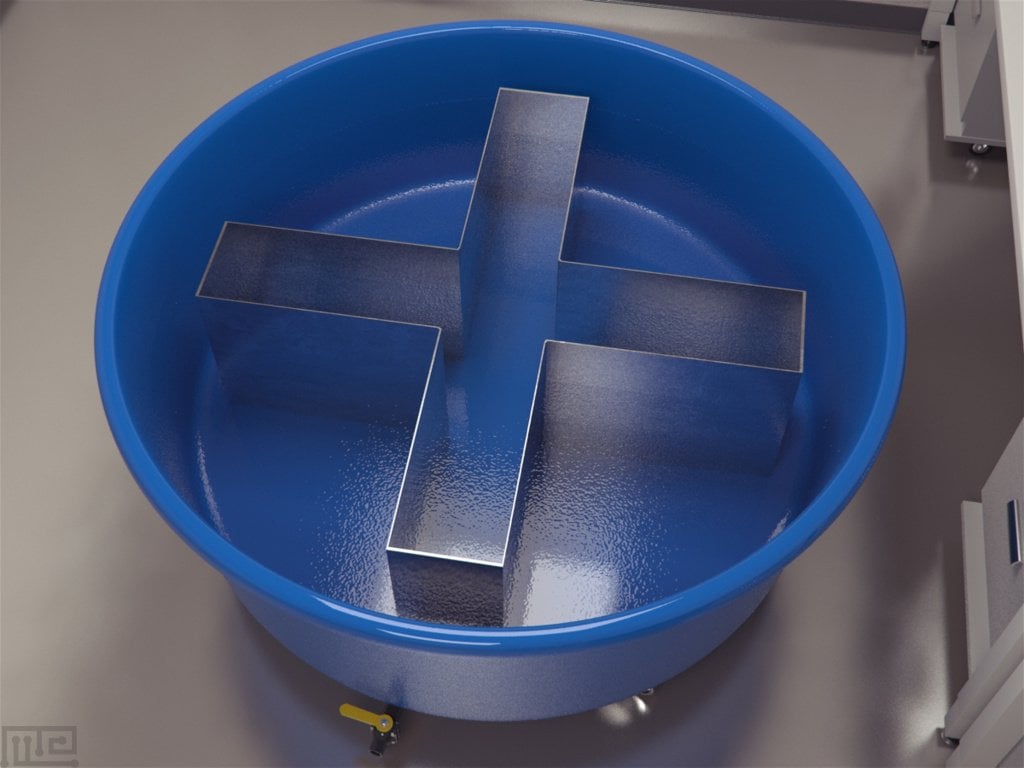
Morris Water Plus Maze Insert is a thought-out apparatus that allows accurate assessment of magnetically-guided spatial behaviour in rodents.
Zebrafish Bifurcating T Maze
The Zebrafish bifurcating T maze has been described in the literature as a screening test for the role of nicotinic acetylcholine receptors in Zebrafish.
Morris Water Y Maze
Morris Water Y Maze is a simple and straightforward device designed for studying the spatial learning and memory of rodents.
Novel Object Recognition Assay
Novel Object Recognition test is an ideal method to measure short-term or working memory through discrimination between familiar and unfamiliar stimuli.
Morris Water Maze Float Platform
Morris Water Maze Floating Platform is a productive and cost-effective method developed for the evaluation of learning in the floating task.
Morris Water Maze Release Device
The MazeEngineers release device for the Morris water maze assists in blinding mice and rats to navigational cues in insertion into the morris water maze.
Mirror Chamber Test
The popular and effective Mirror Chamber task offered by MazeEngineers enables a simple evaluation of anxiety-related behaviours in rodents.
Forced Swim Tail Suspension Combination
Our apparatus allows for tail suspension within the context of a forced swim threat.
Tilt Ladder
Tilt Ladder has a well-established efficiency in assessment of the effects of static load leading to chronic adaptation of the vascular system.
Multivariate Concentric Square Field Test
Multivariate Concentric Square Field is an innovative task that allows for studying the risk assessment, anxiety, and shelter seeking behavior in rodents.
Self Administration Runway
The Self-administration runway is a straightforward and easy-to-use apparatus that was created for the assessment of motivational behaviour in rodents.
MWM Open Field Tower
The open-field tower maze (OFTM) is a unique behavioral task in neuroscience used to examine the nature and mechanism of spatial learning and memory in rodents; with specific emphasis on place- and response-learning.
Social Reward Chamber
The Social Reward Chamber is designed to understand the effect of social rewards on the social preferences of the subject.
Stress Alternatives Model Maze
The Stress alternatives model maze is a widely used apparatus that is efficient in evaluation of the rodent’s behavior in stressful situations.
Continuous Angled T Maze
The Continuous Angled T-Maze is an effective tool for assessing the spatial orientation and episodic memories in rats.
Drosophila Y Maze
The Drosophila Y Maze is a thought-out reliable apparatus created for evaluating chemosensory responses of these insects.
FTIR Walkway
Get our flexible, automated apparatus FTIR Walkway that will help you to collect accurate data and to reduce the risk of human associated errors.
Morris Water Straight Swim Channel
The Straight Swim Channel assists in training rodents. The channel is designed to only allow straight swimming to the designated target.
Morris Water Snowcone
The MazeEngineers Snowcone Morris Water Maze modification utilizes the MWM as a base. It comes with two stainless steel inserts to fit the Morris Water Maze
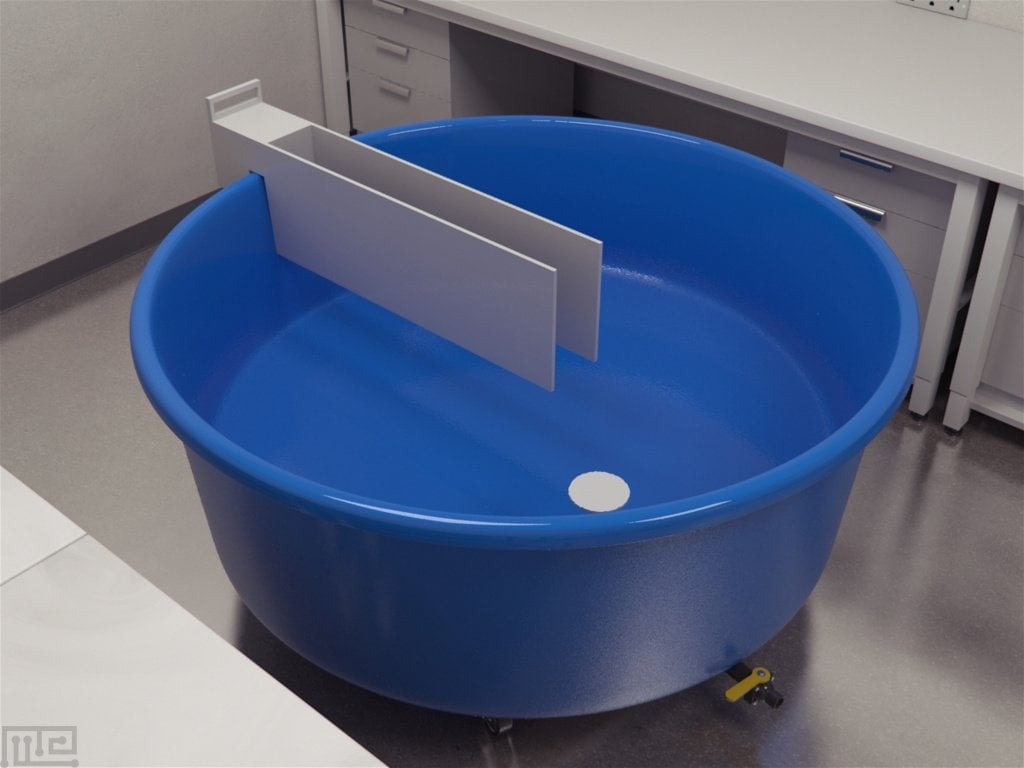
Morris Water Radial Tread
The MazeEngineers Radial Water Tread Maze modification utilizes the MWM as a base. Our modification of this maze comes with nine exits, each 1.5 in above the apparatus floor.
Hairpin Maze
The Hairpin maze is a unique maze has been described in the literature for studying grid place cells.
Zebrafish Associative Learning
The main advantage of the Zebrafish associative learning chamber is its simplicity. It was developed for the studying of associative learning.
Rondi Reig Star Maze
The original Star maze was described in the literature by Dr. Laure Rondi-Reig as a method to study spatial navigation and its two different orientation systems, allocentric and egocentric navigation.
3D Radial Arm Maze
The 3D Radial Arm Maze is an innovative tool that allows assessing the underlying neural mechanisms of anxiety responses in rodents.
Resident Intruder Optogenetics modification
Are you an academic scientist and creator?
Tube Dominance Test Optogenetics
The tube dominance test is a behavioral test used to assess social dominance in small animals such as rats and mice. The test is based on the assumption that…
Modified Beam Walking Apparatus Sweiss et al. 2016
The modified walking beam can be used in the integration of motor co-ordination tasks and anxiety-like behavior tasks.
Beam Walking Apparatus Sweiss et al. (2016)
References
Morris Water Spatial Beacons
The multiple-beacon maze consists of the traditional water maze design, with added beacon components placed above the overall structure.
Conditioned Place Preference Bechara 1987
References
Conditioned Place Preference Calcagnetti 1996
References
Conditioned Place Preference Suzuki 1995a
References
Conditioned Place Preference Bienkowski 1997b
References
Conditioned Place Preference Spyraki 1988 - 2
References
Conditioned Place Preference Isaac 1989
References
Conditioned Place Preference Kelsey 1989
References
Conditioned Place Preference Shippenberg 1988b
References
Conditioned Place Preference Mucha 1985
References
Conditioned Place Preference Gong 1995
References
Conditioned Place Preference Hiroi 1991a
References
Conditioned Place Preference Bechara 1992
References
Conditioned Place Preference Nadar 1994
References
Conditioned Place Preference Stefurak 1994
References
Conditioned Place Preference Parker 1995
References
Conditioned Place Preference Olmstead 1994
References
Conditioned Place Preference Macky 1986
References
Conditioned Place Preference Tzschentke 1998
References
Conditioned Place Preference Hiroi 1991
References
Conditioned Place Preference Brown 1993
References
Conditioned Place Preference Mcalonan 1993
References
Conditioned Place Preference Kelsey 1994
References
Conditioned Place Preference Everitt 1991
References
Conditioned Place Preference Olmstead 1997
References
Conditioned Place Preference Olmstead 1996
References
Conditioned Place Preference Martin Iverson 1985
References
Conditioned Place Preference Nadar 1996
References
Conditioned Place Preference Hemby 1992
References
Conditioned Place Preference Carr 1983
References
Conditioned Place Preference Gong 1997
References
Conditioned Place Preference Pierce 1990
References
Conditioned Place Preference Shippenberg 1995
References
Conditioned Place Preference Rossi 1976
References
Conditioned Place Preference Scala 1985
References
Conditioned Place Preference Spyraki 1988
References
Conditioned Place Preference Gong 1996
References
Conditioned Place Preference Jorenby 1990
References
Conditioned Place Preference Torrella 2004
References
Conditioned Place Preference Alexander 1994
References
Conditioned Place Preference Stapleton 1979
References
Conditioned Place Preference Spyraki 1982
References
Conditioned Place Preference Shippenberg 1987
References
Conditioned Place Preference Schenk 1986
References
Conditioned Place Preference Nomikos 1988
References
Conditioned Place Preference Morency 1986
References
Conditioned Place Preference Mithani 1986
References
Conditioned Place Preference Lett 1988
References
Conditioned Place Preference Hoffman 1988
References
Conditioned Place Preference Dymshitz 1987
References
Conditioned Place Preference Bardo 1984
References
Conditioned Place Preference Asin 1985
References
Conditioned Place Preference Cador 1992
References
Conditioned Place Preference Leone 1987
References
Drosophila Olfactory Operant Conditioning
Drosophila Olfactory Operant Conditioning is a simple but highly reliable method for evaluating the learning and memory of these fruit flies.
Attentional Set Shifting (IDED) Chamber
The IDED chamber for the attentional set shifting task for mice and rats includes a chamber for convenient testing of individual rodents
Visual Cliff Test
The visual cliff test is used for visualization of preceived barriers. Comes with chamber for visual cliff testing, sized for both mice and rats.
Mechanical Conflict Test
Description The Mechanical Conflict Test (MCT) is a behavioral assay used primarily in rodents (rats and mice) to assess pain-related decision making,…
Bowtie Mazes
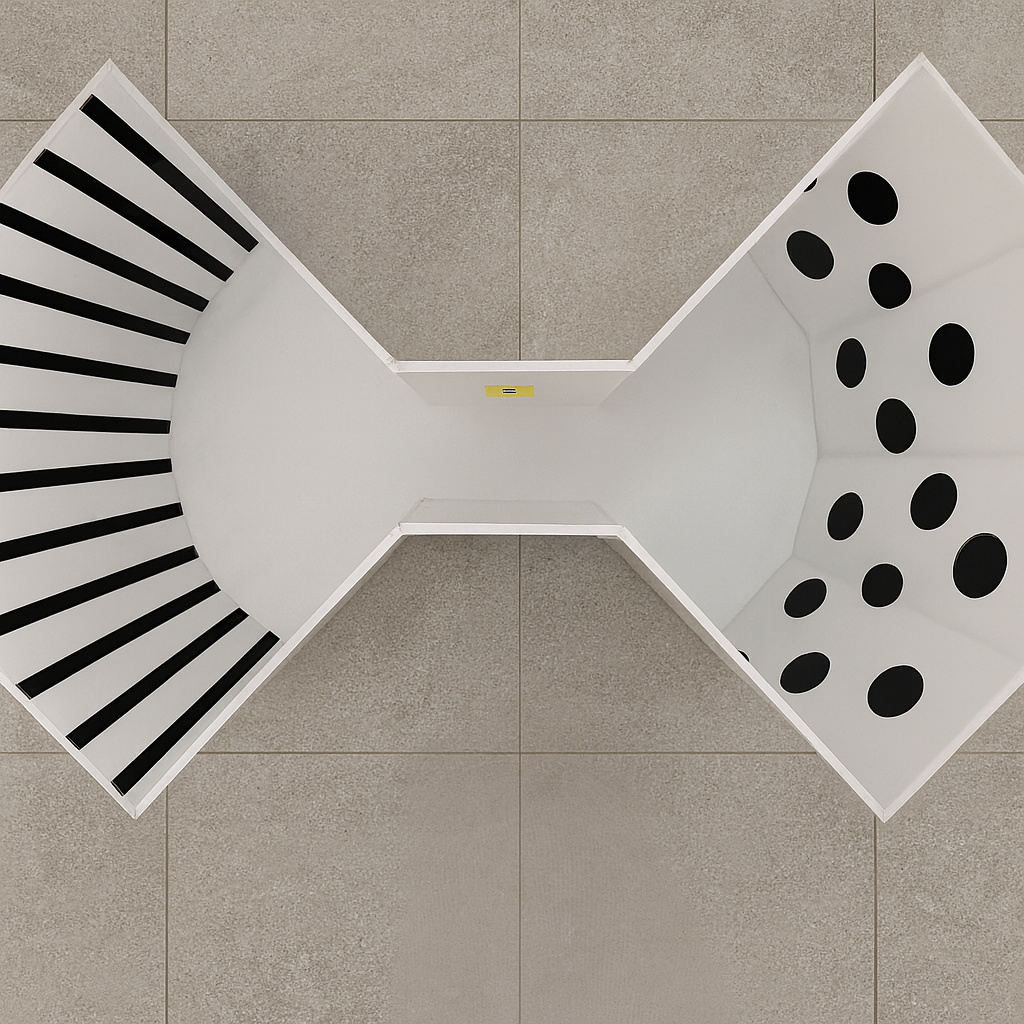
Bowtie mazes are used for a variety of choice experiments for mice and rats. We offer two separate models frequently used and cited in the literature
Lashley III
The Lashley III maze is a test used for learning and memory. It utilizes a low-stress environment and looks into route learning of a maze
Successive Alleys
The Successive alleys test is a novel anxiety test that utilizes fear of open spaces as an assay. The most distal regions are white, open and narrow
Social Defeat Apparatus
The Social defeat apparatus proved to be an exceptionally effective method of studying the underlying mechanisms of affective-like disorders.
Tube Dominance Test
The tube dominance apparatus allows for social hierarchy experiments demonstrated with winning in conflict situations.
Mammalian Diving Response Apparatus
Perform your scientific experiment and collect useful data by means of The Mammalian Diving Response designed to evaluate diving reflexes in rodents.
Skilled Forelimb Test
Skilled forelimb reaching task apparatus for mice and rats allows for fine motor assessments through a gap for reward. Get one for a great price today.
Zebrafish Place Preference Test
Zebrafish Place Preference Test allows evaluation of rewarding effects of psychoactive substances.
IDED Operant Chamber
Collect more data and perform multiple behavioral assessments of cognitive function using the automated version of IDED Operant Chamber
Automated Hole Board
Automated hole board system is used for the detection of nose poke behaviour in the open field environment with maximum flexibility.
Zebrafish 3 Chamber Choice
The three-chamber paradigm is a widely used task to evaluate spatial and non-spatial learning as well as memory in zebrafish.
Zebrafish Vertical Tank Array
Zebrafish Vertical Tank Array has well-established potential in the assessment of stress responses and behavioral indicators of anxiety.
Zebrafish 5 Choice
The MazeEngineers Zebrafish choice chamber allows for experiments similar to the commonly used five-choice serial reaction time task (5-CSRTT).
Zebrafish Rotation Test
The Zebrafish Rotation test apparatus is a circular container with transparent walls surrounded by a rotating acrylic drum.
Zebrafish Tap Test
The MazeEngineers tap-elicited swim test is used in free swimming zebrafish to evaluate the effects of EtOH, drugs and toxins on the learning process (non associative).
Zebrafish Bite Test
The MazeEngineers Bite test comes with a plastic apparatus that can be placed inside of the home tank, or a built in apparatus that is continuous with the home cage.
Zebrafish T Maze
The Zebrafish T Maze provides new options in the investigation of the effects of genetic manipulation and diverse genetic backgrounds.
Zebrafish Larvae T Maze
The MazeEngineers Zebrafish larvae T Maze takes advantage of a unique backlighting to allow for fine behavior tasks in larvae.
Automated Conditioned Place Preference
The MazeEngineers automated conditioned place preference consists of two acrylic compartments of the same size interconnected by a central corridor with color of your choice.
Drosophila Maze Array
The MazeEngineers Drosophila Array allows for one of a kind Drosophila experiments.
Parallel Rod Test
Parallel Rod Test is a model of ataxia that does not require forcing the mice to move and can be performed in parallel with other neurobehavioral tests.
Aron's Test
Aron’s test is a simple yet thoroughly thought-out apparatus that is helpful in the assessment of the effect induced by anxiolytic treatments in rodents.
Resident Intruder
An apparatus for the Resident Intruder paradigm for mice and rats. Designed for maximum visibility and video recording with easy mesh to remove intruders.
Thermal Gradient
Description The Thermal Assay Test is a widely used behavioral task used for the study of nociception, the neural process of encoding actual or potential…
Horizontal Ladder
Horizontal Ladder test for foot fault for mice and Rats. Fine motor coordination testing can be done with regularly spaced rungs that can be removed.
Geotaxis Test
Mouse and Rat Geotaxis Test for motor coordination. Multiple size notches to allow angulation testing. Metal or acrylic models vailable for testing.
Body Turning Test
The Body Turning test , or the turning in alley, is a test for motor and coordination. Mice & rats are placed in a narrow corridor with removable walls.
Repeated Acquisition and Performance Chamber
The Repeated Acquisition and Performance Chamber from MazeEngineers (RAPC for short) is an acrylic device with a start and end goal box.
Vogel's Test
Description The Vogel test is a classic protocol where rodent subjects are water deprived and then placed in the an apparatus while simultaneously exposed to…
Morris Water Maze Heater
Heater for the Morris Water Maze for consistent heat and temperature. Available with cover over the heater.
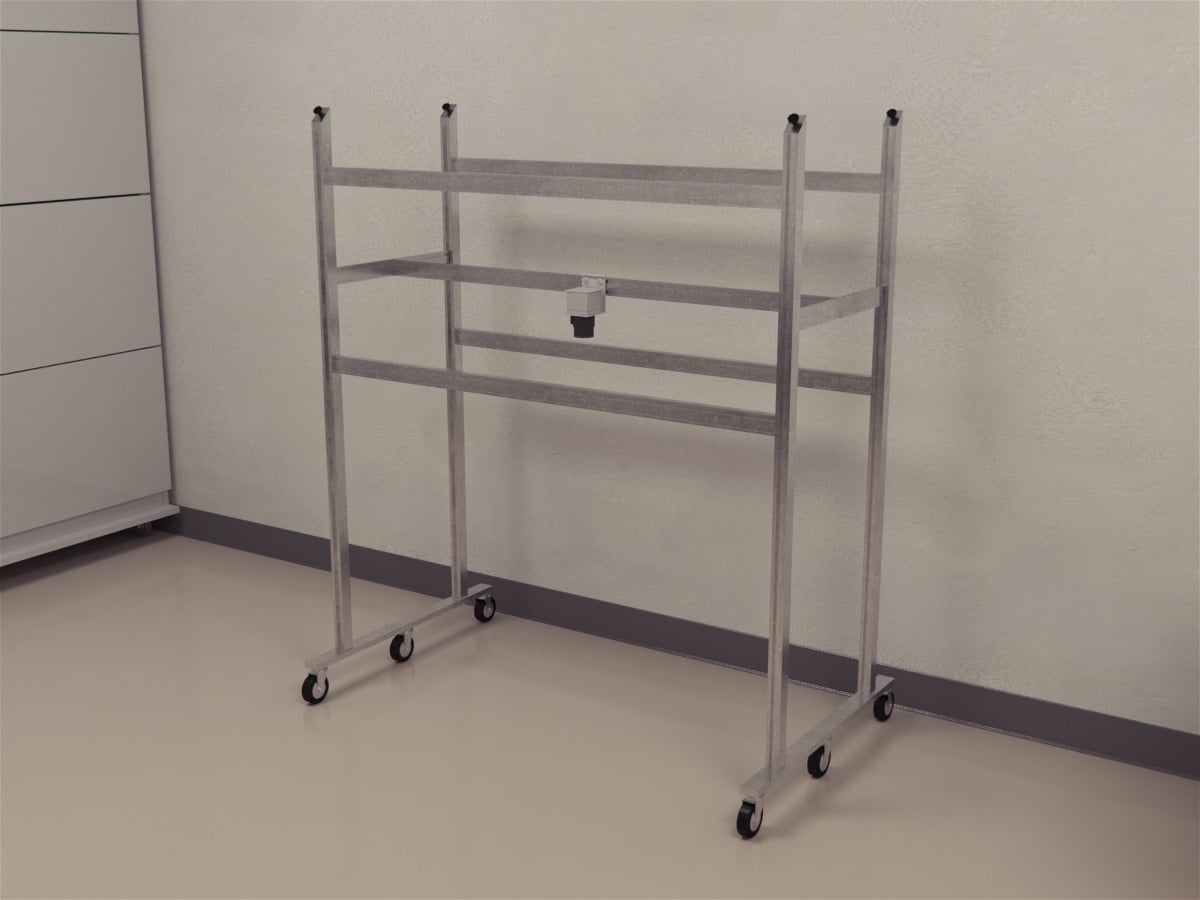
Gantry
Various Gantries for various mazes. Get one of these contraptions for your maze today for video. Elevated plus maze gantry, open field gantry, etc.
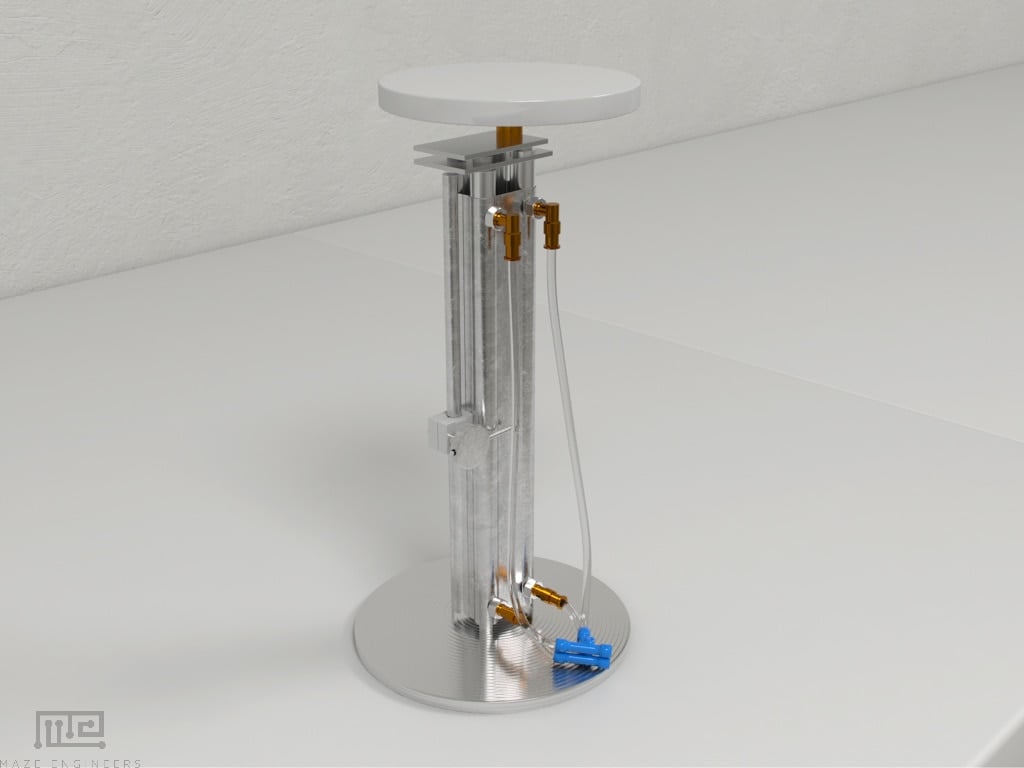
Automated Morris Water Maze Platform
Automated Morris Water Maze Platform (Atlantis Platform) for automated spatial learning experiments.
Radial Arm Water Maze
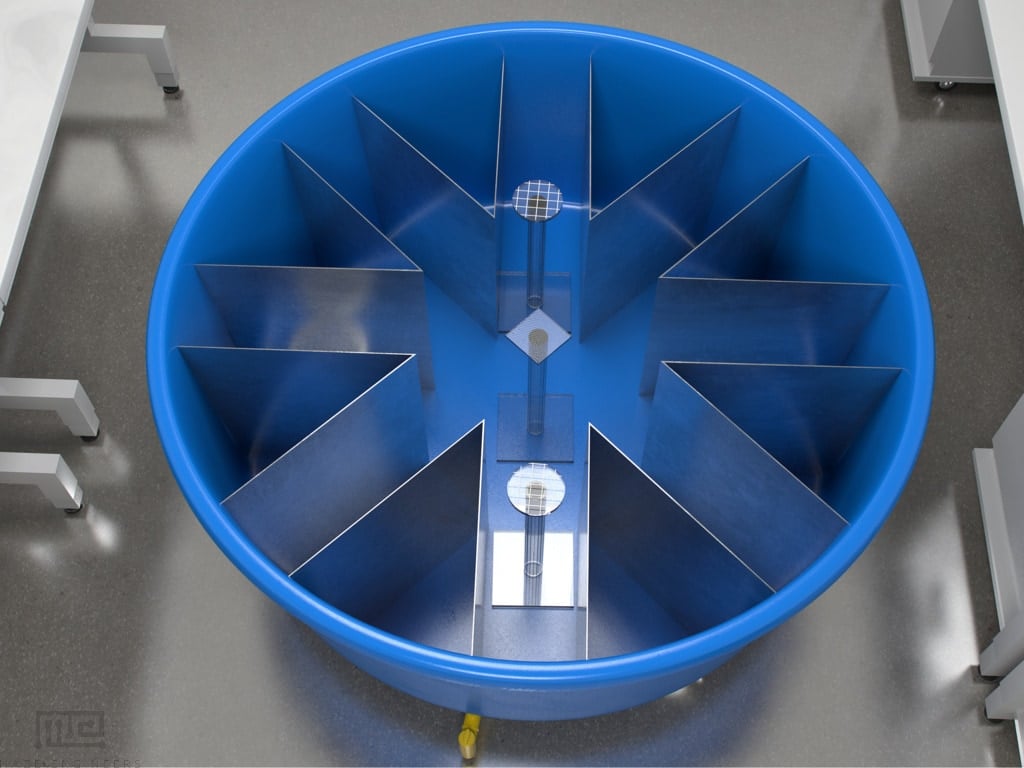
Morris Water Maze radial arm maze inserts with 8 arm, 6 arm 4 arm designs. Create a closed spatial navigation task with water aversion.
Casters
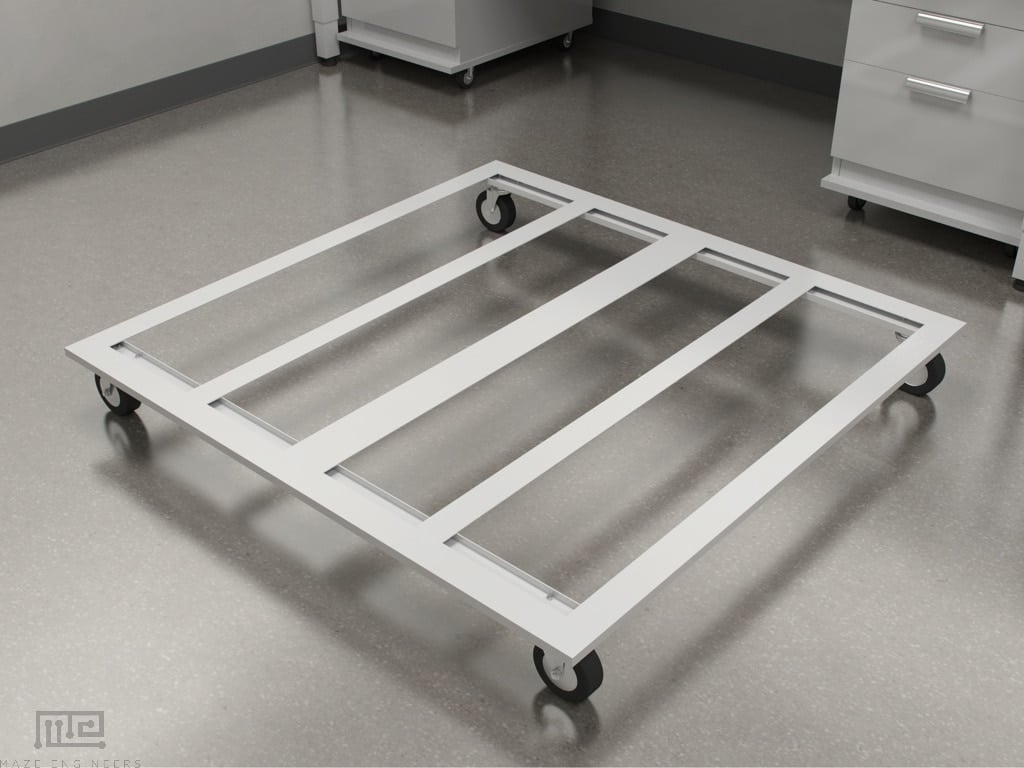
Casters for elevating your maze, suited for morris water maze, automated mazes, allow easy portability and storage.
Active/Passive Avoidance Shuttle Box
Shuttle box for active and passive avoidance testing with easy shock inserts, sound, and lights available.
Learned Helplessness
Learned Helplessness chamber with contextual plating. Consistent shock.
Fear Conditioning
Fear Conditioning Chamber for Mice and Rats. Insert your own audio files, get smooth & safe shock, collect data, all controlled with the Conductor Software.
Rotarod
The MazeEngineers Rotarod makes it easy to measure motor function, with easy data collection, easy to clean device and safe apparatus for mice or rats.
Hole Board
A hole board apparatus with removable inserts and easy cleaning. Affordable for your budget. Great exploration data for the best price.
Hebb Williams
The Hebb-Williams Maze is a behavioral task used for studying spatial working memory animals.
Automated Y Maze
A simple Automated Y maze for Rats and Mice. Make spontaneous alternation experiments easy with IR detection. Automated doors can be inserted as well.
Balance Beam
Balance beam test for mice and rats to test motor function, balance, and fine motor function.
Custom
MazeEngineers offers customized designs for your scientific experiments. Let us create a unique apparatus tailored to your new research.
Tail Suspension
Tail Suspension test for mice and rats, available in manual and automated forms. Behavioral analysis for depression and anxiety.
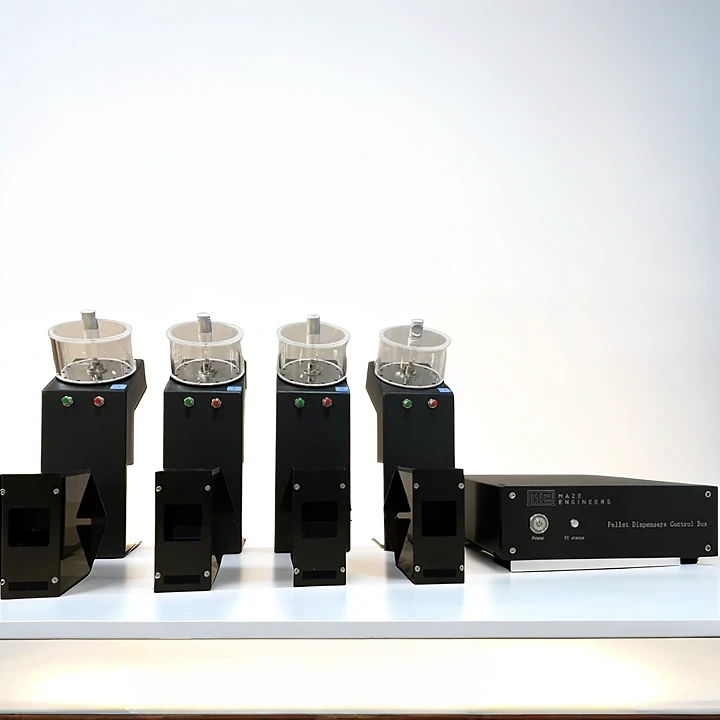
Automated Pellet Dispenser
Automated and customizable Pellet Dispenser is used to measure licks. We can put this apparatus into any maze to create unique environment.
Automated 8 Arm Radial Maze
The Automated 8 Arm Radial Maze is an ideal device to assess the spatial learning of rodents while minimizing their anxiety.
Sociability Chamber
Sociability chamber for mice and rats with inserts, multiple color options, square cages for video tracking. Automation available.
Lickometers
The Maze Engineers automated Lickometers utilizes precise optical detection to measure licks with a water or sucrose reward.
Treadmill
The Treadmill is a noiseless, customizable and well-designed test for activity experiments. it allows for the simultaneous testing of multiple animals.
Novel Object Recognition
The Novel Object Recognition test is based on the tendency for rodents such as rats and mice to interact more with a novel object than with a familiar object.
Noldus EthoVision XT
EthoVision® XT is a state-of-the-art video tracking system for automatically recording animal activity and movement.
Open Field
Open Field test is a popular protocol used to assess exploratory behavior and anxiety.
Automated T Maze
Automated T Maze for Mice and Rats, make spontaneous and rewarded alternation experiments easier, optogenetically ready and quiet pneumatic mechanisms.
Elevated Plus Maze
The elevated plus maze test is one of the most widely used tests for measuring anxiety-like behavior.
Zero Maze
The Zero Maze is an elevated ring-shaped runway with the same amount of area devoted to adjacent open and closed quadrants, with increasing usage in recent years.
Y-Maze
Y-maze is a commonly used maze for mice and rats for learning tasks.
Anymaze Integration
The ANY-maze Behavior Tracking Software is a sophisticated video-tracking system for recording animal activity and movement during behavioral tests.
T Maze
The T-maze is an enclosed apparatus in the form of a T placed horizontally, similar to the Y maze. Used for spontaneous and rewarded alternation.
Radial Arm Maze
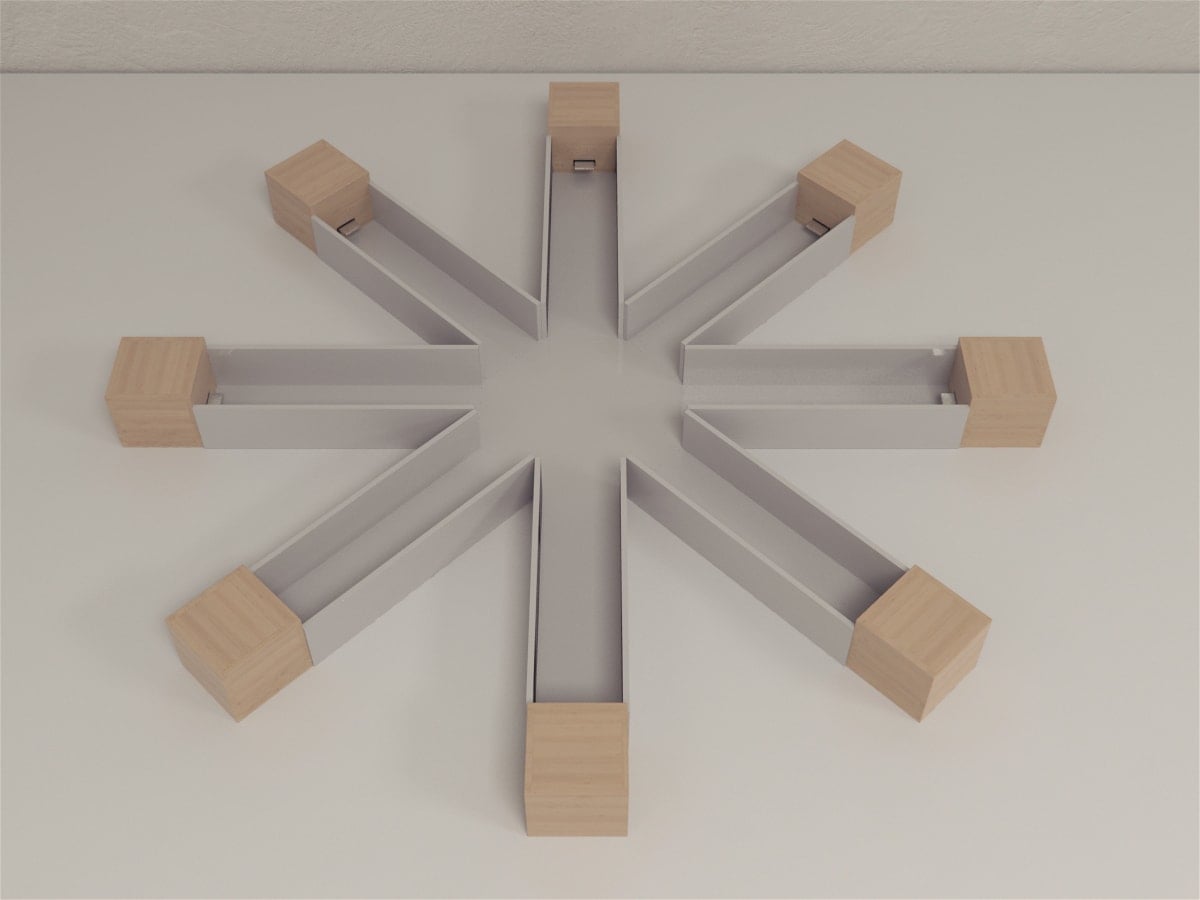
The Radial Arm Maze is a widely used behavioral task in neuroscience for studying spatial learning and memory.
Forced Swim Test
The forced swim test (FST) is one of the most commonly used animal models for assessing antidepressant-like behavior.
Morris Water Maze
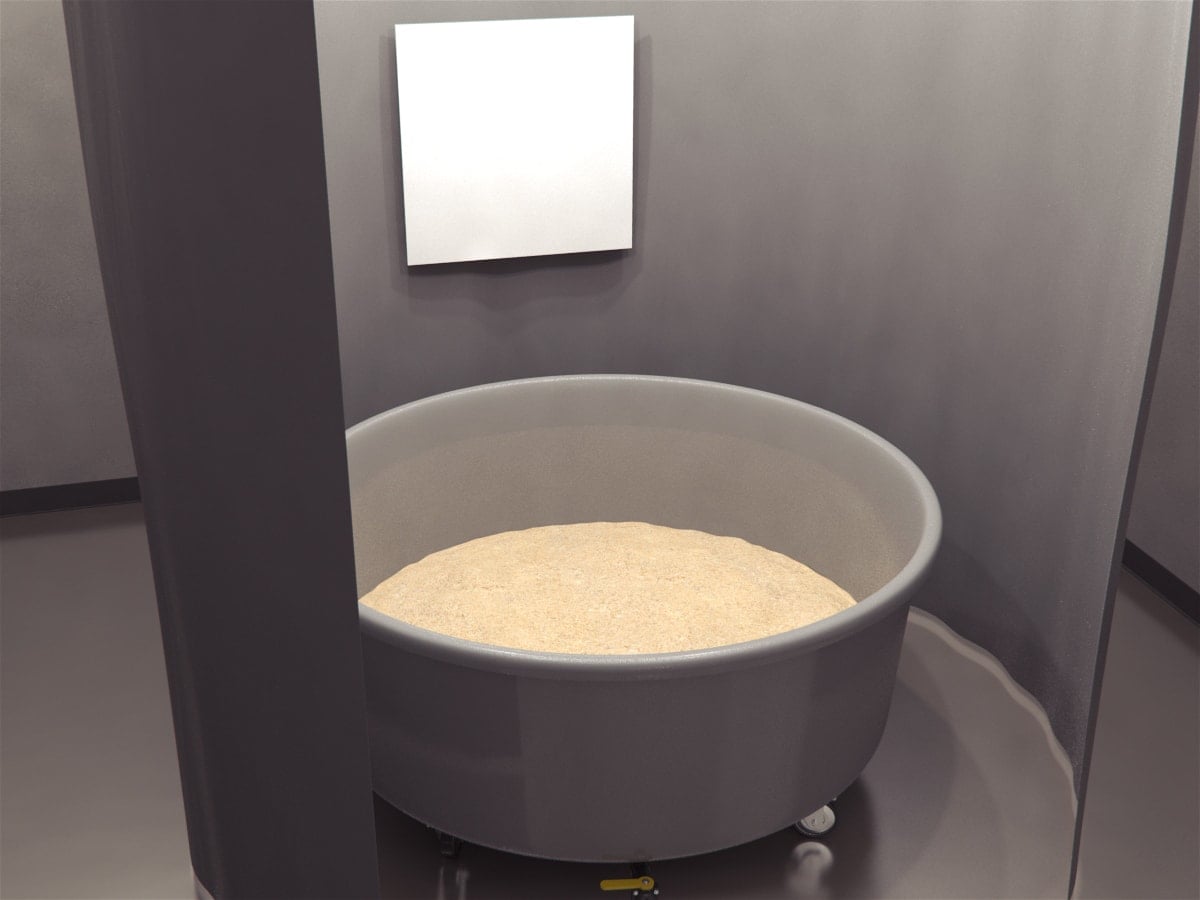
The Morris Water Maze is a widely used behavioral task in neuroscience for studying spatial learning and memory.
Conditioned Place Preference
The conditioned place preference chamber is a paradigm widely used to explore the reinforcing effects of natural and pharmacological stimuli
Pathway Intention
Utilizing the Pseudodoor
Intra-Dimensional Extra Dimensional (IDED) Set Shift
Light Dark Box
The Light/Dark box is extensively used to test anxiety-like behavior.
Adjustable Platform
An adjustable platform for the morris water maze. Made with clear acrylic, adjustable in height with easy etched acrylic surface, for a great price.
Motor Assay
Obstacle Assay
Trail Making Analogue
Pseudodoor 8 Arm Radial Maze
Anxiety Assay
Novel Object Assay
Obstacle Clearance
Free Choice
Impulsivity