Insects
A world of arthropods
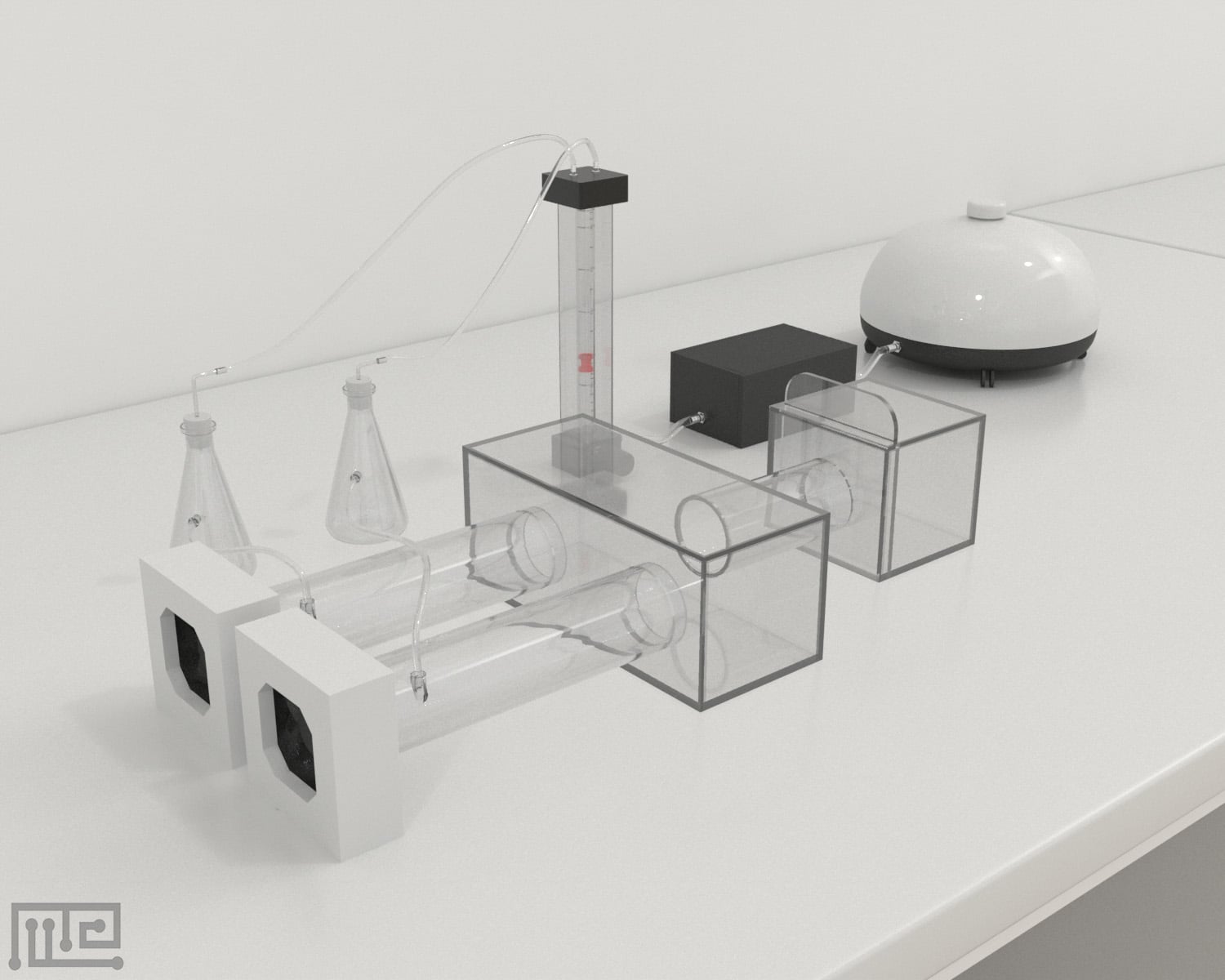
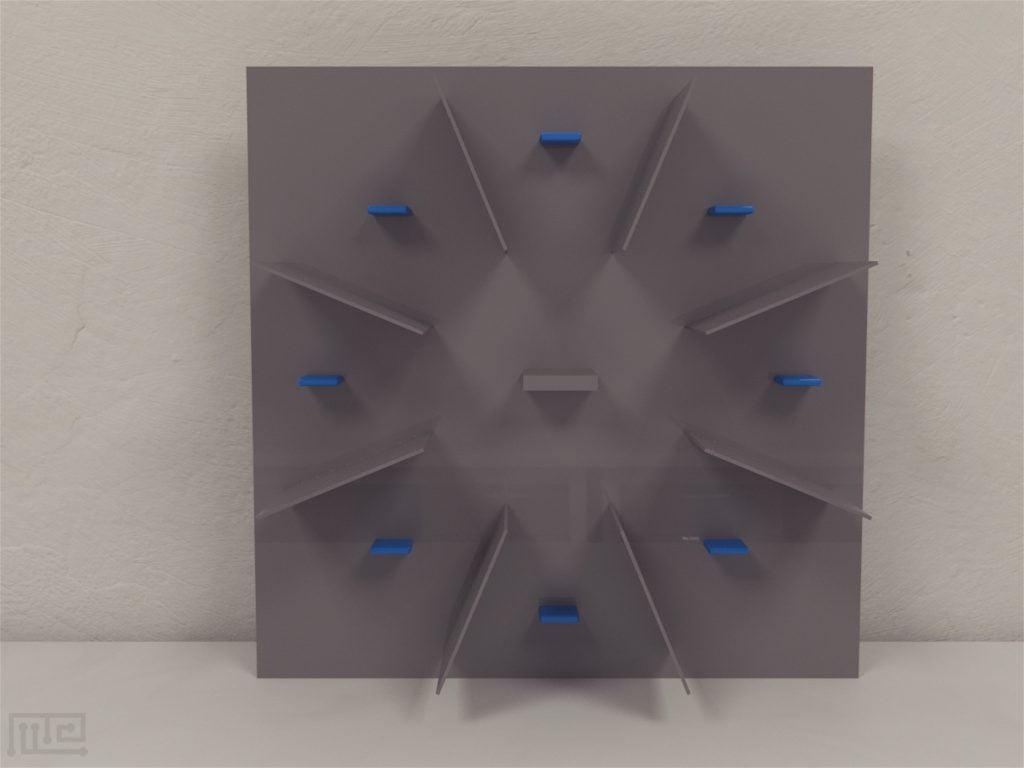
Mosquito Olfactory Apparatus
The Mosquito Olfactory Apparatus can be used to assess olfactory learning and memory in mosquito. Learn more about it and how it is used here.
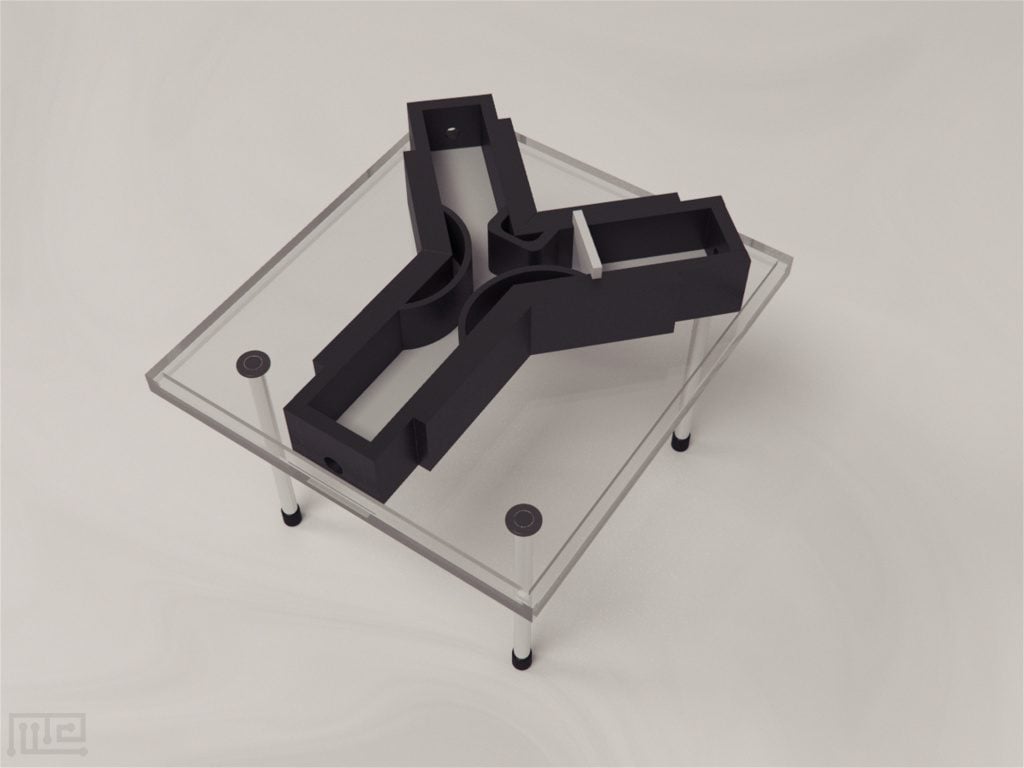
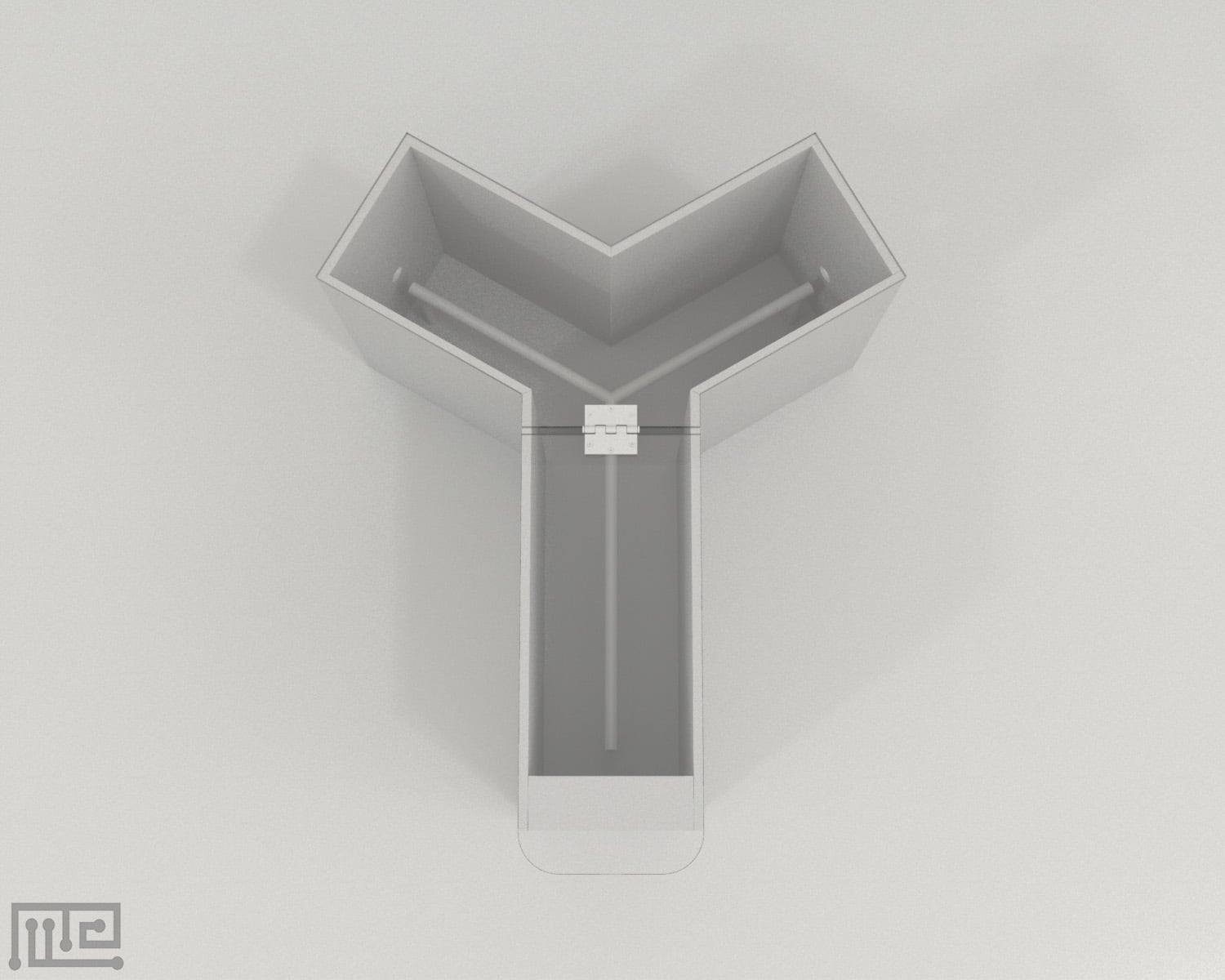
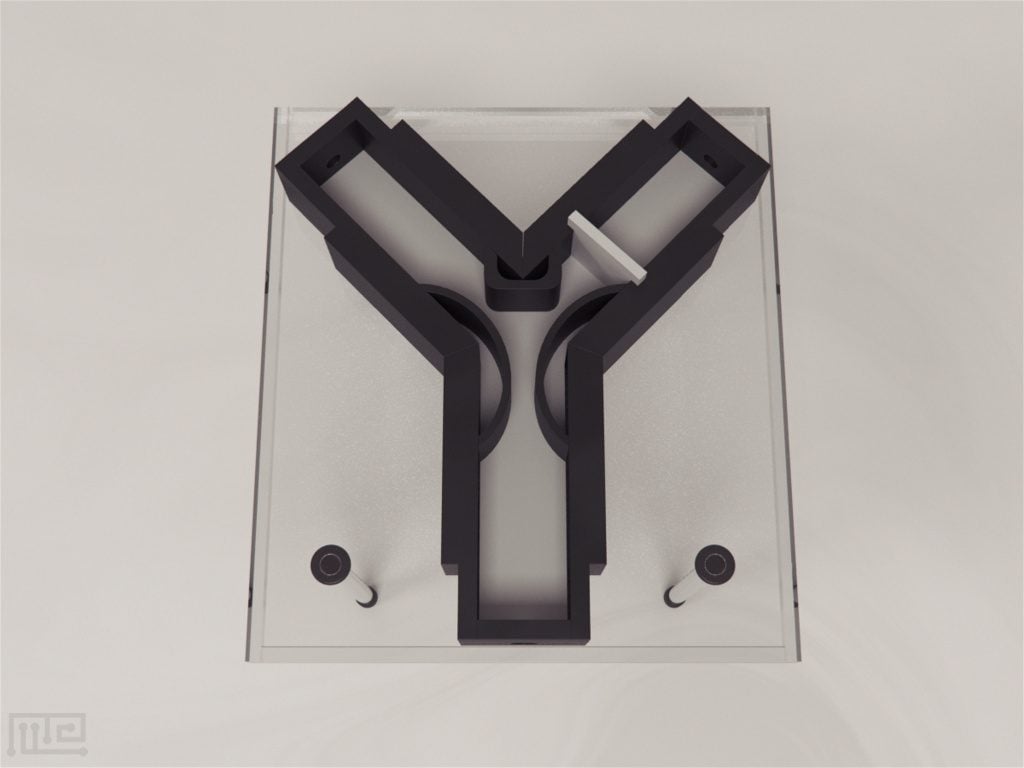
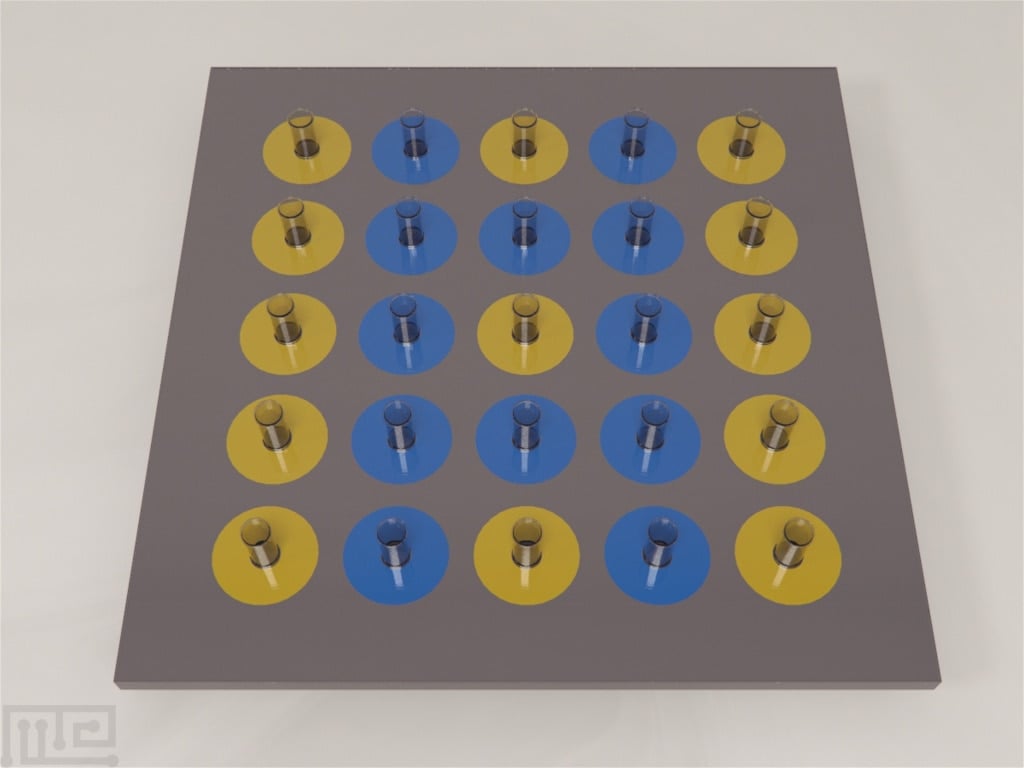
Ant Visual Discrimination Y-Maze
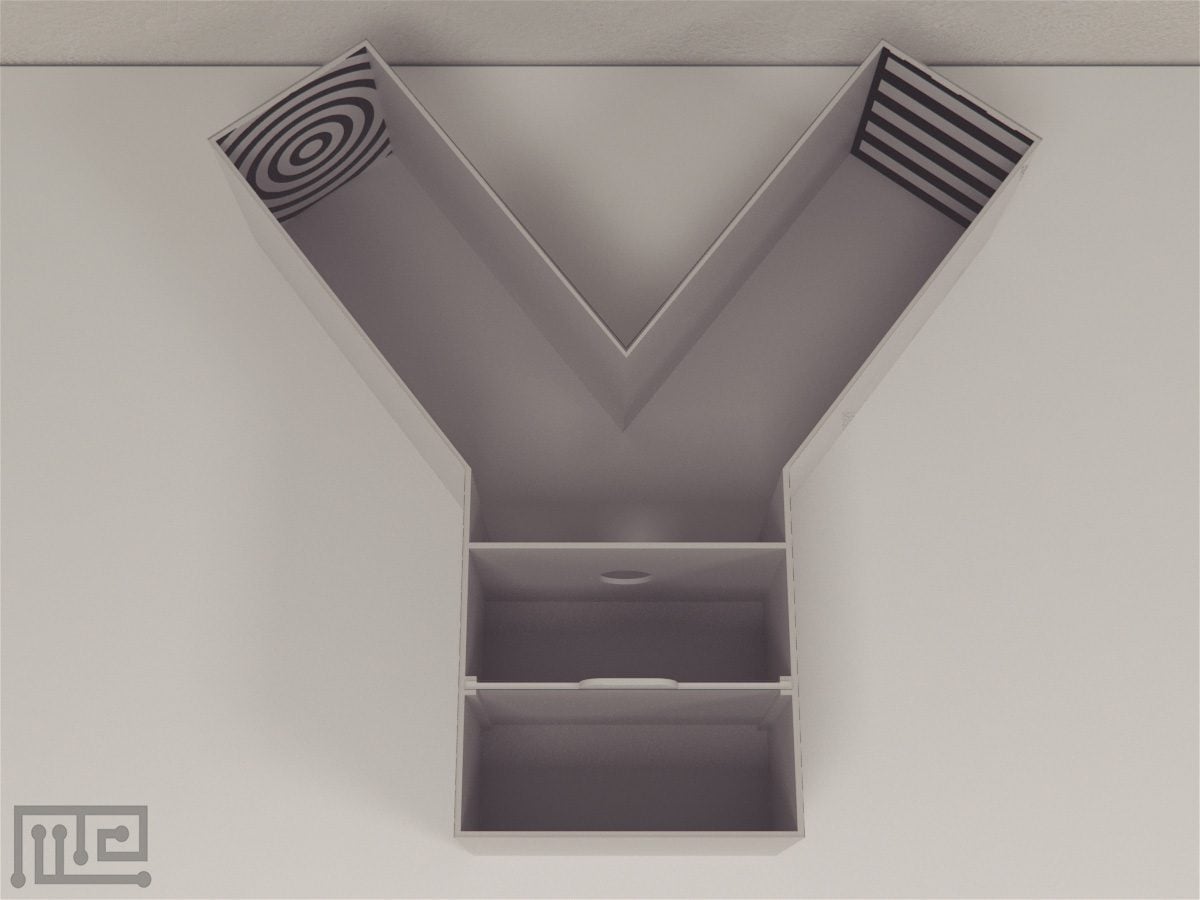
The Ant Visual Discrimination Y-Maze creates a simple two-choice environment to allow the evaluation of foraging behaviors in the presence of different visual cues.
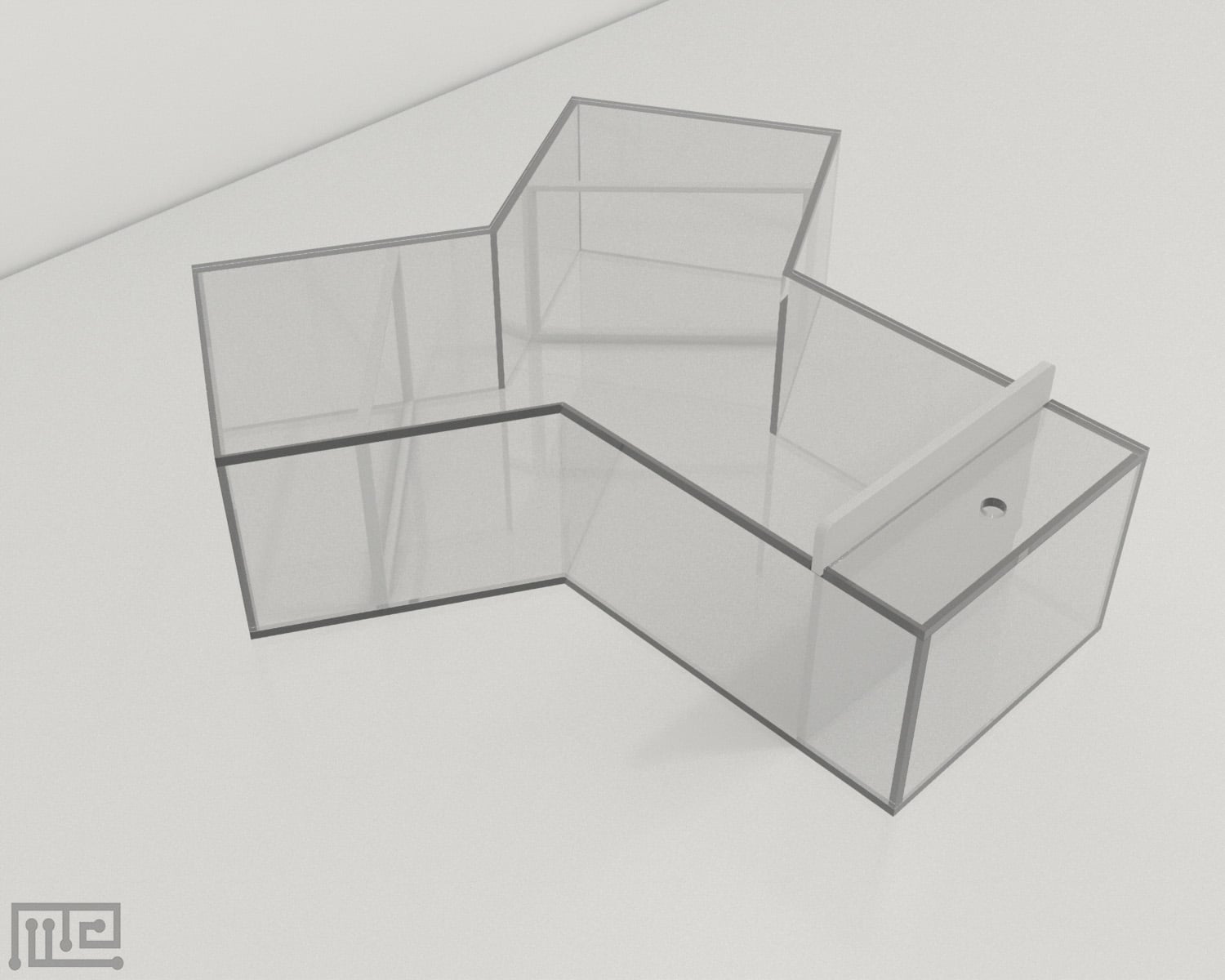
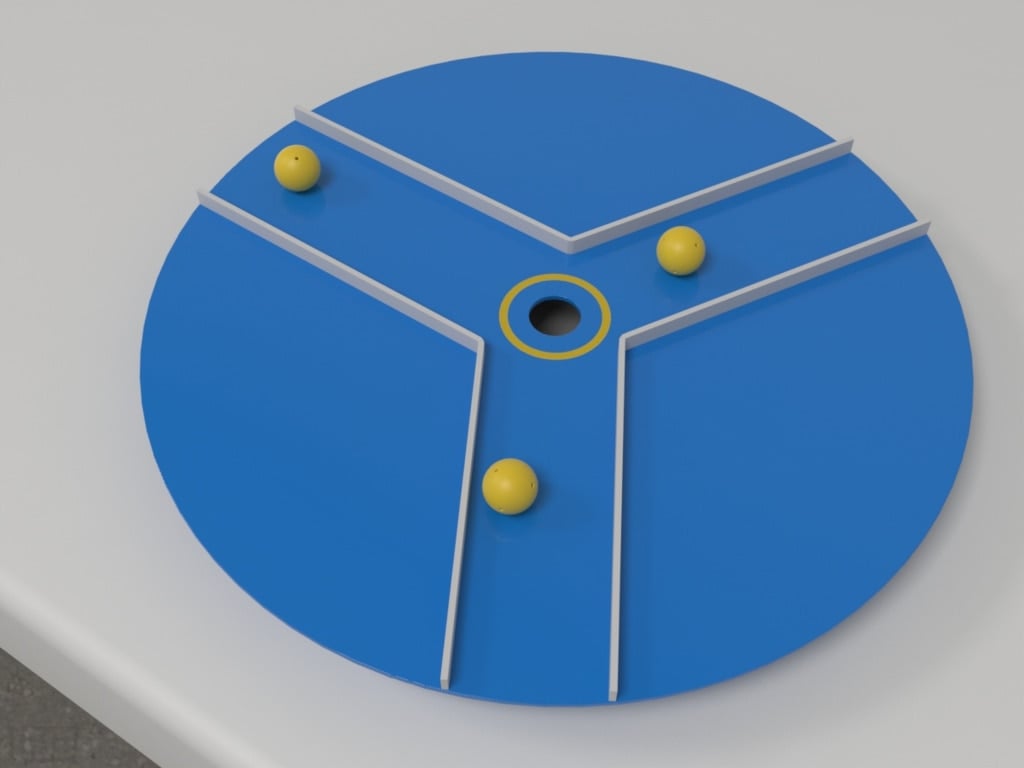
Spider Y Maze
The Spider Y Maze was used in a laboratory experiments to test the hypothesis that jumping spiders use UV cues for locating and discriminating prey.
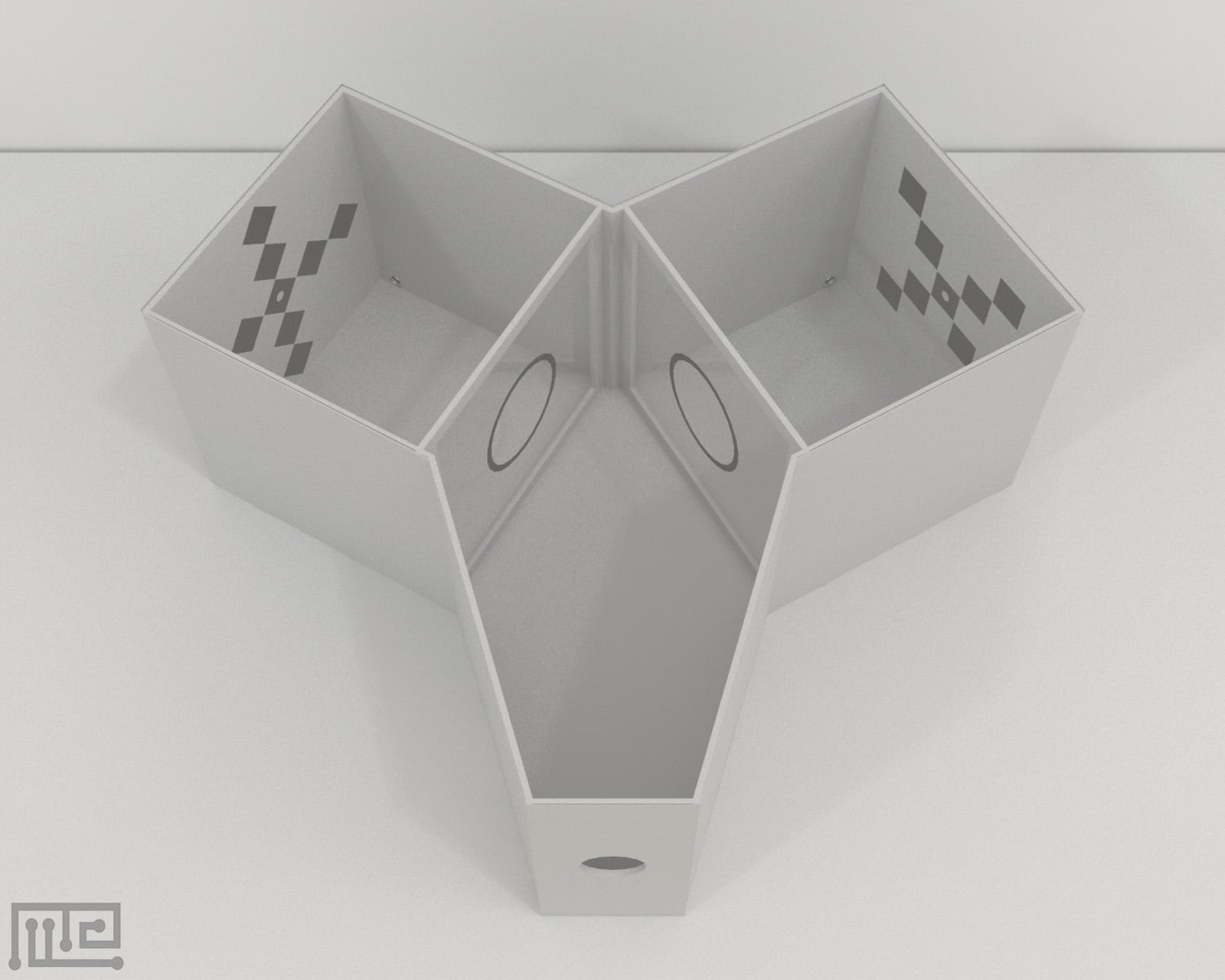
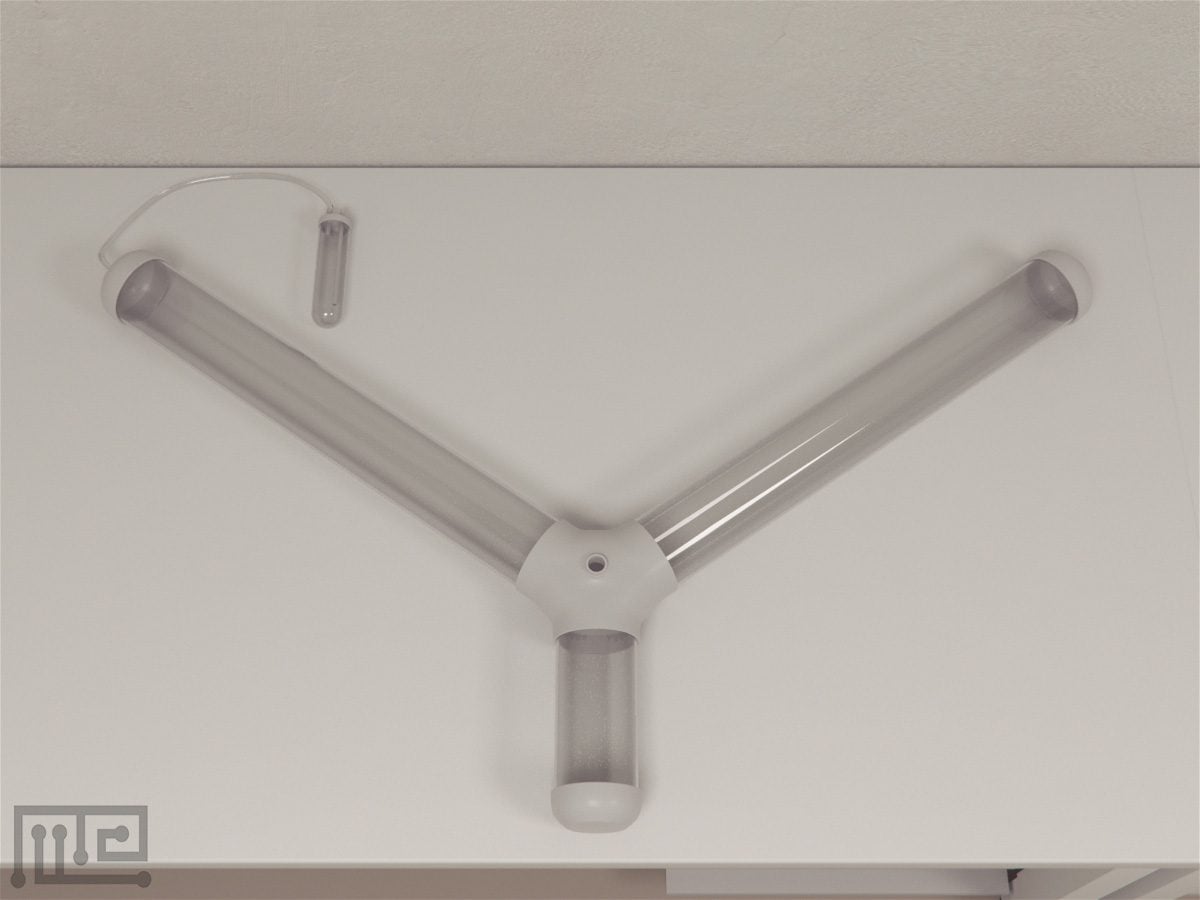
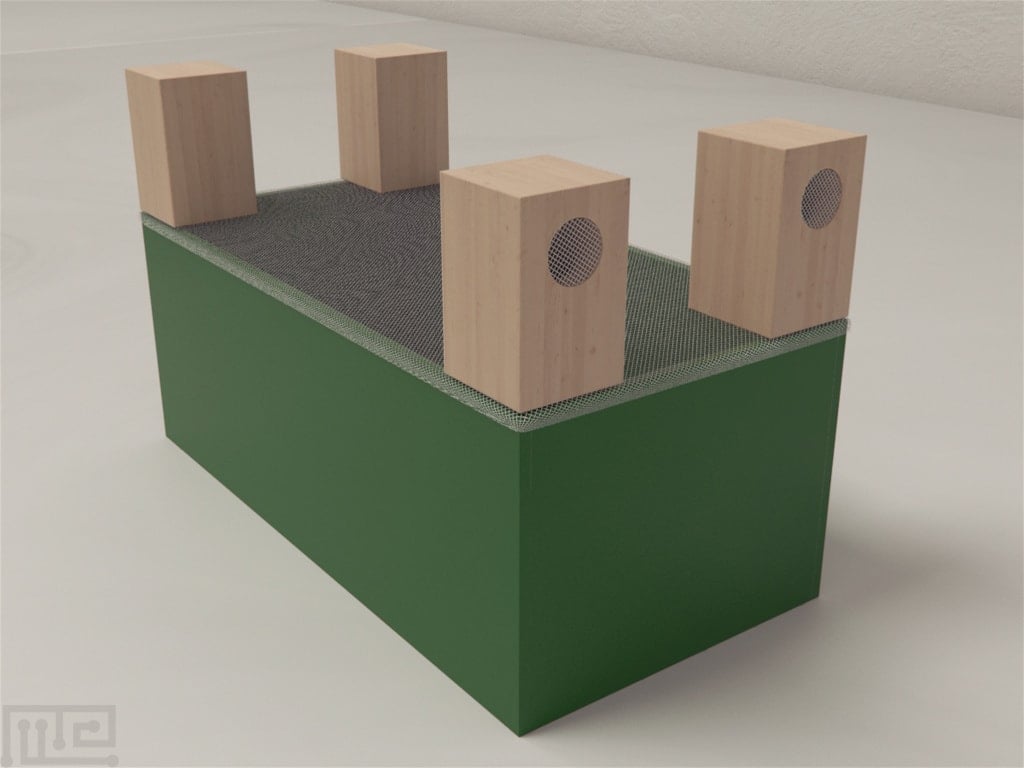
Modified Y Choice For Bees
The Modified Y Choice For Bees can be used to assess vision and orientation in bees. Learn more about it and how it is used here.
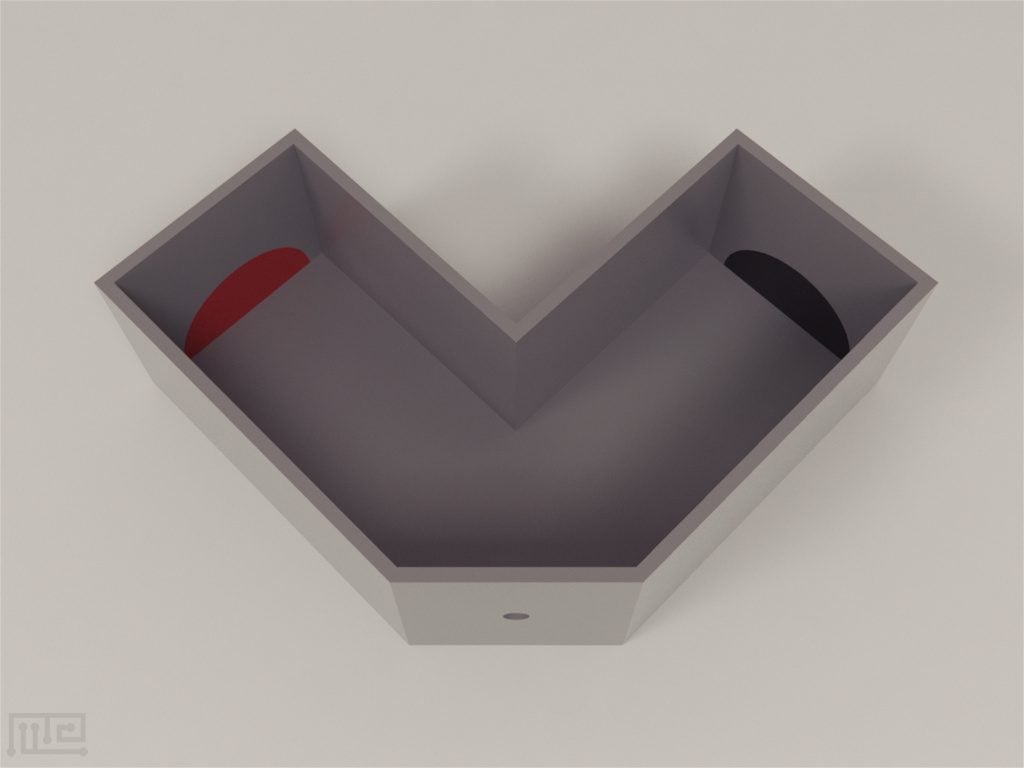
Locust Y-Maze
The Locust Y-Maze is a two-arm Y-maze containing a raised wooden Y-shaped rod. It was usedto assess associative olfactory learning in the desert locust.
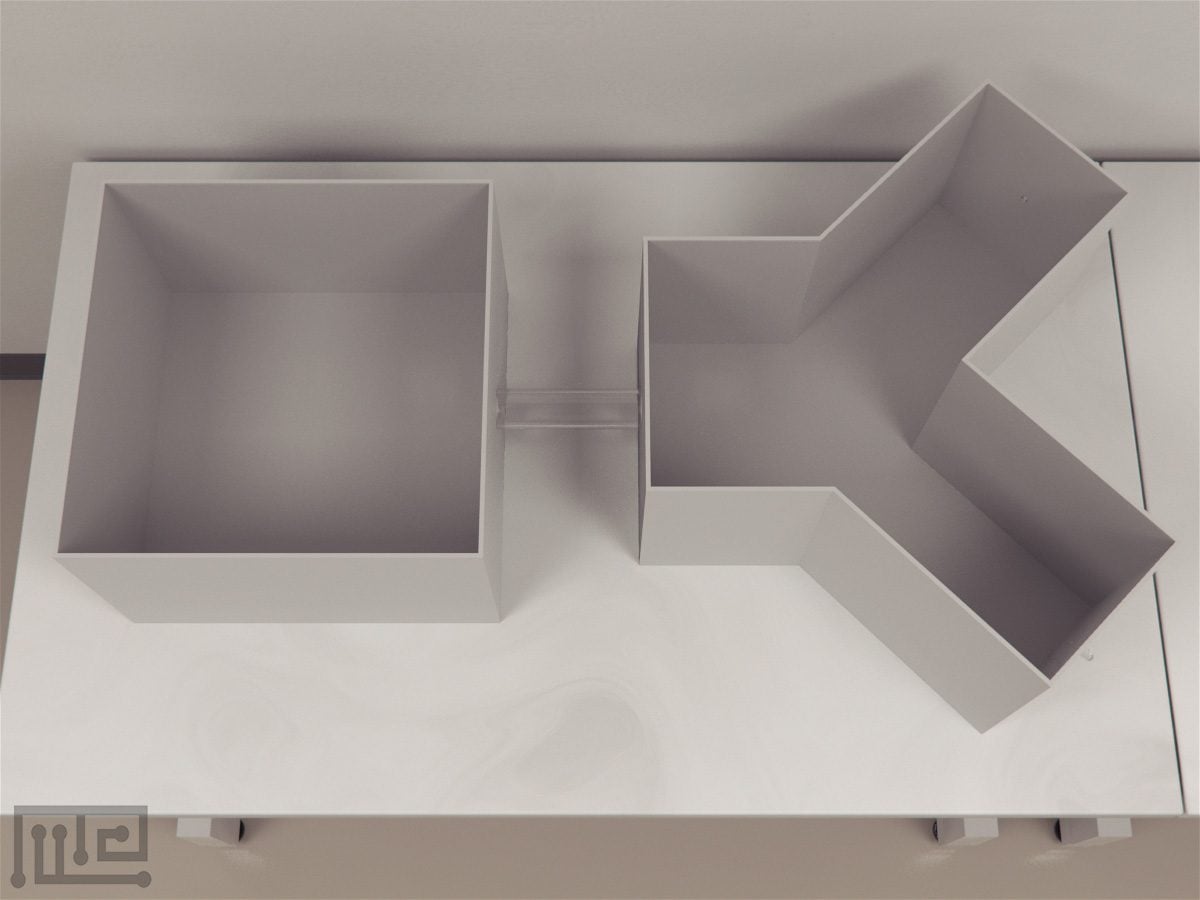
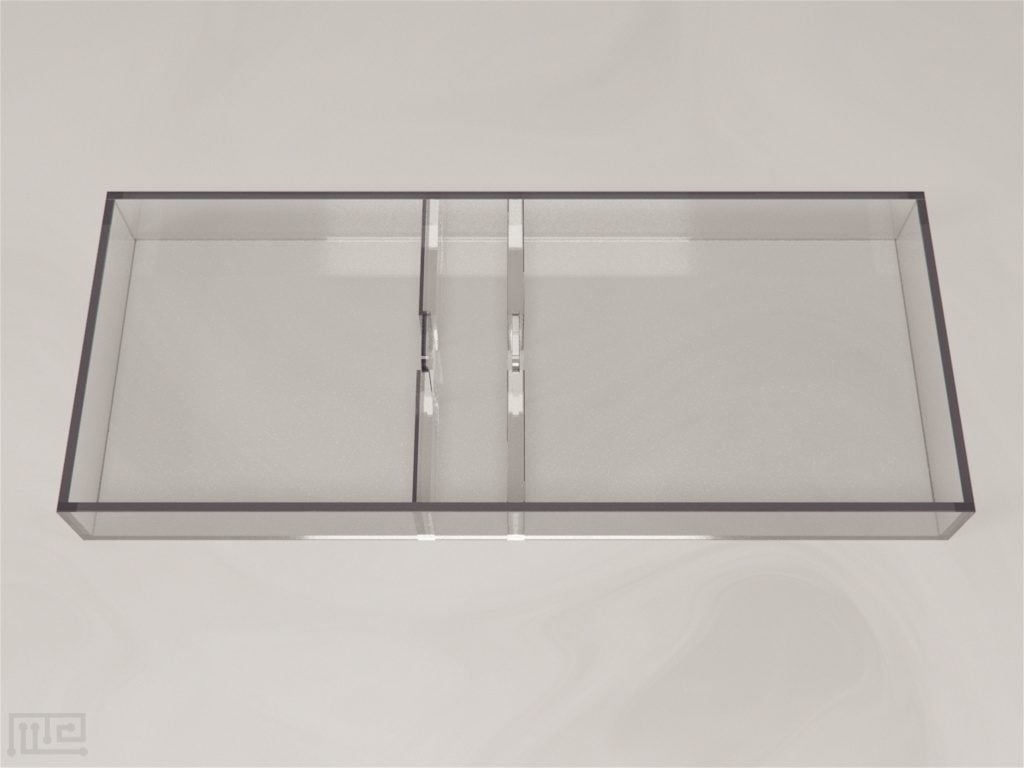
Termite Y-Choice Waiting Chamber
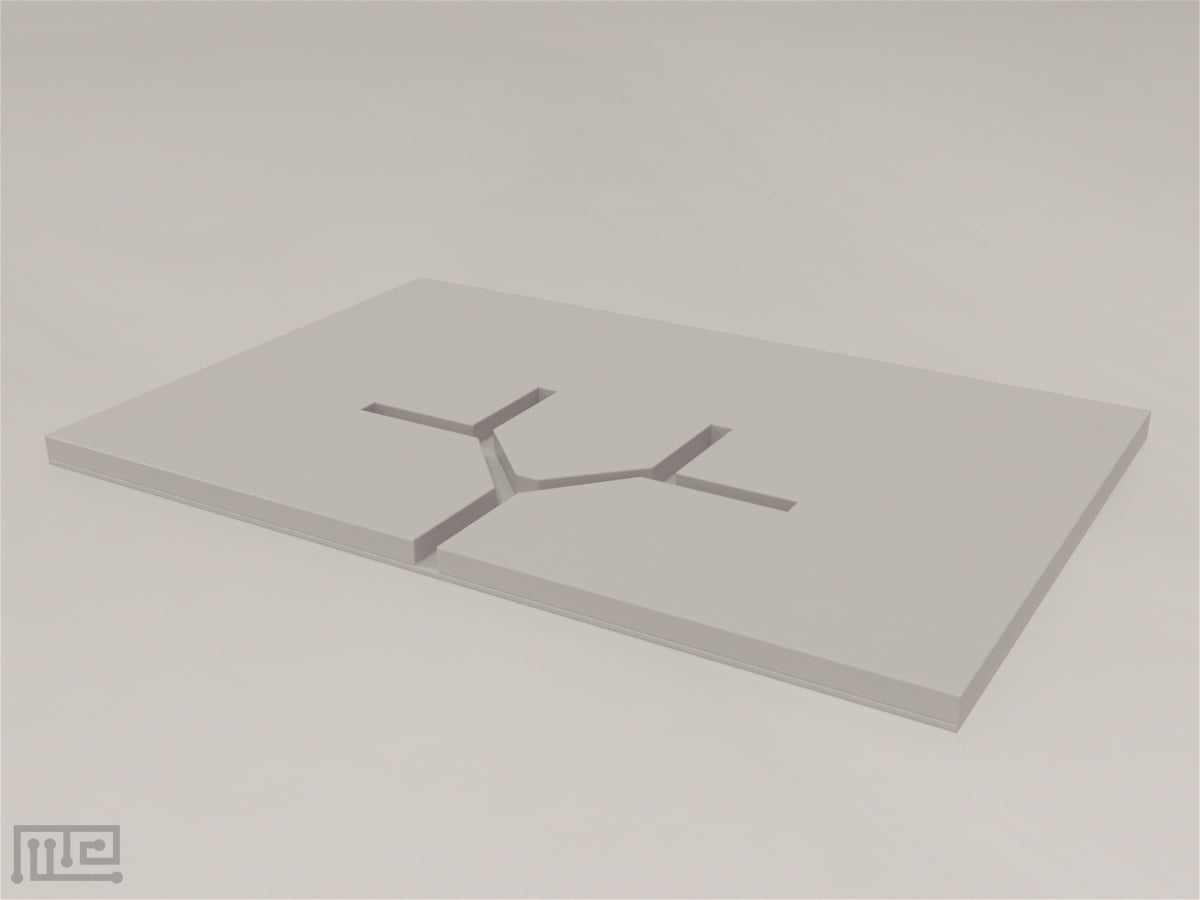
The Y-Choice Waiting Chamber was used to assess trail communication during foraging and recruitment in the subterranean termite. Learn more about it here.
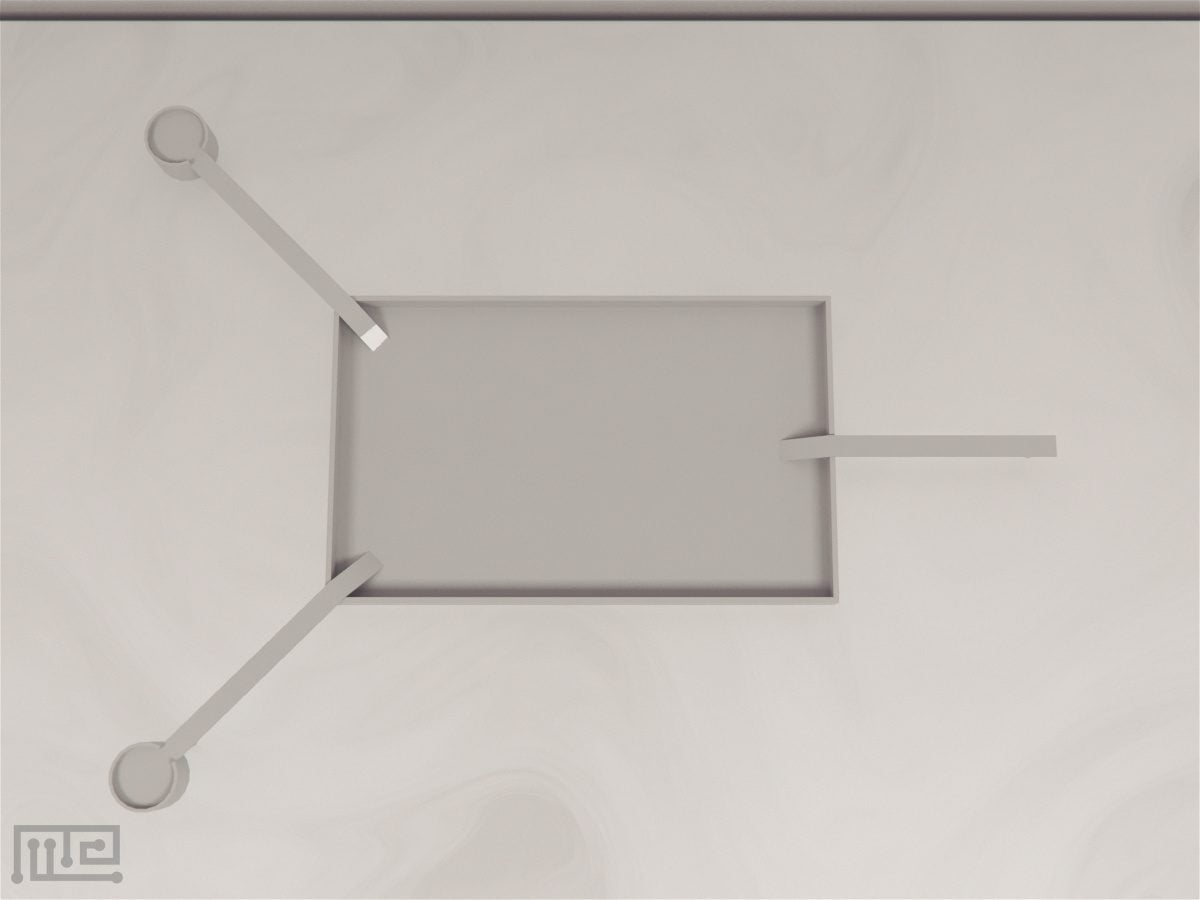
Ant Sucrose Feeder 1
The Ant sucrose feeder is used to analyze the effects of private and social information on the decision-making of ants during foraging.
Ant Sucrose Feeder 2
The ant sucrose feeder is used to evaluate the collective path preference of ants in terms of distance and food source.
Ant Double Y-Maze
The Ant Double Y-maze is used to study decision-making and lateralized behaviors of ants. Learn more about the behavioral outcomes and how the maze is used in experiments.
Honeybee Y maze
The Honeybee Y maze was used in an experiment to study learning and memory as it applies to transitive Inferences in honeybees.
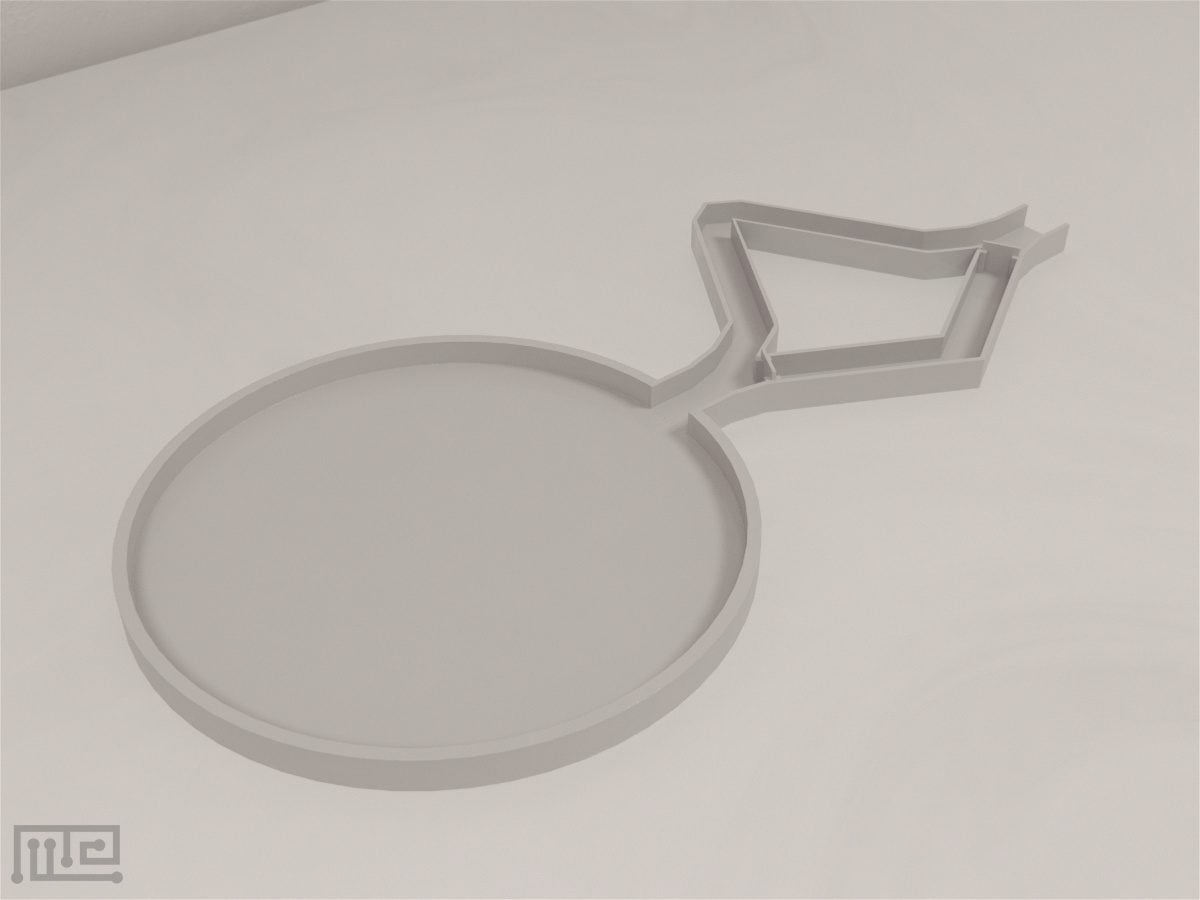
Diamond Maze
The Diamond Maze was used in an experiment by Hassan M. H. Mustafa et al. (2018), to compare binary choice between two nests in ants. The maze contained three…
Path Regularity Mazes
The Path Regularity Maze is used to assess learning and memory in bees.
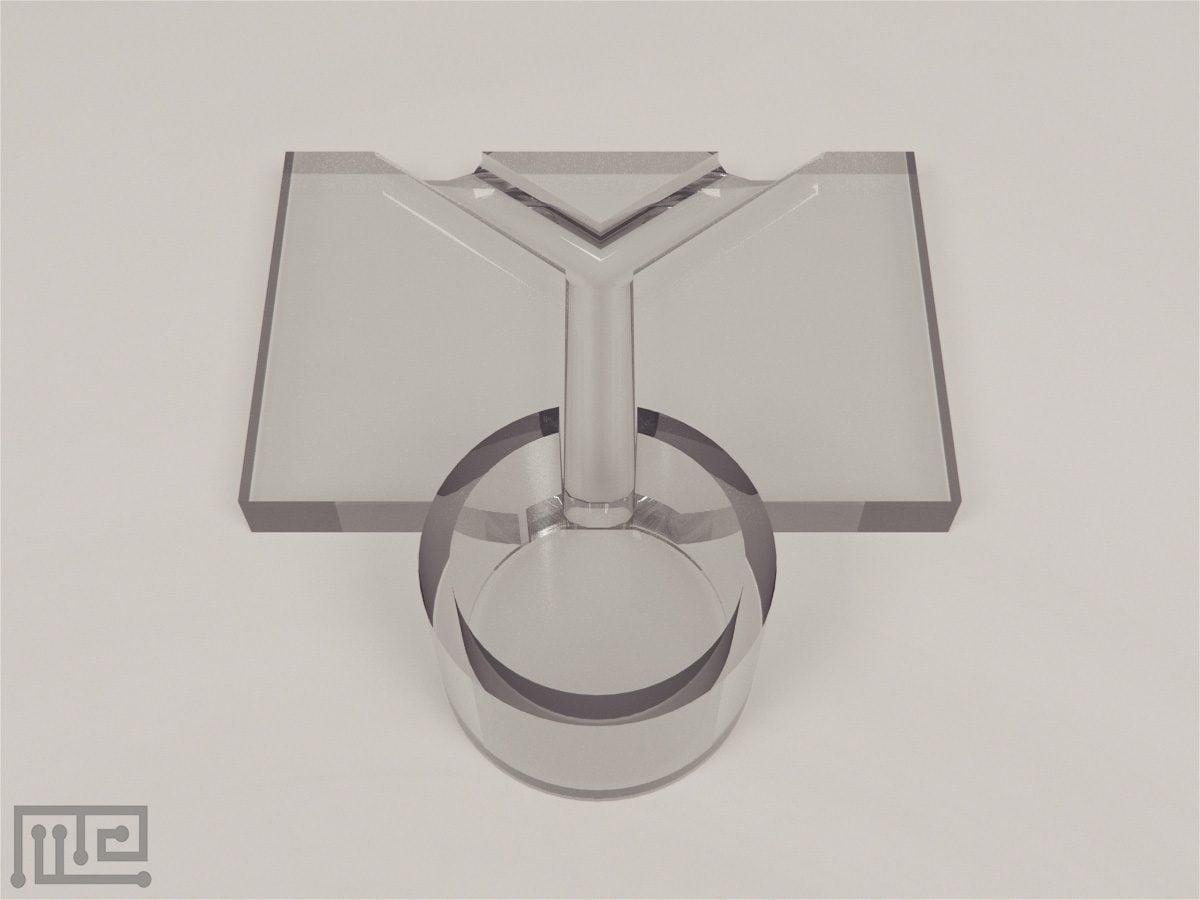
Psyllid Y-Maze
The Psyllid Y-Maze is used to assess visual acuity in psyllids..
Bumblebee Y-Maze
The Bumblebee Y-Maze is used to determine the relationship between eye optical quality and behavioural ability at target detection over a range of sizes of insects of the same species.
Caterpillar Y-Maze
The Caterpillar Y-Maze is used to assess memory retention during metamorphosis.
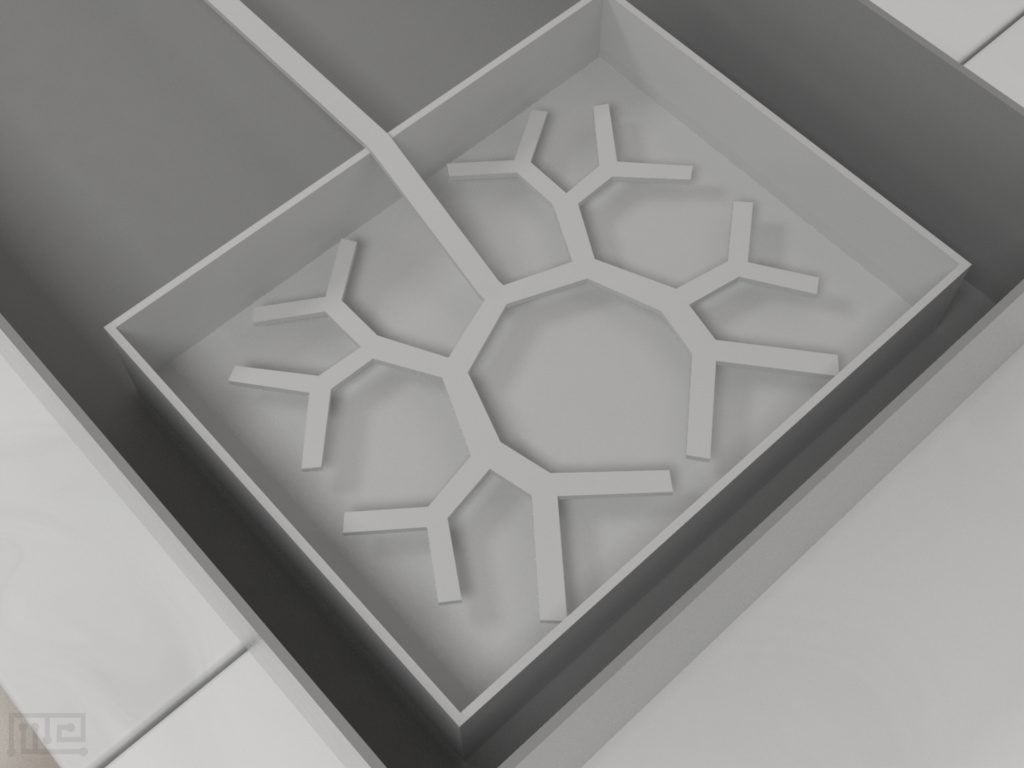
Ant Binary Tree Maze
The Mazeengineers binary tree maze comes with both the tree as well as the artificial ant nest. The binary tree comes with 4 forks.
Ant Y Maze
Discover the benefits of our user-friendly Ant Y maze utilizing it for the evaluating of the olfactory learning and memory behaviour in ants.
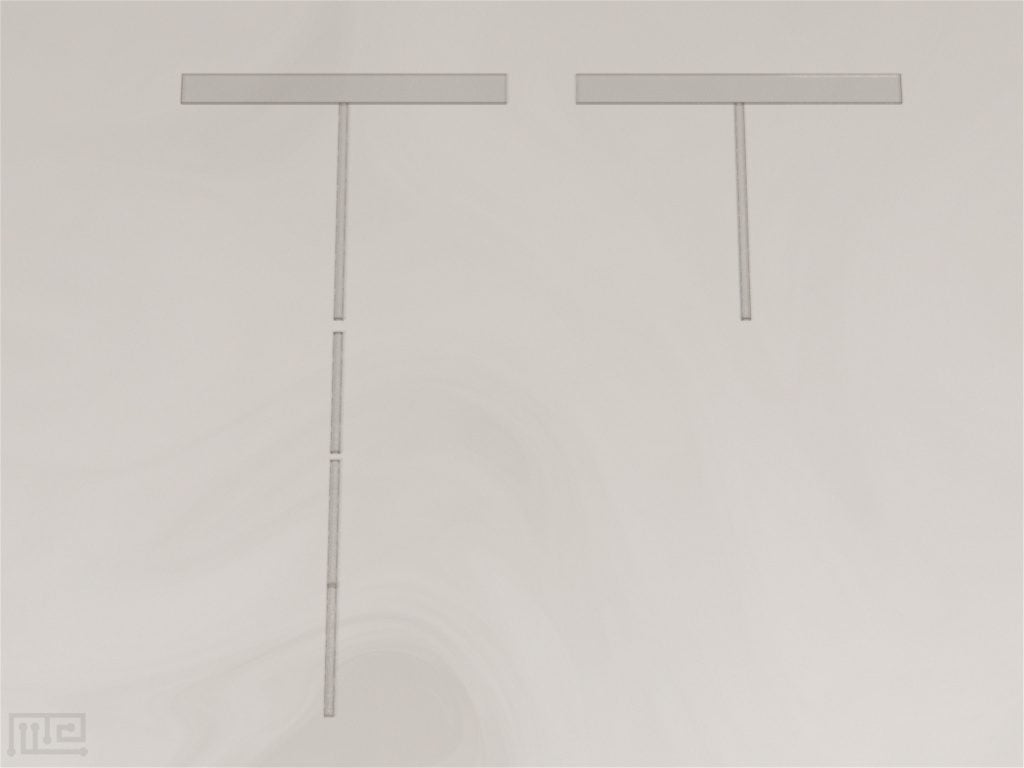
Ant T maze
The Ant T Maze can be used for stress less assessing of cognitive and behavioural functions of ants.
Ant Colony Maze
Request the Ant Colony Maze and use it in your studies for increasing levels of complexity of the foraging of food within an open field.
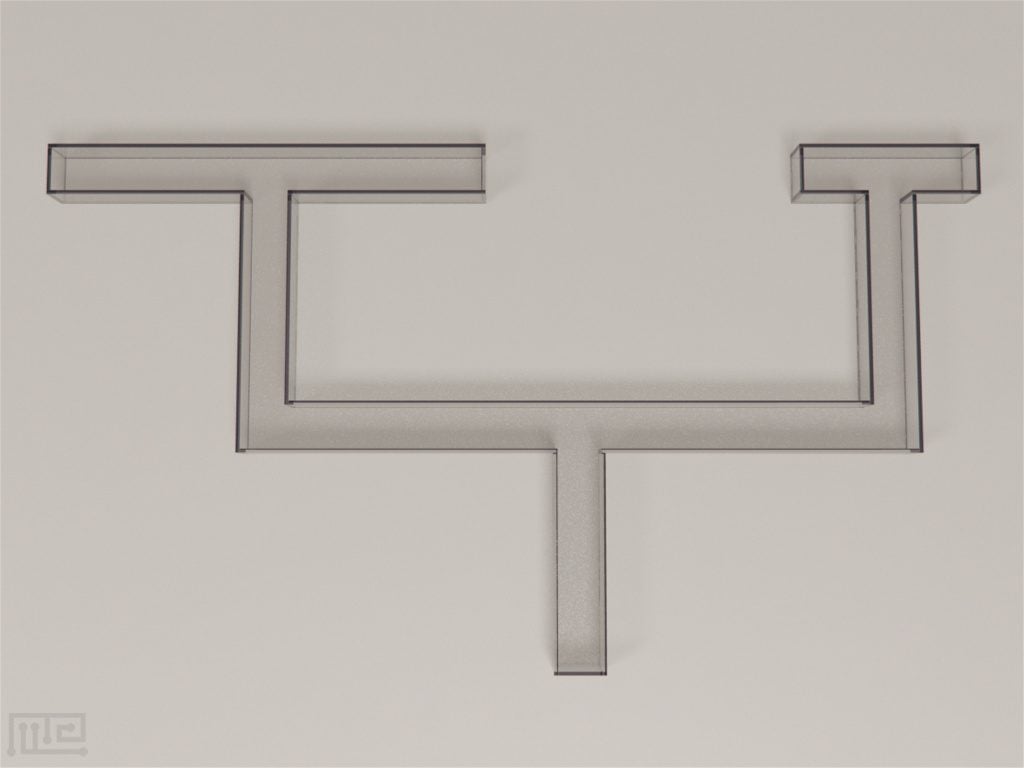
Ant Double Bifurcation T
The sentinel use of this T maze in ants was to investigate Lasius niger workers foraging on a doubly bifurcating trail with four end points and route learning behavior.
Bee Radial Arm
Collect more data with our innovative and precisely designed Bee Radial Arm Maze that was redesigned for the assessment of spatial working memory in bees.
Bee Reward Expectations Apparatus
This apparatus allows the researcher to pair sucrose (or other solutions) in an artificial flower patch to study reward expectations.
Bee Soccer
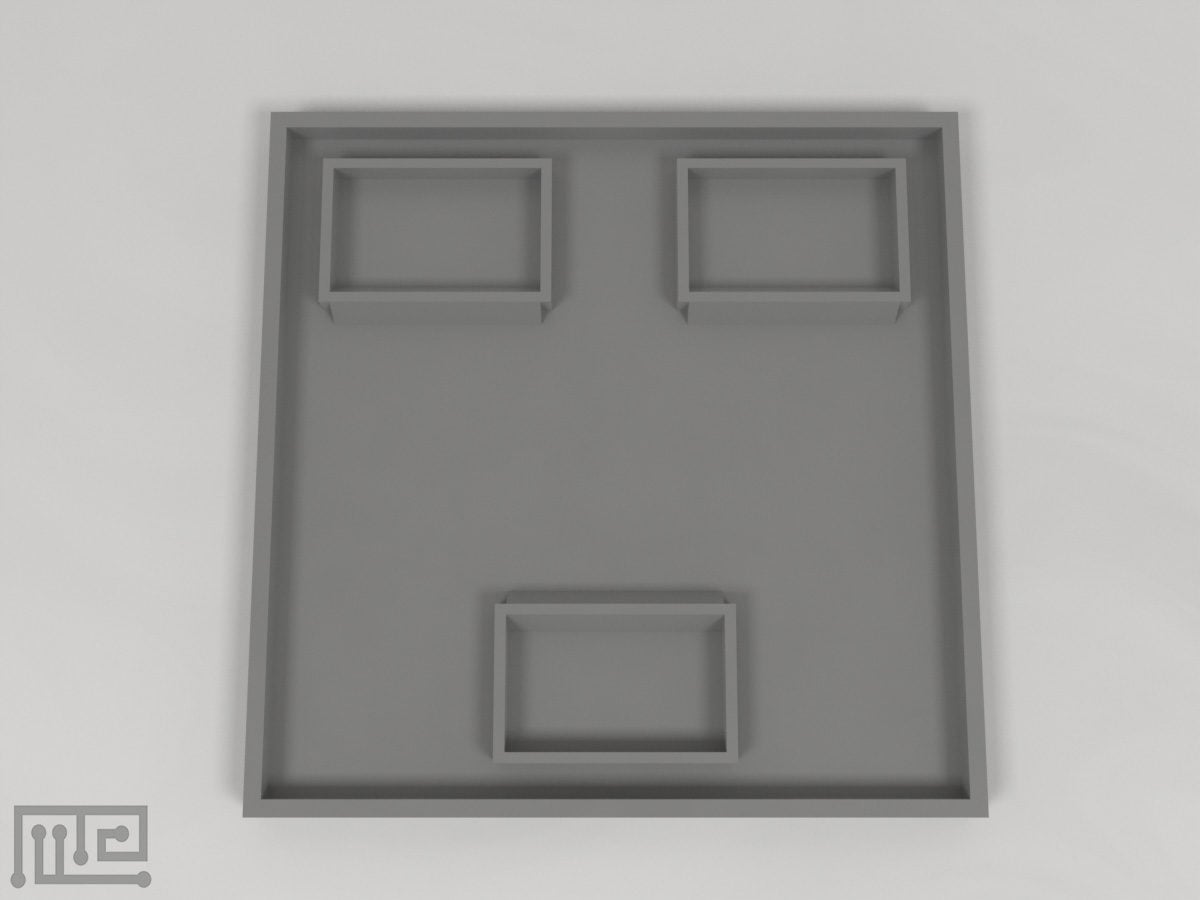
Try our Bee Soccer tool that includes Home, Corridor and Test arena and observe complex behaviour of the bumblebees.
Bee Spatial Reorientation
Our Bee Spatial reorientation test is very useful in investigating the navigational mechanism of bumblebees and their ability to reorient.
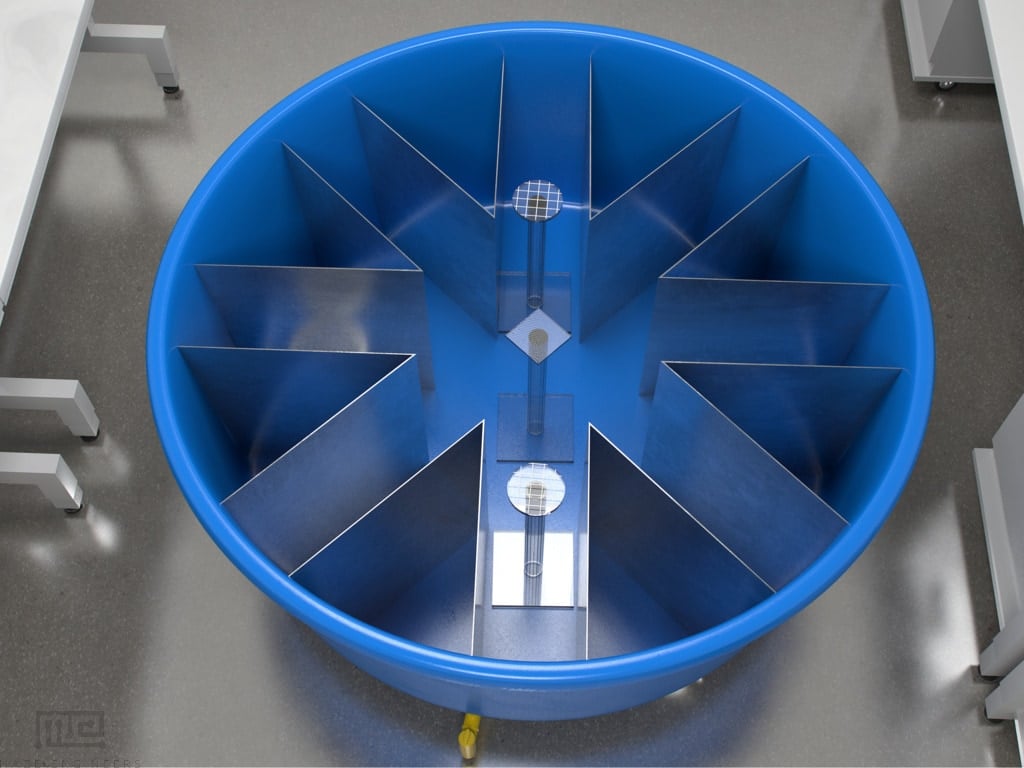
Radial Arm Water Maze
Morris Water Maze radial arm maze inserts with 8 arm, 6 arm 4 arm designs. Create a closed spatial navigation task with water aversion.