
Body Turning Test
From$490
Mouse Single and Rat Single models
Description
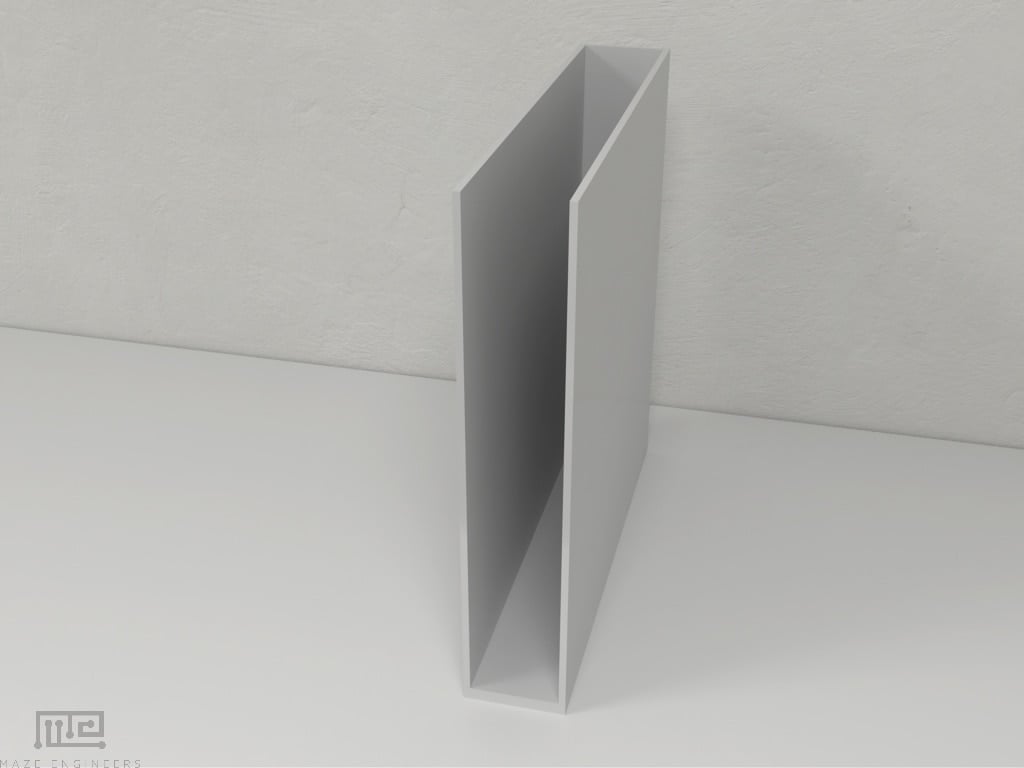
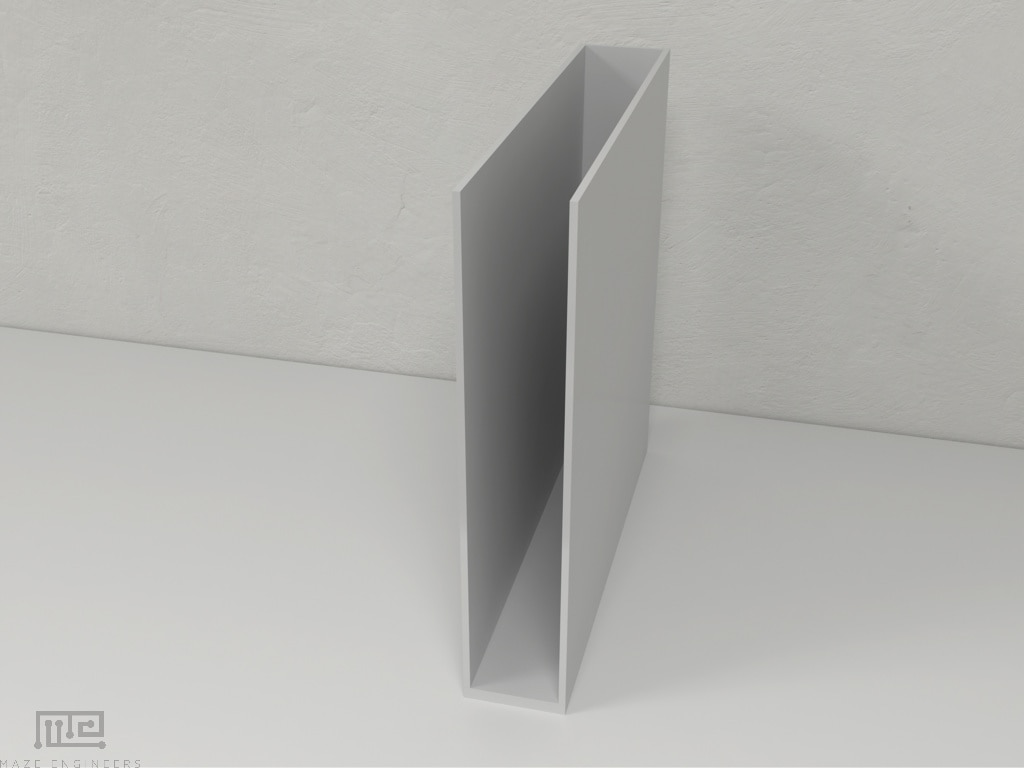
The body reversal test is a narrow alleyway for turning for mice and rats. A narrow corridor open at one end and closed at the other (three walls), all resting on a removable base.
- Removable walls for easy cleaning and storage
- Materials for walls and base: opaque acrylic (plexiglass).
- Colors available: White, Black, Blue non reflective. 3/8 inch thickness
Price & Dimensions
Mouse Single
$490
- Aisle width: 5 cm
- Corridor length: 30cm
- Height: 30cm
Rat Single
$590
- Aisle width: 10 cm
- Corridor length: 50cm
- Height: 50cm
Track rodents with ConductVision
ConductVision is our video-tracking software. Record your sessions on video, and it scores standard rodent tests, such as those listed below.
Examples of tests it scores
To check whether ConductVision scores your protocol in this apparatus, ask in your quote request.
Add ConductVision to your quote
A 5-year license is $3,990 in total.
Results export as CSV files.
References
Chu, K., Kim, M., Park, K. Il, Jeong, S. W., Park, H. K., Jung, K. H., … Roh, J. K. (2004). Human neural stem cells improve sensorimotor deficits in the adult rat brain with experimental focal ischemia. Brain Research, 1016(2), 145–153. http://doi.org/10.1016/j.brainres.2004.04.038
Jaholkowski, P., Kiryk, A., Jedynak, P., Ben Abdallah, N. M., Knapska, E., Kowalczyk, A., … Filipkowski, R. K. (2009). New hippocampal neurons are not obligatory for memory formation; cyclin D2 knockout mice with no adult brain neurogenesis show learning. Learning & Memory (Cold Spring Harbor, N.Y.), 16(7), 439–451. http://doi.org/10.1101/lm.1459709
Jensen, M. B., Han, D. Y., Sawaf, A. Al, & Krishnaney-Davison, R. (2011). Behavioral outcome measures used for human neural stem cell transplantation in rat stroke models. Neurology International, 3(2), 35–39. http://doi.org/10.4081/ni.2011.e10