
Resources
Our Resources Posts
Procurement and Customization with Maze Engineers
July 11, 2023
Each research field and study is different. At Maze Engineers, we understand the complexities and unique needs of our customers and are highly experienced in…
How to Calibrate and Measure Electrical Current
June 16, 2023
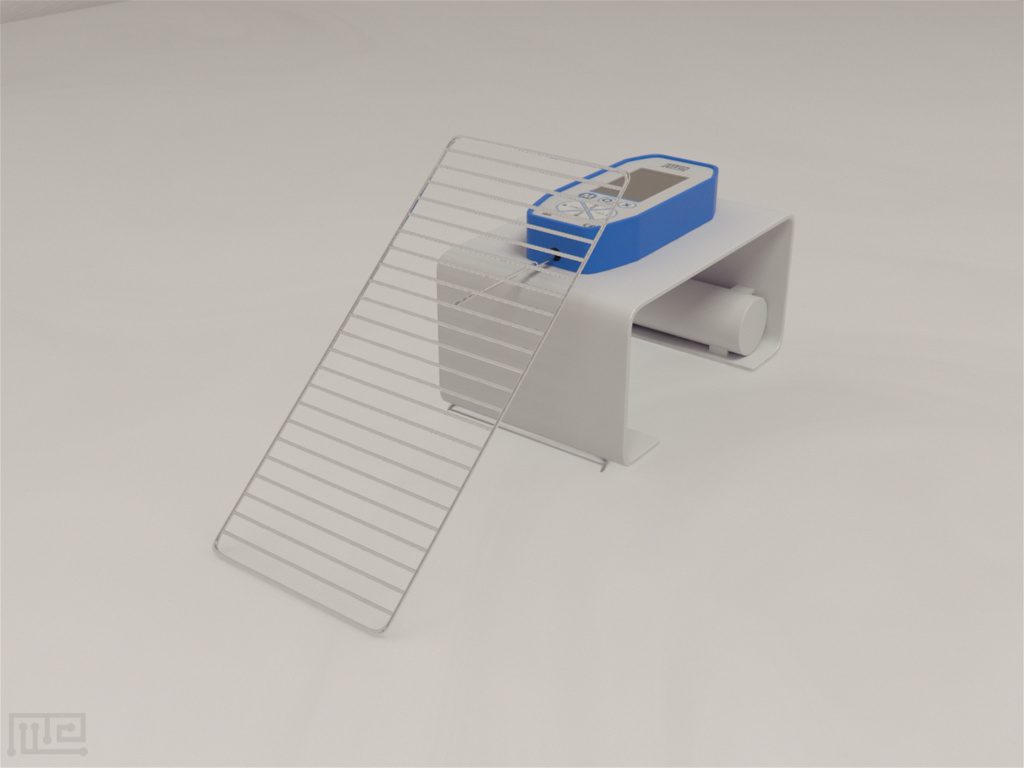
For many of the automated products Maze Engineers offers, shock delivery is required. Shocks are applied using shock grids. To measure the shock current, you…
Animal Models and Apparatus of Sleep Disorders
June 16, 2023
Sleep problems affect a significant portion of the population, with over half of people in the United States reporting difficulties with sleep or excessive…
Guidelines to Rodent Enclosures and Cages
April 6, 2023
The guidelines for biomedical research involving rodents in the USA are set by the National Institutes of Health (NIH) and the Office of Laboratory Animal…
Manual Versus Automated Animal Mazes
February 22, 2023
The American psychologist Dr. Watson shocked the scientific community when he postulated that “the rodents find their way in the environment with the help of a…
Maximum Volume of Oxygen (VO2) Testing in Rodents
February 8, 2023
Maximum volume of oxygen (VO2max) is a measure of the maximum amount of oxygen that an individual can consume during exercise. VO2max is expressed in…
Lactate Threshold Testing in Rodents
February 7, 2023
Lactate threshold testing is a measure of the intensity of exercise at which lactate begins to accumulate in the blood at a faster rate than it can be removed.…
Rodent Tagging and Identification
January 9, 2023
Animal tagging is a means to identify and distinguish all the individual animals of interest, which applies to wildlife, farm, or laboratory animals. It…
Grip Strength Tests in Rodents
January 9, 2023
The grip strength test is performed by using the grip strength apparatus. It measures the motor functions of rodents when they grasp a specially designed pull bar assembly with a peak amount of force. The peak force applied is displayed on a digital display with precision force gauges. You can either manually record values or use the included software to do so automatically.
Rodent Metabolism and Measurable Metabolic Parameters
December 13, 2022
Metabolism is the sum of chemical reactions involved in sustaining the life of organisms.[1] It constantly provides your body with the energy to perform…
Methods of Cleaning And Sterilization in the Laboratory
December 7, 2022
Microbiology, tissue culture, medical, equipment manufacturing labs, and many research labs and industries need strict sterile environments for their diverse…
What is Operant Behavior and How to Study It
December 7, 2022
Operant behavior describes a type of voluntary goal-directed actions in animals based on the repercussions of previous occurrences. It develops when animals…
Maze Basics: Sleep Fragmentation Chambers
May 13, 2022
Sleep is essential for our body and mind to recharge, keeping the body healthy and alleviating diseases. Having a good night's sleep increases our energy and…
Rodent Models of Social Anxiety Disorders
November 19, 2021
Fear is something we try to do without in life – which is also the very reason they exist, to provide salient physical and psychological cues and help us…
Animal Models of Migraine Headaches
August 16, 2021
Migraines are best known for their severe, pulsating headaches, along with more variable associated symptoms such as hypersensitivity to lights and sounds,…
Animal Models of Executive Function
July 5, 2021
The brain acts as a “black box” where sensory inputs are processed and transformed into action to survive and succeed. As the organism becomes more complex,…
Modeling Intelligence in Rodents
July 2, 2021
Nicola Tesla, Marie Curie, Albert Einstein, and Stephan Hawking are names associated with high intelligence. People want to understand this fascinating trait…
Mouse Models of Glioblastoma
June 28, 2021
Glioblastoma, also known as glioblastoma multiforme (GBM), is a high-grade (grade 4) glioma brain tumor. It’s considered an aggressive tumor, as it’s related…
Relevance of Animal Models of Eating Disorders
June 25, 2021
We are what we eat. In the modern world, there is much pressure to eat well and keep fit. The simple task of eating and surviving is made so much harder with…
Animal Models of Korsakoff Syndrome
June 21, 2021
Alcohol, a cultural component in most of the western world, is a trillion dollars contributor to the global economy as well as a billion dollars of medical…
Rodent Models for Alzheimer’s Disease in Drug Testing
June 18, 2021
The number of people living with Alzheimer’s Disease is rapidly increasing with estimates that more than 12.7 million people over the age of 65 will be…
Modeling Chronic Stress
June 14, 2021
In order to survive, our bodies need to constantly adapt to environmental challenges. This process of regulation is called homeostasis[1] and describes…
Mouse Models of Restricted Repetitive Behavior in Autism
June 7, 2021
Autism spectrum disorder (ASD) is a heterogeneous neurodevelopmental disorder for behavioral deficits. For more information on autism, check out this article.…
Modeling Genetic Diversity in Alzheimer's Disease
June 4, 2021
With the increase in life expectancy, there’s been a growing concern about the prevalence and incidence of Alzheimer’s disease (AD), which is the major cause…
Rodent Models of Empathy Disorders
May 31, 2021
Empathy is the capability to not only recognize and understand another individual’s emotional state and experience, but to also share these feelings and…
Overview: Learning and Memory Assays
March 4, 2021
Learning plays a fundamental role in an organism’s adaptability to its environment, which, in turn, is crucial for its survival. Learning is an adaptive…
Overview: Anxiety and Depression Assays
March 2, 2021
Anxiety is characterized by prolonged apprehensive feelings to a threat that may not necessarily exist or be considered a threat. Classification of anxiety…
Disease Models of ADHD
February 27, 2021
Attention Deficit Hyperactivity Disorder (ADHD) is a disorder that is characterized by inattention, hyperactivity, and impulsivity.[1] Symptoms include the…
Rodent Models of Hydrocephalus
February 15, 2021
Introduction Hydrocephalus is a disorder that is defined by an accumulation of cerebrospinal fluid (CSF) in the ventricles of the brain. It is a rather common…
AD-BXD Mouse Strain
February 15, 2021
Overview The AD-BXD mouse strain is a recent development in genetic engineering that is used to model Alzheimer’s disease (AD). AD-BXD mice have AD-related…
The Effects of Ativan on Rodent Behavior
October 14, 2020
What is Ativan? Ativan (Lorazepam) is a synthetic drug belonging to the drug class Benzodiazepines and is mainly used to treat symptoms related to anxiety…
Who is Richard F. Walker
October 14, 2020
Richard F. Walker is a passionate biologist, who has dedicated more than 50 years in science. His main interests are focused on human aging and the endocrine…
Effects of Modafinil on Rodent Behavior
August 30, 2020
Developed in the 1970s, modafinil is known as a eugeroic, or “wakefulness-promoting agent.” In the United States, it is classified as a schedule IV controlled…
5-HT2C KO Mouse Strain
August 30, 2020
Overview 5-HT2C KO mice are used to study the in-vivo behaviors and cognitive functions associated with the serotonin 5-HT2C subtype receptor. Since serotonin…
Malfunctional Behaviors
August 10, 2020
Malfunctional behaviors are a class of behaviors that occur as a result of abnormal physiology or hardwiring. An abnormal physiology, including genetic…
Maladaptive Behaviors
July 25, 2020
Definition Maladaptive behaviors are abnormal behaviors that manifest as a result of environmental triggers such as stress or even seasonality. Overview…
Using Bioluminescence Imaging in Behavioral Studies
July 25, 2020
Optics and imaging have revolutionized medical research in recent decades, leading to advancements in behavioral research techniques such as bioluminescence…
Exploring Precision Medicine in Behavioral Research
July 25, 2020
There are no “one size fits all” treatments in some fields of medicine. Although patients may share the same broad diagnosis, their disease characteristics can…
Ulcerative Dermatitis
April 27, 2020
Ulcerative dermatitis is a type of behavioral abnormality that specifically leads to a skin disorder. The disorder occurs due to excessive scratching.
Impulsive Behaviors
April 27, 2020
Impulsive behaviors are characterized by repeating flexible behaviors that are driven by an inappropriate goal. The behaviors occur at an inappropriate moment…
The Effects of Ritalin on Mouse and Rat Behaviors
April 20, 2020
Ritalin has been prescribed for decades to treat Attention Deficit Hyperactivity Disorder (ADHD). More recently, its popularity has surged among healthy people…
Drugs That Block Operant Conditioning
April 20, 2020
Learning is a dynamic cognitive process that can be enhanced or decreased by the function of specific drugs. In fact, all steps of the learning process, i.e.,…
Episodic Memory in Humans and Rodents
April 15, 2020
Perhaps you’ve had the experience of mentally traveling back in time to an event after it is brought up in a conversation, such as a wedding day or a funeral.…
The Effects of Adderall on Rodent Behavior
April 15, 2020
Presently, Adderall is the 27th most prescribed medication in the United States, with over 24 million prescriptions in 2020. Given its accelerating use,…
Aging as a Disease Model and Therapeutic Target for Neurodegenerative Diseases
March 31, 2020
Aging is the progressive degeneration of physiological structure and function. Although people are living longer on average (thanks to improved medical…
Microglial Physiology and Behavior
March 22, 2020
Since microglia do not have as clear-cut of a relationship with behavior as neurons do, understanding their role is a challenge as many factors need to be…
Environmental Effects on Microglia and Behavior
March 22, 2020
Did you know that the environment can affect microglia? Although microglia protect the brain by providing the immune response, they can still be affected by…
Microglia Aging and Behavior
March 22, 2020
Aging doesn’t just mean wrinkles, it also means changes in microglia functioning. Because aging is associated with microglial dysfunction, ultimately affecting…
Microglia, Diseases, and Behavior
March 22, 2020
Although neurons have traditionally received most of the attention when it comes to understanding disease pathophysiology, a paradigm shift is occurring that…
Microglia, Inflammation, and Behavior
March 21, 2020
Since microglia are essentially in charge of CNS immunity, they are very likely to be involved in mechanisms where inflammation (an immune response) affects…
The Behavioral Researcher’s Guide to Microglia
March 21, 2020
Usually, in behavioral and brain sciences, the neurons play the lead character and get most of the attention. After all, neurons are the brain’s basic cell for…
Procedural Memory in Rodents and Humans
March 19, 2020
Procedural memory is a part of everyday life. It’s a cognitive process that enables us to carry out complex behaviors without even noticing. Just thinking…
Negative Reinforcement Using Operant Conditioning
March 10, 2020
Operant conditioning is a powerful learning process, which results in the association of a behavior with an outcome. Our actions are followed by consequences;…
Stereotypy
March 10, 2020
Stereotypy is a general term that refers to any behavior that is performed in excessive repetition without a clear goal.
The Rotarod Assay in Alzheimer’s Disease
January 20, 2020
Introduction The neurological disorder, Alzheimer’s disease (AD), is known as the most common form of dementia. The disease is characterized by the deposition…
Factors influencing the rotarod performance test on rodents
January 20, 2020
Introduction The rotarod performance test was first developed by Dunham and Miya (1975) in order to test the neurologic effects of various drugs in rats. The…
Animal models of schizophrenia
January 14, 2020
Introduction to Schizophrenia Schizophrenia is a psychiatric disorder that is not only debilitating to the patient but also a heavy disease burden for the…
Branched-chain Amino Acids and their Effects on Cognition and Behavior
January 14, 2020
Branched-chain amino acids are essential amino acids involved in protein synthesis and breakdown. They are also indirectly responsible in particular…
Top 10 Behavioral Mazes of 2019
December 12, 2019
Back in the 20th century, Dr. Watson, an American psychologist, argued with a group of friends, that animals do not need their vision or any other senses to…
Best Behavior Mazes: A comprehensive guide to animal testing
December 9, 2019
Behavioral testing in rodents is one of the necessary steps needed for the creation of new medication. Before any new drug becomes a product that can be used…
Long Term Memory
December 5, 2019
Why is it that we are able to recall a childhood birthday that occurred years ago, but we fail to remember what we had for lunch last Tuesday? Why is it that…
Social Behavior & the Brain
December 2, 2019
Introduction The Ancient Greek philosopher Aristotle said that “man is by nature a social animal”. While social behaviors are ubiquitous in the animal kingdom,…
Mouse Ethogram: Abnormal Behaviors
November 20, 2019
Definition Abnormal behaviors are a collection of behaviors that are not considered to be normal for a mouse. There are several different types of abnormal…
Mouse Ethogram: Self-Grooming Behavior
November 16, 2019
Definition Self-grooming, also known as autogrooming, refers to any grooming behavior that a mouse performs on itself. When self-grooming, a mouse is cleaning…
Mouse Ethogram: Cephalocaudal Grooming
November 16, 2019
Definition Cephalocaudal grooming refers to a specific type of grooming process that the mouse exerts on its whole body (which systematically begins at the…
Mouse Ethogram: Barbering Behavior
November 16, 2019
Definition Barbering, often referred to as the Dalila effect, is a grooming behavior displayed by a mouse on itself or other cagemates which involves the…
Mouse Ethogram: Allogrooming Behavior
November 16, 2019
Definition Allo in Greek means "other". Allogrooming is a behavior which refers to one mouse grooming another mouse. Allogrooming has wide applications and is…
Mouse Ethogram: Following
November 15, 2019
Definition Following is a type of affiliative behavior in which one mouse comes after the other, in a timely manner. When performing this active behavior, a…
Mouse Ethogram: Awake but Still Behaviors
November 15, 2019
Definition Awake but still behaviors collectively refer to behaviors in which the mouse is conscious and processing its immediate environment but is physically…
Sleeping Behavior
November 15, 2019
Definition Sleeping is a motionless behavior where in a mouse can be found resting and not awake. Occasionally, the mouse may involuntarily have a muscle…
Group Sleeping
November 15, 2019
Definition Group sleeping, as the name implies, is a type of sleeping behavior where a group of mice collectively sleeps together. Since mice are a social…
Your Guide to Behavior and the Gut Microbiome
November 5, 2019
You are what you eat, right? Why? Well, this is a complicated science! One big factor is the gut microbiome. In this article, we will review: The structure of…
Positive Punishment Using Operant Conditioning
November 5, 2019
In our previous article, we discussed positive reinforcement, a powerful behavior that is established using operant conditioning and reinforcing stimuli, such…
Hand-Drawn Mazes: Maze Solving in Schizophrenia
October 27, 2019
Schizophrenia is a mental disorder that affects 23 million people worldwide. The key features of schizophrenia include distortions in: sense of self, behavior,…
Short Term Memory
October 18, 2019
There are hardly any tasks that can be completed without using short term memory. Indeed, as you are reading this sentence, you are using your short term…
Testing Olfactory Behavior in Mice
October 18, 2019
Olfaction, more commonly known as a sense of smell, is ubiquitous in the animal kingdom and central to the life of many creatures. Mice for example rely on…
RBF/DnJ Mouse Strain
October 15, 2019
Overview RBF/DnJ, also known as POSF, is an inbred strain of mouse model that is especially useful for antibody production.[1]
MA/MyJ Mouse Strain
October 15, 2019
Overview MA/MyJ, also known as Marsh (Albino) Murray, is an inbred mouse strain noted for its liver abnormalities.[1]
J:NU Mouse Strain
October 15, 2019
Overview J:NU, also known as outbred athymic nude, is an outbred strain of nude mouse that is severely immunodeficiency and used in immunology research.[1]
DBA/1LacJ Mouse Strain
October 15, 2019
Overview DBA/1LacJ, also know as D1Lac or DBA1Lac, is an inbred strain of mouse, a member of DBA strain family, that is noted for its use in the study of…
DBA/1J Mouse Strain
October 15, 2019
Overview DBA/1J, also known as DBA/1 or D1, is an inbred mouse strain that is used for a range of research applications, most commonly arthritis.[1]
129P1/ReJ Mouse Strain
October 12, 2019
Overview 129P1/ReJ, also known as 129P1, is an inbred strain of mouse that is a parental member of the 129 family of strains used in cancer research.[1]
C57BL/10SnJ Mouse Strain
October 12, 2019
Overview C57BL/10SnJ, also known as B10 Snell J, Black 10 Snell J, C57BL10, B10 or Black 10, is an inbred strain of mouse closely related to the popular…
129S1/SvImJ Mouse Strain
October 12, 2019
Overview 129S1/SvImJ, also known as 129S1, is one of the “steel” substrains of the 129 mouse strain family.[1]
B6.Cg-Ccl2tm1.1Pame/J Mouse Strain
October 12, 2019
Overview B6.Cg-Ccl2tm1.1Pame/J, also known as Ccl2-RFPflox, is a genetically modified strain of mouse that contains LoxP sites flanking the gene Ccl2, allowing…
C3H/HeSnJ Mouse Strain
October 12, 2019
Overview C3H/HeSnJ, also known as C3Sn, C3H Snell, and C3H/HeDiSnJ, is an inbred strain of mouse model that is used primarily in neurobiological research.[1]
Fear Conditioning: Modulation by Diseases and Disorders
October 7, 2019
Fear conditioning, like many models of learning and memory, is highly susceptible to modulation by a variety of pathological diseases and disorders. While fear…
Fear Conditioning: Modulation by Drugs
September 30, 2019
Given the implications of the fear conditioning model, a likely correlate of such human conditions as post-traumatic stress disorder (PTSD) and panic…
Fear Conditioning Extinction
September 30, 2019
Fear conditioning is, in short, a form of associative learning in which a fearful response is associated with a stimulus or location.[1] After pairing the…
Behavioral Outcomes in Rodents from CRISPR Gene-Editing
September 29, 2019
CRISPR, Genes, and Behavior Through CRISPR gene-editing, researchers can carefully study the interaction between genes and behavior in a way that is more…
Positive Reinforcement Using Operant Conditioning
September 28, 2019
Operant conditioning is a learning process that results in the association of a behavior with a reward or punishment. To put it simply, we learn that actions…
Spatial Memory in Rodents and Humans
September 13, 2019
Introduction In order to effectively navigate through the world, forage for food, avoid danger, and seek shelter, all animals rely on the crucial brain…
The Neuroscience of Meditation
September 13, 2019
Meditation comes in many forms, from Transcendental to Mindfulness, traditional Buddhist to Heartfulness, amongst others. While the practices involved in these…
Should the animals be housed in groups or singly-housed before testing?
September 3, 2019
The housing of laboratory animals either alone or in groups has been a subject of discussion for many years, with publications detailing the effects of these…
Motor Coordination & the Brain
September 3, 2019
Introduction Movement is essential to the survival of every living thing. In order to serve its purpose, this movement must be coordinated, i.e. the nervous…
The Neuroscience of Summer Vacation
August 30, 2019
As the air warms and the schools let out for the summer, our minds turn towards vacation. Whether it be a quick escape to the beach, a prolonged trip to…
Bared Teeth
August 8, 2019
Definition Bared teeth is a behavior which occurs when a mouse displays its teeth to another mouse during an agonistic interaction. Description Bared teeth is…
Mouse Behavior: Pin
August 8, 2019
Definition One mouse will pin another mouse by grabbing the recipient mouse's flank and then holding the recipient mouse down, in order to limit its range of…
Mouse Behavior: Side Display
August 8, 2019
Definition Side display is a behavior in which one mouse is diagonally standing in front of another mouse, most often with intentions to fight. Side display is…
Mouse Behavior: Infanticide
August 8, 2019
Definition Whenever a pup is killed by its parent or an unrelated mouse, it is considered to be a case of infanticide or infanticidal behavior. Infanticide is…
Drinking Behavior
August 8, 2019
Table of Contents Definition Description Behavioral Sequence Function of Drinking Behavior Application of Drinking Behavior Research Techniques Behavioral…
Behavioral Estrus
August 7, 2019
Definition Female mice (and other lower animals) go through the estrous cycle which is analogous to the human menstrual cycle. During this cycle, rodents will…
Feeding Behaviors
August 7, 2019
Definition Feeding refers to the process that begins from when a mouse searches for food to when it ingests it, in order to stay healthy and maintain its…
Mouse Behavior: Chase
August 7, 2019
Definition When chasing, also commonly referred to as "pursuit," a mouse is running after something, usually after a cagemate or target. Chasing can be…
Grooming Behaviors
August 3, 2019
Definition Grooming refers to the cleaning that a mouse does on its (or another mouse’s) fur and body. Grooming behaviors are typically classified as…
Mouse Behavior: Dig
August 1, 2019
Definition Digging involves the removal or scraping of material from a certain spot by the fast, coordinated alternation of the paws. Overview Digging is a…
Nesting Behaviors
August 1, 2019
Definition Nesting behaviors refer to a mouse creating or building a nest for itself or its offspring. Overview/Description Nesting behaviors occur when a…
Working Memory
July 8, 2019
I’m sure most of us are familiar with reading a telephone number only to forget a few of the numbers when punching it in the phone, or burning the toast while…
Emotional Memory in Humans & Mice
July 8, 2019
Introduction Memory and emotion are two of the faculties central to human psychology and human life and are closely intertwined. From this interaction, we can…
Non-Maternal Nesting
July 8, 2019
Definition Non-maternal nesting is a nesting behavior carried out by a mouse when it builds its nest out of nesting materials. Nesting is a complicated…
Maternal Nesting
July 7, 2019
Definition Maternal nesting is the behavior that mother mice carry out when creating a shelter to protect their soon-to-be newborns. In contrast to…
A Rodent Model for Human Adolescence
July 4, 2019
Introduction Adolescence is for all of us, a very important and defining period of our lives. It is overall defined as the transitional period in which the…
Will the animal's age influence the test results?
June 28, 2019
Age is a significant deciding factor in many behavioral tests. In certain cases, behaviors that are present early in life may not be present later, while the…
What should the water temperature be (if water is used in the apparatus)?
June 24, 2019
Water-based behavioral tasks, like any environmentally specific experiment, are influenced by such factors as light and temperature. Given that experimental…
Cannabis and Cannabinoids: Behavioral Consequences of In Utero Exposure
June 15, 2019
Cannabis is the most widely used illicit drug in the world and its usage continues to grow in tandem with a widespread reevaluation of its legal status and…
Operant Conditioning: Enhancement by Drugs
June 14, 2019
Operant conditioning, while a relatively simple task, involves a variety of brain regions, neurotransmitter systems, and receptors in the processes of…
Cued Fear Conditioning
June 5, 2019
Cued fear conditioning is a form of associative learning[1] in which an animal is trained to associate a cue (often a sound) with a fear-inducing stimulation…
Contextual Fear Conditioning
May 30, 2019
Contextual fear conditioning is an associative learning test in which a test subject, most often a mouse or rat, learns to associate an environment (context)…
B6.129X1-Snap25tm1Mcw/J Mouse Strain
May 30, 2019
Overview B6.129X1-Snap25tm1Mcw/J, also known as SNAP-25 KO, is a strain of mouse model in which the SNAP-25 gene has been rendered non-functional through…
Rodent Models of Addiction
May 27, 2019
Introduction What is Drug Addiction? Despite the various mechanisms of action of the many abusable drugs, drug addiction looks largely the same from a…
B6.Cg-Fastm1.1(ALPP)Chnd/J
May 27, 2019
Overview B6.Cg-Fastm1.1(ALPP)Chnd/J is a strain of mouse which has been genetically engineered to allow for easy removal of the Fas gene. This makes it…
C3FeB6 A/Aw-J-Ankank/J Mouse Strain
May 27, 2019
Overview C3FeB6 A/Aw-J-Ankank/J, also known as progressive ankylosis, is a strain of mutant mouse that exhibits a joint disease resulting in severe mobility…
CBA/CaHN-Btkxid/J Mouse Strain
May 24, 2019
Overview CBA/CaHN-Btkxid/J, also known as CBA/N or CBA/CaN, is a strain of mutant mouse model that exhibits a particular kind of immunodeficiency resembling…
D2.B10-Dmdmdx/J Mouse Strain
May 24, 2019
Overview D2.B10-Dmdmdx/J, also known as D2-mdx, is a mutant strain of mouse that serves as a model for muscular dystrophy.[1] History D2-mdx is originally…
Animal Models of Narcolepsy
May 23, 2019
Narcolepsy is a debilitating neurological disease affecting around 0.05% of the human population, men and women alike.[1][2] The disease is defined as the…
Neurorobotics
May 20, 2019
From self-navigating robotic vacuum cleaners to in-home assistants for the care of the elderly and disabled, autonomous drones to stunning discoveries about…
Rodent Models of Ischemic Stroke
May 18, 2019
Table of Contents Introduction to Ischemic Stroke Characteristics and Types of Ischemic Stroke Thrombotic Stroke Definition What is a Thrombus? Thrombotic…
The Effects of Ginkgo Biloba Behavior Using Rodent Models
May 17, 2019
Ginkgo biloba extract (GBE) has been used as a supplement for neurocognitive diseases like Parkinson’s and Alzheimer’s, with promising and evident…
How to model intermittent fasting in rodents
May 11, 2019
Intermittent fasting is an umbrella term for dietary plans that are characterized by time-restricted eating. Nowadays, it has become a highly popular weight…
Maze Basics: Sucrose Preference Test
May 10, 2019
The sucrose preference test is a simple task that is used to assess motivation, depression (and anhedonia) and related emotional states in rodent models.[1] It…
Activity Testing in Mice with Behavioral Test Batteries
April 24, 2019
Introduction: Why Use Test Batteries? Behavioral testing with mouse models forms a key part of scientific research in various fields. It is standard practice…
BUB/BnJ Mouse Strain
April 23, 2019
Overview BUB/BnJ is an inbred strain of mouse that exhibits immunological abnormalities and serves as a model for arthritis.[1]
Hierarchical Mazes
April 19, 2019
Introduction Mazes have formed a part of human culture for thousands of years. As well as serving as a decorative feature and a source of entertainment, mazes…
Nootropics: New Frontiers in Cognitive Enhancement
April 10, 2019
Nootropics represent a class of drugs or dietary supplements aimed at enhancing cognition. Primarily, nootropics target the cognitive domains of executive…
Maze Basics: Light/Dark box
April 2, 2019
First introduced by the researchers Crawley and Goodwin in 1980,[1] the light/dark box consists of two chambers: a small, dark chamber which comprises…
Are there sex differences in the test outcomes?
March 29, 2019
While much of the research in behavioral sciences has focused primarily, often exclusively, on male subjects, a recent renewed focus on sexually divergent…
Mice models of bipolar disorder
March 29, 2019
Introduction to Bipolar Disorder Bipolar disorder, originally termed manic-depressive disorder, is a devastating neuropsychiatric disease, which is…
The Porteus Maze & the Brain
March 26, 2019
Introduction Mazes have been a part of human culture for thousands of years, although their nature has changed significantly over time. They were originally…
B6.A-Dysfprmd/GeneJ Mouse Strain
March 4, 2019
Overview B6.A-Dysfprmd/GeneJ, also known as BLAJ, is a hybrid strain of mouse model that is characterized by a disease phenotype resembling muscular…
A/HeJ Mouse Strain
February 27, 2019
Overview A/HeJ, also known as A Heston is an inbred strain of mouse in the same family as the A/J strain. It is susceptible to developing a range of different…
129P3/J Mouse Strain
February 25, 2019
Overview 129P3/J is an inbred strain of mouse that is one of the “parental” strains within the 129 family.[1]
The Effects of D-Aspartic Acid on Mouse and Rat Behaviors
February 20, 2019
Aspartic acid, also known as asparaginic acid, is a nonessential amino acid. This means that aspartic acid can be produced by our bodies naturally. This amino…
Murine Models of Neurodegenerative Diseases
February 13, 2019
Neurodegenerative diseases comprise a class of disorders characterized by a progressive loss of neurological function, either by cell death or dysfunction. The…
An Overview of Mouse Models of Prion Disease
February 13, 2019
The intricate world of pathogens and diseases is expanding at an alarming rate. All pathogens, no matter how bizarre, follow the same patterns of replication.…
B6.Cg-Lepob/J Mouse Strain
February 6, 2019
Overview B6.Cg-Lepob/J, also known as B6 ob or ob/ob, is a mutant strain of mouse possessing a leptin mutation that confers an obese phenotype.[1]
Maze Basics: Lashley III
February 6, 2019
Introduction In searching for a localized storage point in the brain for learned information, termed an ‘‘engram,’’ Karl Lashley developed numerous rodent…
C3HeB/FeJ Mouse Strain
January 30, 2019
Overview C3HeB/FeJ, also known as C3Fe, C3HFe, HeB and C3H Fekete, is an inbred strain of mouse model that is related to C3H/HeJ and C3H/HeOuJ but differs from…
C57BL/6J-ApcMin/J Mouse Strain
January 30, 2019
Overview C57BL/6J-ApcMin/J, also known as “Min”, is a strain of mutant mouse model derived from the popular C57BL/6J strain. They are of especial interest for…
C57BL/10J Mouse Strain
January 30, 2019
Overview C57BL/10J, also known as B10, is an inbred strain of mouse that is very closely related to the popular C57BL/6J strain. The two differ at several key…
HRS/J Mouse Strain
January 23, 2019
Overview HRS/J is a mutant mouse strain that is primarily used in cancer research on account of its high incidence of leukemia.[1]
CE/J Mouse Strain
January 23, 2019
Overview CE/J is an inbred strain of mouse that is noted for its strong resistance to amyloid deposition, making it an interesting model in the study of…
How should I habituate the animals to experimenter handling?
January 21, 2019
Animal handling prior to behavioral experimentation is a crucial consideration for all researchers. However, there are many factors which one must consider…
How should I habituate animals to the testing apparatus?
January 21, 2019
Introduction Habituation of animals to a testing apparatus is a crucial pre-experimentation condition for the proper execution of behavioral analyses in many…
NON/ShiLtJ Mouse Strain
January 16, 2019
Overview NON/ShiLtJ, also known as NON, and not to be confused with NOD/ShiLtJ, is a strain of mouse model that is related to the NOD strain but exhibits…
RIIIS/J Mouse Strain
January 16, 2019
Overview RIIIS/J, also known as R3, is an inbred mouse model that displays symptoms similar to Von Willebrand disease in humans.[1]
C57BLKS/J Mouse Strain
January 12, 2019
Overview C57BLKS/J, also known as Black Kaliss J and BKS, is a mouse strain that is related to the very commonly used C57BL/6J. It is primarily applied to…
B6.BKS(D)-Leprdb/J Mouse Strain
January 12, 2019
Overview B6.BKS(D)-Leprdb/J mouse strain, also known as B6 db, is a strain of mouse model that exhibits an obese and diabetic phenotype. Hence, it is of most…
A/WySnJ Mouse Strain
January 5, 2019
Overview A/WySnJ, also known as “A Wooley Snell”, is a mutant strain of mouse that exhibits immunodeficiency.[1]
129X1/SvJ Mouse Strain
January 5, 2019
Overview 129X1/SvJ, also known simply as 129X1, is an inbred strain of mouse that is popular for use in mutagenesis research.[1]
Magnetogenetics: A New Technique for Controlling Mouse Behavior
December 24, 2018
Introduction The endeavor to understand the relationship between observed behaviors and underlying brain activity has important implications for the treatment…
NOD.Cg-Rag1tm1Mom Prf1tm1Sdz/Sz Mouse Strain
December 20, 2018
Overview NOD.Cg-Rag1tm1Mom Prf1tm1Sdz/Sz, also known as NOD/LtSz-Rag1nullPfpnull, is a form of NOD (non-obese diabetic) mouse strain that is highly immune…
KK.Cg-Ay/J Mouse Strain
December 18, 2018
Overview KK.Cg-Ay/J, also known as KKAy mice, is a strain of mouse model whose metabolic abnormalities make it useful for diabetes and obesity research.[1]
B6.Cg-Tg(APPswe,PSEN1dE9)85Dbo/Mmjax Mouse Strain
December 18, 2018
Overview B6.Cg-Tg(APPswe,PSEN1dE9)85Dbo/Mmjax, more commonly referred to as APP/PS1, is a strain of mouse model based on the popular C57BL/6J strain. It…
CBA/CaJ Mouse Strain
December 18, 2018
Overview CBA/CaJ, also known as CBA Carter or CBA/Ca, is a strain of mouse model that is most frequently used in leukemia research.[1][2]
B6.CB17-Prkdcscid/SzJ Mouse Strain
December 18, 2018
Overview B6.CB17-Prkdcscid/SzJ, also known as B6 SCID or C57BL/6J SCID, is a variant of the popular C57BL/6J strain that exhibits severe combined…
The Role of the Striatum in Behavior
December 17, 2018
Introduction to the Striatum The striatum is a brain region within the basal ganglia comprised of three major components: the caudate, the putamen and the…
TALLYHO/JngJ Mouse Strain
December 13, 2018
Overview The TALLYHO/JngJ mouse, also known as the TH mouse, is an inbred strain of mouse model that exhibits symptoms very similar to diabetes mellitus type 2…
SWR/J Mouse Strain
December 13, 2018
Overview SWR/J, also known as the SW or Swiss mouse, is an inbred strain of mouse model that is used in many research areas, as well as for the generation of…
SM/J Mouse Strain
December 13, 2018
Overview SM/J, also known as “small”, is an inbred strain of mouse model that is noted for its diminutive size at birth. They are frequently used as controls…
SJL/J Mouse Strain
December 13, 2018
Overview SJL/J is a popular inbred strain of mouse model that is most frequently noted for its high incidence of sarcoma.
PL/J Mouse Strain
December 11, 2018
Overview PL/J is an inbred strain of mouse model that is mainly used for the study of leukemia and retinal degeneration.
NU/J Mouse Strain
December 11, 2018
Overview NU/J, also known as nu/nu or athymic nude, is an inbred strain of nude mouse. It lacks a thymus and so has a severely compromised immune system,…
NZB/BlNJ Mouse Strain
December 11, 2018
Overview NZB/BlNJ, where NZB stands for “New Zealand Black”, is an inbred strain of mouse model that is often used in research on human autoimmune disorders.
NOD Mouse Strain
December 6, 2018
Overview NOD, also known more fully as NOD/ShiLtJ or NOD/LtJ, is an inbred strain of mouse that serves as a very popular model for diabetes research (“NOD”…
MRL Mouse Strain
December 6, 2018
Overview The MRL mouse, also known as MRL/MpJ and Murphy Roths Large, is a strain of mouse model that is well known for its impressive tissue regeneration…
NOD.CB17-Prkdcscid/J Mouse Strain
December 6, 2018
Overview NOD.CB17-Prkdcscid/J, also known as NOD SCID, is a strain of inbred mouse model that is most noted for exhibiting a highly severe immunodeficiency.
NSG Mouse Strain
December 6, 2018
Overview The NSG mouse strain is also known as NOD SCID gamma or NOD.Cg-Prkdcscid Il2rgtm1Wjl/SzJ. It’s a severely immunodeficient strain of mouse model, even…
FVB/NJ Mouse Strain
December 4, 2018
Overview FVB/NJ is an inbred strain of mouse model that is most commonly used for transgenic applications.
DBA/2J Mouse Strain
December 4, 2018
Overview The DBA/2J mouse strain is a very commonly used inbred strain. It often serves in experimental studies as a contrast to the most popular C57BL/6J…
CD1 IGS Mouse Strain
December 4, 2018
Overview CD1 IGS (also known as Crl:CD1(ICR)) is an albino outbred strain of mouse model that has frequently been used in toxicology and pharmacological…
CBA/J Mouse Strain
December 4, 2018
Overview CBA/J is a popular strain of inbred mouse model used in a wide variety of research applications. It is especially noted for its congenital early-onset…
C58/J Mouse Strain
November 29, 2018
Overview C58/J is a strain of inbred mouse model that is related to the more commonly used C57BL family of strains. The C58/J mice are most commonly used in…
CAST/EiJ Mouse Strain
November 29, 2018
Overview The CAST/EiJ is a wild inbred strain of mouse model that exhibits marked phenotypic differences from the most common laboratory strains in a way that…
C57L/J Mouse Strain
November 29, 2018
Overview C57L/J (not to be confused with C57BL/6J) is a strain of inbred mouse that is used for a broad variety of experimental applications.
C57BL/6J Mouse Strain
November 29, 2018
Overview The C57BL/6J strain is the most commonly used of all inbred mouse strains. It was also the first mouse strain to have its entire genome sequenced. It…
Sheep as an Animal Model
November 27, 2018
The use of animal models in scientific research has a long history. Many species have contributed to research over the years, and if you asked a group of…
BALB/cByJ Mouse Strain
November 24, 2018
Overview BALB/cByJ is an inbred strain of mouse model that is closely related to the more commonly used BALB/cJ strain. BALB/cByJ mice are significantly less…
BALB/cJ Mouse Strain
November 24, 2018
Overview The BALB/cJ is one of the most well established and commonly used strains in scientific experimentation with mouse models. Over two hundred…
BTBR Mouse Strain
November 24, 2018
Overview BTBR, also known as BTBR T+ Itpr3tf/J, is a strain of mouse model that is most noted for its phenotypic similarities to humans on the autism spectrum.…
C3H/HeJ Mouse Strain
November 24, 2018
Overview C3H/HeJ, also known as C3H and C3H Heston, is one of the most popular strains of inbred mouse models and is used in many areas of research.
AKR/J Mouse Strain
November 24, 2018
AKR/J mice are an inbred, albino strain of mouse model that is frequently used in cancer research, due to their very strong propensity to develop leukemia.…
Rodent Models of Parkinson’s Disease: A General Overview
November 22, 2018
Parkinson’s disease (PD) is the most common neurodegenerative movement disorder, affecting 1% of individuals over the age of 60.[1] Though the disease was…
How to Minimise Anxiety in Mouse Handling
November 20, 2018
Introduction Mice have proven central to scientific research over the past century, serving as one of the most trusted and ubiquitous animal models for the…
Ginseng’s Nootropic Effects on Behavior and Cognition
November 15, 2018
Ginseng, with its active chemical constituents, is a promising nootropic which positively affects behavior and cognition and is gaining more attention from…
Beta-Alanine and its Effect on Mice Behavior
November 15, 2018
Beta-alanine is a non-essential amino acid, which means that it can be produced naturally by the body. There are three ways in which beta-alanine is produced…
B6.129P2-Apoetm1Unc/J Mouse Strain
November 1, 2018
Overview B6.129P2-Apoetm1Unc/J, also known as ApoE KO, is an inbred strain of mouse model that is most noted for possessing a mutation of the important…
Maze Basics: Y Maze Test
November 1, 2018
Welcome to Maze Basics. Today we’ll talk about the Y Maze. The Y maze consists of three arms that are 120 degrees to each other in the shape of a capital Y.…
A/J Mouse Strain
October 29, 2018
Overview The A/J strain is an inbred albino strain of mouse model. It is very frequently used in cancer research, on account of its strong tendency to develop…
Stress & Anxiety Testing in Mice
October 22, 2018
Introduction Stress and anxiety are unfortunate but wholly familiar aspects of every human life. It is likely that these negative emotional experiences were…
Effects of Reduced Vascular Flow on Mouse Behavior
October 10, 2018
Introduction Cerebrovascular disease, where blood flow to all or part of the brain is reduced to dangerous levels, is a serious and highly prevalent disorder.…
Lion’s Mane Mushroom Benefits Memory and Cognition
October 5, 2018
As contemporary research trends are beginning to gravitate towards natural medicine treatment options, a medicinal fungus commonly referred to as lion’s mane…
L-Theanine: An Anxiety-Reducing Nootropic
September 12, 2018
Green tea contains caffeine and catechins (flavonoids and antioxidants), but it also contains L-Theanine. L-Theanine is one of green tea’s active components.…
The Light Dark Box Test
September 10, 2018
Hi everyone and welcome back to the next installment of Maze Basic articles! Today we’ll be talking about the Light Dark Box test. This test consists of…
Phenibut: A Nootropic Needing More Behavioral Studies
September 6, 2018
What is Phenibut? Phenibut, originally known as phenigamma and sometimes written as fenibut, was developed in St. Petersburg, Russia during the 1960’s.…
Racetams: A Class of Nootropics for Behavior and Cognition
August 27, 2018
Racetams are a wide category of synthetic nootropics. The first racetam ever to be discovered was in 1972 by Corneliu E. Giurgea, a Romanian chemist and…
The Effects of Coenzyme Q10 on Mice Behavior
August 9, 2018
Coenzyme Q10, also known as CoQ10, is a compound that is essential for many daily functions. It’s stored in the mitochondria, the powerhouse of cells. Coenzyme…
An Overview of Animal Models of Hemorrhage
August 3, 2018
Hemorrhage, the rupturing of a blood vessel within the brain, is the second most common type of stroke, seriously affecting millions of people annually. Yet,…
Berberine and Cognition
July 31, 2018
Berberine is an active chemical compound which has the ability to affect cognition and behavior. Berberine is a chemical which can be found naturally in many…
How to choose among the different tests for a particular phenotype?
July 25, 2018
Over the last decade, the neurobehavioral field has experienced an explosion of new behavioral tasks targeting the vast and complex network of behavioral…
Sepsis and its Effects on Behavior in Mouse Models
July 20, 2018
Sepsis, also known colloquially as septicemia or blood poisoning, is a serious condition in which the bloodstream becomes infected with such a high…
Vitamin C Decreases Depression and Affects Cognition
July 16, 2018
Vitamin C (ascorbic acid, in more formal terms) is a well-known antioxidant that may be good for fighting off depression, not just the common cold as many…
The Effects of Agmatine on Mice Behavior
July 14, 2018
Agmatine is a compound derived from the chemical arginine. This neurotransmitter (brain chemical) is found predominantly in nerve cells or neurons. Because it…
Vitamin K, Cognition and Behavior
July 10, 2018
Vitamin K may not be as popular as vitamin C, but it sure is important! In fact, research in the recent years has shown that there are vitamin K concentrations…
Maze Basics: Sociability Chamber
July 6, 2018
Welcome back to Maze Basics! Today, we’re going to talk about the Sociability Chamber. Make sure to check out the product page for more information, and check…
Motor Testing in Mouse Models
July 3, 2018
One of the distinguishing characteristics of living organisms is their capacity to move under their own power, i.e. to carry out motor behaviors. In a certain…
Vitamin D’s Effects on Behavior and Cognition
June 25, 2018
Next time you feel the sun warming up your skin, know that vitamin D production is underway! Vitamin D is more than just a vitamin, it’s an essential key…
What is the Optimum Resting Time Between Behavioral Tasks?
June 21, 2018
If you are a neuroscientist studying the behavioral phenotype of your newly developed knockout mutant line, then the limited number of your valuable animals…
Chia Seed's Ability to Affect Cognition and Behavior
June 18, 2018
Chia seed (Salvia hispanica) has been all over social media lately, appearing as nutritional ingredients used to make smoothies or top-off salads. Chia seed…
Behavioral Testing with Guinea Pigs
June 14, 2018
In regular conversation, guinea pigs are near synonymous with scientific experimentation. Yet despite this ubiquitous metaphor, guinea pigs are not often the…
Behavioral Effects of Congestive Heart Failure in Mice
June 9, 2018
A myocardial infarction (MI), commonly known as a heart attack, is a medical incident where muscle tissue in the heart is damaged by lack of blood flow. Pain…
Maze Basics: T Maze
June 4, 2018
Welcome to Maze Engineers: Maze Basics. Today we’ll talk about the T maze. A Trial Run on the T Maze
Do-It-Yourself: How to Build a Rat Maze
May 29, 2018
Using Mazes to Understand Behavior Mazes have been used for decades as a way to study rodent behavior, particularly learning and memory, navigation, and…
If I am performing a battery of behavioral tests, in what order should I perform them?
May 24, 2018
We have all been in a place whereby the time we were performing the third test of our protocol’s battery of behavioral tests, we realized that our experimental…
Astrocytes Function: Role of astrocytes in animal behavior
May 21, 2018
What are astrocytes? Astrocytes are a type of glial cells found in the brain and spinal cord. They can be easily distinguishable from other cells because they…
Does Diet Soda Affect Behavior?
May 18, 2018
It’s a hot summer’s day and you decide to refresh yourself by sipping on a cold diet soda. You think to yourself, “It’s okay to drink this, it’s just diet soda…
The Effects of Caffeine on Mice Behavior
May 15, 2018
The nervous system has a fundamental role in the control of behavior. In order to modify behavior, stimulant drugs are often used to improve mental processing.…
Amygdala Function and Experimental Manipulation
May 2, 2018
What is the Amygdala? The limbic system is a set of midline structures from the telencephalon, diencephalon and mesencephalon in the temporal lobe that…
Egg Consumption and Behavior
April 23, 2018
What came first, the chicken or the egg, or the bioactive components within the egg which are potent enough to affect behavior? An egg may seem simple, one…
Social Interaction Tests in Mouse Models
April 18, 2018
Human beings, and many other species exhibit a rich panoply of social behaviors. Social interactions common to a huge variety of different species include…
Vitamin E Affects Anxiety and Other Behaviors
March 31, 2018
What’s So Special About Vitamin E? Do you know what makes vitamin E different from all of the rest of the vitamins? The form of vitamin E that is most crucial…
The Effect of Garlic on Mice Behavior
March 29, 2018
The nervous system is the major communication network in the body and its normal functioning is highly dependent on many different complex metabolic processes…
Role of miRNA in psychiatric disorders
March 23, 2018
Causes of Psychiatric Disorders Psychiatric disorders have become one of the great concerns today. They are caused by a combined influence of gene and…
A General Overview of Locomotor Activity
March 17, 2018
Next time you take out your dog for a walk or find yourself strolling down the potato chip aisle, try to wonder how exactly all of that happens. These simple,…
How Many Behavioral Tests Can I Perform on a Single Animal?
March 14, 2018
~How many different behavioral tests can be performed on a single animal in their lifetime?~ ~How many different behavioral tests can be performed on a single…
The Effects of Renal Failure on Mouse Behavior
March 10, 2018
The brain and the body are intimately and ineluctably intertwined; our behaviors are not simply caused by our brain, but are a product of complex interactions…
Win-Shift and Win-Stay Protocol on the Radial Arm Maze
February 28, 2018
The Radial Arm Maze is an experimental protocol that is used to test working memory [1] as well as reference memory or spatial memory [2] in rats and mice. It…
Effect of Fish Oil on Mouse Behavior
February 28, 2018
Fish oil is one of those things that is constantly being emphasized as something you need more of. But, why? Thanks to animal models, it has become easier for…
Virtual Reality in Neuroscience: History, Applications, and Future
February 25, 2018
As imaginative as human beings are, it is no mystery how easy of a task it is to think up different worlds and live different lives, so to speak, all inside…
The Effect of Marijuana on Mice Behavior
February 23, 2018
In times of stressful situations, the body enters a “fight or flight” mode in order to fine-tune cognitive skills and movements, as well as to protect itself…
Tail Suspension Test
February 21, 2018
Depression is one of the most studied psychological disorders and a lot of the behavioral work has been done in mice and rats. Before we explore a behavioral…
Opioid Induced Hyperalgesia
February 13, 2018
History of Opioid-Induced Hyperalgesia Chronic pain is a significant problem in both the United States and Europe. Research suggests it affects 30 – 40% of the…
A Guide To Animal Seizure Models
February 5, 2018
Translation, regardless of the medium it’s put to use, always consists of challenges and difficulties. Aiming for a perfect copy paste scenario is highly…
The Effects of Creatine on Mice Behavior
January 23, 2018
Depression and altered behavior often result from stressful situations. The brain interprets these situations and decides if they are life-threatening, then…
Maze Basics: Balance Beam Laboratory Apparatus
January 5, 2018
Welcome back to Maze Basics! Today, we’re going to talk about the balance beam test. In gymnastics, the balance beam was an elevated beam that you carefully…
Effect of High Fructose Diet on Mouse Behavior
December 28, 2017
In a previous topic, we discussed the adverse effects of overconsumption of saturated fatty acids which are a common component of the Western diet. Now, we…
Effects of Saturated Fat on Mice Behavior
December 22, 2017
Although lipids are necessary components for sustaining life on this planet, saturated fats can have quite adverse effects. Saturated fats are becoming more…
Cognitive Testing in Pigs
November 20, 2017
A quick read of the most current neuroscience headlines may provide the impression that nearly all animal testing is performed in rodents. Whether it’s testing…
Maze Basics: Hole Board Apparatus
November 14, 2017
Welcome to Maze Basics! Today, we’re going to talk about the hole board apparatus. The hole board test is interesting because it’s so versatile. We’ll talk…
Home Sweet Home: How Housing Conditions Influence Rodent Behavior
October 31, 2017
Imagine two different people: one spends nearly all of their time in a small apartment. The walls are white and lacking decor, and the rest of the space is…
Modeling Impulsive Behavior In Mice
October 24, 2017
A hallmark of our species is the ability to make decisions based on reason and logical thinking. Hundreds of choices bombard us every day, and without the…
Animal Models of Pain
October 17, 2017
Pain Pain is a physiological and emotional response to a noxious stimulus. Pain receptors (nociceptors) throughout the body convey sensation from mechanical…
Obsessive Compulsive Disorder Mouse Models
October 10, 2017
Disabilities occupy a wide spectrum of types and form. Not being able to see, hear, walk, and talk are all heavy burdens to the affected and his or her…
Maze Basics: Conditioned Place Preference
October 5, 2017
The conditioned place preference chamber is a paradigm widely used to explore the effects of natural and pharmacological stimuli, taking advantage of learned…
Does Estrous Cycle Affect Behavioral Testing Results in Mice?
September 25, 2017
With the recent NIH requirement to include female subjects in biomedical research, you may be wondering how this will complicate your experiments. Adding a…
The Right Night Light: Optimizing Conditions for Behavioral Testing During the Dark Phase
September 25, 2017
Imagine someone woke you up in the middle of the night and asked you to take an exam, go for a drive in a new town, or meet a group of new colleagues. How do…
The Mouse Nose Knows: Cleaning The Behavioral Testing Apparatus
September 25, 2017
A common question asked by behavioral researchers is how to clean the testing apparatus in between subjects and at the conclusion of an experiment. Maybe you…
Can Different People Administer Behavioral Tests in a Single Experiment?
September 24, 2017
Behavioral testing can be incredibly time consuming, sometimes continuing for weeks at a time without a single day off. In this circumstance, it might be…
The Link Between Food and Mood: Are Behavioral Tests Sensitive to an Animal’s diet?
September 23, 2017
From stressing the importance of breakfast before class to encouraging the right intake of vitamins, we’ve all heard about how our diet can affect our mood,…
The Influence of Animal Age in Behavioral Testing
September 23, 2017
Age has a strong influence on our behavior. Just look around the next time you are at the grocery store: a toddler is flailing on the ground in a temper…
A Guide to Testing Zebrafish Behavior
September 16, 2017
A transgenic zebrafish embryo in which GFP is conditionally expressed in radial glial cells. [Brion et al., 2012].
Social Hierarchy in Animals: Dominance Tests in Mice
September 4, 2017
Dominance hierarchies are a common feature of animal societies. Some individuals will behave more dominantly toward others, and these interactions result in a…
Modeling Myelin: Multiple Sclerosis Mouse Model
August 28, 2017
Intrinsic neuronal fibers run up and down, side to side in the human body; biochemical highways which carry information that basically give meaning to the word…
Open Field Test: A Measure of Anxiety
August 21, 2017
Hi everyone! Welcome back to another installment of Maze Basics. Today, we’re going to talk about the Open Field test. The apparatus for the open field test is…
Learned Helplessness
August 13, 2017
Learned Helplessness And Depression Depression is an important disorder to study, especially in today’s society. It is chronic, life-threatening, and affects…
Traumatic Brain Injury in Sports: Modeling Safer Methods
July 27, 2017
Content Introduction Symptoms Witnessed and Expected Animal Models: What We Have, What We Need Momentum Exchange Method Weight Drop Methods Hit and Run Method…
Sleep Models: Sleep Deprivation in Rodents
July 8, 2017
If everyone slept a full eight hours every night, it is estimated that we would each spend about one third of our lives sleeping. Given that incredible time…
The Elevated Plus Maze: How it Works
May 29, 2017
Anxiety disorders are the most common mental illness in the United States, as it affects around 18% of the population. Not only is it prevalent, but it’s also…
Animal Models of Depression
May 22, 2017
The development of preclinical animal models is an important step toward discovering new treatments for diseases. However, establishing animal models of…
Maze Basic: Fear Conditioning
May 22, 2017
In the late 1890’s, Ivan Pavlov conducted his famous experiment, now known as Pavlov’s dogs. The idea behind the experiment was that his dogs salivated…
General Guide to Behavioral Testing in Mice
May 13, 2017
Introduction It is common practice in science to test new drugs on rodents before testing them in human populations. These tests consist of administering drugs…
Elevated Plus Maze: Understanding the Basics
April 12, 2017
The Elevated Plus Maze is a widely used assay for anxious behavior in rodents. The assay leverages rodent’s natural behaviors to provide a useful experimental…
The Basics of Depression Testing in Rodents
April 3, 2017
Major Depressive Disorder is one of the most common mental health diagnoses worldwide. Despite its astounding frequency, research has yet to uncover…
Modeling Postpartum Mood Disorder
February 16, 2017
If you were to play a fill-in-the-blank game with a friend, the term “postpartum” would likely be followed quickly by “depression” or “blues”. While awareness…
Animal Models of Traumatic Brain Injury
January 16, 2017
Traumatic brain injury (TBI) is a major cause of disability affecting millions in the US yearly, with survivors often suffering from changed personalities,…
Animal Models of Anxiety: A Beginner's Guide
January 3, 2017
We routinely count on animal models to understand complex human emotions and experiences, many of which cannot reasonably be expected to fully recapitulate in…
Spatial Learning: A Beginner's Guide
December 12, 2016
Content Allocentric vs. Egocentric Navigation Navigation within the Brain Principles of Navigational Assessment Assessment Methods Radial Arm Maze and Morris…
Hebb-Williams Maze
May 9, 2016
Content The Basics Specifications of the Arena How it works Acclimation Aquisition (A-F) Testing (12 sets) A Multi Use Test How Does The Scoring Works What You…
Zero Maze - What it is, and What it Does
February 10, 2016
More versatile, and less error-prone than the Elevated Plus Maze, the Zero Maze is nonetheless one of the simplest mazes out there. It's built to exploit just…
Environmental Enrichment for Animals: Comparison of Animal Models
February 3, 2016
Researchers, who study the pathophysiology of mood disorders using animal models, do so knowing that there is no way to replicate a mood disorder in an animal…
Experimental Protocols: Environmental Enrichment
January 21, 2016
When it comes to animal behavior research, scientists understand that the highest level of animal care is not only an ethical mandate but also a necessary…
EthoVisionXT + the Open Field Test
January 14, 2016
Imagine you are dropped in the center of a wide open field. Would you explore the entire area? Or hunker down around the edges, fearing predators and other…
Studying Autism Behaviors in Animal Models
January 6, 2016
In this article we will discuss the various autism spectrum disorder (ASD) models used in behavioral neuroscience. We will also take a special look at the…
Alzheimer's Mouse Model
December 16, 2015
Several genes involved are implicated in Alzheimer’s Disease but the mechanism for the disease remains unclear, and is even variable between patients. As such,…
Ob/ob Mice
December 9, 2015
In the 1950s, Ingalls and colleagues discovered “some very plump young mice” in one of their mouse colonies. Obesity in mice is typically very rare, so the…
Water Associated Zero Maze for PTSD Modeling
November 19, 2015
The human response to trauma – even the same kind of trauma – is variable. Even a diagnosis of Post-traumatic Stress Disorder, or PTSD, does not mean that each…
The Fragile X Mouse Model
November 12, 2015
Fragile X syndrome is a genetic disease, which is primarily characterized by cognitive impairments in learning and memory. The syndrome tends to affect males…
The Rotarod Test (For Mice)
November 5, 2015
Ask a neuroscientist what the rotarod test is useful for and the answer is likely to be straightforward: it’s a test of motor coordination. The rotarod test…
Safety in the Shadows: Using the Light/Dark Maze in Anxiety Research
October 14, 2015
Introduction As we’ve seen in previous studies, mice tend to avoid well-lit areas in favor of the dark. This predisposition is personified in the form of the…
Novel Object Recognition Tests: Objects in Maze may Seem Newer than they Appear
October 7, 2015
Introduction Memory tests have been used in psychological experiments since the beginning of it's birth as an experimental discipline. For human participants,…
Differences in Stress Response in the Morris Water Maze and the Barnes Maze
September 30, 2015
Last time on the Maze Engineers blog we covered sex differences in performance on the forced swim trial. Today’s special will also involve water-based tasks,…
Forced Swim Test in Mice: Studying Anxiety Across Genders
September 23, 2015
In today’s installment of the Maze Engineers blog, we’ll be exploring more sex differences in maze studies. This time, we’ll be looking at the Forced Swim Test…
Traumatic Brain Injury: What Maze Studies can Teach Us about It
July 7, 2015
Picture this: a good friend of yours just got out of a nasty car accident and you go to visit him in the hospital. The first thing you notice is that his…
Exploring the Y-Maze: A Test of Spatial Memory
June 19, 2015
Introduction People typically associate mazes with long, winding labyrinths that offer no hope of navigating, let alone escaping. That sounds scary and…
Using Zero Mazes to Scare Away Anxiety
June 3, 2015
Zero Maze Test Since we’re talking about running tests on mice the method of choice used in these studies is, you guessed it, mazes. The study we’ll be…
Novel Object Recognition Test: Testing Exploration and Memory
December 18, 2014
Welcome back to the Maze Engineers blog! Today we’re going to talk about how basic object recognition is tested in mice/rats. Object recognition is a complex…
Hippocampus vs navigation
December 2, 2014
Barnes Maze Test
July 22, 2014
Phew, you can stop holding your breath. The Barnes Maze is here! This maze is used to test similar aspects of learning and memory as the Morris water maze, but…
Morris Water Maze Test
July 7, 2014
I want to welcome everyone back to the MazeEngineer Blog. This week I’m going to introduce the Morris Water Maze. Like the Y-maze, this maze is often used to…
Spontaneous alternation for Y Mazes and T Mazes
June 9, 2014
Welcome back to the MazeEngineer Blog. Last week we began our trip down memory lane by discussing how reference memory and working menory can be assessed with…
The 8 Arm Radial Maze and Reference Memory
May 22, 2014
Boris Podolsky: James how's the rat business? James Moreland: Well, actually it's mostly students I'm experimenting on now. Kurt Godel: My God, the mazes must…
Startle Response: Acoustic Startle Reflex Response 101
May 15, 2014
Today’s topic is the acoustic startle reflex response (in mice/rats). Many of you may be familiar with this term, but may not really know what it is or why it…
Morris Water Maze vs. Barnes Maze
May 4, 2014
In recent years there have been trends in the usage of the Morris water maze and the Barnes maze, as they have different strengths yet both assess navigation…
T Mazes vs. Y Mazes
May 4, 2014
At MazeEngineers, we get a lot of questions regarding the difference between two similar tests: The T maze and the Y maze. There are many similarities, but we…
Check out our wallpaper! (We nerd out with mice)
January 7, 2014
Things to remember while setting up your mouse experiment
January 6, 2014
Ordering mice: This can take months for certain genotypes, so prepare! Its often the case where some mice are actually stored via frozen embryos, so make sure…
The Biomolecular processes of conciousness
January 5, 2014
The nature of consciousness, the mechanism by which it occurs in the brain, and its ultimate place in the universe are unknown. Two scientists proposed in the…
I'll never think about the brain the same way again
January 3, 2014
Its pretty amazing huh? I leaves me speechless. The Brain of a mouse via the "BrainBow" method (like Rainbow!)
Domains of Behavioral Tests
January 3, 2014
Hey Folks! We often hear from scientists and researchers to be that they have a hard time differentiating the many types of behavioral tests! We made this…
























Blog Categories
- Animal Models
- Comparisons and Troubleshooting
- Scientist
- Complex Behaviors
- Maze Basics
- Disease Models
- Science and Research
- Behavioral Test Questions
- Nutrition and Drugs
- Non-Neurological Disease Models
- Behaviors and Anatomy
- Mouse Strains
- Paper Maze
- Fear Conditioning
- Operant Conditioning
- Types of Memory
- Mouse Ethogram
- Rotarod
- Techniques
- Operant
- Resources
Blog Categories
 Animal Models
Behavioral neuroscience isn't just about using rodents. Learn how other animal species are used for research here.
Anatomy and Behaviors
Discover where behavior originates across the different brain anatomical structures.
Behavioral Questions
Commonly asked questions regarding animal testing, handling, and housing.


Disease Models
Wonder how neurological diseases are modeled in rodents? We cover everything from PTSD to TBI to depression.
 Mouse Ethogram
Browse the ethogram to see all the mouse behaviors and what they mean!

Memory Dictionary
All-things memory. Learn about the neuroscience of memory!
 Non Neuro Disease Models
Explore how diseases outside of the nervous system are modeled.

Nutrition and Drugs
This collection of articles discusses the effect of nutrition and drugs on behavior and neuroscience.
 Paper Mazes
How do humans solve mazes? What do mazes tell us about human cognition? It's not a simple story!

Strain Library
Learn more about the different mouse strain and find detailed information on the major characteristics of each strain.