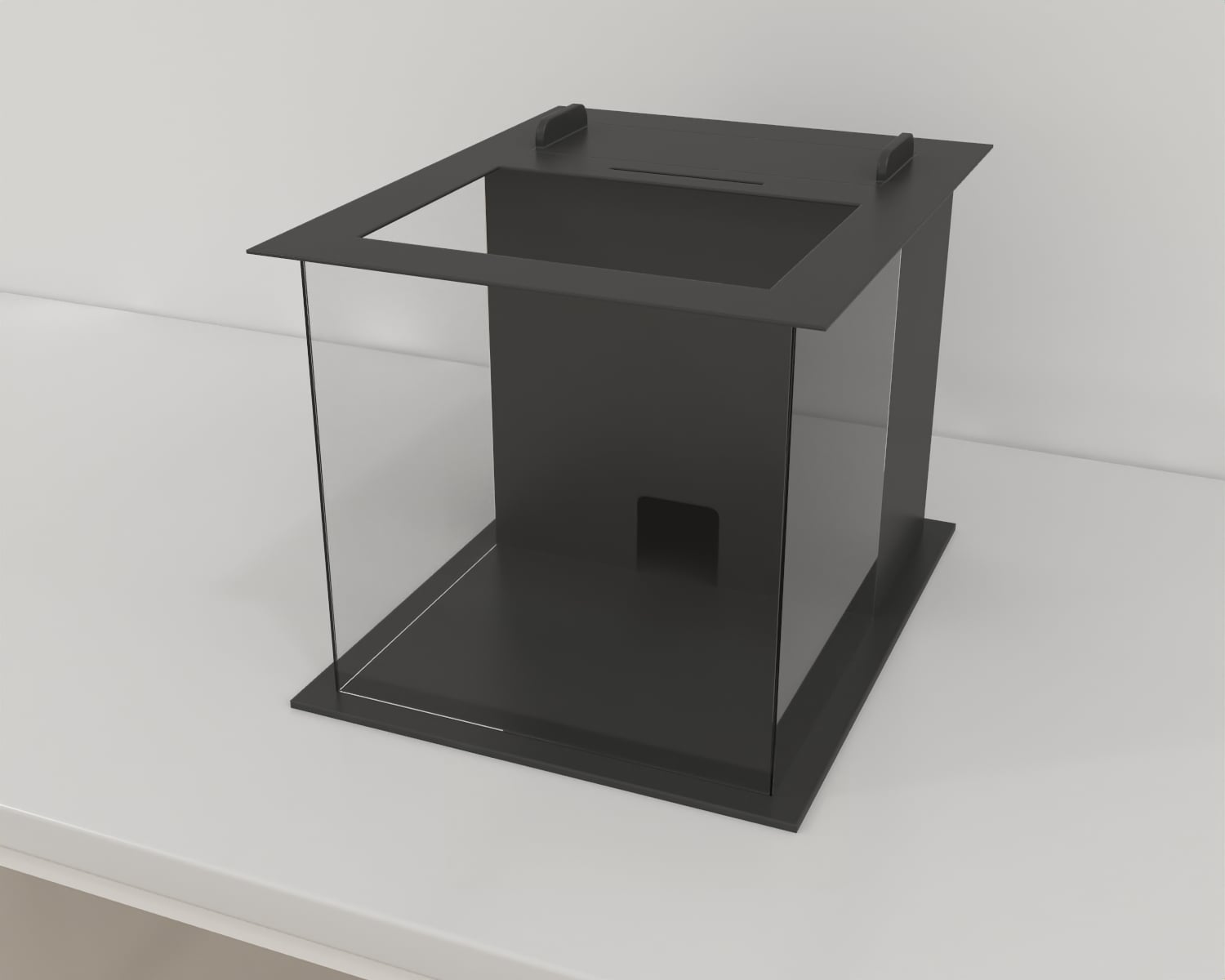
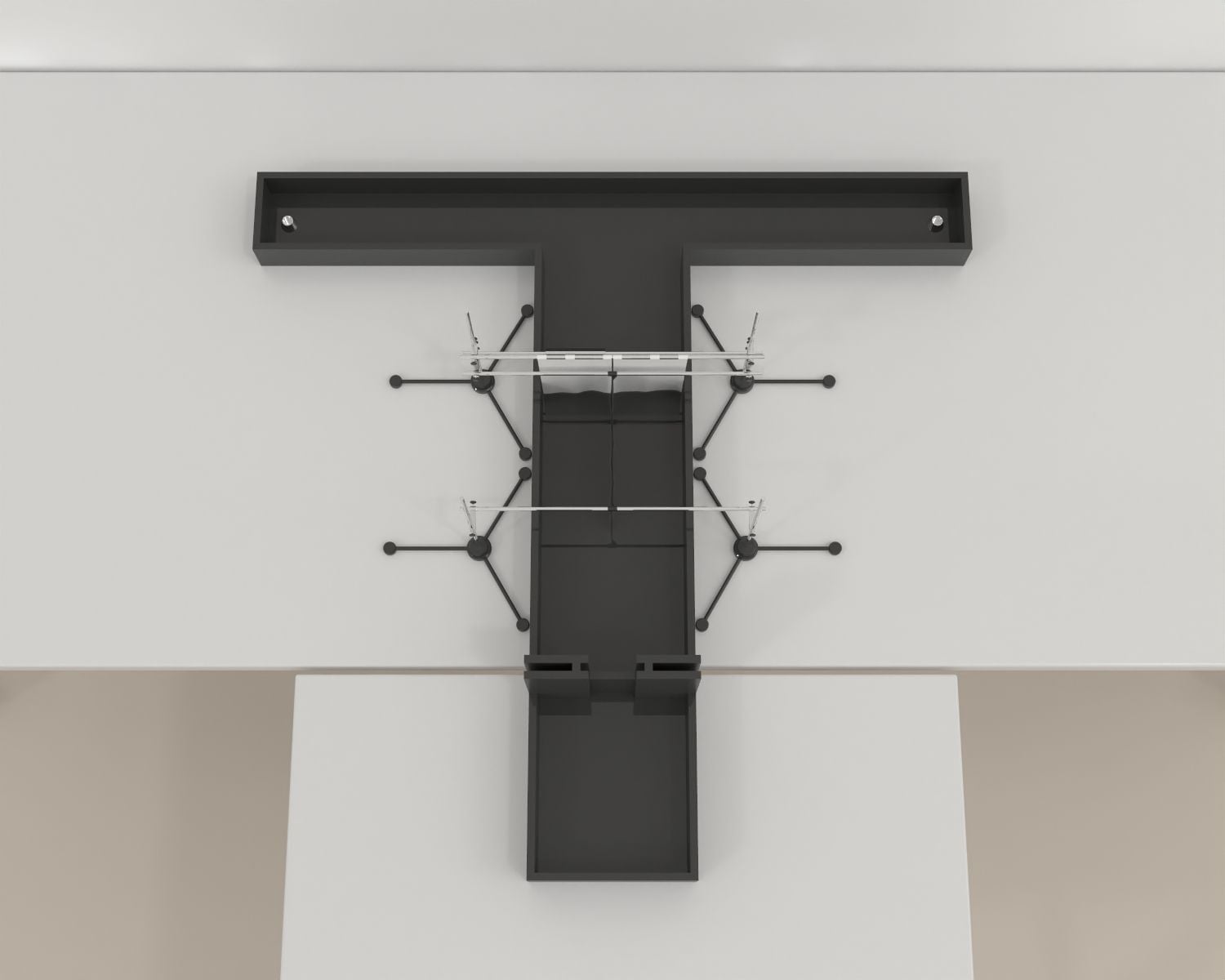
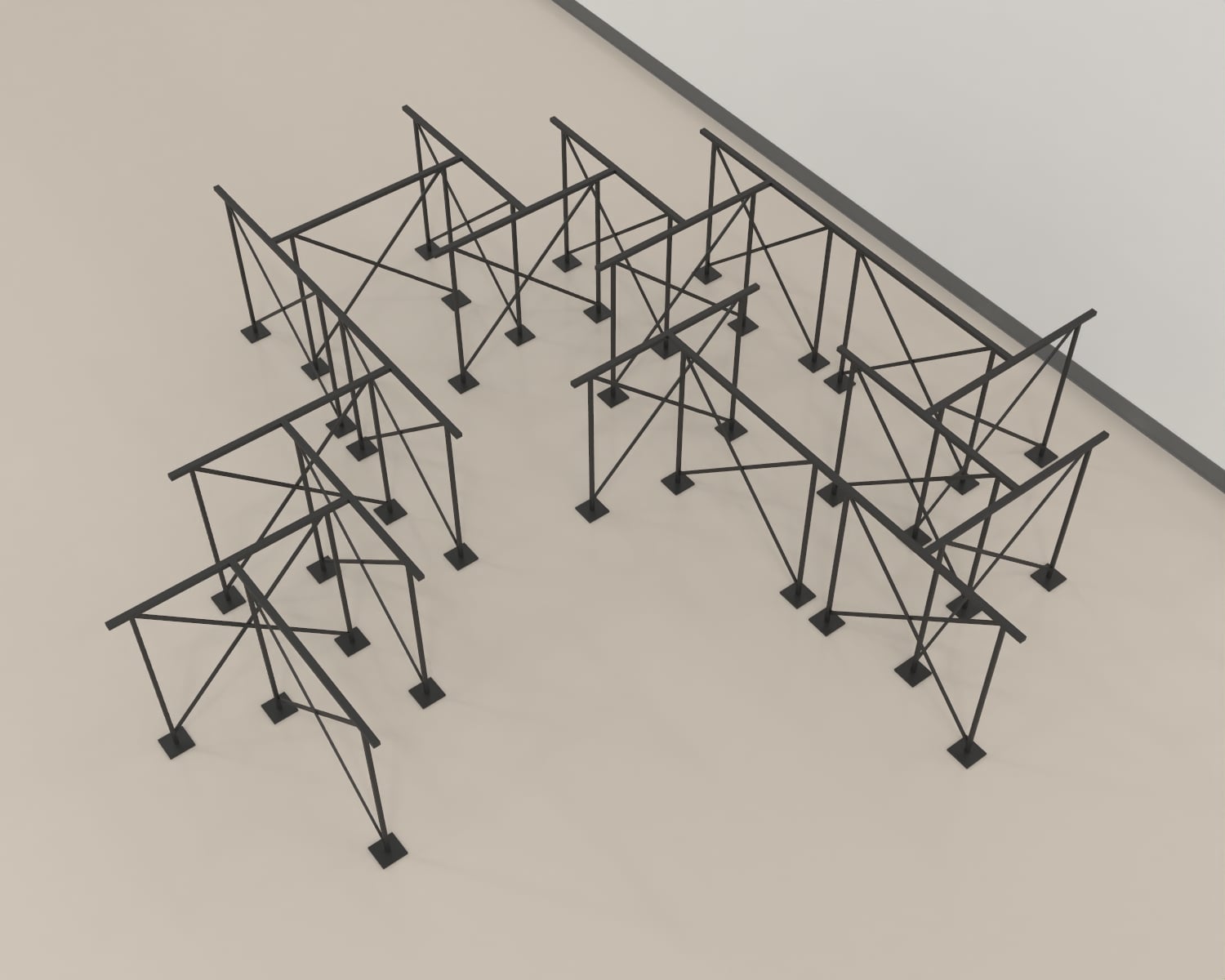
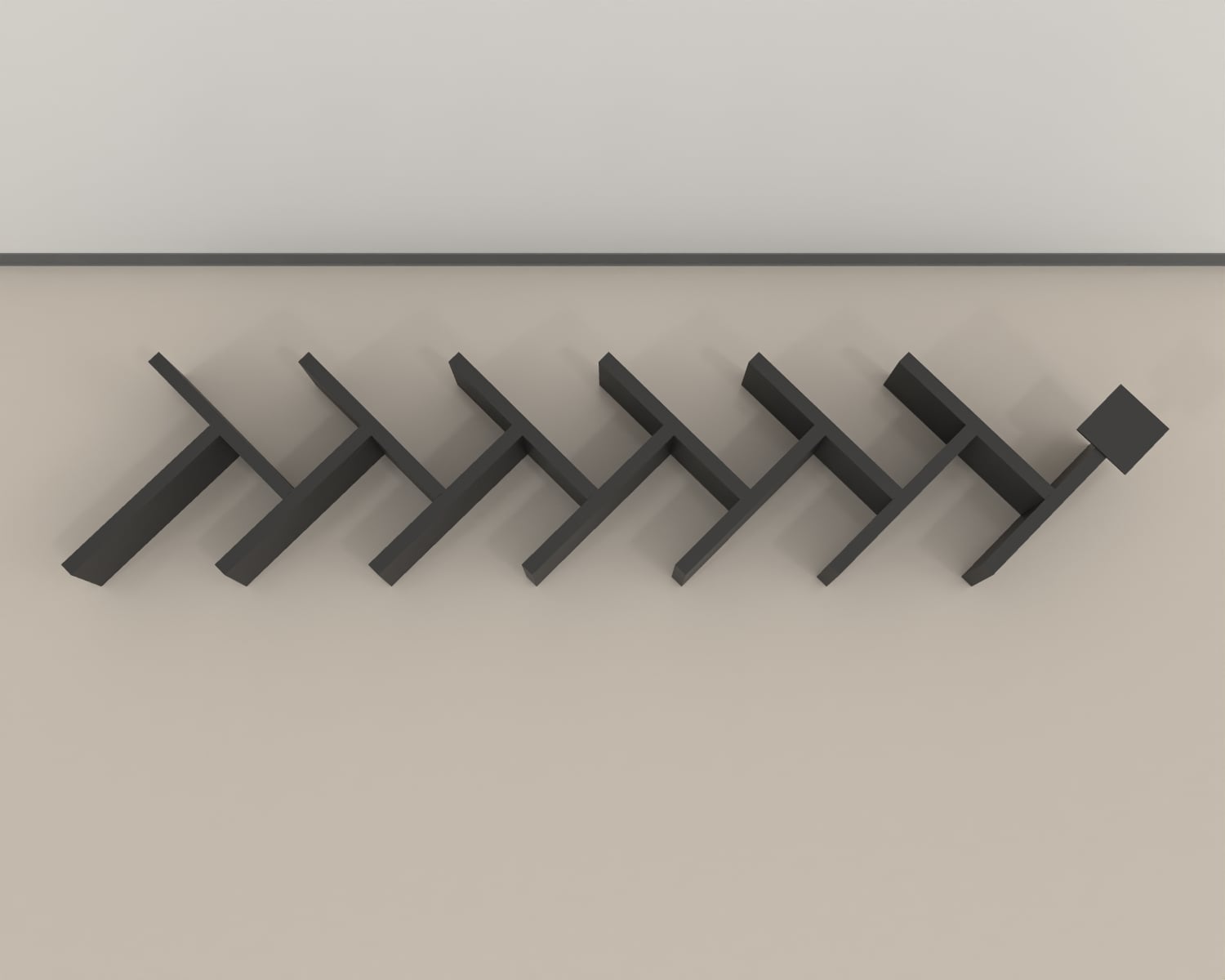
Spotlight
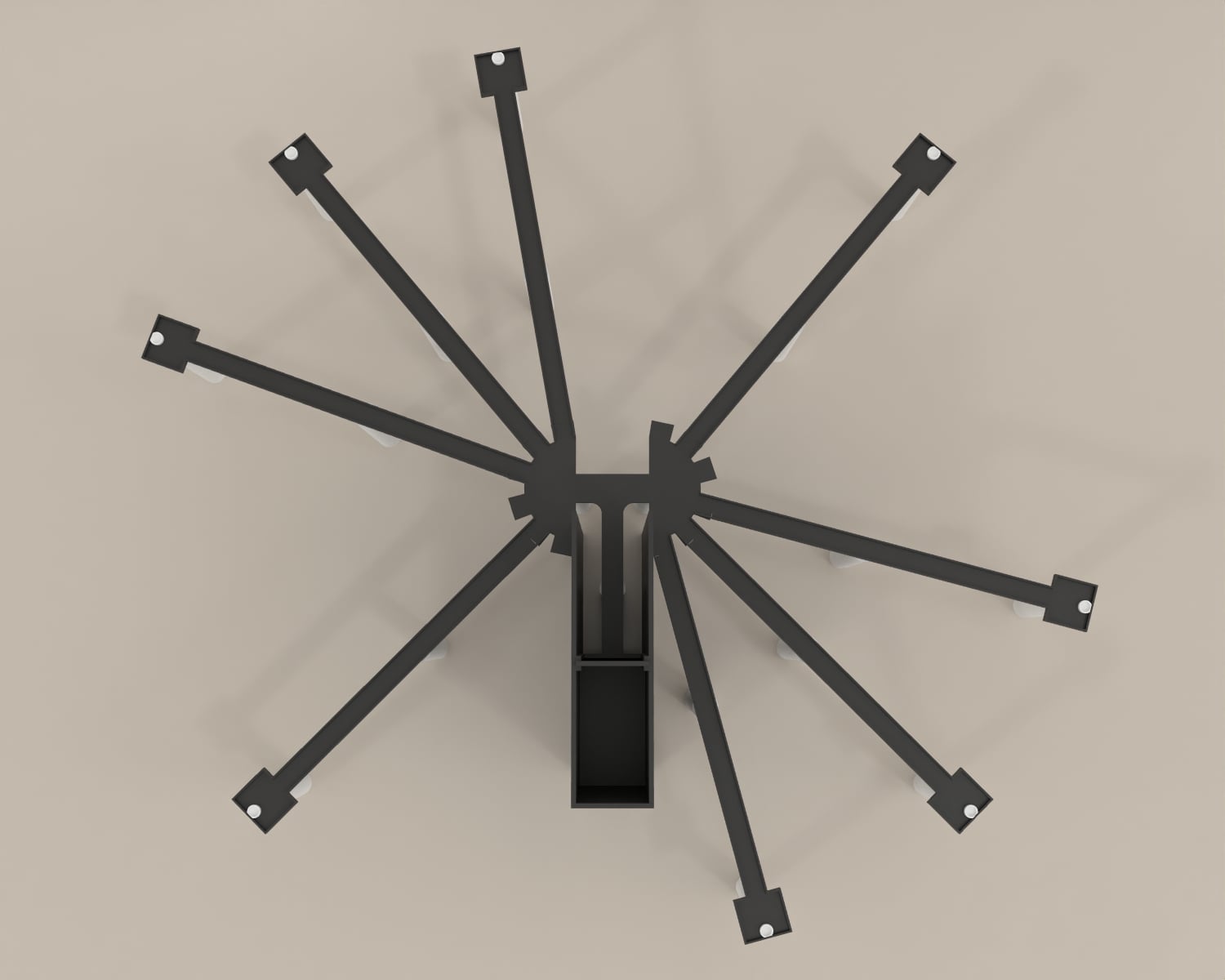
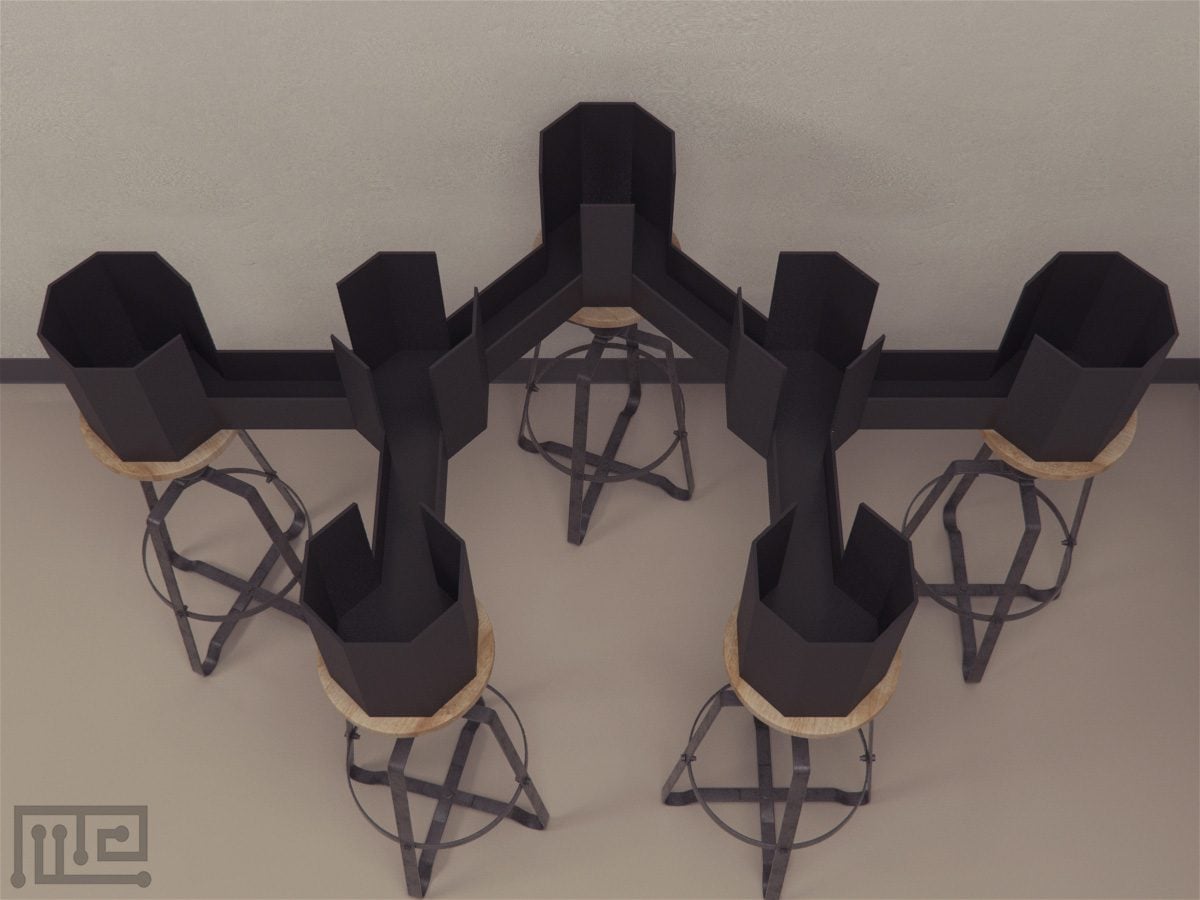
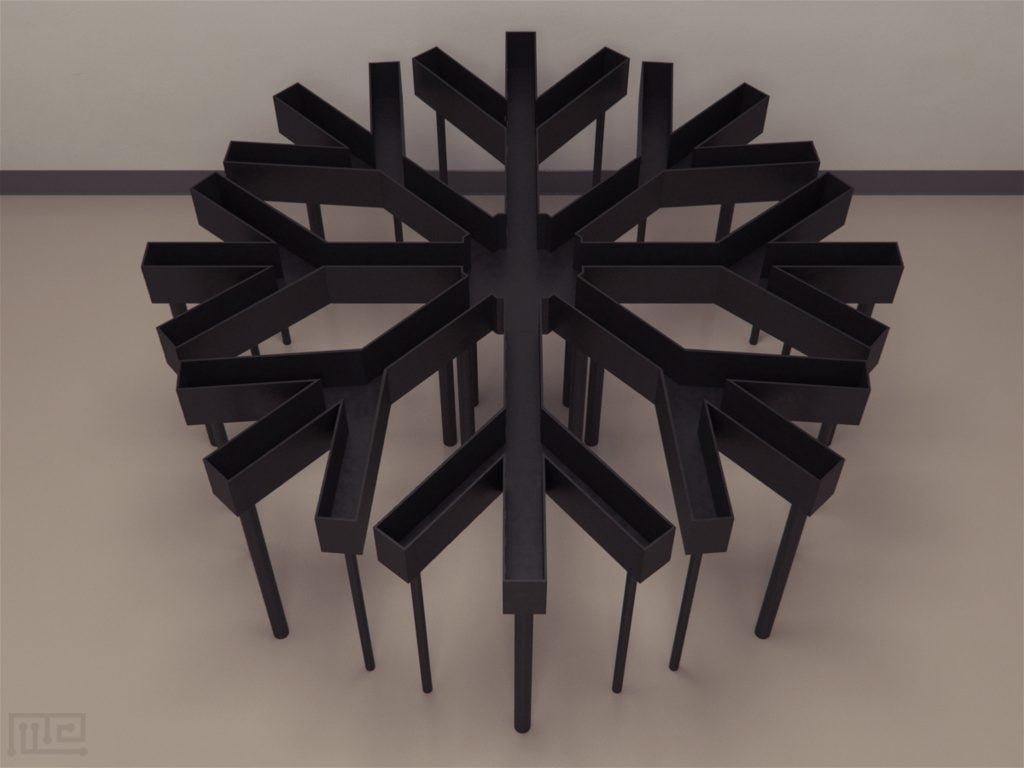
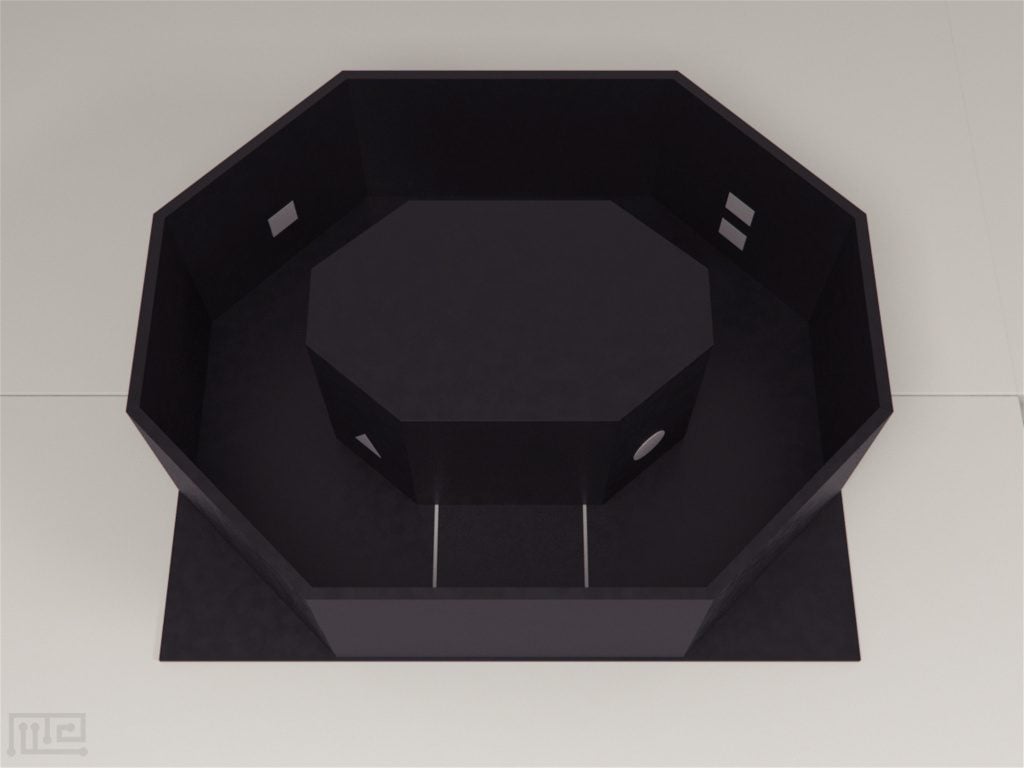
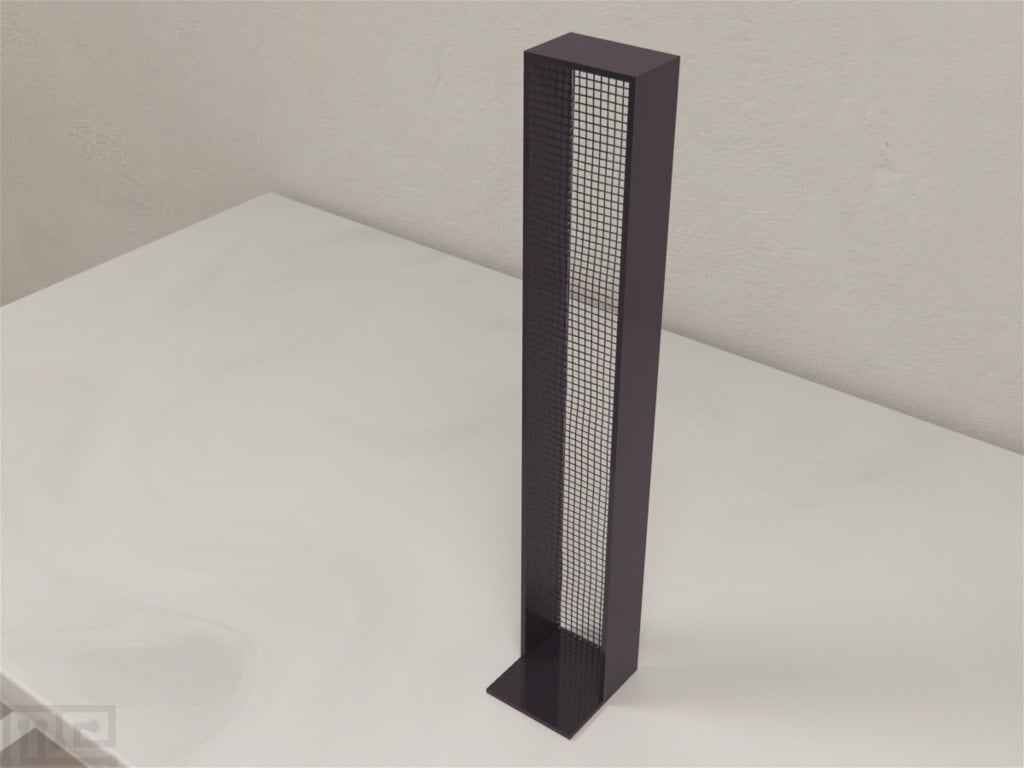
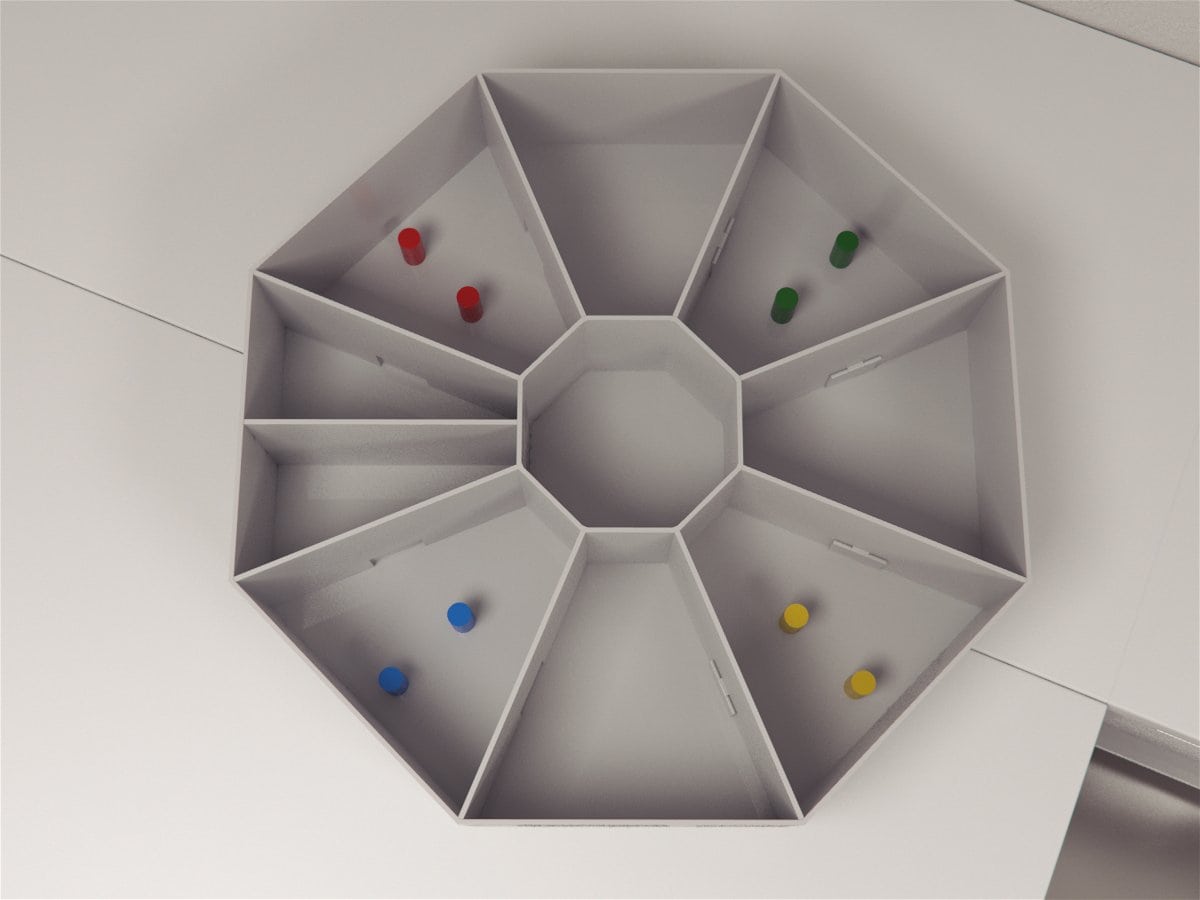
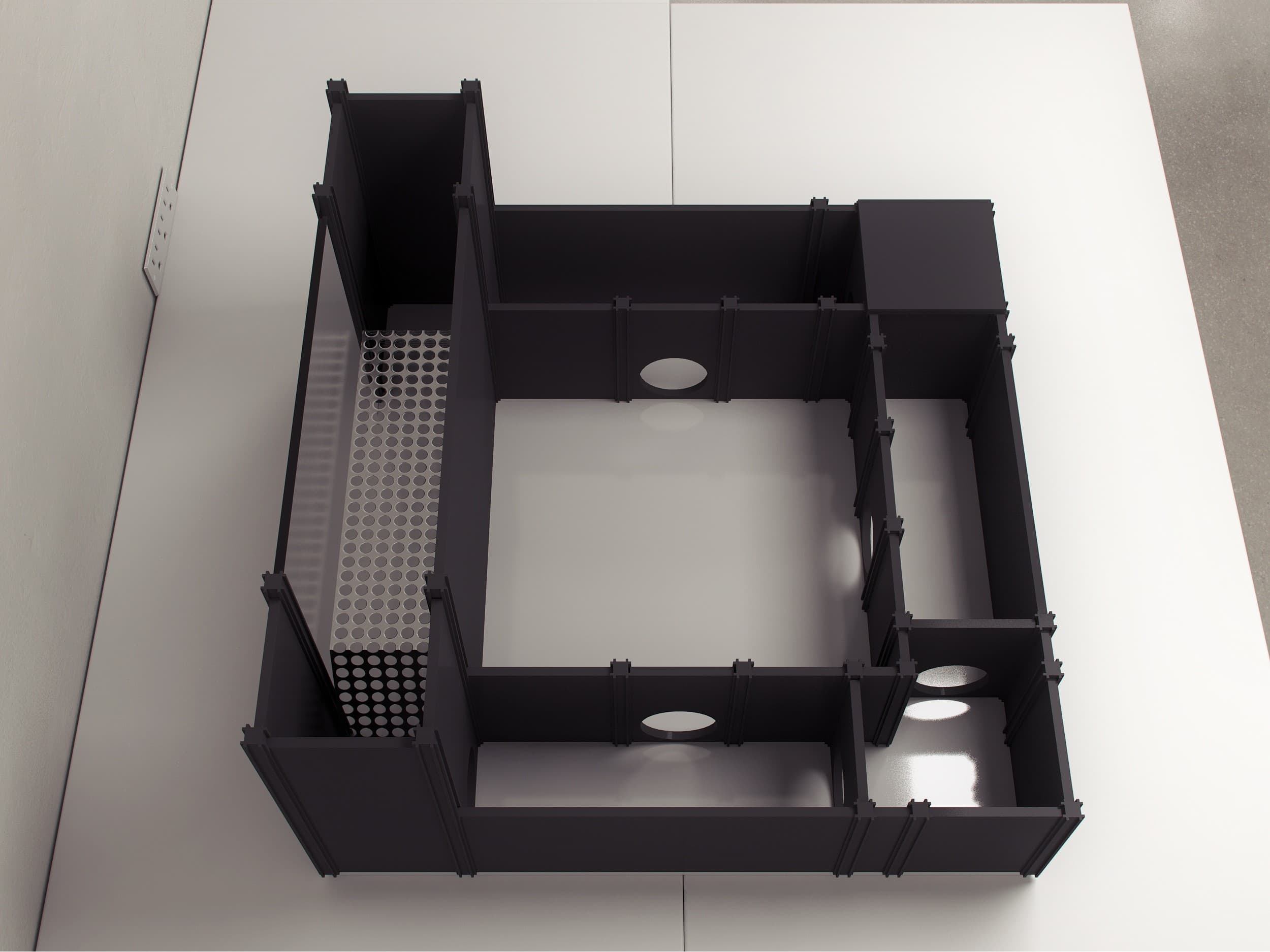
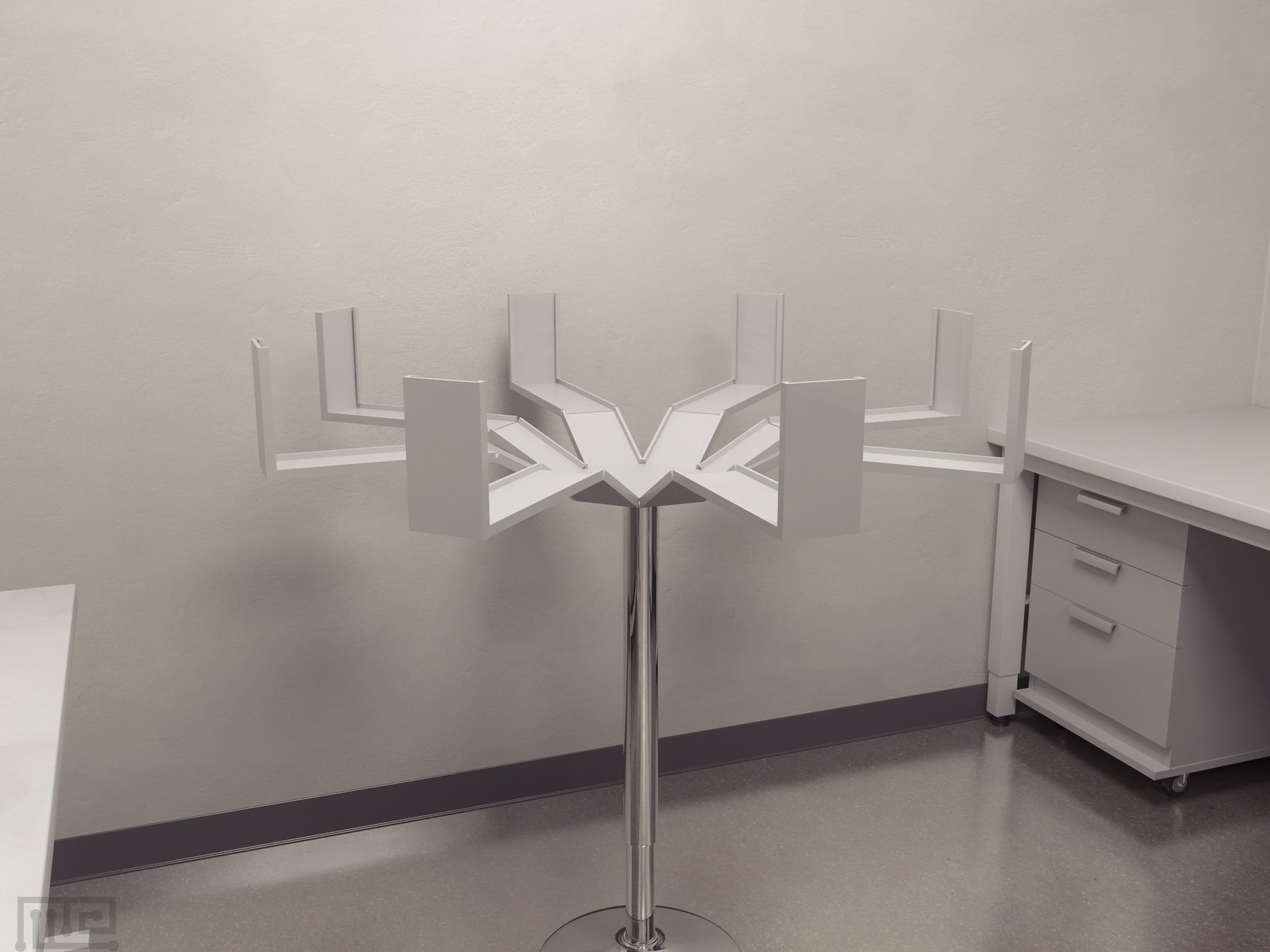
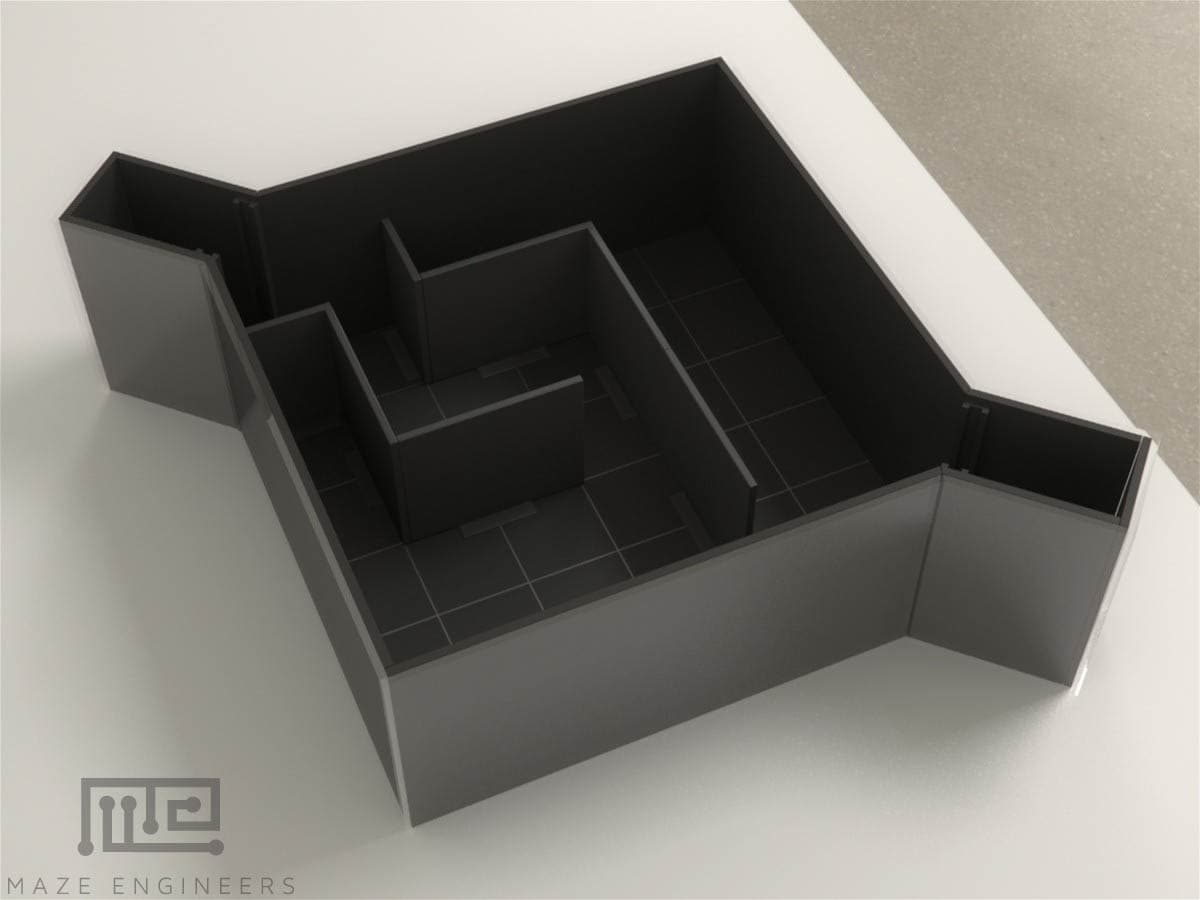
The Colosseum Maze:
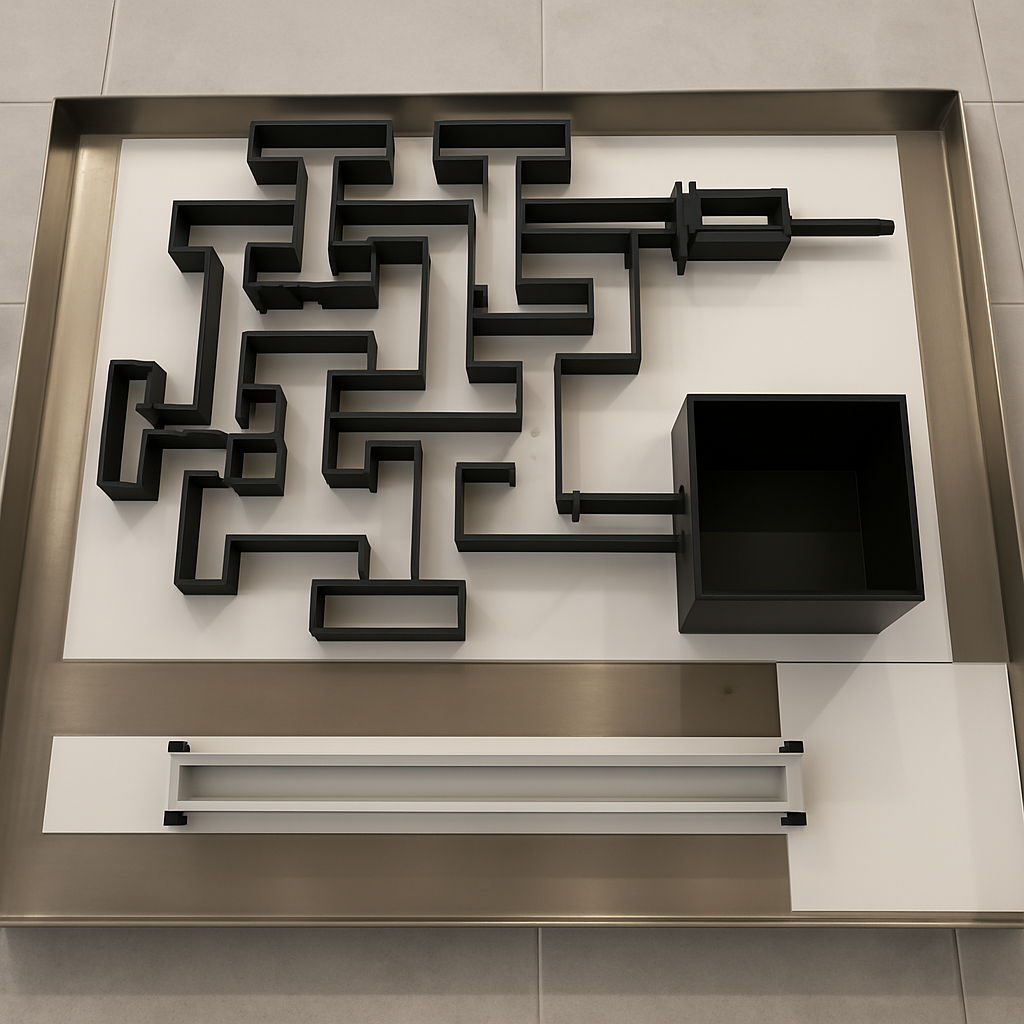
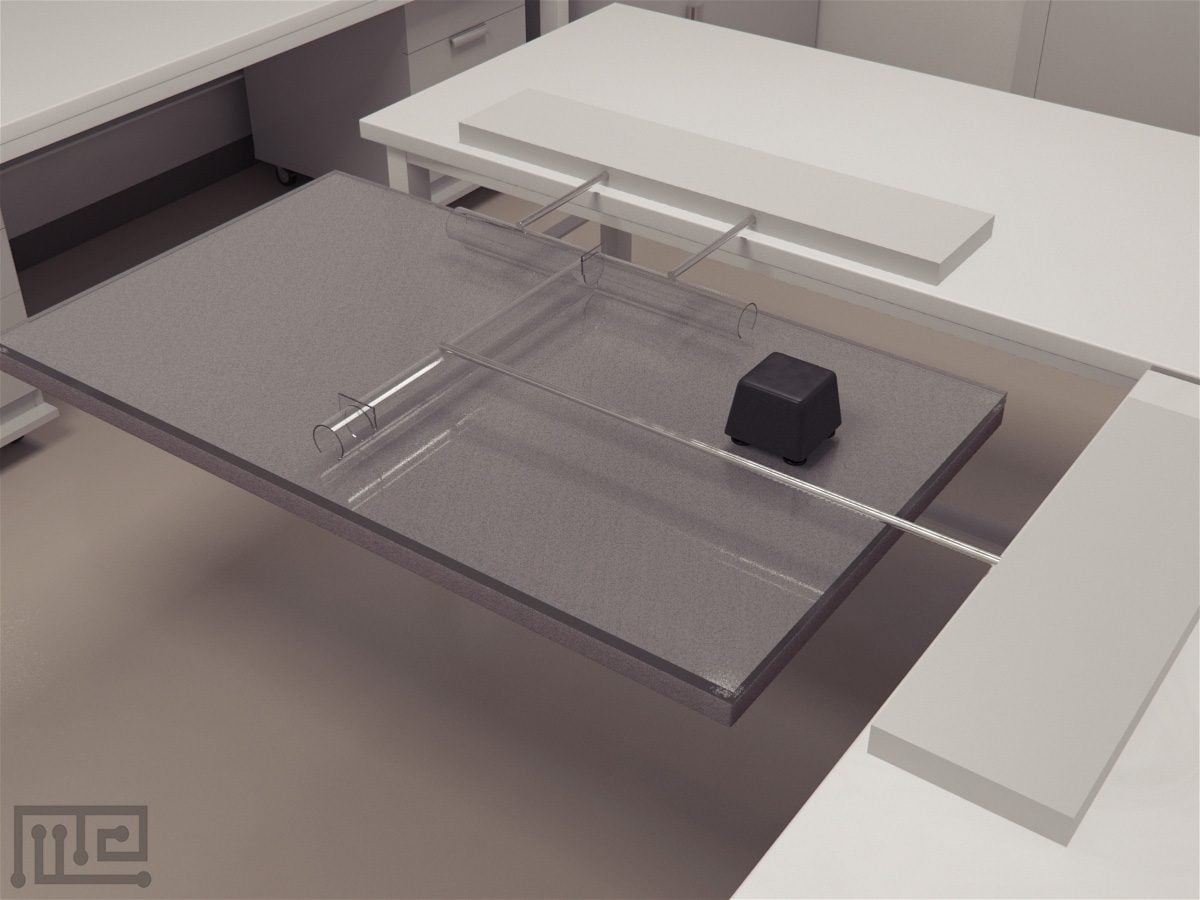
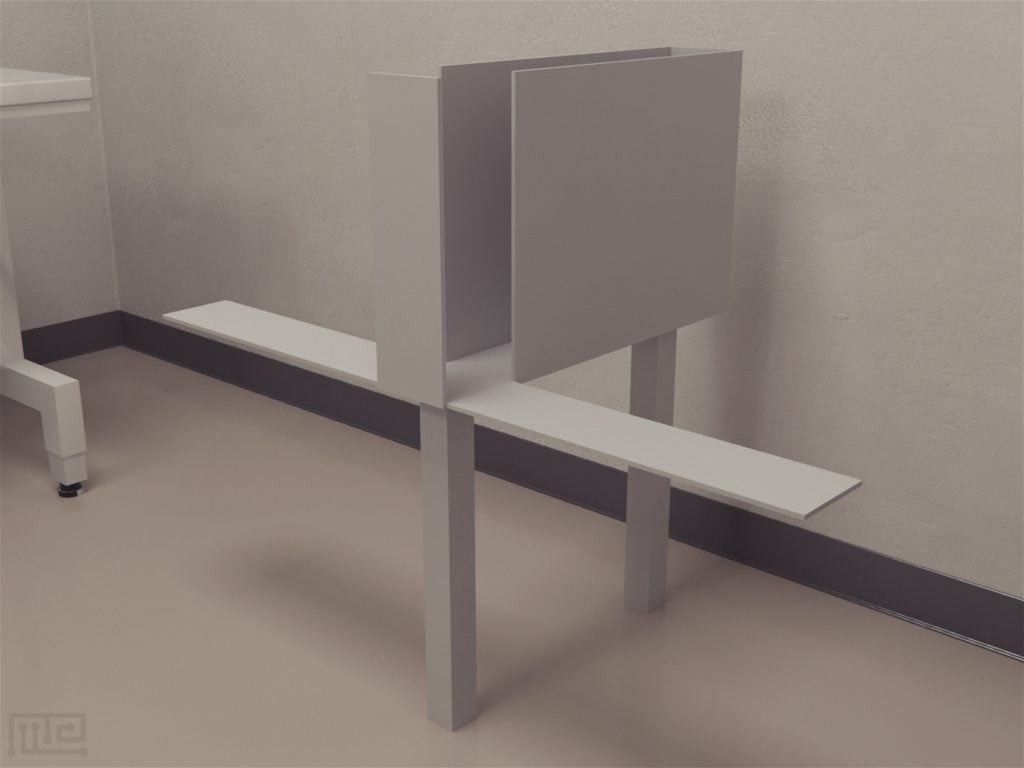
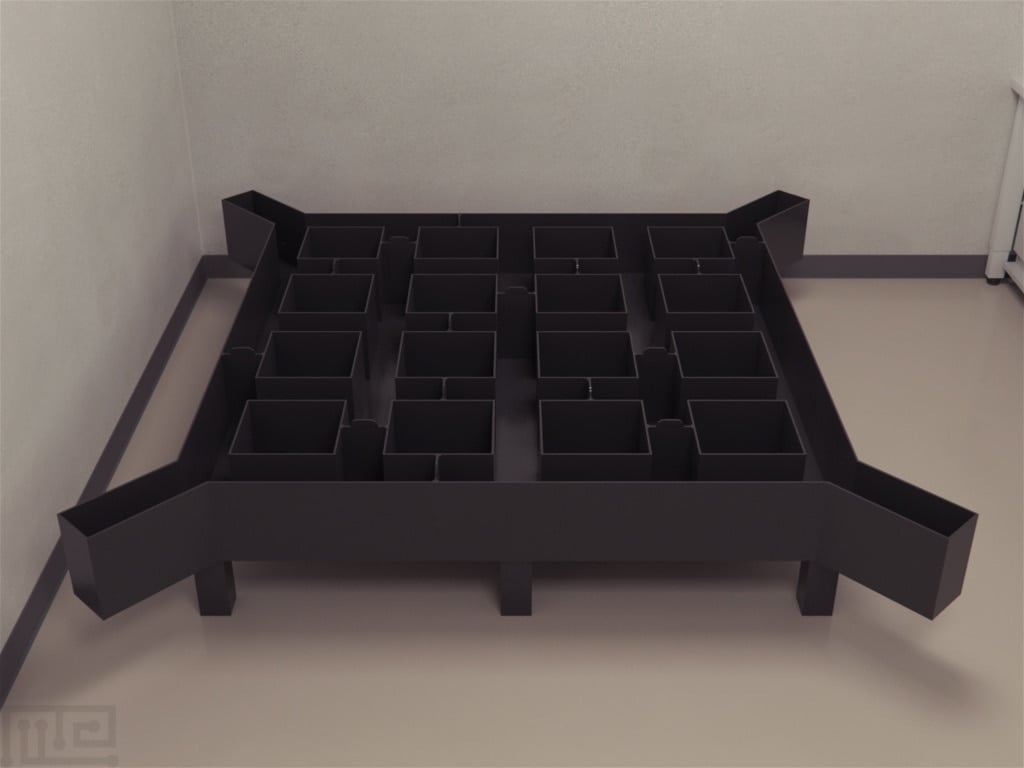
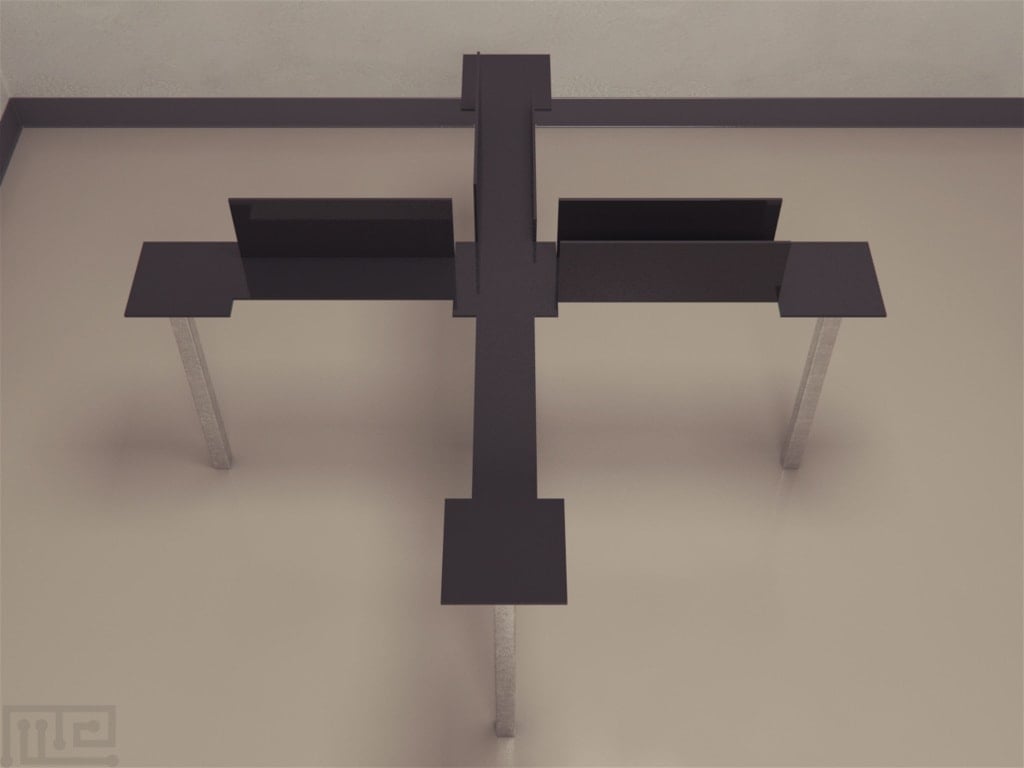
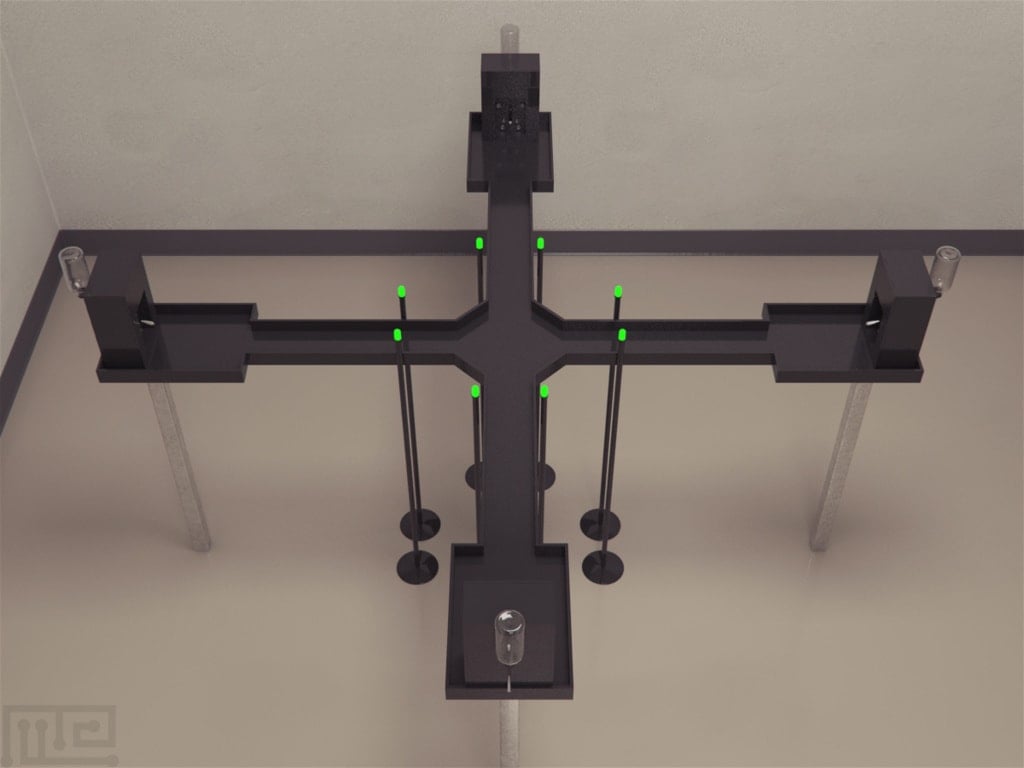
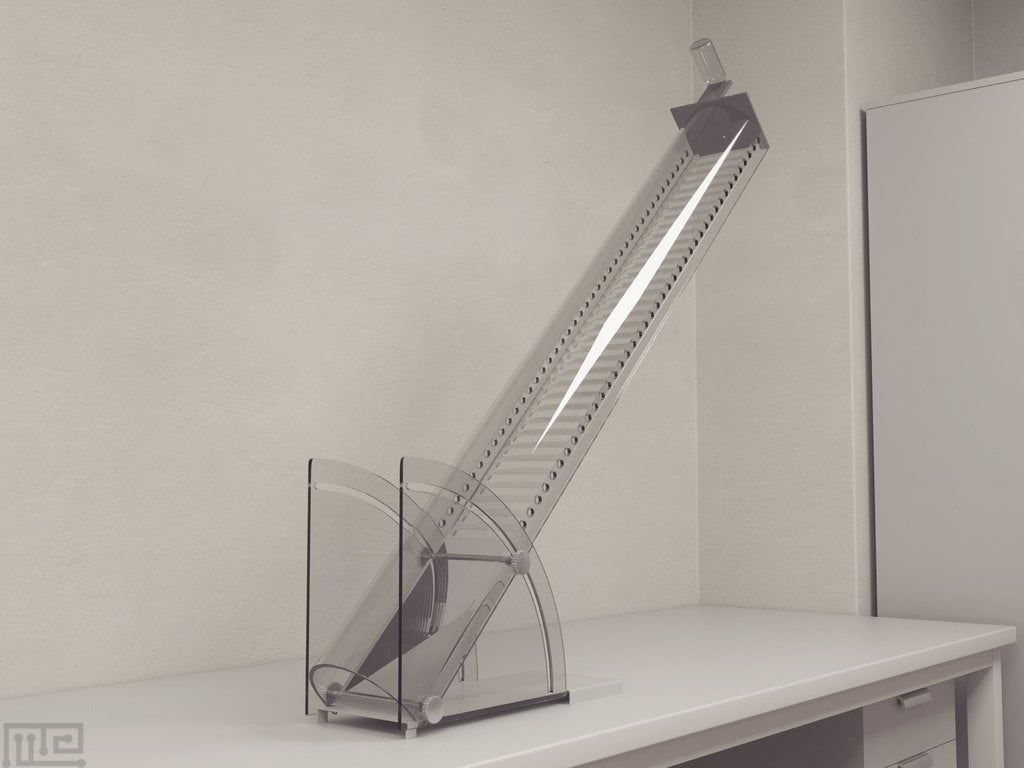
Vertical Maze Learn More
Cylinder Test
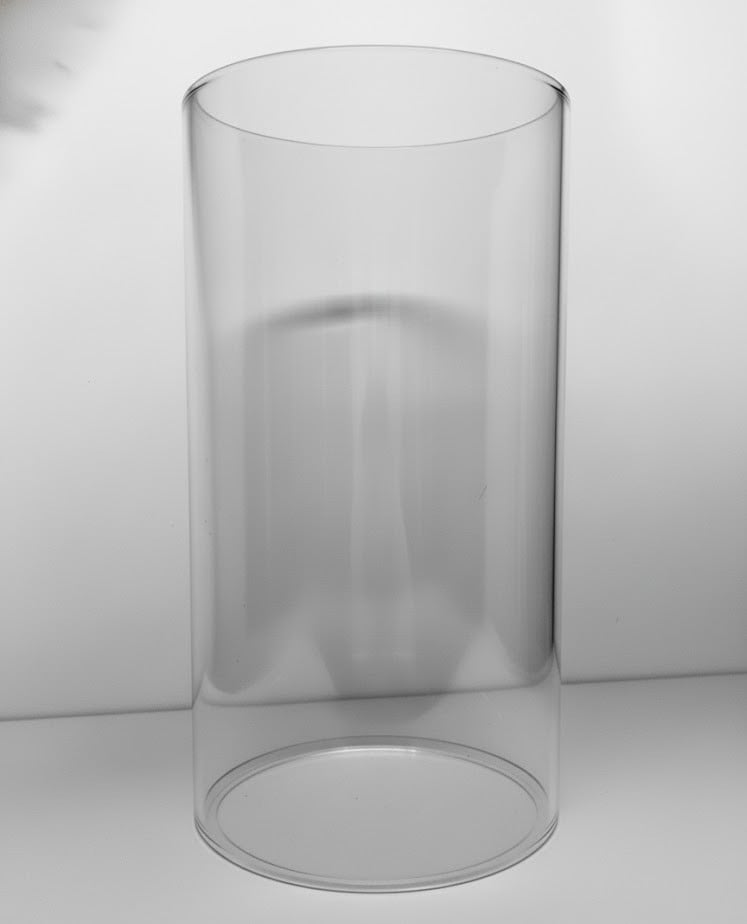
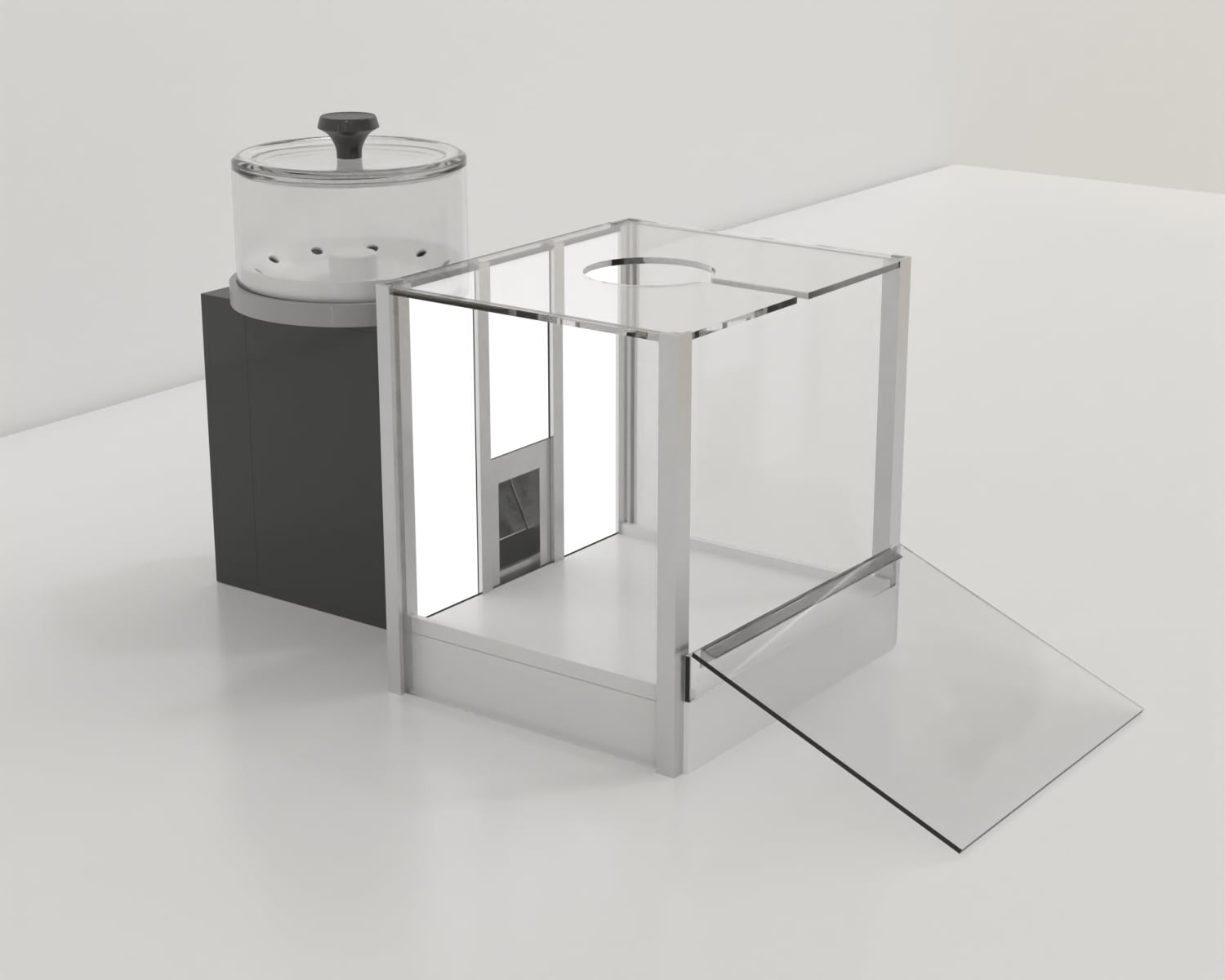
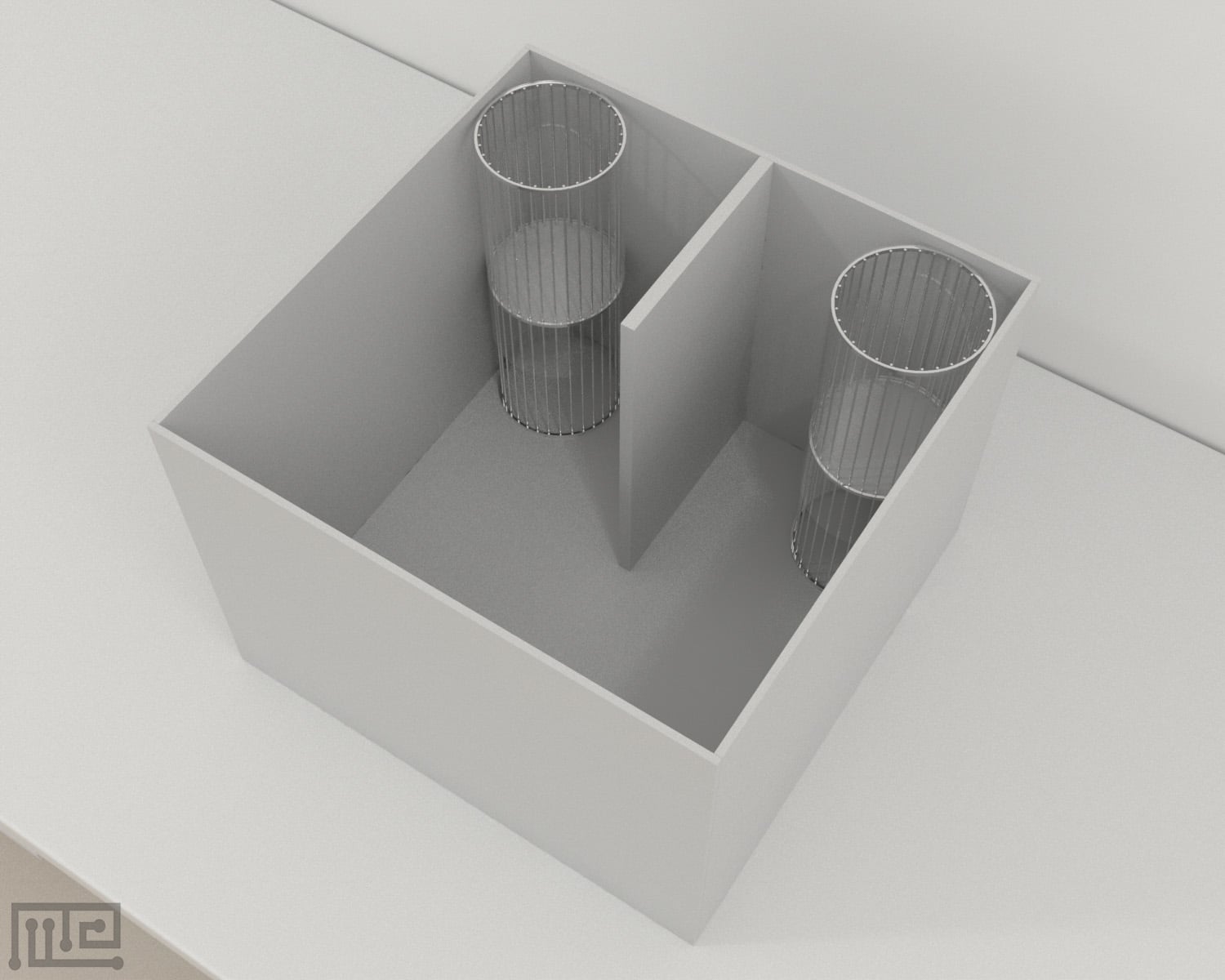
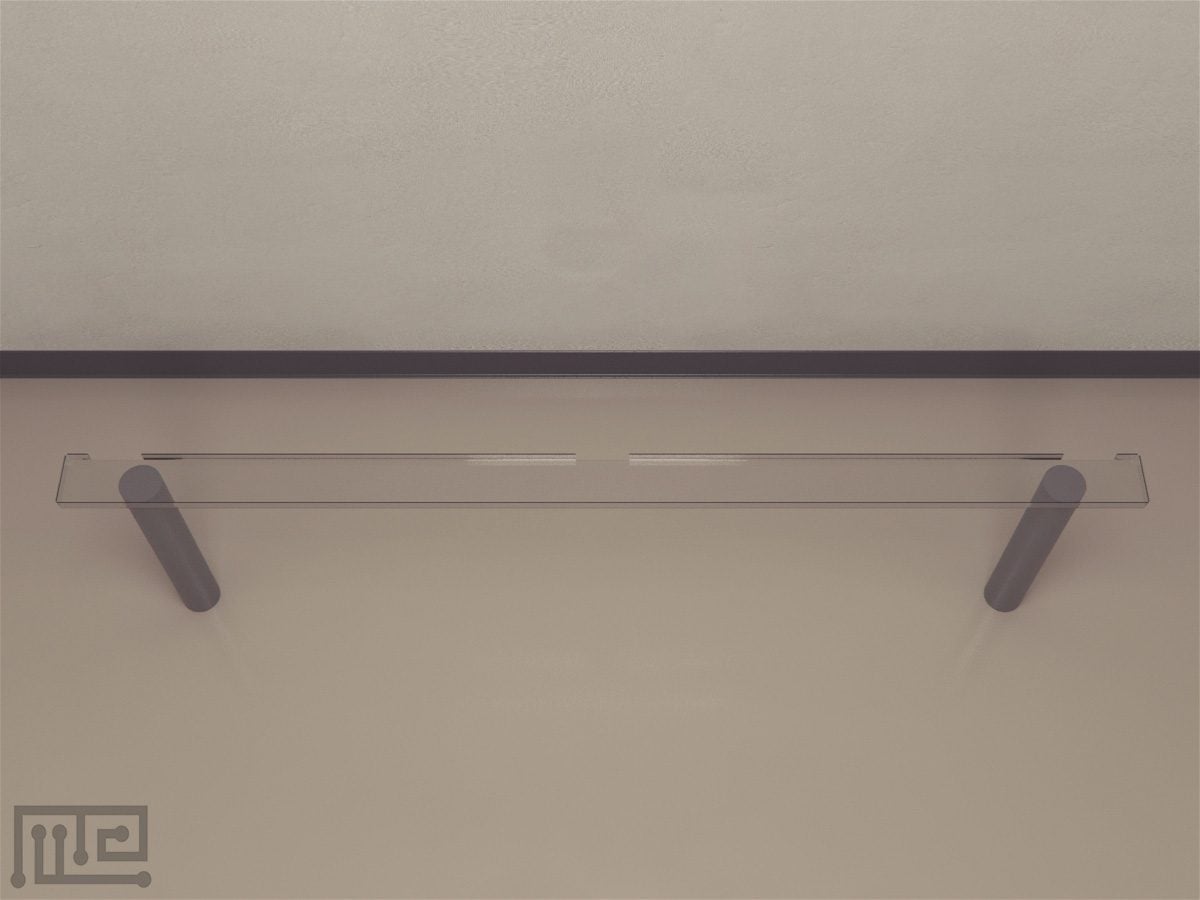
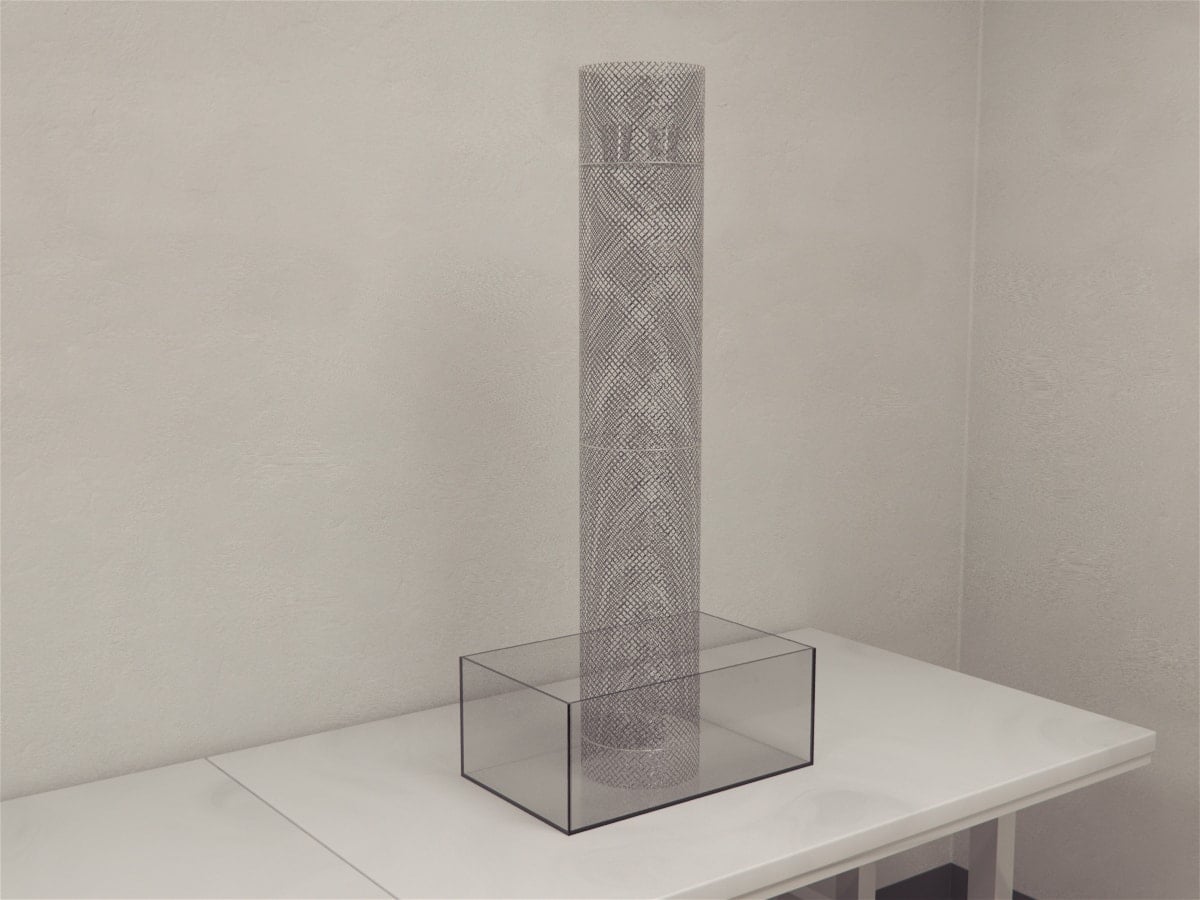
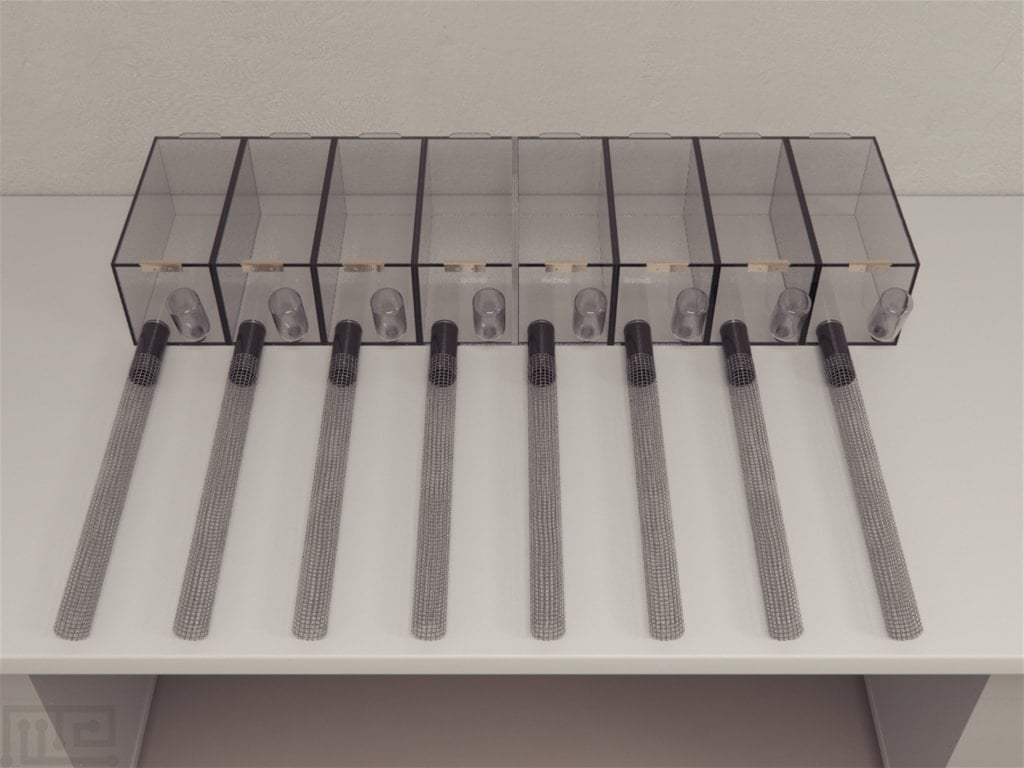
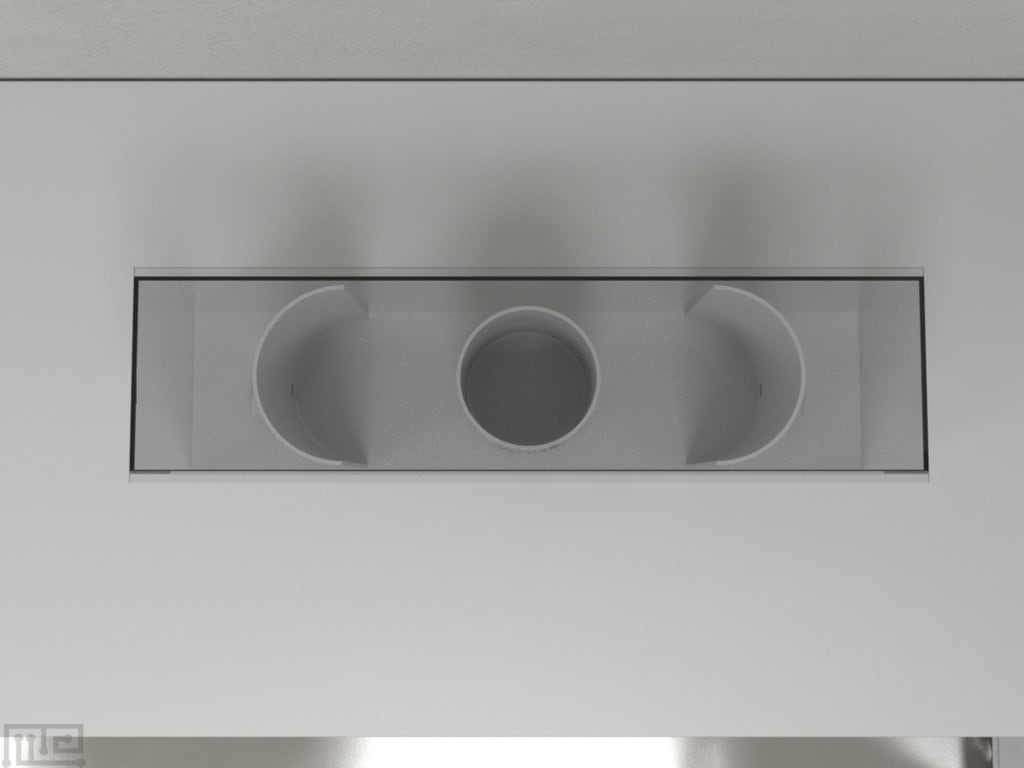
The Cylinder Test is a highly sensitive, non-invasive behavioral assessment used to evaluate spontaneous forelimb use and motor symmetry in rodents.
The Floor Maze
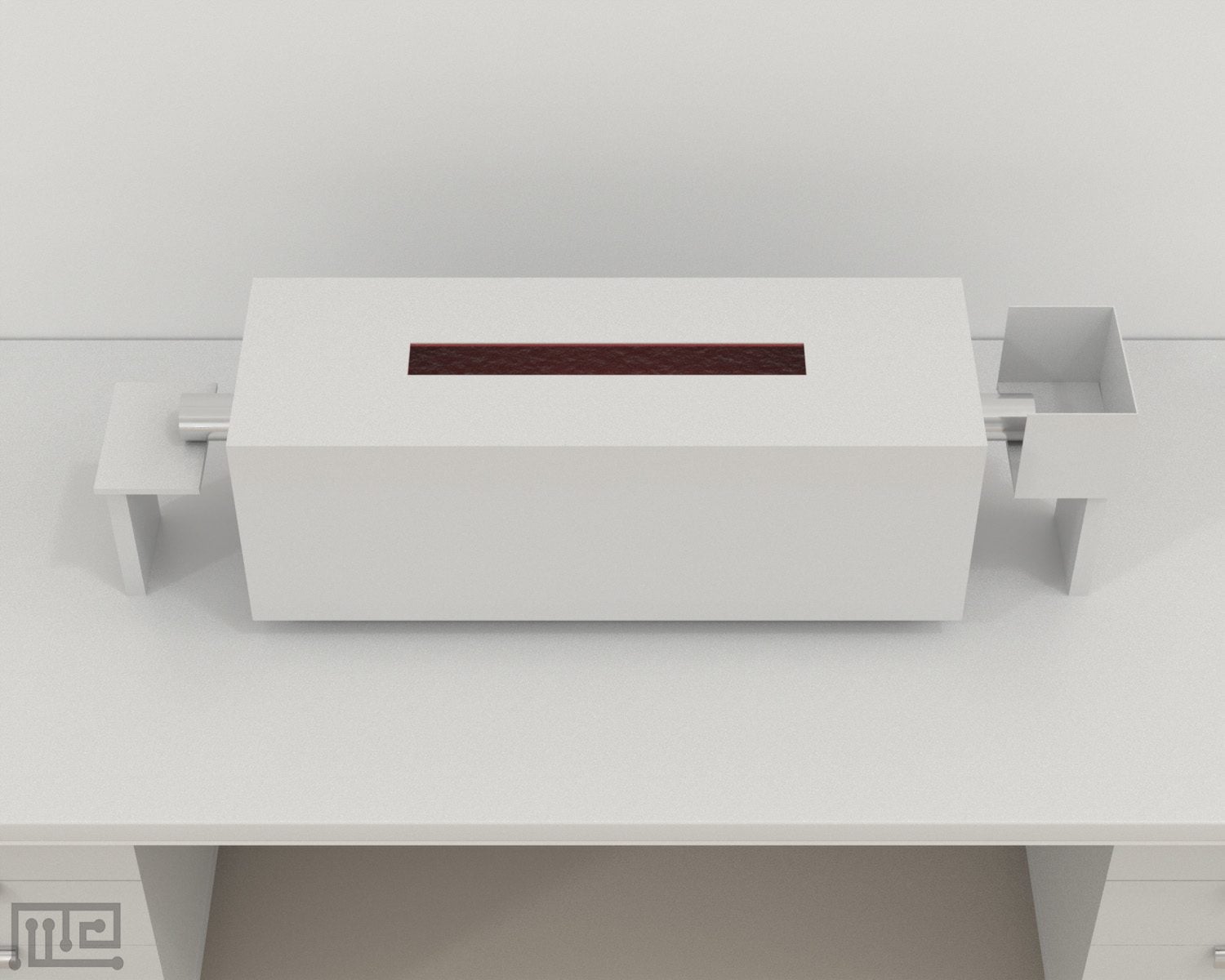
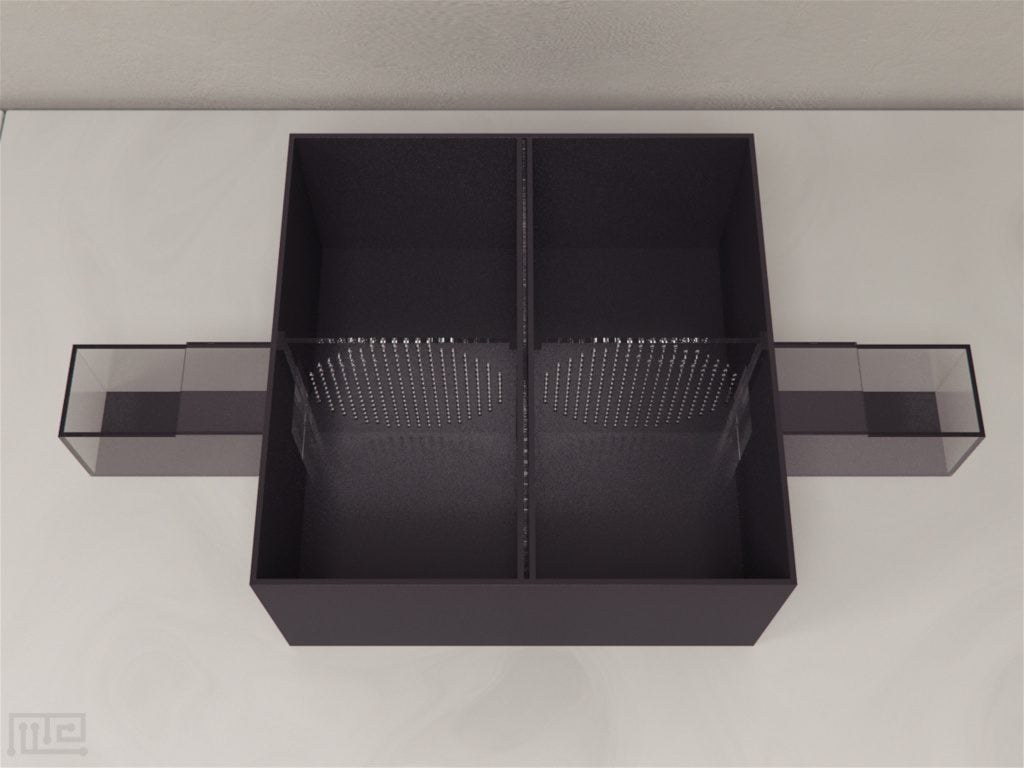
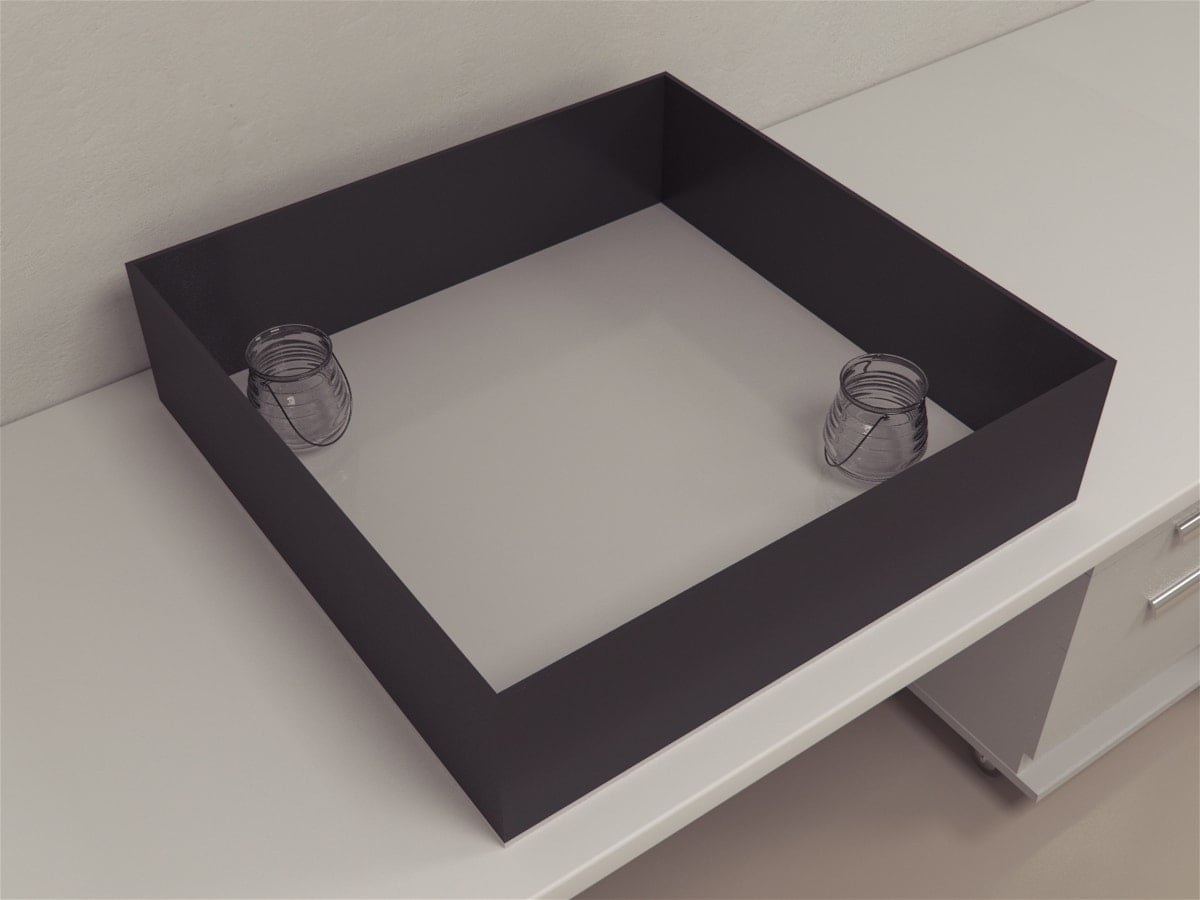
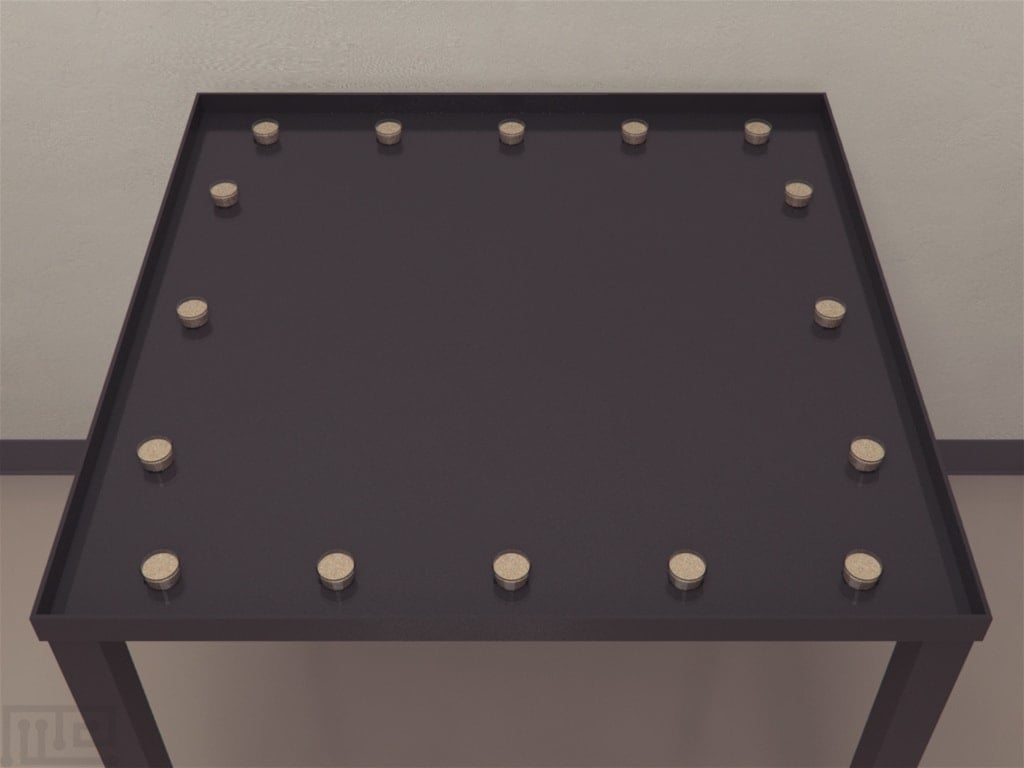
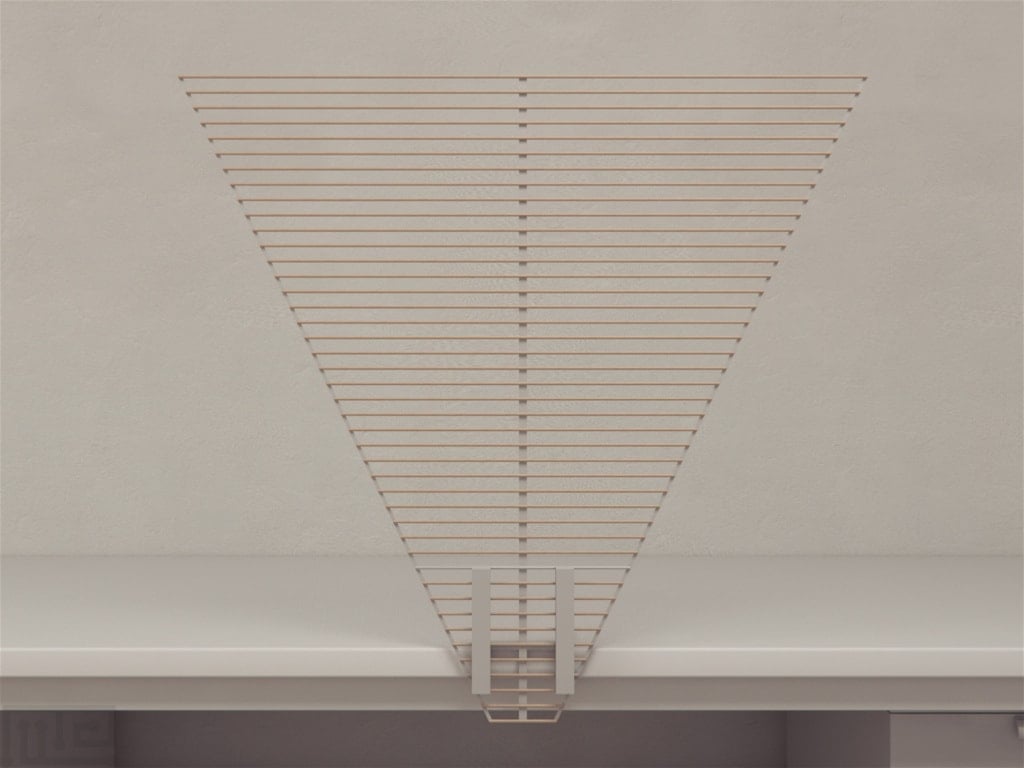
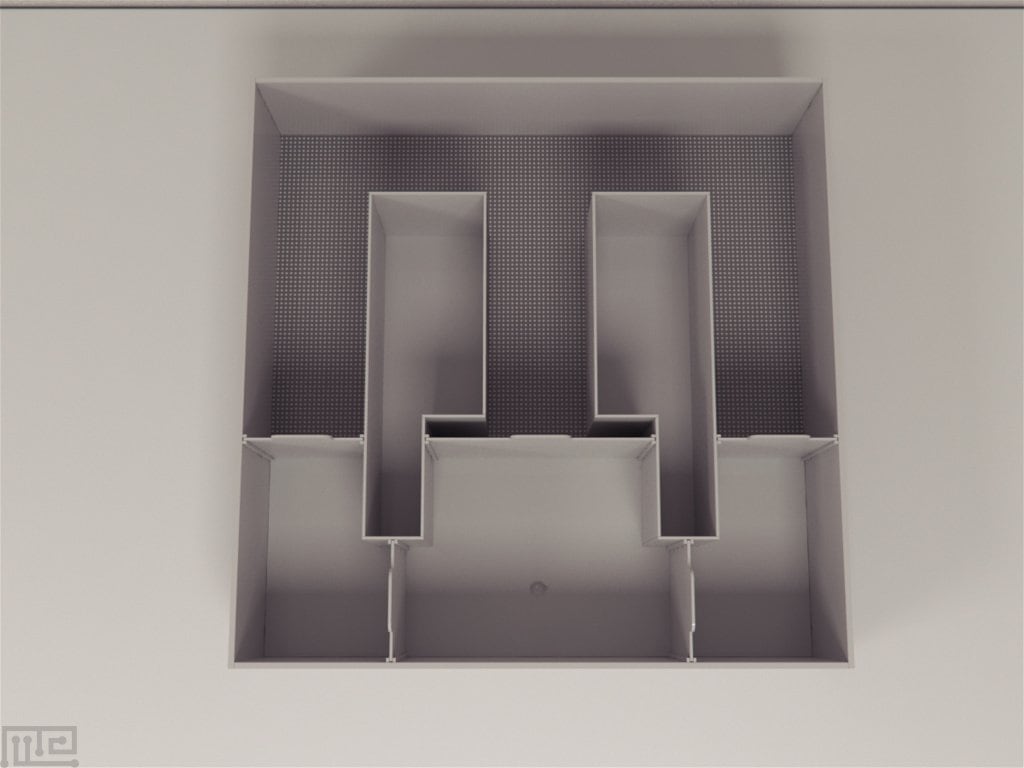
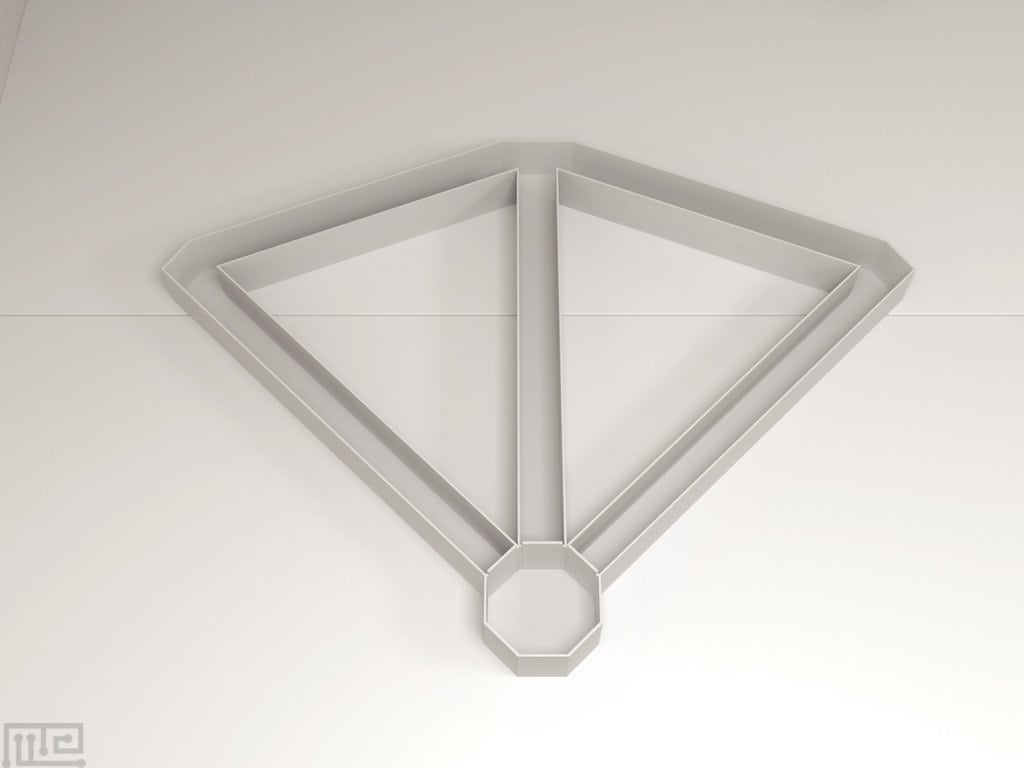
Investigating visual cognition through spatially projected environments The Floor Projection Maze is a modular apparatus developed to study visual information…
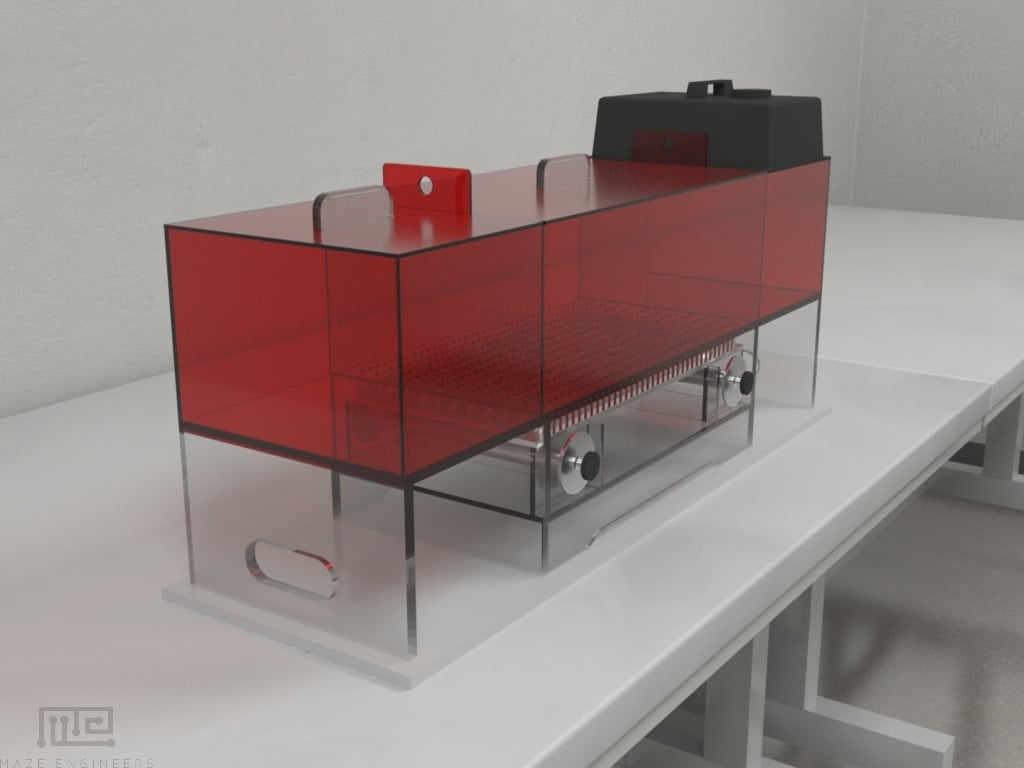
Vapor Chambers
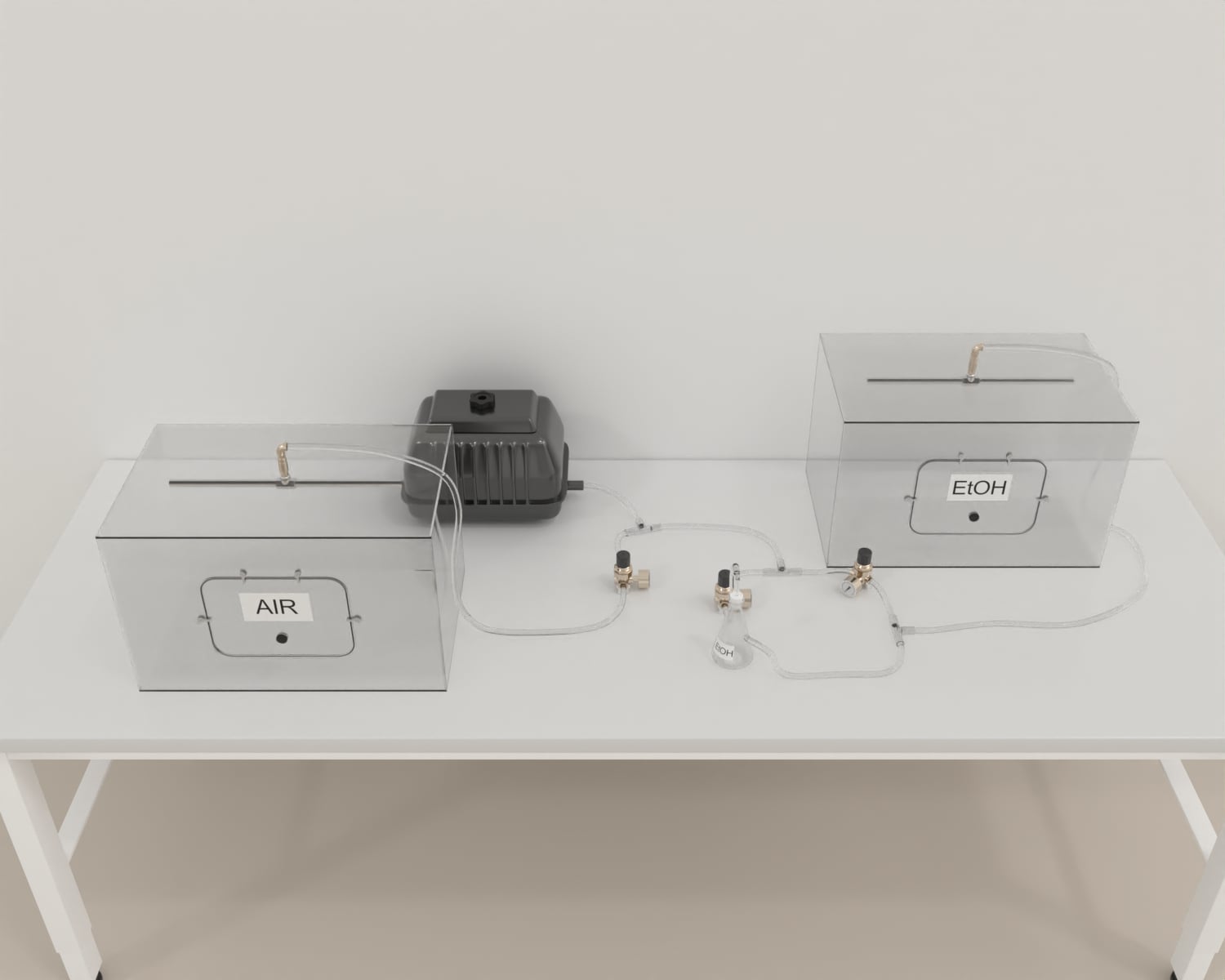
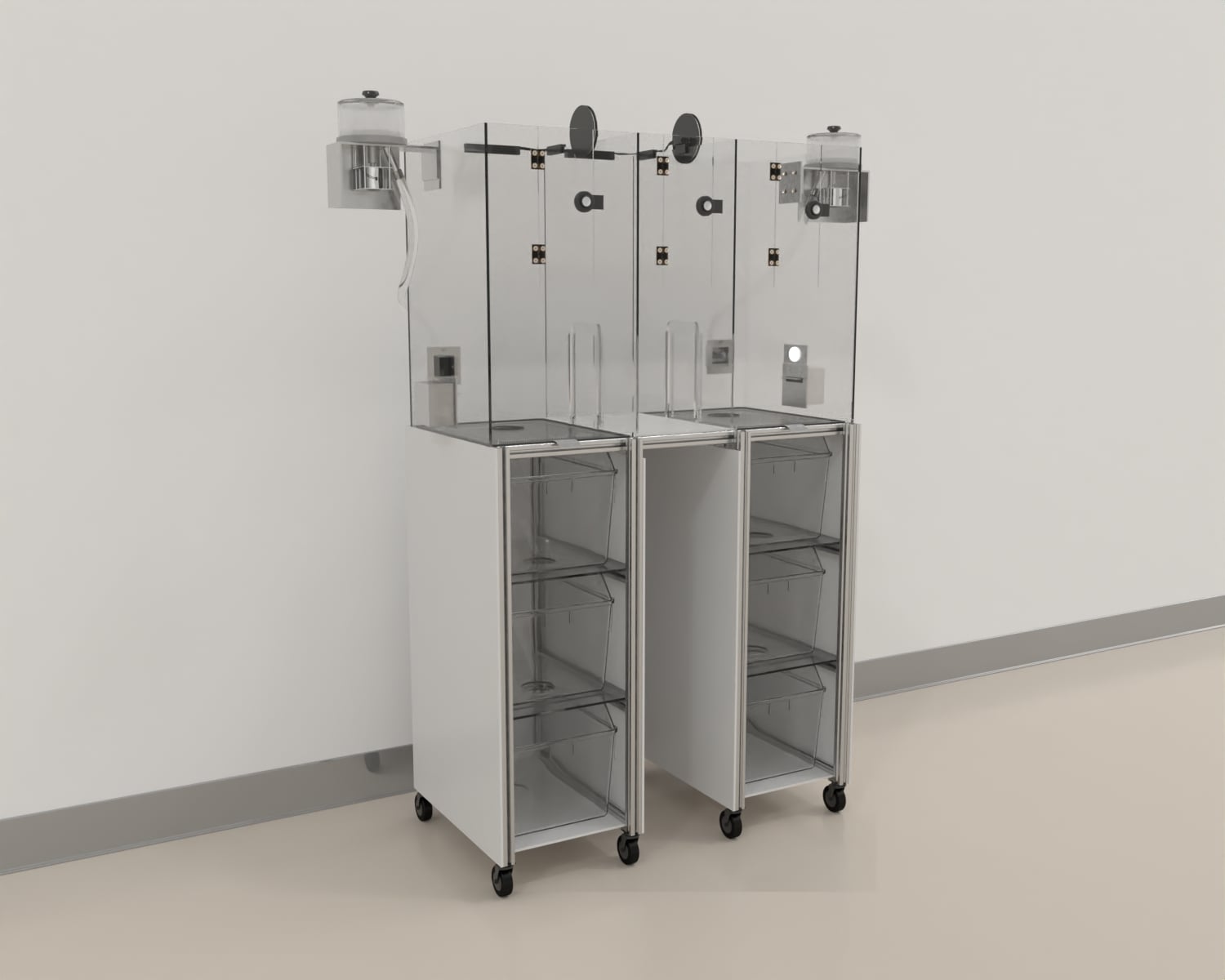
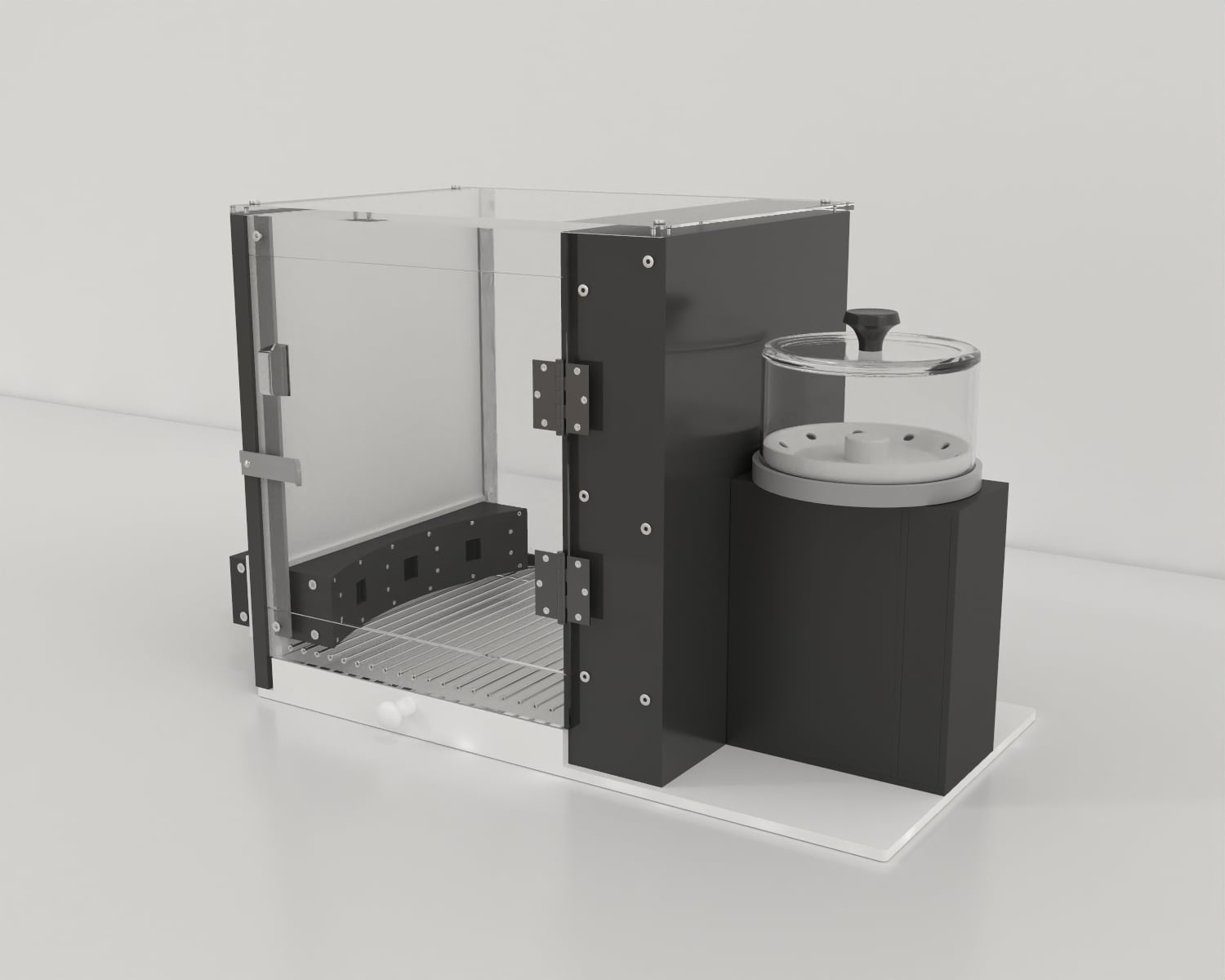
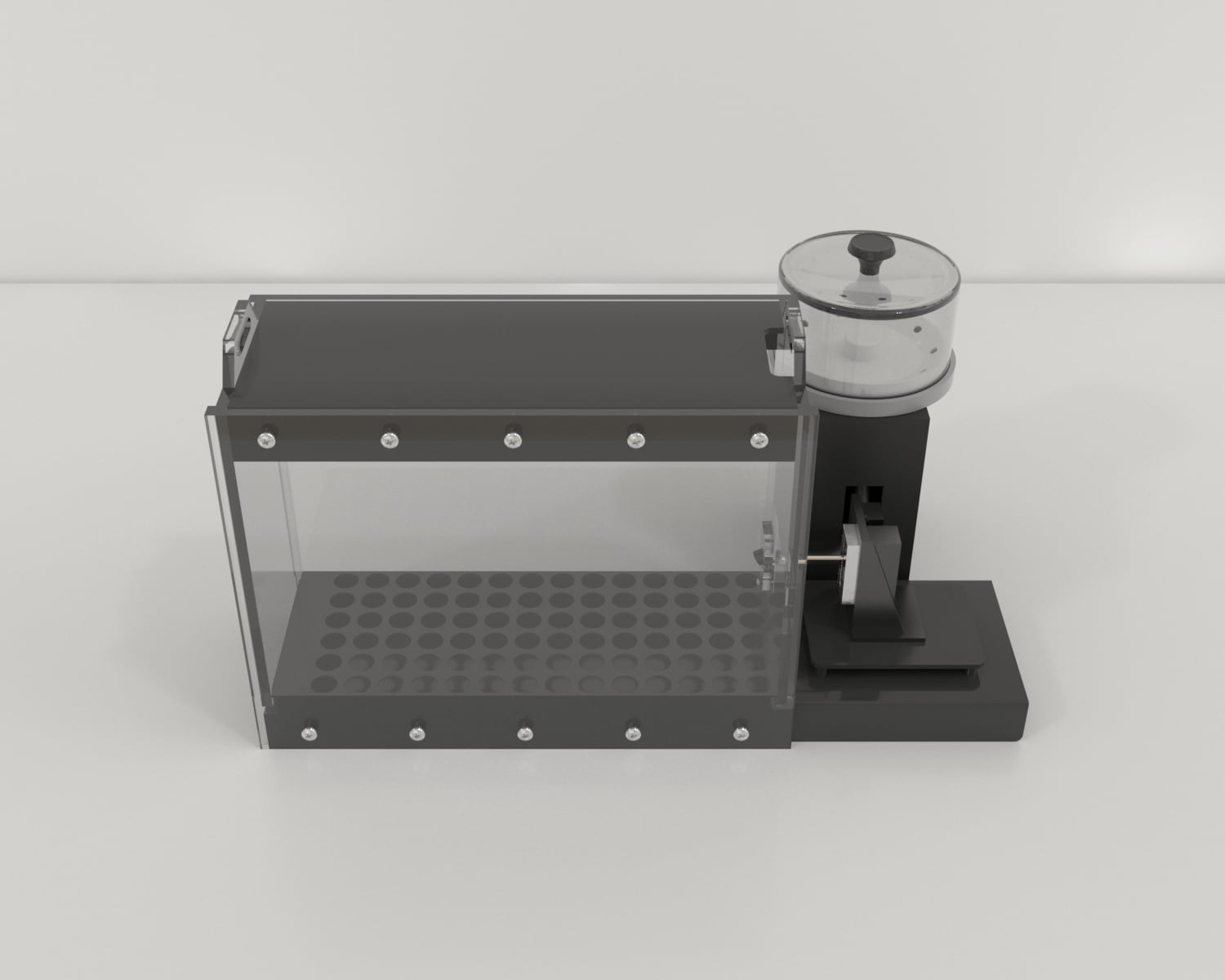
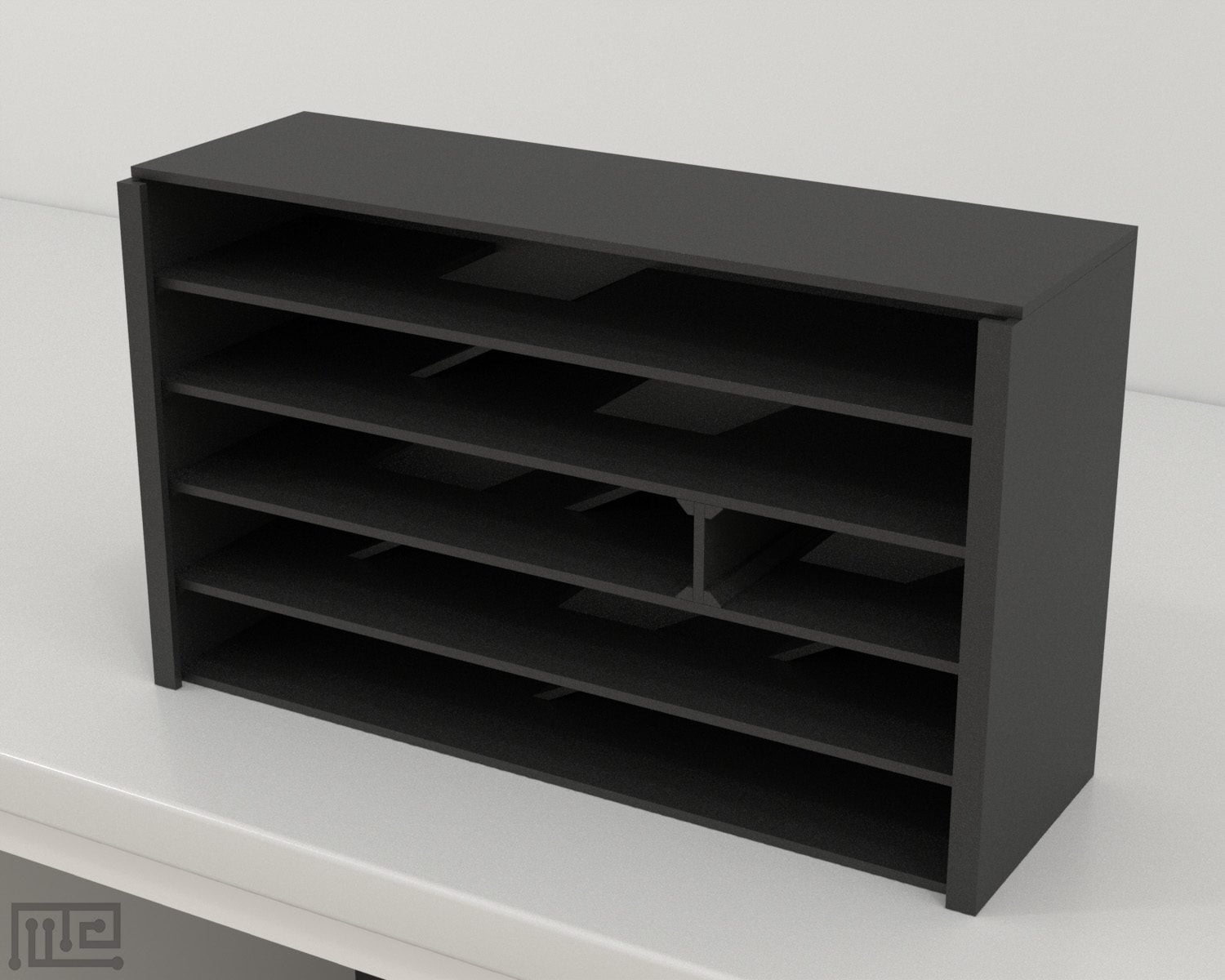
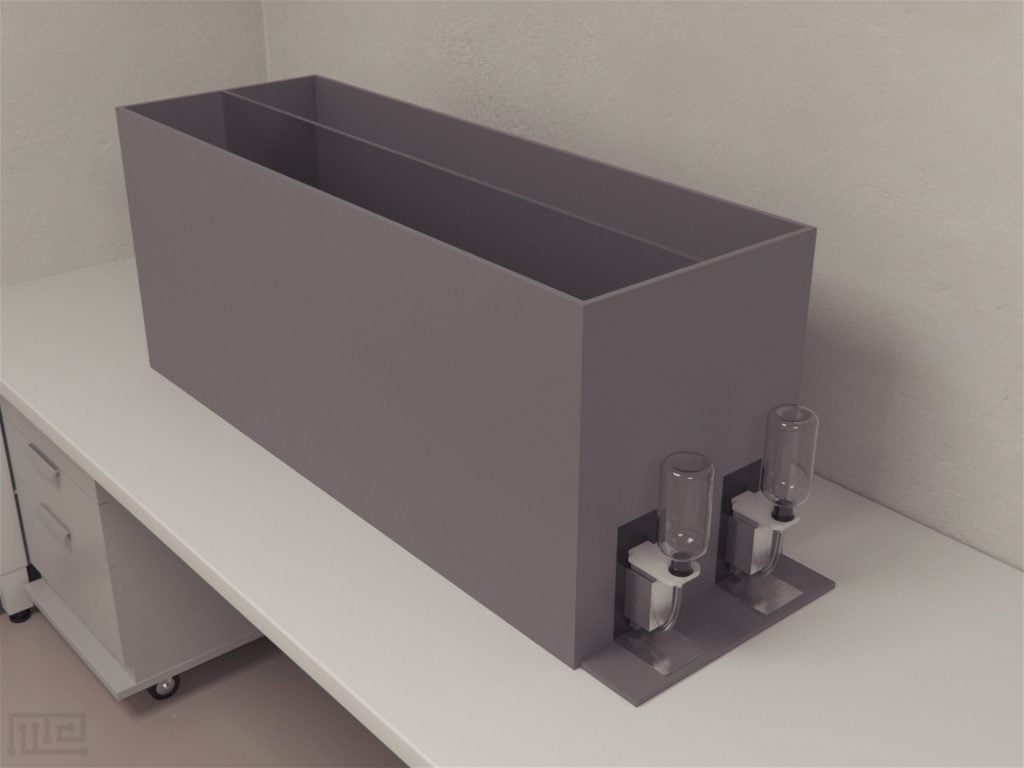
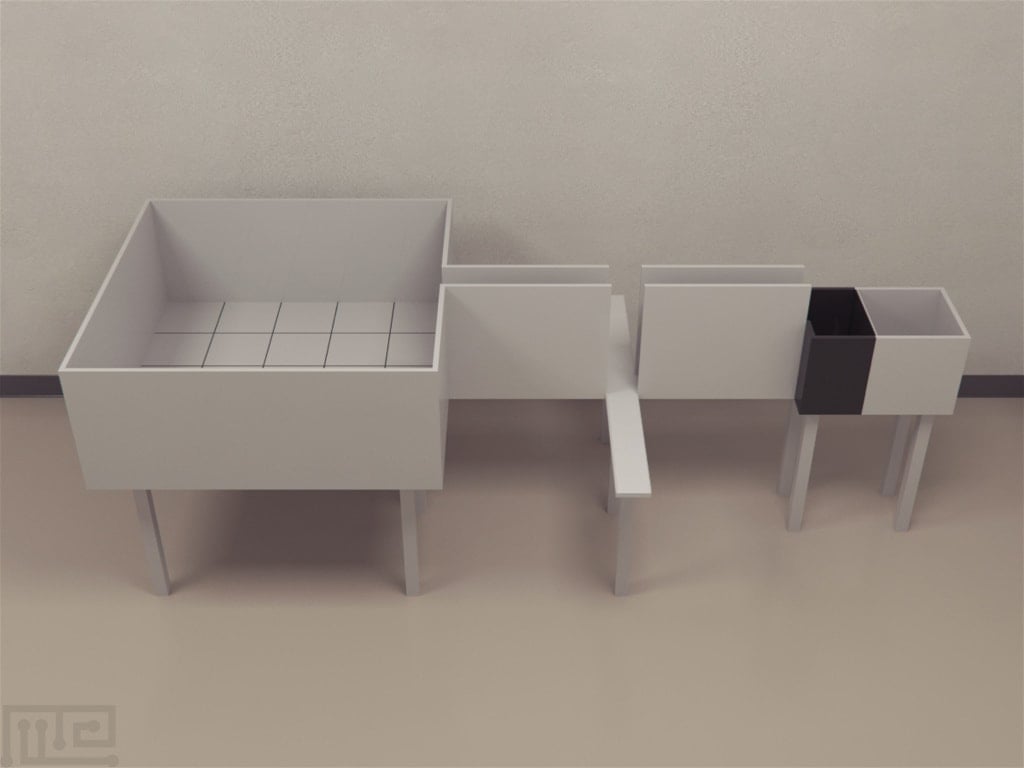
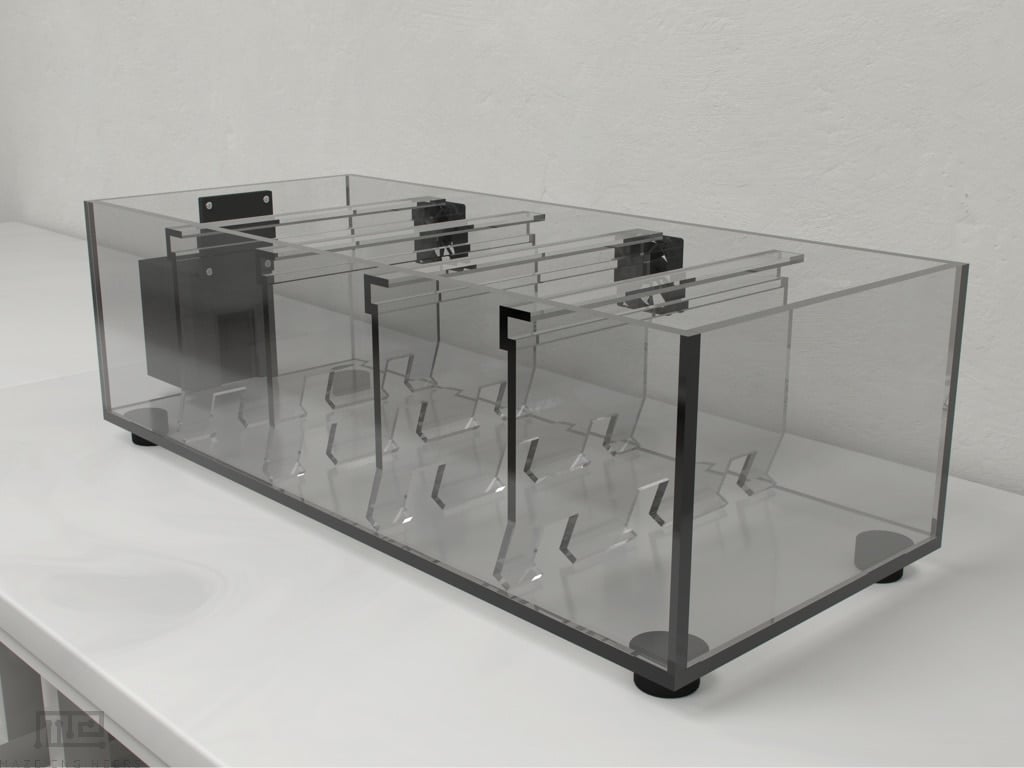
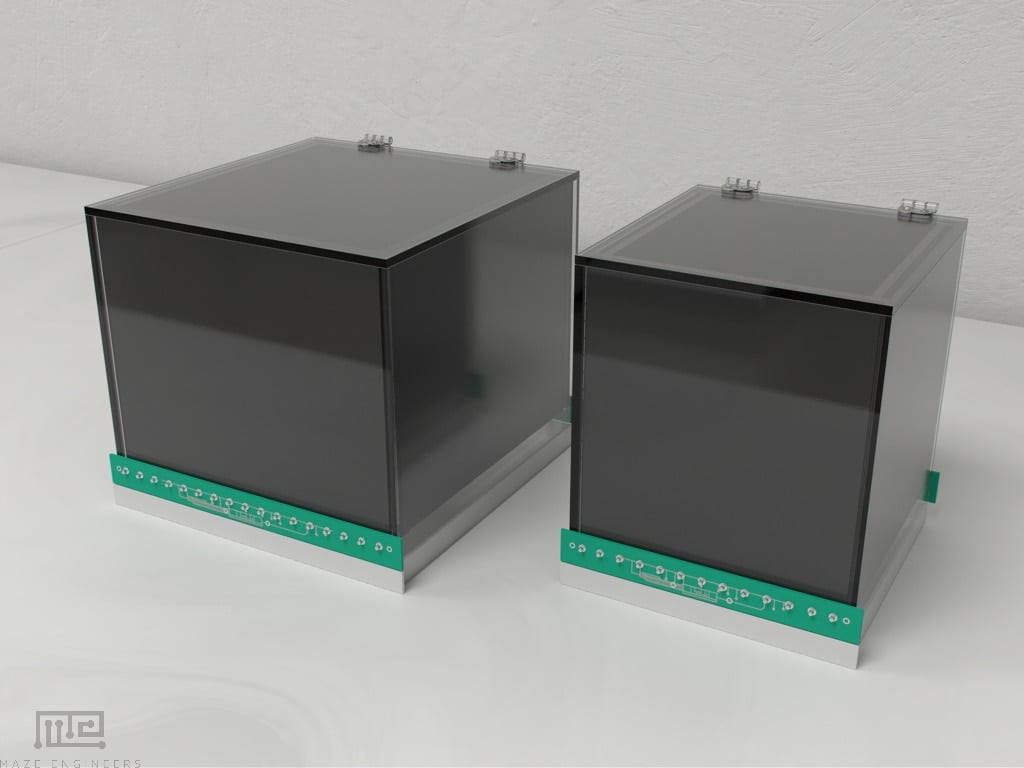
The primary objective of the chamber is to expose rodent subjects to vaporized liquid in a controlled, continuous, and developmentally-timed manner.
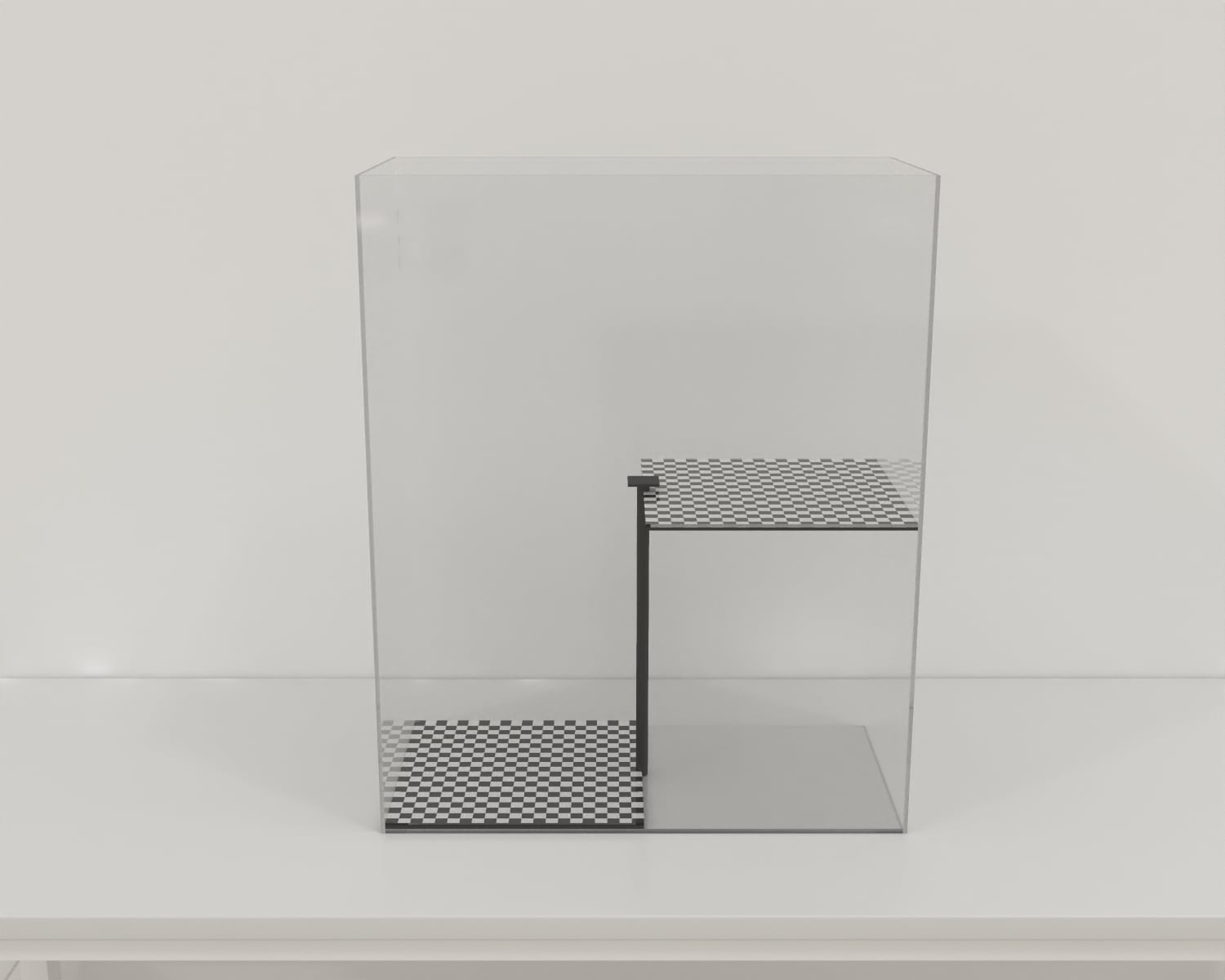
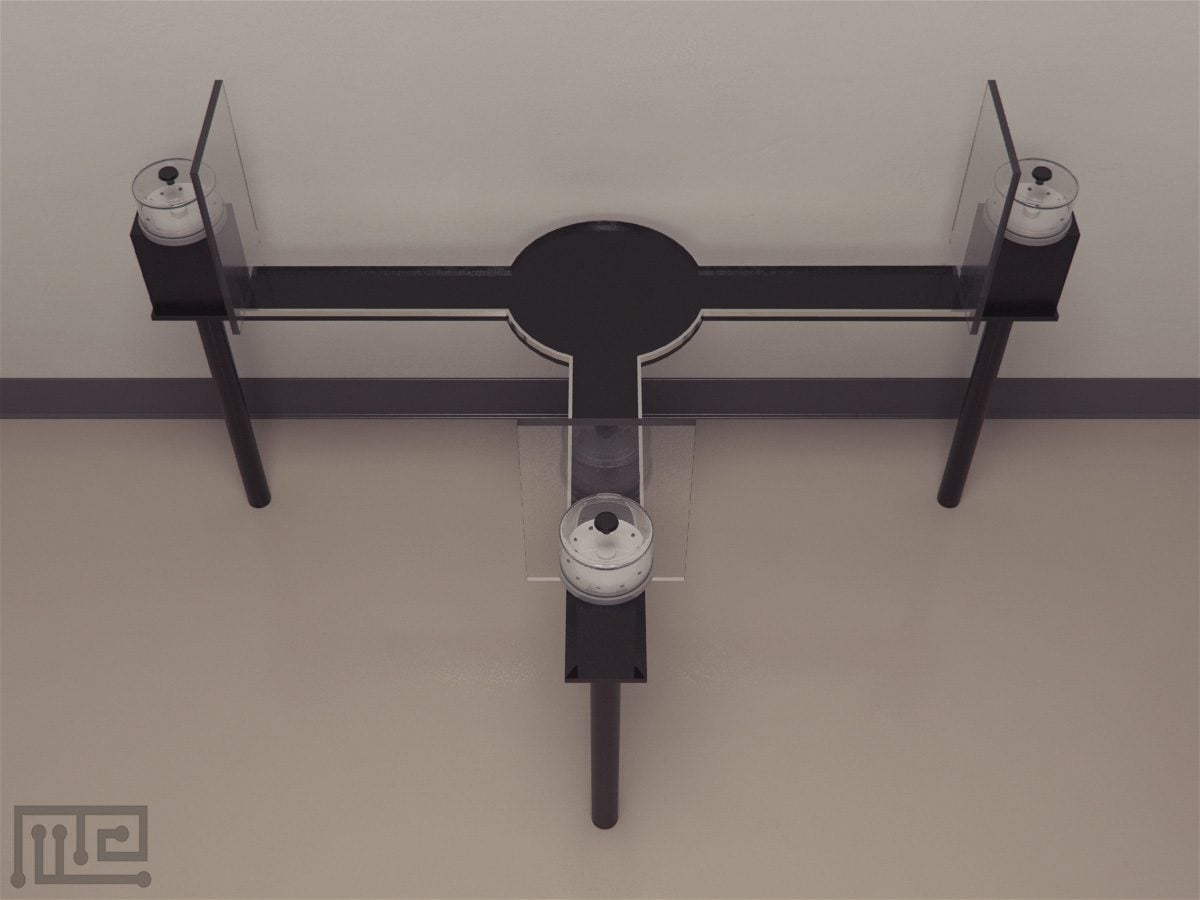
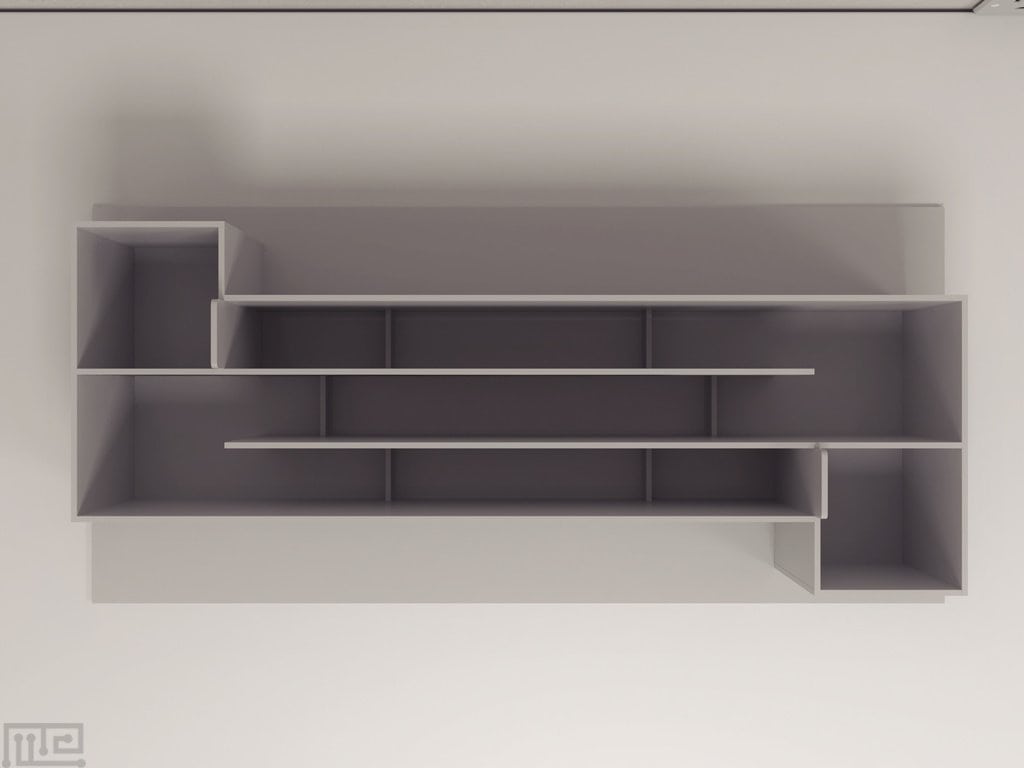
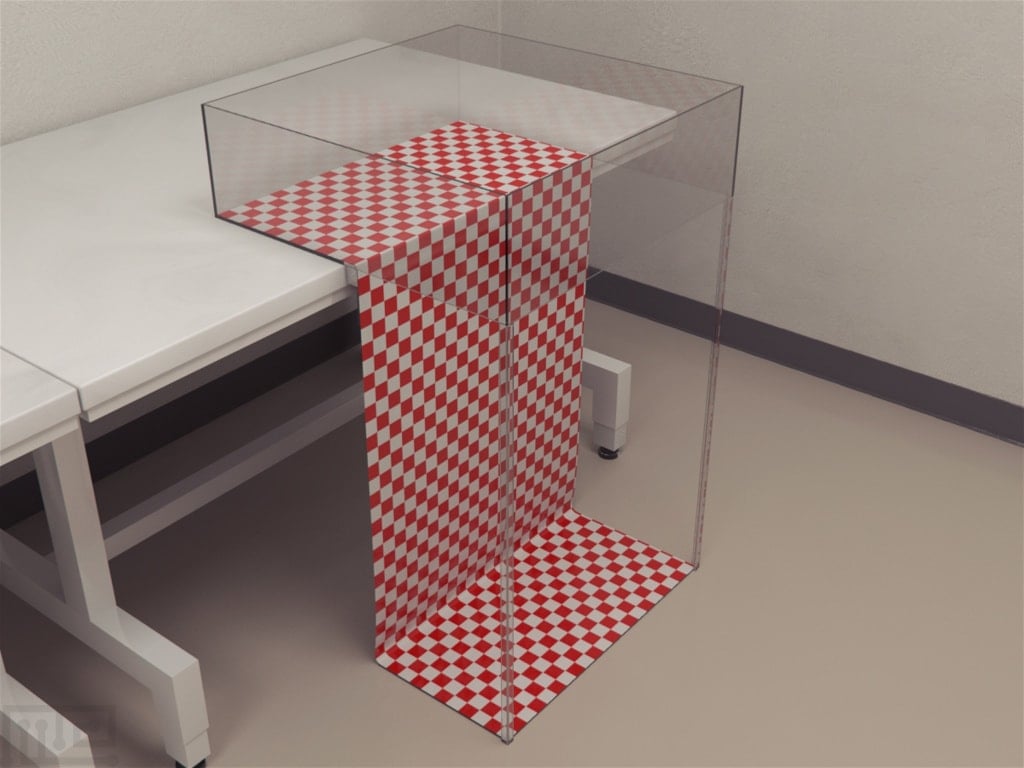
3D Vertical Maze
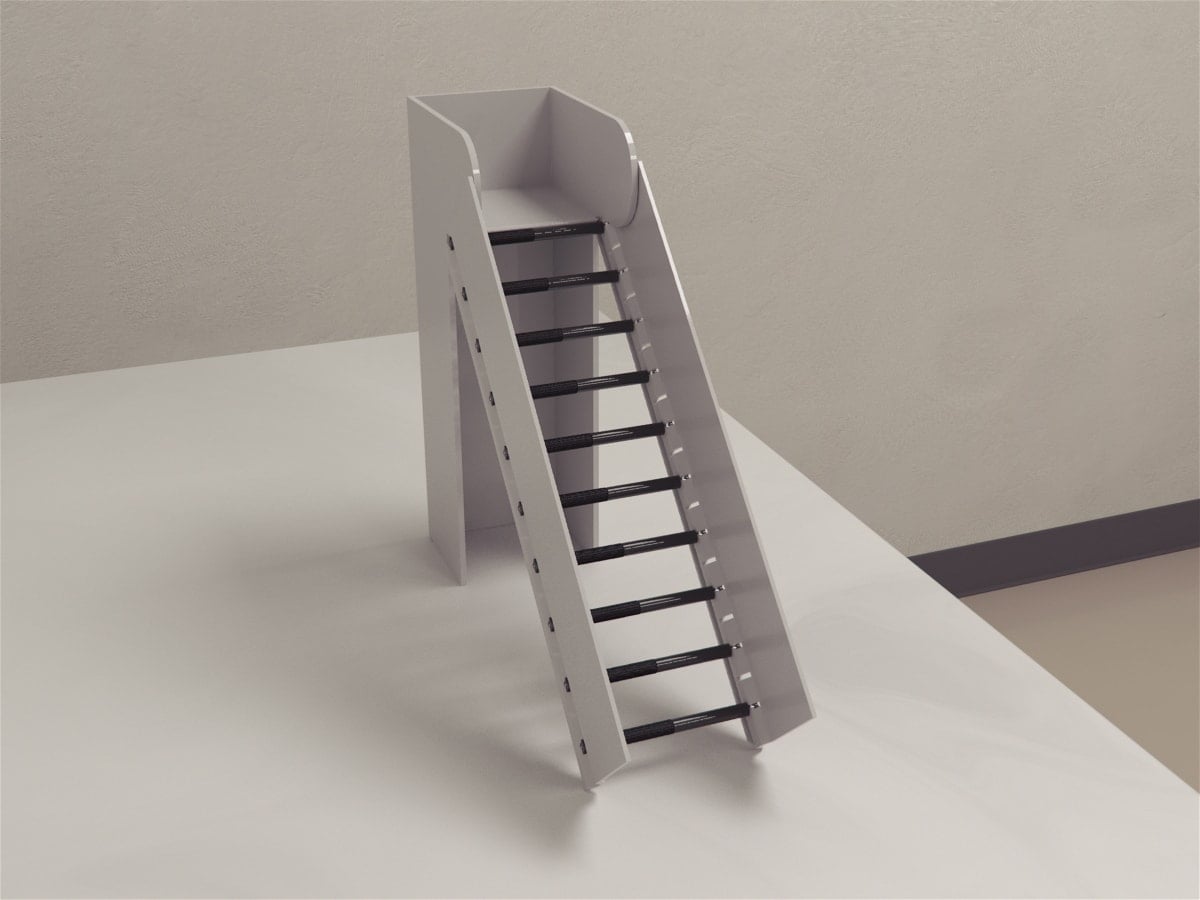
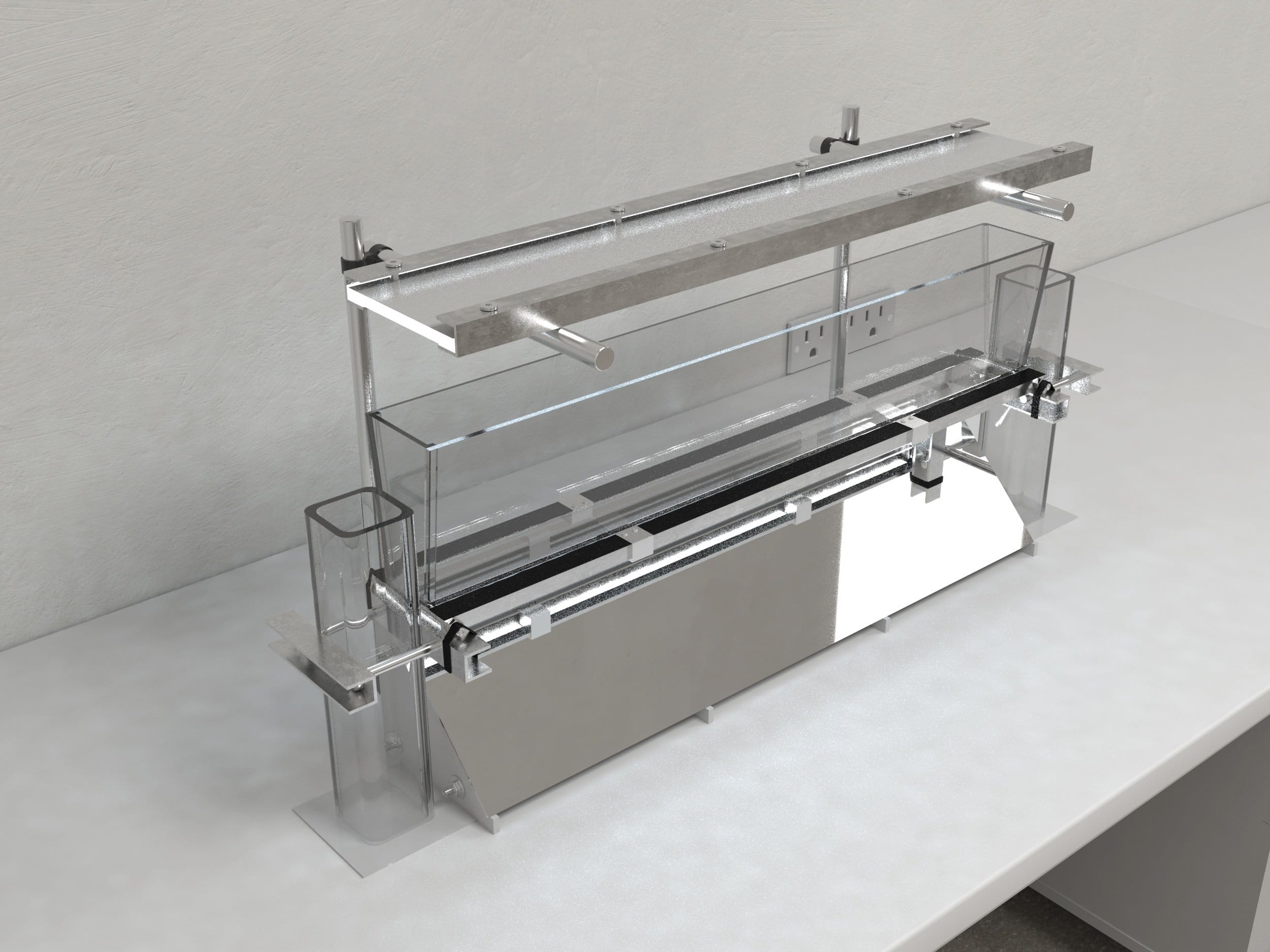
Vertical Maze Overview
Stone T Maze
Development of a water-escape motivated version of the Stone T-maze for mice addresses the challenges in assessing learning and memory in mice using tasks originally designed for rats.
Bussey-Saksida Touch Screen Operant Conditioning Chamber
The Bussey-Saksida Touch Screen Operant Conditioning Chamber is a multi-paradigm device used to study operant conditioning in rodents. It features a large,…
Automated Open Field
The Activity System is an automated system used to observe, record, and analyze rodents’ locomotor and behavioral activity levels.
Two Choice Social Decision Making Task
Developed by Scheggia et al (2022), the Two Choice Social Decision Making Task was used to investigate the role of reciprocal connections between the cortex…
Zebrafish Automated Home Tank
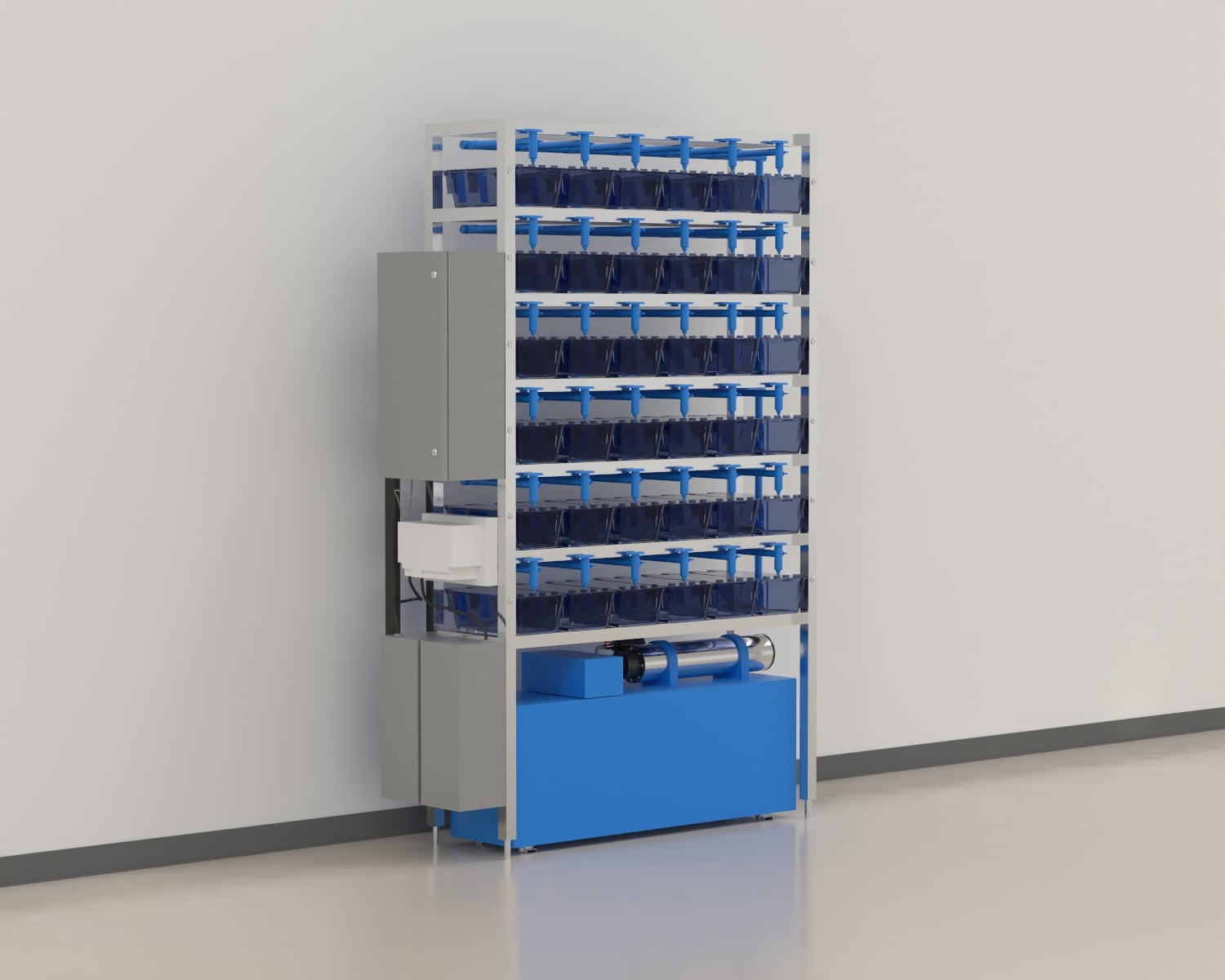
The Maze Engineers Zebrafish Automated Home Tank is an experimental apparatus that allows researchers to study the behavior of zebrafish in a controlled…
Rodent Tremor Monitor
The Maze Engineers rodent tremor monitor system is used to measure the tremors in rodents. Tremors are involuntary, rhythmic muscle contractions that can be…
Operant Conditioning
See our images of the various configurations and accessories available for the Operant chamber
Metabolic Measurement System
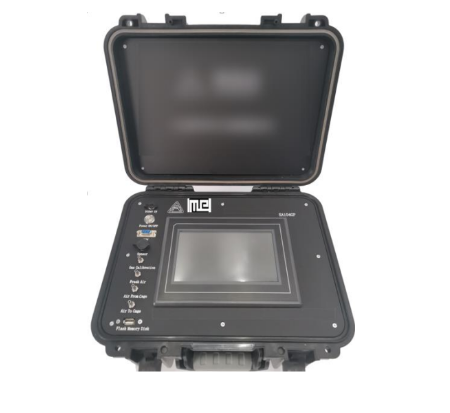
Maze Engineers Metabolism Measurement System is multi-purpose, portable, easy-to-operate, with high precision and high resolution, and a large data storage…
Radio Frequency Identification (RFID) Rodent Tag Scanner
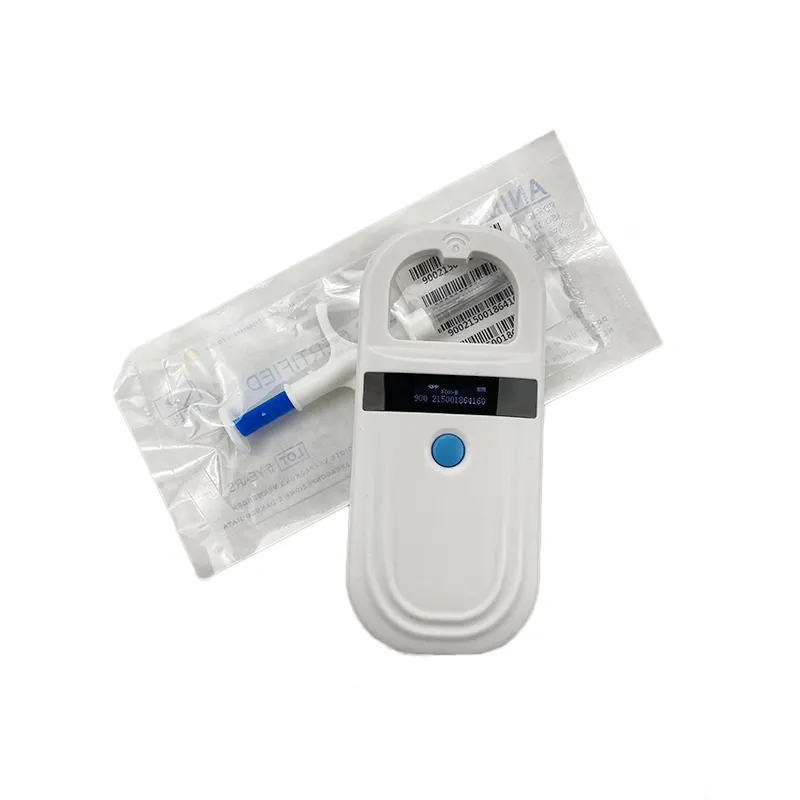
Simple to operate, the Radio Frequency Identification (RFID) Rodent Tag system offers a low frequency scanner with wireless identification technology…
Rodent Head-Fixation System
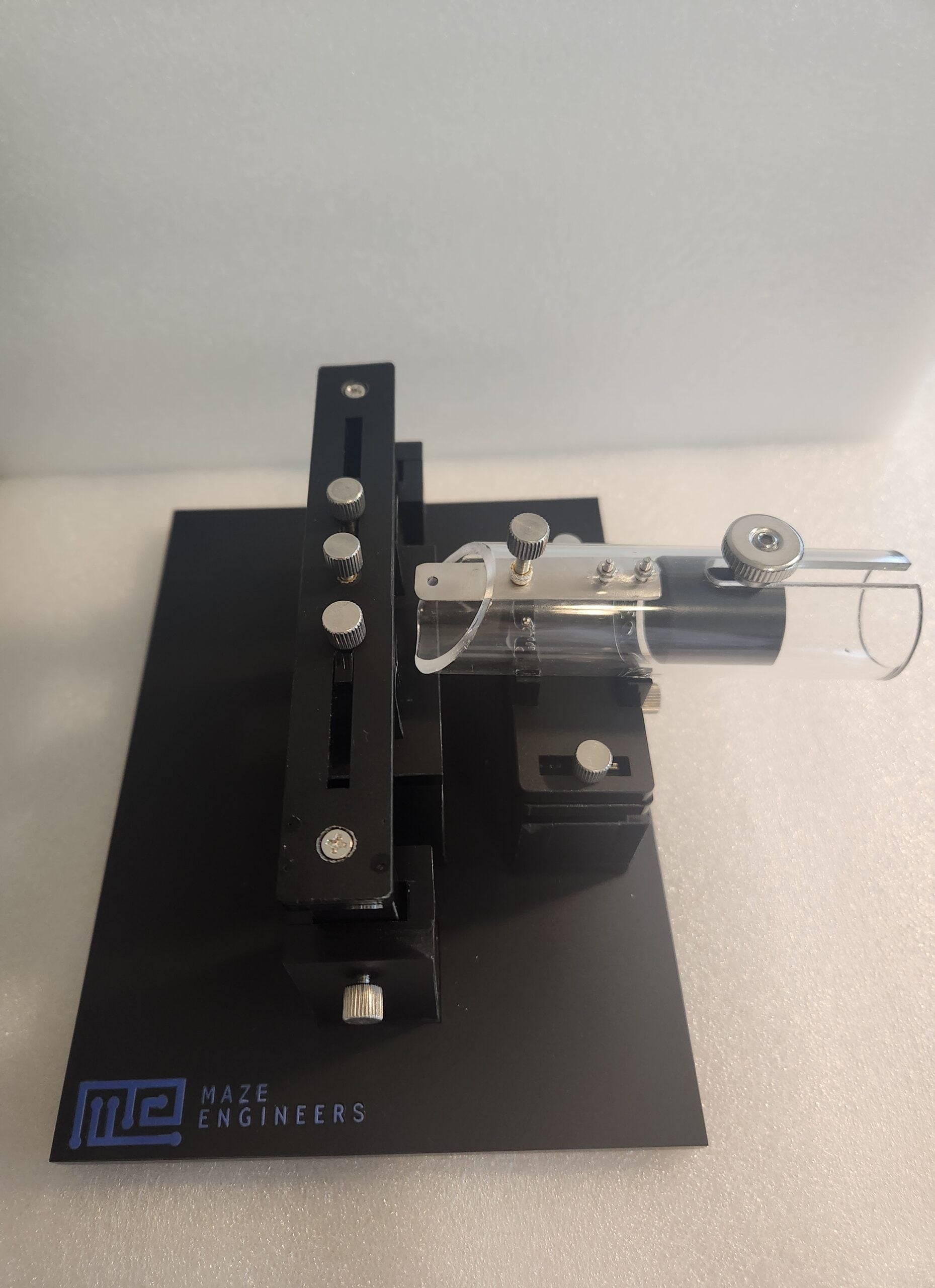
The Maze Engineers Head fixation system is utilized in neurobiological research settings to stabilize mouse head movements across various behavioral…
Rodent Trident Maze
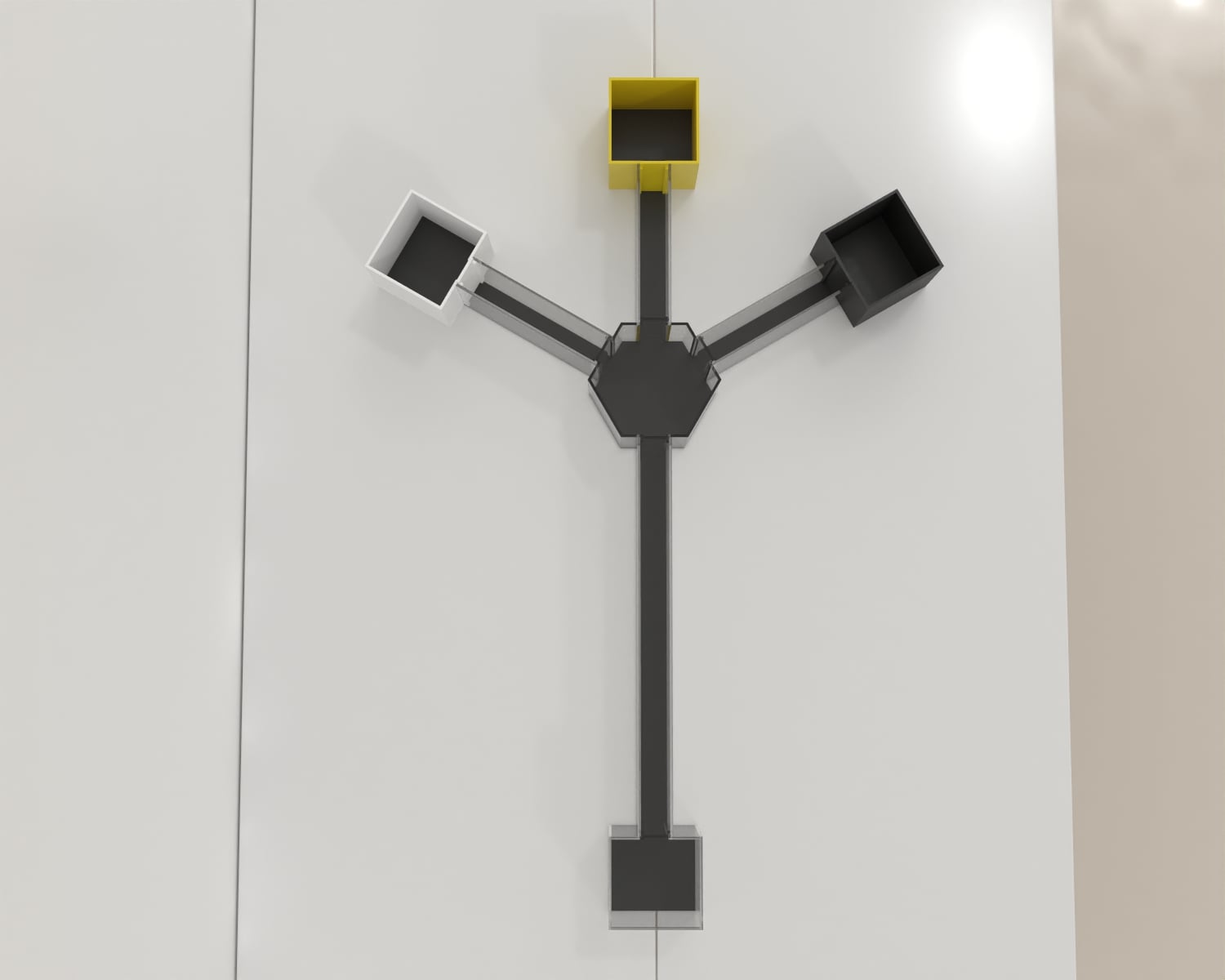
Developed by Kennedy and Shapiro, the Rodent Trident Maze was used to investigate how motivation and memory interact to guide adaptive behaviors. The…
Three Choice Serial Reaction Time Task (3CSRTT)
Developed by Hauser et al the Three Choice Serial Reaction Time Task (3CSRTT) is a variation of the Five Choice Serial Reaction Time Task (5CSRTT) which is…
Rodent Dual Reward-Place Association Task
Developed by Michon et al, the Rodent Dual Reward-Place Association Task was created to explore the formation and transformation of memories into long-lasting…
Rowed Cheeseboard Maze
Developed as a variant between the Radial arm, Dry Morris Water, and Cheeseboard mazes, the rowed Cheeseboard uses food rewards to investigate both spatial…
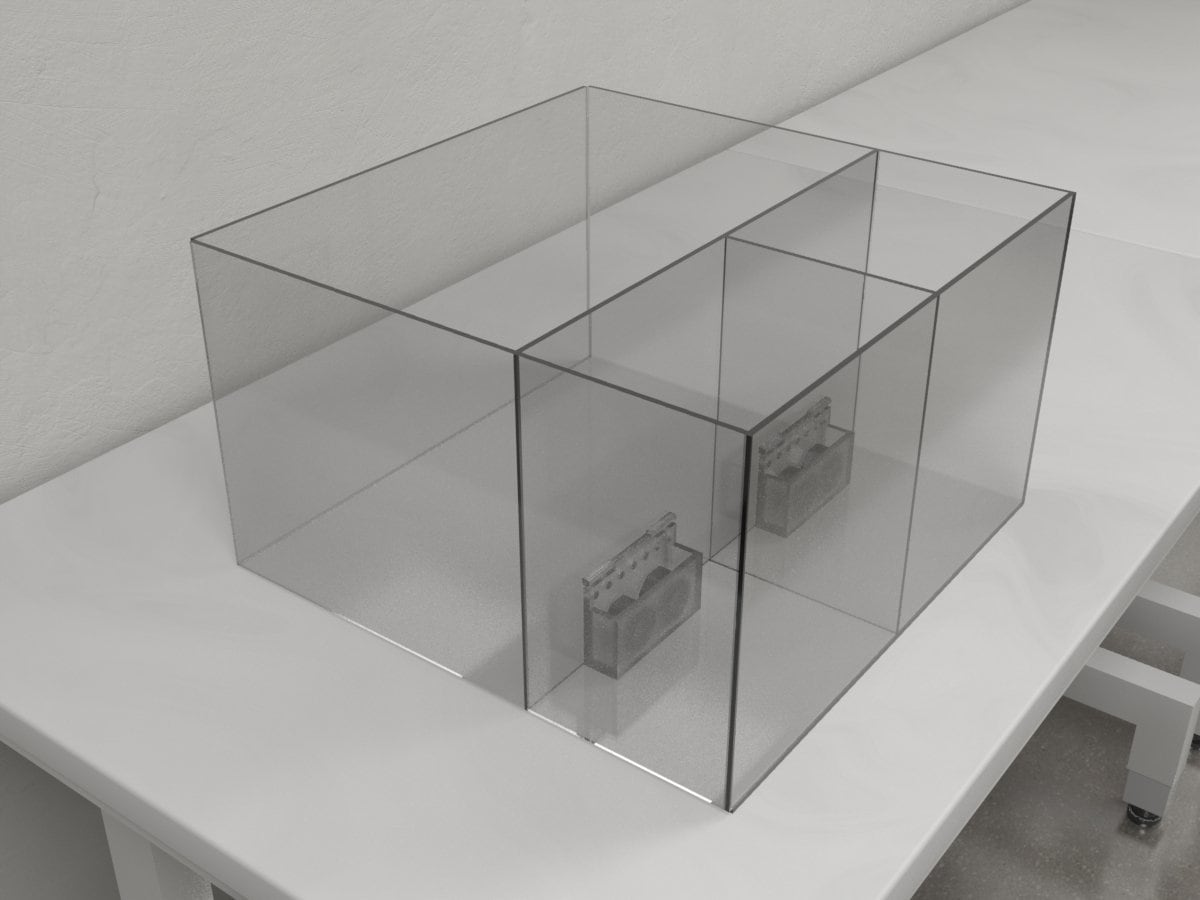
Octopus Three-Chambered Social Apparatus
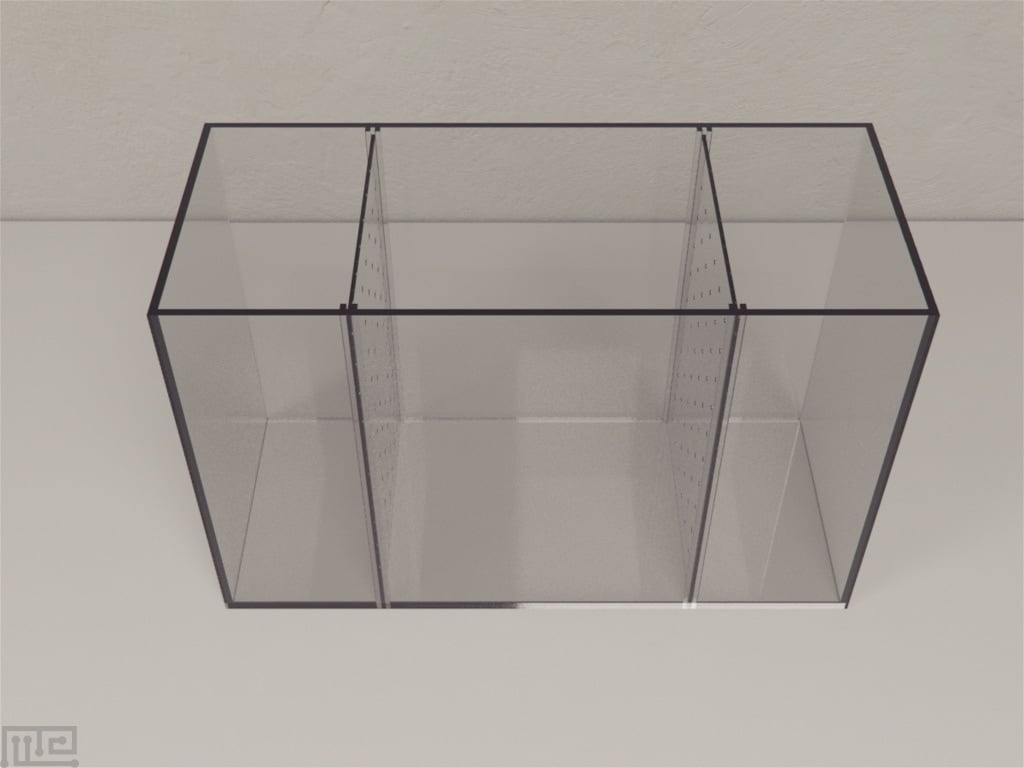
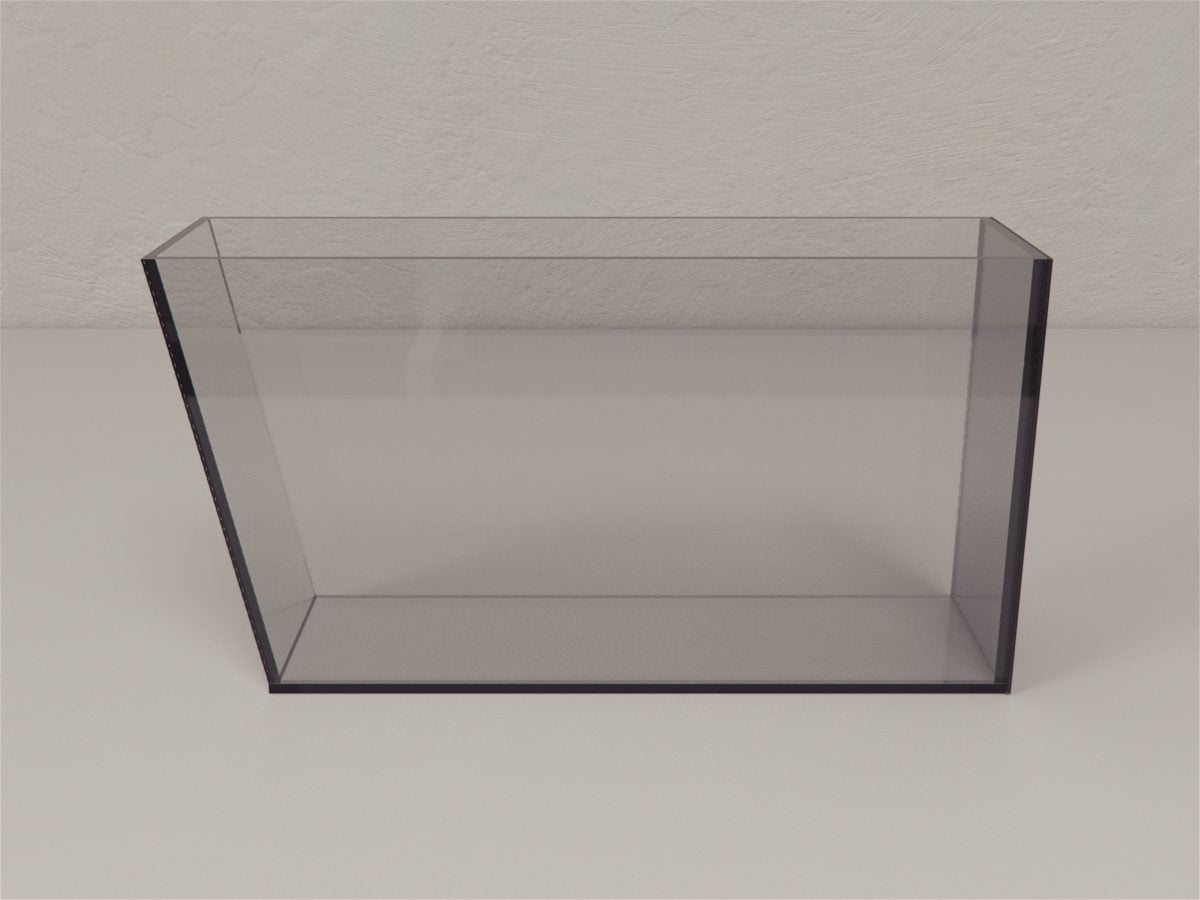
Developed by Edsinger and Dölen (2018, the octopus three-chambered social apparatus is used to study social behavior in octopus. It consists of a glass…
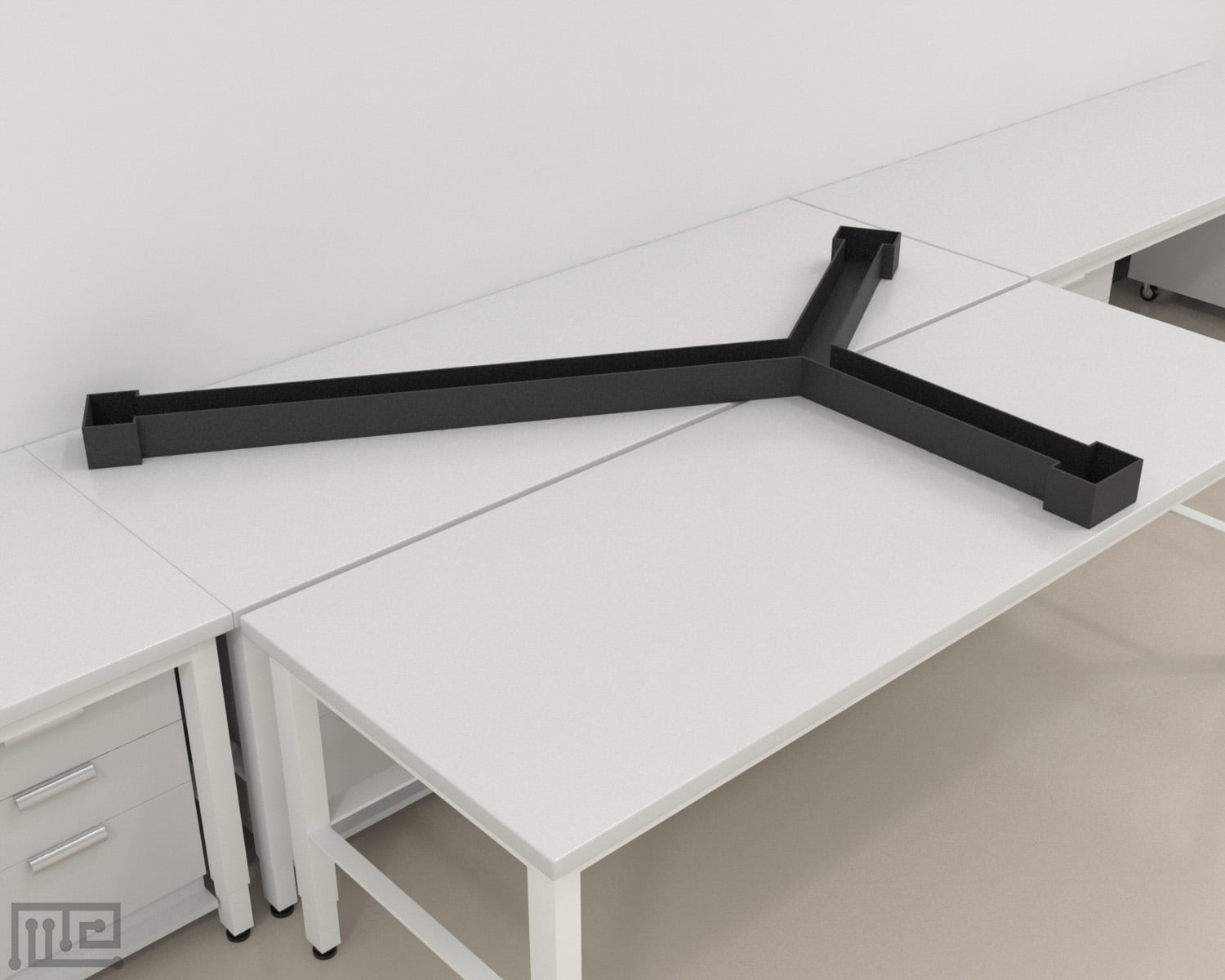
Concatenated Rodent Y-Maze
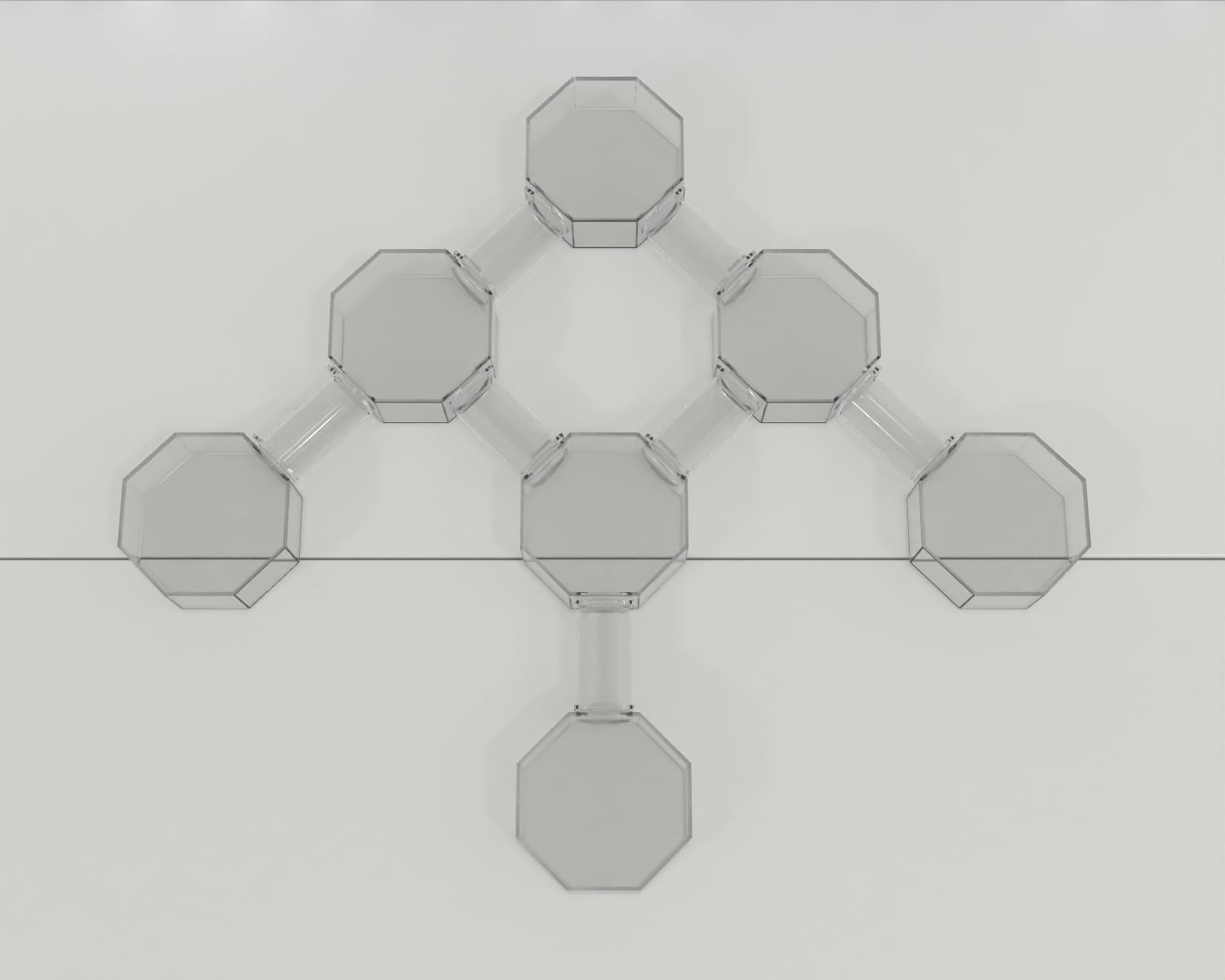
Developed by Ainge, Tamosiunaite, Woergoetter, and Dudchenko (2007), the Concatenated Y-Maze is a branching Y-Maze used to observe choice behaviors and spatial…
Y/T Rodent Maze
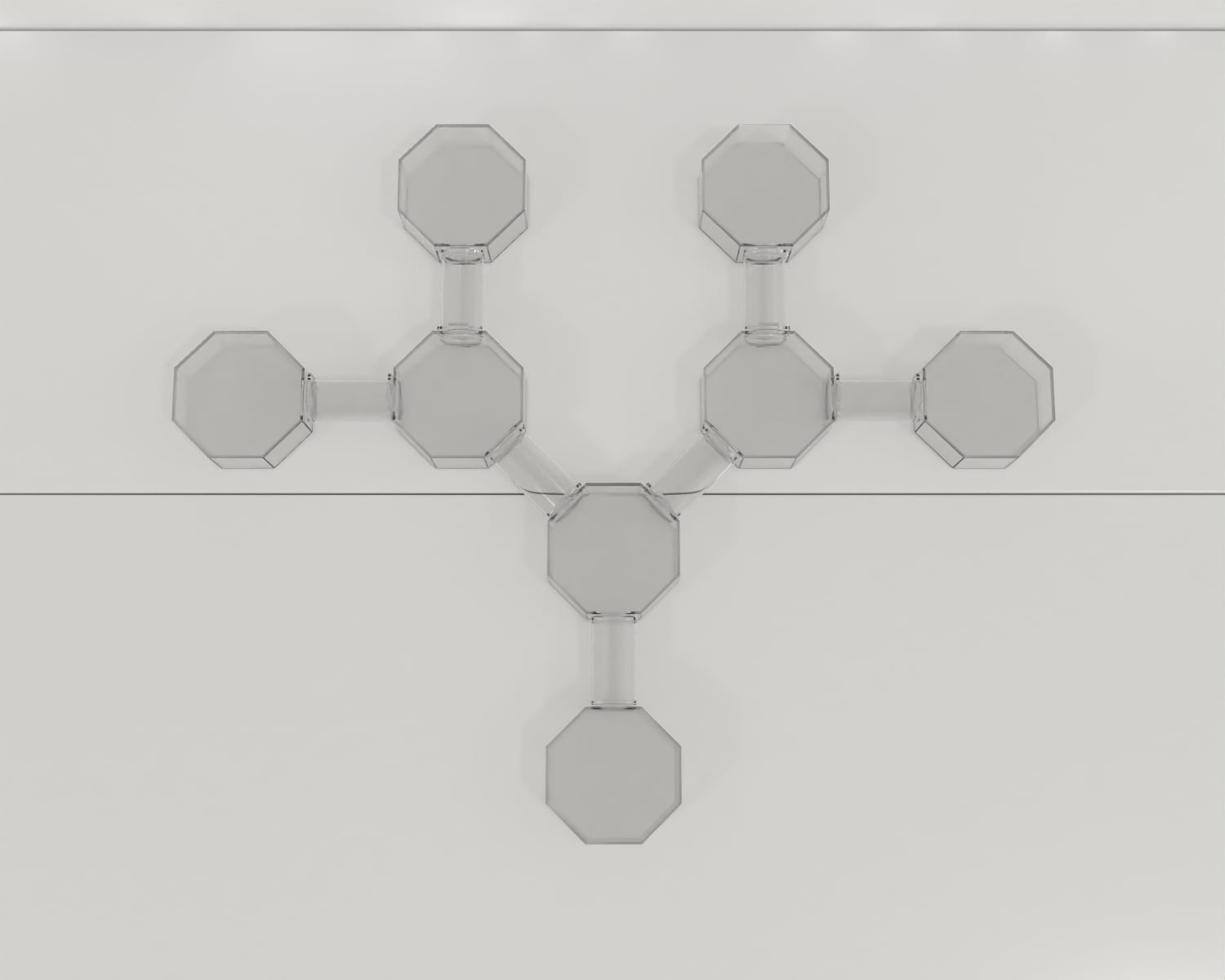
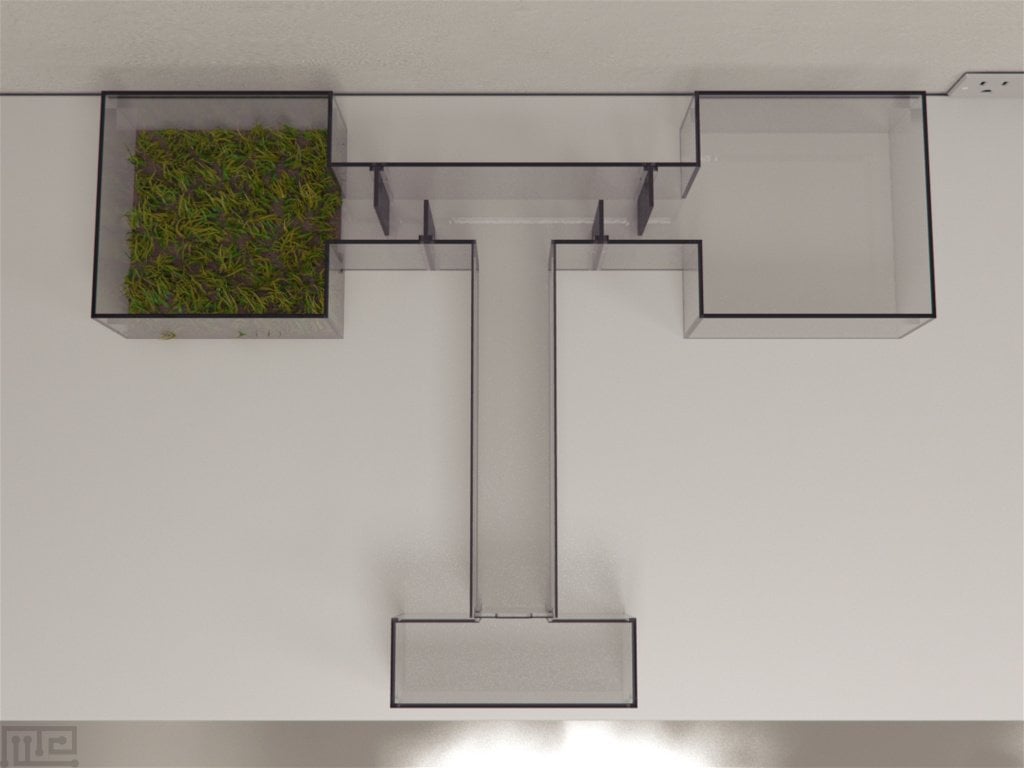
Developed by Grieves, Wood, & Dudchenko, 2016, the Y/T Rodent Maze is used to study spatial navigation in rodents. It contains a start box, three-goal boxes,…
Rodent Olfactory Exploration Box
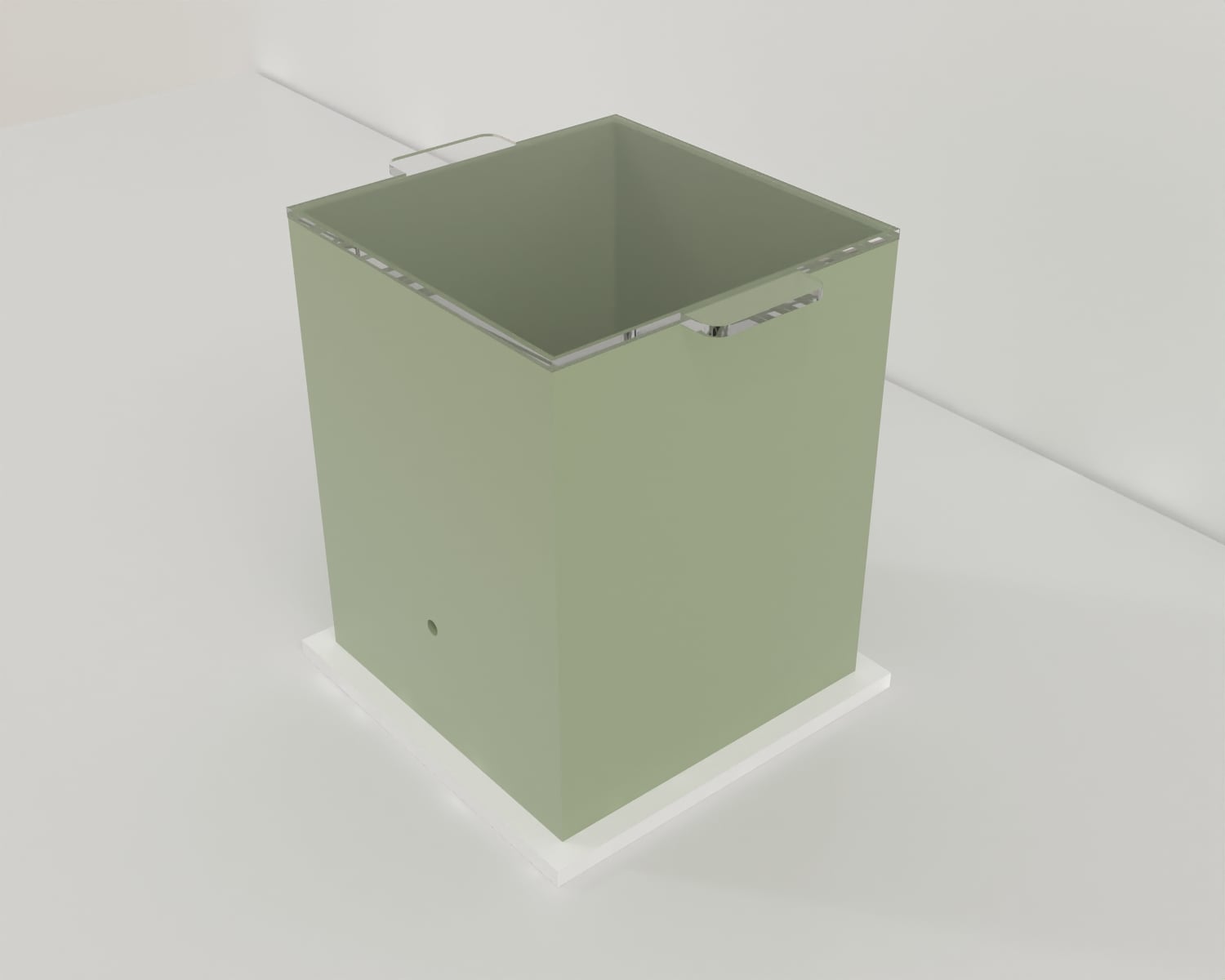
The Rodent Olfactory Exploration Box is employed to evaluate rodents’ ability to identify and discriminate between different odors. The box comprises solid…
Rodent OX Maze
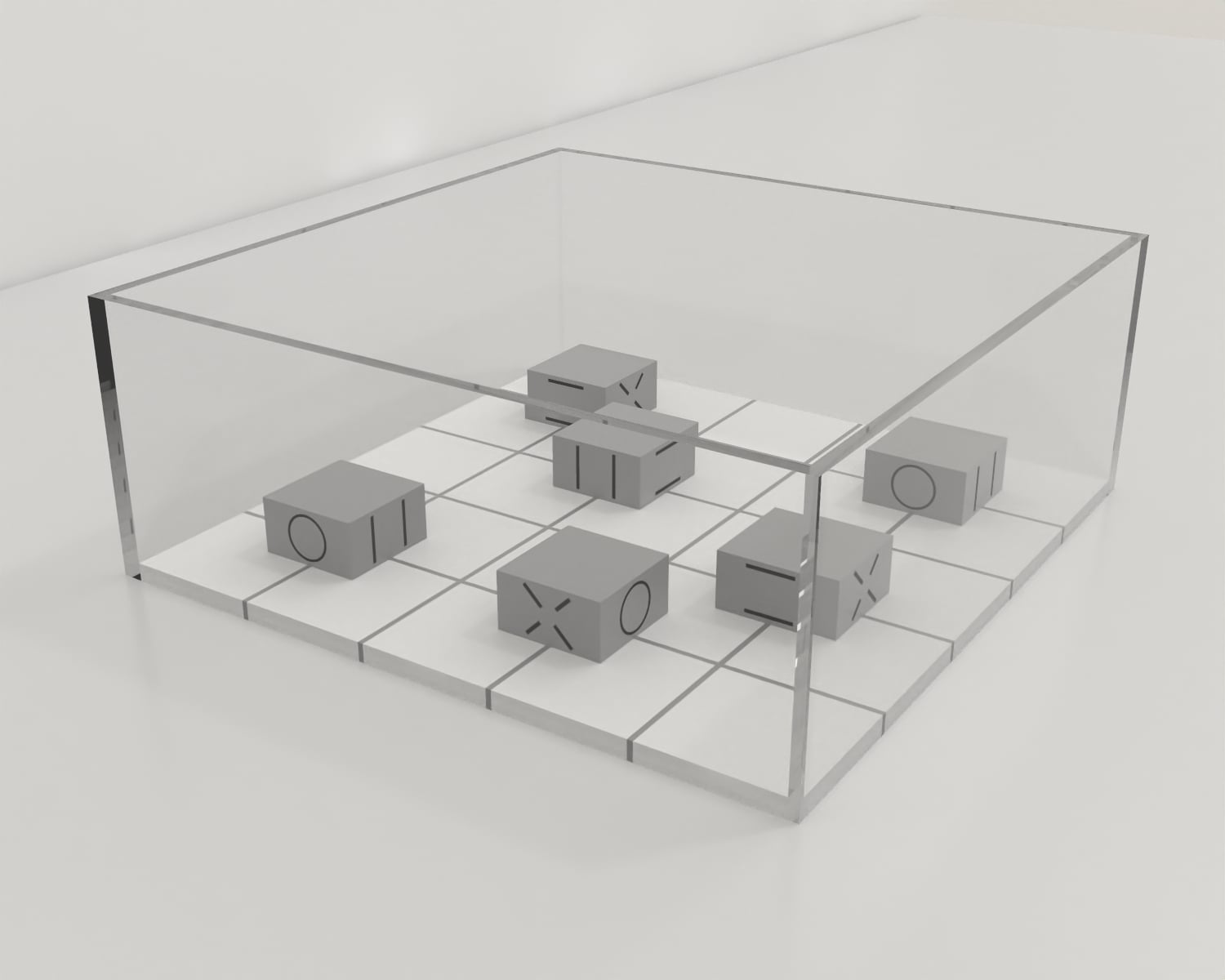
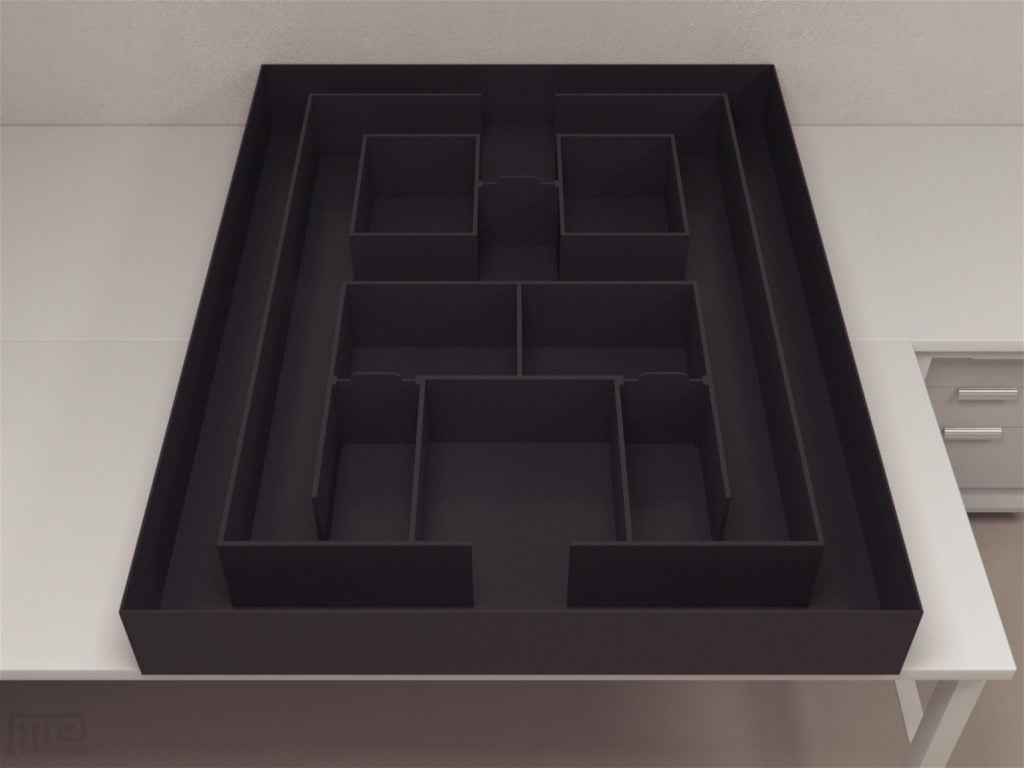
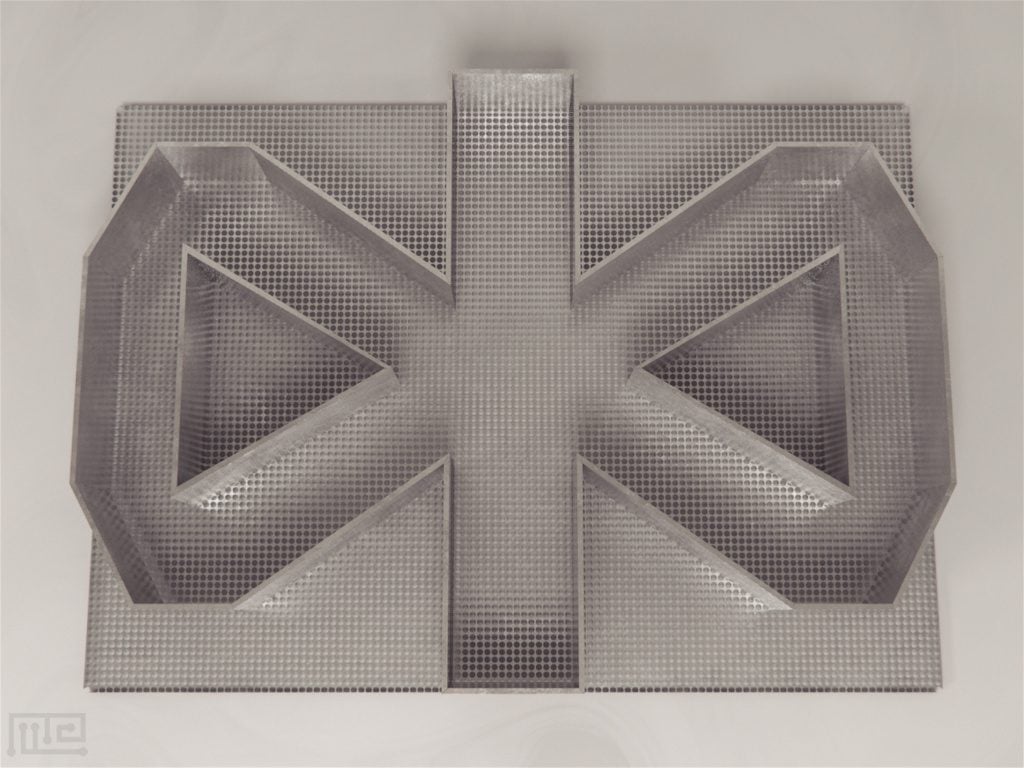
Developed by Wood, Glynn, and Morton, the Rodent OX-Maze is used to assess learning and memory in rodents. It gets its name from the ‘O’ and ‘X’ symbols drawn…
Rodent Open Topped Apparatus
The Open Topped Apparatus is a modified version of the Light/Dark Box used to study anxiety-related behaviors in rodents. It includes a chamber divided into…
Split T Maze
The Split T-Maze was originally invented by Markowska and Savonenko (2002) as an adaptation of the standard rodent T-Maze used to assess spatial learning and…
Narrow Elevated Path Maze
The Narrow Elevated Path Maze is used to study spatial learning and memory in rodents.
Blocked Elevated maze
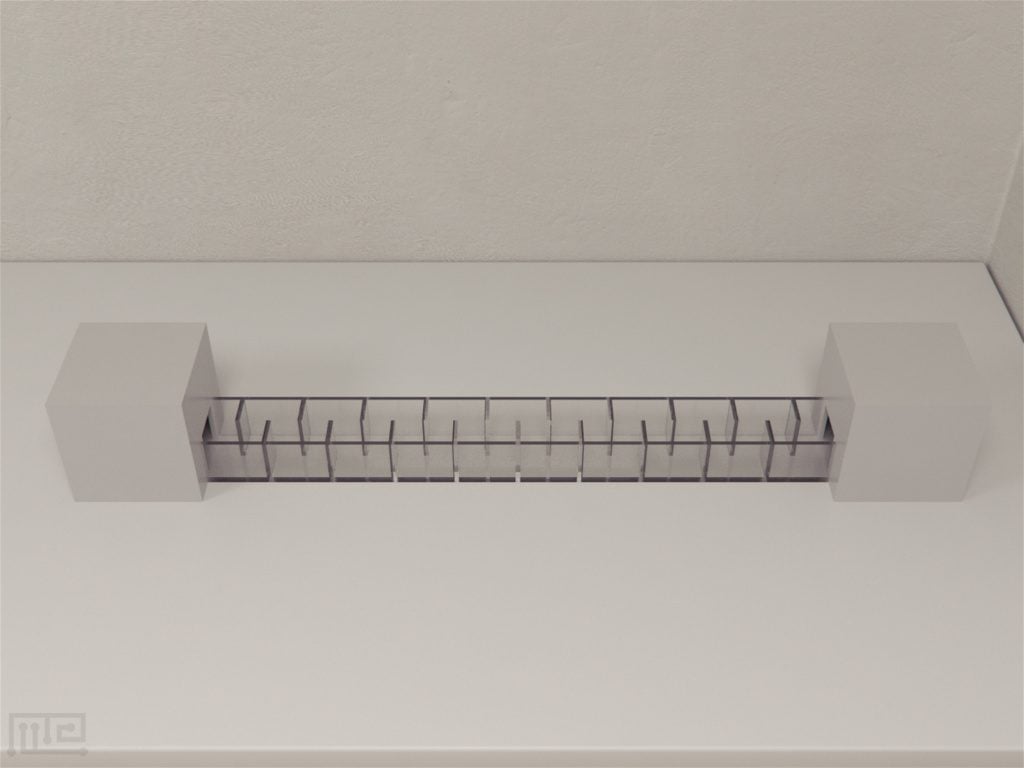
The Blocked Elevated Maze is an adaptation of the standard rodent T-Maze and the Elevated Plus Maze and comprises several elevated blocks arranged in a multiple T zigzag pattern.
Automated Skilled Forelimb
The original skilled forelimb reach task was originally invented to assess motor assessment in rodents. Rodents are required to reach through a gap and grasp a…
Modified Oasis Maze
The Modified Oasis Maze is a type of water maze that is used in behavioral studies of rodents, particularly mice.
Sleep Deprivation Chamber
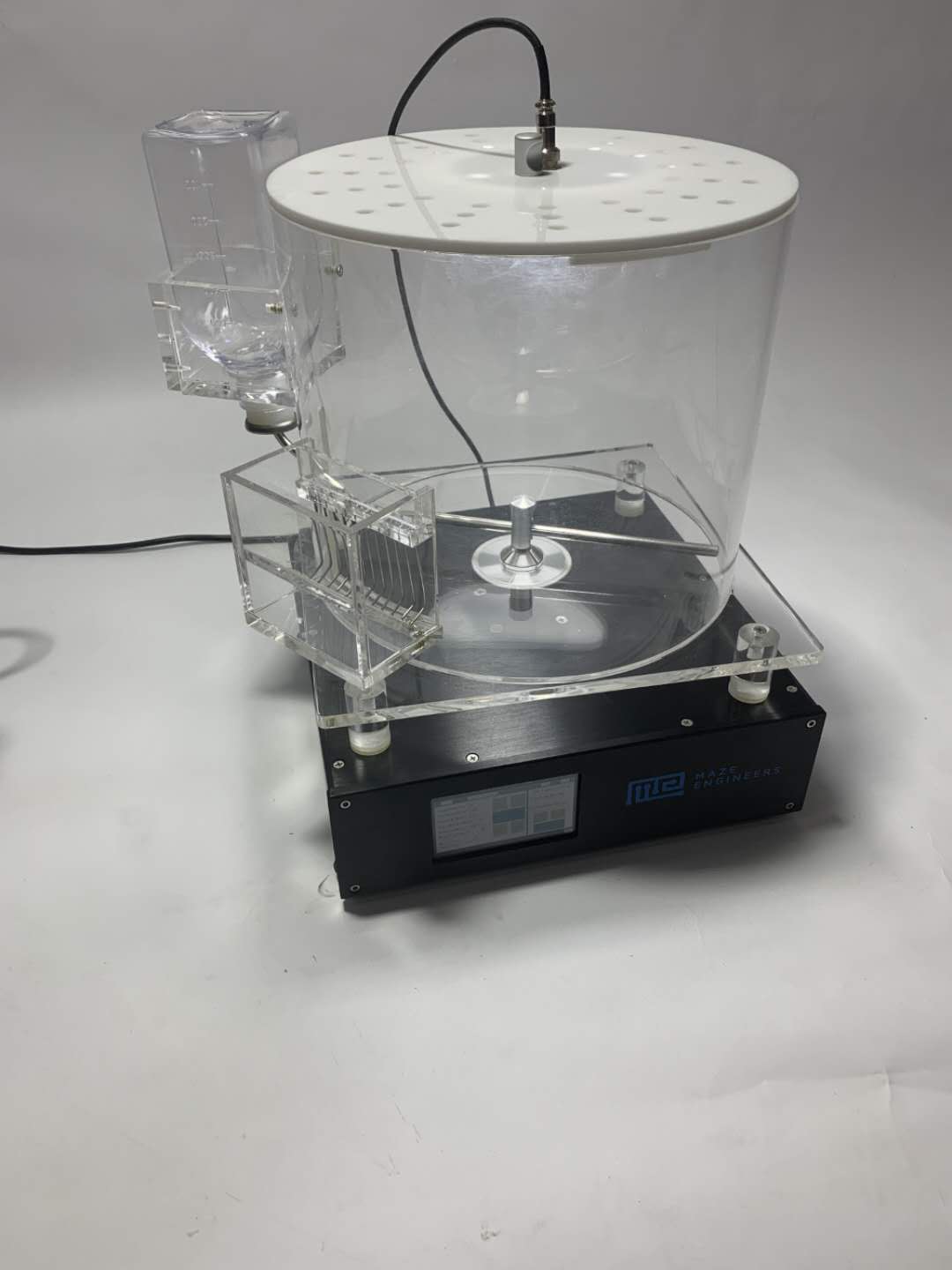
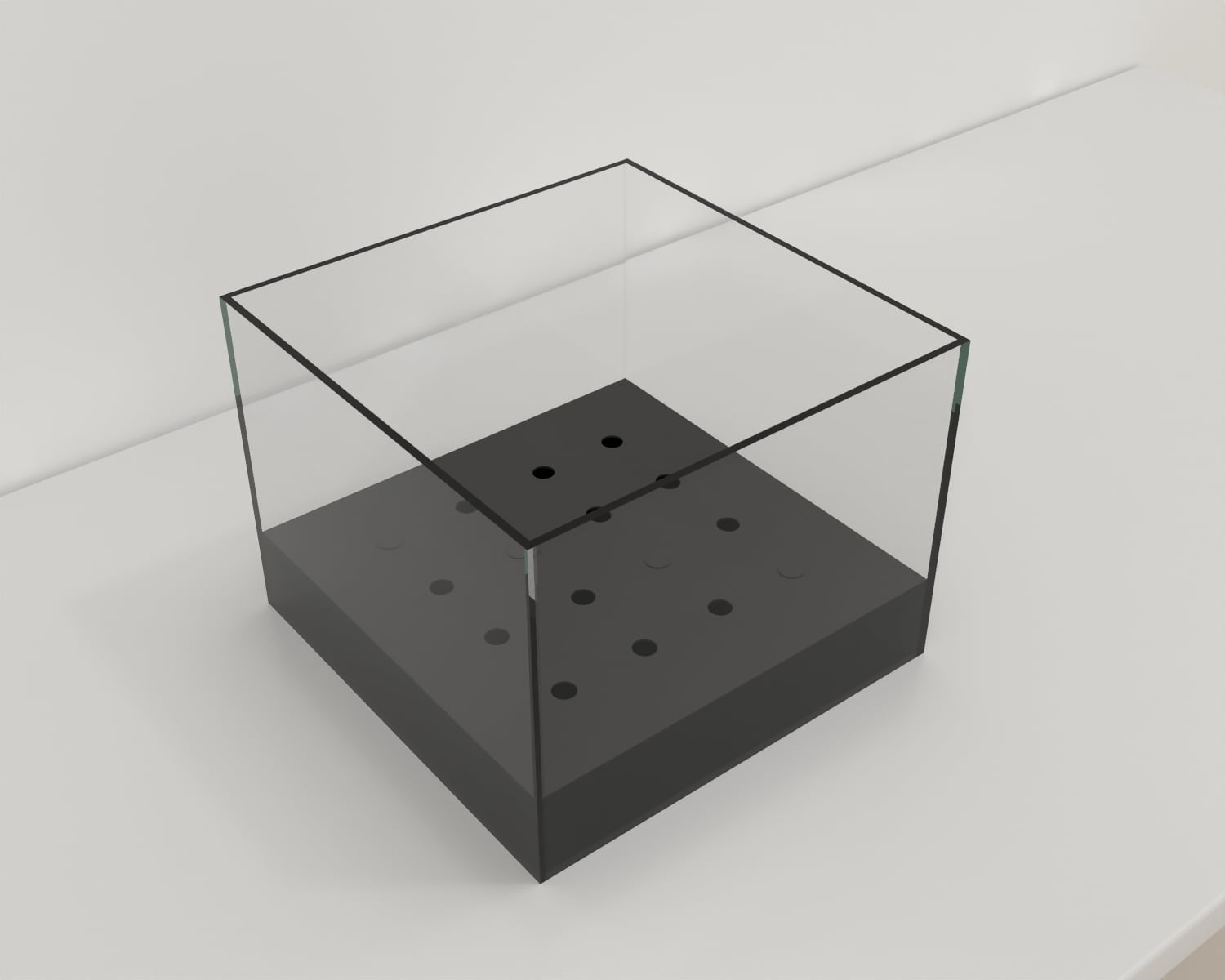
The Sleep Deprivation Chamber prevents REM sleep in rodents to explore sleep deprivation and associated behaviors
Neuwirth Hole Board Test™
Hole Board Documentation Learn More
Modified Flex Maze
Our Flex Maze gives the opportunity to create environments that challenge the spatial learning memory.
Neuwirth-Brown™ Attention Set-shift Test (ASST)
Neuwirth-Brown™ Attention Set-shift Test (ASST) Documentation Learn More
U Shaped 2 Choice Field
The U Shaped 2 Choice Field was used in an experiment to read out behavioral states of sociability in rodents. Learn more about it here.
Narrow Beam Apparatus
The narrow beam test examines the ability of a rat to cross a narrow, elevated beam of wood or other material.
Linear Maze
The Linear Maze was used to explore the neural basis of local enhancement effect of social observation in obtaining useful knowledge in rats.
Chronic Social Defeat Stress Test
The Chronic Social Defeat Stress cage setup was used for testing depression in mice using a chronic social defeat stress model. Learn more.
Inclined Plane Maze
The Inclined Plane Maze was used to determine the effect of different environments during infancy on adult behavior in the rat. Learn more about it here.
Rodent Tilt Apparatus
Rats Tilt Apparatus was used to test the relationship between the tilt of a visual field and the deviation of body position from the vertical in rats. Learn more here.
Suspended T-Maze
The suspended T-maze is a behavioral test used to assess spatial learning and memory in small rodents.
Cheeseboard Maze
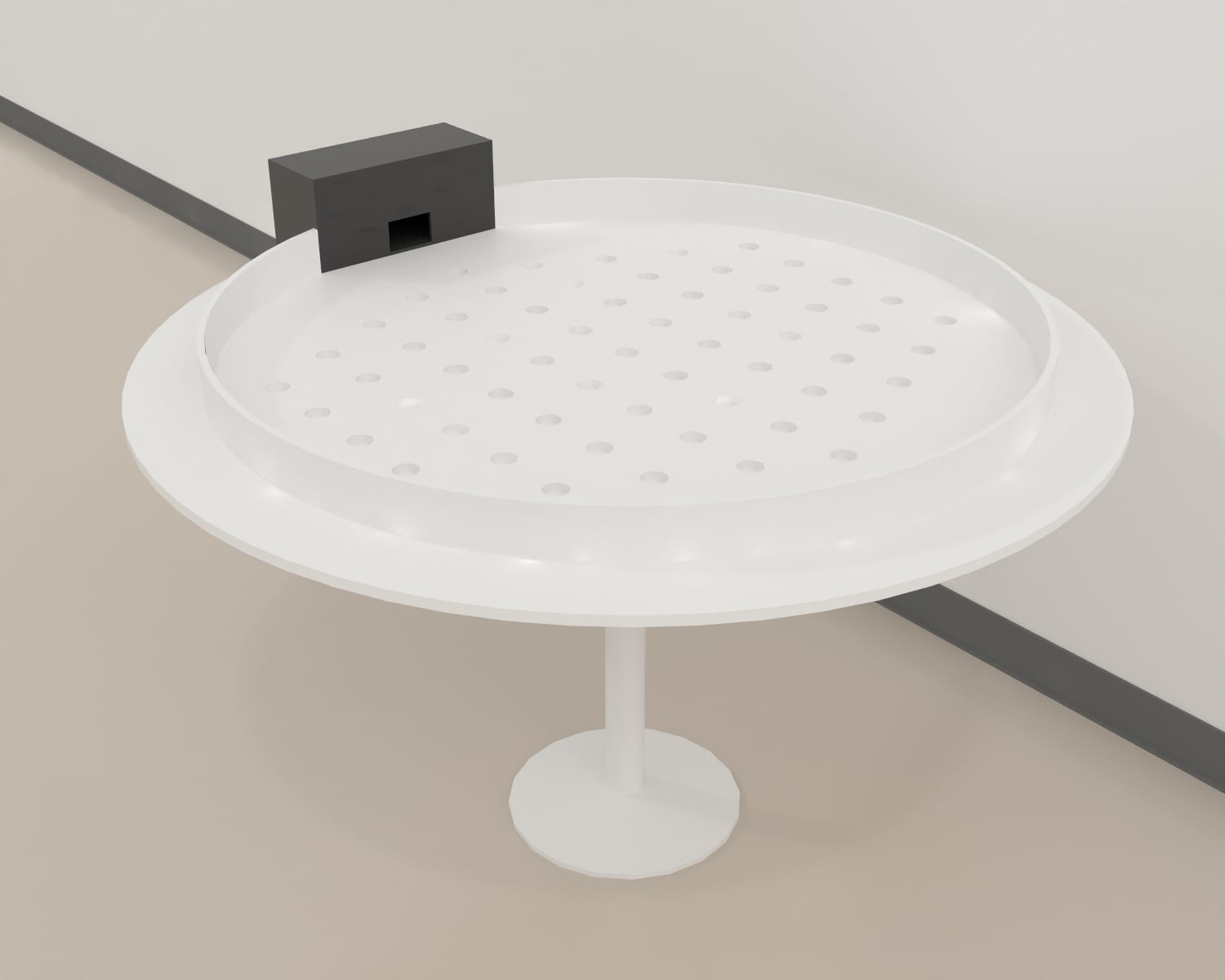
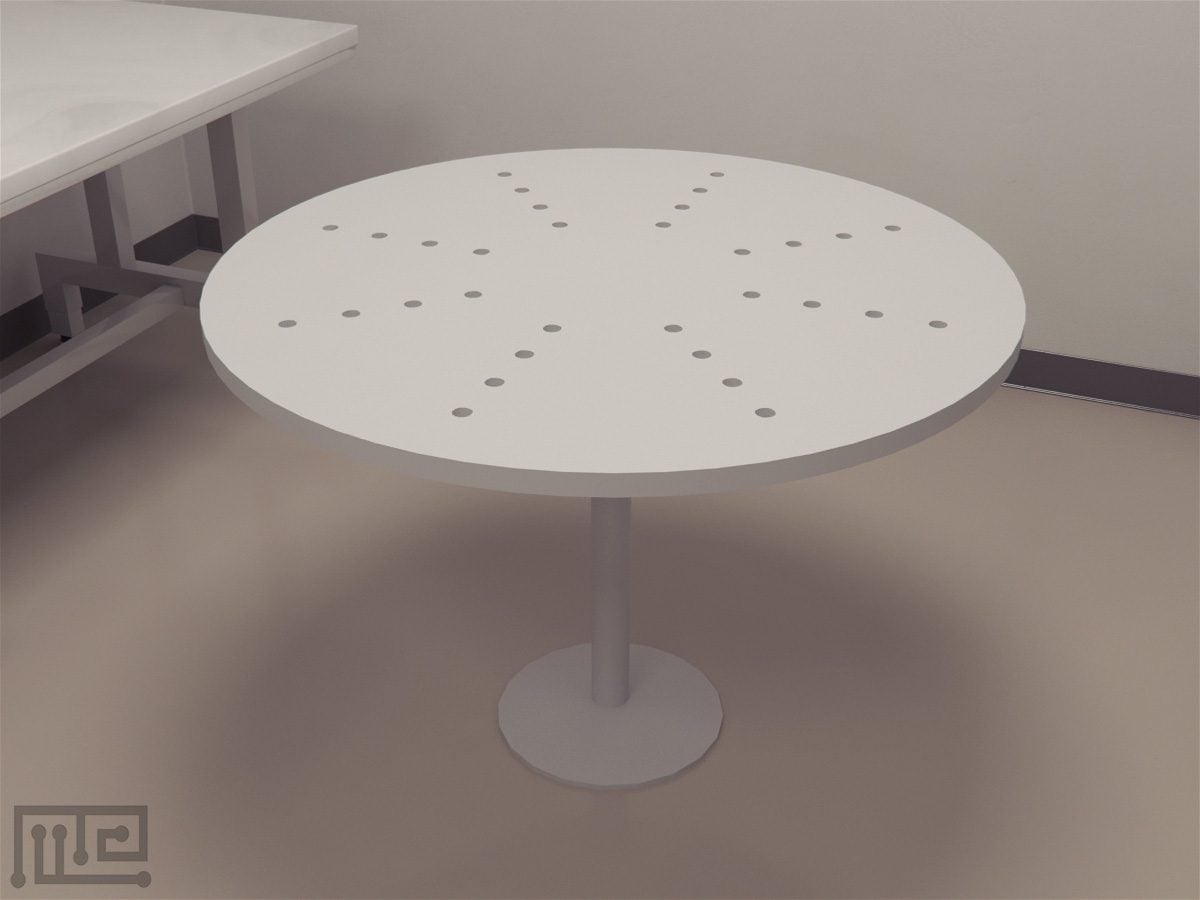
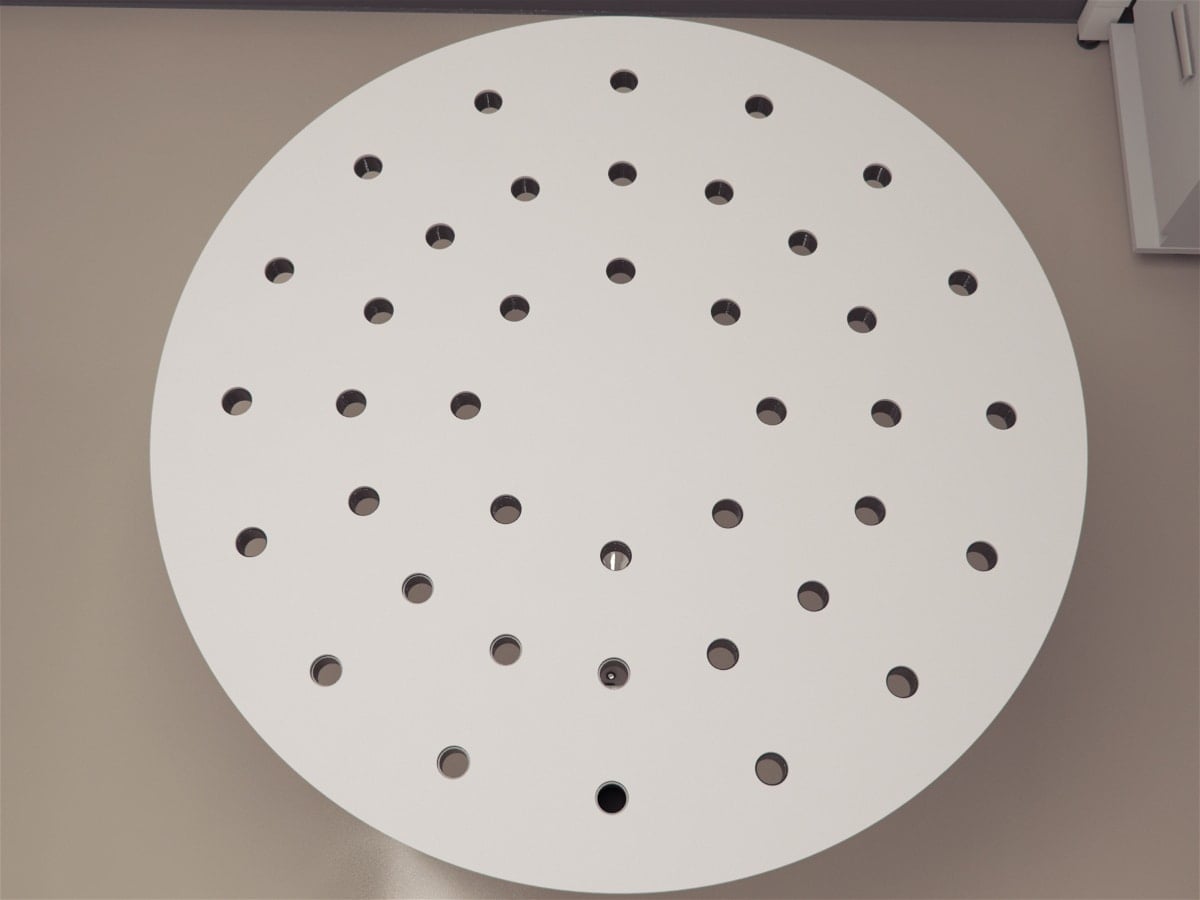
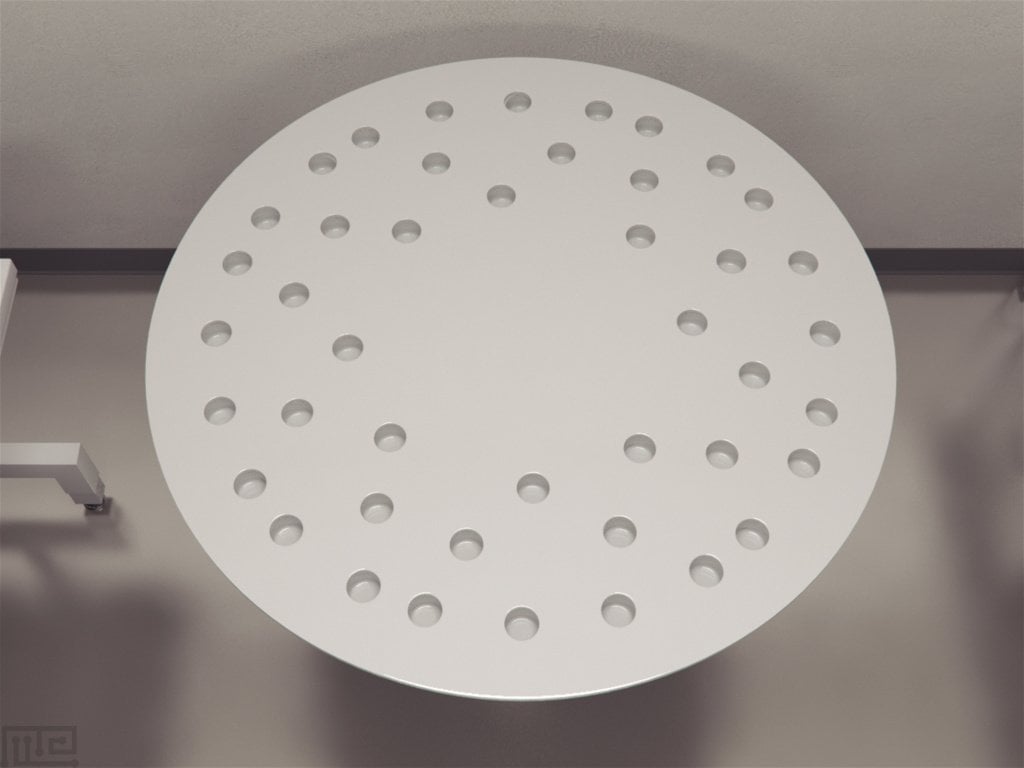
Cheeseboard Maze is a circular acrylic board with drilled wells arranged in a radial pattern. It is used to test for spotlight learning and memory in rodents. Learn more here.
Six Arm Maze
The Six Arm Maze is used to study spatial learning and memory in rodents. It consists of geometrically similar, but visually distinct multiple U-shaped sequential arms connected to a linear track.
Long Arm Y-Maze
Long arm Y-maze is the modification of Y-maze which capitalizes on rodent’s inherent tendency to explore new places. Learn more about it here.
Height Test
The Height Test is used to observe rodent’s behavior when subjected to aversive, anxiogenic and novel situations using height as a determinant.
Olfactory Hole Board
The Olfactory Hole Board test is an adaptation of the classic Hole Board Test that is often used in the assessment of unconditioned behavior, cognition, and social interaction.
Double Y Angulated Maze
The Double Y Angulated Maze can be used in a study to test whether the hippocampus is essential for vicarious trial-and-errors (VTEs) in a spatial memory task and in a simple visual discrimination (VD) task.
Forced 2-Choice Maze
The Forced 2-Choice Maze is used in behavioral task to train rodents to overcome their natural aversion of light.
Circular Central Platform T Maze
The circular central platform T Maze offered by MazeEngineers is used in experiments to investigate spatial navigation in rodents.
Alley Maze
The Alley maze is used to assess exploratory behavior in mice and rats. Learn more.
Hierarchal Maze
The Hierarchal maze is used to assess learning in mice and rats. Learn about the device and behavioral outcomes.
Social Interaction Test
The social interaction test is a procedure for sociability testing in mice and rats. Get the procedure, protocol, and more information for your study here.
Double Bandit T Maze
The Modified T-Maze task is a widely used apparatus designed for evaluating the decision-making process and behaviours in rodents.
Gap Cross Test
The Gap Cross Test offered by MazeEngineers allows studying the chronic effects of whisker removal and traumatic brain injury.
Angle Entrance Task
Our adjustable Angle Entrance Task was created for a diffuse brain injury rat model.
Fictive Reward
Our Fictive Reward task was developed for studying the ability of rats to make choices by considering all possible outcomes.
Cubic Maze
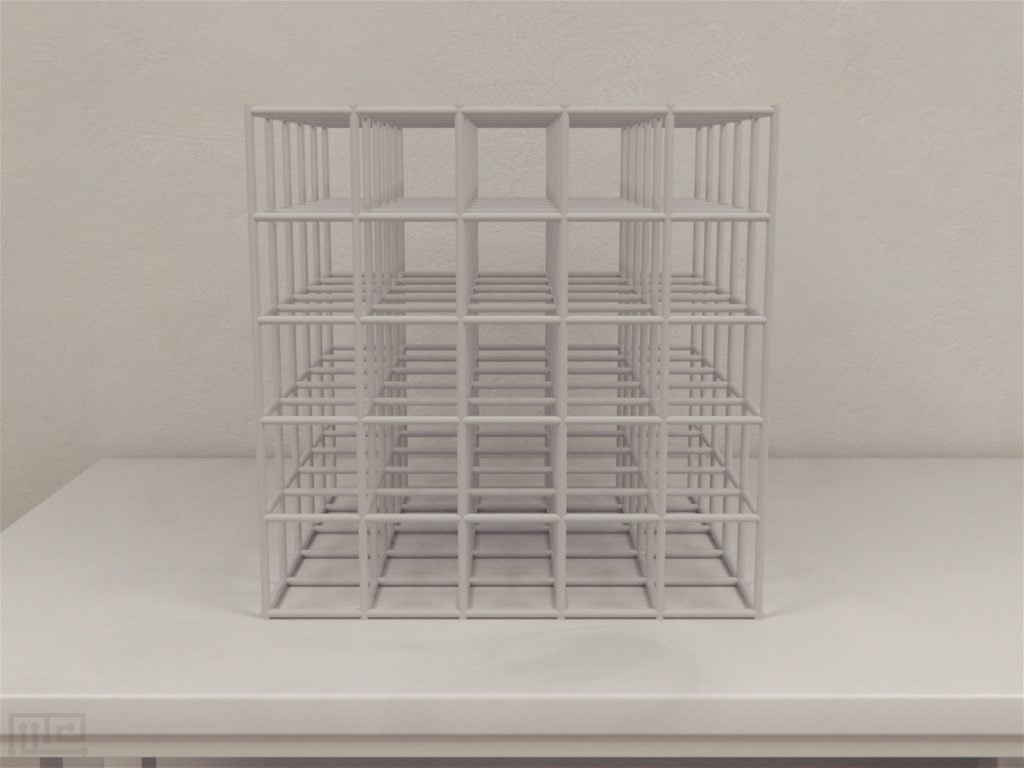
Explore all opportunities that offers our thought-out Cubic Maze for the interrogation of rodents in the horizontal and vertical axis.
Water E Maze
The Water E Maze is an exceptional tool that is capable of measuring conspecific empathetic motivation in rodents.
Double T Maze
Double T Maze is a very effective tool that consists of two T mazes with a start box and allows to conduct a wide range of tests.
Whisker Guided Exploration
Use our cost-effective and easy-to-use Whisker guided exploration maze in your scientific experiments and collect precise information.
Social Cooperation Chamber
Social Cooperation Chamber offers the opportunity to carry out different experiments and collect data regarding social behaviour of rodents.
Elevated T Maze
Get Elevated T Maze that is the perfect tool for assessing anxiety, memory retention, and learning abilities of rodents and run diverse experiments.
Pawedness Trait Test (PaTRaT)
Obtain reliable and reproducible results by using our Pawedness Trait Test that allows evaluation of the dexterity level, and paw preference in rodents.
Six Alley Maze
This tool helps to examine rodents ability to distinguish between the six alleys.
Four Box Maze
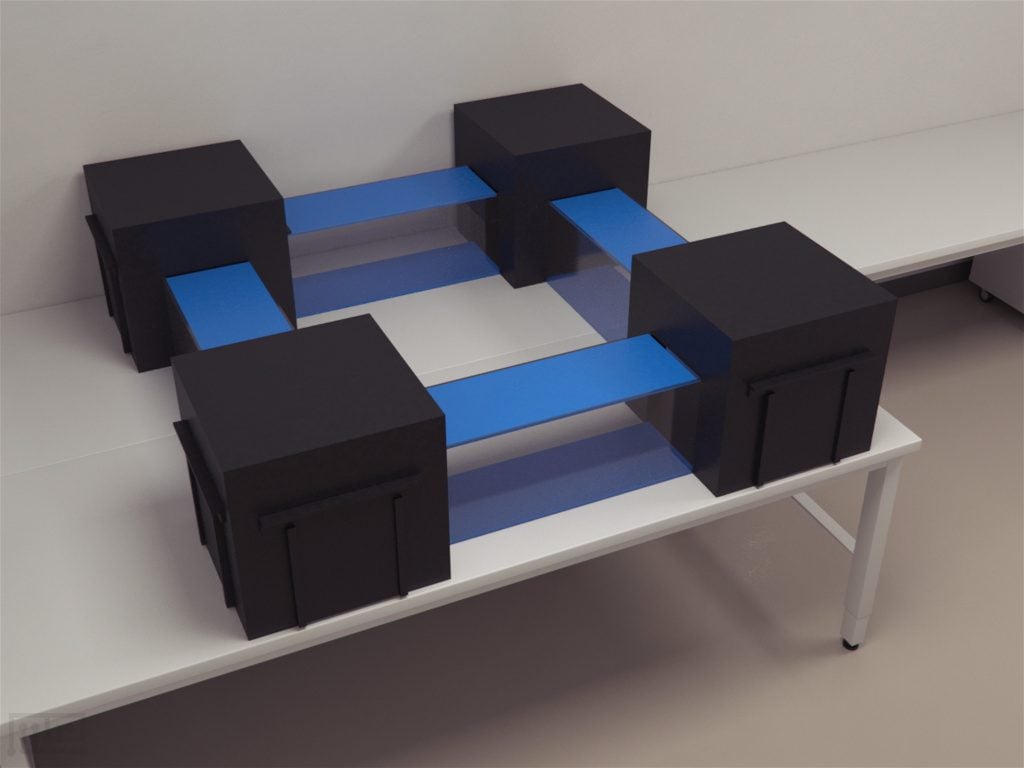
Four Box Maze is a thought-out novel tool to make you experiment more informative and successful.
I Maze
The I Maze is an ideal apparatus for the assessment of anxiety and exploratory behavior in rodents.
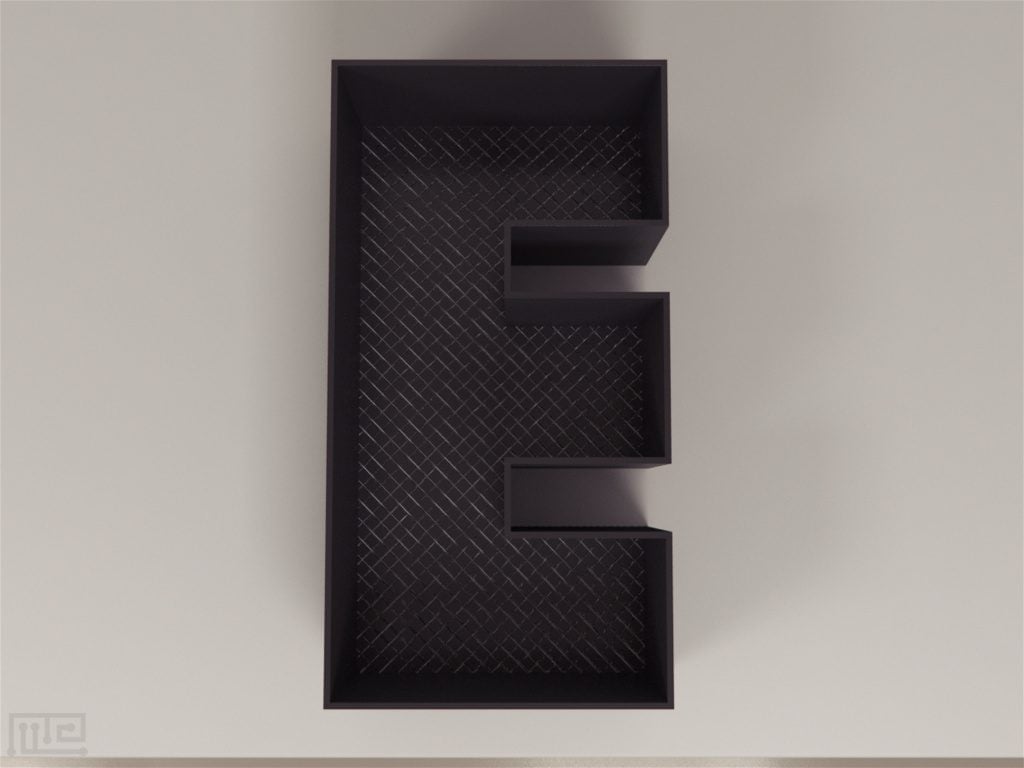
E Maze
Our E-maze was designed to assess episodic memories and to analyze diseases that are associated with memory loss.
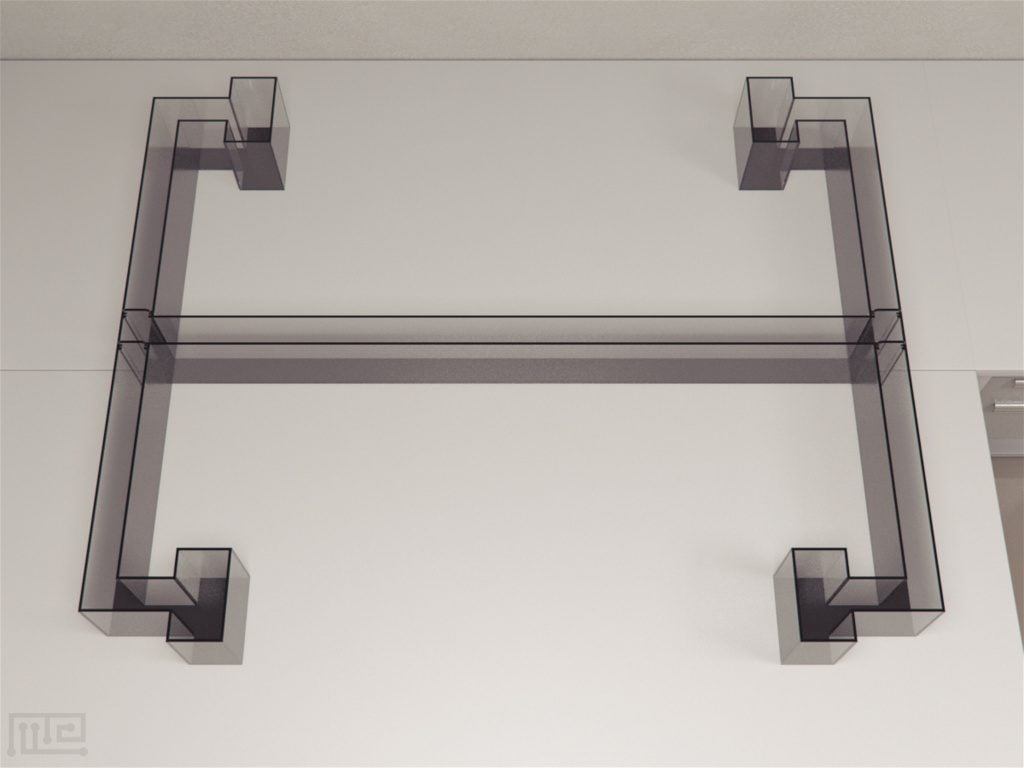
H Maze
The H Maze is an automated apparatus that reduces the risk associated with the human factor. The maze is time-efficient and easy in exploitation.
Double Y Maze
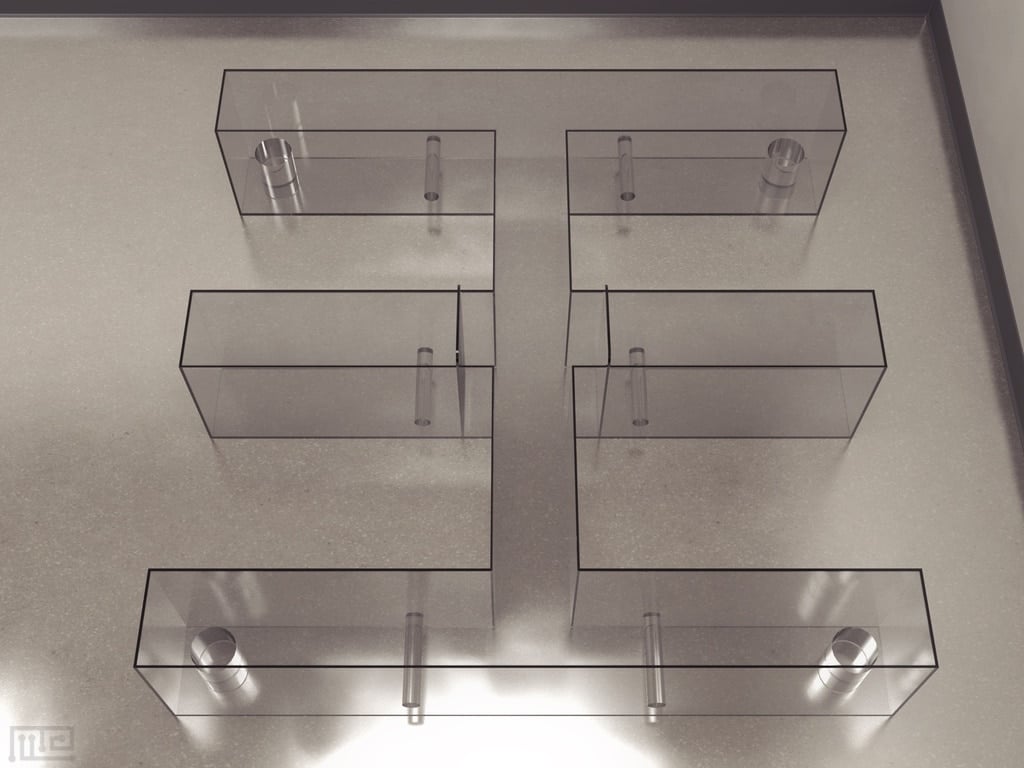
The Double Y maze is an efficient and well-designed device that offers the opportunity to evaluate multiple mnemonic abilities of rodents simultaneously.
Circular Light-Dark box
Circular Light-Dark Box is a simple effective tool that helps to asses anxiety and fear-driven choices of rats between light and dark areas.
W Maze
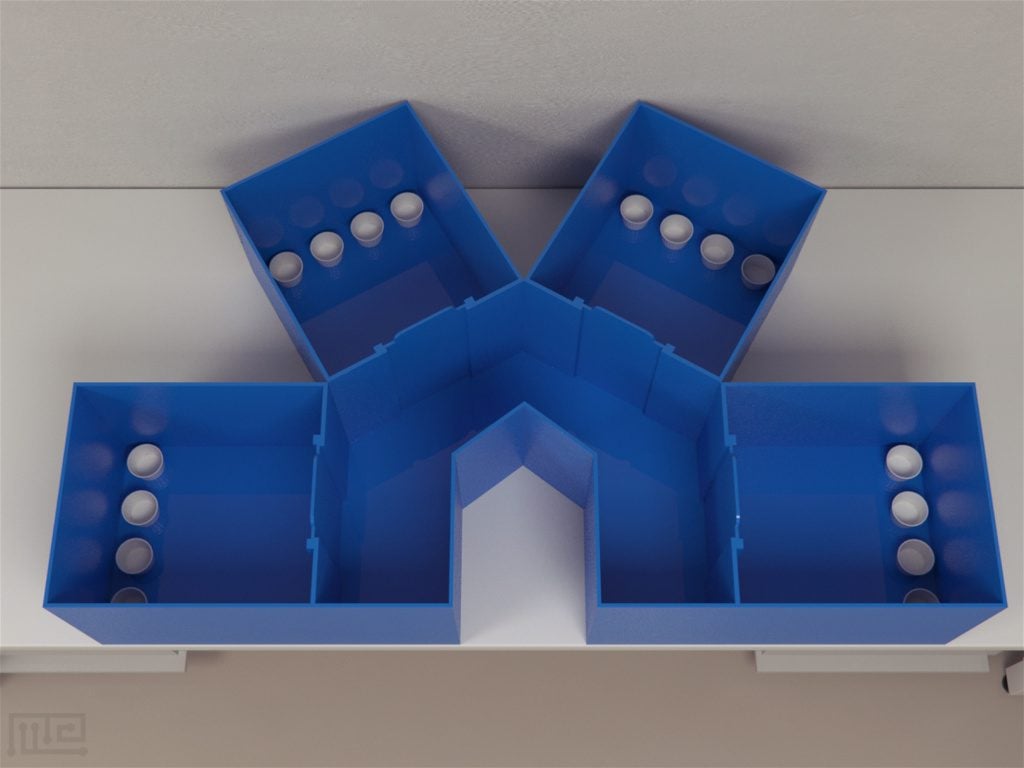
Order a well-designed and high-quality W Maze that consists of four rectangular boxes, and get the opportunity to conduct diverse tests.
Double H Maze
Our innovative Double-H Maze enables researchers to assess spatial memory as well as learning and locomotor functions of the subjects.
Crossword Maze
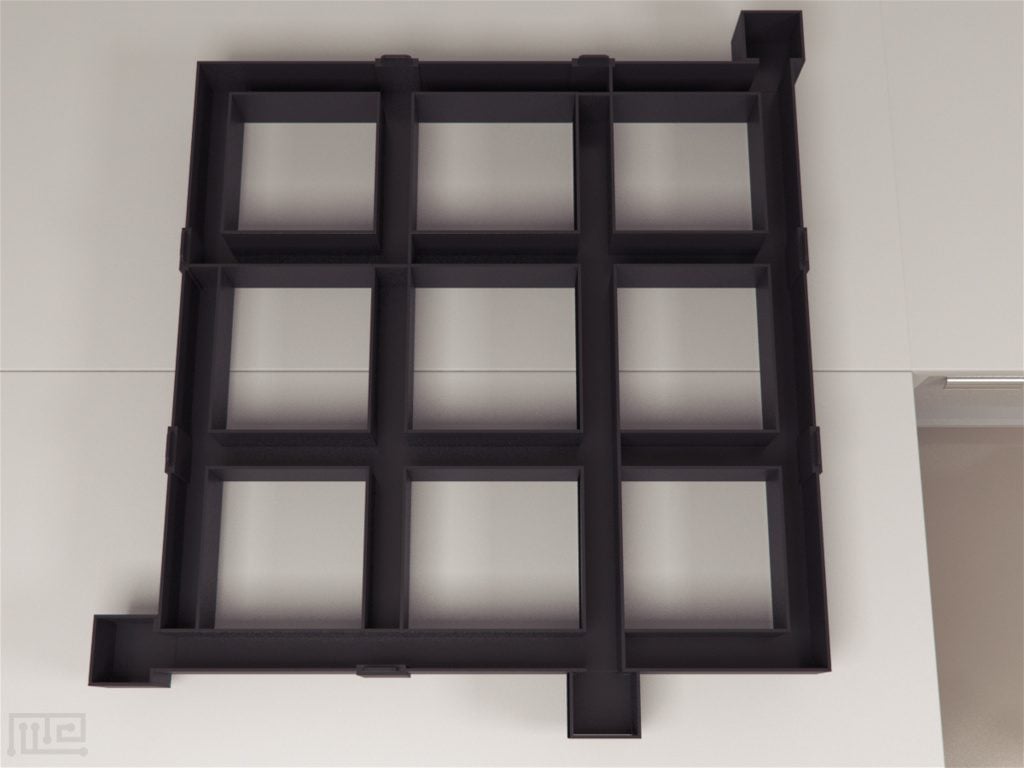
The Crossword maze is a useful and easy-to-maintain apparatus that allows studding the spatial navigation and memory in rodents.
Mirror Biting Cattelan
Mirror Biting Cattelan is a well-designed tool that offers a significant advantage in studying of sociability of fishes. Order it and acquire more data.
Mirror Biting Pham
Mirror Biting Pham is a cost-effective and reliable apparatus for observing and assessing the social behaviours and phenotypes in fish.
Town Maze
Town maze is an advantageous tool that can be used in different experiment associated with animal spatial strategies in an urban environment.
Figure 8 Maze
Figure 8 Maze is a wildly used neurobehavioral test designed to carry out assessments of spatiotemporal learning and navigation abilities.
Sociobox
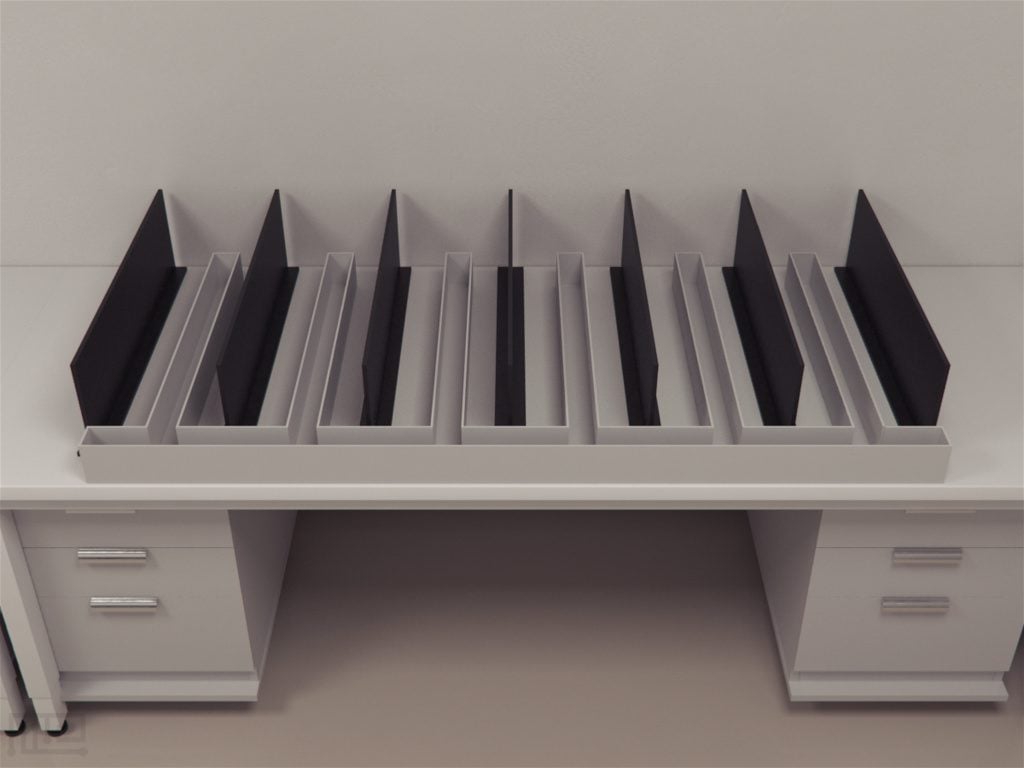
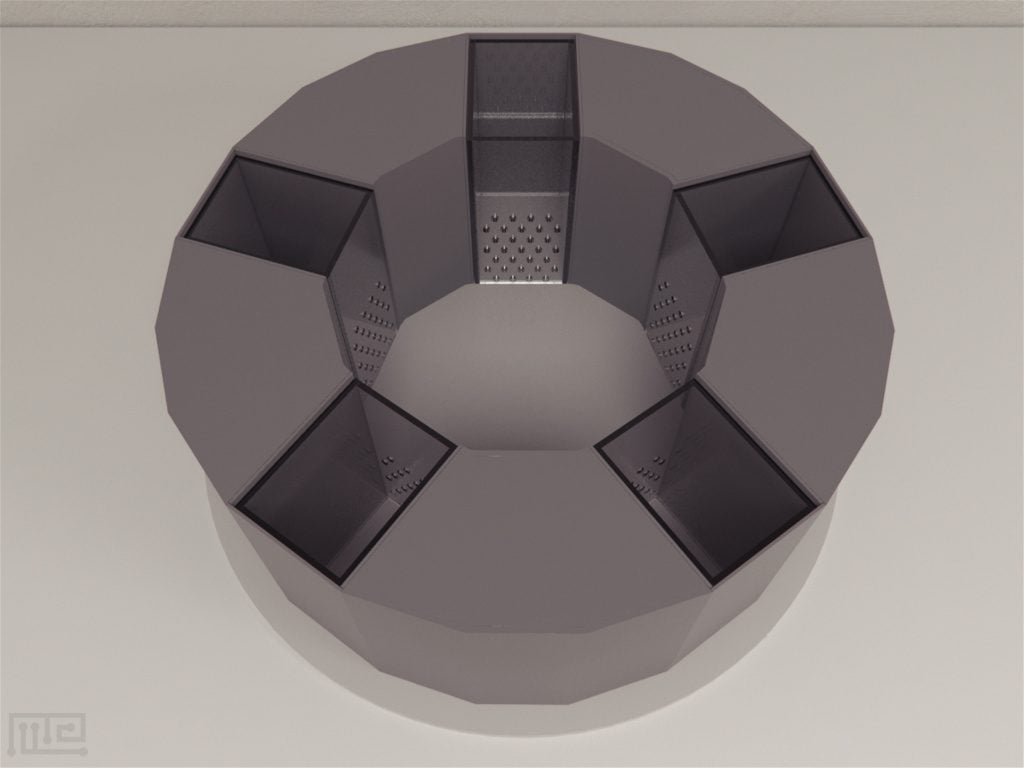
The sociobox consists of an acrylic apparatus with an outer ring of five rectangular removable boxes separated by fixed dividers surrounding a central open arena.
Flex Maze
Our Flex Maze gives the opportunity to create environments that challenge the spatial learning memory.
Climbing Tower: Resistance Exercise System
The Mouse Resistance Exercise System is a simple tool that allows studying the effects of exercises on bone mass and strength of mice and rats.
Object Space Task
The Object Space Task is a multi-trial behavioral assay used to assess and track memory accumulation in the rodents.
Incline Rolling Ladder
Incline rolling ladder test is a novel test sensitive to tactile and proprioception sense.
Dry Morris Water Maze
The morris water maze is a commonly used behavior maze. Have questions about undertaking this maze for your experiments? Consult our neuroscientists!
Lattice Maze
Create environments that will challenge spatial learning memory of subject using our well-designed Lattice Maze and run more informative tests.
Odor Span Test
The odor span apparatus tests the contribution of the hippocampus to normal memory capacity in rodents using location span tasks.
Grid Test
The Grid test is a simple tool created for studying the neuromuscular strength, motor behavioural performance and coordination in rodents.
Dig Task
The Dig task is an effective device created for studying cognitive dysfunction following traumatic brain injury or stroke.
Horizontal Grid Test
The Horizontal Grid was designed for the studying of neuromuscular strength and coordination in rodents.
Vertical Grid Test
The Vertical Grid test is an advantageous combination of the Horizontal Grid and Pole test. It allows studying of neuromuscular strength and coordination.
Stairway Test
Our thought-out and cost-effective Stairway test was created to measure motoric and sensoric functions and get precise data.
Triple Test Maze
The Triple Test Maze combines three tools and shows outstanding efficiency and reliability in the assessment of emotionality and explorative behaviors.
Hoarding Apparatus
Hoarding apparatus is used to study a species-typical behavior manifested by transferring the food to secure place for later consumption.
Ladder Rewarded Elevated Plus Maze
The Ladder Rewarded Plus Maze is a thought-out tool that enables assessment of the place learning in rodents using reward motivation.
Magnetic Self Administration Runway
The magnetic runway is an easy-to-use and inexpensive tool for the studying of drug-seeking behaviour in animal models of drug abuse.
Marmoset Light Dark Box
Marmoset Light-Dark Box is a wildly-used reliable device for observing the light-dark preferences of the Marmoset primate.
Social Y Maze
Social Y-Maze is a straightforward and time-effective method for the evaluation of social interactions. It requires minimal training to perform the tests.
Elevated Asymmetric Plus Maze
The Asymmetric Plus Maze is designed for evaluating the mechanisms of exploratory motivation and fear in rodents.
Win Stay Maze
Our Win-Stay maze helps to evaluate neural activity associated with memory and learning in subjects. This tool simplifies the data collection.
3D Open Field
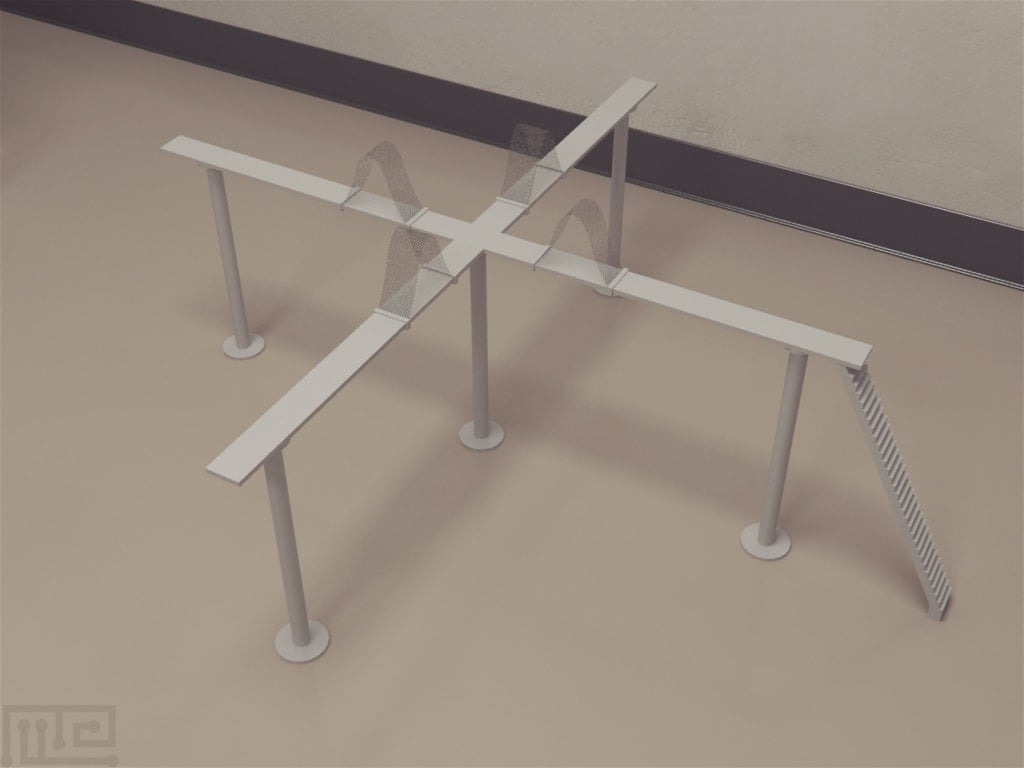
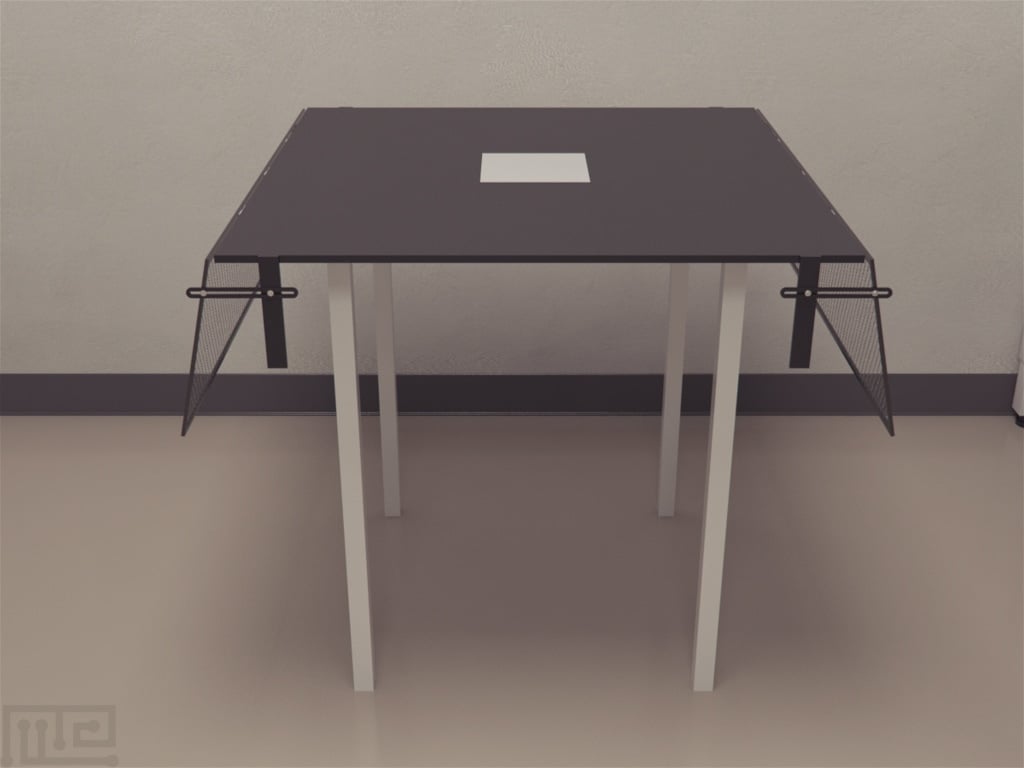
The 3D Open Field apparatus consists of an open, elevated platform with two opposite ends equipped with mesh slopes that are capable of being positioned at varying angles to create different combinations of the apparatus setup.
Two Problem T Maze
The Two Problem T Maze can be used for investigation of the relationship between prelimbic lesions and working memory in rats.
Mirror Biting Elwood
Mirror tests are a popular method used in studies of agonistic interaction, especially in fish aggression studies as they require fewer participants and avoid pseudo-replication.
Mirror Biting Balzarini
Mirror Biting Balzarini was created for observation and evaluation of the aggressive behaviour demonstrated by fishes towards their opponents.
Mirror Biting
Mirror tests are a popular method used in studies of agonistic interaction, especially in fish aggression studies as they require fewer participants and avoid pseudo-replication.
Mirror Chamber Version 2
Mirror Chamber Version 2 offers great opportunities to investigate the anxiety in rodents.
Continuous Novel Object Recognition
The Continuous Novel Object Recognition is a unique apparatus for complex recognition tasks that allows collecting more data while using fewer subjects.
Emergence Test
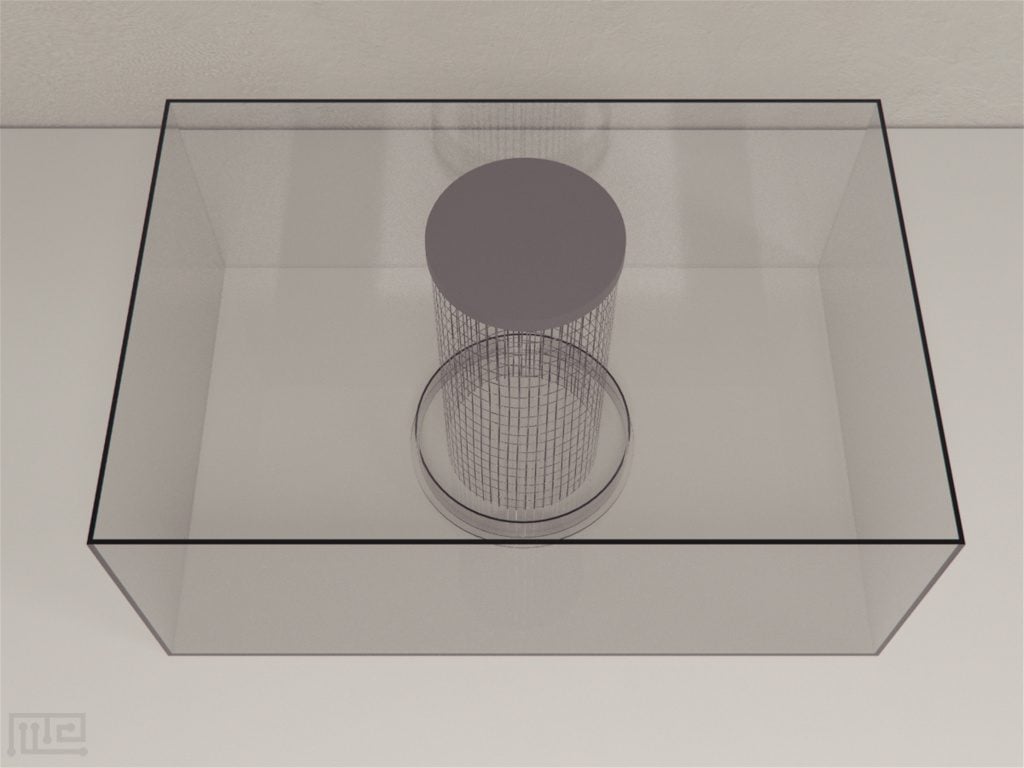
Rodents are placed in a closed opaque cylinder that is set within an open field and secured to prevent rolling
Delayed Matching to Place (DMP) Barnes Maze
Our Delayed Matching To Place Barnes Maze that enables assessment of spatial working and episodic-like learning and memory.
Spatial Reorientation
Learn more about the Spatial reorientation test that offers the insight into the specificity of the processes underlying spatial navigation.
Escape Hole Radial Arm Maze
The Escape Hole Radial Arm Maze is an innovative, effective test for evaluating spatial memory and cognition in cerebral ischemia murine model.
Controlled Y Maze
This Y-maze apparatus variant is smaller (about half the size) of the traditional y maze and comes with a single door.
Randomized Barnes
The Modified Barnes Maze was designed to conduct a more accurate assessment of spatial cognition in rodents. Request it and collect precise information.
Ziggurat Task
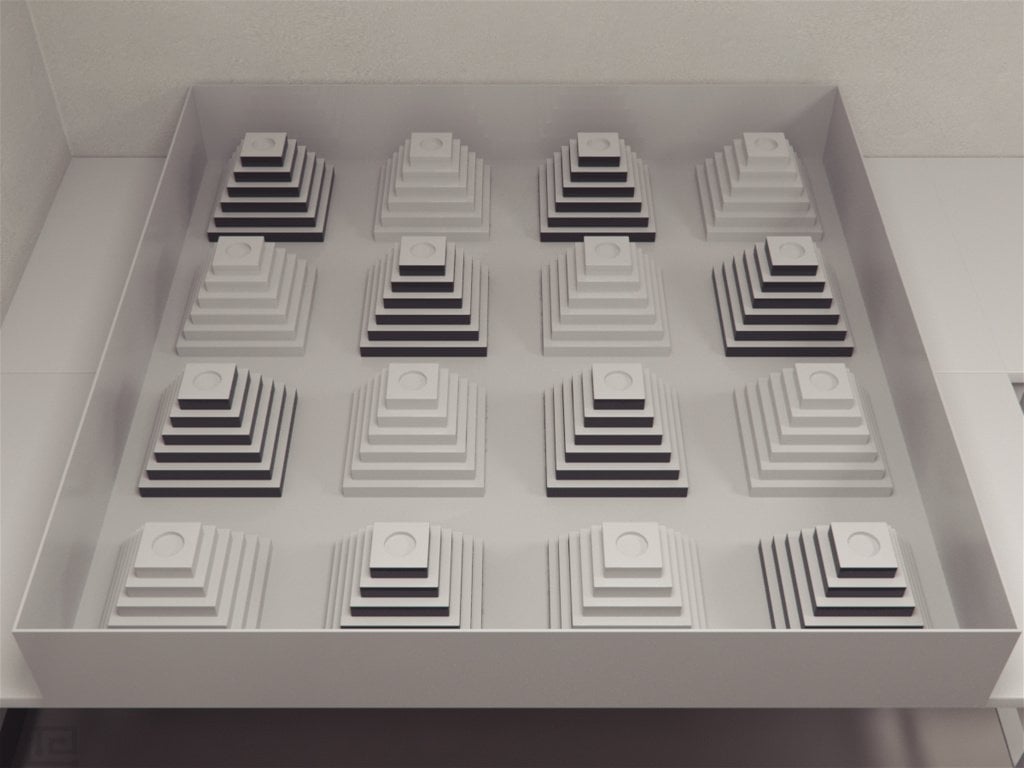
Ziggurat Task is an innovative and efficient behavioral test that allows subjects to explore the open field thereby reducing their anxiety.
Zebrafish Bifurcating T Maze
The Zebrafish bifurcating T maze has been described in the literature as a screening test for the role of nicotinic acetylcholine receptors in Zebrafish.
Novel Object Recognition Assay
Novel Object Recognition test is an ideal method to measure short-term or working memory through discrimination between familiar and unfamiliar stimuli.
Mirror Chamber Test
The popular and effective Mirror Chamber task offered by MazeEngineers enables a simple evaluation of anxiety-related behaviours in rodents.
Tilt Ladder
Tilt Ladder has a well-established efficiency in assessment of the effects of static load leading to chronic adaptation of the vascular system.
Multivariate Concentric Square Field Test
Multivariate Concentric Square Field is an innovative task that allows for studying the risk assessment, anxiety, and shelter seeking behavior in rodents.
Self Administration Runway
The Self-administration runway is a straightforward and easy-to-use apparatus that was created for the assessment of motivational behaviour in rodents.
MWM Open Field Tower
The open-field tower maze (OFTM) is a unique behavioral task in neuroscience used to examine the nature and mechanism of spatial learning and memory in rodents; with specific emphasis on place- and response-learning.
Social Reward Chamber
The Social Reward Chamber is designed to understand the effect of social rewards on the social preferences of the subject.
Stress Alternatives Model Maze
The Stress alternatives model maze is a widely used apparatus that is efficient in evaluation of the rodent’s behavior in stressful situations.
Continuous Angled T Maze
The Continuous Angled T-Maze is an effective tool for assessing the spatial orientation and episodic memories in rats.
FTIR Walkway
Get our flexible, automated apparatus FTIR Walkway that will help you to collect accurate data and to reduce the risk of human associated errors.
Morris Water Straight Swim Channel
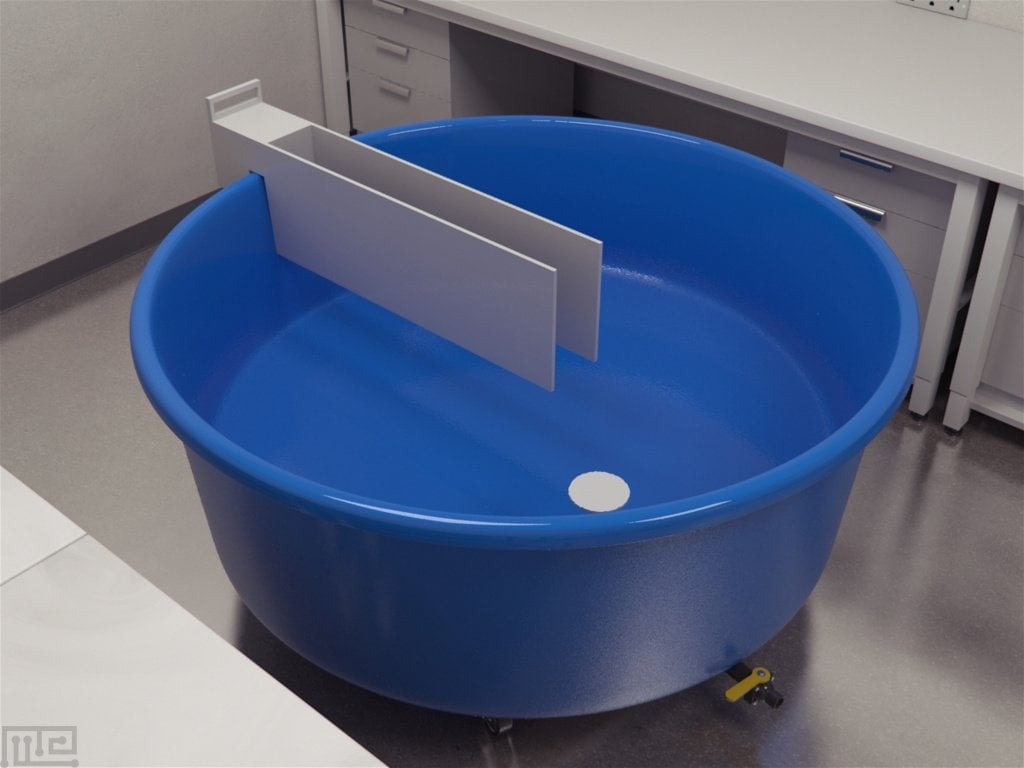
The Straight Swim Channel assists in training rodents. The channel is designed to only allow straight swimming to the designated target.
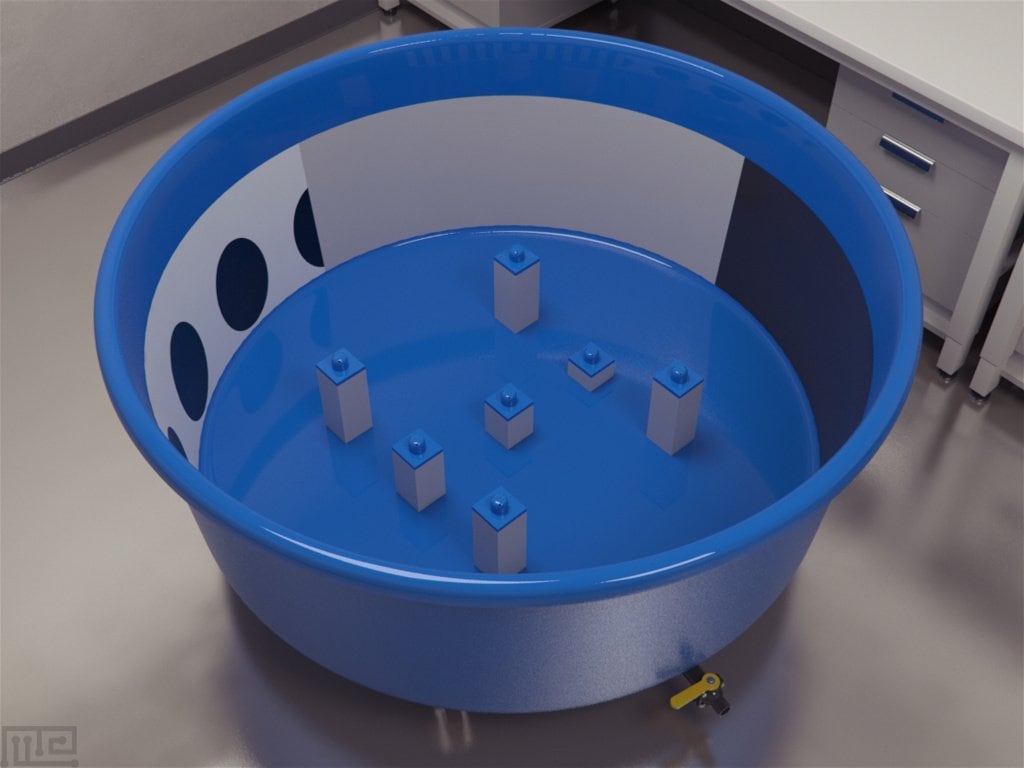
Morris Water Snowcone
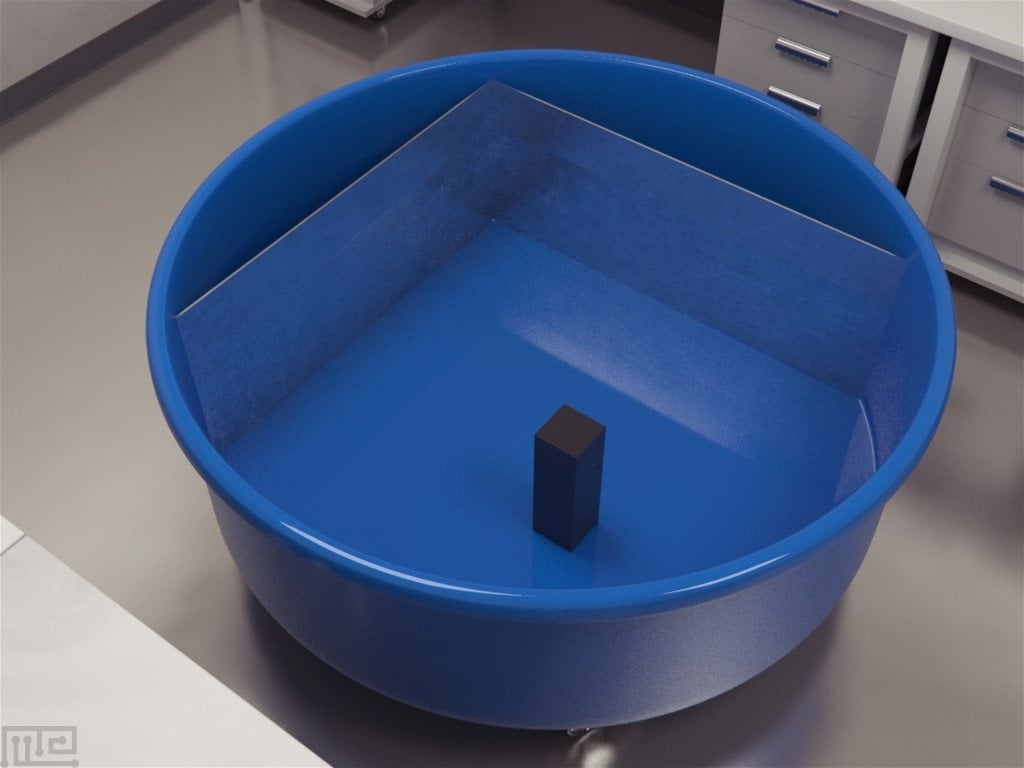
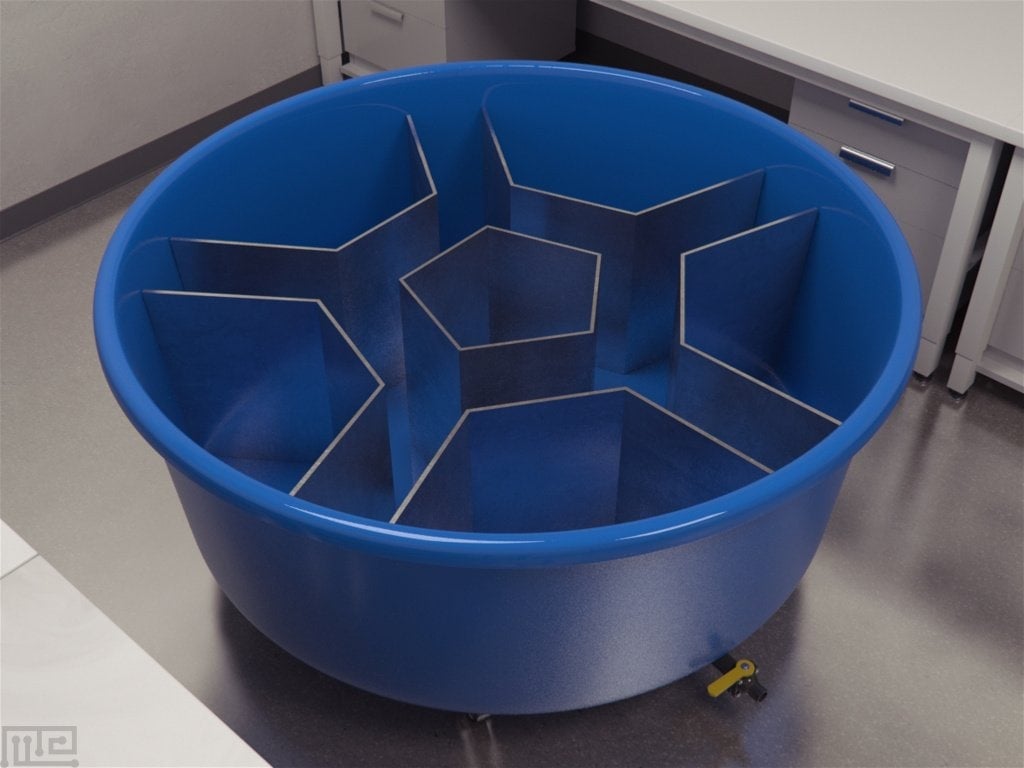
The MazeEngineers Snowcone Morris Water Maze modification utilizes the MWM as a base. It comes with two stainless steel inserts to fit the Morris Water Maze
Morris Water Radial Tread
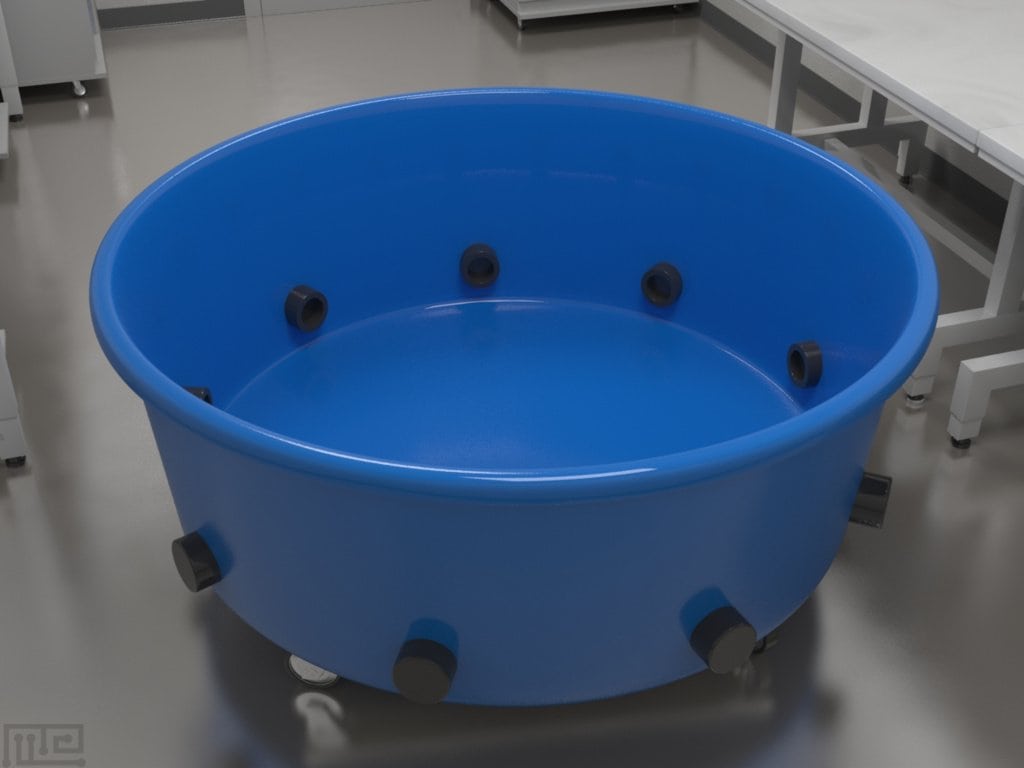
The MazeEngineers Radial Water Tread Maze modification utilizes the MWM as a base. Our modification of this maze comes with nine exits, each 1.5 in above the apparatus floor.
Hairpin Maze
The Hairpin maze is a unique maze has been described in the literature for studying grid place cells.
Rondi Reig Star Maze
The original Star maze was described in the literature by Dr. Laure Rondi-Reig as a method to study spatial navigation and its two different orientation systems, allocentric and egocentric navigation.
3D Radial Arm Maze
The 3D Radial Arm Maze is an innovative tool that allows assessing the underlying neural mechanisms of anxiety responses in rodents.
Visual Cliff Test
The visual cliff test is used for visualization of preceived barriers. Comes with chamber for visual cliff testing, sized for both mice and rats.
Mechanical Conflict Test
Description The Mechanical Conflict Test (MCT) is a behavioral assay used primarily in rodents (rats and mice) to assess pain-related decision making,…
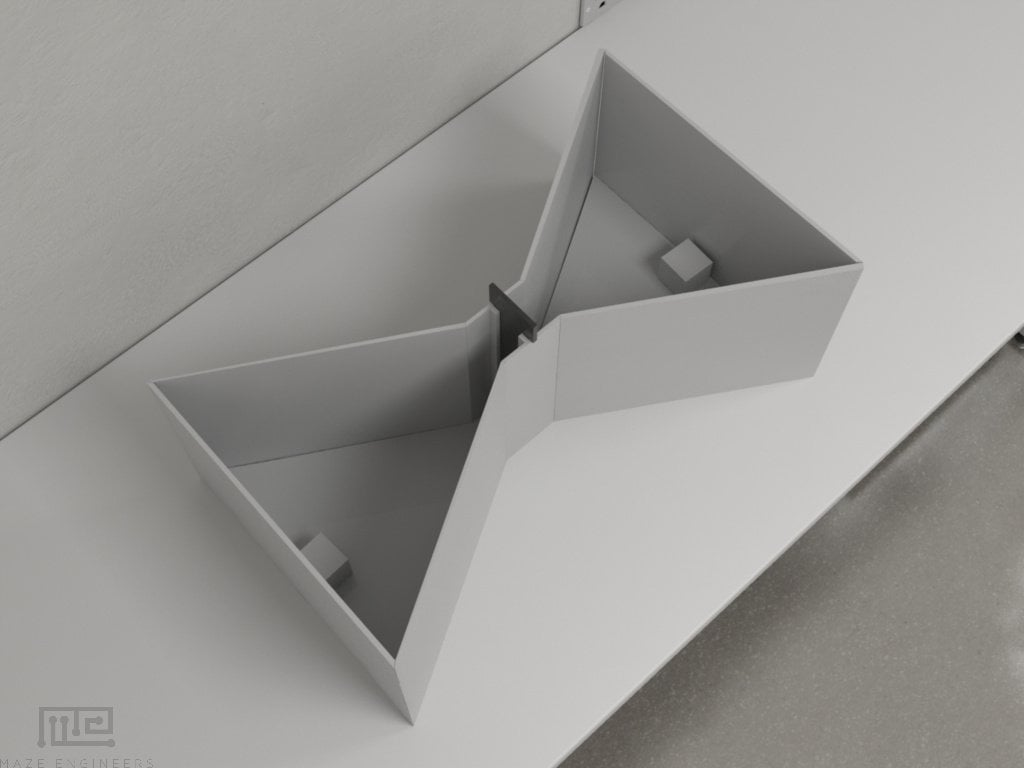
Bowtie Mazes
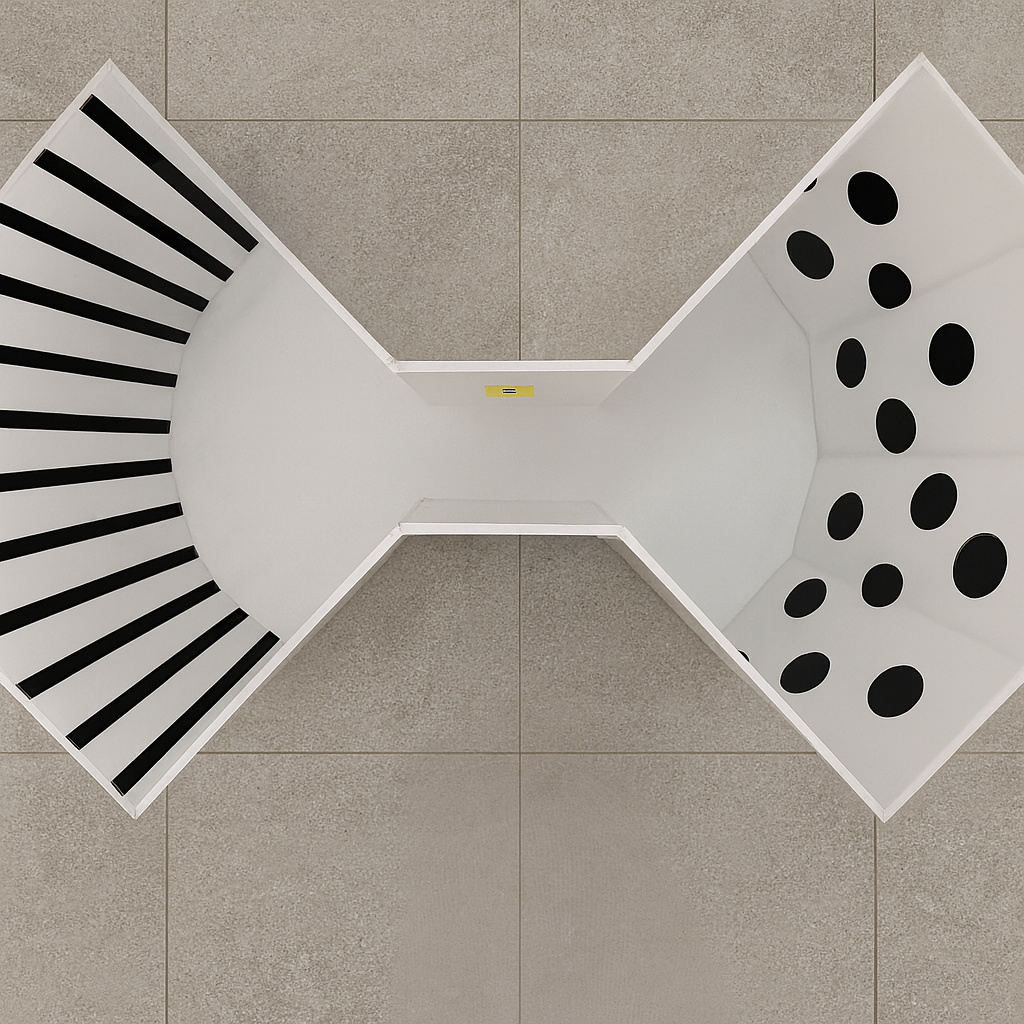
Bowtie mazes are used for a variety of choice experiments for mice and rats. We offer two separate models frequently used and cited in the literature
Lashley III
The Lashley III maze is a test used for learning and memory. It utilizes a low-stress environment and looks into route learning of a maze
Successive Alleys
The Successive alleys test is a novel anxiety test that utilizes fear of open spaces as an assay. The most distal regions are white, open and narrow
Social Defeat Apparatus
The Social defeat apparatus proved to be an exceptionally effective method of studying the underlying mechanisms of affective-like disorders.
Mammalian Diving Response Apparatus
Perform your scientific experiment and collect useful data by means of The Mammalian Diving Response designed to evaluate diving reflexes in rodents.
Repeated Acquisition and Performance Chamber
The Repeated Acquisition and Performance Chamber from MazeEngineers (RAPC for short) is an acrylic device with a start and end goal box.
Learned Helplessness
Learned Helplessness chamber with contextual plating. Consistent shock.
Hebb Williams
The Hebb-Williams Maze is a behavioral task used for studying spatial working memory animals.