Product type
Learning and Memory
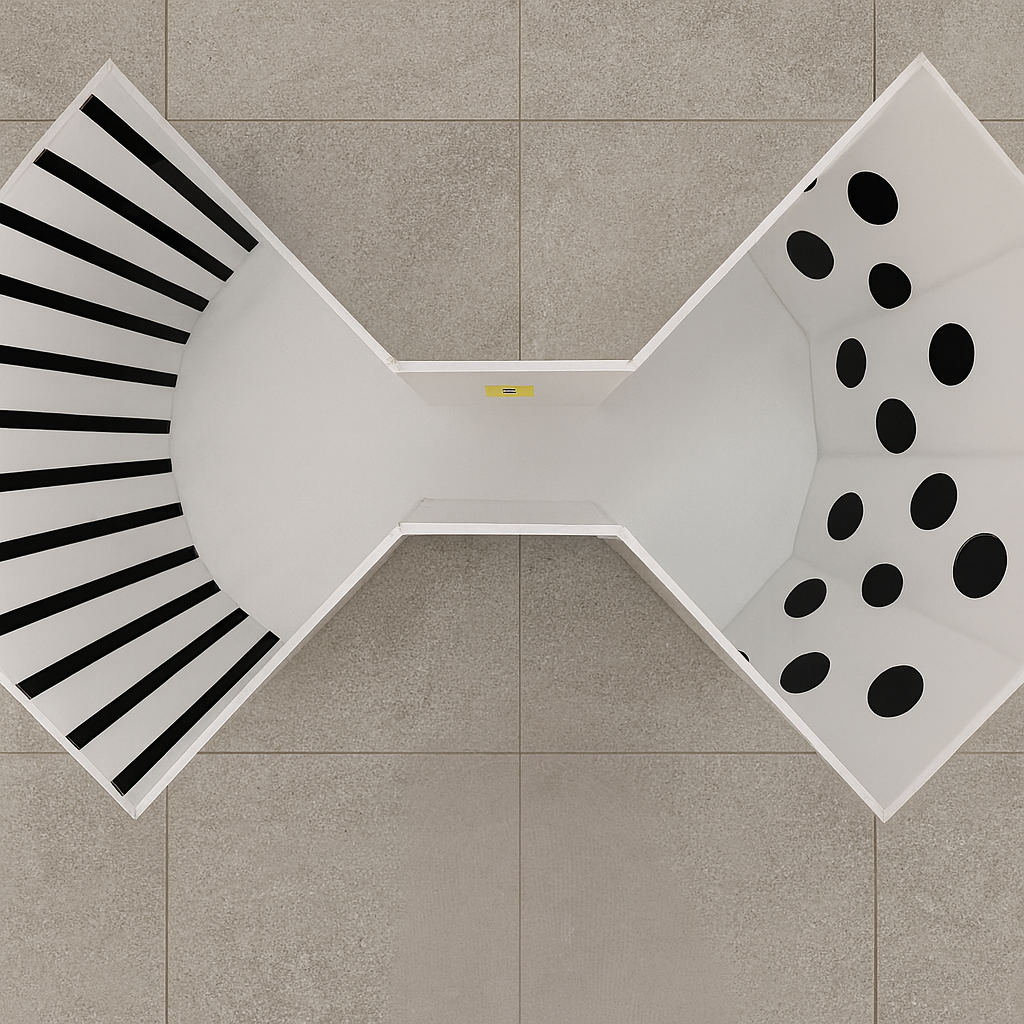
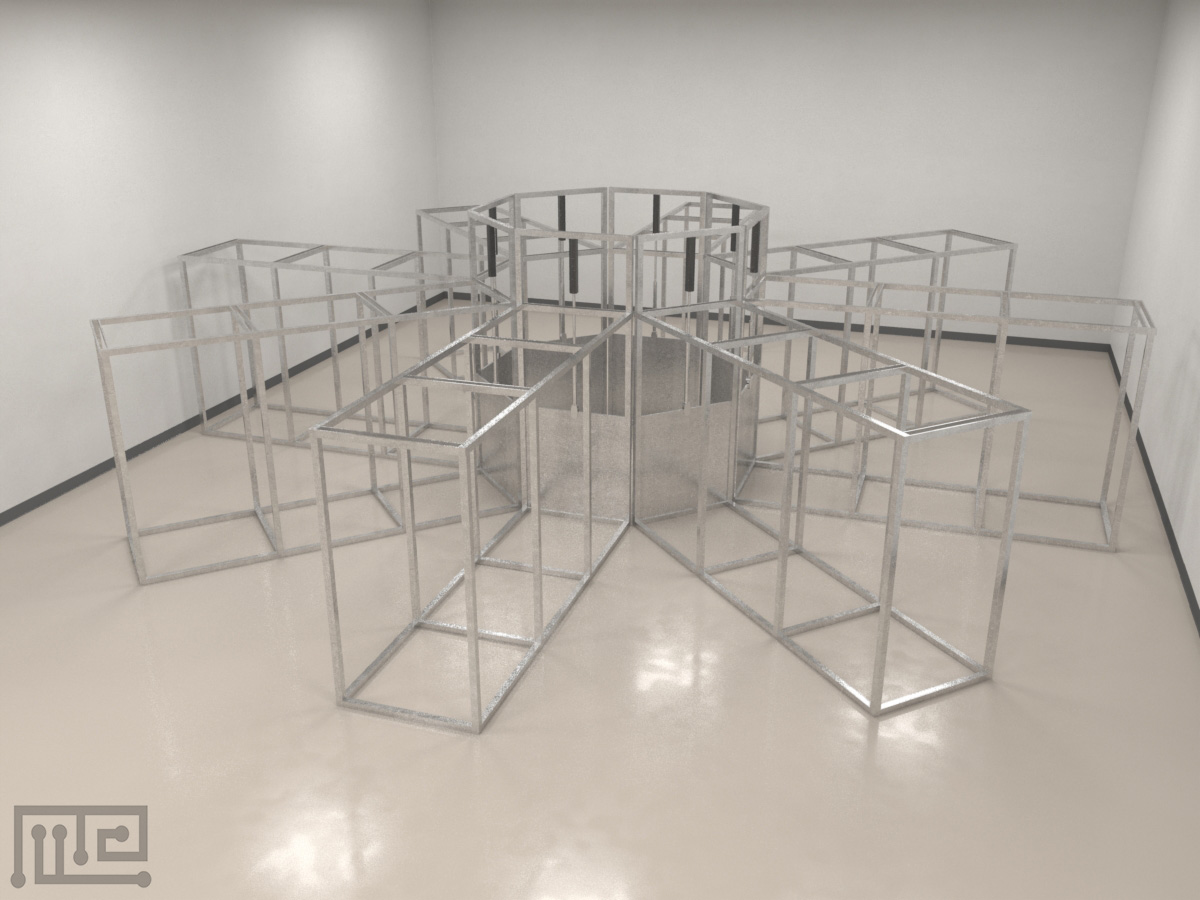
The Colosseum Maze:
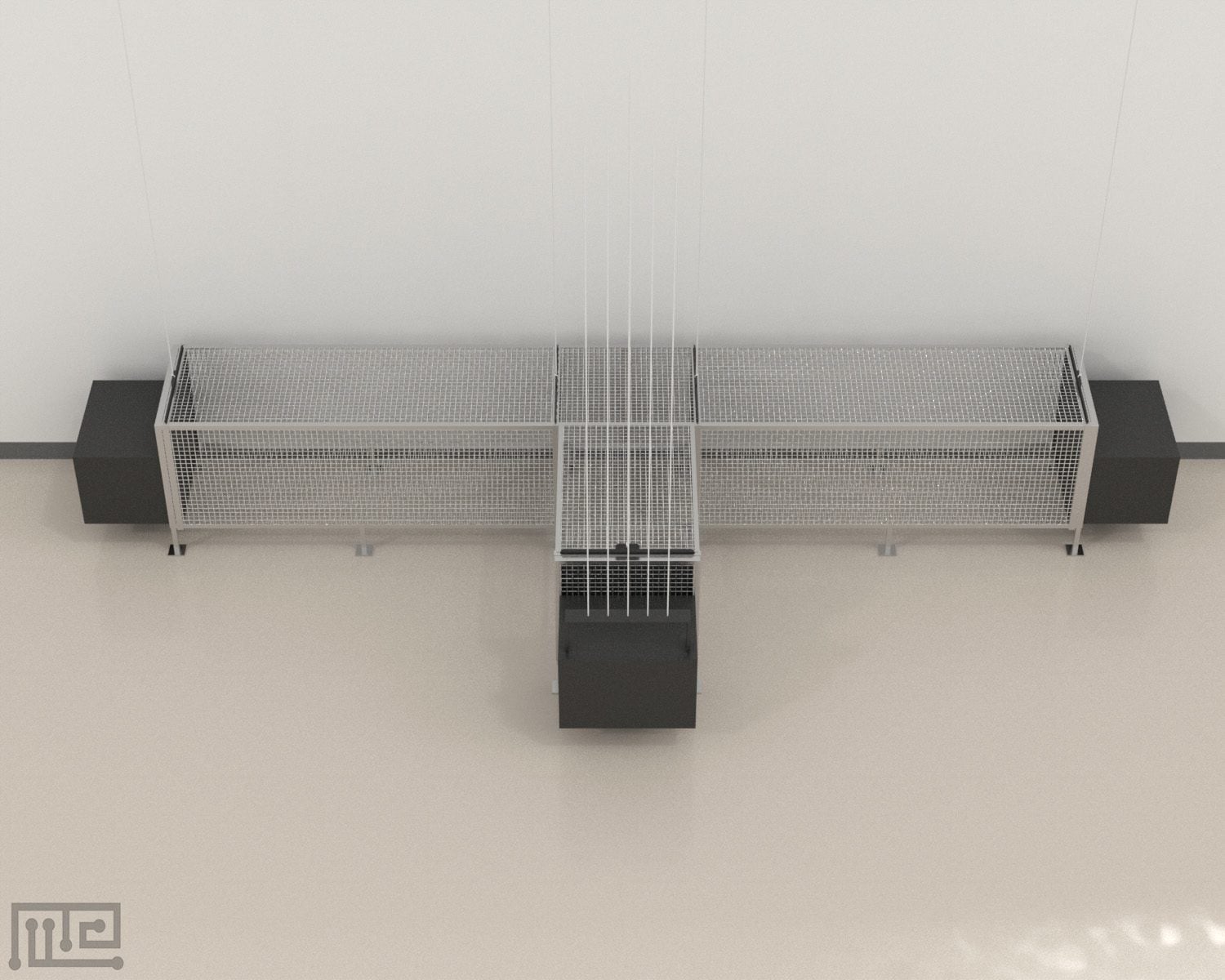
Vertical Maze Learn More
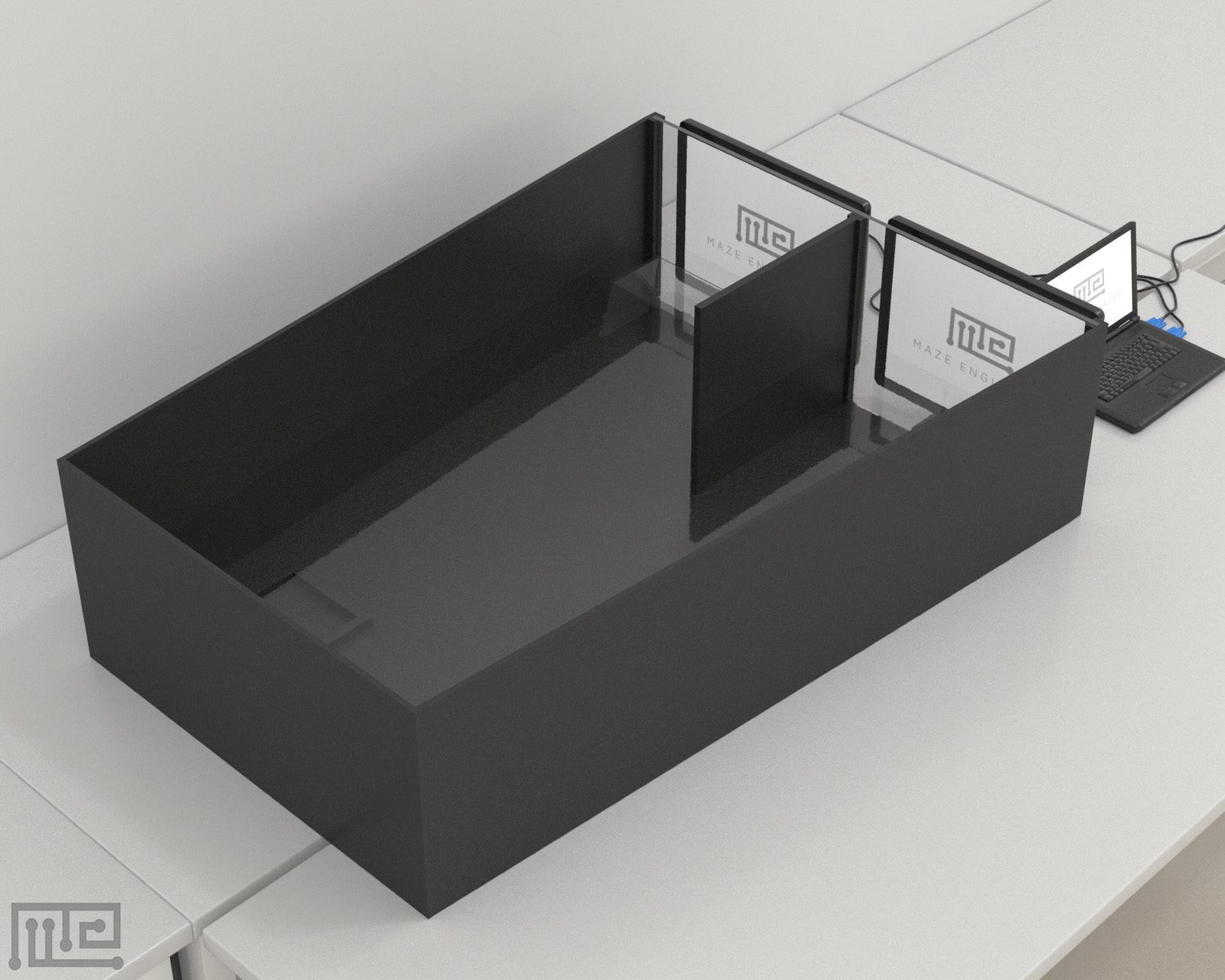
The Floor Maze
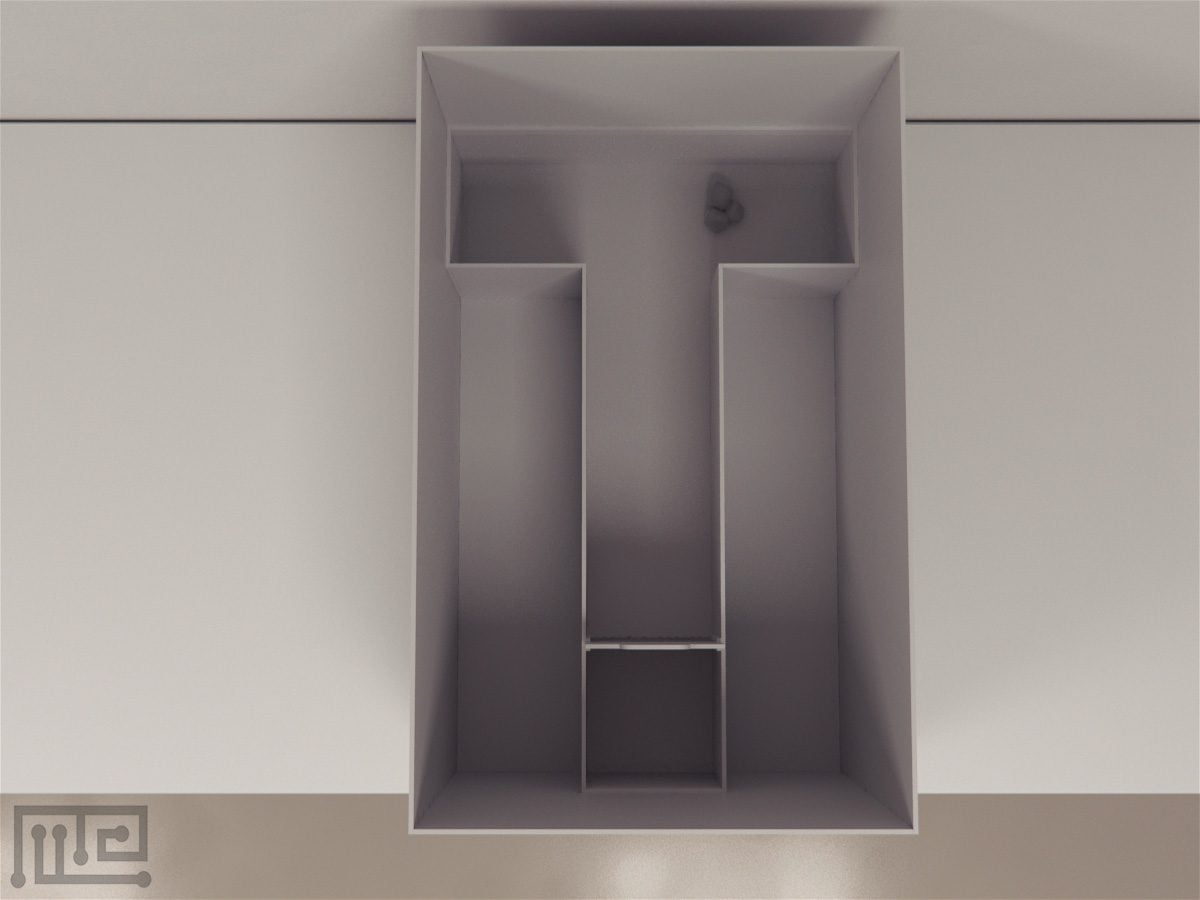
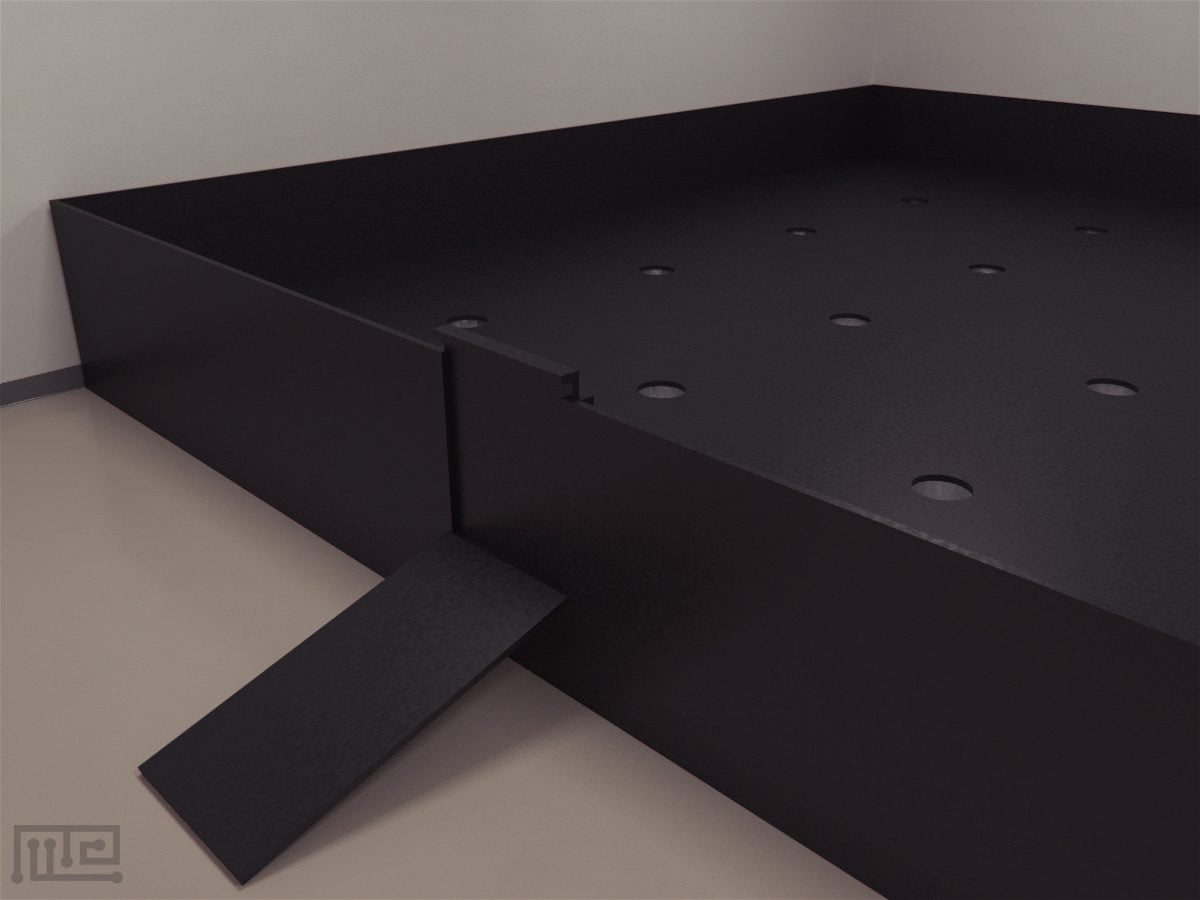
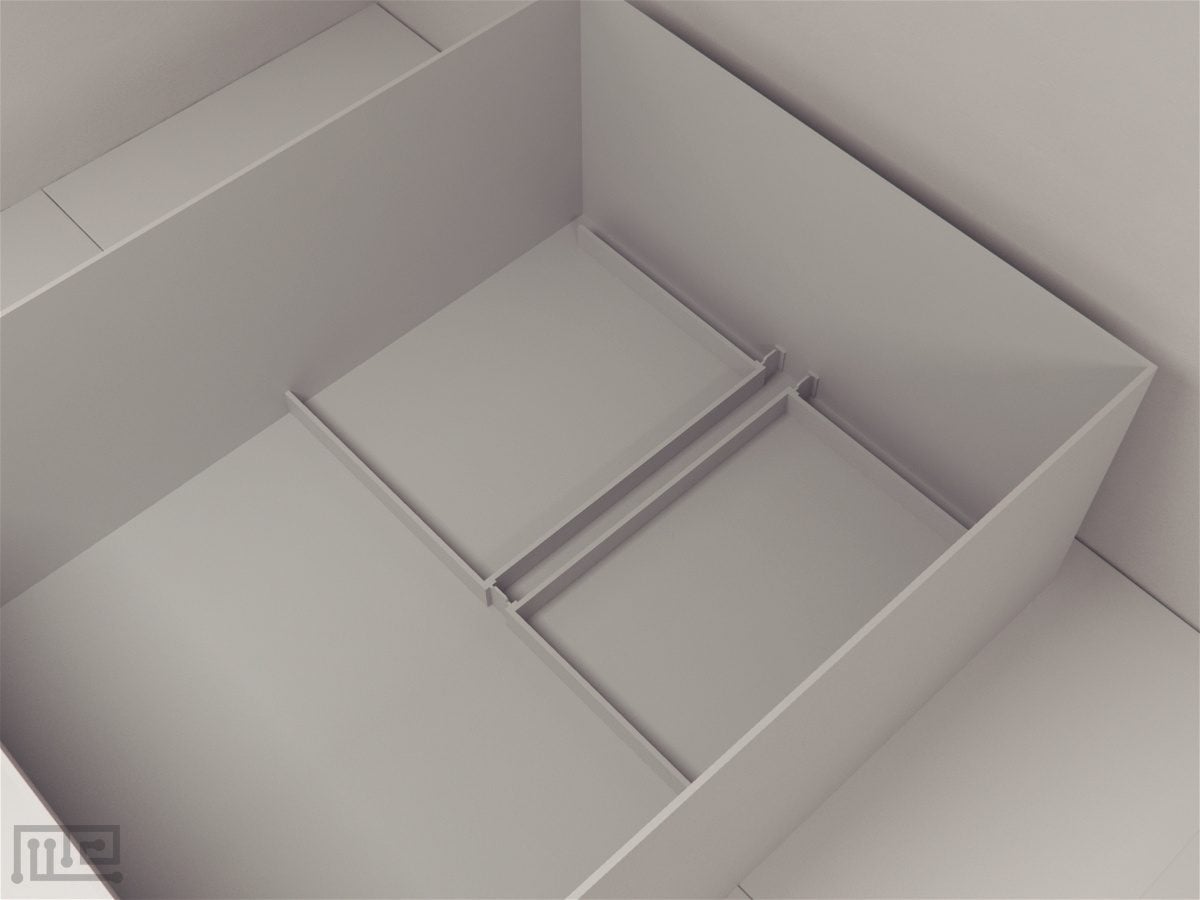
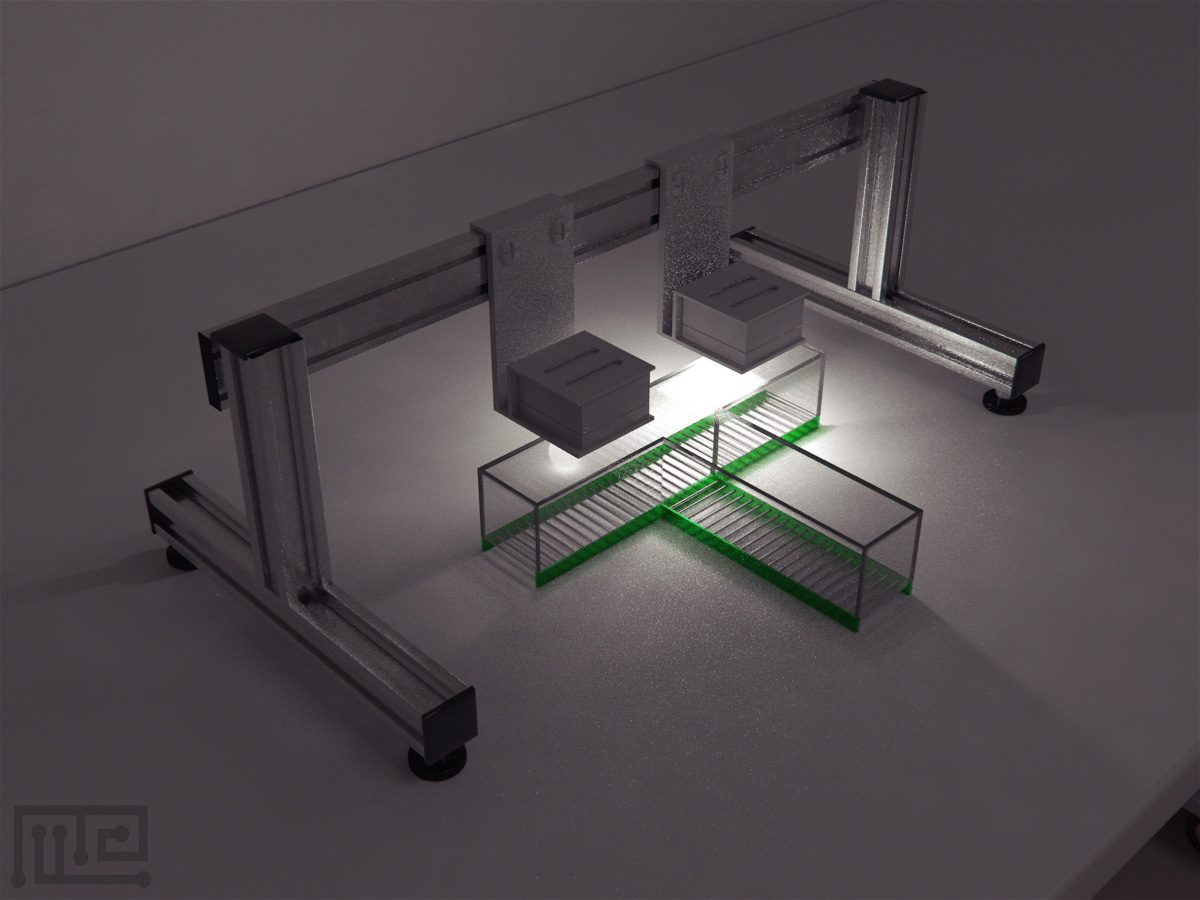
Investigating visual cognition through spatially projected environments The Floor Projection Maze is a modular apparatus developed to study visual information…
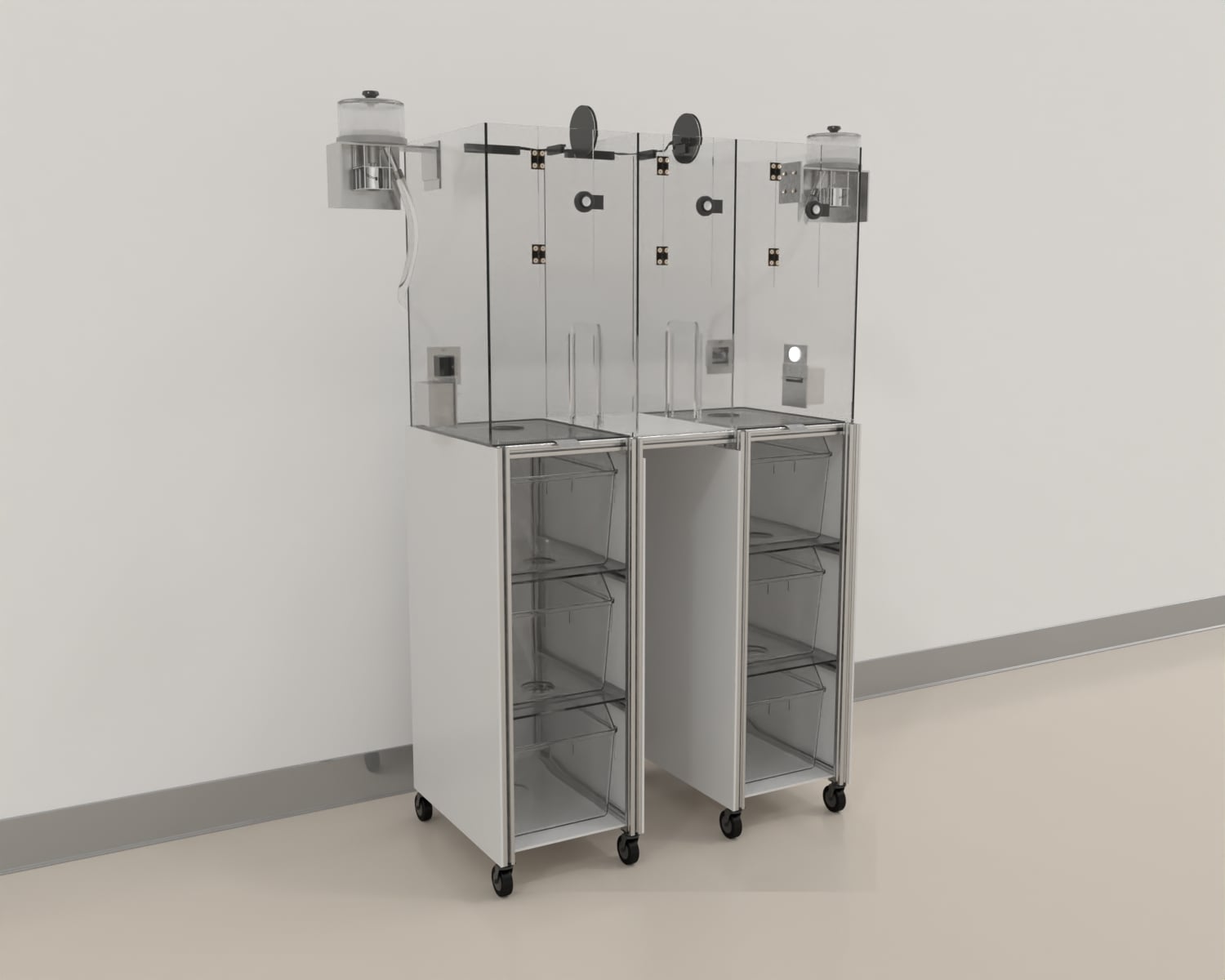
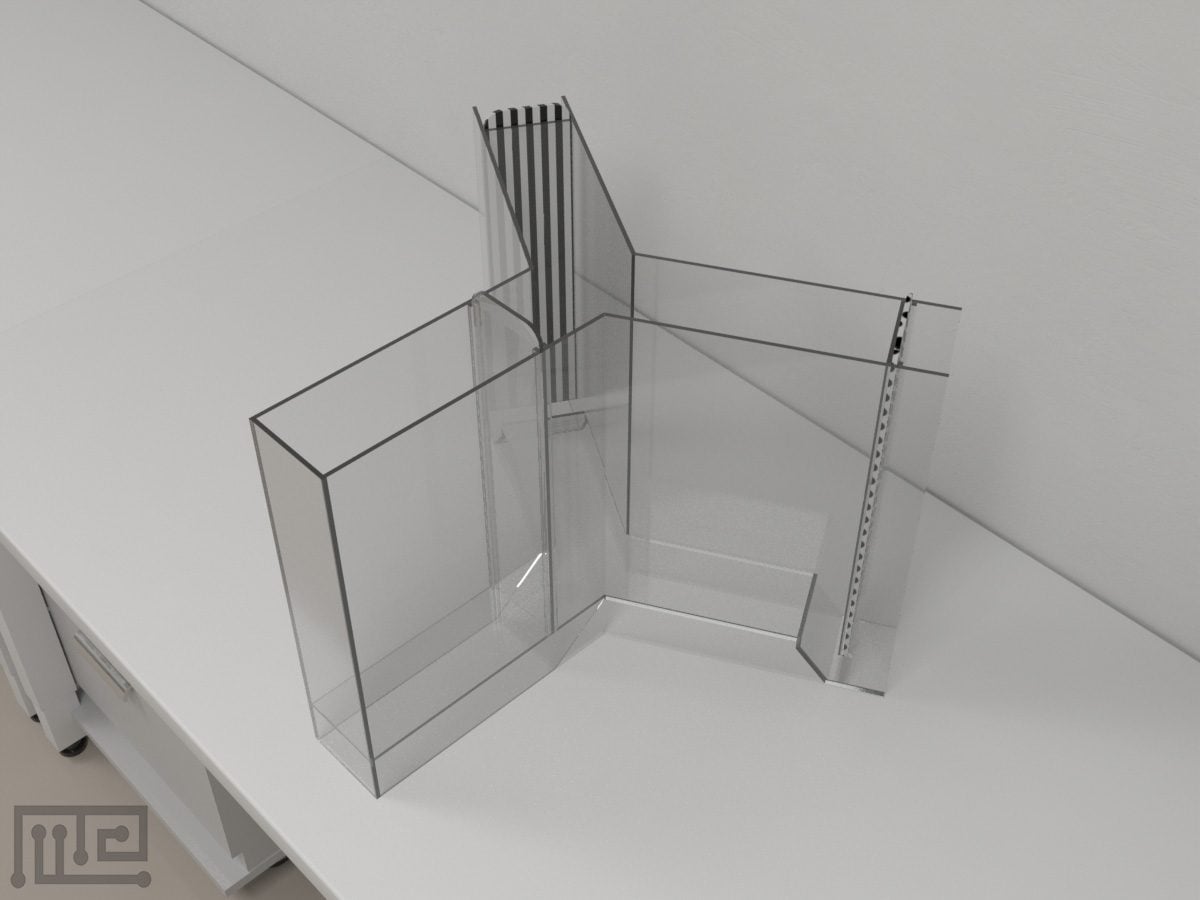
3D Vertical Maze
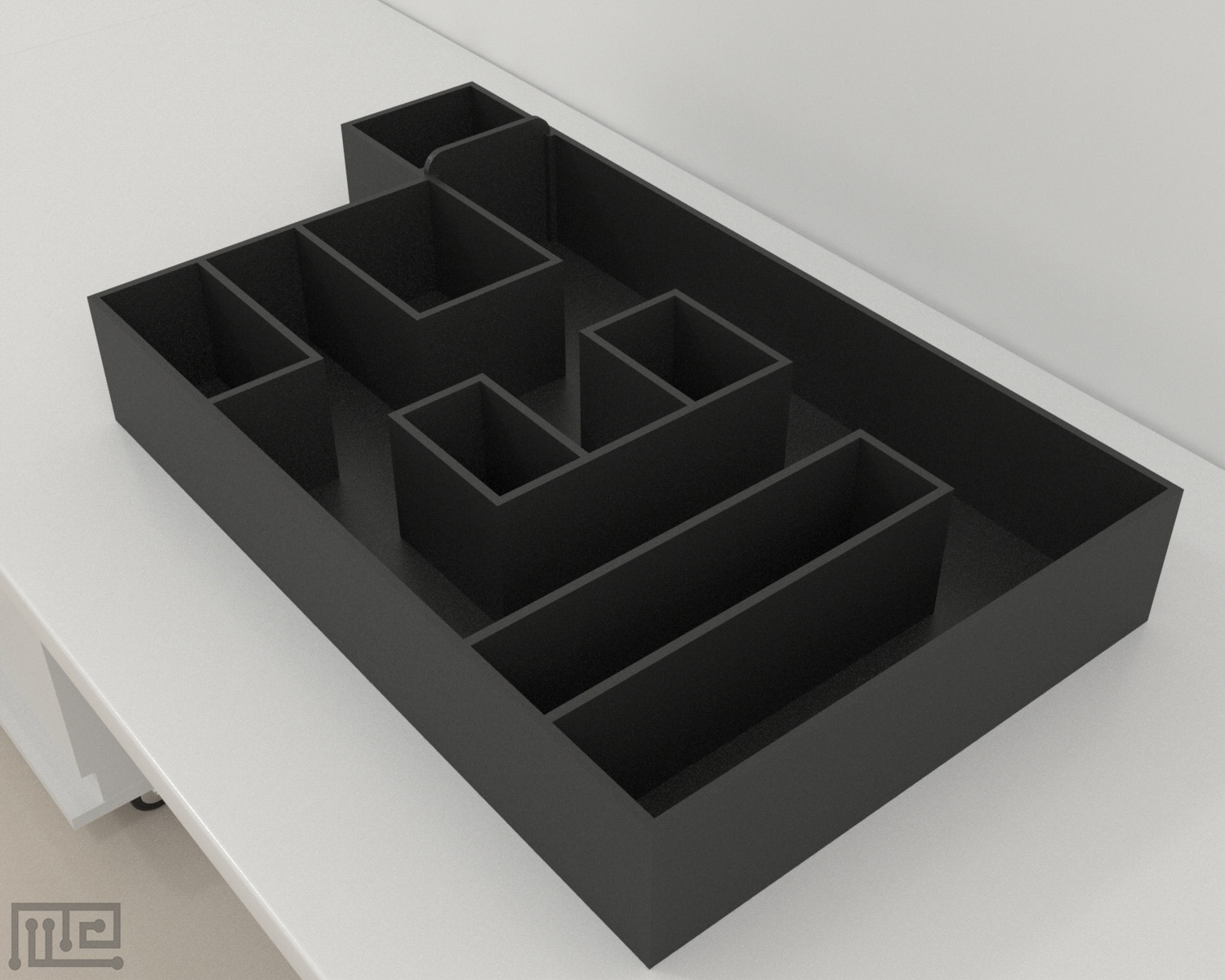
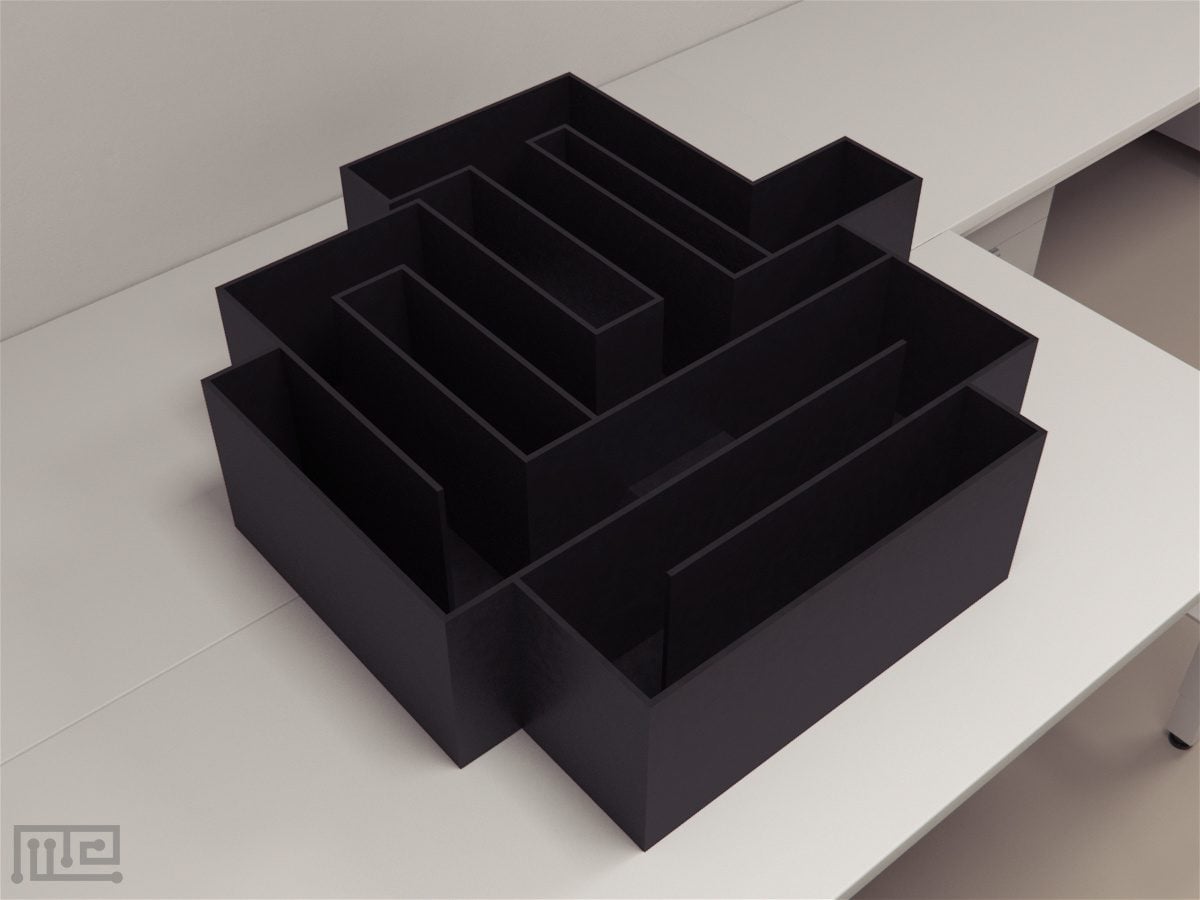
Vertical Maze Overview
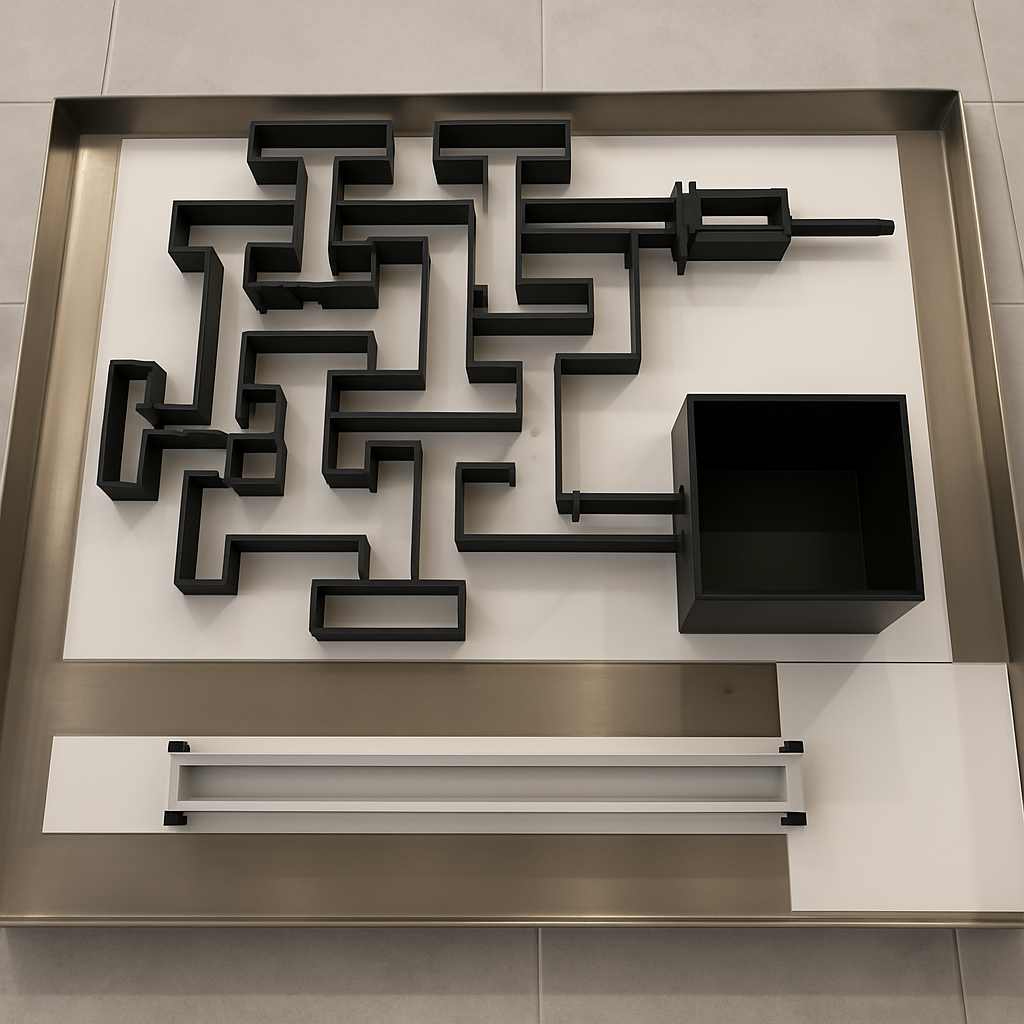
Stone T Maze
Development of a water-escape motivated version of the Stone T-maze for mice addresses the challenges in assessing learning and memory in mice using tasks originally designed for rats.
Barnes Maze
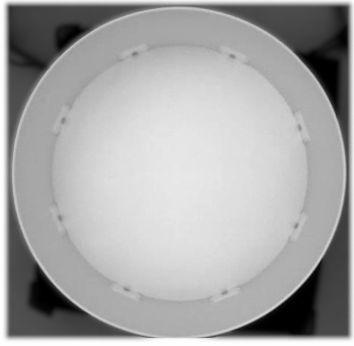
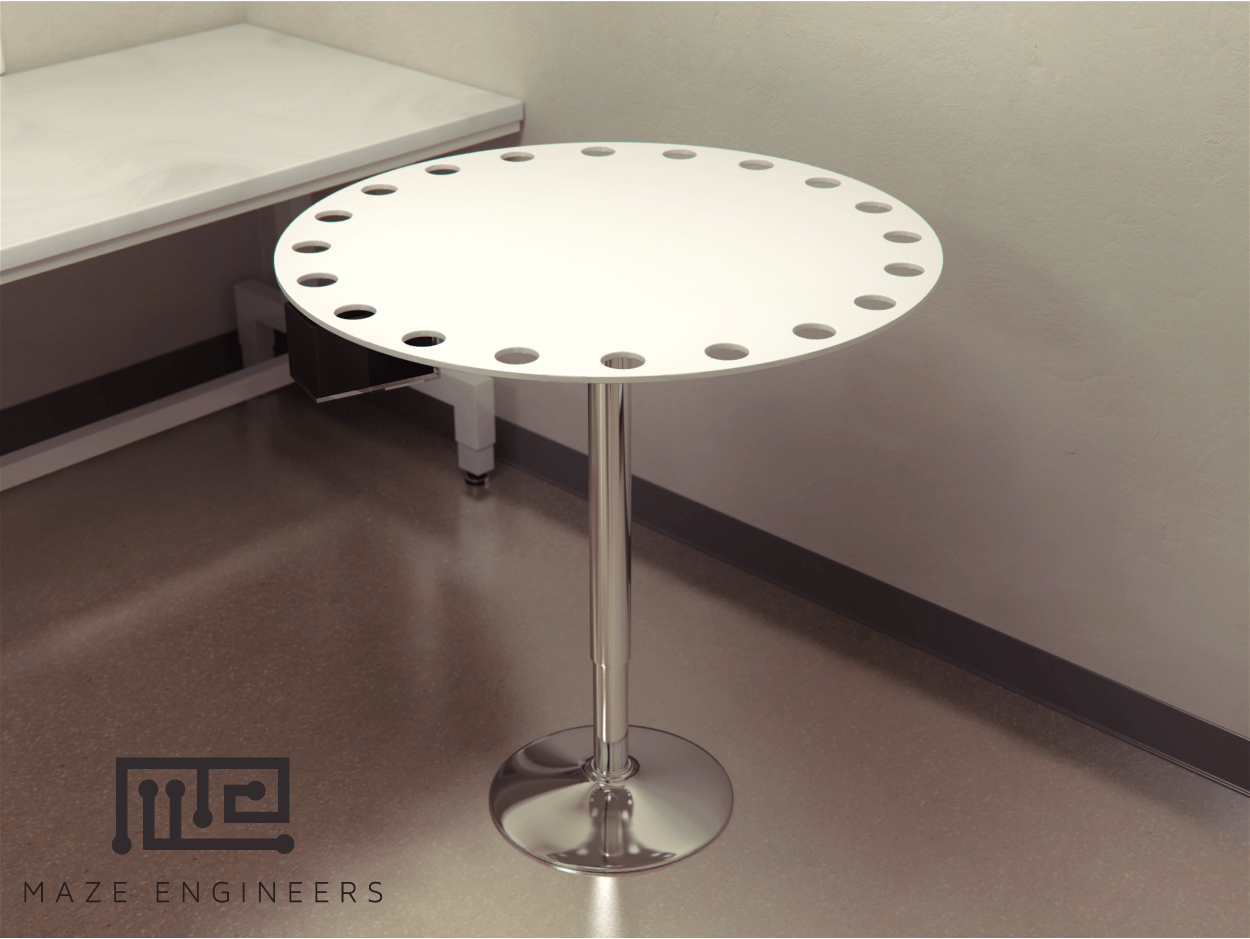
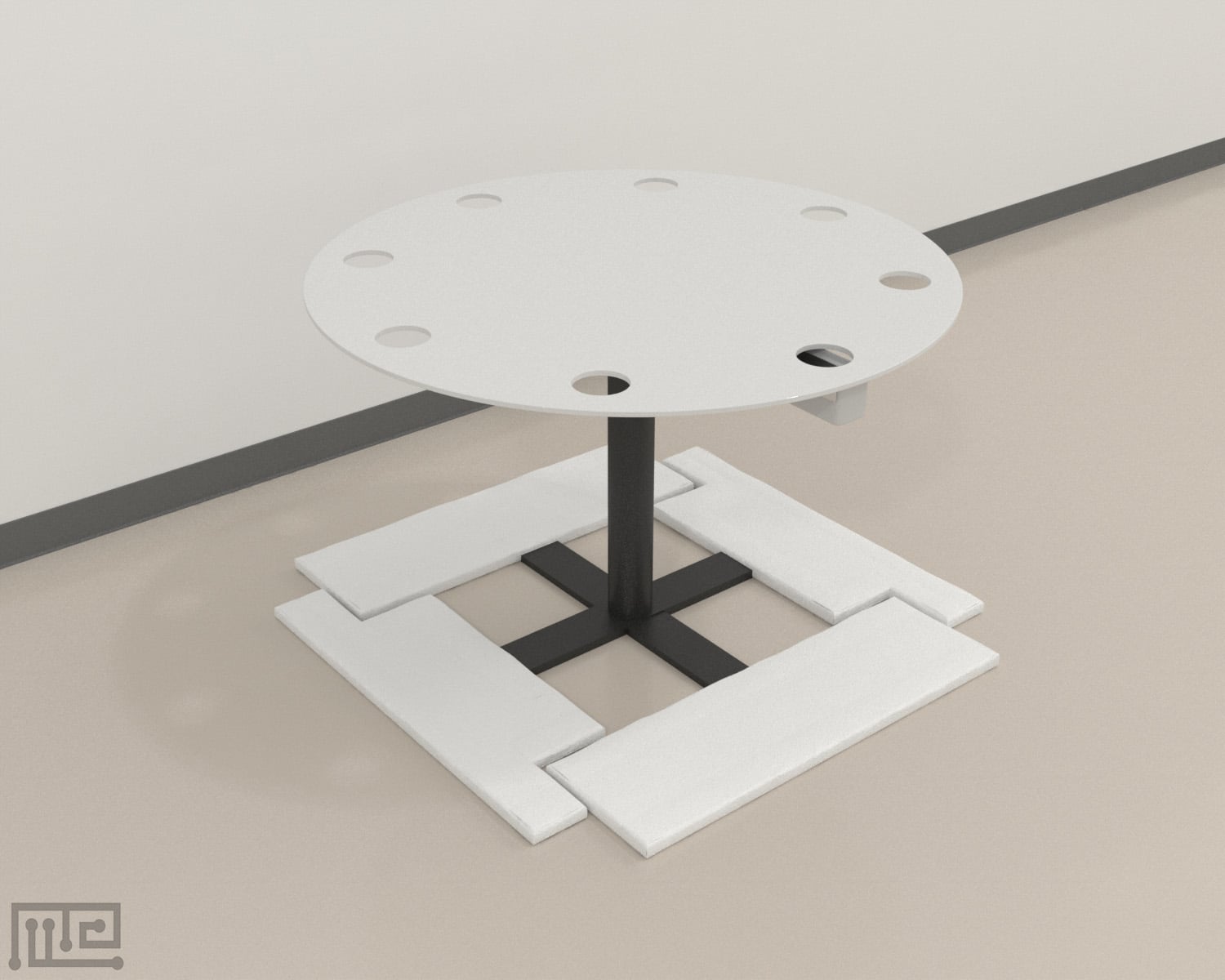
The Barnes maze is a circular maze designed to test visual spatial learning and memory for mice and rats.
Rodent OX Maze
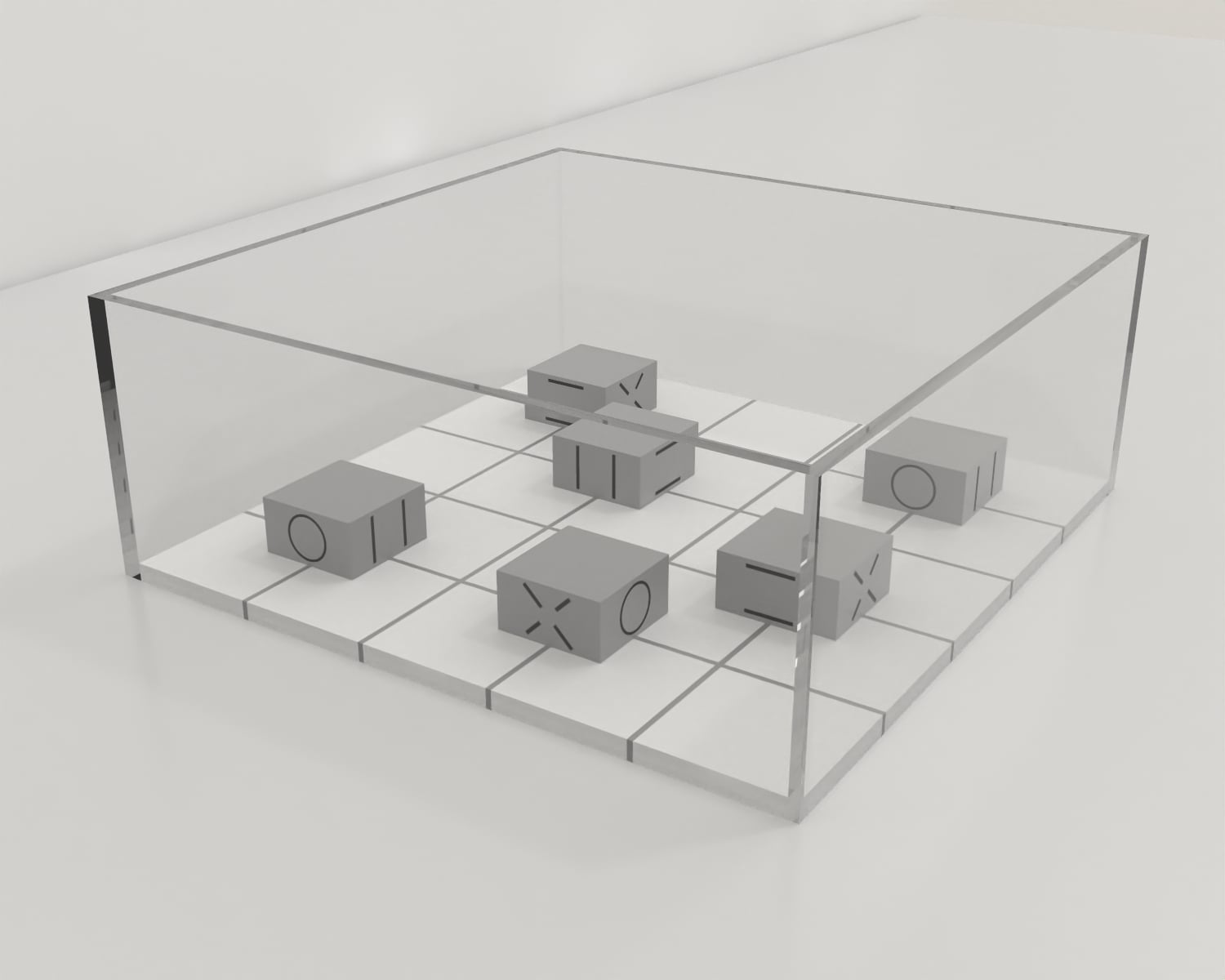
Developed by Wood, Glynn, and Morton, the Rodent OX-Maze is used to assess learning and memory in rodents. It gets its name from the ‘O’ and ‘X’ symbols drawn…
Bee Compound Y-Mazes
The Bee Compound Y-Mazes was used to investigate how the colour, shape and location of patterns could be memorized within a time frame.
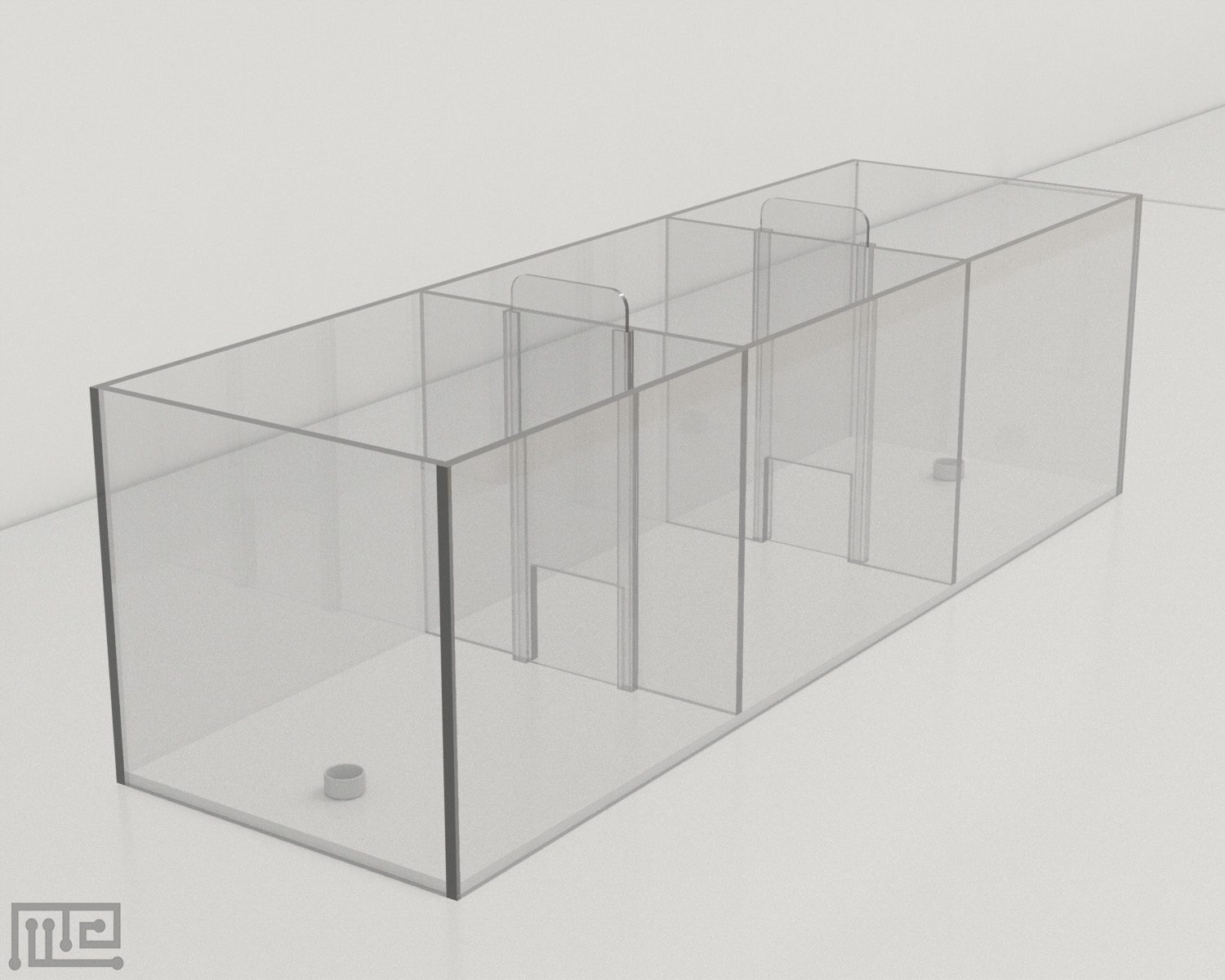
Multiple T-Maze
The Multiple T-maze is used to perform spatial learning and memory-based investigations on rodents.
Complex Fish Maze
The Complex Fish Maze is used to study the spatial learning and navigation abilities of fish.
Modified T-Maze
The Modified T-Maze is a T shaped apparatus is used to study learning, cognition and memory behavior in rodents.
The Lobster maze (post-larval conditioning with shelter)
The Lobster maze (postlarval conditioning with shelter) is used to assess the effect of postlarval conditioning with shelter in lobsters.
Crab Complex Maze
The Crab Complex Maze was used to investigate spatial learning in European shore crabs. Click here to learn more about this maze and how it is used.
Monkey T maze
Monkey T maze was used to assess the effects of fornix transection and cingulate cortical ablationon spatial memory in rhesus monkeys. Learn more here.
Sucrose Preference Test Apparatus
The Sucrose Preference Test Apparatus was used for sucrose preference test for measurement of stress-induced anhedonia in mice. Learn more here.
Juvenile Barnes Maze
The Modified Barnes maze is adapted and can be used to assess the maturation of abilities that first emerges around the end of the third postnatal week.
Inhibitory Avoidance Apparatus
The Inhibitory Avoidance Apparatus is a device that offers a substantial improvement for behavioral analysis in step-down inhibitory avoidance task.
Bird/Mammal Radial Maze
The Bird/Mammal Radial Maze is a large outdoor radial maze used for comparative studies on spatial learning and memory in birds and mammals. Learn more here.
Olfactory Discrimination Test Box
The Olfactory Discrimination Test Box can be used to evaluate different learning behaviors in rodents using different experimental protocols. Learn more about it here.
Oddity Discrimination Apparatus
The Oddity Apparatus can be used in the assessment of perception, object, visual screening test and declarative memory. Learn more about this here.
4-Box Maze
The 4-box maze is used for analyzing cognitive mapping, spatial learning, and memory recall in rodents.
Water Escape T-Maze
The Water Escape T-maze apparatus is used to evaluate spatial learning and memory in rodents when placed in a stressful environment.
Visual Water Box
The visual water box can be used to evaluate different learning behaviors in rodents using different experimental protocols. Learn more about the water box here.
Tilapia T-Maze
The Tilapia T-Maze is used to access in spatial learning and exploration in tilapia.
Modified Biel-Maze
The modified Biel maze is used to assess spatial learning and memory in rodents.
Pig Hole Board
The Pig Hole Board provides an environment to test the cognitive flexibilities in pigs in response to different spatial configurations of the baited and un-baited buckets.
Snake T-maze
The Snake T-maze is used to examine spatial learning, memory and decision making in snakes.
Light Dark T-Maze
The Light Dark T-Maze was used to assess the differences in the memory and learning abilities of two strains of mice reacting to a convulsive dose of Methyl--carboline-3-carboxylate.
The Lobster maze (effect of immediate prior experience)
The Lobster maze (effect of immediate prior experience) is the second of two arenas used in an experiment to assess the effect of immediate prior experience with shelter on stage V shelter-seeking behavior in lobsters.
Repeated Acquisition and Performance Chamber
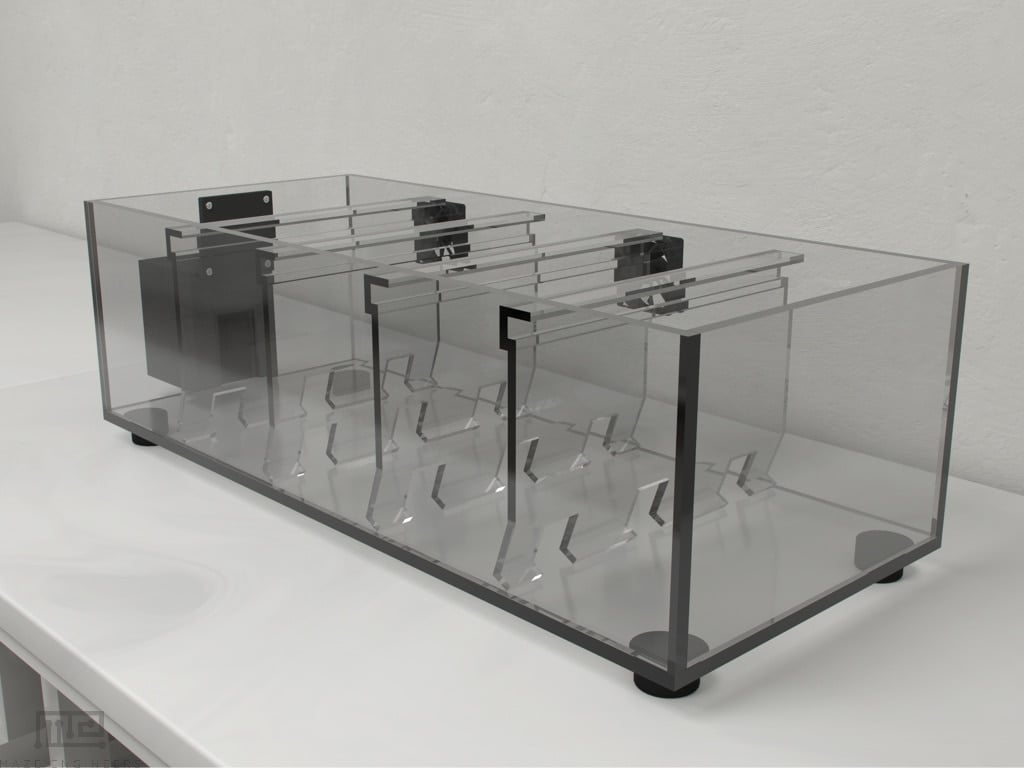
The Repeated Acquisition and Performance Chamber from MazeEngineers (RAPC for short) is an acrylic device with a start and end goal box.