Product attribute
Species
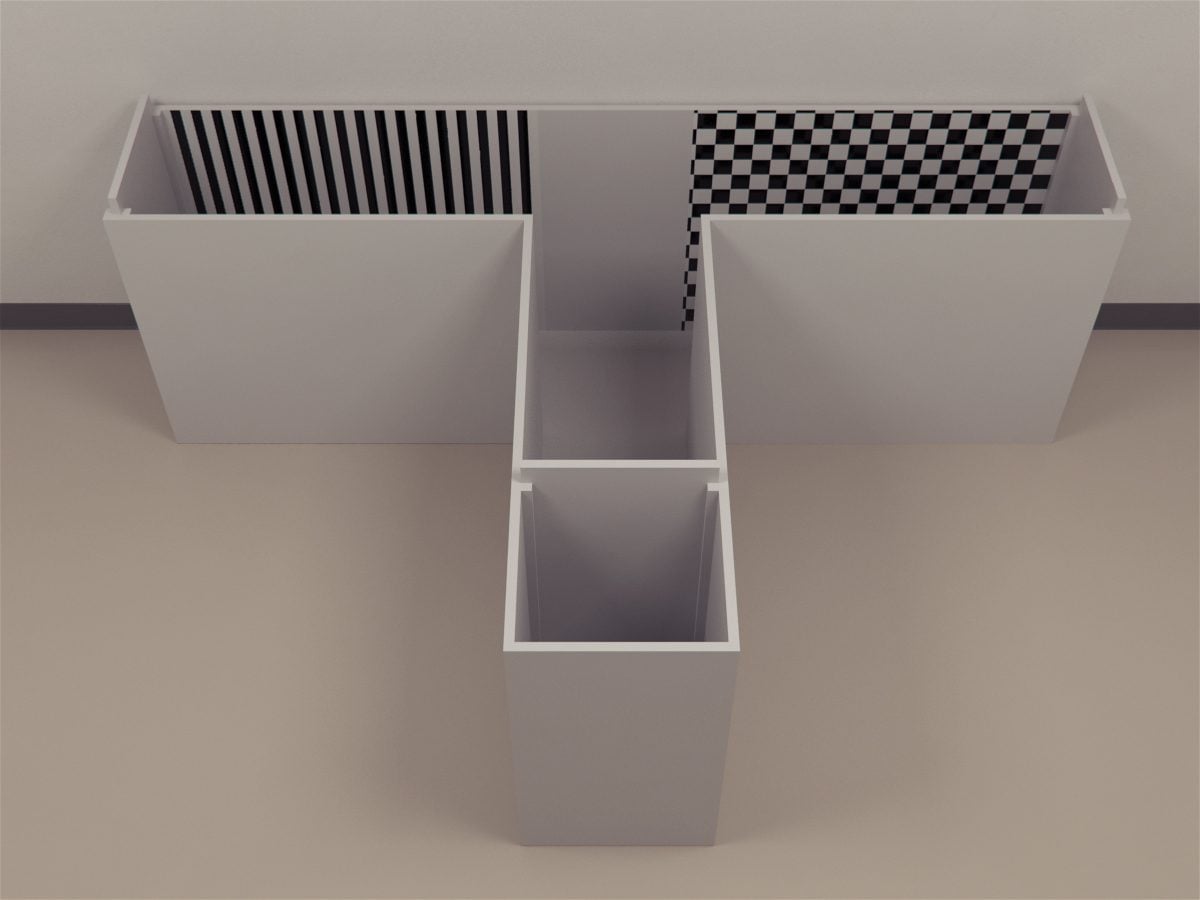
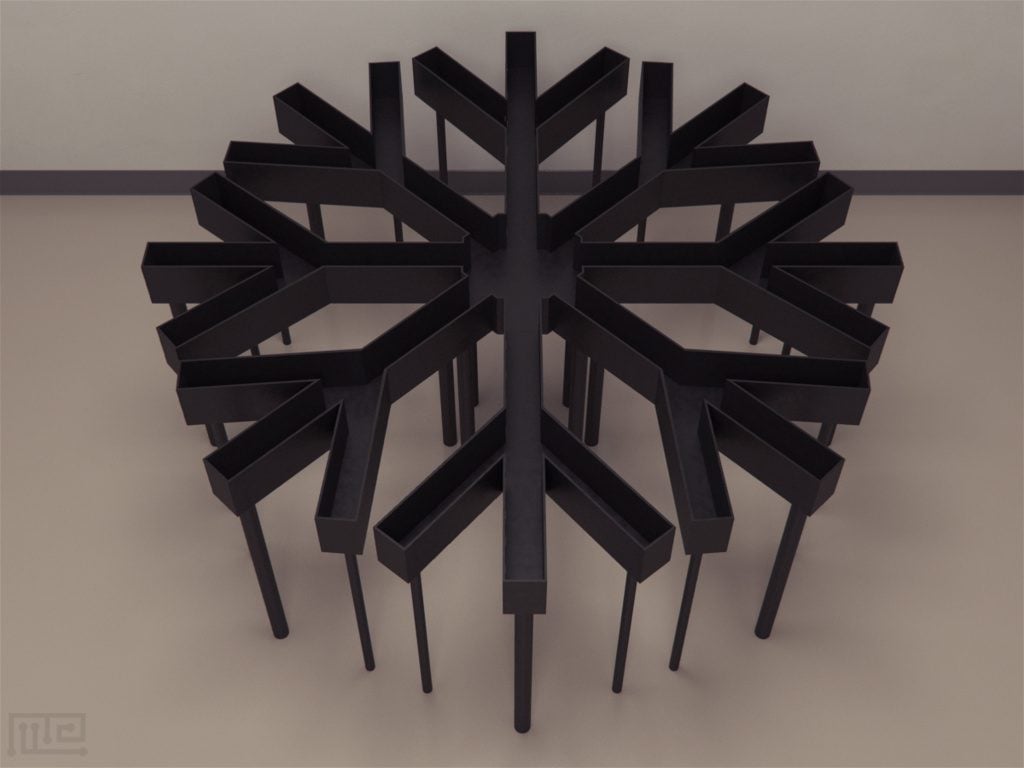
Double Y Angulated Maze
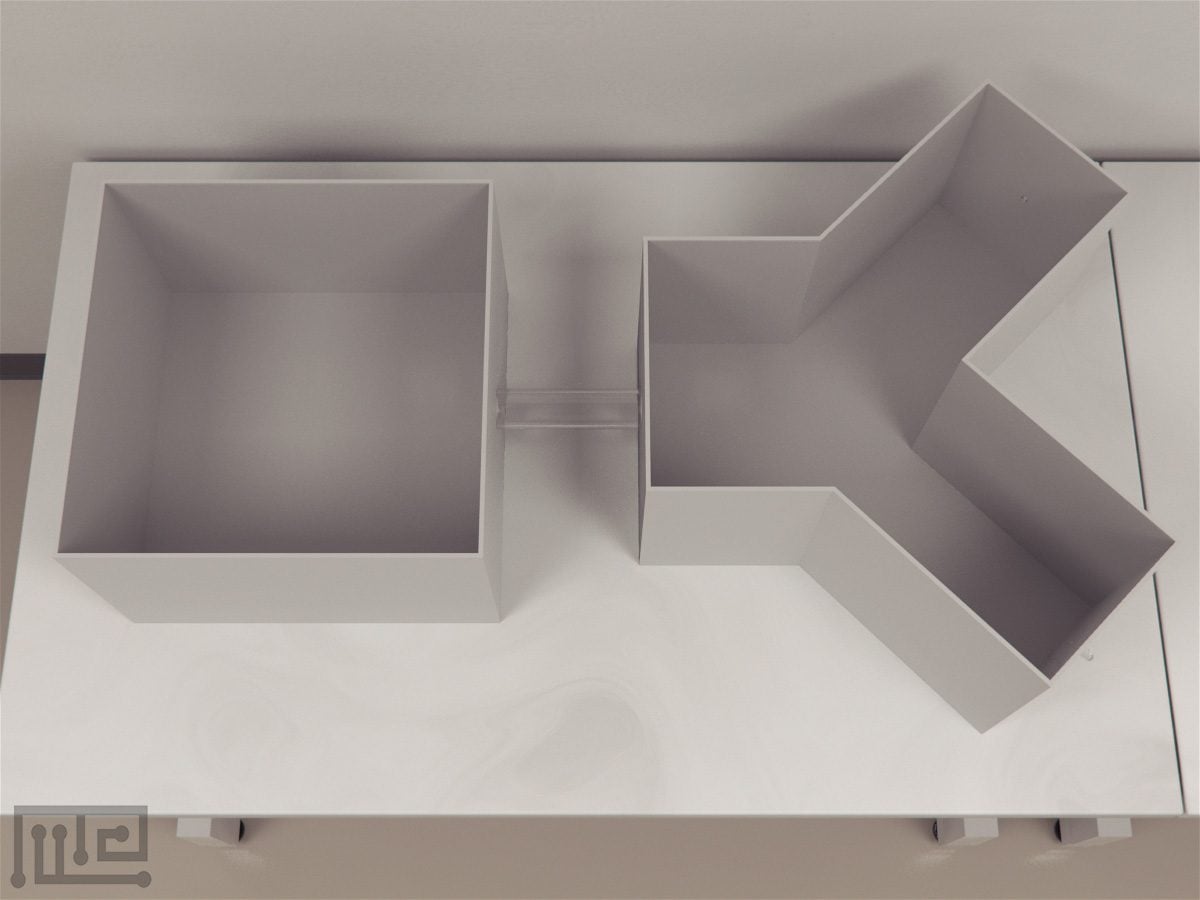
The Double Y Angulated Maze can be used in a study to test whether the hippocampus is essential for vicarious trial-and-errors (VTEs) in a spatial memory task and in a simple visual discrimination (VD) task.
BehaviorCloud
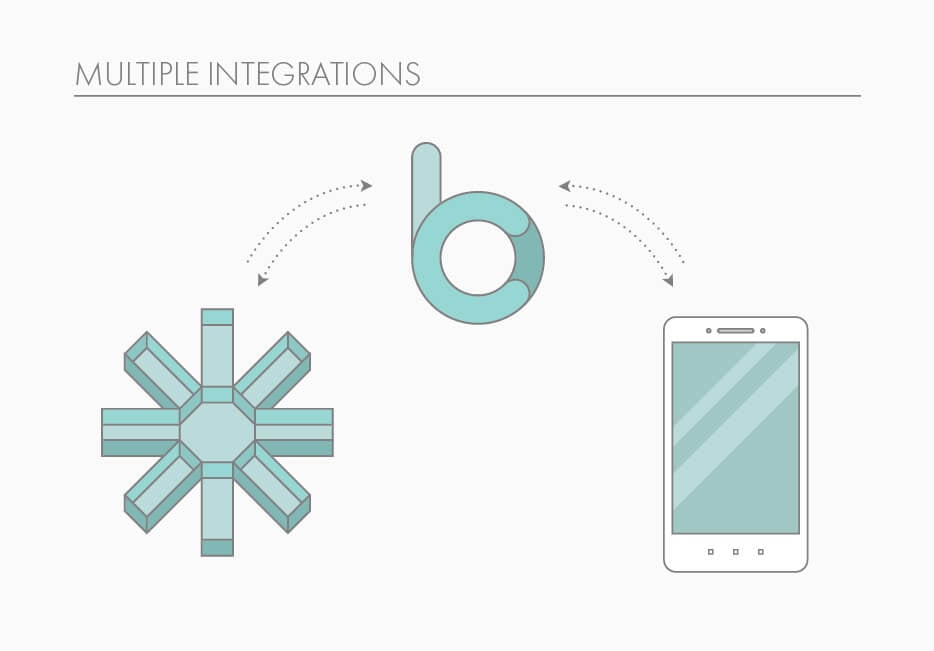
BehaviorCloud offers researches an amazing opportunity to collect, analyze, and share their data anytime without the worry of security.
AutoSom System
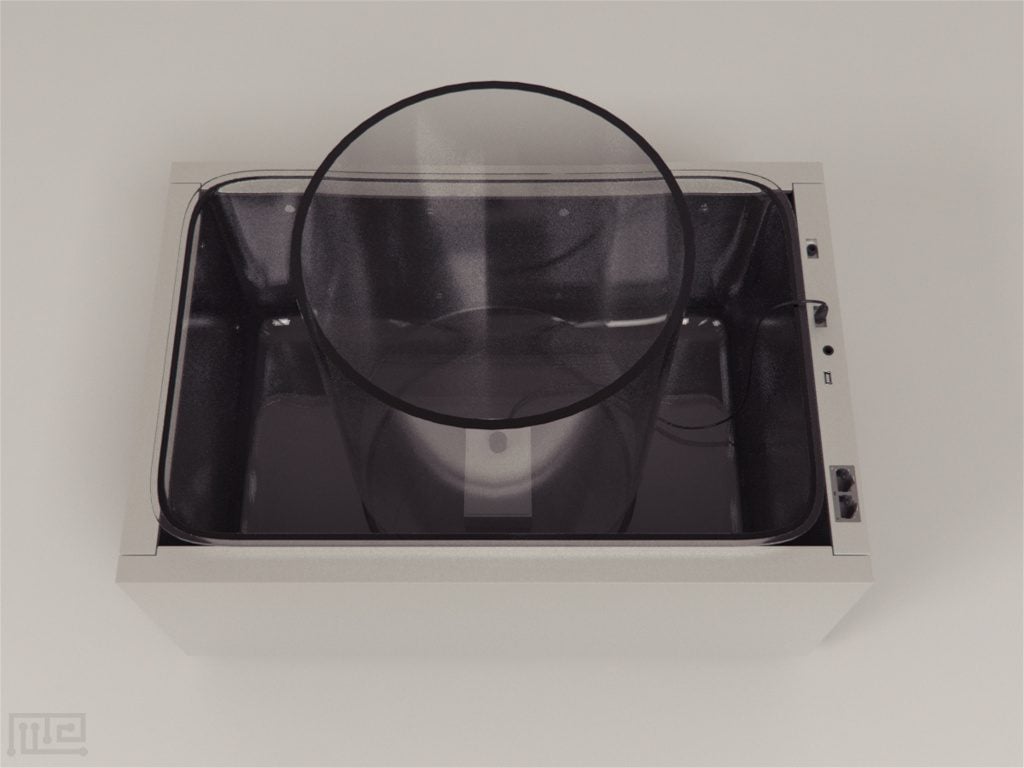
The AutoSomTM system is an automated sleep-deprivation system specially designed to conduct sleep-related research in rodents.
Activity Cage
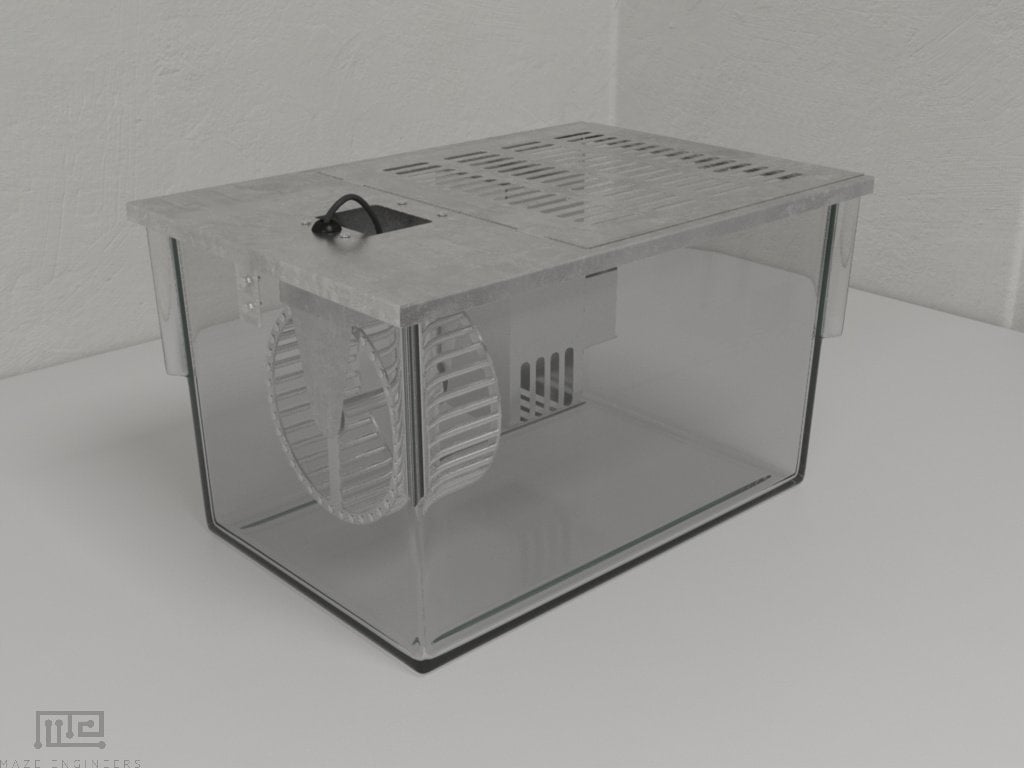
Activity cage is a thought-out apparatus that allows for a reliable estimation of the circadian system in rodents.
Hen T Maze
The Hens T maze was used in an experiment to assess spatial cognition and range use in hens.
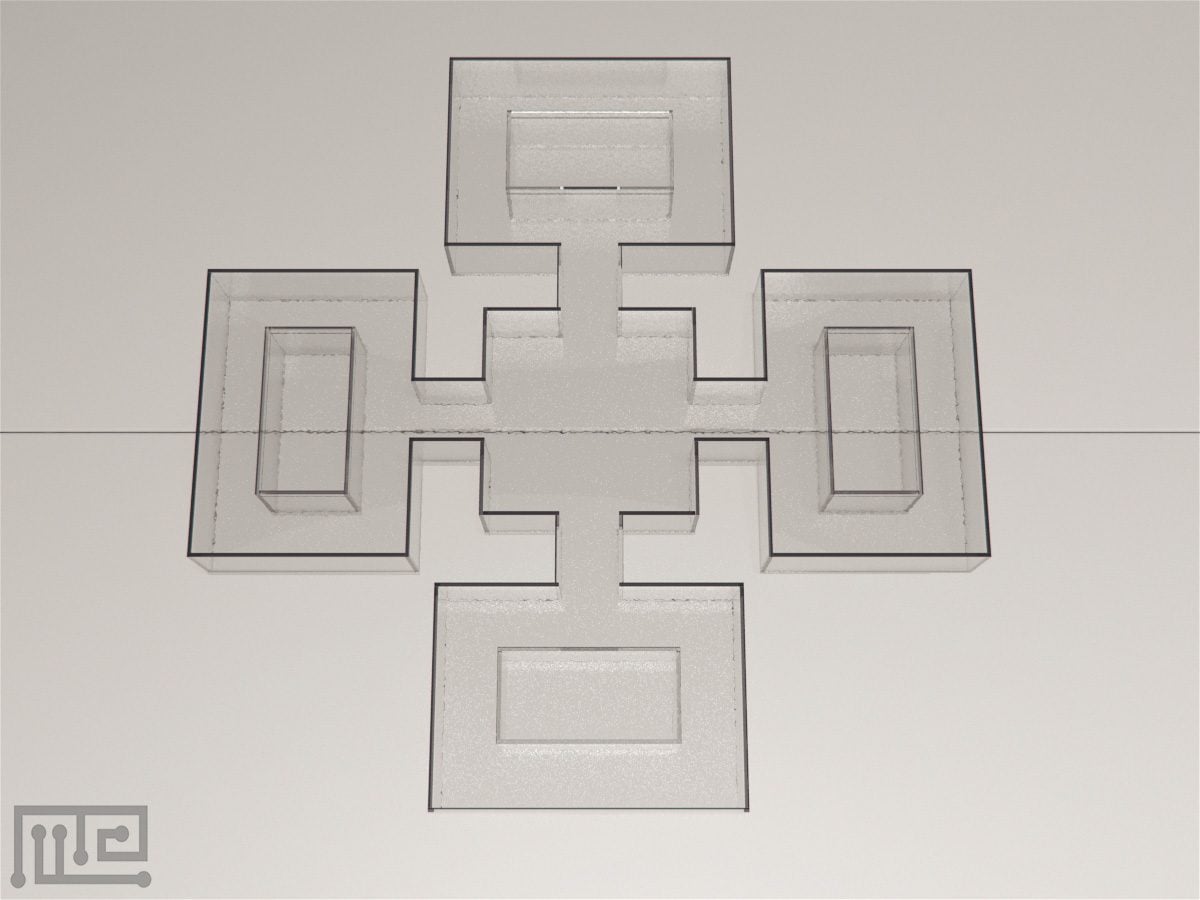
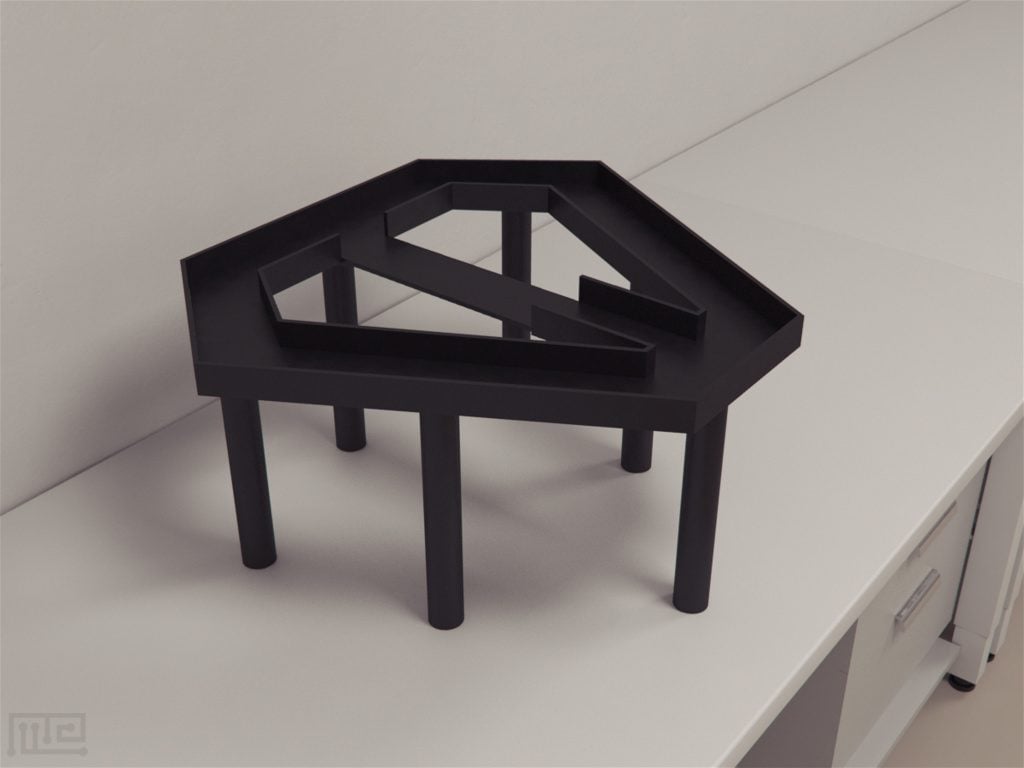
Diamond Maze
The Diamond Maze was used in an experiment by Hassan M. H. Mustafa et al. (2018), to compare binary choice between two nests in ants. The maze contained three…
Path Regularity Mazes
The Path Regularity Maze is used to assess learning and memory in bees.
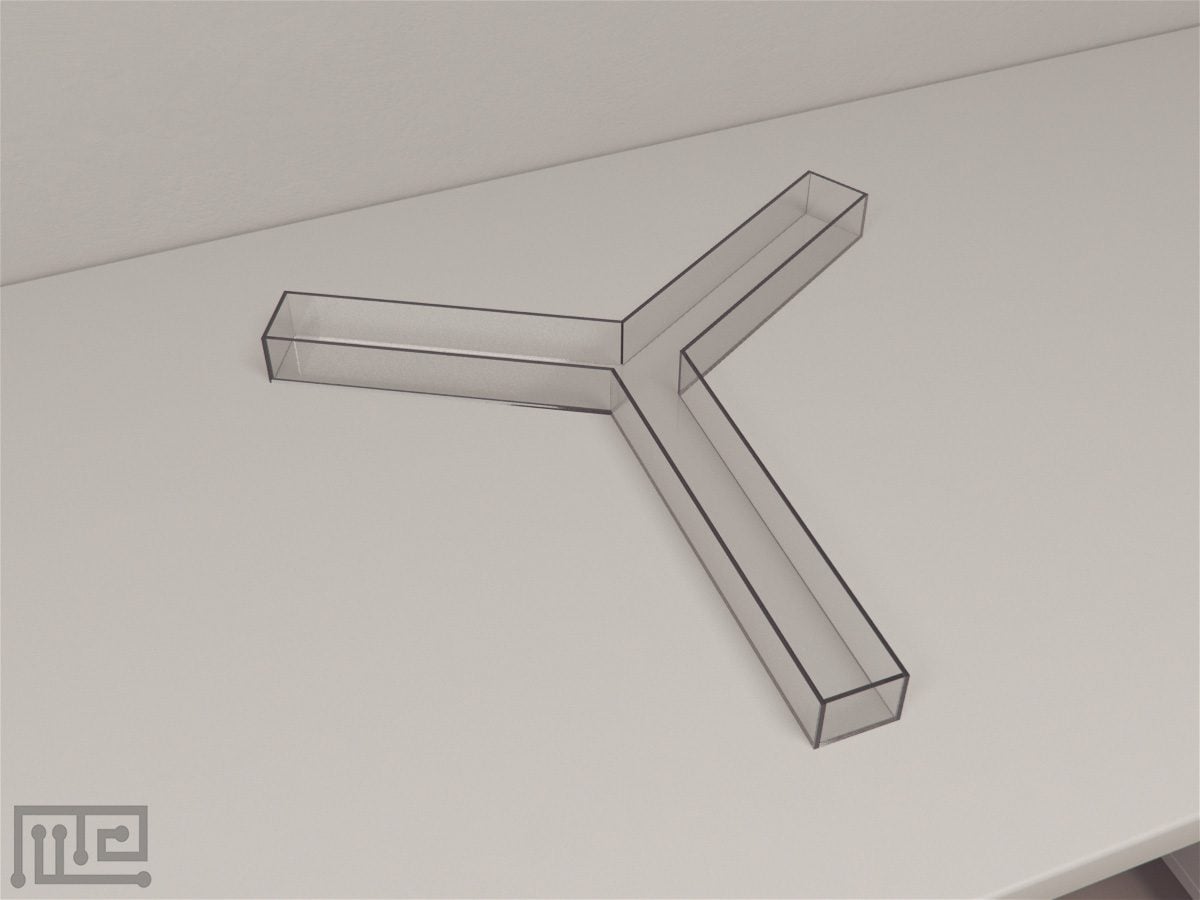
Bat Y-Maze
The Bat Y-Maze is used to assess social preference in bats.
Forced 2-Choice Maze
The Forced 2-Choice Maze is used in behavioral task to train rodents to overcome their natural aversion of light.
Zebrafish Plus Maze
The Zebrafish Plus Maze is used to analyze associative learning behavior in zebrafish.
Predation Pressure Apparatus
The Predation Pressure Apparatus is used to assess effects of predation pressure on the cognitive ability of the poeciliid.
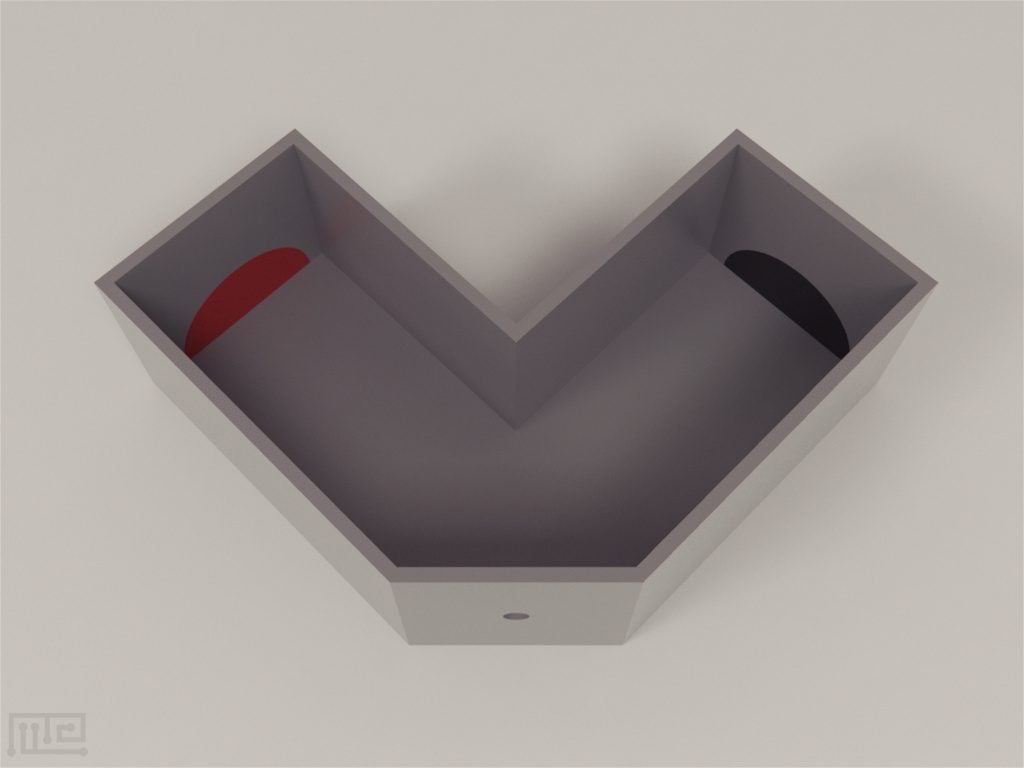
Psyllid Y-Maze
The Psyllid Y-Maze is used to assess visual acuity in psyllids..
The Lobster maze (effect of immediate prior experience)
The Lobster maze (effect of immediate prior experience) is the second of two arenas used in an experiment to assess the effect of immediate prior experience with shelter on stage V shelter-seeking behavior in lobsters.
Bumblebee Y-Maze
The Bumblebee Y-Maze is used to determine the relationship between eye optical quality and behavioural ability at target detection over a range of sizes of insects of the same species.
Cuttlefish T-Maze
The Cuttlefish T Maze is used to access in spatial cognition in an invertebrate.
Circular Central Platform T Maze
The circular central platform T Maze offered by MazeEngineers is used in experiments to investigate spatial navigation in rodents.
Caterpillar Y-Maze
The Caterpillar Y-Maze is used to assess memory retention during metamorphosis.
Robotic Cylindrical Maze
The Robotic Cylindrical Maze is used to study spatial cognition in rats and robots. Learn more about the behavioral outcomes and how the maze is used.
Cyborg Maze
The cyborg maze was created by Yu Y et al. (2016), in an experiment carried out to demonstrate how rat cyborgs can expedite the maze escape task with the integration of machine intelligence.
Alley Maze
The Alley maze is used to assess exploratory behavior in mice and rats. Learn more.
Hierarchal Maze
The Hierarchal maze is used to assess learning in mice and rats. Learn about the device and behavioral outcomes.
Zebrafish Shuttle Box
The Zebrafish Shuttlebox presents an automated method for high throughput learning paradigm testing. MazeEngineers explains the protocol and apparatus.
Zebrafish Light Dark
The Zebrafish Light Dark Box creates a similar experimental paradigm to the rodent light dark box.
Zebrafish Black White Preference
The Black white preference tank assesses for wall color stimuli on diving, and the effects of depth stimuli on scototaxis.
Social Interaction Test
The social interaction test is a procedure for sociability testing in mice and rats. Get the procedure, protocol, and more information for your study here.
OroFacial Pain Assessment Device (OPAD)
Operant Orofacial Assessment Devices allows assessment of mechanical and thermal pain sensitivity within a single system.
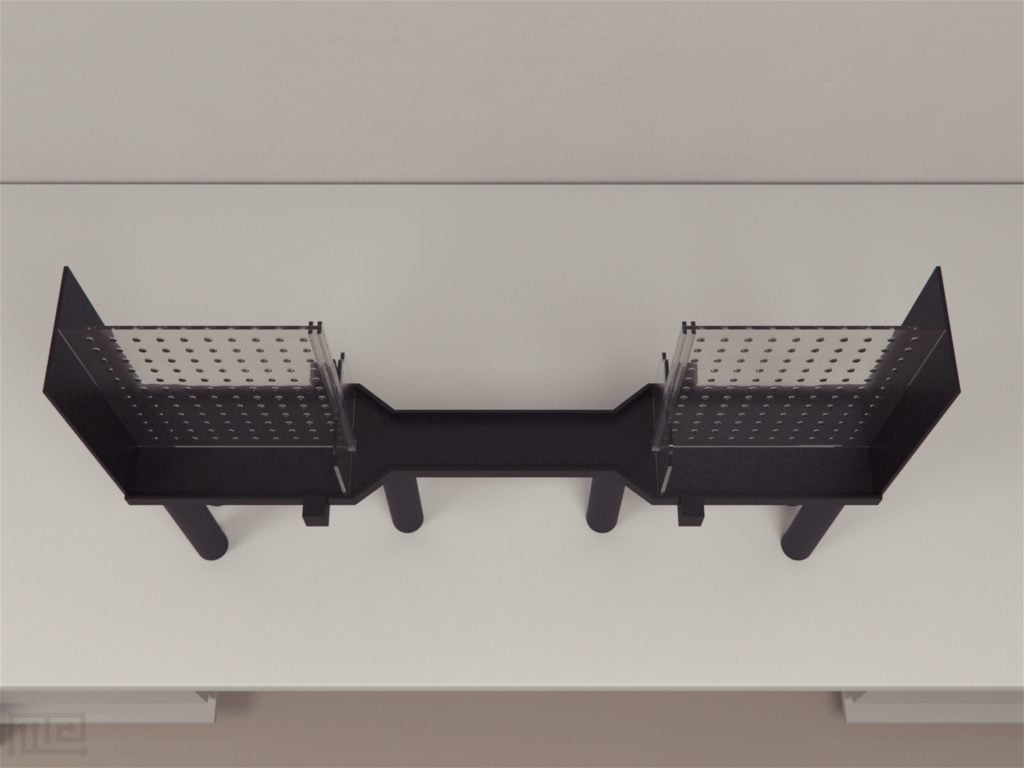
Double Bandit T Maze
The Modified T-Maze task is a widely used apparatus designed for evaluating the decision-making process and behaviours in rodents.
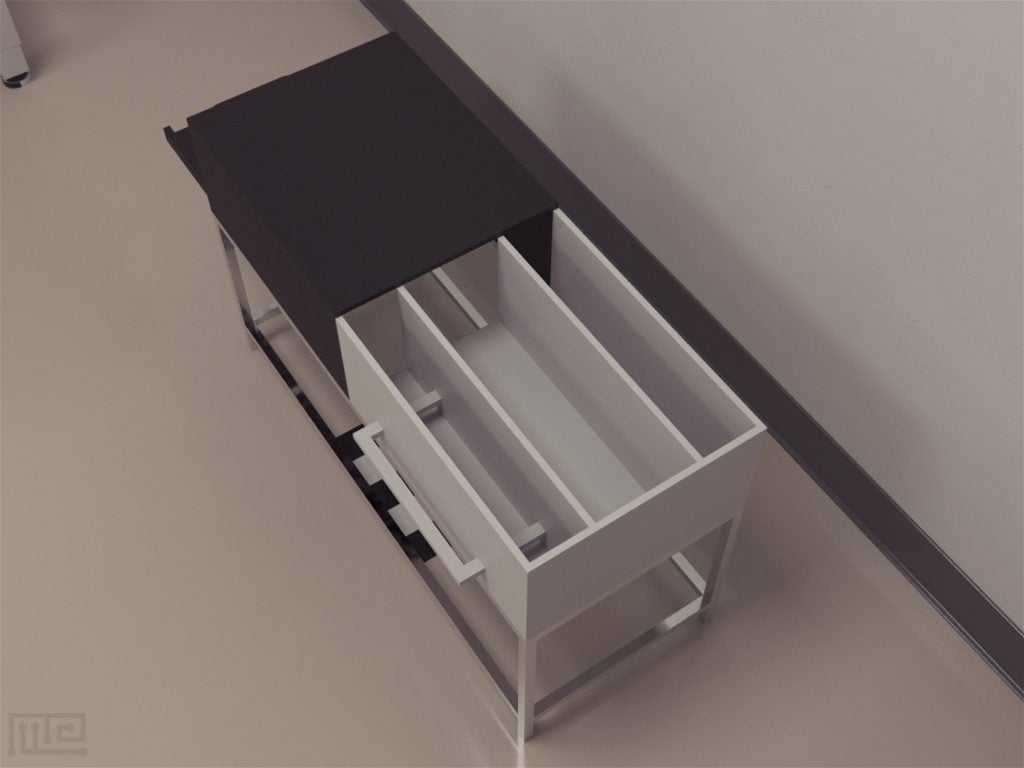
Gap Cross Test
The Gap Cross Test offered by MazeEngineers allows studying the chronic effects of whisker removal and traumatic brain injury.
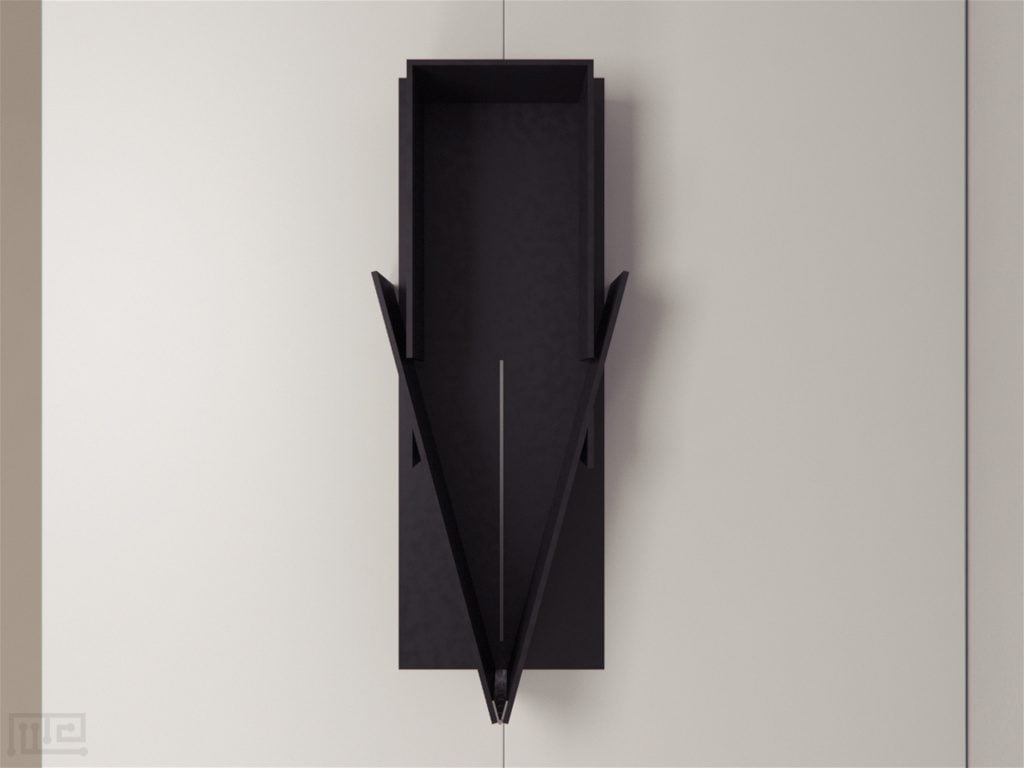
Angle Entrance Task
Our adjustable Angle Entrance Task was created for a diffuse brain injury rat model.
Fictive Reward
Our Fictive Reward task was developed for studying the ability of rats to make choices by considering all possible outcomes.