Product Info

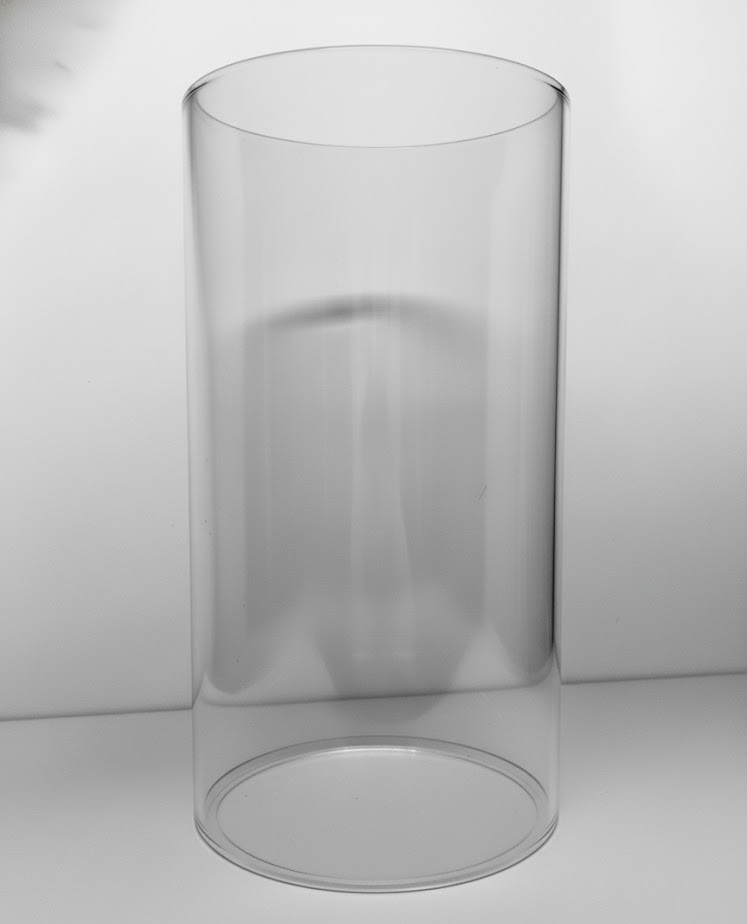
The Cylinder Test is a highly sensitive, non-invasive behavioral assessment used to evaluate spontaneous forelimb use and motor symmetry in rodents. Unlike forced-movement tests, the cylinder test captures natural exploratory behavior, making it an essential tool for detecting subtle motor deficits caused by unilateral nigrostriatal lesions or other lateralized neurological injuries.

Core Applications

    • Parkinson’s Disease Research: Quantify motor impairments following unilateral 6-OHDA lesions.

    • Therapeutic Screening: Evaluate the efficacy of antiparkinsonian drugs, gene therapies, or optogenetic interventions by measuring the functional recovery of the impaired (contralateral) limb.

    • Injury Models: Highly effective for assessing sensory-motor deficits in stroke (cerebral ischemia) and spinal cord injury models.

Our Cylinder test is compatible with all major video tracking and analysis packages, including our complete tracking and analysis package ConductVision, as well as Noldus Ethovision XT,and ANY-Maze.

Request a Circular Open Field

Prices and Sizes

Mouse

$ 1590

+ Shipping and Handling (approx $100)

  • 7.5 inch diameter and 9.5 inch height / 19 cm diameter and 24 cm height
  • Removable base for easy clean
  • Acrylic
  • Easy clean with 70% Ethanol
  • Clear acrylic or matte opaque finish
  • No odors

Rat

$ 1990

+ Shipping and Handling (approx $150)

  • 10 inch diameter and 11 inch height / 25 cm diameter and 28 cm height
  • Removable base for easy clean
  • Acrylic
  • Easy clean with 70% Ethanol
  • Clear acrylic or matte opaque finish
  • No odors

Documentation

Introduction

The Cylinder Test is a highly sensitive behavioral assay used in neuroscience to evaluate spontaneous motor symmetry and forelimb use in rodent models of neurological disorders, such as Parkinson’s disease and stroke. During the test, a mouse or rat is placed inside a transparent, upright glass cylinder, which naturally triggers an exploratory behavior known as “rearing.” As the animal stands on its hindlimbs to examine the environment, it uses its forepaws to touch the cylinder walls for balance and support.

By recording and analyzing these wall-contact events, researchers can determine if there is a lateralized motor deficit; for instance, an animal with a brain lesion on one side will significantly favor the paw on the same side as the injury (ipsilateral) while neglecting the paw on the opposite side (contralateral). This test is particularly valued because it relies on innate, unforced behavior and requires no prior training, making it an efficient tool for measuring both the severity of motor impairment and the effectiveness of potential therapeutic treatments.

For more motor-related essays, see more here.

Apparatus and Equipment

The primary testing chamber is a clear acrylic cylinder. The height is critical to prevent active mouse strains from jumping out. To eliminate external visual distractions and encourage natural exploratory behavior, the cylinder is placed on a stable surface within a black-curtained enclosure under low-light conditions (approximately 40 lux).

The Camera Setup

A multi-angle, high-definition camera system is used to capture every wall contact, even when the animal’s body blocks a single line of sight:

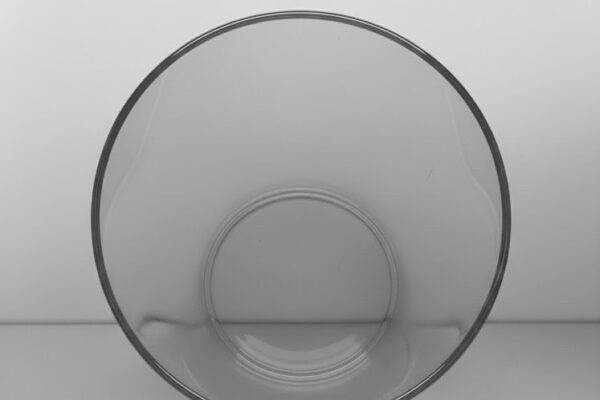
  • Top-View Camera: Positioned directly above the cylinder to provide a full overhead view of the interior diameter.

  • Side-View Cameras: Two additional digital cameras are positioned at different angles around the cylinder. This redundancy ensures that the experimenter can distinguish between independent left/right paw touches and simultaneous “both-paw” contacts, regardless of which way the mouse is facing.

  • Remote Monitoring: Cameras should have onboard storage or be connected to an external computer, allowing the researcher to leave the room during the 10-minute trial to ensure the animal’s behavior remains spontaneous and undisturbed. A tracking package such as ConductVision can be used to detect paw contacts.

Literature Review

The Cylinder Test, originally described by Schallert et al. (2000), has become a cornerstone of behavioral neuroscience for assessing spontaneous forelimb use and sensorimotor asymmetry. Unlike forced-choice tasks, such as the Rotarod or the Grid Walk, the cylinder test relies on innate exploratory “rearing” behavior. This review examines its application across various injury models and its utility in evaluating therapeutic recovery.

Detection of Asymmetry in Parkinson’s Disease

The most prominent use of the cylinder test is in the validation of unilateral Parkinson’s Disease (PD) models, particularly the 6-OHDA (6-hydroxydopamine) lesion model. According to Magno et al. (2019), dopamine-depleted mice exhibit a profound preference for the forelimb ipsilateral (same side) to the brain lesion when supporting themselves against the cylinder wall. This asymmetry is a direct reflection of the loss of dopaminergic neurons in the substantia nigra. Iancu et al. (2005) demonstrated that the cylinder test is often more sensitive than the traditional rotation test, as it captures deficits in voluntary movement rather than drug-induced responses.

Assessment of Ischemic Stroke and Cortical Injury

In models of cerebral ischemia (stroke), the cylinder test is frequently employed to track long-term functional recovery. Schallert et al. (2000) noted that while animals may show rapid recovery in gait, the “asymmetric limb use” captured in a cylinder often persists, providing a more rigorous measure of permanent sensorimotor loss. Research by Venna et al. (2014) further established that the test can detect how social environment and neurogenesis influence recovery post-stroke, showing that mice housed in social environments displayed significantly better contralateral limb use than isolated counterparts.

Spinal Cord Injury (SCI) and Corticospinal Tracts

The test is also a vital tool for assessing damage to the descending motor pathways. Starkey et al. (2005) utilized the cylinder test to evaluate mice following pyramidotomy (lesion of the corticospinal tract), finding it highly effective at quantifying the loss of fine motor control in the forepaws. Similarly, Warren et al. (2018) highlighted its sensitivity in spinal cord injury models, where it was used to demonstrate the restoration of forelimb function following innovative regenerative therapies.

Evaluation of Therapeutic Efficacy

The cylinder test serves as a primary endpoint for preclinical screening of novel treatments. Kriks et al. (2011) successfully used the assay to show that human embryonic stem cell-derived dopamine neurons could engraft and functionally rescue motor deficits in a PD model. Furthermore, Francardo et al. (2014) demonstrated that pharmacological stimulation of sigma-1 receptors led to a significant increase in the use of the “impaired” limb, suggesting neurorestorative effects that were clearly quantifiable through spontaneous rearing.

Data Analysis

The following are some possible observations and parameters that can be collected, focusing on spontaneous vertical exploration. Researchers primarily capture the specific way the rodent uses its forepaws to interact with the environment.

  • Independent Ipsilateral Touches: The number of times the rodent uses only the forepaw on the same side as the brain lesion (the “healthy” limb) to contact the cylinder wall.

  • Independent Contralateral Touches: The number of times the rodent uses only the forepaw on the opposite side of the lesion (the “impaired” limb) to contact the wall.

  • Simultaneous (Both-Paw) Touches: The number of times both forepaws contact the cylinder wall at the same time during a single rearing event.

  • Total Wall Touches: The sum of all independent and simultaneous contacts made during the trial period (used as a baseline for activity levels).

  • Rearing Frequency: The total number of times the rodent stands on its hindlimbs to explore, regardless of paw placement.

  • Asymmetry Score (Percentage): A calculated value representing the use of the impaired limb relative to total activity. It is typically expressed as:

  • Exploratory Duration: While the standard test is 10 minutes, researchers may note the time spent actively exploring versus remaining stationary, which can indicate levels of bradykinesia (slowness of movement).

References

Boix, J., Padel, T. and Paul, G. (2015) ‘A partial lesion model of Parkinson’s disease in mice–characterization of a 6-OHDA-induced medial forebrain bundle lesion’, Behavioural Brain Research, 284, pp. 196–206. doi: 10.1016/j.bbr.2015.01.053.

Francardo, V., Bez, F., Wieloch, T., Nissbrandt, H., Ruscher, K. and Cenci, M. A. (2014) ‘Pharmacological stimulation of sigma-1 receptors has neurorestorative effects in experimental parkinsonism’, Brain, 137(7), pp. 1998–2014. doi: 10.1093/brain/awu107.

Iancu, R., Mohapel, P., Brundin, P. and Paul, G. (2005) ‘Behavioral characterization of a unilateral 6-OHDA-lesion model of Parkinson’s disease in mice’, Behavioural Brain Research, 162(1), pp. 1–10. doi: 10.1016/j.bbr.2005.02.019.

Kriks, S., Shim, J. W., Piao, J., Ganat, Y. M., Wakeman, D. R., Xie, Z., Carrillo-Reid, L., Auyeung, G., Antonacci, C., Buch, A., Yang, L., Beal, M. F., Surmeier, D. J., Kordower, J. H., Tabar, V. and Studer, L. (2011) ‘Dopamine neurons derived from human ES cells efficiently engraft in animal models of Parkinson’s disease’, Nature, 480(7378), pp. 547–551. doi: 10.1038/nature10648.

Lundblad, M., Andersson, M., Winkler, C., Kirik, D., Wierup, N. and Cenci, M. A. (2002) ‘Pharmacological validation of behavioural measures of akinesia and dyskinesia in a rat model of Parkinson’s disease’, European Journal of Neuroscience, 15(1), pp. 120–132. doi: 10.1046/j.1460-9568.2002.01843.x.

Magno, L. A. V., Tenza-Ferrer, H., Collodetti, M., Aguiar, M. F. G., Rodrigues, A. P. C., da Silva, R. S., Silva, J. D. P., Nicolau, N. F., Rosa, D. V. F., Birbrair, A., Miranda, D. M. and Romano-Silva, M. A. (2019) ‘Cylinder Test to Assess Sensory-motor Function in a Mouse Model of Parkinson’s Disease’, Bio-protocol, 9(16), p. e3337. doi: 10.21769/BioProtoc.3337.

Schallert, T., Fleming, S. M., Leasure, J. L., Tillerson, J. L. and Bland, S. T. (2000) ‘CNS plasticity and assessment of forelimb sensorimotor outcome in unilateral rat models of stroke, cortical ablation, parkinsonism and spinal cord injury’, Neuropharmacology, 39(5), pp. 777–787. doi: 10.1016/s0028-3908(00)00005-8.

Starkey, M. L., Barritt, A. W., Yip, P. K., Davies, M., Hamers, F. P., McMahon, S. B. and Bradbury, E. J. (2005) ‘Assessing behavioural function following a pyramidotomy lesion of the corticospinal tract in adult mice’, Experimental Neurology, 195(2), pp. 524–539. doi: 10.1016/j.expneurol.2005.06.017.

Venna, V. R., Xu, Y., Doran, S. J., Patrizz, A. and McCullough, L. D. (2014) ‘Social interaction plays a critical role in neurogenesis and recovery after stroke’, Translational Psychiatry, 4(e351). doi: 10.1038/tp.2013.128.

Warren, P. M., Steiger, S. C., Dick, T. E., MacFarlane, P. M., Alilain, W. J. and Silver J. (2018) ‘Rapid and robust restoration of breathing long after spinal cord injury’, Nature Communications, 9(1), p. 4843. doi: 10.1038/s41467-018-06937-w.