Product type
Spotlight Learning & memory
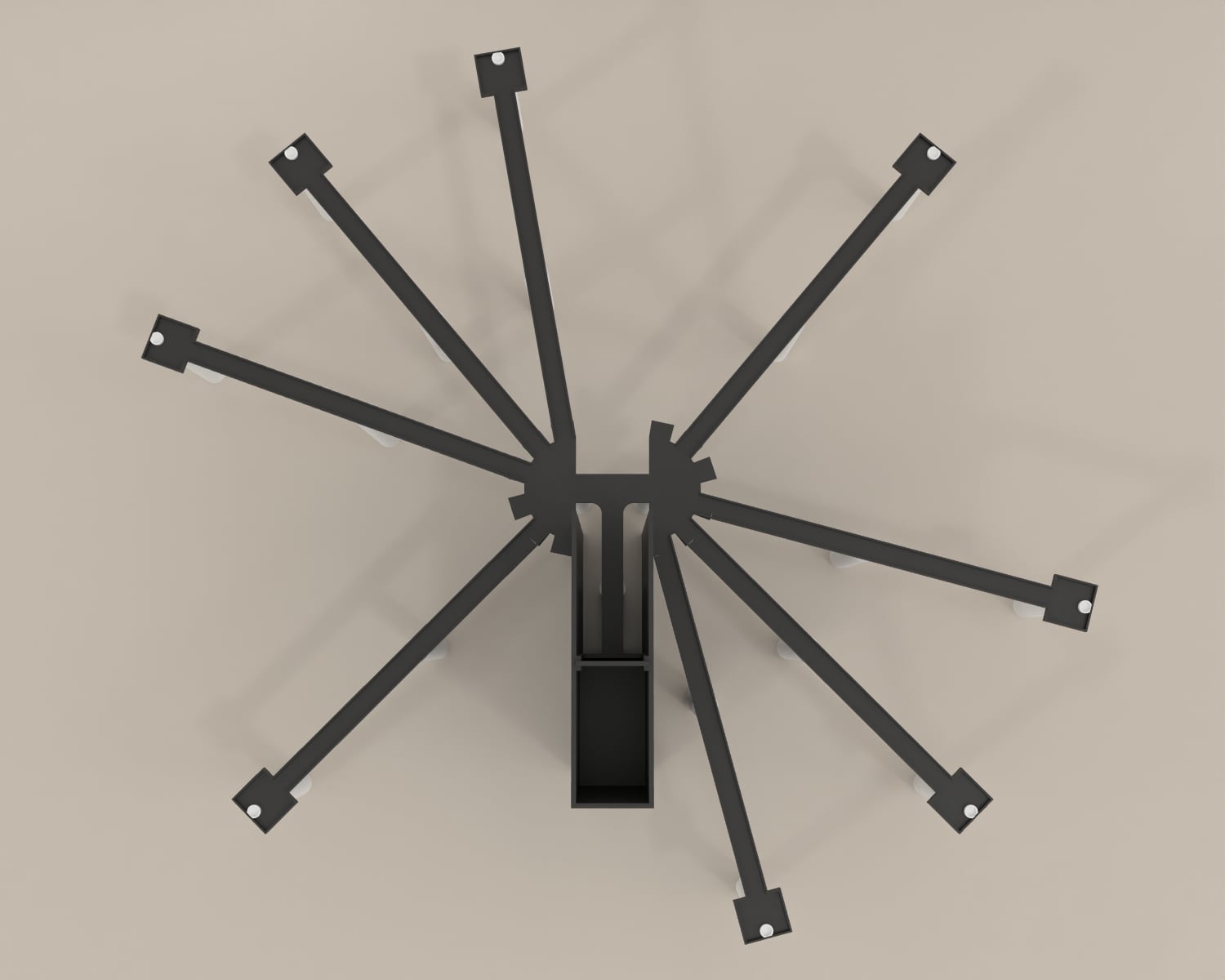
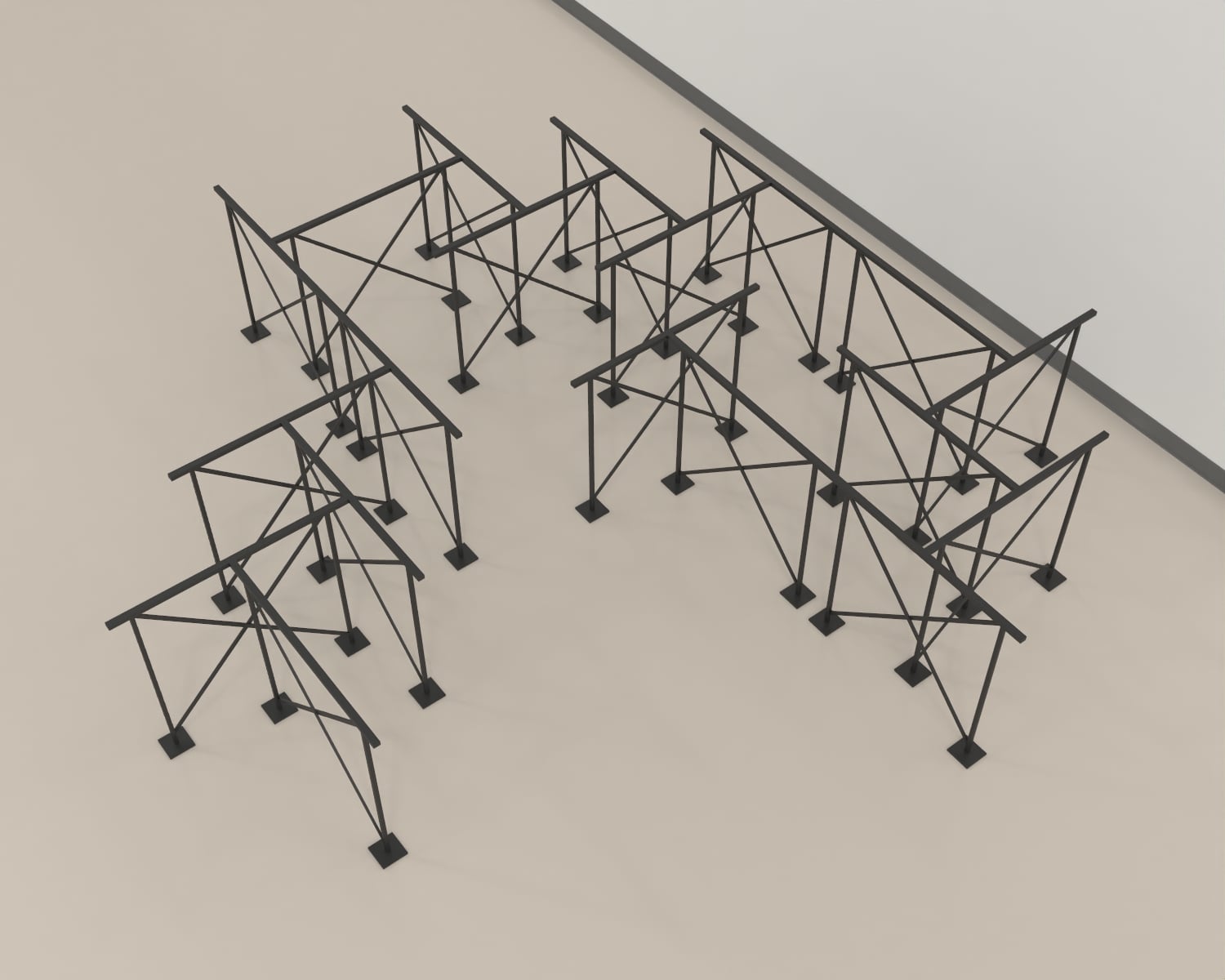
The Colosseum Maze:
Vertical Maze Learn More
The Floor Maze
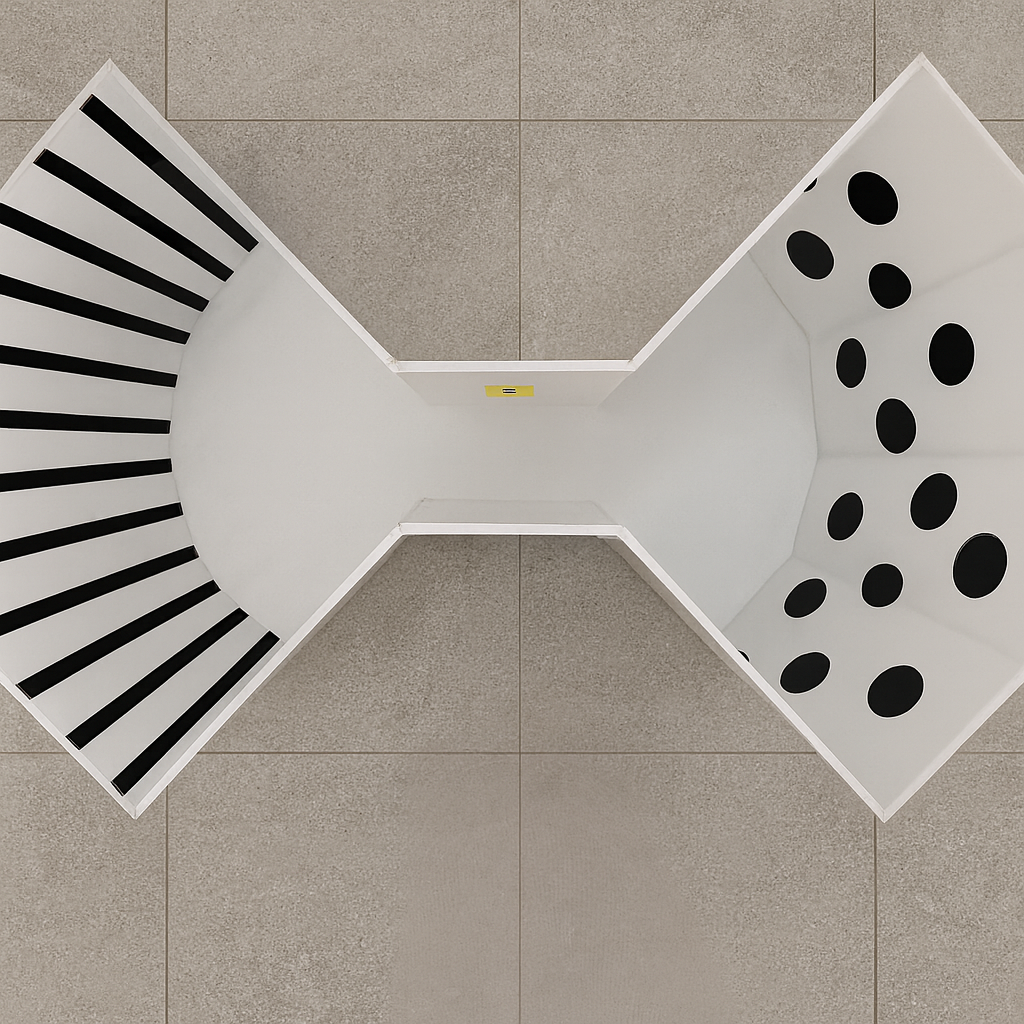
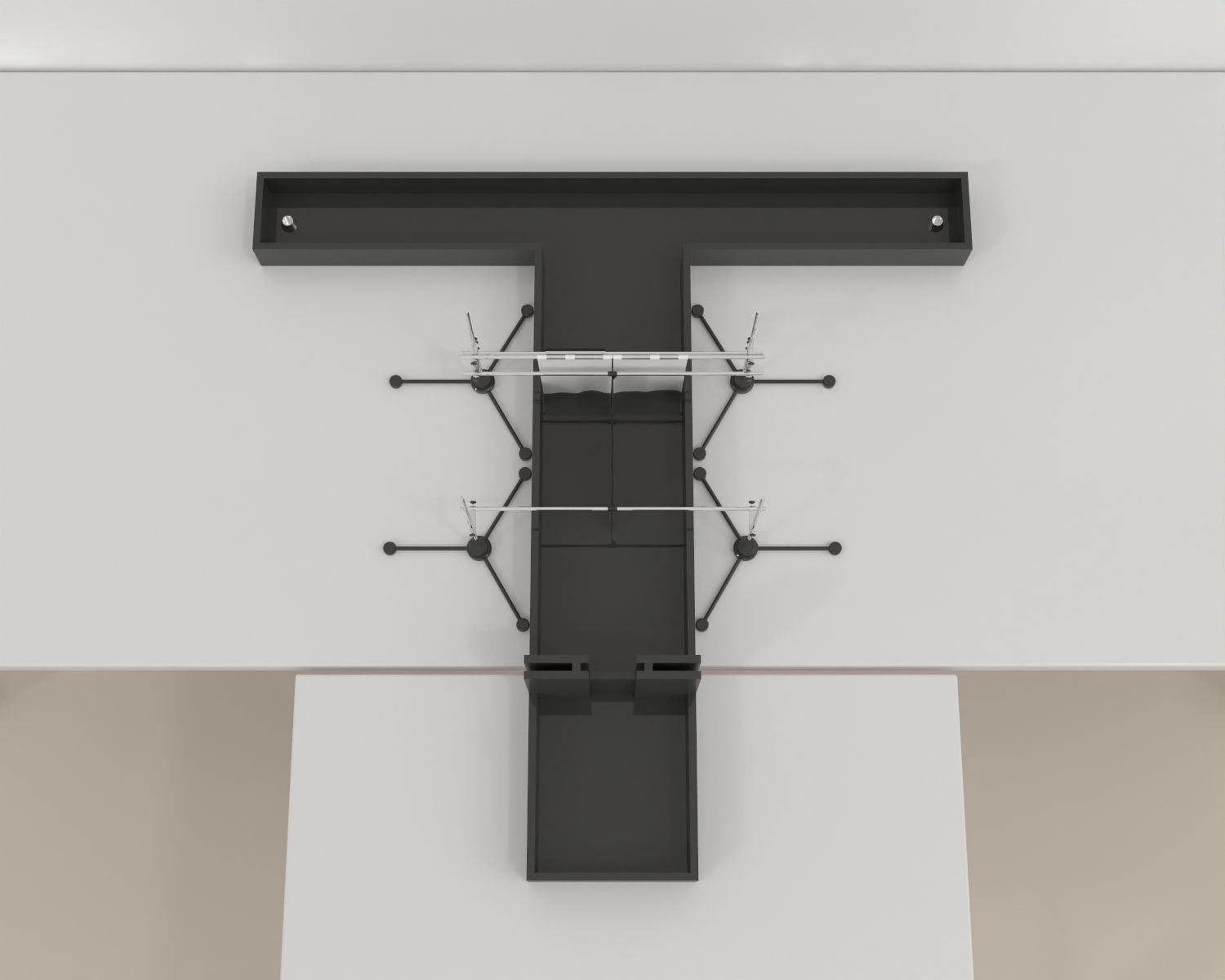
Investigating visual cognition through spatially projected environments The Floor Projection Maze is a modular apparatus developed to study visual information…
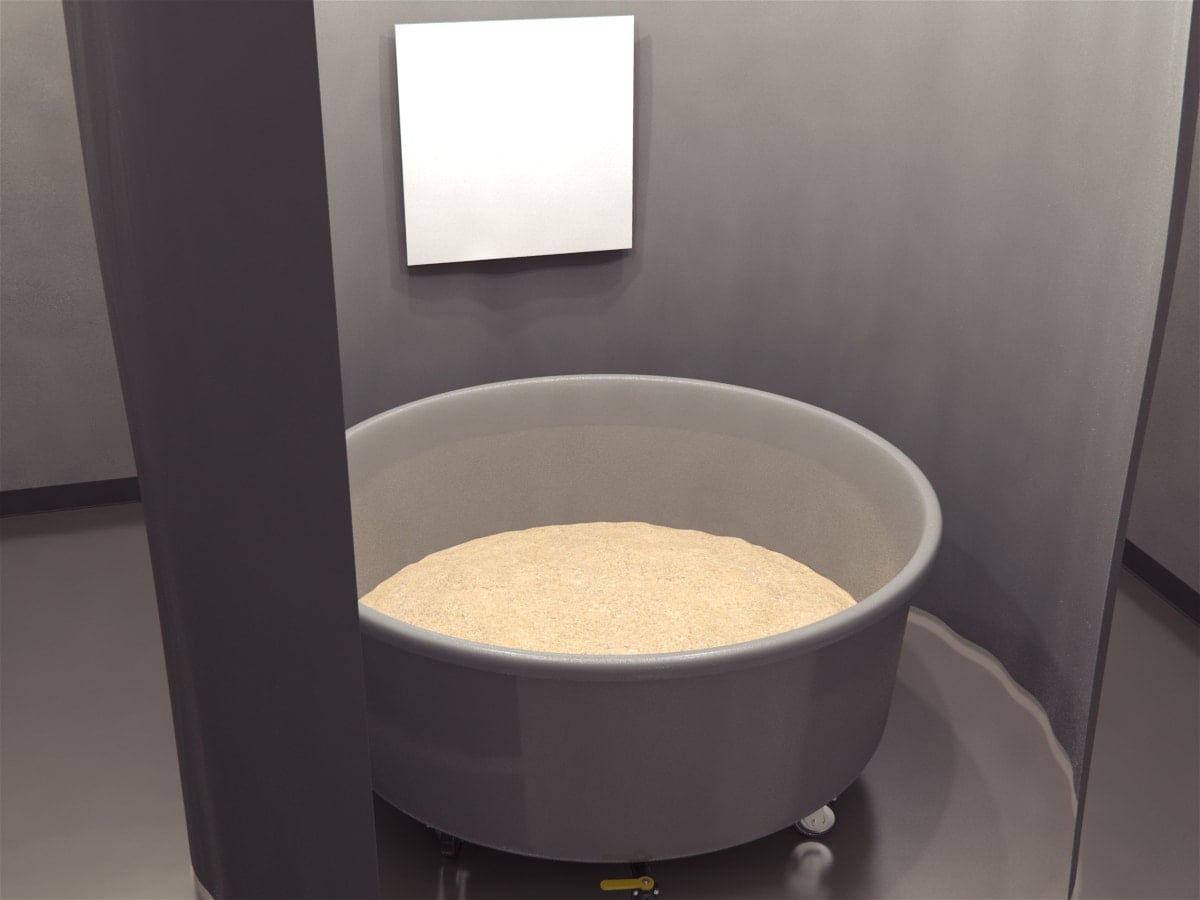
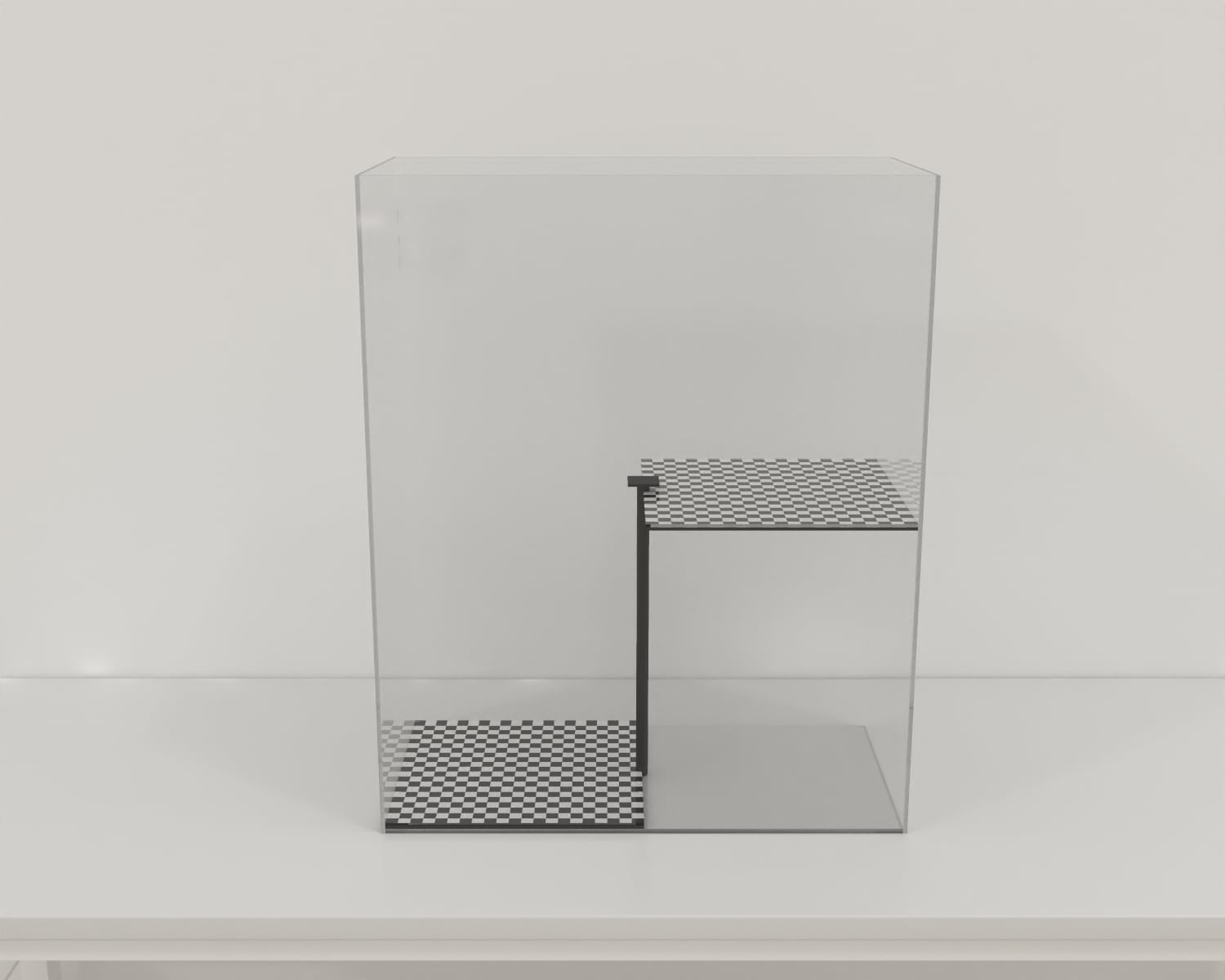
3D Vertical Maze
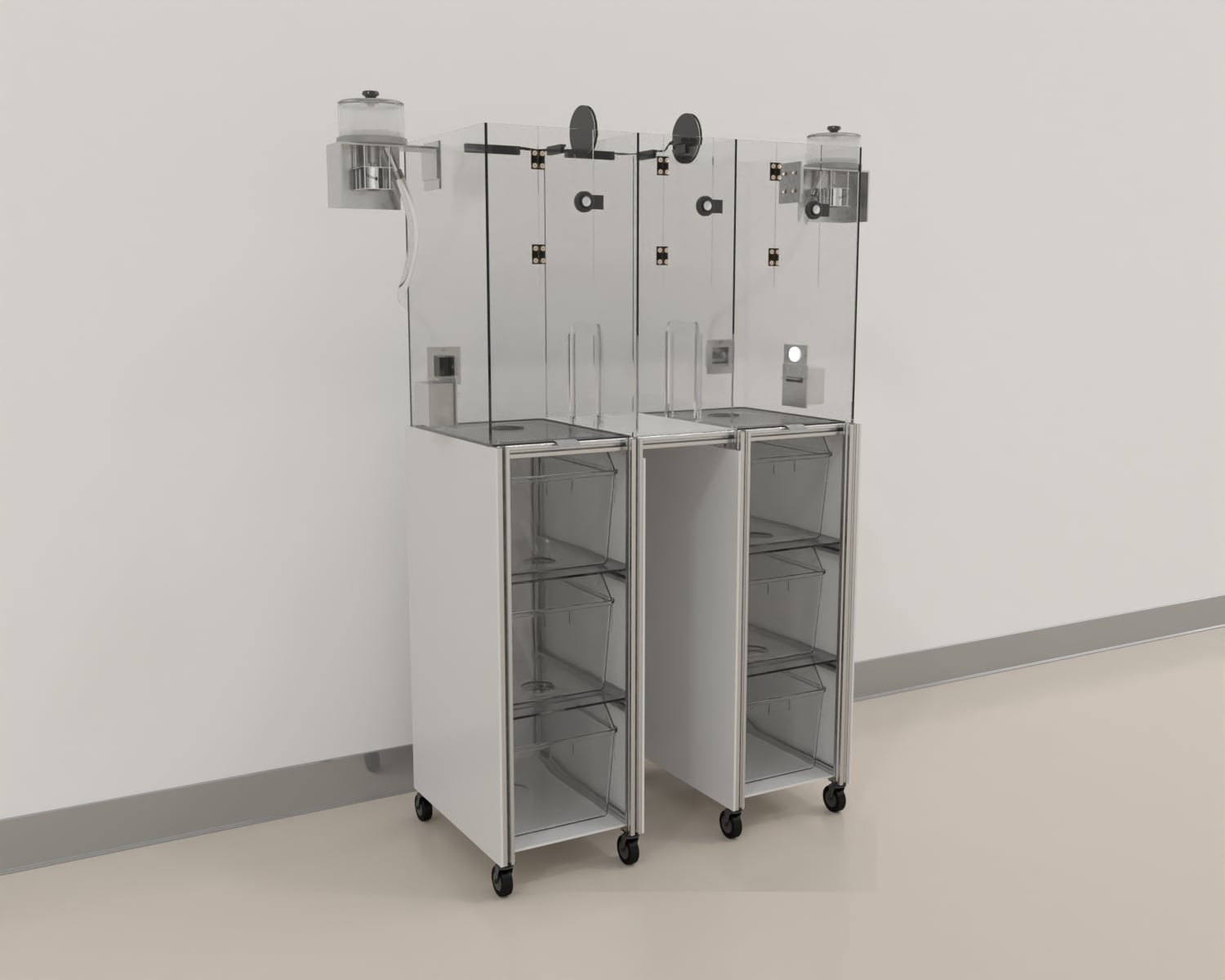
Vertical Maze Overview
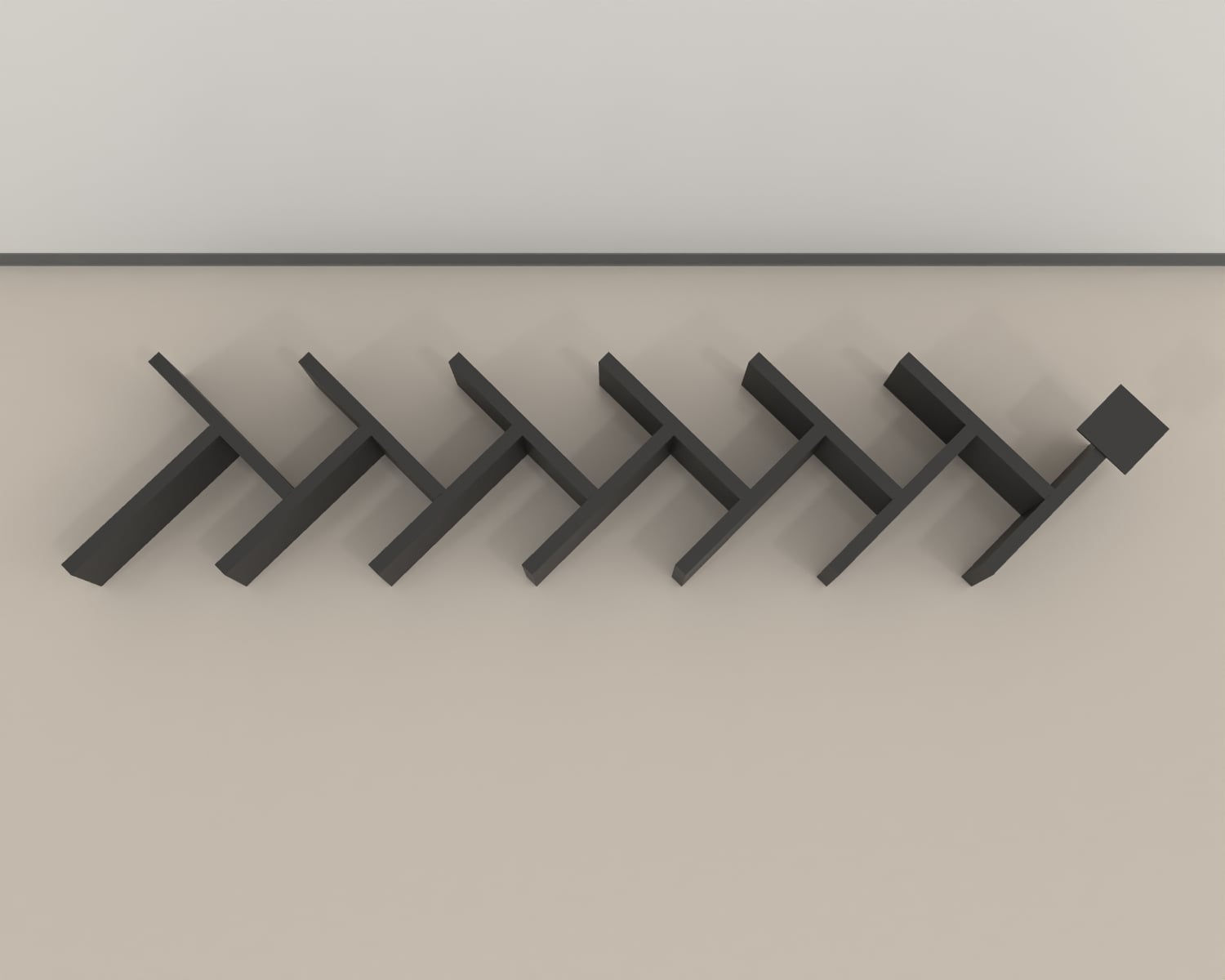
Stone T Maze
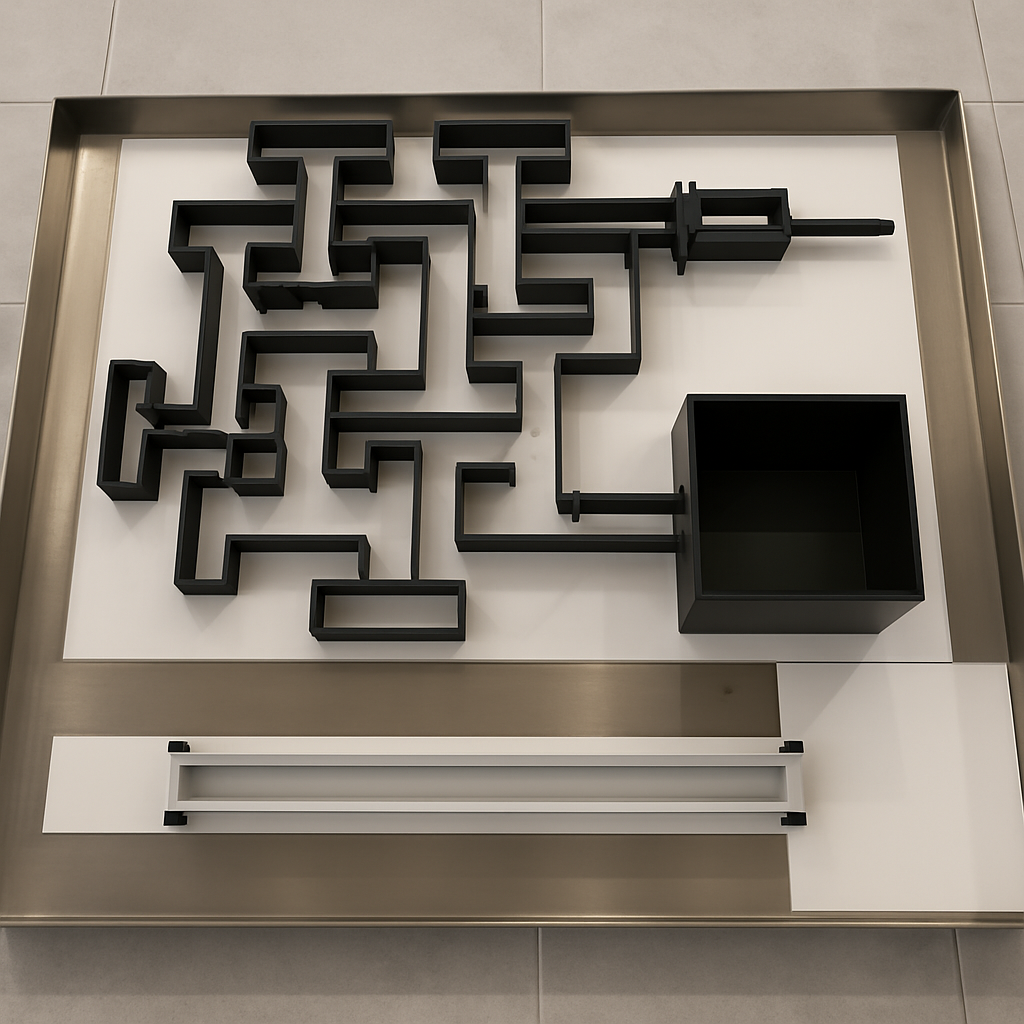
Development of a water-escape motivated version of the Stone T-maze for mice addresses the challenges in assessing learning and memory in mice using tasks originally designed for rats.
Bussey-Saksida Touch Screen Operant Conditioning Chamber
The Bussey-Saksida Touch Screen Operant Conditioning Chamber is a multi-paradigm device used to study operant conditioning in rodents. It features a large,…
Operant Conditioning
See our images of the various configurations and accessories available for the Operant chamber
Rodent Dual Reward-Place Association Task
Developed by Michon et al, the Rodent Dual Reward-Place Association Task was created to explore the formation and transformation of memories into long-lasting…
Rowed Cheeseboard Maze
Developed as a variant between the Radial arm, Dry Morris Water, and Cheeseboard mazes, the rowed Cheeseboard uses food rewards to investigate both spatial…
Concatenated Rodent Y-Maze
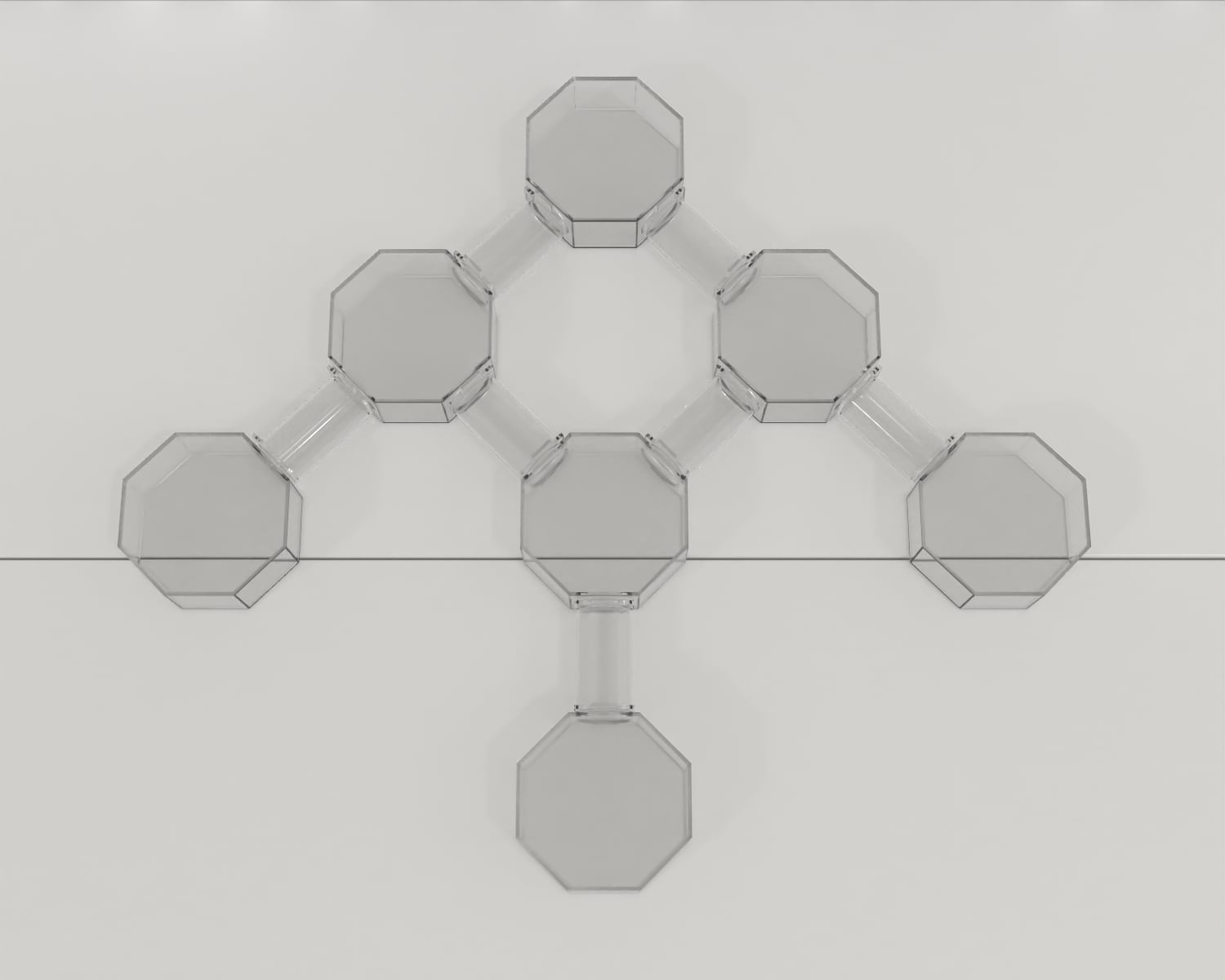
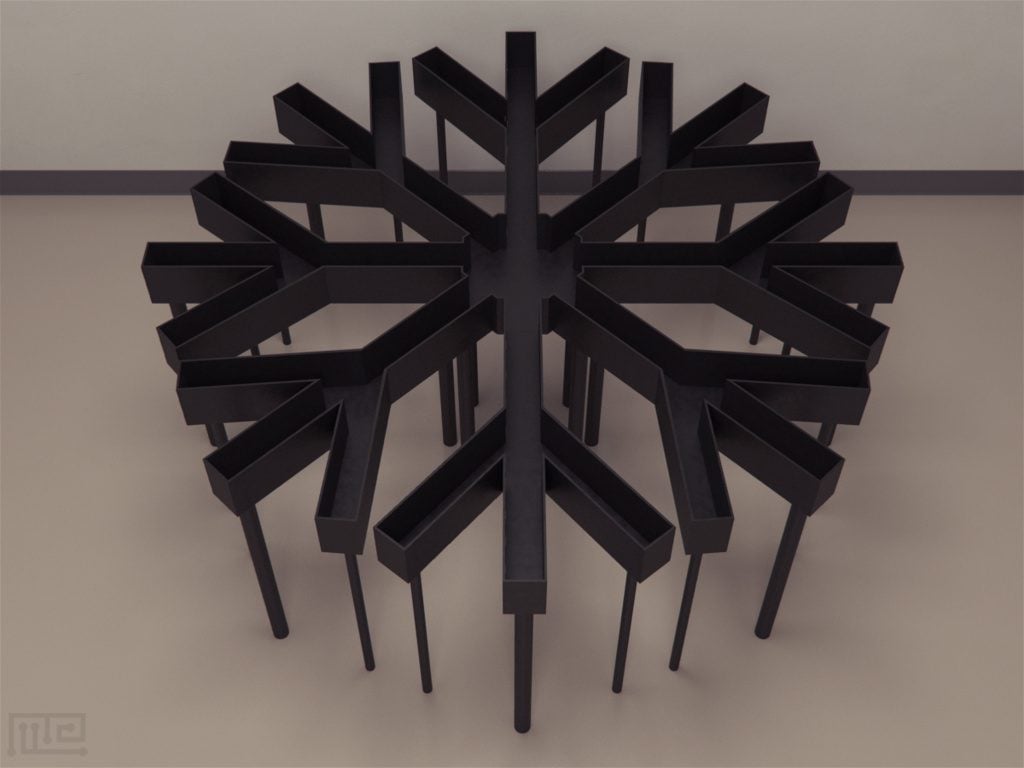
Developed by Ainge, Tamosiunaite, Woergoetter, and Dudchenko (2007), the Concatenated Y-Maze is a branching Y-Maze used to observe choice behaviors and spatial…
Y/T Rodent Maze
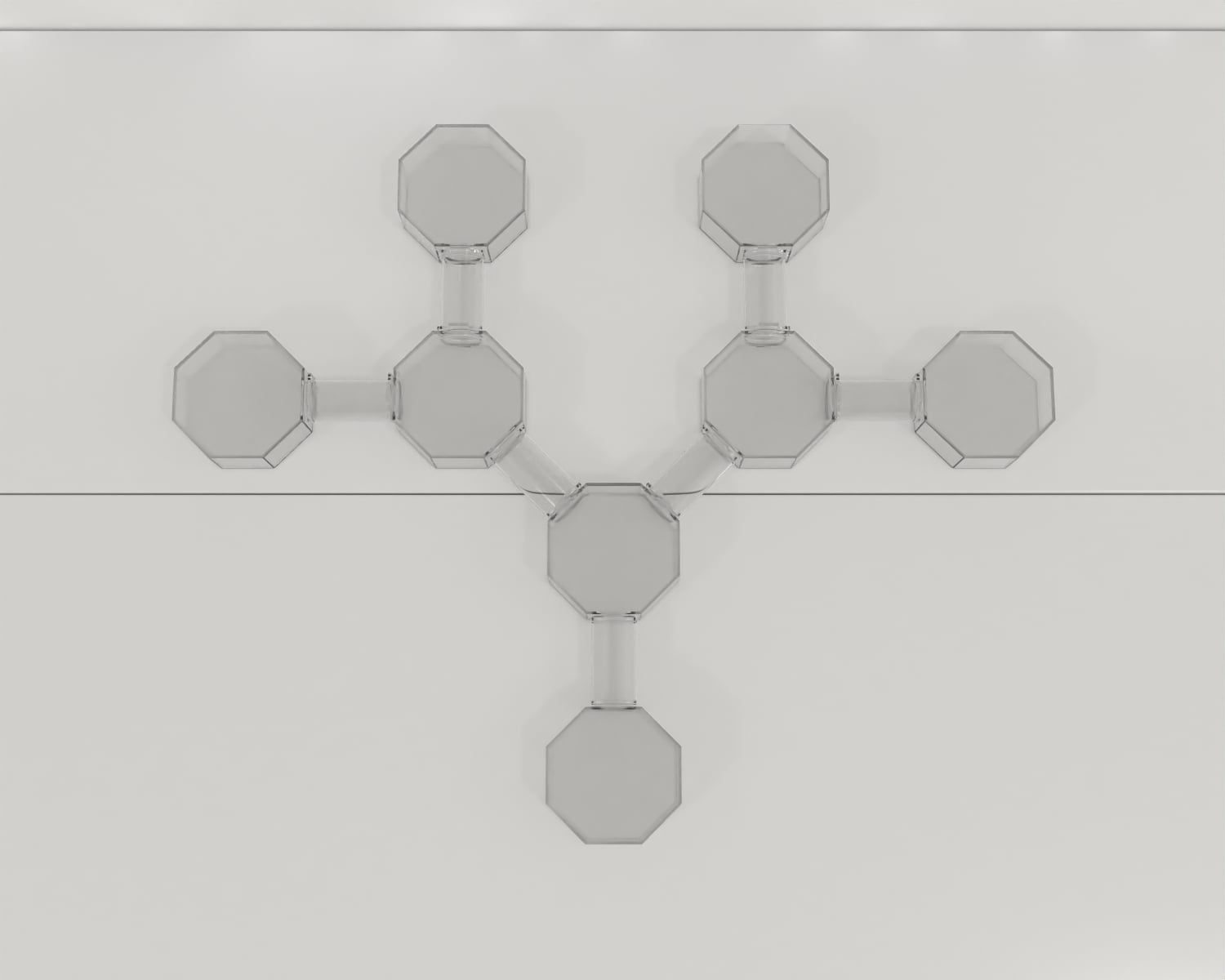
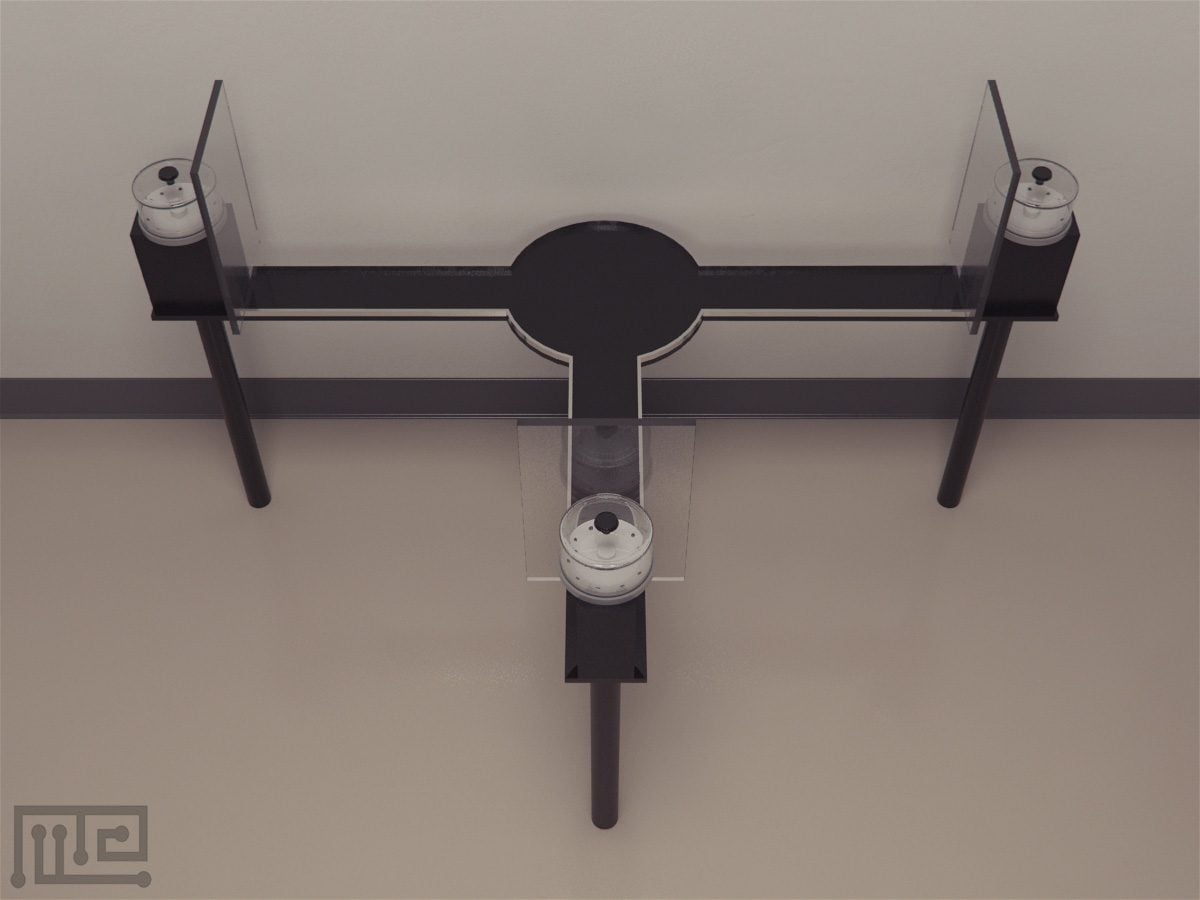
Developed by Grieves, Wood, & Dudchenko, 2016, the Y/T Rodent Maze is used to study spatial navigation in rodents. It contains a start box, three-goal boxes,…
Rodent Olfactory Exploration Box
The Rodent Olfactory Exploration Box is employed to evaluate rodents’ ability to identify and discriminate between different odors. The box comprises solid…
Rodent OX Maze
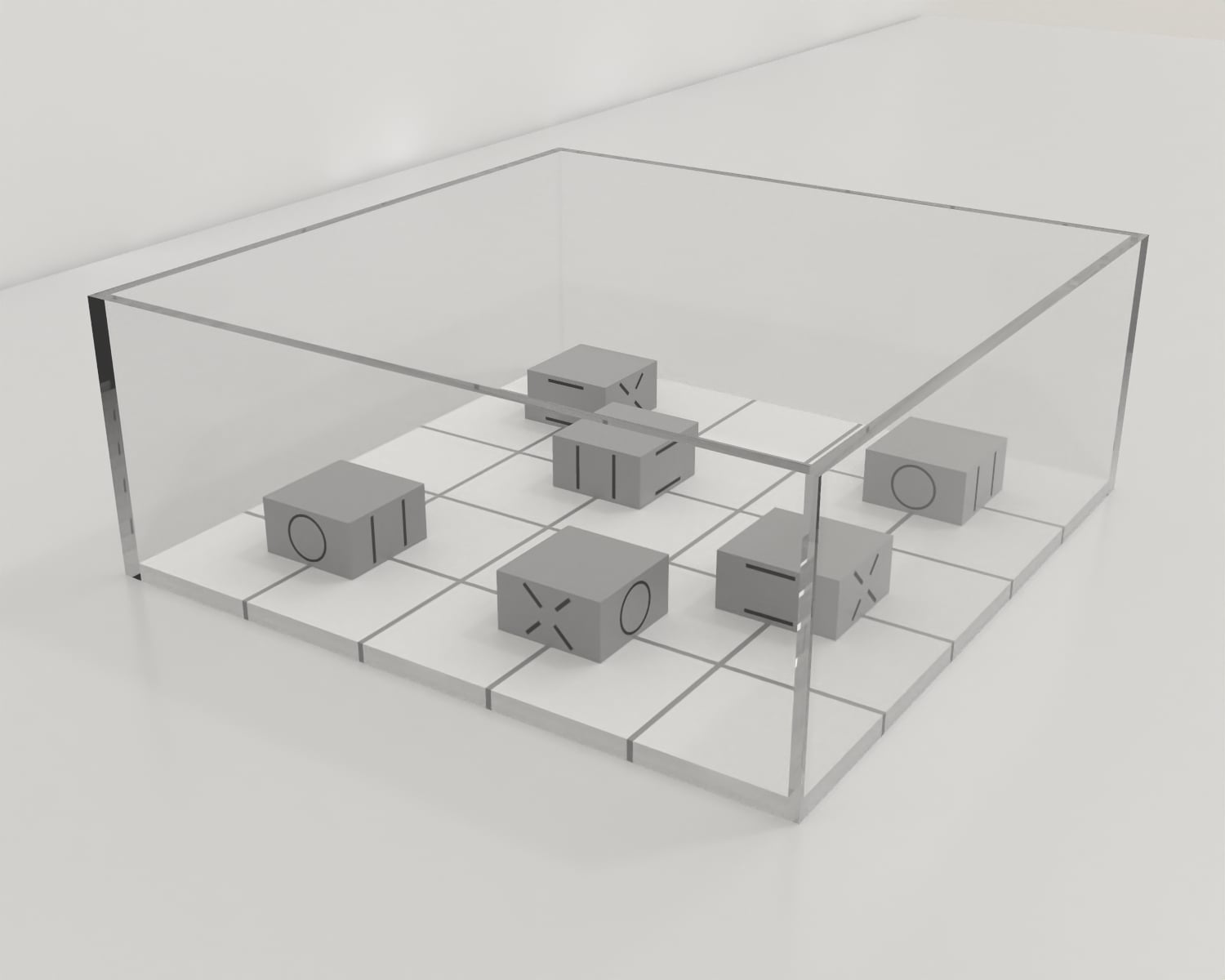
Developed by Wood, Glynn, and Morton, the Rodent OX-Maze is used to assess learning and memory in rodents. It gets its name from the ‘O’ and ‘X’ symbols drawn…
Split T Maze
The Split T-Maze was originally invented by Markowska and Savonenko (2002) as an adaptation of the standard rodent T-Maze used to assess spatial learning and…
Narrow Elevated Path Maze
The Narrow Elevated Path Maze is used to study spatial learning and memory in rodents.
Blocked Elevated maze
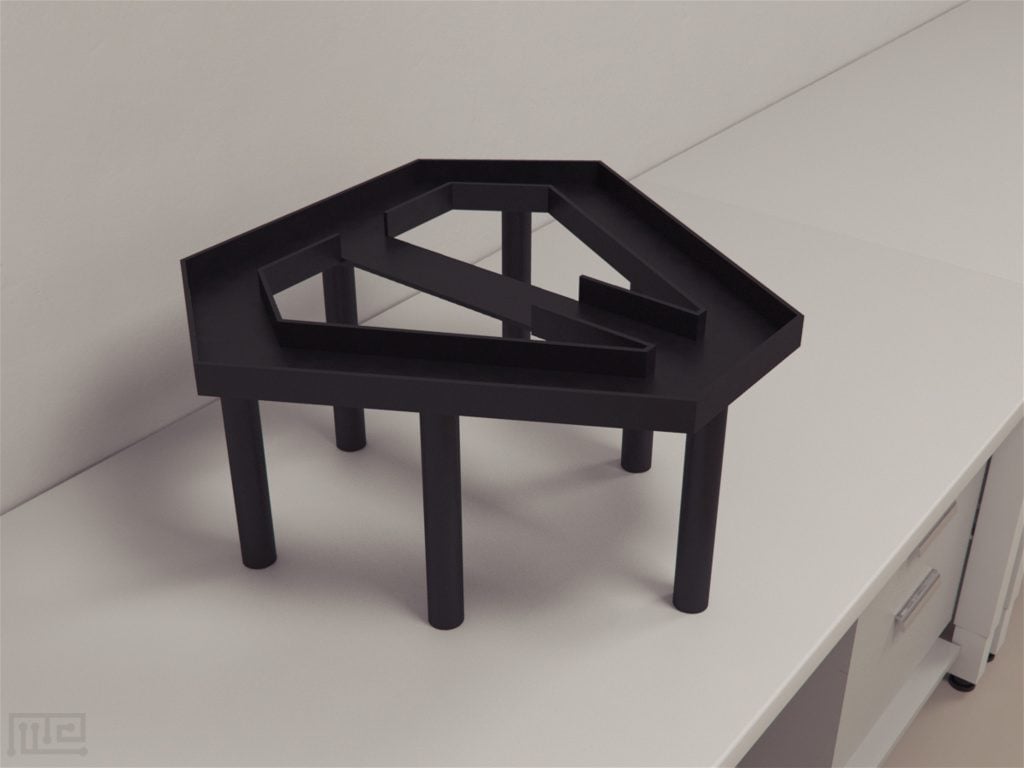
The Blocked Elevated Maze is an adaptation of the standard rodent T-Maze and the Elevated Plus Maze and comprises several elevated blocks arranged in a multiple T zigzag pattern.
Modified Oasis Maze
The Modified Oasis Maze is a type of water maze that is used in behavioral studies of rodents, particularly mice.
Neuwirth-Brown™ Attention Set-shift Test (ASST)
Neuwirth-Brown™ Attention Set-shift Test (ASST) Documentation Learn More
Narrow Beam Apparatus
The narrow beam test examines the ability of a rat to cross a narrow, elevated beam of wood or other material.
Inclined Plane Maze
The Inclined Plane Maze was used to determine the effect of different environments during infancy on adult behavior in the rat. Learn more about it here.
Suspended T-Maze
The suspended T-maze is a behavioral test used to assess spatial learning and memory in small rodents.
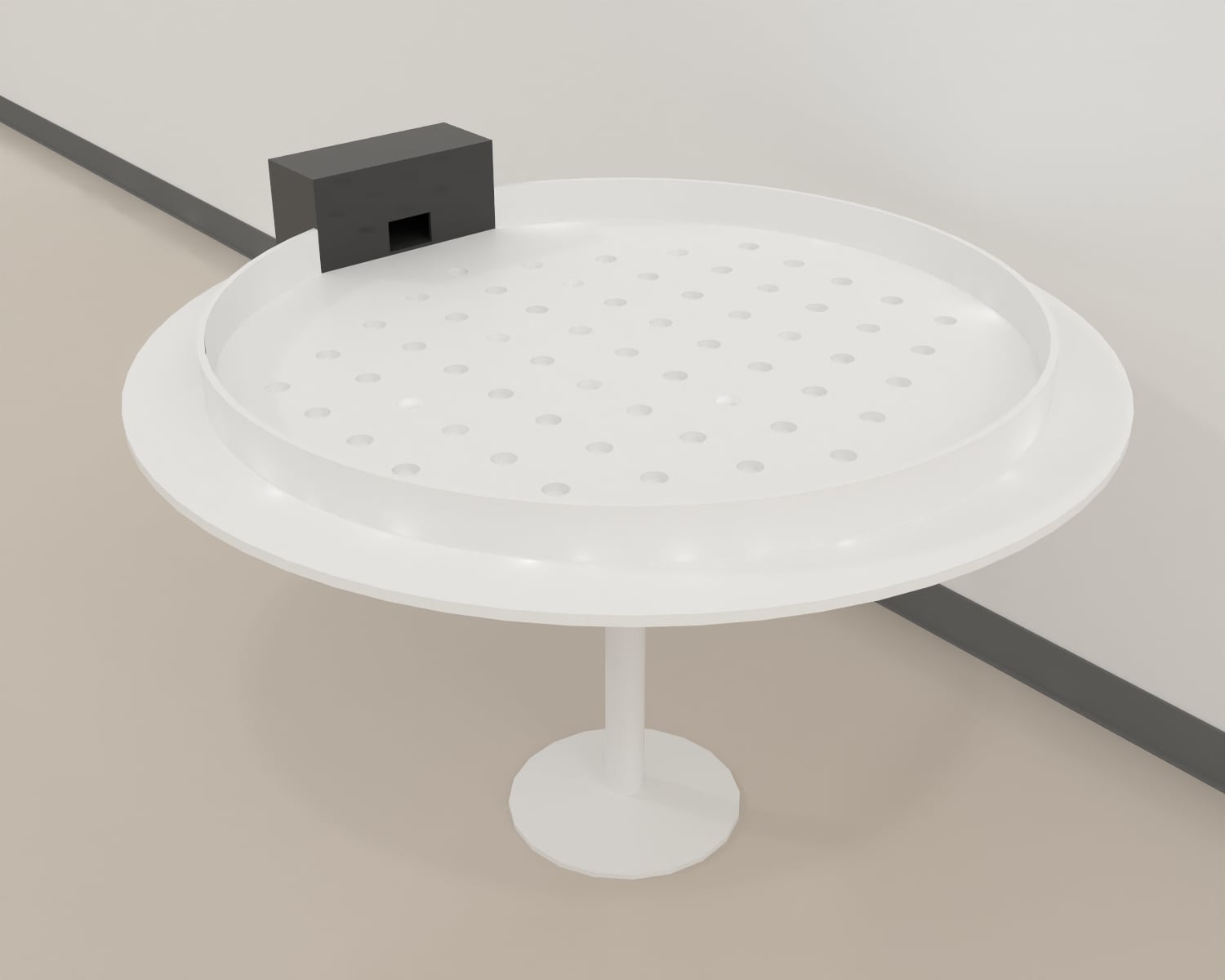
Cheeseboard Maze
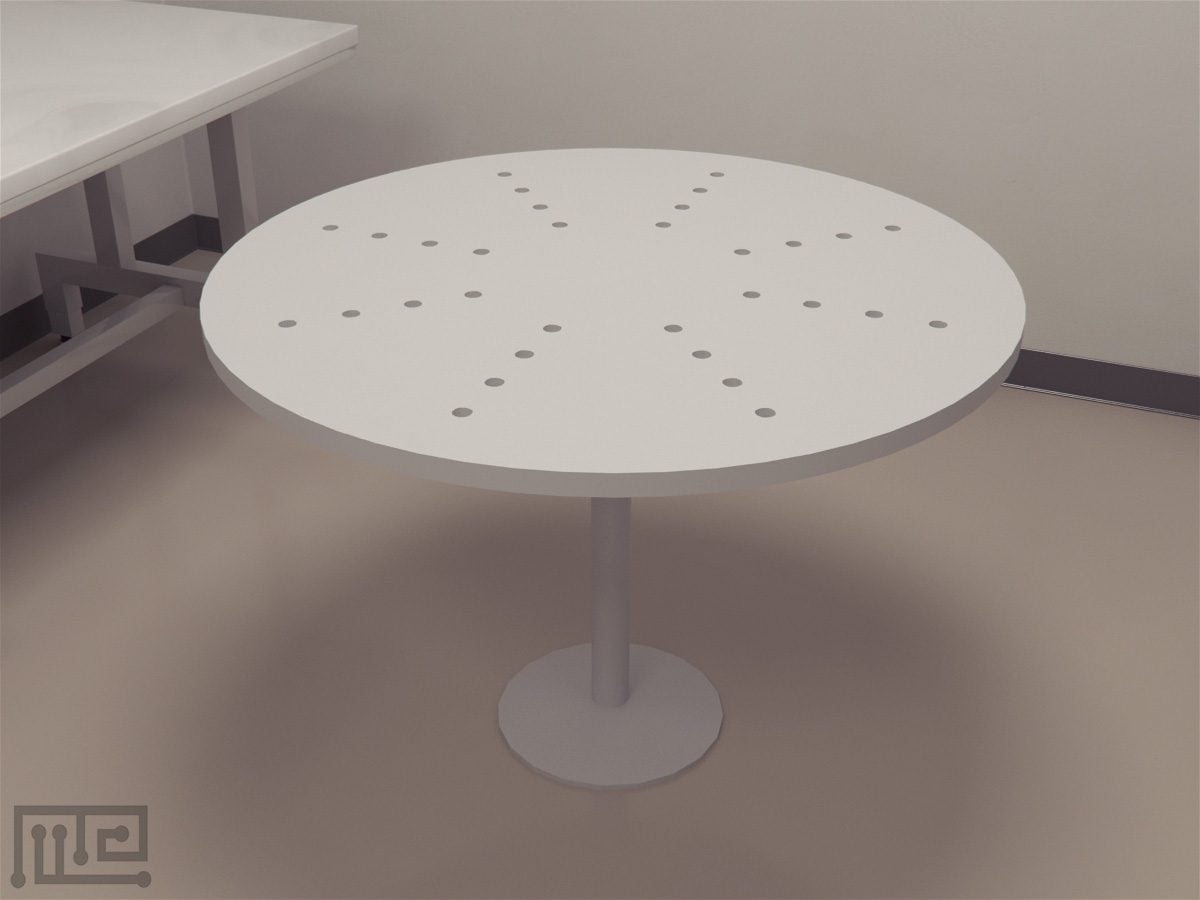
Cheeseboard Maze is a circular acrylic board with drilled wells arranged in a radial pattern. It is used to test for spotlight learning and memory in rodents. Learn more here.
Six Arm Maze
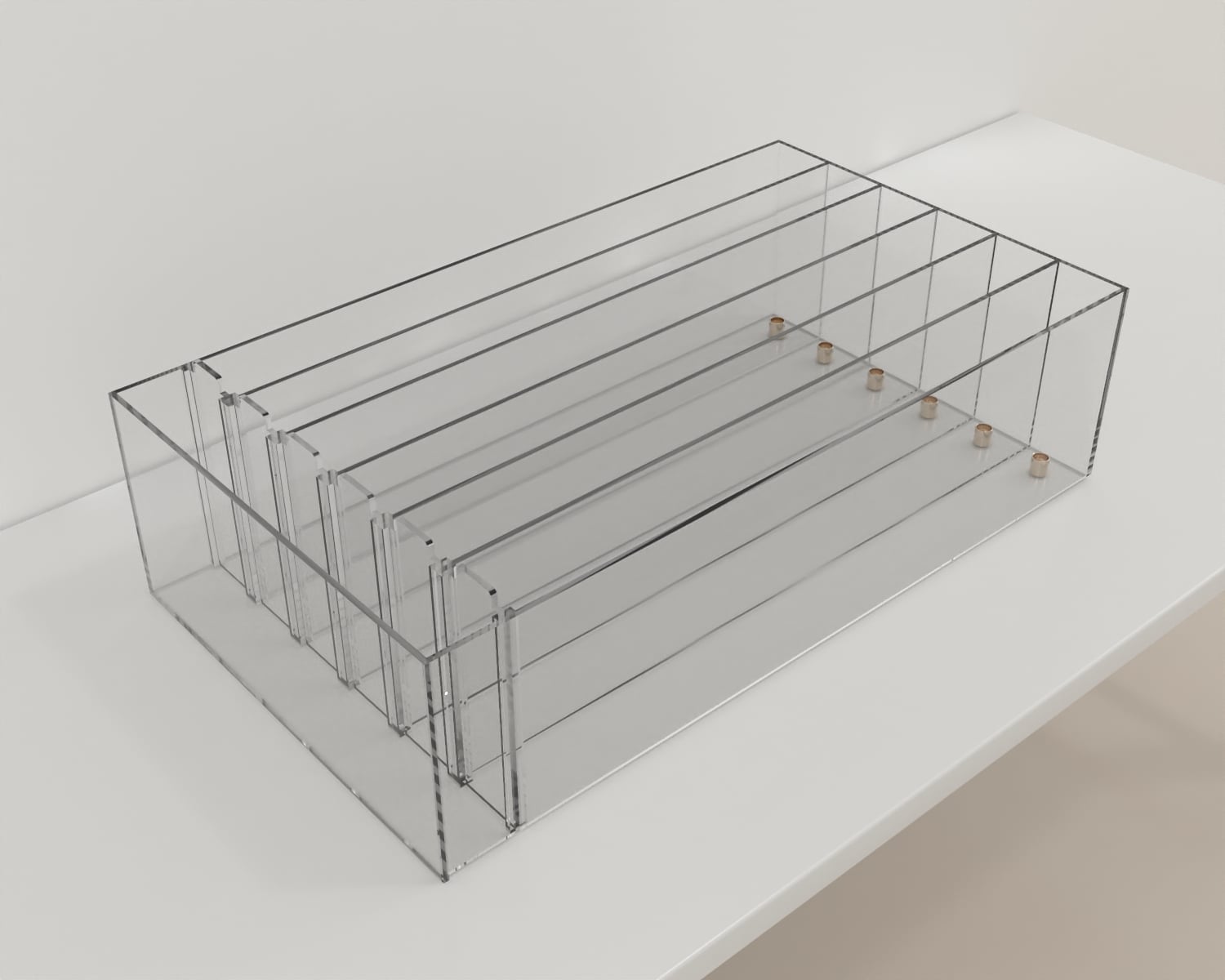
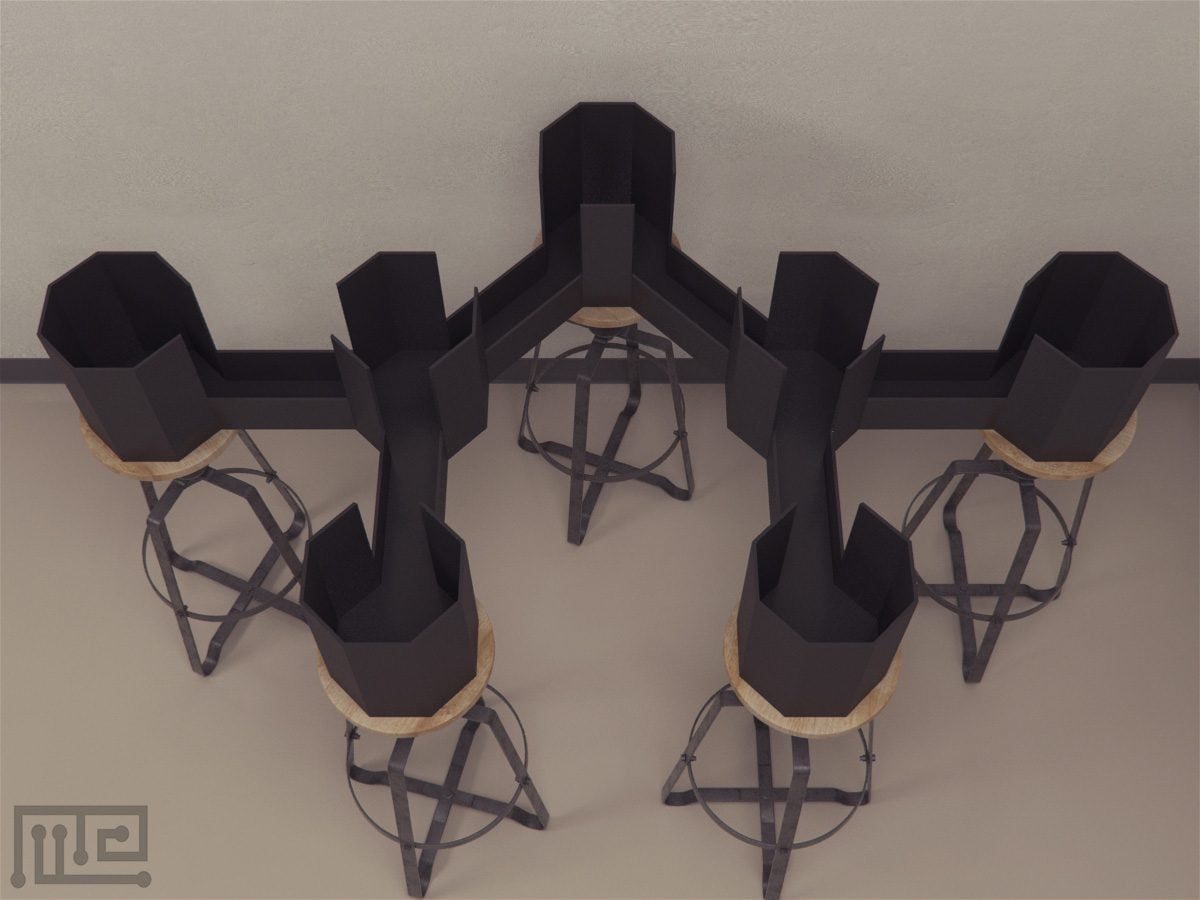
The Six Arm Maze is used to study spatial learning and memory in rodents. It consists of geometrically similar, but visually distinct multiple U-shaped sequential arms connected to a linear track.
Height Test
The Height Test is used to observe rodent’s behavior when subjected to aversive, anxiogenic and novel situations using height as a determinant.
Olfactory Hole Board
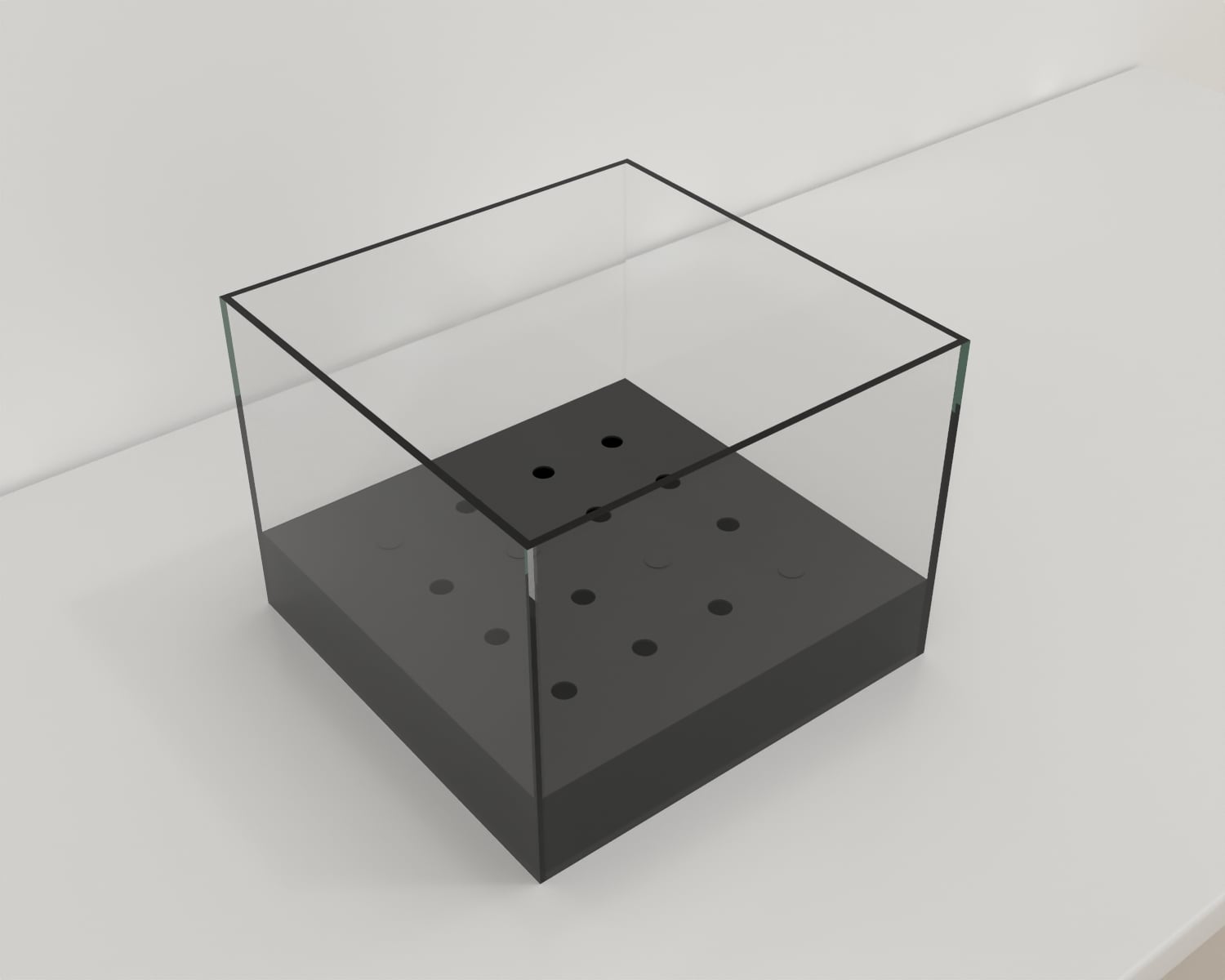
The Olfactory Hole Board test is an adaptation of the classic Hole Board Test that is often used in the assessment of unconditioned behavior, cognition, and social interaction.
Double Y Angulated Maze
The Double Y Angulated Maze can be used in a study to test whether the hippocampus is essential for vicarious trial-and-errors (VTEs) in a spatial memory task and in a simple visual discrimination (VD) task.
Forced 2-Choice Maze
The Forced 2-Choice Maze is used in behavioral task to train rodents to overcome their natural aversion of light.
Circular Central Platform T Maze
The circular central platform T Maze offered by MazeEngineers is used in experiments to investigate spatial navigation in rodents.
Hierarchal Maze
The Hierarchal maze is used to assess learning in mice and rats. Learn about the device and behavioral outcomes.
Double Bandit T Maze
The Modified T-Maze task is a widely used apparatus designed for evaluating the decision-making process and behaviours in rodents.
Gap Cross Test
The Gap Cross Test offered by MazeEngineers allows studying the chronic effects of whisker removal and traumatic brain injury.